



.svg)
.svg)

5 Expert-Approved Tips for a Smooth Brow Lift Recovery
News
/
October 1, 2026
5 Brow Lift Recovery Tips for a Smoother Healing Experience
5 Expert-Approved Tips for a Smooth Brow Lift Recovery

Body contouring has revolutionized the way we think about self-care and aesthetic transformations. It’s more than just a cosmetic procedure—it’s a path to enhanced confidence and self-expression.
Why Recovery Planning Matters for Your Brow Lift
A brow lift is a cosmetic surgery procedure that elevates the eyebrows and forehead, creating a more youthful and refreshed appearance. Proper recovery is essential to achieving natural, long-lasting results. This article covers five essential tips: elevating your head to minimize swelling, using cold compresses, eating a nutrient-rich diet, avoiding strenuous activity, and caring for your incisions.
Brow Lift Recovery Facts
- Elevating the head above heart level for 1–2 weeks uses gravity to reduce swelling and pressure around the eyes and incisions.
- Apply cold compresses(wrapped in cloth) for 20 minutes with 40-minute breaks, 4–6 times daily during the first 24–48 hours to constrict vessels and limit bruising.
- A diet rich in vitamins A and C, protein, and omega‑3s supports collagen production, while alcohol, caffeine, excess salt, and sugar should be avoided to minimize swelling.
- Avoid strenuous activity and lifting over 5–10 pounds for 2–3 weeks;light walking is safe from day three to promote circulation without raising blood pressure.
- Full unrestricted exercise (running, weightlifting) is typically permitted between weeks 6 and 12, with moderate activities like brisk walking allowed around 4–6 weeks after surgeon approval.
- After the compression dressing is removed (~day 4), clean incisions with saline and antibiotic ointment 2–3 times daily; wear a tennis-style headband continuously for 7–10 days, then only at night for 3 more weeks.
- Avoid chemical hair treatments(color, perms, relaxers) for at least 4 weeks; protect healing incisions from UV with SPF 30+ sunscreen and a wide-brimmed hat daily.
- Brow lift results typically last 5–10 years for endoscopic lifts,10–15 years for coronal lifts,3–5 years for temporal lifts, and potentially permanent for direct lifts in certain medical cases.
- The national average cost of a brow lift is approximately $4,430, with reported ranges from $325 to over $16,700 depending on location, surgeon, and technique.
- Temporary side effects include swelling, bruising, numbness, and tingling that usually resolve within a few weeks; rare serious risks include nerve injury, infection, and temporary hair loss near incisions.
1. Elevate Your Head to Minimize Swelling
- Elevate Your Head to Minimize Swelling
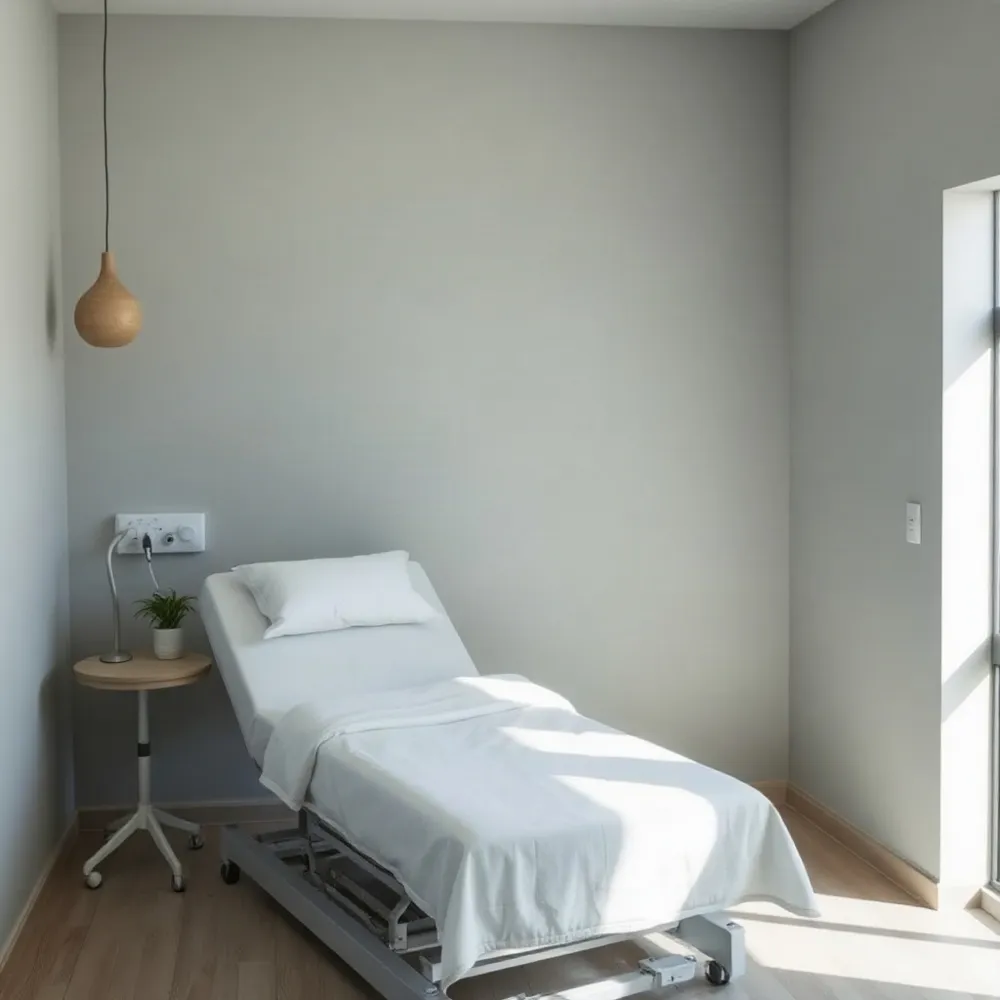
Keeping your head elevated is one of the most effective ways to reduce swelling and support recovery after a brow lift. When your head is raised above the level of your heart, gravity helps fluid drain away from the surgical site, significantly decreasing puffiness and pressure around the forehead and eyes.
For the first one to two weeks, sleep on your back with two to three pillows propping up your head, or rest in a recliner. A wedge pillow can provide consistent elevation throughout the night without shifting. This position not only minimizes swelling but also reduces pressure on the incisions, helping the healing tissue remain undisturbed.
Aim to keep your head elevated even during daytime rest, as staying in this position for the first several days can noticeably improve how quickly the visible signs of surgery fade.
2. Use Cold Compresses for the First 48 Hours
Applying cold compresses or soft gel packs is one of the most effective ways to manage swelling and tenderness in the first days following a brow lift. The cooling temperature constricts blood vessels, which helps minimize bruising and speeds up the early healing process.
Use the compresses for 20 minutes at a time, with at least 40-minute breaks in between. Never place ice directly on the skin — always wrap the pack in a soft cloth to protect the delicate surgical site. Apply the compress gently to the closed eyes and, if no dressing is in place, to the forehead as well. Repeat this 4 to 6 times daily for the first 24 to 48 hours after your brow lift.
Consistent use of cold therapy during this critical window can significantly reduce post-operative swelling, making the remainder of your recovery more comfortable. At our Manhattan practice, Dr. Loeb provides each patient with detailed aftercare instructions, including guidance on safe cold-compress use tailored to your specific procedure.
3. Eat a Nutrient-Rich Diet and Stay Hydrated
Supporting your body with the right nutrition is a straightforward way to encourage healing after a brow lift. Focus on foods rich in vitamins A and C, protein, and omega-3 fatty acids, which help produce collagen and reduce inflammation. Fresh produce and high-protein, low-fat meals are excellent choices.
Equally as important is knowing what to limit. Processed foods, excess salt, and sugar can contribute to swelling and slow down recovery. Staying well-hydrated helps flush out toxins and keeps your skin healthy, so aim for at least eight glasses of water each day.
Be cautious with dehydrating beverages. Alcohol and caffeine can interfere with the healing process, so it is wise to avoid them in the early stages. A thoughtful diet and good hydration work together to help your body heal efficiently.
4. Avoid Strenuous Activity and Heavy Lifting
Giving your body time to heal without unnecessary strain is one of the most important factors in a smooth brow lift recovery. For at least the first two to three weeks, you should avoid bending over, lifting anything heavier than five to ten pounds, and any strenuous exercise. These activities can raise your blood pressure, which may worsen swelling or even cause bleeding at the surgical site.
Light walking, however, is encouraged — you can usually start gentle walks as early as day three after surgery. Walking promotes circulation, which supports healing and helps reduce the risk of blood clots. This is a safe way to stay active without putting stress on your recovering tissues.
Returning to exercise should be a gradual process. Around weeks two to three, you may be cleared for very gentle activities. Moderate exercise, such as brisk walking or light stretching, can typically resume at four to six weeks, but always wait for your surgeon’s approval. Full, unrestricted physical activity — including running, tennis, yoga, and weightlifting — is usually permitted between weeks six and twelve. Following these guidelines helps protect your results and allows the final brow position to settle into its natural, harmonious appearance.
5. Care for Incisions and Protect from Sun
Proper incision care and sun protection are central to a smooth brow lift recovery and optimal scar outcomes. After the initial compression dressing is removed, typically around day four, you can begin gently cleaning the small scalp incisions. Use a cotton swab moistened with saline to roll over each incision, then apply a thin layer of antibiotic ointment. Repeat this process two to three times per day.
A supportive headband plays an important role during this phase. Wear a broad tennis-style headband over the forehead continuously for the first 7 to 10 days (except when showering). After that, continue wearing it at night only for another three weeks to help hold the brow position as tissues settle.
Avoid chemical hair treatments such as coloring, perms, or relaxers for at least four weeks after surgery. The incisions need time to seal before being exposed to chemicals. The scalp also remains numb for a period, increasing the risk of burns from hair styling tools.
Once incisions are fully closed, protecting the area from the sun is essential. Apply a broad-spectrum sunscreen with SPF 30 or higher daily, and wear a wide-brimmed hat when outdoors. UV exposure can quickly darken healing scars and delay final results. Using a silicone-based scar cream daily for up to a year can further help scars fade smoothly.
What Exactly Is a Brow Lift?
A brow lift, also called a forehead lift, is a cosmetic procedure that raises drooping eyebrows and smooths forehead wrinkles. The surgery repositions the underlying muscles and soft tissues that have descended with age, restoring a more youthful and open appearance around the eyes.
Surgeons choose among three main techniques based on the patient's anatomy and desired outcome. An open (coronal) brow lift uses a single incision across the scalp, typically hidden at or just behind the hairline. An endoscopic brow lift relies on several small incisions and a camera, making it a less invasive option with a typically faster recovery. A temporal brow lift targets the outer brow through incisions at the temples.
Regardless of the method, the goal is a natural, balanced brow position that harmonizes with the overall facial structure. A well-performed brow lift creates brighter, more visible eyes and a refreshed look without appearing pulled or artificial, as described in a plastic surgeon's guide to brow lift recovery.
What Are the Potential Downsides?
A brow lift is a safe and effective procedure, but like any surgery, it carries potential downsides that patients should understand before committing.
Temporary side effects are common and include swelling, bruising, numbness, and a tingling sensation in the forehead or scalp. The Cleveland Clinic notes that these changes typically resolve within a few weeks, though some numbness may persist in small areas for longer.
There is also a risk of visible scarring, though incisions are carefully placed along the hairline to remain discreet. More serious but rare risks include nerve injury that can affect brow movement, infection, and the possibility of temporary hair loss near the incision sites.
At your consultation with Dr. Thomas W. Loeb's practice in New York City, these factors will be reviewed thoroughly so you can make an informed decision. The practice's boutique approach and commitment to precision help minimize risks and support a smooth recovery.
How Long Do Brow Lift Results Last?
The longevity of a brow lift is not a fixed number; it depends on the surgical technique used, your individual biology, and how well you care for your skin afterward. Most patients can expect results to last between 5 and 10 years, though the range is wider when different procedure types are considered.
An endoscopic brow lift, the more common minimally invasive approach, typically provides results lasting 5 to 10 years. The more invasive coronal lift can endure for 10 to 15 years. Less invasive temporal lifts may last 3 to 5 years. In certain medical cases, a direct brow lift can offer potentially permanent results. Factors like your age, skin thickness, and genetics play a significant role in how long the effects will last.
To maintain your refreshed look, a personalized consultation with a board-certified plastic surgeon like Dr. Thomas Loeb is the best way to set realistic expectations based on your unique needs and anatomy.
What Is the Typical Cost?
The cost of a brow lift varies widely based on location, surgeon experience, and the specific technique used. The national average is approximately $4,430, with reported ranges from around $325 to over $16,700.
Surgical lifts, such as endoscopic or coronal procedures, generally cost more than non-surgical alternatives. The total investment typically includes surgeon fees, anesthesia costs, and facility charges. Because pricing depends on individual anatomy and goals, a personalized consultation with a board-certified surgeon like Dr. Loeb provides the most accurate estimate.
Your Journey to a Refreshed Look
A smooth recovery depends on consistent attention to five areas: keeping the head elevated, using cold compresses, eating well and staying hydrated, avoiding strenuous activity, and protecting incisions from the sun. When patients follow these steps, their bodies can focus on healing without unnecessary setbacks.
The final outcome of a brow lift does not appear overnight. Most patients see their definitive results between three and six months after surgery, as scars fade and the brow settles into its new position. Patience during this window is essential, because the visible end result directly reflects how well the recovery guidelines were followed.
Every patient heals differently, which is why working with a board-certified plastic surgeon matters. A qualified surgeon, such as Dr. Thomas W. Loeb, provides personalized aftercare instructions tailored to the specific surgical technique and the patient's own health profile. This individual guidance helps minimize risk and supports the best possible aesthetic result.
Why Recovery Planning Matters for Your Brow Lift
A brow lift is a cosmetic surgery procedure that elevates the eyebrows and forehead, creating a more youthful and refreshed appearance. Proper recovery is essential to achieving natural, long-lasting results. This article covers five essential tips: elevating your head to minimize swelling, using cold compresses, eating a nutrient-rich diet, avoiding strenuous activity, and caring for your incisions.
Brow Lift Recovery Facts
- Elevating the head above heart level for 1–2 weeks uses gravity to reduce swelling and pressure around the eyes and incisions.
- Apply cold compresses(wrapped in cloth) for 20 minutes with 40-minute breaks, 4–6 times daily during the first 24–48 hours to constrict vessels and limit bruising.
- A diet rich in vitamins A and C, protein, and omega‑3s supports collagen production, while alcohol, caffeine, excess salt, and sugar should be avoided to minimize swelling.
- Avoid strenuous activity and lifting over 5–10 pounds for 2–3 weeks;light walking is safe from day three to promote circulation without raising blood pressure.
- Full unrestricted exercise (running, weightlifting) is typically permitted between weeks 6 and 12, with moderate activities like brisk walking allowed around 4–6 weeks after surgeon approval.
- After the compression dressing is removed (~day 4), clean incisions with saline and antibiotic ointment 2–3 times daily; wear a tennis-style headband continuously for 7–10 days, then only at night for 3 more weeks.
- Avoid chemical hair treatments(color, perms, relaxers) for at least 4 weeks; protect healing incisions from UV with SPF 30+ sunscreen and a wide-brimmed hat daily.
- Brow lift results typically last 5–10 years for endoscopic lifts,10–15 years for coronal lifts,3–5 years for temporal lifts, and potentially permanent for direct lifts in certain medical cases.
- The national average cost of a brow lift is approximately $4,430, with reported ranges from $325 to over $16,700 depending on location, surgeon, and technique.
- Temporary side effects include swelling, bruising, numbness, and tingling that usually resolve within a few weeks; rare serious risks include nerve injury, infection, and temporary hair loss near incisions.
1. Elevate Your Head to Minimize Swelling
- Elevate Your Head to Minimize Swelling
Keeping your head elevated is one of the most effective ways to reduce swelling and support recovery after a brow lift. When your head is raised above the level of your heart, gravity helps fluid drain away from the surgical site, significantly decreasing puffiness and pressure around the forehead and eyes.
For the first one to two weeks, sleep on your back with two to three pillows propping up your head, or rest in a recliner. A wedge pillow can provide consistent elevation throughout the night without shifting. This position not only minimizes swelling but also reduces pressure on the incisions, helping the healing tissue remain undisturbed.
Aim to keep your head elevated even during daytime rest, as staying in this position for the first several days can noticeably improve how quickly the visible signs of surgery fade.
2. Use Cold Compresses for the First 48 Hours
Applying cold compresses or soft gel packs is one of the most effective ways to manage swelling and tenderness in the first days following a brow lift. The cooling temperature constricts blood vessels, which helps minimize bruising and speeds up the early healing process.
Use the compresses for 20 minutes at a time, with at least 40-minute breaks in between. Never place ice directly on the skin — always wrap the pack in a soft cloth to protect the delicate surgical site. Apply the compress gently to the closed eyes and, if no dressing is in place, to the forehead as well. Repeat this 4 to 6 times daily for the first 24 to 48 hours after your brow lift.
Consistent use of cold therapy during this critical window can significantly reduce post-operative swelling, making the remainder of your recovery more comfortable. At our Manhattan practice, Dr. Loeb provides each patient with detailed aftercare instructions, including guidance on safe cold-compress use tailored to your specific procedure.
3. Eat a Nutrient-Rich Diet and Stay Hydrated
Supporting your body with the right nutrition is a straightforward way to encourage healing after a brow lift. Focus on foods rich in vitamins A and C, protein, and omega-3 fatty acids, which help produce collagen and reduce inflammation. Fresh produce and high-protein, low-fat meals are excellent choices.
Equally as important is knowing what to limit. Processed foods, excess salt, and sugar can contribute to swelling and slow down recovery. Staying well-hydrated helps flush out toxins and keeps your skin healthy, so aim for at least eight glasses of water each day.
Be cautious with dehydrating beverages. Alcohol and caffeine can interfere with the healing process, so it is wise to avoid them in the early stages. A thoughtful diet and good hydration work together to help your body heal efficiently.
4. Avoid Strenuous Activity and Heavy Lifting
Giving your body time to heal without unnecessary strain is one of the most important factors in a smooth brow lift recovery. For at least the first two to three weeks, you should avoid bending over, lifting anything heavier than five to ten pounds, and any strenuous exercise. These activities can raise your blood pressure, which may worsen swelling or even cause bleeding at the surgical site.
Light walking, however, is encouraged — you can usually start gentle walks as early as day three after surgery. Walking promotes circulation, which supports healing and helps reduce the risk of blood clots. This is a safe way to stay active without putting stress on your recovering tissues.
Returning to exercise should be a gradual process. Around weeks two to three, you may be cleared for very gentle activities. Moderate exercise, such as brisk walking or light stretching, can typically resume at four to six weeks, but always wait for your surgeon’s approval. Full, unrestricted physical activity — including running, tennis, yoga, and weightlifting — is usually permitted between weeks six and twelve. Following these guidelines helps protect your results and allows the final brow position to settle into its natural, harmonious appearance.
5. Care for Incisions and Protect from Sun
Proper incision care and sun protection are central to a smooth brow lift recovery and optimal scar outcomes. After the initial compression dressing is removed, typically around day four, you can begin gently cleaning the small scalp incisions. Use a cotton swab moistened with saline to roll over each incision, then apply a thin layer of antibiotic ointment. Repeat this process two to three times per day.
A supportive headband plays an important role during this phase. Wear a broad tennis-style headband over the forehead continuously for the first 7 to 10 days (except when showering). After that, continue wearing it at night only for another three weeks to help hold the brow position as tissues settle.
Avoid chemical hair treatments such as coloring, perms, or relaxers for at least four weeks after surgery. The incisions need time to seal before being exposed to chemicals. The scalp also remains numb for a period, increasing the risk of burns from hair styling tools.
Once incisions are fully closed, protecting the area from the sun is essential. Apply a broad-spectrum sunscreen with SPF 30 or higher daily, and wear a wide-brimmed hat when outdoors. UV exposure can quickly darken healing scars and delay final results. Using a silicone-based scar cream daily for up to a year can further help scars fade smoothly.
What Exactly Is a Brow Lift?
A brow lift, also called a forehead lift, is a cosmetic procedure that raises drooping eyebrows and smooths forehead wrinkles. The surgery repositions the underlying muscles and soft tissues that have descended with age, restoring a more youthful and open appearance around the eyes.
Surgeons choose among three main techniques based on the patient's anatomy and desired outcome. An open (coronal) brow lift uses a single incision across the scalp, typically hidden at or just behind the hairline. An endoscopic brow lift relies on several small incisions and a camera, making it a less invasive option with a typically faster recovery. A temporal brow lift targets the outer brow through incisions at the temples.
Regardless of the method, the goal is a natural, balanced brow position that harmonizes with the overall facial structure. A well-performed brow lift creates brighter, more visible eyes and a refreshed look without appearing pulled or artificial, as described in a plastic surgeon's guide to brow lift recovery.
What Are the Potential Downsides?
A brow lift is a safe and effective procedure, but like any surgery, it carries potential downsides that patients should understand before committing.
Temporary side effects are common and include swelling, bruising, numbness, and a tingling sensation in the forehead or scalp. The Cleveland Clinic notes that these changes typically resolve within a few weeks, though some numbness may persist in small areas for longer.
There is also a risk of visible scarring, though incisions are carefully placed along the hairline to remain discreet. More serious but rare risks include nerve injury that can affect brow movement, infection, and the possibility of temporary hair loss near the incision sites.
At your consultation with Dr. Thomas W. Loeb's practice in New York City, these factors will be reviewed thoroughly so you can make an informed decision. The practice's boutique approach and commitment to precision help minimize risks and support a smooth recovery.
How Long Do Brow Lift Results Last?
The longevity of a brow lift is not a fixed number; it depends on the surgical technique used, your individual biology, and how well you care for your skin afterward. Most patients can expect results to last between 5 and 10 years, though the range is wider when different procedure types are considered.
An endoscopic brow lift, the more common minimally invasive approach, typically provides results lasting 5 to 10 years. The more invasive coronal lift can endure for 10 to 15 years. Less invasive temporal lifts may last 3 to 5 years. In certain medical cases, a direct brow lift can offer potentially permanent results. Factors like your age, skin thickness, and genetics play a significant role in how long the effects will last.
To maintain your refreshed look, a personalized consultation with a board-certified plastic surgeon like Dr. Thomas Loeb is the best way to set realistic expectations based on your unique needs and anatomy.
What Is the Typical Cost?
The cost of a brow lift varies widely based on location, surgeon experience, and the specific technique used. The national average is approximately $4,430, with reported ranges from around $325 to over $16,700.
Surgical lifts, such as endoscopic or coronal procedures, generally cost more than non-surgical alternatives. The total investment typically includes surgeon fees, anesthesia costs, and facility charges. Because pricing depends on individual anatomy and goals, a personalized consultation with a board-certified surgeon like Dr. Loeb provides the most accurate estimate.
Your Journey to a Refreshed Look
A smooth recovery depends on consistent attention to five areas: keeping the head elevated, using cold compresses, eating well and staying hydrated, avoiding strenuous activity, and protecting incisions from the sun. When patients follow these steps, their bodies can focus on healing without unnecessary setbacks.
The final outcome of a brow lift does not appear overnight. Most patients see their definitive results between three and six months after surgery, as scars fade and the brow settles into its new position. Patience during this window is essential, because the visible end result directly reflects how well the recovery guidelines were followed.
Every patient heals differently, which is why working with a board-certified plastic surgeon matters. A qualified surgeon, such as Dr. Thomas W. Loeb, provides personalized aftercare instructions tailored to the specific surgical technique and the patient's own health profile. This individual guidance helps minimize risk and supports the best possible aesthetic result.
Heading
Why Recovery Planning Matters for Your Brow Lift
A brow lift is a cosmetic surgery procedure that elevates the eyebrows and forehead, creating a more youthful and refreshed appearance. Proper recovery is essential to achieving natural, long-lasting results. This article covers five essential tips: elevating your head to minimize swelling, using cold compresses, eating a nutrient-rich diet, avoiding strenuous activity, and caring for your incisions.
Brow Lift Recovery Facts
- Elevating the head above heart level for 1–2 weeks uses gravity to reduce swelling and pressure around the eyes and incisions.
- Apply cold compresses(wrapped in cloth) for 20 minutes with 40-minute breaks, 4–6 times daily during the first 24–48 hours to constrict vessels and limit bruising.
- A diet rich in vitamins A and C, protein, and omega‑3s supports collagen production, while alcohol, caffeine, excess salt, and sugar should be avoided to minimize swelling.
- Avoid strenuous activity and lifting over 5–10 pounds for 2–3 weeks;light walking is safe from day three to promote circulation without raising blood pressure.
- Full unrestricted exercise (running, weightlifting) is typically permitted between weeks 6 and 12, with moderate activities like brisk walking allowed around 4–6 weeks after surgeon approval.
- After the compression dressing is removed (~day 4), clean incisions with saline and antibiotic ointment 2–3 times daily; wear a tennis-style headband continuously for 7–10 days, then only at night for 3 more weeks.
- Avoid chemical hair treatments(color, perms, relaxers) for at least 4 weeks; protect healing incisions from UV with SPF 30+ sunscreen and a wide-brimmed hat daily.
- Brow lift results typically last 5–10 years for endoscopic lifts,10–15 years for coronal lifts,3–5 years for temporal lifts, and potentially permanent for direct lifts in certain medical cases.
- The national average cost of a brow lift is approximately $4,430, with reported ranges from $325 to over $16,700 depending on location, surgeon, and technique.
- Temporary side effects include swelling, bruising, numbness, and tingling that usually resolve within a few weeks; rare serious risks include nerve injury, infection, and temporary hair loss near incisions.
1. Elevate Your Head to Minimize Swelling
- Elevate Your Head to Minimize Swelling
Keeping your head elevated is one of the most effective ways to reduce swelling and support recovery after a brow lift. When your head is raised above the level of your heart, gravity helps fluid drain away from the surgical site, significantly decreasing puffiness and pressure around the forehead and eyes.
For the first one to two weeks, sleep on your back with two to three pillows propping up your head, or rest in a recliner. A wedge pillow can provide consistent elevation throughout the night without shifting. This position not only minimizes swelling but also reduces pressure on the incisions, helping the healing tissue remain undisturbed.
Aim to keep your head elevated even during daytime rest, as staying in this position for the first several days can noticeably improve how quickly the visible signs of surgery fade.
2. Use Cold Compresses for the First 48 Hours
Applying cold compresses or soft gel packs is one of the most effective ways to manage swelling and tenderness in the first days following a brow lift. The cooling temperature constricts blood vessels, which helps minimize bruising and speeds up the early healing process.
Use the compresses for 20 minutes at a time, with at least 40-minute breaks in between. Never place ice directly on the skin — always wrap the pack in a soft cloth to protect the delicate surgical site. Apply the compress gently to the closed eyes and, if no dressing is in place, to the forehead as well. Repeat this 4 to 6 times daily for the first 24 to 48 hours after your brow lift.
Consistent use of cold therapy during this critical window can significantly reduce post-operative swelling, making the remainder of your recovery more comfortable. At our Manhattan practice, Dr. Loeb provides each patient with detailed aftercare instructions, including guidance on safe cold-compress use tailored to your specific procedure.
3. Eat a Nutrient-Rich Diet and Stay Hydrated
Supporting your body with the right nutrition is a straightforward way to encourage healing after a brow lift. Focus on foods rich in vitamins A and C, protein, and omega-3 fatty acids, which help produce collagen and reduce inflammation. Fresh produce and high-protein, low-fat meals are excellent choices.
Equally as important is knowing what to limit. Processed foods, excess salt, and sugar can contribute to swelling and slow down recovery. Staying well-hydrated helps flush out toxins and keeps your skin healthy, so aim for at least eight glasses of water each day.
Be cautious with dehydrating beverages. Alcohol and caffeine can interfere with the healing process, so it is wise to avoid them in the early stages. A thoughtful diet and good hydration work together to help your body heal efficiently.
4. Avoid Strenuous Activity and Heavy Lifting
Giving your body time to heal without unnecessary strain is one of the most important factors in a smooth brow lift recovery. For at least the first two to three weeks, you should avoid bending over, lifting anything heavier than five to ten pounds, and any strenuous exercise. These activities can raise your blood pressure, which may worsen swelling or even cause bleeding at the surgical site.
Light walking, however, is encouraged — you can usually start gentle walks as early as day three after surgery. Walking promotes circulation, which supports healing and helps reduce the risk of blood clots. This is a safe way to stay active without putting stress on your recovering tissues.
Returning to exercise should be a gradual process. Around weeks two to three, you may be cleared for very gentle activities. Moderate exercise, such as brisk walking or light stretching, can typically resume at four to six weeks, but always wait for your surgeon’s approval. Full, unrestricted physical activity — including running, tennis, yoga, and weightlifting — is usually permitted between weeks six and twelve. Following these guidelines helps protect your results and allows the final brow position to settle into its natural, harmonious appearance.
5. Care for Incisions and Protect from Sun
Proper incision care and sun protection are central to a smooth brow lift recovery and optimal scar outcomes. After the initial compression dressing is removed, typically around day four, you can begin gently cleaning the small scalp incisions. Use a cotton swab moistened with saline to roll over each incision, then apply a thin layer of antibiotic ointment. Repeat this process two to three times per day.
A supportive headband plays an important role during this phase. Wear a broad tennis-style headband over the forehead continuously for the first 7 to 10 days (except when showering). After that, continue wearing it at night only for another three weeks to help hold the brow position as tissues settle.
Avoid chemical hair treatments such as coloring, perms, or relaxers for at least four weeks after surgery. The incisions need time to seal before being exposed to chemicals. The scalp also remains numb for a period, increasing the risk of burns from hair styling tools.
Once incisions are fully closed, protecting the area from the sun is essential. Apply a broad-spectrum sunscreen with SPF 30 or higher daily, and wear a wide-brimmed hat when outdoors. UV exposure can quickly darken healing scars and delay final results. Using a silicone-based scar cream daily for up to a year can further help scars fade smoothly.
What Exactly Is a Brow Lift?
A brow lift, also called a forehead lift, is a cosmetic procedure that raises drooping eyebrows and smooths forehead wrinkles. The surgery repositions the underlying muscles and soft tissues that have descended with age, restoring a more youthful and open appearance around the eyes.
Surgeons choose among three main techniques based on the patient's anatomy and desired outcome. An open (coronal) brow lift uses a single incision across the scalp, typically hidden at or just behind the hairline. An endoscopic brow lift relies on several small incisions and a camera, making it a less invasive option with a typically faster recovery. A temporal brow lift targets the outer brow through incisions at the temples.
Regardless of the method, the goal is a natural, balanced brow position that harmonizes with the overall facial structure. A well-performed brow lift creates brighter, more visible eyes and a refreshed look without appearing pulled or artificial, as described in a plastic surgeon's guide to brow lift recovery.
What Are the Potential Downsides?
A brow lift is a safe and effective procedure, but like any surgery, it carries potential downsides that patients should understand before committing.
Temporary side effects are common and include swelling, bruising, numbness, and a tingling sensation in the forehead or scalp. The Cleveland Clinic notes that these changes typically resolve within a few weeks, though some numbness may persist in small areas for longer.
There is also a risk of visible scarring, though incisions are carefully placed along the hairline to remain discreet. More serious but rare risks include nerve injury that can affect brow movement, infection, and the possibility of temporary hair loss near the incision sites.
At your consultation with Dr. Thomas W. Loeb's practice in New York City, these factors will be reviewed thoroughly so you can make an informed decision. The practice's boutique approach and commitment to precision help minimize risks and support a smooth recovery.
How Long Do Brow Lift Results Last?
The longevity of a brow lift is not a fixed number; it depends on the surgical technique used, your individual biology, and how well you care for your skin afterward. Most patients can expect results to last between 5 and 10 years, though the range is wider when different procedure types are considered.
An endoscopic brow lift, the more common minimally invasive approach, typically provides results lasting 5 to 10 years. The more invasive coronal lift can endure for 10 to 15 years. Less invasive temporal lifts may last 3 to 5 years. In certain medical cases, a direct brow lift can offer potentially permanent results. Factors like your age, skin thickness, and genetics play a significant role in how long the effects will last.
To maintain your refreshed look, a personalized consultation with a board-certified plastic surgeon like Dr. Thomas Loeb is the best way to set realistic expectations based on your unique needs and anatomy.
What Is the Typical Cost?
The cost of a brow lift varies widely based on location, surgeon experience, and the specific technique used. The national average is approximately $4,430, with reported ranges from around $325 to over $16,700.
Surgical lifts, such as endoscopic or coronal procedures, generally cost more than non-surgical alternatives. The total investment typically includes surgeon fees, anesthesia costs, and facility charges. Because pricing depends on individual anatomy and goals, a personalized consultation with a board-certified surgeon like Dr. Loeb provides the most accurate estimate.
Your Journey to a Refreshed Look
A smooth recovery depends on consistent attention to five areas: keeping the head elevated, using cold compresses, eating well and staying hydrated, avoiding strenuous activity, and protecting incisions from the sun. When patients follow these steps, their bodies can focus on healing without unnecessary setbacks.
The final outcome of a brow lift does not appear overnight. Most patients see their definitive results between three and six months after surgery, as scars fade and the brow settles into its new position. Patience during this window is essential, because the visible end result directly reflects how well the recovery guidelines were followed.
Every patient heals differently, which is why working with a board-certified plastic surgeon matters. A qualified surgeon, such as Dr. Thomas W. Loeb, provides personalized aftercare instructions tailored to the specific surgical technique and the patient's own health profile. This individual guidance helps minimize risk and supports the best possible aesthetic result.



Locations


© 2014 - 2025. Thomas W. Loeb | Board Certified Plastic Surgeon