



.svg)
.svg)


News
/
December 8, 2025
5 Essential Nasolabial Fold Treatments You Should Know About
Discover the Most Effective Approaches to Soften Nasolabial Lines
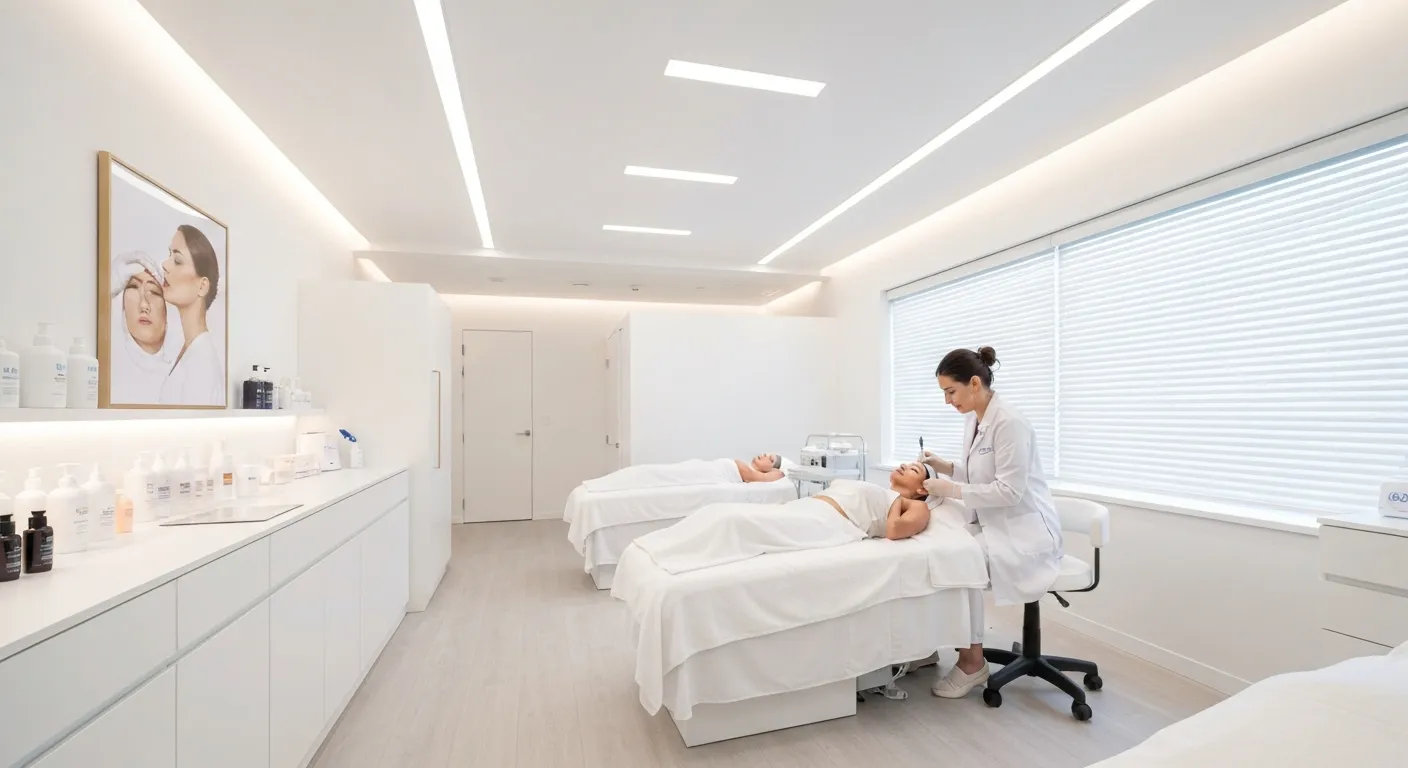
Body contouring has revolutionized the way we think about self-care and aesthetic transformations. It’s more than just a cosmetic procedure—it’s a path to enhanced confidence and self-expression.
Understanding Nasolabial Folds and the Importance of Treatment
What Are Nasolabial Folds?
Nasolabial folds, also known as smile lines or laugh lines, are creases or wrinkles that extend from the sides of the nose to the corners of the mouth. They are a natural part of the facial anatomy and become more visible with age.
Causes of Nasolabial Folds
Several factors contribute to the formation and deepening of these folds:
- Aging: Loss of collagen and elastin reduces skin elasticity.
- Sun Damage: UV rays accelerate skin aging.
- Smoking: Damages collagen and elastin fibers.
- Weight Fluctuations: Rapid loss or gain can loosen or stretch the skin.
- Facial Movements: Repeating expressions like smiling or laughing deepen the lines.
- Genetics: Family traits can influence skin structure.
Why Treatment Matters
Though nasolabial folds naturally develop over time, treating them can help maintain a youthful appearance and improve self-confidence. While these treatments cannot permanently eliminate the folds due to the ongoing aging process, they can diminish their prominence temporarily. Options range from non-invasive methods like dermal fillers and skin tightening to surgical procedures for more advanced cases. Additionally, preventive measures such as sun protection, healthy lifestyle choices, and proper skincare help slow their progression.
Key Facts About Nasolabial Fold Treatments
- Dermal fillers, such as hyaluronic acid-based products, restore volume to reduce the appearance of nasolabial folds.
- Neurotoxin injections like Botox relax facial muscles to soften smile lines and are often combined with fillers for optimal results.
- Non-surgical skin-tightening uses laser, radiofrequency, or ultrasound therapies to stimulate collagen production and tighten sagging skin.
- Microneedling, often combined with radiofrequency, stimulates natural collagen growth for skin tightening and smoothing of folds.
- Surgical options, including facelifts and cheek lifts, offer long-lasting solutions by repositioning tissue and removing excess skin.
- Dermal fillers typically last 6 to 18 months, with effects diminishing over time and repeat treatments needed for maintenance.
- Neurotoxins last approximately 3 to 6 months, requiring regular re-injections to maintain muscle relaxation effects.
- Non-invasive procedures are suitable for early to moderate aging signs and have minimal downtime or recovery periods.
- Risks of filler use include temporary redness, swelling, bruising, and rare complications like infection or nodules.
- Surgical treatment addresses severe cases with permanent results, but involves longer recovery and higher risks.
1. Dermal Fillers: The Popular Injectable Solution

Types of Dermal Fillers
Dermal fillers commonly used to treat nasolabial folds include hyaluronic acid-based fillers such as Juvederm, Restylane, and Belotero. Other popular materials include poly-L-lactic acid and calcium hydroxylapatite. These substances vary in their texture and longevity but all aim to restore volume beneath the skin to smooth out creases.
Mechanism of Action
Fillers work by adding volume to the hollowed or sagging areas around the cheeks and mouth. This plumps up the skin and softens the appearance of nasolabial folds. Some fillers like poly-L-lactic acid and calcium hydroxylapatite also stimulate the body's own collagen production for longer-term improvement.
Treatment Process and Duration
The treatment typically involves injections administered by trained professionals. A careful injection technique, often using a 25G cannula, targets specific facial planes to minimize risks and deliver natural results. Sessions are usually quick, with immediate visible effects. Results can last from six months up to 18 months depending on the filler type and individual factors. For detailed injection techniques and safety tips, see this guide.
Safety and Side Effects
Dermal fillers are generally safe when performed by experienced practitioners. Common side effects include temporary redness, swelling, bruising, or tenderness at the injection site. Rare complications such as infection or nodules can occur but are uncommon. Proper patient evaluation and technique can reduce risks and ensure a natural, rejuvenated appearance. More information on safety and risks can be found here.
2. Neurotoxin Injections: Relaxing Muscles to Smooth Smile Lines

What Are Botox and Similar Neurotoxins?
Botox, Dysport, Xeomin, and similar neurotoxins are injectable treatments used to relax muscles temporarily. These treatments work by blocking nerve signals to muscles that cause repetitive facial movements, which contribute to wrinkle formation.
How Do Neurotoxins Reduce the Appearance of Nasolabial Folds?
By relaxing the muscles around the mouth and nose, neurotoxins reduce the dynamic tension that deepens smile lines. This muscle relaxation softens the creases, making nasolabial folds less noticeable, especially those formed or worsened by facial expressions.
Why Are Neurotoxins Often Combined with Fillers?
Neurotoxins and dermal fillers provide complementary effects. While neurotoxins relax muscles to prevent further deepening of folds, fillers like hyaluronic acid restore lost volume and plump the skin directly in the folds. This combination delivers a more natural, balanced, and longer-lasting rejuvenation.
How Long Do the Effects Last?
The results of neurotoxin injections typically last between three and six months. Repeat treatments are necessary to maintain the muscle-relaxing effects and sustain improvements in the appearance of nasolabial folds. Combining neurotoxins with fillers can extend intervals between treatments and enhance overall outcomes.
3. Skin-Tightening Procedures: Non-Surgical Collagen Boosters

What Non-Surgical Skin-Tightening Options Are Available for Nasolabial Folds?
Several non-invasive technologies are used to tighten the skin and reduce the appearance of nasolabial folds by stimulating collagen production. These include laser treatments, radiofrequency (RF) therapy, and ultrasound-based procedures.
How Do Laser Treatments Help with Smile Lines?
Laser skin resurfacing gently removes the outer skin layers and heats the dermis, promoting collagen remodeling and production. Popular laser types such as Fraxel and Fotona 4D improve skin texture, elasticity, and reduce fine lines with visible improvements after one or two sessions.
What Role Does Radiofrequency Therapy Play?
Radiofrequency devices (e.g., Thermage and Morpheus8) heat the deeper layers of the skin to boost collagen synthesis gradually. This process results in tightened and lifted skin around the mouth, jawline, and cheeks, making it particularly beneficial for mild to moderate nasolabial folds. RF treatments typically show gradual improvements and minimal downtime.
How Does Ultrasound Treatment Work?
Ultrasound therapies like high-intensity focused ultrasound (HIFU) and micro-focused ultrasound (MFU), including Ultherapy, deliver controlled heat energy beneath the skin’s surface. This stimulates new collagen growth and tightens soft tissues over time, helping to lift sagging skin that accentuates laugh lines.
Who Is Suitable for These Procedures and What Results Can They Expect?
These non-surgical collagen boosters suit individuals with early to moderate aging signs and mild skin laxity around the nasolabial area. Results are gradual, often visible after several weeks, improving firmness and smoothing lines. Treatments have minimal recovery time and can be combined with dermal fillers or neurotoxins for enhanced results. However, deeper folds or significant sagging may require surgical interventions for optimal correction.
4. Microneedling: Stimulating Natural Collagen Production

How Does Microneedling Work for Nasolabial Folds?
Microneedling is a cosmetic procedure that involves using a device with fine needles to create tiny channels in the skin's dermal layer. These micro-injuries stimulate the body's natural healing processes, promoting the production of collagen and elastin—essential proteins for skin elasticity and firmness. This collagen stimulation helps plump and smooth out nasolabial folds, reducing their depth and prominence.
Combining Microneedling With Radiofrequency for Enhanced Results
To boost effectiveness, microneedling is often combined with radiofrequency (RF) energy. The added RF heats the deeper layers of the skin, further encouraging collagen remodeling and skin tightening around the mouth and cheeks. This combination can improve skin texture and provide a gradual lifting effect, making it a favored option for mild to moderate nasolabial folds.
Benefits and Limitations of Microneedling Treatments
Microneedling with or without RF is minimally invasive, generally safe, and requires little downtime. It can improve skin tone, reduce fine lines, and mildly tighten the skin. However, it is less effective for very deep or severe nasolabial folds, where dermal fillers or surgical interventions might be necessary.
How Soon Can Results Be Seen?
Patients typically notice initial improvements in skin texture within a week post-treatment. Collagen production stimulates over time, so the full smoothing and tightening effects usually develop gradually over several weeks to months. Multiple sessions may be recommended to achieve optimal results, with effects lasting for months before maintenance treatments are needed.
5. Surgical Options: Permanent Solutions for Deep Folds

What are facelifts and cheek lifts?
Facelifts and cheek lifts are surgical procedures designed to address deep nasolabial folds by tightening the skin and underlying tissues. Facelifts involve repositioning and lifting sagging facial tissues, removing excess skin, and smoothing deep lines. Cheek lifts specifically target the mid-face area, elevating the cheeks to restore volume and reduce the prominence of smile lines.
How does surgery correct nasolabial folds?
Surgery improves nasolabial folds by repositioning displaced fat pads and tightening loose skin around the nose and mouth. This restores youthful contours, lifts sagging cheeks, and smooths deep creases. Unlike temporary treatments, surgery addresses both skin laxity and volume loss, providing longer-lasting results that are not achievable with fillers or nonsurgical methods.
What are the risks and recovery involved?
Surgical treatments carry risks such as bruising, swelling, pain, infection, scarring, and nerve injury. Recovery usually spans several weeks, requiring rest and careful wound care. Patients must avoid strenuous activities and follow post-operative instructions to ensure proper healing. Despite the downtime, surgery offers a permanent improvement for patients with severe folds.
When is surgery recommended?
Surgery is typically suggested for individuals with significant skin laxity and deep nasolabial folds that do not respond well to nonsurgical treatments. Candidates usually have moderate to severe facial aging signs, including volume loss and tissue descent. Consultation with a board-certified plastic surgeon helps determine if surgical intervention is the best option based on patient goals and clinical evaluation.
Choosing the Right Treatment for Lasting Confidence
Importance of Professional Consultation
Consulting a qualified dermatologist or plastic surgeon is essential before starting any nasolabial fold treatment. Professionals assess your skin type, aging signs, and overall health to tailor a safe and effective plan. This personalized approach helps prevent complications and achieves natural-looking results.
Combining Treatments for Best Outcomes
Often, a single treatment isn't enough to address nasolabial folds fully. Combining dermal fillers with neurotoxin injections like Botox or non-surgical skin tightening methods can enhance and prolong results. For example, fillers restore volume while Botox relaxes muscles that deepen lines. Advanced practitioners may also integrate microneedling or laser treatments for collagen stimulation.
Maintenance and Prevention Strategies
Treatment effects are usually temporary, lasting from six months to two years. Regular follow-up sessions maintain the improvements. Prevention includes daily sunscreen use with SPF 30 or higher, avoiding smoking, keeping a healthy diet, and practicing gentle skincare. Sleeping on your back and performing facial exercises can also delay fold prominence, helping you enjoy longer-lasting confidence.
Heading




Locations


© 2014 - 2025. Thomas W. Loeb | Board Certified Plastic Surgeon