



.svg)
.svg)


News
/
December 8, 2025
Combining Facial Plastic Surgery Procedures for Optimal Facial Harmony
Achieving Balanced Beauty: The Power of Combining Facial Surgeries
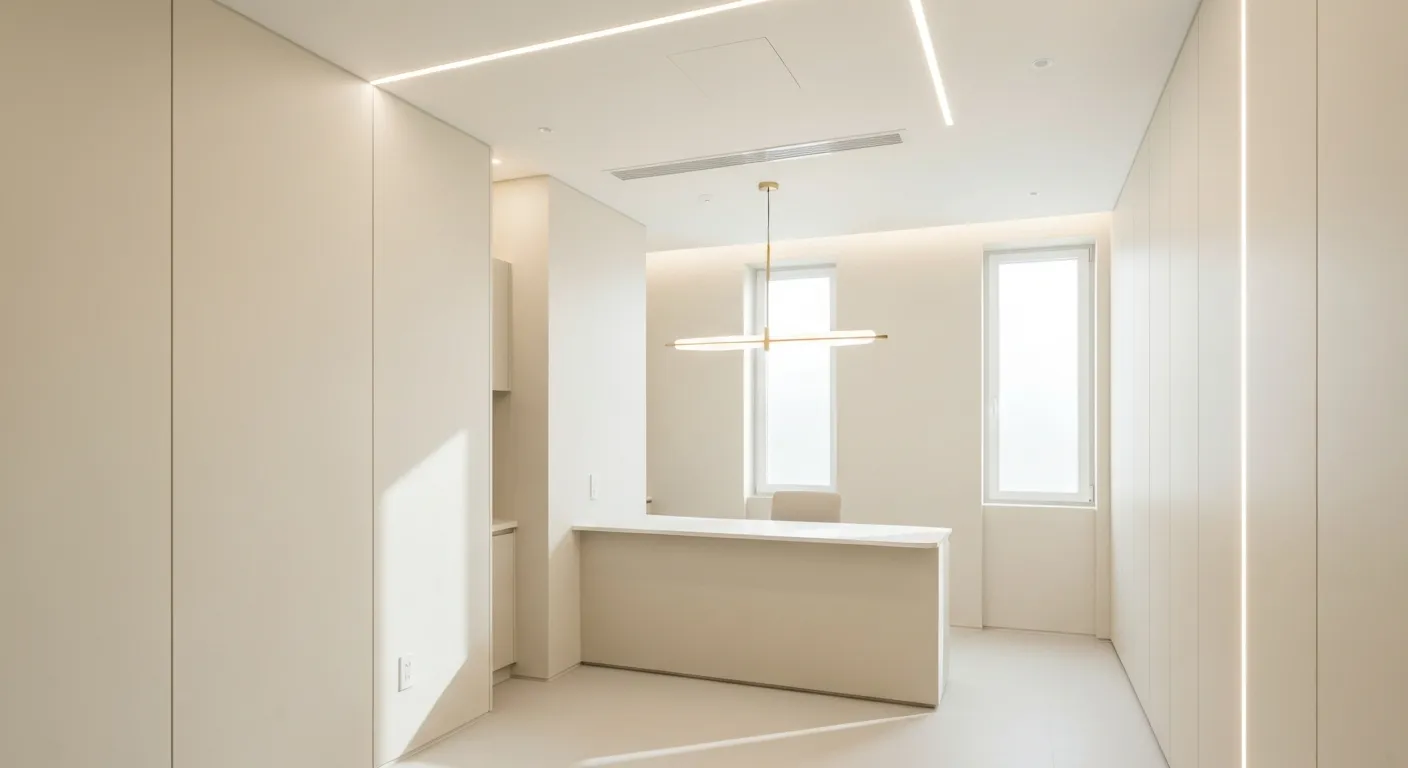
Body contouring has revolutionized the way we think about self-care and aesthetic transformations. It’s more than just a cosmetic procedure—it’s a path to enhanced confidence and self-expression.
Introduction to Combined Facial Procedures for Harmonious Aesthetics
Understanding the Importance of Facial Harmony
Facial harmony refers to the balanced proportion and alignment of facial features—such as the eyes, nose, cheeks, lips, and chin—to create an attractive and natural appearance. This balance does not imply perfection but rather a harmonious relationship that complements an individual's unique facial anatomy. Achieving such harmony enhances self-confidence and results in rejuvenated, natural-looking outcomes.
Combining Facial Plastic Surgery Procedures
To address multiple signs of aging or aesthetic concerns, many patients opt for combining facial plastic surgery procedures in a single session. This approach allows surgeons to tailor a comprehensive treatment plan that targets different facial areas simultaneously, such as pairing a facelift with a neck lift, or a brow lift with eyelid surgery. By harmonizing changes across the face, patients can enjoy a more even and balanced rejuvenation.
Benefits of Multiple Procedures in One Session
Undergoing multiple procedures together offers several advantages. It shortens overall treatment and recovery times since only one anesthesia event and postoperative healing period are needed. Additionally, combining surgeries is often more cost-effective by reducing repeated facility and anesthesia fees. Most importantly, this holistic approach enhances facial harmony by ensuring all modifications complement one another for a natural, balanced transformation.
Understanding Facial Harmony: The Foundation of Surgery Planning

What is facial harmony and how are facial proportions defined?
Facial harmony in rejuvenation refers to the balanced proportion and alignment of facial features to create an attractive, natural appearance. It is not about perfect symmetry but rather about achieving an overall balance among the eyes, nose, cheeks, lips, and chin that complements each unique face.
How do the Golden Ratio and facial thirds influence facial harmony?
The Facelifts and the Golden Ratio (~1:1.618) is a classic mathematical principle used in cosmetic surgery to assess ideal facial proportions. The face is divided into three roughly equal horizontal sections: the upper third (hairline to eyebrows), middle third (eyebrows to base of the nose), and lower third (base of the nose to chin). Balanced height in these thirds helps establish harmony. Additionally, the nose width ideally matches about one-fifth of the facial width, and the distance between the eyes is about the width of one eye, further guiding proportional adjustments.
Why are individualized treatment plans critical in facial harmony?
Every face is unique due to variations in bone structure, skin type, and facial features. Personalized surgical and non-surgical plans consider these anatomical differences to optimize harmony and avoid overcorrection. Surgeons tailor procedures like rhinoplasty, chin augmentation, or facelifts based on the patient's specific facial anatomy and aesthetic goals to create natural-looking results.
How do facial features interact to create balance?
Facial features are interconnected; adjusting one feature influences the perception of others. For example, enhancing the chin can balance the nose, while rejuvenating the eyes may involve eyelid surgery combined with a brow lift. The interaction of features ensures that changes complement rather than overpower, maintaining a cohesive and harmonious appearance.
Common Facial Plastic Surgery Procedures and Their Synergistic Combinations

What Are the Most Common Facial Plastic Surgery Procedures?
Facial plastic surgery often includes procedures like facelift surgery, neck lift procedures, brow lift benefits, blepharoplasty eyelid surgery, rhinoplasty reshaping, chin augmentation, fat transfer, and laser resurfacing. Each targets specific signs of aging or facial imbalance to rejuvenate and enhance the face holistically.
Why Are These Procedures Often Combined?
Combining facial plastic surgery procedures can lead to more Balanced facial proportions by addressing multiple facial concerns at once. It also reduces overall recovery time, anesthesia exposure, and can be more cost-effective. Personalized treatment plan allow surgeons to tailor combinations to individual aesthetic goals, optimizing facial harmony.
How Do Combinations Address Specific Aging Signs?
- Facelift with Neck Lift: This pair improves Addressing sagging skin and muscle laxity in the lower face and neck, restoring youthful contours.
- Brow Lift with Eyelid Surgery: Together they Refreshing the upper face by lifting drooping brows and removing excess eyelid skin, brightening the eyes.
- Rhinoplasty with Chin Augmentation: Enhances profile balance by reshaping the nose and improving chin projection, achieving Improving facial balance and harmony.
- Facelift with Fat Transfer: Replenishes lost facial volume while tightening skin for a more youthful, natural appearance.
- Facelift with Laser Resurfacing: Tightens skin and improves texture, reducing wrinkles and sun damage simultaneously.
Examples of Synergistic Procedure Pairs
| Procedure Combination | Target Areas | Benefit |
|---|---|---|
| Facelift + Neck Lift | Lower face, neck | Tightens sagging skin and muscles, enhances jawline contour |
| Brow Lift + Eyelid Surgery | Forehead, eyes | Lifts brows, removes eyelid sagging, rejuvenates eye area |
| Rhinoplasty + Chin Augmentation | Nose, chin | Balances facial profile, improves harmony |
| Facelift + Fat Transfer | Face midsection, cheeks | Restores volume, smooths wrinkles |
| Facelift + Laser Resurfacing | Full face | Combines tightening and skin texture renewal |
Combining these procedures allows surgeons to provide Comprehensive facial rejuvenation, addressing various aging signs cohesively for a balanced, harmonious result.
Benefits and Safety Considerations of Combining Facial Procedures

What are the advantages of combined facial surgeries including cost, recovery time, and anesthesia exposure?
Combining facial procedures offers several benefits. Patients experience a reduction in overall recovery time because healing occurs simultaneously rather than through multiple separate surgeries. This approach also lowers anesthesia duration for combined procedures, as only one anesthesia event is required instead of multiple rounds. Financially, combined surgeries tend to be more cost-effective facial surgery combinations because facility fees, anesthesia fees, and preoperative tests are consolidated. Additionally, addressing multiple facial concerns in one session often leads to more Balanced facial proportions.
Why is choosing board-certified surgeons important for combined facial surgeries?
Choosing a board-certified plastic surgeon importance ensures specialized training and expertise in facial anatomy and cosmetic procedures. Board certification from recognized organizations signifies a commitment to safety in combination procedures. Experts with this background are more capable of creating a Personalized treatment plan that meets individual aesthetic goals while minimizing risks during combined surgeries.
What are the safety limits such as anesthesia duration for combined facial procedures?
Surgeons typically limit combined facial surgery sessions to around six hours of anesthesia duration for combined procedures to maintain patient safety. Exceeding this timeframe can increase anesthesia-related risks. Careful surgical planning and prioritization help to keep procedures within a safe duration, balancing the extent of treatment with patient health.
What risks are associated with combining facial procedures and how are they managed?
Combining surgeries can increase the complexity of recovery since multiple treatment sites heal simultaneously. There is also an increased stress on the body, which can make recovery more intense. These risks are managed through thorough preoperative planning for combination surgeries, selecting appropriate candidates, careful procedure sequencing, and ensuring adequate postoperative support and care. Close monitoring minimizes complications and promotes safe outcomes.
Who is an ideal candidate for combined facial procedures, and what preoperative planning is necessary?
Ideal candidates are those in good overall health who have multiple facial concerns and desire significant aesthetic improvements. Candidates must have realistic expectations and the physical ability to tolerate combined surgeries. Preoperative planning includes detailed consultations to tailor a Comprehensive facial rejuvenation, assessing patient health, support systems for recovery, and scheduling to optimize safety and results.
Achieving Natural-Looking Results Through Comprehensive Facial Rejuvenation
How combining procedures enhances facial harmony and natural results
Combining facial plastic surgery procedures allows surgeons to address different aspects of facial aging simultaneously. This holistic approach ensures that changes in one area complement others, leading to a Balanced facial proportions. For example, pairing a Facelift with neck lift or combining Rhinoplasty with chin augmentation helps create proportional improvements across the face, avoiding isolated or disjointed results.
The role of addressing volume loss and sagging together
Facial aging often involves both Addressing sagging skin and muscle laxity and loss of facial volume, which together affect overall harmony. Treating only one concern can yield incomplete results. Therefore, combining surgical techniques like Facelift for youthful facial balance to tighten and lift sagging tissue with volume restoration methods such as Facial fat transfer and facelift or dermal fillers can produce a youthful contour that appears natural and balanced.
Integration of surgical and nonsurgical treatments like fillers and Botox
In addition to surgery, Non-surgical facial rejuvenation procedures such as Botox and dermal fillers with facelift are frequently incorporated into Comprehensive facial rejuvenation plans. These treatments can smooth wrinkles, restore soft tissue volume, and refine facial expressions. Using both surgical and nonsurgical methods in tandem enhances the overall outcome and maintains facial harmony with minimal downtime.
Importance of balanced modifications to avoid artificial appearances
Achieving Natural-looking cosmetic results depends on subtle, balanced modifications tailored to each individual’s unique facial anatomy and aesthetic goals. Overcorrection or emphasizing a single feature disproportionately can create an unnatural look. Expert surgeons prioritize maintaining Role of Facial Proportions and Symmetry, ensuring enhancements appear elegant, seamless, and true to the patient’s natural beauty.
Planning and Recovery: What Patients Should Know About Combination Surgeries

Timing and Recovery Considerations When Combining Procedures
Combining facial plastic surgery procedures can significantly reduce the overall recovery time since patients heal from one combined surgery rather than multiple separate ones. However, recovery might be more intensive initially because multiple surgical sites heal simultaneously. Surgeons generally recommend keeping the total anesthesia time under six hours for safety during combination plastic surgery procedures.
Importance of Thorough Consultations to Set Realistic Expectations
A thorough consultation with a board-certified facial plastic surgeon is essential. This allows patients to discuss their aesthetic goals, health status, and specific facial concerns. Setting realistic expectations helps ensure satisfaction with natural and harmonious results while understanding the extent and timing of recovery.
Role of Postoperative Care and Support System
Proper postoperative care is crucial for optimal healing. Patients are advised to prepare a comfortable recovery environment and enlist support from family or friends to assist with daily activities during initial recovery. Following postoperative instructions diligently, attending follow-up appointments, and prioritizing rest and hydration contribute to safer and smoother healing.
Tailoring Plans to Individual Patient Goals and Health
Combination surgeries are personalized based on individual anatomy, health considerations, and aesthetic goals. Surgeons customize the treatment plan to address multiple facial areas harmoniously while considering patient safety. Good overall health is an important factor to qualify for combined procedures.
Long-Term Benefits of Combined Facial Rejuvenation
Combining procedures provides comprehensive facial rejuvenation, addressing multiple signs of aging simultaneously for a balanced and youthful appearance. Patients can achieve more dramatic yet natural results with fewer anesthesia exposures, lower overall costs, and a single recovery period. This holistic approach enhances patient convenience and satisfaction.
Conclusion: Personalized Combination Procedures for Lasting Facial Harmony
Combining facial plastic surgery procedures offers multiple benefits including more balanced and natural results, reduced recovery time, and cost savings by consolidating surgeries.
Personalized surgical plans are essential, tailoring combinations to individual facial anatomy and aesthetic goals for optimal harmony.
Consulting experienced, board-certified facial plastic surgeons ensures careful planning, patient safety, and the best possible outcomes when opting for combination surgeries.
Heading



Locations


© 2014 - 2025. Thomas W. Loeb | Board Certified Plastic Surgeon