




A Practical Guide to Checking Your Skin
News
/
November 1, 2026
How to Check for Skin Cancer at Home: A Simple Step-by-Step Guide
A Practical Guide to Checking Your Skin
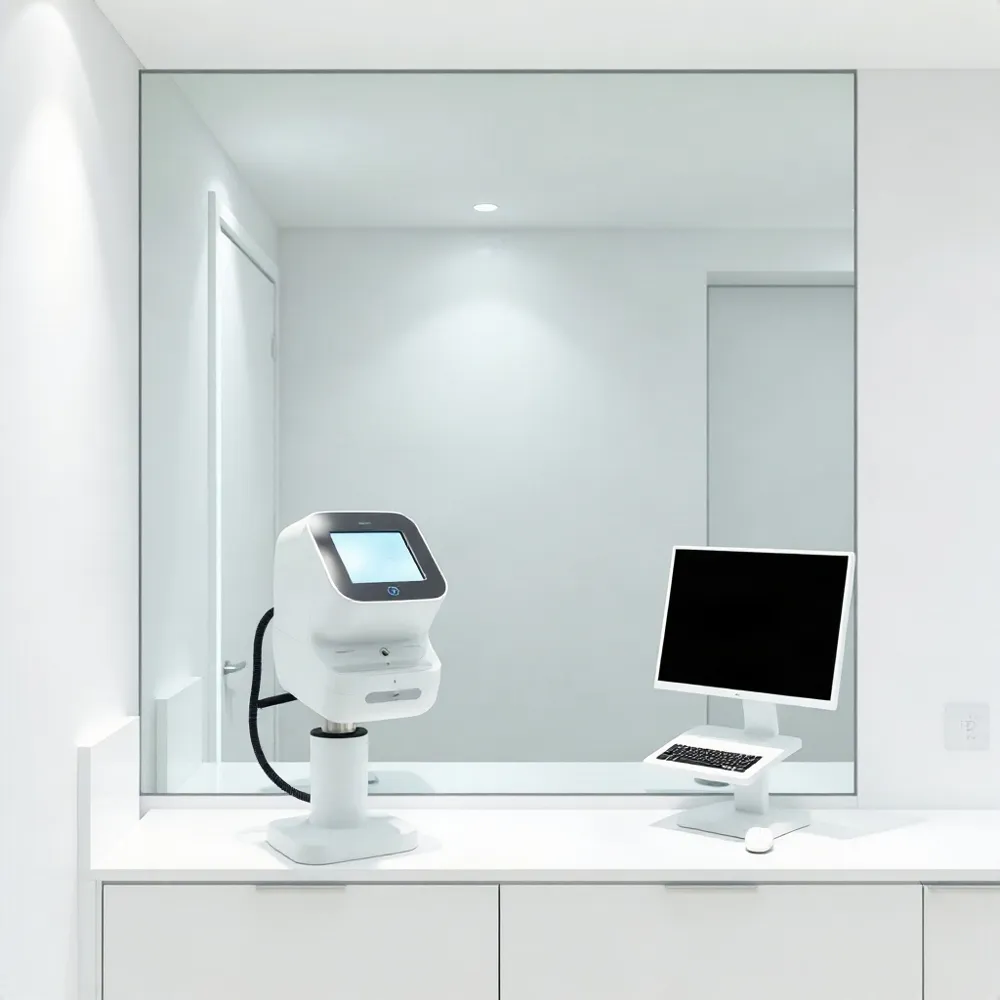
Body contouring has revolutionized the way we think about self-care and aesthetic transformations. It’s more than just a cosmetic procedure—it’s a path to enhanced confidence and self-expression.
Why Check Your Skin
A regular skin check can help you become familiar with your moles, freckles, and other marks, making it easier to notice a new spot or a change. Skin cancer can appear anywhere, so a consistent look over your whole body is more useful than checking only sun-exposed areas.
The American Cancer Society does not issue guidelines for early detection of skin cancer, but many doctors and experts recommend regular self-exams. Monthly checks are commonly suggested. Ask your doctor how often to examine your skin, especially if you have a personal or family history of skin cancer or other risk factors.
Treat a self-exam as a way to flag changes, not as a diagnosis. It cannot confirm that a spot is cancerous or rule cancer out. If something looks new, unusual, or different, discuss it with a health care provider; MedlinePlus explains the limits of skin cancer screening.
Set Up for a Thorough Check

A careful skin cancer self-check starts with good lighting and a clear view. After a bath or shower, stand in front of a full-length mirror and keep a handheld mirror nearby so you can inspect areas that are hard to see directly.
A partner, friend, or family member can help check your back and scalp. A comb can part the hair to expose the scalp, while the handheld mirror can help you view your back. The American Cancer Society’s skin self-exam guidance recommends covering the entire skin surface, not only areas that receive frequent sun.
During your first check, take time to notice the usual pattern of your moles, freckles, blemishes, and other marks. This gives you a personal reference for later checks, making a new or changing spot easier to recognize. A home exam can help you notice changes, but it cannot determine whether a spot is cancer.
Regular self-exams are especially important for people with reduced immunity, a personal history of skin cancer, many moles or other spots, or a strong family history. Monthly checks are commonly recommended, but the right schedule can vary, so ask your doctor how often to examine your skin.
Follow a Head-to-Toe Routine

A consistent sequence helps cover areas that are easy to miss during a skin cancer self-check. Skin cancer can develop anywhere, not only on skin that gets regular sun exposure, so inspect the whole body.
Start with the face, ears, neck, chest, and abdomen. Lift the breasts to check the skin underneath. Then examine the underarms, both sides of the arms, the backs and palms of the hands, between the fingers, and beneath the fingernails. Skin cancer can affect the face or appear beneath a nail, so include both in a thorough check.
While seated, inspect the fronts of the thighs and shins, the tops of the feet, between the toes, and beneath the toenails. Use a handheld mirror to see the soles, calves, and backs of the thighs. Check both legs, and look carefully at areas that receive little sun as well as those that are usually exposed.
Use a handheld mirror, or pair it with a full-length mirror, to inspect the buttocks, genital area, back, and backs of the neck and ears. Part the hair with a comb or use a hair dryer to check the scalp. Ask someone you trust to help with areas you cannot see clearly. A subtle or unusual spot may be difficult to notice on the scalp, back, or soles, and a self-exam cannot rule out skin cancer.
The American Cancer Society’s head-to-toe self-exam guidance recommends showing a doctor any area that looks concerning or has changed. A new, changing, or unusual spot, including one beneath a nail, should be assessed by a medical professional.
Notice Changes and Warning Signs
Common warning signs of skin cancer include a new or changing spot, growth, or bump; a sore that bleeds or does not heal; and a rough or scaly patch that may crust or bleed. A wart-like growth or a recurring dry, scaly area also deserves attention. The American Cancer Society’s warning signs are examples, not a complete list.
Notice changes in a mole or other spot, including shifts in size, shape, color, or texture. A spot that itches, hurts, or bleeds, or looks unlike your other marks, should not be dismissed. Skin cancer can appear in many ways and may resemble a harmless skin condition, so appearance alone cannot confirm what a spot is.
If something is new, has recently changed, or continues to concern you, show it to a doctor rather than relying on a home check to diagnose it. A doctor’s assessment of skin cancer symptoms can help determine whether further evaluation is needed.
Questions about a suspicious or changing skin lesion belong with a medical doctor. Seek professional advice even if the spot causes no discomfort.
Use the ABCDE Guide for Moles

The ABCDE guide can help you recognize features that may warrant a medical assessment, but it cannot tell you whether a spot is cancer. The American Academy of Dermatology advises having a dermatologist evaluate a mole with one or more warning signs.
- Asymmetry: The two halves of a spot do not match.
- Border: The edge looks irregular, scalloped, or blurred.
- Color: The spot has multiple colors or shades, rather than a consistent tone.
- Diameter: A spot may be larger than a pencil eraser, about 6 millimeters, but smaller spots can also be concerning.
- Evolving: The spot changes in size, shape, color, or height, or otherwise begins to look different.
Diameter is a guide, not a cutoff. A melanoma can be smaller than a pencil eraser, and a concerning spot may not show every ABCDE feature. The American Academy of Dermatology’s ABCDE guidance notes that small size does not rule out melanoma.
Also compare a spot with the rest of your moles and freckles. An “ugly duckling” is one that looks noticeably different from your usual pattern, even if it does not fit the checklist neatly. If a spot is new, changing, or unusual, arrange an assessment with a healthcare professional rather than relying on the ABCDE guide alone.
Track Spots and Seek Medical Advice
If a spot looks concerning, arrange an assessment with a doctor rather than waiting to monitor it. Photos cannot establish whether a spot is skin cancer.
The American Cancer Society’s guidance on skin self-exams advises having concerning or recently changed areas assessed by a doctor, even if the change seems minor.
Before an appointment, note when you first saw the spot and how it has changed. Be ready to describe any pain, itching, or bleeding, as well as your sun and tanning-device exposure, past sunburns, and personal or family history of skin cancer. This context can help the clinician assess the finding.
A doctor may examine and measure the area, recording its size, shape, color, and texture, and may check other parts of your skin. If closer evaluation is needed, a primary care doctor may refer you to a dermatologist, who can use specialized tools to inspect the spot.
How is skin cancer diagnosed? Examination can identify a suspicious area, but a biopsy is needed to determine whether it is cancer. If the doctor suspects skin cancer, they may remove a sample for examination under a microscope. The biopsy method depends on the suspected cancer type and the area’s location and size.
Know What a Professional Screening Involves
A professional skin cancer screening is a visual examination, not a diagnosis based on appearance alone. The clinician may inspect a spot that concerns you and, when appropriate, check other areas of your skin. MedlinePlus explains what a skin cancer screening may involve.
Understand Risk and the Limits of Self-Checks
Several factors can raise the risk of skin cancer, including ultraviolet (UV) exposure from sunlight or tanning devices, blistering sunburns, a personal or family history of skin cancer, many moles or other skin spots, and a weakened immune system. These factors do not determine whether someone will develop cancer, but they can help inform a conversation with a doctor about personal risk and how often to check your skin. Mayo Clinic’s overview of skin cancer risk factors describes these and other factors.
Anyone can develop skin cancer, regardless of skin color. Although many skin cancers appear on areas that receive more sun, they can also form on less exposed skin. A thorough check should therefore include areas such as the palms, soles, and skin beneath the nails, not just the face and arms.
A skin self-exam can help you notice a new spot or a change in an existing one, but it cannot establish whether that spot is cancer. Some skin cancers resemble harmless conditions, and appearance alone is not enough to diagnose them. If you find a concerning change, contact a healthcare professional for an assessment rather than relying on a self-check or photo. The American Cancer Society’s self-exam guidance also advises discussing how often to examine your skin with a doctor.
Keep Treatment Questions With Your Doctor
A home skin check can flag a change, but it cannot diagnose skin cancer or determine what treatment may be appropriate. If a clinician suspects cancer, they may take a skin biopsy, a sample examined under a microscope, to help establish a diagnosis. The American Cancer Society’s skin self-exam guidance describes this step but does not detail treatment options or outcomes.
Treatment and prognosis depend on the diagnosis and its specific details. If you have been diagnosed, ask your treating clinician what the findings mean, what options may apply, and what to expect.
Some skin cancers can spread to other parts of the body. If you have melanoma or notice new symptoms that concern you, contact your care team for an assessment and guidance.
Make Skin Checks a Useful Habit
A useful skin cancer check covers the whole body, including areas that are easy to miss. Learning what is normal for your skin makes new or changing spots easier to notice. Ask someone to help inspect places you cannot see well, such as your back or scalp. The American Cancer Society’s self-exam guidance recommends discussing how often to check with your doctor.
A home check cannot diagnose skin cancer or rule it out. If a spot concerns you or changes, ask a doctor to assess it rather than relying on appearance alone.
Why Check Your Skin
A regular skin check can help you become familiar with your moles, freckles, and other marks, making it easier to notice a new spot or a change. Skin cancer can appear anywhere, so a consistent look over your whole body is more useful than checking only sun-exposed areas.
The American Cancer Society does not issue guidelines for early detection of skin cancer, but many doctors and experts recommend regular self-exams. Monthly checks are commonly suggested. Ask your doctor how often to examine your skin, especially if you have a personal or family history of skin cancer or other risk factors.
Treat a self-exam as a way to flag changes, not as a diagnosis. It cannot confirm that a spot is cancerous or rule cancer out. If something looks new, unusual, or different, discuss it with a health care provider; MedlinePlus explains the limits of skin cancer screening.
Set Up for a Thorough Check
A careful skin cancer self-check starts with good lighting and a clear view. After a bath or shower, stand in front of a full-length mirror and keep a handheld mirror nearby so you can inspect areas that are hard to see directly.
A partner, friend, or family member can help check your back and scalp. A comb can part the hair to expose the scalp, while the handheld mirror can help you view your back. The American Cancer Society’s skin self-exam guidance recommends covering the entire skin surface, not only areas that receive frequent sun.
During your first check, take time to notice the usual pattern of your moles, freckles, blemishes, and other marks. This gives you a personal reference for later checks, making a new or changing spot easier to recognize. A home exam can help you notice changes, but it cannot determine whether a spot is cancer.
Regular self-exams are especially important for people with reduced immunity, a personal history of skin cancer, many moles or other spots, or a strong family history. Monthly checks are commonly recommended, but the right schedule can vary, so ask your doctor how often to examine your skin.
Follow a Head-to-Toe Routine
A consistent sequence helps cover areas that are easy to miss during a skin cancer self-check. Skin cancer can develop anywhere, not only on skin that gets regular sun exposure, so inspect the whole body.
Start with the face, ears, neck, chest, and abdomen. Lift the breasts to check the skin underneath. Then examine the underarms, both sides of the arms, the backs and palms of the hands, between the fingers, and beneath the fingernails. Skin cancer can affect the face or appear beneath a nail, so include both in a thorough check.
While seated, inspect the fronts of the thighs and shins, the tops of the feet, between the toes, and beneath the toenails. Use a handheld mirror to see the soles, calves, and backs of the thighs. Check both legs, and look carefully at areas that receive little sun as well as those that are usually exposed.
Use a handheld mirror, or pair it with a full-length mirror, to inspect the buttocks, genital area, back, and backs of the neck and ears. Part the hair with a comb or use a hair dryer to check the scalp. Ask someone you trust to help with areas you cannot see clearly. A subtle or unusual spot may be difficult to notice on the scalp, back, or soles, and a self-exam cannot rule out skin cancer.
The American Cancer Society’s head-to-toe self-exam guidance recommends showing a doctor any area that looks concerning or has changed. A new, changing, or unusual spot, including one beneath a nail, should be assessed by a medical professional.
Notice Changes and Warning Signs
Common warning signs of skin cancer include a new or changing spot, growth, or bump; a sore that bleeds or does not heal; and a rough or scaly patch that may crust or bleed. A wart-like growth or a recurring dry, scaly area also deserves attention. The American Cancer Society’s warning signs are examples, not a complete list.
Notice changes in a mole or other spot, including shifts in size, shape, color, or texture. A spot that itches, hurts, or bleeds, or looks unlike your other marks, should not be dismissed. Skin cancer can appear in many ways and may resemble a harmless skin condition, so appearance alone cannot confirm what a spot is.
If something is new, has recently changed, or continues to concern you, show it to a doctor rather than relying on a home check to diagnose it. A doctor’s assessment of skin cancer symptoms can help determine whether further evaluation is needed.
Questions about a suspicious or changing skin lesion belong with a medical doctor. Seek professional advice even if the spot causes no discomfort.
Use the ABCDE Guide for Moles
The ABCDE guide can help you recognize features that may warrant a medical assessment, but it cannot tell you whether a spot is cancer. The American Academy of Dermatology advises having a dermatologist evaluate a mole with one or more warning signs.
- Asymmetry: The two halves of a spot do not match.
- Border: The edge looks irregular, scalloped, or blurred.
- Color: The spot has multiple colors or shades, rather than a consistent tone.
- Diameter: A spot may be larger than a pencil eraser, about 6 millimeters, but smaller spots can also be concerning.
- Evolving: The spot changes in size, shape, color, or height, or otherwise begins to look different.
Diameter is a guide, not a cutoff. A melanoma can be smaller than a pencil eraser, and a concerning spot may not show every ABCDE feature. The American Academy of Dermatology’s ABCDE guidance notes that small size does not rule out melanoma.
Also compare a spot with the rest of your moles and freckles. An “ugly duckling” is one that looks noticeably different from your usual pattern, even if it does not fit the checklist neatly. If a spot is new, changing, or unusual, arrange an assessment with a healthcare professional rather than relying on the ABCDE guide alone.
Track Spots and Seek Medical Advice
If a spot looks concerning, arrange an assessment with a doctor rather than waiting to monitor it. Photos cannot establish whether a spot is skin cancer.
The American Cancer Society’s guidance on skin self-exams advises having concerning or recently changed areas assessed by a doctor, even if the change seems minor.
Before an appointment, note when you first saw the spot and how it has changed. Be ready to describe any pain, itching, or bleeding, as well as your sun and tanning-device exposure, past sunburns, and personal or family history of skin cancer. This context can help the clinician assess the finding.
A doctor may examine and measure the area, recording its size, shape, color, and texture, and may check other parts of your skin. If closer evaluation is needed, a primary care doctor may refer you to a dermatologist, who can use specialized tools to inspect the spot.
How is skin cancer diagnosed? Examination can identify a suspicious area, but a biopsy is needed to determine whether it is cancer. If the doctor suspects skin cancer, they may remove a sample for examination under a microscope. The biopsy method depends on the suspected cancer type and the area’s location and size.
Know What a Professional Screening Involves
A professional skin cancer screening is a visual examination, not a diagnosis based on appearance alone. The clinician may inspect a spot that concerns you and, when appropriate, check other areas of your skin. MedlinePlus explains what a skin cancer screening may involve.
Understand Risk and the Limits of Self-Checks
Several factors can raise the risk of skin cancer, including ultraviolet (UV) exposure from sunlight or tanning devices, blistering sunburns, a personal or family history of skin cancer, many moles or other skin spots, and a weakened immune system. These factors do not determine whether someone will develop cancer, but they can help inform a conversation with a doctor about personal risk and how often to check your skin. Mayo Clinic’s overview of skin cancer risk factors describes these and other factors.
Anyone can develop skin cancer, regardless of skin color. Although many skin cancers appear on areas that receive more sun, they can also form on less exposed skin. A thorough check should therefore include areas such as the palms, soles, and skin beneath the nails, not just the face and arms.
A skin self-exam can help you notice a new spot or a change in an existing one, but it cannot establish whether that spot is cancer. Some skin cancers resemble harmless conditions, and appearance alone is not enough to diagnose them. If you find a concerning change, contact a healthcare professional for an assessment rather than relying on a self-check or photo. The American Cancer Society’s self-exam guidance also advises discussing how often to examine your skin with a doctor.
Keep Treatment Questions With Your Doctor
A home skin check can flag a change, but it cannot diagnose skin cancer or determine what treatment may be appropriate. If a clinician suspects cancer, they may take a skin biopsy, a sample examined under a microscope, to help establish a diagnosis. The American Cancer Society’s skin self-exam guidance describes this step but does not detail treatment options or outcomes.
Treatment and prognosis depend on the diagnosis and its specific details. If you have been diagnosed, ask your treating clinician what the findings mean, what options may apply, and what to expect.
Some skin cancers can spread to other parts of the body. If you have melanoma or notice new symptoms that concern you, contact your care team for an assessment and guidance.
Make Skin Checks a Useful Habit
A useful skin cancer check covers the whole body, including areas that are easy to miss. Learning what is normal for your skin makes new or changing spots easier to notice. Ask someone to help inspect places you cannot see well, such as your back or scalp. The American Cancer Society’s self-exam guidance recommends discussing how often to check with your doctor.
A home check cannot diagnose skin cancer or rule it out. If a spot concerns you or changes, ask a doctor to assess it rather than relying on appearance alone.
Heading
Why Check Your Skin
A regular skin check can help you become familiar with your moles, freckles, and other marks, making it easier to notice a new spot or a change. Skin cancer can appear anywhere, so a consistent look over your whole body is more useful than checking only sun-exposed areas.
The American Cancer Society does not issue guidelines for early detection of skin cancer, but many doctors and experts recommend regular self-exams. Monthly checks are commonly suggested. Ask your doctor how often to examine your skin, especially if you have a personal or family history of skin cancer or other risk factors.
Treat a self-exam as a way to flag changes, not as a diagnosis. It cannot confirm that a spot is cancerous or rule cancer out. If something looks new, unusual, or different, discuss it with a health care provider; MedlinePlus explains the limits of skin cancer screening.
Set Up for a Thorough Check
A careful skin cancer self-check starts with good lighting and a clear view. After a bath or shower, stand in front of a full-length mirror and keep a handheld mirror nearby so you can inspect areas that are hard to see directly.
A partner, friend, or family member can help check your back and scalp. A comb can part the hair to expose the scalp, while the handheld mirror can help you view your back. The American Cancer Society’s skin self-exam guidance recommends covering the entire skin surface, not only areas that receive frequent sun.
During your first check, take time to notice the usual pattern of your moles, freckles, blemishes, and other marks. This gives you a personal reference for later checks, making a new or changing spot easier to recognize. A home exam can help you notice changes, but it cannot determine whether a spot is cancer.
Regular self-exams are especially important for people with reduced immunity, a personal history of skin cancer, many moles or other spots, or a strong family history. Monthly checks are commonly recommended, but the right schedule can vary, so ask your doctor how often to examine your skin.
Follow a Head-to-Toe Routine
A consistent sequence helps cover areas that are easy to miss during a skin cancer self-check. Skin cancer can develop anywhere, not only on skin that gets regular sun exposure, so inspect the whole body.
Start with the face, ears, neck, chest, and abdomen. Lift the breasts to check the skin underneath. Then examine the underarms, both sides of the arms, the backs and palms of the hands, between the fingers, and beneath the fingernails. Skin cancer can affect the face or appear beneath a nail, so include both in a thorough check.
While seated, inspect the fronts of the thighs and shins, the tops of the feet, between the toes, and beneath the toenails. Use a handheld mirror to see the soles, calves, and backs of the thighs. Check both legs, and look carefully at areas that receive little sun as well as those that are usually exposed.
Use a handheld mirror, or pair it with a full-length mirror, to inspect the buttocks, genital area, back, and backs of the neck and ears. Part the hair with a comb or use a hair dryer to check the scalp. Ask someone you trust to help with areas you cannot see clearly. A subtle or unusual spot may be difficult to notice on the scalp, back, or soles, and a self-exam cannot rule out skin cancer.
The American Cancer Society’s head-to-toe self-exam guidance recommends showing a doctor any area that looks concerning or has changed. A new, changing, or unusual spot, including one beneath a nail, should be assessed by a medical professional.
Notice Changes and Warning Signs
Common warning signs of skin cancer include a new or changing spot, growth, or bump; a sore that bleeds or does not heal; and a rough or scaly patch that may crust or bleed. A wart-like growth or a recurring dry, scaly area also deserves attention. The American Cancer Society’s warning signs are examples, not a complete list.
Notice changes in a mole or other spot, including shifts in size, shape, color, or texture. A spot that itches, hurts, or bleeds, or looks unlike your other marks, should not be dismissed. Skin cancer can appear in many ways and may resemble a harmless skin condition, so appearance alone cannot confirm what a spot is.
If something is new, has recently changed, or continues to concern you, show it to a doctor rather than relying on a home check to diagnose it. A doctor’s assessment of skin cancer symptoms can help determine whether further evaluation is needed.
Questions about a suspicious or changing skin lesion belong with a medical doctor. Seek professional advice even if the spot causes no discomfort.
Use the ABCDE Guide for Moles
The ABCDE guide can help you recognize features that may warrant a medical assessment, but it cannot tell you whether a spot is cancer. The American Academy of Dermatology advises having a dermatologist evaluate a mole with one or more warning signs.
- Asymmetry: The two halves of a spot do not match.
- Border: The edge looks irregular, scalloped, or blurred.
- Color: The spot has multiple colors or shades, rather than a consistent tone.
- Diameter: A spot may be larger than a pencil eraser, about 6 millimeters, but smaller spots can also be concerning.
- Evolving: The spot changes in size, shape, color, or height, or otherwise begins to look different.
Diameter is a guide, not a cutoff. A melanoma can be smaller than a pencil eraser, and a concerning spot may not show every ABCDE feature. The American Academy of Dermatology’s ABCDE guidance notes that small size does not rule out melanoma.
Also compare a spot with the rest of your moles and freckles. An “ugly duckling” is one that looks noticeably different from your usual pattern, even if it does not fit the checklist neatly. If a spot is new, changing, or unusual, arrange an assessment with a healthcare professional rather than relying on the ABCDE guide alone.
Track Spots and Seek Medical Advice
If a spot looks concerning, arrange an assessment with a doctor rather than waiting to monitor it. Photos cannot establish whether a spot is skin cancer.
The American Cancer Society’s guidance on skin self-exams advises having concerning or recently changed areas assessed by a doctor, even if the change seems minor.
Before an appointment, note when you first saw the spot and how it has changed. Be ready to describe any pain, itching, or bleeding, as well as your sun and tanning-device exposure, past sunburns, and personal or family history of skin cancer. This context can help the clinician assess the finding.
A doctor may examine and measure the area, recording its size, shape, color, and texture, and may check other parts of your skin. If closer evaluation is needed, a primary care doctor may refer you to a dermatologist, who can use specialized tools to inspect the spot.
How is skin cancer diagnosed? Examination can identify a suspicious area, but a biopsy is needed to determine whether it is cancer. If the doctor suspects skin cancer, they may remove a sample for examination under a microscope. The biopsy method depends on the suspected cancer type and the area’s location and size.
Know What a Professional Screening Involves
A professional skin cancer screening is a visual examination, not a diagnosis based on appearance alone. The clinician may inspect a spot that concerns you and, when appropriate, check other areas of your skin. MedlinePlus explains what a skin cancer screening may involve.
Understand Risk and the Limits of Self-Checks
Several factors can raise the risk of skin cancer, including ultraviolet (UV) exposure from sunlight or tanning devices, blistering sunburns, a personal or family history of skin cancer, many moles or other skin spots, and a weakened immune system. These factors do not determine whether someone will develop cancer, but they can help inform a conversation with a doctor about personal risk and how often to check your skin. Mayo Clinic’s overview of skin cancer risk factors describes these and other factors.
Anyone can develop skin cancer, regardless of skin color. Although many skin cancers appear on areas that receive more sun, they can also form on less exposed skin. A thorough check should therefore include areas such as the palms, soles, and skin beneath the nails, not just the face and arms.
A skin self-exam can help you notice a new spot or a change in an existing one, but it cannot establish whether that spot is cancer. Some skin cancers resemble harmless conditions, and appearance alone is not enough to diagnose them. If you find a concerning change, contact a healthcare professional for an assessment rather than relying on a self-check or photo. The American Cancer Society’s self-exam guidance also advises discussing how often to examine your skin with a doctor.
Keep Treatment Questions With Your Doctor
A home skin check can flag a change, but it cannot diagnose skin cancer or determine what treatment may be appropriate. If a clinician suspects cancer, they may take a skin biopsy, a sample examined under a microscope, to help establish a diagnosis. The American Cancer Society’s skin self-exam guidance describes this step but does not detail treatment options or outcomes.
Treatment and prognosis depend on the diagnosis and its specific details. If you have been diagnosed, ask your treating clinician what the findings mean, what options may apply, and what to expect.
Some skin cancers can spread to other parts of the body. If you have melanoma or notice new symptoms that concern you, contact your care team for an assessment and guidance.
Make Skin Checks a Useful Habit
A useful skin cancer check covers the whole body, including areas that are easy to miss. Learning what is normal for your skin makes new or changing spots easier to notice. Ask someone to help inspect places you cannot see well, such as your back or scalp. The American Cancer Society’s self-exam guidance recommends discussing how often to check with your doctor.
A home check cannot diagnose skin cancer or rule it out. If a spot concerns you or changes, ask a doctor to assess it rather than relying on appearance alone.





Locations


© 2014 - 2025. Thomas W. Loeb | Board Certified Plastic Surgeon