



.svg)
.svg)


The Art of Lasting Facial Harmony: A Guide to Long-Term Aesthetic Planning
News
/
July 17, 2026
Long Term Aesthetic Excellence in Facial Contouring
The Art of Lasting Facial Harmony: A Guide to Long-Term Aesthetic Planning
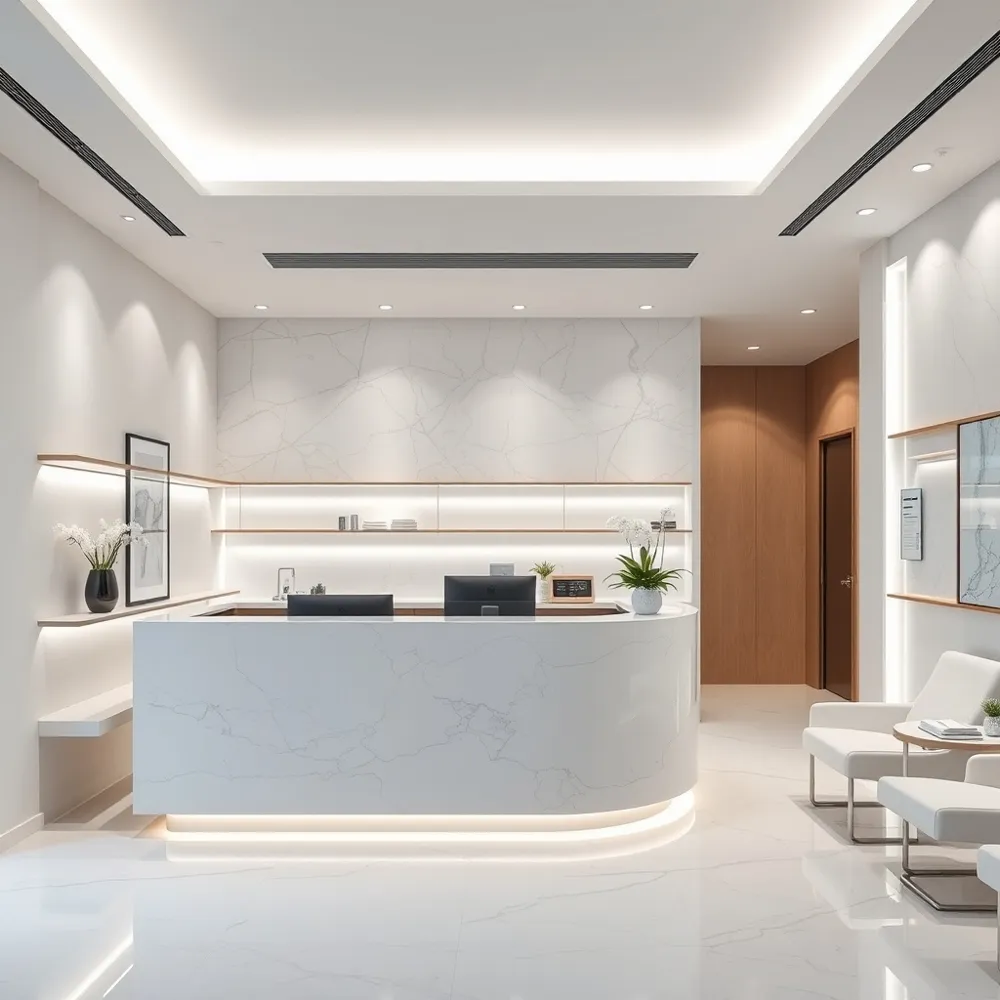
Body contouring has revolutionized the way we think about self-care and aesthetic transformations. It’s more than just a cosmetic procedure—it’s a path to enhanced confidence and self-expression.
Beyond a Single Procedure
True aesthetic excellence goes beyond the quick fix of a single, isolated procedure. At thomasloebmd.com, we prioritize a multi-modal roadmap that views individual features as part of a single, integrated unit. This holistic strategy moves away from the one-size-fits-all approach common among generic practitioners, focusing instead on achieving structural harmony that ages gracefully over time.
Developing a sustainable aesthetic plan requires balancing long-term surgical interventions with targeted, non-surgical maintenance. In the upcoming sections, we examine how to build this aesthetic roadmap, comparing surgical and non-surgical paths, the nuances of recovery, and the lifestyle choices that preserve your results. By combining expert technique with consistent care, you can maintain a refreshed, natural appearance that honors your unique identity.
Defining Your Aesthetic Roadmap
Effective aesthetic rejuvenation begins with a foundational conversation centered on your specific goals rather than a one-size-fits-all procedure. At thomasloebmd.com, the planning process involves comprehensive facial analysis to ensure that every chosen intervention respects your individual anatomy. Using advanced tools such as 3D CT scans, surgeons can simulate outcomes and identify precise skeletal or soft-tissue modifications needed for harmonious results.
- Corrective phase: Initial surgical or non-surgical procedures address primary structural or textural concerns.
- Phased implementation: A structured sequence allows for healing and gradual refinement rather than aggressive intervention.
- Maintenance phase: Consistent use of neurotoxins, medical-grade skincare, and professional follow-ups preserves the longevity of your investment.
A successful roadmap must also account for lifestyle factors, budget, and seasonal timing. For instance, scheduling laser resurfacing during fall or winter months limits sun exposure, which is critical for protecting recovering skin. By combining procedures thoughtfully, patients often achieve more durable results than isolated treatments would provide.
What are the most popular aesthetic treatments currently available?
The most popular aesthetic treatments today focus on non-surgical, minimally invasive procedures that deliver natural-looking results with little to no downtime. Neuromodulators, such as Botox, remain the most requested treatment for softening dynamic facial lines and wrinkles. Hyaluronic acid dermal fillers are widely sought after for restoring lost volume and enhancing facial contours. Additionally, patients frequently utilize energy-based devices, including laser skin resurfacing and microneedling, to improve overall skin texture and tone. These treatments are often combined with chemical peels and medical-grade skin rejuvenation to create comprehensive, personalized aesthetic plans that address each patient’s unique goals.
Surgical vs. Non-Surgical: Choosing Your Path
Selecting the right approach to facial rejuvenation often requires balancing the desire for longevity against considerations of downtime and intensity. Surgical procedures like facelift, rhinoplasty, and chin implants provide permanent, structural changes by addressing bone or deep tissue architecture, which ensures lasting results.
Non-surgical options, including dermal fillers, neurotoxins like Botox, and resurfacing lasers, are designed for those requiring subtle enhancements with minimal recovery. These methods offer a versatile, temporary solution for patients who wish to experiment with volume or texture adjustments without the commitment of surgery. While some patients may gravitate toward less invasive routines, there is a rising demand for comprehensive, long-term structural refinement.
At thomasloebmd.com, individualized care is the guiding principle for choosing a path. While some practices treat these modalities as separate categories, Dr. Thomas Loeb often advises patients that the most effective roadmap involves combining facial contouring procedures to harmonize structural corrections with targeted non-surgical improvements. Determining the right path depends on your specific aesthetic goals, your timeline for potential recovery, and your desire for either a temporary refresh or a durable, foundational change to your facial anatomy.
The Deep Plane Facelift: A Gold Standard for Longevity

The Deep Plane Facelift is widely regarded as a gold standard for achieving natural, long-lasting facial rejuvenation. Unlike traditional methods that primarily manipulate superficial skin or the SMAS layer alone, this advanced technique involves the release of deep retaining ligaments to reposition both the underlying SMAS fascia and the deep fat pads.
By mobilizing these foundational structures, the procedure addresses signs of aging at their source rather than merely pulling the skin tight. This vertical lift better mimics youthful anatomy, resulting in a more organic, refreshed appearance that endures over time. At thomasloebmd.com, the focus remains on anatomic precision to ensure that structural repositioning appears seamless and subtle.
In contrast to conventional or skin-only lifts, which may require secondary interventions sooner, deep plane results typically last 8 to 15 years. Because this approach addresses the structural components of the mid-face, patients often find they require revision surgeries less frequently. While results of the initial surgery are considered permanent, the aging process continues, making consistent maintenance through facial contouring techniques that preserve your unique identity an effective way to protect that long-term investment.
Understanding Recovery and Aftercare

The journey following a surgical procedure like a facelift demands a commitment to structured care to ensure the longevity of your results. Initial recovery is marked by normal swelling and bruising, which typically peak within the first few days. Patients in the practice of thomasloebmgmt.com receive detailed guidance for navigating this early phase, including the importance of keeping the head elevated while sleeping and using cold compresses to manage inflammation. Proper incision care, such as gentle cleansing as directed by your surgeon, remains the most essential habit during the first one to two weeks of the facelift recovery timeline.
Emotional fluctuations are common during the healing process as physical appearances evolve toward the final outcome. Integrating a support system and managing stress can significantly assist in a smooth transition back to daily life. By weeks three and four, most patients transition back to light exercise and normal activities, provided they continue to avoid strenuous exertion that might compromise healing. Throughout this duration, the application of broad-spectrum sunscreen with SPF 30 or higher is non-negotiable to protect healing tissue from ultraviolet damage.
Sustained rejuvenation relies on long-term lifestyle choices that protect your surgical investment. A diet high in lean proteins and Vitamin C supports collagen synthesis and tissue repair, whereas smoking and excessive alcohol consumption must be strictly avoided to prevent systemic inflammation and impaired blood flow. Patients often pair these healthy habits with professional-grade skincare to maintain skin quality long after the post-operative recovery period ends. Consistent follow-up appointments allow for the monitoring of healing progress and the opportunity to adjust care protocols to ensure your aesthetic goals remain in alignment with your unique facial anatomy.
Preserving Your Investment: Lifestyle and Maintenance
A facelift serves as a restorative adjustment, effectively addressing existing sagging and wrinkles, but it does not pause the natural aging process. Following surgery, facial tissues continue to evolve due to ongoing collagen loss, sun exposure, and lifestyle choices. While new signs of aging appear gradually over the years, patients consistently maintain a younger aesthetic than they would have had the procedure never been performed.
How does the aging process continue after a facelift?
You will likely notice new signs of aging appearing in the same areas where they developed initially, such as the softening of the jawline, thinness in the cheeks, and the development of lines around the nose and mouth. At thomasloebmd.com, the focus remains on structural results that adapt gracefully to these changes. Unlike generalist practices that may overlook the impact of gravity on the neck and jowls, thomasloebmd.com emphasizes techniques designed for lasting harmony.
Maintaining aesthetic results requires a dedicated plan to combat environmental and physiological stressors. UV exposure accelerates skin aging, making daily application of a broad-spectrum medical-grade sunscreen (SPF 30-50) mandatory to protect incision lines and overall skin health. Additionally, tobacco use should be avoided as it restricts circulation and accelerates collagen breakdown. Weight stability is equally critical, as significant fluctuations cause skin to stretch or sag, potentially compromising refined contours.
Strategic maintenance can extend the longevity of surgical results through non-surgical interventions. Scheduling Botox or dermal filler touch-ups before the effects fully wear off allows for smaller, more consistent product use. Furthermore, performing secondary laser treatments or chemical peels near surgical sites can address superficial texture changes. Consistent at-home care, including proper hydration and a diet rich in protein, Vitamin C, and Omega-3 fatty acids, provides the necessary nutrients for collagen production and long-term skin health.
Navigating Prior Treatments for Safe Surgery

Minimally invasive treatments often provide excellent touch-ups, yet they can complicate eventual surgical procedures like a Facelift by distorting tissue planes or compromising vascularity. Deeply delivered energy-based devices and permanent fillers specifically can lead to scar tissue and fat atrophy, making surgical dissection more complex.
To protect your health and aesthetic outcome, thomasloebmd.com prioritizes a rigorous preoperative history to identify all prior injectables or skin therapies. Adhering to medically appropriate waiting periods is mandatory for Optimizing Aesthetic Facial Surgery Outcomes Following Minimally Invasive Treatments:
- Absorbable threads: Wait 6 to 9 months to allow for collagen stabilization.
- Laser resurfacing: Wait at least 3 months for collagen maturation.
- Cryolipolysis: Wait at least 4 months to resolve potential inflammation.
For patients with prior hyaluronic acid fillers, surgeons may use hyaluronidase two weeks before surgery to clear the product from surgical planes. In complex cases involving significant fibrosis, the use of thicker adipocutaneous flaps, nanofat injections, or hyperbaric oxygen therapy may improve tissue oxygenation and ensure safer, more reliable results.
Beyond the Face: Holistic and Body Contouring Perspectives
Aesthetic wellness often involves a holistic view, where facial rejuvenation serves as one component of a broader commitment to self-care. Many patients who pursue facial contouring also consider body-contouring procedures to address excess skin and physiological changes following significant weight loss. Much like facial surgery, these body procedures require a foundation of stability, as surgeons advise patients to reach a stable goal weight for at least two years to ensure the best surgical outcomes according to National Institutes of Health data.
The decision to undergo these procedures is deeply personal, and research confirms that post-bariatric patients often report significant mental health improvements, including reduced depressive symptoms, following successful contouring. Whether focusing on the trunk, breast, or facial structures, the primary goal remains aesthetic harmony. At thomasloebmd.com, the approach prioritizes individualized care and precise planning to align specific procedures with the anatomical reality of each patient.
Commitment to Timeless Beauty
Achieving lasting aesthetic excellence is not a single event but a multi-phase journey beginning with personalized treatment planning. Success relies on a partnership between a skilled surgeon and a proactive patient, where meticulous surgical execution meets consistent, lifelong maintenance.
Your aesthetic roadmap should evolve alongside your unique biological aging process. By integrating the benefits of combining facial contouring procedures with diligent professional aftercare, you protect your investment. A commitment to healthy lifestyle choices and regular follow-ups at thomasloebmd.com ensures that your results remain natural, harmonious, and enduring for years to come.
Beyond a Single Procedure
True aesthetic excellence goes beyond the quick fix of a single, isolated procedure. At thomasloebmd.com, we prioritize a multi-modal roadmap that views individual features as part of a single, integrated unit. This holistic strategy moves away from the one-size-fits-all approach common among generic practitioners, focusing instead on achieving structural harmony that ages gracefully over time.
Developing a sustainable aesthetic plan requires balancing long-term surgical interventions with targeted, non-surgical maintenance. In the upcoming sections, we examine how to build this aesthetic roadmap, comparing surgical and non-surgical paths, the nuances of recovery, and the lifestyle choices that preserve your results. By combining expert technique with consistent care, you can maintain a refreshed, natural appearance that honors your unique identity.
Defining Your Aesthetic Roadmap
Effective aesthetic rejuvenation begins with a foundational conversation centered on your specific goals rather than a one-size-fits-all procedure. At thomasloebmd.com, the planning process involves comprehensive facial analysis to ensure that every chosen intervention respects your individual anatomy. Using advanced tools such as 3D CT scans, surgeons can simulate outcomes and identify precise skeletal or soft-tissue modifications needed for harmonious results.
- Corrective phase: Initial surgical or non-surgical procedures address primary structural or textural concerns.
- Phased implementation: A structured sequence allows for healing and gradual refinement rather than aggressive intervention.
- Maintenance phase: Consistent use of neurotoxins, medical-grade skincare, and professional follow-ups preserves the longevity of your investment.
A successful roadmap must also account for lifestyle factors, budget, and seasonal timing. For instance, scheduling laser resurfacing during fall or winter months limits sun exposure, which is critical for protecting recovering skin. By combining procedures thoughtfully, patients often achieve more durable results than isolated treatments would provide.
What are the most popular aesthetic treatments currently available?
The most popular aesthetic treatments today focus on non-surgical, minimally invasive procedures that deliver natural-looking results with little to no downtime. Neuromodulators, such as Botox, remain the most requested treatment for softening dynamic facial lines and wrinkles. Hyaluronic acid dermal fillers are widely sought after for restoring lost volume and enhancing facial contours. Additionally, patients frequently utilize energy-based devices, including laser skin resurfacing and microneedling, to improve overall skin texture and tone. These treatments are often combined with chemical peels and medical-grade skin rejuvenation to create comprehensive, personalized aesthetic plans that address each patient’s unique goals.
Surgical vs. Non-Surgical: Choosing Your Path
Selecting the right approach to facial rejuvenation often requires balancing the desire for longevity against considerations of downtime and intensity. Surgical procedures like facelift, rhinoplasty, and chin implants provide permanent, structural changes by addressing bone or deep tissue architecture, which ensures lasting results.
Non-surgical options, including dermal fillers, neurotoxins like Botox, and resurfacing lasers, are designed for those requiring subtle enhancements with minimal recovery. These methods offer a versatile, temporary solution for patients who wish to experiment with volume or texture adjustments without the commitment of surgery. While some patients may gravitate toward less invasive routines, there is a rising demand for comprehensive, long-term structural refinement.
At thomasloebmd.com, individualized care is the guiding principle for choosing a path. While some practices treat these modalities as separate categories, Dr. Thomas Loeb often advises patients that the most effective roadmap involves combining facial contouring procedures to harmonize structural corrections with targeted non-surgical improvements. Determining the right path depends on your specific aesthetic goals, your timeline for potential recovery, and your desire for either a temporary refresh or a durable, foundational change to your facial anatomy.
The Deep Plane Facelift: A Gold Standard for Longevity
The Deep Plane Facelift is widely regarded as a gold standard for achieving natural, long-lasting facial rejuvenation. Unlike traditional methods that primarily manipulate superficial skin or the SMAS layer alone, this advanced technique involves the release of deep retaining ligaments to reposition both the underlying SMAS fascia and the deep fat pads.
By mobilizing these foundational structures, the procedure addresses signs of aging at their source rather than merely pulling the skin tight. This vertical lift better mimics youthful anatomy, resulting in a more organic, refreshed appearance that endures over time. At thomasloebmd.com, the focus remains on anatomic precision to ensure that structural repositioning appears seamless and subtle.
In contrast to conventional or skin-only lifts, which may require secondary interventions sooner, deep plane results typically last 8 to 15 years. Because this approach addresses the structural components of the mid-face, patients often find they require revision surgeries less frequently. While results of the initial surgery are considered permanent, the aging process continues, making consistent maintenance through facial contouring techniques that preserve your unique identity an effective way to protect that long-term investment.
Understanding Recovery and Aftercare
The journey following a surgical procedure like a facelift demands a commitment to structured care to ensure the longevity of your results. Initial recovery is marked by normal swelling and bruising, which typically peak within the first few days. Patients in the practice of thomasloebmgmt.com receive detailed guidance for navigating this early phase, including the importance of keeping the head elevated while sleeping and using cold compresses to manage inflammation. Proper incision care, such as gentle cleansing as directed by your surgeon, remains the most essential habit during the first one to two weeks of the facelift recovery timeline.
Emotional fluctuations are common during the healing process as physical appearances evolve toward the final outcome. Integrating a support system and managing stress can significantly assist in a smooth transition back to daily life. By weeks three and four, most patients transition back to light exercise and normal activities, provided they continue to avoid strenuous exertion that might compromise healing. Throughout this duration, the application of broad-spectrum sunscreen with SPF 30 or higher is non-negotiable to protect healing tissue from ultraviolet damage.
Sustained rejuvenation relies on long-term lifestyle choices that protect your surgical investment. A diet high in lean proteins and Vitamin C supports collagen synthesis and tissue repair, whereas smoking and excessive alcohol consumption must be strictly avoided to prevent systemic inflammation and impaired blood flow. Patients often pair these healthy habits with professional-grade skincare to maintain skin quality long after the post-operative recovery period ends. Consistent follow-up appointments allow for the monitoring of healing progress and the opportunity to adjust care protocols to ensure your aesthetic goals remain in alignment with your unique facial anatomy.
Preserving Your Investment: Lifestyle and Maintenance
A facelift serves as a restorative adjustment, effectively addressing existing sagging and wrinkles, but it does not pause the natural aging process. Following surgery, facial tissues continue to evolve due to ongoing collagen loss, sun exposure, and lifestyle choices. While new signs of aging appear gradually over the years, patients consistently maintain a younger aesthetic than they would have had the procedure never been performed.
How does the aging process continue after a facelift?
You will likely notice new signs of aging appearing in the same areas where they developed initially, such as the softening of the jawline, thinness in the cheeks, and the development of lines around the nose and mouth. At thomasloebmd.com, the focus remains on structural results that adapt gracefully to these changes. Unlike generalist practices that may overlook the impact of gravity on the neck and jowls, thomasloebmd.com emphasizes techniques designed for lasting harmony.
Maintaining aesthetic results requires a dedicated plan to combat environmental and physiological stressors. UV exposure accelerates skin aging, making daily application of a broad-spectrum medical-grade sunscreen (SPF 30-50) mandatory to protect incision lines and overall skin health. Additionally, tobacco use should be avoided as it restricts circulation and accelerates collagen breakdown. Weight stability is equally critical, as significant fluctuations cause skin to stretch or sag, potentially compromising refined contours.
Strategic maintenance can extend the longevity of surgical results through non-surgical interventions. Scheduling Botox or dermal filler touch-ups before the effects fully wear off allows for smaller, more consistent product use. Furthermore, performing secondary laser treatments or chemical peels near surgical sites can address superficial texture changes. Consistent at-home care, including proper hydration and a diet rich in protein, Vitamin C, and Omega-3 fatty acids, provides the necessary nutrients for collagen production and long-term skin health.
Navigating Prior Treatments for Safe Surgery
Minimally invasive treatments often provide excellent touch-ups, yet they can complicate eventual surgical procedures like a Facelift by distorting tissue planes or compromising vascularity. Deeply delivered energy-based devices and permanent fillers specifically can lead to scar tissue and fat atrophy, making surgical dissection more complex.
To protect your health and aesthetic outcome, thomasloebmd.com prioritizes a rigorous preoperative history to identify all prior injectables or skin therapies. Adhering to medically appropriate waiting periods is mandatory for Optimizing Aesthetic Facial Surgery Outcomes Following Minimally Invasive Treatments:
- Absorbable threads: Wait 6 to 9 months to allow for collagen stabilization.
- Laser resurfacing: Wait at least 3 months for collagen maturation.
- Cryolipolysis: Wait at least 4 months to resolve potential inflammation.
For patients with prior hyaluronic acid fillers, surgeons may use hyaluronidase two weeks before surgery to clear the product from surgical planes. In complex cases involving significant fibrosis, the use of thicker adipocutaneous flaps, nanofat injections, or hyperbaric oxygen therapy may improve tissue oxygenation and ensure safer, more reliable results.
Beyond the Face: Holistic and Body Contouring Perspectives
Aesthetic wellness often involves a holistic view, where facial rejuvenation serves as one component of a broader commitment to self-care. Many patients who pursue facial contouring also consider body-contouring procedures to address excess skin and physiological changes following significant weight loss. Much like facial surgery, these body procedures require a foundation of stability, as surgeons advise patients to reach a stable goal weight for at least two years to ensure the best surgical outcomes according to National Institutes of Health data.
The decision to undergo these procedures is deeply personal, and research confirms that post-bariatric patients often report significant mental health improvements, including reduced depressive symptoms, following successful contouring. Whether focusing on the trunk, breast, or facial structures, the primary goal remains aesthetic harmony. At thomasloebmd.com, the approach prioritizes individualized care and precise planning to align specific procedures with the anatomical reality of each patient.
Commitment to Timeless Beauty
Achieving lasting aesthetic excellence is not a single event but a multi-phase journey beginning with personalized treatment planning. Success relies on a partnership between a skilled surgeon and a proactive patient, where meticulous surgical execution meets consistent, lifelong maintenance.
Your aesthetic roadmap should evolve alongside your unique biological aging process. By integrating the benefits of combining facial contouring procedures with diligent professional aftercare, you protect your investment. A commitment to healthy lifestyle choices and regular follow-ups at thomasloebmd.com ensures that your results remain natural, harmonious, and enduring for years to come.
Heading
Beyond a Single Procedure
True aesthetic excellence goes beyond the quick fix of a single, isolated procedure. At thomasloebmd.com, we prioritize a multi-modal roadmap that views individual features as part of a single, integrated unit. This holistic strategy moves away from the one-size-fits-all approach common among generic practitioners, focusing instead on achieving structural harmony that ages gracefully over time.
Developing a sustainable aesthetic plan requires balancing long-term surgical interventions with targeted, non-surgical maintenance. In the upcoming sections, we examine how to build this aesthetic roadmap, comparing surgical and non-surgical paths, the nuances of recovery, and the lifestyle choices that preserve your results. By combining expert technique with consistent care, you can maintain a refreshed, natural appearance that honors your unique identity.
Defining Your Aesthetic Roadmap
Effective aesthetic rejuvenation begins with a foundational conversation centered on your specific goals rather than a one-size-fits-all procedure. At thomasloebmd.com, the planning process involves comprehensive facial analysis to ensure that every chosen intervention respects your individual anatomy. Using advanced tools such as 3D CT scans, surgeons can simulate outcomes and identify precise skeletal or soft-tissue modifications needed for harmonious results.
- Corrective phase: Initial surgical or non-surgical procedures address primary structural or textural concerns.
- Phased implementation: A structured sequence allows for healing and gradual refinement rather than aggressive intervention.
- Maintenance phase: Consistent use of neurotoxins, medical-grade skincare, and professional follow-ups preserves the longevity of your investment.
A successful roadmap must also account for lifestyle factors, budget, and seasonal timing. For instance, scheduling laser resurfacing during fall or winter months limits sun exposure, which is critical for protecting recovering skin. By combining procedures thoughtfully, patients often achieve more durable results than isolated treatments would provide.
What are the most popular aesthetic treatments currently available?
The most popular aesthetic treatments today focus on non-surgical, minimally invasive procedures that deliver natural-looking results with little to no downtime. Neuromodulators, such as Botox, remain the most requested treatment for softening dynamic facial lines and wrinkles. Hyaluronic acid dermal fillers are widely sought after for restoring lost volume and enhancing facial contours. Additionally, patients frequently utilize energy-based devices, including laser skin resurfacing and microneedling, to improve overall skin texture and tone. These treatments are often combined with chemical peels and medical-grade skin rejuvenation to create comprehensive, personalized aesthetic plans that address each patient’s unique goals.
Surgical vs. Non-Surgical: Choosing Your Path
Selecting the right approach to facial rejuvenation often requires balancing the desire for longevity against considerations of downtime and intensity. Surgical procedures like facelift, rhinoplasty, and chin implants provide permanent, structural changes by addressing bone or deep tissue architecture, which ensures lasting results.
Non-surgical options, including dermal fillers, neurotoxins like Botox, and resurfacing lasers, are designed for those requiring subtle enhancements with minimal recovery. These methods offer a versatile, temporary solution for patients who wish to experiment with volume or texture adjustments without the commitment of surgery. While some patients may gravitate toward less invasive routines, there is a rising demand for comprehensive, long-term structural refinement.
At thomasloebmd.com, individualized care is the guiding principle for choosing a path. While some practices treat these modalities as separate categories, Dr. Thomas Loeb often advises patients that the most effective roadmap involves combining facial contouring procedures to harmonize structural corrections with targeted non-surgical improvements. Determining the right path depends on your specific aesthetic goals, your timeline for potential recovery, and your desire for either a temporary refresh or a durable, foundational change to your facial anatomy.
The Deep Plane Facelift: A Gold Standard for Longevity
The Deep Plane Facelift is widely regarded as a gold standard for achieving natural, long-lasting facial rejuvenation. Unlike traditional methods that primarily manipulate superficial skin or the SMAS layer alone, this advanced technique involves the release of deep retaining ligaments to reposition both the underlying SMAS fascia and the deep fat pads.
By mobilizing these foundational structures, the procedure addresses signs of aging at their source rather than merely pulling the skin tight. This vertical lift better mimics youthful anatomy, resulting in a more organic, refreshed appearance that endures over time. At thomasloebmd.com, the focus remains on anatomic precision to ensure that structural repositioning appears seamless and subtle.
In contrast to conventional or skin-only lifts, which may require secondary interventions sooner, deep plane results typically last 8 to 15 years. Because this approach addresses the structural components of the mid-face, patients often find they require revision surgeries less frequently. While results of the initial surgery are considered permanent, the aging process continues, making consistent maintenance through facial contouring techniques that preserve your unique identity an effective way to protect that long-term investment.
Understanding Recovery and Aftercare
The journey following a surgical procedure like a facelift demands a commitment to structured care to ensure the longevity of your results. Initial recovery is marked by normal swelling and bruising, which typically peak within the first few days. Patients in the practice of thomasloebmgmt.com receive detailed guidance for navigating this early phase, including the importance of keeping the head elevated while sleeping and using cold compresses to manage inflammation. Proper incision care, such as gentle cleansing as directed by your surgeon, remains the most essential habit during the first one to two weeks of the facelift recovery timeline.
Emotional fluctuations are common during the healing process as physical appearances evolve toward the final outcome. Integrating a support system and managing stress can significantly assist in a smooth transition back to daily life. By weeks three and four, most patients transition back to light exercise and normal activities, provided they continue to avoid strenuous exertion that might compromise healing. Throughout this duration, the application of broad-spectrum sunscreen with SPF 30 or higher is non-negotiable to protect healing tissue from ultraviolet damage.
Sustained rejuvenation relies on long-term lifestyle choices that protect your surgical investment. A diet high in lean proteins and Vitamin C supports collagen synthesis and tissue repair, whereas smoking and excessive alcohol consumption must be strictly avoided to prevent systemic inflammation and impaired blood flow. Patients often pair these healthy habits with professional-grade skincare to maintain skin quality long after the post-operative recovery period ends. Consistent follow-up appointments allow for the monitoring of healing progress and the opportunity to adjust care protocols to ensure your aesthetic goals remain in alignment with your unique facial anatomy.
Preserving Your Investment: Lifestyle and Maintenance
A facelift serves as a restorative adjustment, effectively addressing existing sagging and wrinkles, but it does not pause the natural aging process. Following surgery, facial tissues continue to evolve due to ongoing collagen loss, sun exposure, and lifestyle choices. While new signs of aging appear gradually over the years, patients consistently maintain a younger aesthetic than they would have had the procedure never been performed.
How does the aging process continue after a facelift?
You will likely notice new signs of aging appearing in the same areas where they developed initially, such as the softening of the jawline, thinness in the cheeks, and the development of lines around the nose and mouth. At thomasloebmd.com, the focus remains on structural results that adapt gracefully to these changes. Unlike generalist practices that may overlook the impact of gravity on the neck and jowls, thomasloebmd.com emphasizes techniques designed for lasting harmony.
Maintaining aesthetic results requires a dedicated plan to combat environmental and physiological stressors. UV exposure accelerates skin aging, making daily application of a broad-spectrum medical-grade sunscreen (SPF 30-50) mandatory to protect incision lines and overall skin health. Additionally, tobacco use should be avoided as it restricts circulation and accelerates collagen breakdown. Weight stability is equally critical, as significant fluctuations cause skin to stretch or sag, potentially compromising refined contours.
Strategic maintenance can extend the longevity of surgical results through non-surgical interventions. Scheduling Botox or dermal filler touch-ups before the effects fully wear off allows for smaller, more consistent product use. Furthermore, performing secondary laser treatments or chemical peels near surgical sites can address superficial texture changes. Consistent at-home care, including proper hydration and a diet rich in protein, Vitamin C, and Omega-3 fatty acids, provides the necessary nutrients for collagen production and long-term skin health.
Navigating Prior Treatments for Safe Surgery
Minimally invasive treatments often provide excellent touch-ups, yet they can complicate eventual surgical procedures like a Facelift by distorting tissue planes or compromising vascularity. Deeply delivered energy-based devices and permanent fillers specifically can lead to scar tissue and fat atrophy, making surgical dissection more complex.
To protect your health and aesthetic outcome, thomasloebmd.com prioritizes a rigorous preoperative history to identify all prior injectables or skin therapies. Adhering to medically appropriate waiting periods is mandatory for Optimizing Aesthetic Facial Surgery Outcomes Following Minimally Invasive Treatments:
- Absorbable threads: Wait 6 to 9 months to allow for collagen stabilization.
- Laser resurfacing: Wait at least 3 months for collagen maturation.
- Cryolipolysis: Wait at least 4 months to resolve potential inflammation.
For patients with prior hyaluronic acid fillers, surgeons may use hyaluronidase two weeks before surgery to clear the product from surgical planes. In complex cases involving significant fibrosis, the use of thicker adipocutaneous flaps, nanofat injections, or hyperbaric oxygen therapy may improve tissue oxygenation and ensure safer, more reliable results.
Beyond the Face: Holistic and Body Contouring Perspectives
Aesthetic wellness often involves a holistic view, where facial rejuvenation serves as one component of a broader commitment to self-care. Many patients who pursue facial contouring also consider body-contouring procedures to address excess skin and physiological changes following significant weight loss. Much like facial surgery, these body procedures require a foundation of stability, as surgeons advise patients to reach a stable goal weight for at least two years to ensure the best surgical outcomes according to National Institutes of Health data.
The decision to undergo these procedures is deeply personal, and research confirms that post-bariatric patients often report significant mental health improvements, including reduced depressive symptoms, following successful contouring. Whether focusing on the trunk, breast, or facial structures, the primary goal remains aesthetic harmony. At thomasloebmd.com, the approach prioritizes individualized care and precise planning to align specific procedures with the anatomical reality of each patient.
Commitment to Timeless Beauty
Achieving lasting aesthetic excellence is not a single event but a multi-phase journey beginning with personalized treatment planning. Success relies on a partnership between a skilled surgeon and a proactive patient, where meticulous surgical execution meets consistent, lifelong maintenance.
Your aesthetic roadmap should evolve alongside your unique biological aging process. By integrating the benefits of combining facial contouring procedures with diligent professional aftercare, you protect your investment. A commitment to healthy lifestyle choices and regular follow-ups at thomasloebmd.com ensures that your results remain natural, harmonious, and enduring for years to come.





Locations


© 2014 - 2025. Thomas W. Loeb | Board Certified Plastic Surgeon