



.svg)
.svg)


News
/
December 8, 2025
Personalized Facial Plastic Surgery: Techniques and Considerations
Tailoring Excellence: The Art and Science of Personalized Facial Surgery
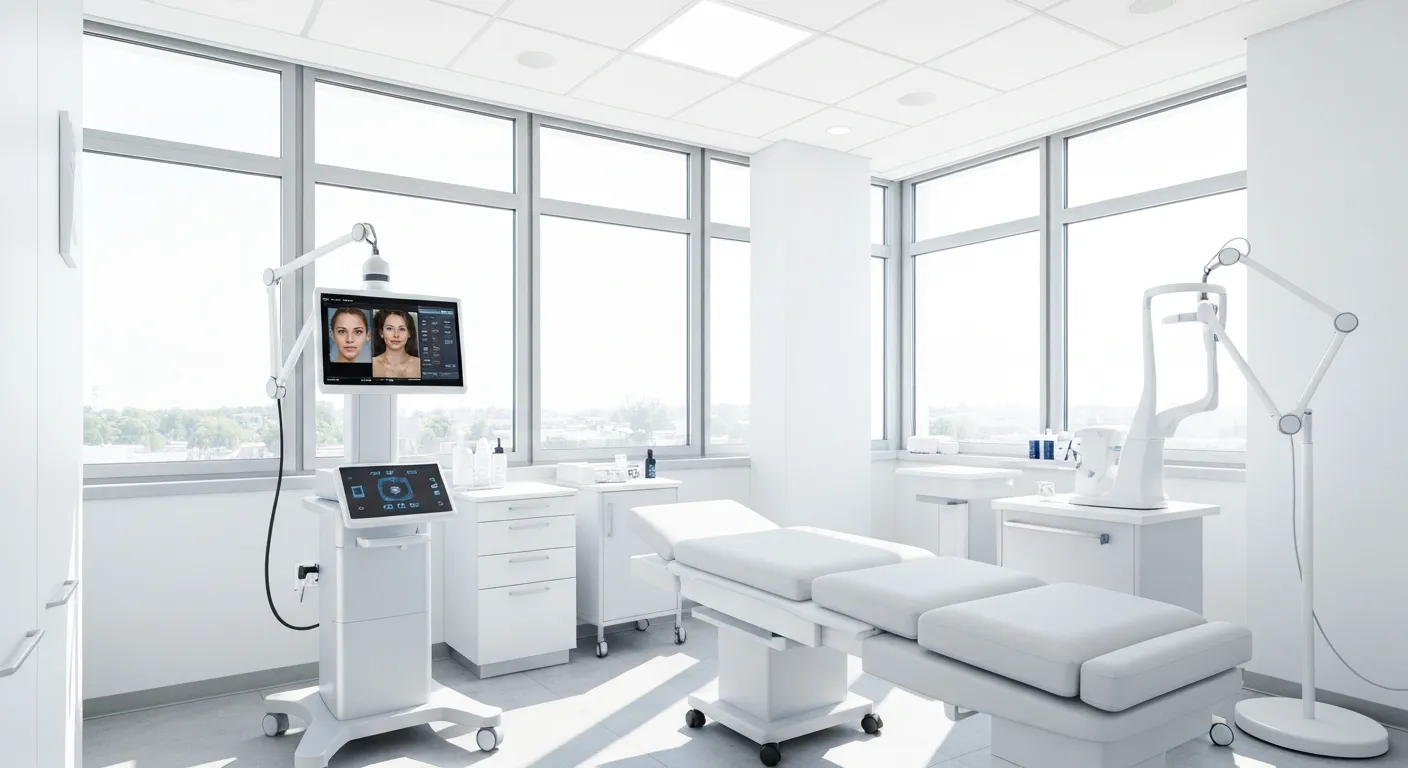
Body contouring has revolutionized the way we think about self-care and aesthetic transformations. It’s more than just a cosmetic procedure—it’s a path to enhanced confidence and self-expression.
Understanding Personalized Facial Plastic Surgery
Definition and significance of personalized facial plastic surgery
Personalized facial plastic surgery is a tailored approach that considers each individual's unique facial features, anatomy, and aesthetic goals. This method ensures treatments harmonize naturally with the person's appearance, enhancing both function and beauty.
The need for customization in facial procedures
Every face is unique in structure and requires customization to address individual anatomy effectively. A comprehensive facial assessment from the forehead to the neck helps identify specific concerns related to bone structure, soft tissue, and skin. Customizing procedures such as facelifts, rhinoplasty, or eyelid surgery optimizes safety and outcomes by addressing multiple concerns simultaneously while respecting facial harmony.
Overview of the multidisciplinary nature of facial plastic surgery
Facial plastic surgery is a multidisciplinary specialty involving otolaryngology, dermatology, ophthalmology, and plastic surgery. It includes both reconstructive and cosmetic procedures designed to improve appearance and address functional issues. Modern advances, including 3D imaging, AI-assisted planning, and robotic techniques, support personalized surgical strategies for precise, natural, and lasting results.
Comprehensive Facial Assessment: The Foundation of Customization

Why is a comprehensive facial assessment crucial in personalized facial surgery?
A comprehensive facial analysis is essential in personalized facial surgery because it considers the full spectrum of interconnected facial structures—from the forehead down to the neck. This detailed evaluation allows surgeons to understand each patient's unique bone structure, soft tissue, and skin characteristics. By thoroughly assessing these components together, addressing multiple concerns simultaneously helps avoid isolated fixes that might upset the natural balance of the face. This holistic approach ensures surgical or nonsurgical interventions harmonize with the patient’s facial anatomy, leading to more natural, balanced results that respect established principles of facial harmony, such as the Golden Ratio.
Importance of detailed facial assessment from forehead to neck
Facial assessment is not limited to one area but spans the forehead, midface, jawline, and neck because these regions influence one another. Aging, structural asymmetries, or volume loss in one area can impact overall appearance. Complete facial assessment from forehead to neck provides a complete picture and helps identify conflicting needs, such as when bone augmentation may be necessary alongside soft tissue lifting. This breadth of evaluation supports the customization that modern facial plastic surgery demands.
Evaluating bone structure versus soft tissue
Distinguishing between issues related to bone versus soft tissue is a vital part of planning. Some aesthetic concerns stem from underlying skeletal deficiencies or asymmetries, requiring implants or osteotomies. Others come from sagging skin, muscle laxity, or volume loss, which may be improved with lifts, fat grafting, or injectables. Understanding these nuances tailors treatment to the root cause rather than providing superficial remedies, which is key in customized facial rejuvenation procedures.
What role do modern technologies like 3-D modeling play in facial assessment?
Advanced technologies like 3-D imaging and modeling revolutionize facial assessment by providing precise, patient-specific anatomical visualization. Surgeons can manipulate 3-D representations to plan procedures, anticipate challenges, and simulate aesthetic outcomes. Integration of machine learning in facial surgery enhances the accuracy and reproducibility of these plans, allowing for personalized surgical strategies that optimize natural and symmetrical results. These digital tools contribute to safer surgeries and increased patient confidence through clear visual communication.
Use of preoperative testing, imaging, and 3-D modeling
Preoperative testing and detailed imaging, including CT scans, 3-D photography, and virtual surgical planning, are integral to customizing facial procedures. They help quantify soft tissue thickness, bone contours, and asymmetries, enabling surgeons to craft comprehensive treatment plans. This technology-driven assessment supports combination treatments for facial rejuvenation—for example, coordinating bone augmentation with minimally invasive lifts—to maximize aesthetic improvements while accounting for functional and health considerations.
Surgical Techniques: Tailored Approaches for Lasting Results

What are some advanced surgical techniques used in personalized facial plastic surgery?
Advanced surgical procedures elevate facial rejuvenation by focusing on natural, durable results tailored to each patient's unique anatomy. The deep plane facelift is a key technique that repositions underlying muscle and fat layers, offering long-lasting and natural rejuvenation without the 'tight' or overdone look. For those showing early signs of aging, the mini deep plane facelift involves shorter incisions and less dissection for a quicker recovery while still providing effective enhancement.
Brow lifts and rhinoplasty are customized with gender-specific and anatomical considerations in mind. For example, brow lifts aim to create a youthful open appearance in women with arches above the orbital rim, while maintaining a strong, masculine brow for men. Rhinoplasty is similarly tailored to preserve masculine or feminine traits by adjusting nasal shape and function according to individual facial proportions.
Combination treatments further enhance results. Fat grafting, often referred to as 'Lift and Fill', restores volume lost due to aging in areas like the temples, cheeks, and lips, creating a rejuvenated yet natural look. Implants, including cheek or chin augmentation, address underlying bone deficiencies, improving facial contour and balance.
Why is surgeon expertise vital in personalized facial surgery?
Choosing a board-certified surgeon with extensive expertise is critical for achieving safe, natural, and long-lasting outcomes. Experienced surgeons possess the skills to tailor complex procedures precisely to a patient's anatomy and aesthetic goals, minimizing risks such as nerve injury or unnatural appearance.
Gender-specific differences require careful attention in planning and execution, ensuring that results harmonize with the patient’s facial identity. Experts also leverage advanced technologies like 3D imaging and virtual planning to enhance precision and predictability.
In summary, personalized surgical techniques combined with the knowledge of a skilled surgeon provide the foundation for transformative facial rejuvenation that respects individuality and offers optimal, lasting results.
Non-Surgical and Minimally Invasive Options: Enhancing without Downtime

What Non-Surgical Options Are Available in Facial Rejuvenation?
Non-surgical facial rejuvenation methods have gained popularity due to their convenience and minimal recovery time. Common options include botulinum toxin and dermal fillers which relax facial muscles to smooth wrinkles, particularly around the forehead and eyes. Dermal fillers like Juvederm or Restylane restore lost volume, smooth out facial creases, and enhance facial contours.
Emerging minimally invasive treatments include thread lifts, which lift and support sagging skin with absorbable sutures. Ultrasound and radiofrequency facial enhancements stimulate collagen production to tighten and firm the skin subtly without requiring surgery. These procedures typically have shorter downtime and less risk compared to traditional surgery.
How Do Combination Treatments Benefit Patients?
Combination treatments for facial rejuvenation customize care by integrating surgical and non-surgical techniques to address multifaceted facial aging concerns. For example, surgical options like facelifts or bony augmentation can restore foundational structure and tighten lax tissues, while neuromodulators (botulinum toxin) and fillers refine surface wrinkles and volume loss.
This approach allows a comprehensive, natural-looking rejuvenation tailored to individual facial assessment and anatomy and goals. By leveraging both modalities, patients experience optimized outcomes that cannot be achieved with either method alone, often with reduced overall recovery time.
Duration and Limitations
Non-surgical treatments such as botulinum toxin generally last about 3 to 6 months, while dermal fillers vary from 6 months to over a year depending on the product and area treated. Minimally invasive procedures provide longer-lasting but still temporary results. Patients should understand these treatments require ongoing maintenance.
While highly effective for mild to moderate concerns and early aging signs, non-surgical options cannot replace the tightening and lifting achieved by surgical procedures for significant skin laxity or structural changes.
| Treatment Type | Description | Key Benefits |
|---|---|---|
| Botulinum Toxin | Muscle relaxant reducing dynamic wrinkles | Minimal downtime, reversible |
| Dermal Fillers | Volume restoration and crease smoothing | Immediate effects, customizable |
| Thread Lifts | Absorbable sutures lifting sagging skin | Minimally invasive, subtle lift |
| Ultrasound & Radiofrequency | Collagen stimulation for skin tightening | Non-invasive, gradual improvement |
| Combination Treatments | Surgical + Non-surgical tailored plans | Comprehensive, natural results |
This array of options empowers patients to choose rejuvenation methods that balance effectiveness with convenience and safety, under expert guidance.
Technological Innovations Shaping Personalized Facial Surgery
How is artificial intelligence applied in personalized facial plastic surgery?
Artificial intelligence (AI) plays a transformative role in personalized facial surgery by enhancing surgical planning and outcome prediction. It aids significantly in complex procedures like facial transplantation by simulating potential results and forecasting risks such as tissue rejection or malignant changes. AI's integration into three-dimensional (3D) modeling improves the precision and reproducibility of preoperative planning, allowing surgeons to design highly individualized treatment strategies that accommodate each patient's unique anatomy, as detailed under Artificial intelligence in facial surgery.
What contributions do 3-D printing and robotics have in facial surgery?
3-D printing technology revolutionizes facial surgery through the production of patient-specific anatomical models, surgical guides, and implants. These custom tools enable surgeons to plan and execute procedures with greater accuracy while minimizing operative times. Customized implants, particularly those made from materials like titanium, offer enhanced stability and predictability during reconstructive surgeries.
Robotic assistance has emerged as a valuable adjunct in precision surgeries such as mandibular angle osteotomies. It enhances surgical accuracy, reduces procedure duration, and lowers the risk of complications. Additionally, robotic techniques support minimally invasive approaches, improving recovery and outcomes.
These advancements align with the growing role of robotic surgery in facial procedures and precision improvements through 3D printing in surgical planning.
What are some advances in implant materials and regenerative medicine in facial surgery?
Innovations in biomaterials have introduced implants based on hydroxyapatite and customized titanium, which integrate well with facial structures to provide durable aesthetic and functional results. Hydroxyapatite implants show promise for areas like the orbit and mandible but require further long-term validation.
In regenerative medicine, tissue engineering methodologies including the use of stem cells and bioengineered scaffolds aim to restore bone, cartilage, and soft tissue while minimizing immunological reactions. Techniques like decellularization-recellularization are advancing soft tissue reconstruction by creating personalized tissue scaffolds repopulated with the patient's own cells, fostering natural regeneration.
These technological advancements collectively enable highly personalized and effective facial surgeries that optimize both functional restoration and aesthetic harmony as discussed in advancements in facial reconstruction surgery and regenerative medicine.
Developing Customized Treatment Plans: Patient-Centered Decision Making

Why is a customized treatment plan important in facial plastic surgery?
Customized treatment plans are essential because every face is unique, and these plans recognize each patient's facial anatomy considerations and personal aesthetic goals. Tailoring treatments ensures that results appear natural and harmonize well with the patient’s overall facial features. Such customization goes beyond appearance — it incorporates a detailed evaluation of medical history, physical limitations, and lifestyle factors. This comprehensive personalized facial treatment for safety and outcomes enhances patient safety, minimizes risks during and after surgery, and helps manage expectations by clearly outlining what the procedure entails and what recovery involves.
Importance of individualized consultations and thorough preparation
The foundation of a personalized facial plastic surgery treatment plan begins with an in-depth consultation where the surgeon listens carefully to the patient’s concerns and desires. Patients are encouraged to prepare by noting specific questions and personal goals before this discussion. This preparation allows for a more focused assessment and ensures no aspect of their individual facial assessment and anatomy or concerns is overlooked.
Assessment of medical history, lifestyle, and aesthetic goals
The surgeon reviews the patient’s overall health, previous medical conditions, and lifestyle habits such as smoking or sun exposure, which could impact healing and results. Alongside this, a complete facial assessment from forehead to neck is conducted, examining both assessing bone structure vs soft tissue to accurately identify what treatment options will yield the best outcomes while maintaining facial harmony.
How does patient involvement enhance treatment outcomes?
Active patient participation boosts satisfaction by empowering individuals to take control of their treatment journey. Informed patients are better equipped to set realistic expectations and engage in shared decision-making with the surgeon. This collaboration enables the creation of precise, customized treatment plan interventions that address multiple concerns simultaneously, leading to more effective and emotionally fulfilling results.
Ensuring safety, minimizing risks, and managing expectations
Customized plans inherently prioritize safety by tailoring surgical approaches to the patient’s unique health profile. Clear communication about potential risks, recovery timelines, and realistic outcomes builds trust and helps alleviate anxiety. This carefully structured planning ultimately contributes to smoother recoveries and more reliable, natural-looking outcomes that respect the patient’s identity and life circumstances.
Future Directions and Trends in Personalized Facial Surgery
What are the current trends in personalized facial plastic surgery?
Personalized facial plastic surgery is embracing a movement toward natural and subtle enhancements that maintain individual facial identity. Patients increasingly favor minimally invasive options like injectable fillers, neurotoxins, and thread lifts which offer effective rejuvenation with minimal downtime.
Combination treatments have grown in popularity, allowing for comprehensive facial refinements through simultaneous procedures tailored to multiple concerns. Notably, male facial aesthetic procedures are trending upward, with increasing demand for jawline contouring, eyelid surgery, and treatments that promote a youthful, masculine appearance.
Sustainability is becoming a priority within the field, with some practices adopting eco-friendly products and reducing medical waste to deliver care that respects environmental considerations.
What future innovations are shaping facial plastic surgery?
Future innovations in personalized facial surgery promise to revolutionize outcomes and recovery. Regenerative medicine techniques, such as stem cell therapy and bioprinting, are advancing rapidly to enable the restoration of bone, cartilage, and soft tissues with higher precision and biological compatibility.
Emerging gene-editing technologies hold the potential to improve tissue regeneration and healing at the molecular level, offering solutions for complex reconstructive challenges. Additionally, advanced nerve regeneration strategies are under research to restore facial nerve function after injury.
Artificial intelligence (AI) is increasingly integrated into personalized genomics and surgical planning, enabling highly customized treatment strategies and enhancing predictive safety measures.
Together, these directions contribute to safer, more natural, and longer-lasting facial rejuvenation outcomes aligned with each patient's unique anatomy and goals.
Personalized Facial Plastic Surgery: Achieving Natural Beauty Safely
Why Tailored Approaches Matter
Facial plastic surgery demands a personalized strategy due to each individual's unique facial anatomy and aesthetic goals. A one-size-fits-all approach falls short because the face's intricate balance—covering bone structure, soft tissues, muscle, and skin—requires nuanced assessment. Customized treatment plans promote natural-looking results by harmonizing surgical interventions with the patient's features and expectations.
Combining Expertise, Technology, and Patient Input
Successful outcomes rely on the synergy between skilled surgeons, advanced technologies, and active patient involvement. Board-certified surgeons use tools like 3D imaging, AI-assisted planning, and virtual simulations to create precise surgical guides tailored for the individual. Patients contribute by articulating concerns and goals during thorough consultations, enabling a shared decision-making process that enhances satisfaction and safety.
Evolving Advances for Safer, Better Results
The future of facial plastic surgery brings innovations such as robotic-assisted techniques, bioprinting, and regenerative medicine, promising greater precision and customized care. These advancements aim to minimize risks and downtime while delivering long-lasting, natural rejuvenation. Personalized plans remain central to balancing safety with aesthetic excellence, ensuring patients achieve confident, harmonious transformations.
Heading





Locations


© 2014 - 2025. Thomas W. Loeb | Board Certified Plastic Surgeon