



.svg)
.svg)


Is Your Plastic Surgeon Right for You? 8 Critical Red Flags
News
/
October 1, 2026
Plastic Surgery Consultation: 8 Red Flags a Surgeon Isn't Right for You
Is Your Plastic Surgeon Right for You? 8 Critical Red Flags
Body contouring has revolutionized the way we think about self-care and aesthetic transformations. It’s more than just a cosmetic procedure—it’s a path to enhanced confidence and self-expression.
The Importance of Choosing the Right Surgeon
A plastic surgery consultation is the single most important step in your surgical journey. It is more than a routine appointment — it is an in-depth interview where you evaluate the surgeon's credentials, communication style, and approach to care.
Your choice directly impacts both patient safety and long-term satisfaction. A surgeon who is board-certified by the American Board of Plastic Surgery has completed rigorous training and passed comprehensive exams, ensuring they meet the highest standards in the field.
During your search, watch for red flags that suggest a surgeon may not be the right fit. These include unclear credentials, rushed consultations, and a lack of transparency about risks and costs. Identifying these warning signs early helps you make an informed decision and move forward with confidence.
Plastic Surgery Safety Red Flags
- Only the American Board of Plastic Surgery (ABPS) is recognized by the ABMS as the gold standard for plastic surgery board certification.
- A consultation must be led directly by the surgeon who will perform the procedure, not by a non-surgeon staff member.
- A proper consultation typically lasts 30 to 60 minutes and should be a thoughtful medical conversation, not a rushed sales pitch.
- Beware of high-pressure tactics such as 'today only' discounts or pressure to book surgery immediately.
- No reputable surgeon can guarantee a perfect result or claim a procedure carries zero risk; all surgery involves potential complications.
- A surgeon should present a robust before-and-after gallery of their own patients with similar body types and aesthetic goals.
- Surgery must be performed in an accredited facility with a board-certified anesthesiologist or Certified Registered Nurse Anesthetist (CRNA) managing anesthesia.
- A drastically low price is a red flag signaling corners cut on safety, while transparent practices provide a detailed cost breakdown.
- For a tummy tuck, confirm the surgeon is ABPS-certified, their experience with abdominoplasty, and the accreditation status of the facility.
- Recovery from a tummy tuck is more involved than many expect; patients should ask about timeline, home support needs, and signs of complications.
1. Surgeon Is Not Board-Certified in Plastic Surgery
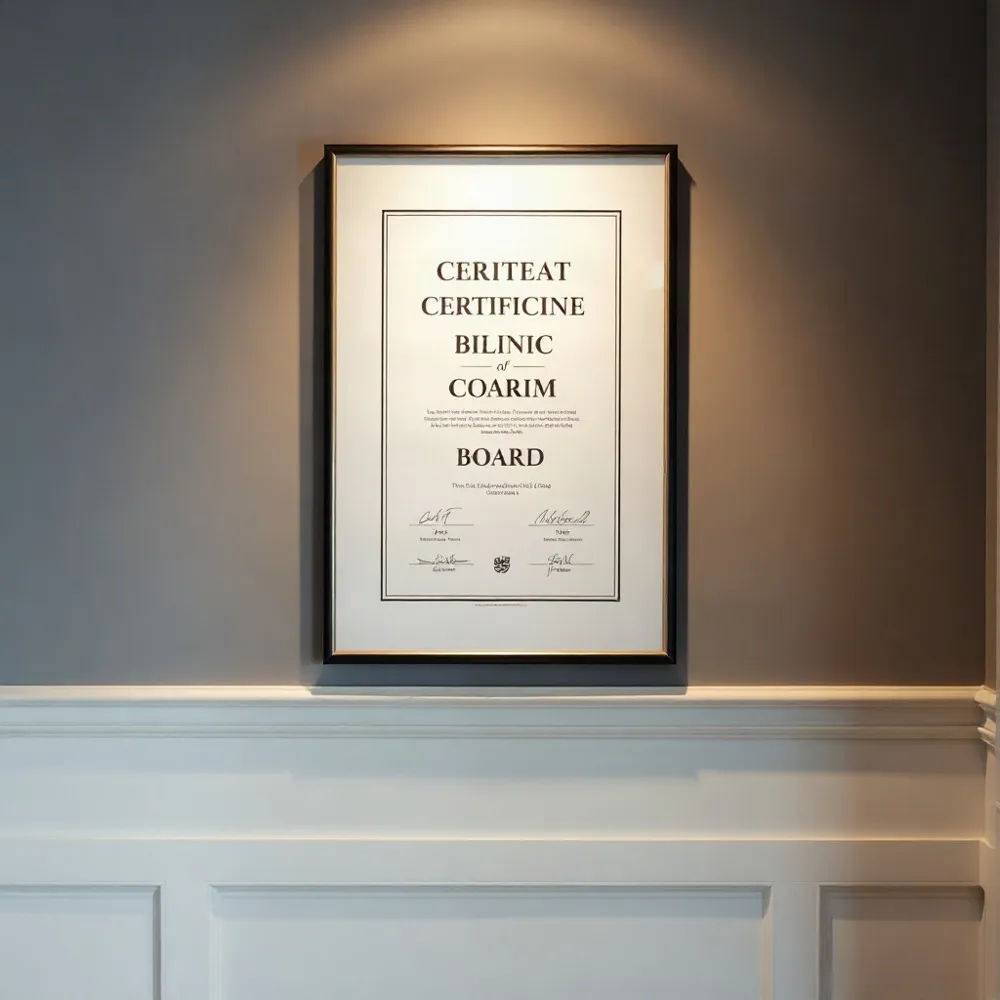
Any medical doctor can legally perform cosmetic procedures, regardless of their specialty training. This makes board certification the single most important credential to verify before a plastic surgery consultation.
The American Board of Plastic Surgery (ABPS) is the only plastic surgery board recognized by the American Board of Medical Specialties (ABMS). ABPS certification requires the surgeon to graduate from an accredited medical school, complete at least six years of surgical training with a minimum of two to three years focused specifically on plastic surgery, and pass rigorous written and oral examinations. ASPS Member Surgeons must meet these same standards, offering an additional layer of verification.
A surgeon who calls themselves a "cosmetic surgeon" but lacks ABPS certification may not have this specialized training. Many physicians with general surgery or other backgrounds switch to cosmetic procedures without the focused residency required by the ABPS. Dr. Loeb is a board-certified plastic surgeon who has completed this extensive training, demonstrating a proven commitment to the highest standards of safety and expertise in both reconstructive and aesthetic surgery.
You can verify a surgeon's certification using the online tool at abplasticsurgery.org or by searching the ABMS directory at certificationmatters.org. Checking the state medical board through the Federation of State Medical Boards for any disciplinary actions is also recommended.
2. Consultation Delegated to Non-Surgeon Staff
A plastic surgery consultation is your primary opportunity to evaluate a surgeon's expertise, communication style, and approach to your care. If the person conducting the consultation is a patient coordinator, nurse, or sales consultant rather than the surgeon themselves, consider it a serious red flag. The primary medical conversation must happen directly with the doctor who will perform the procedure.
Patients who never meet the surgeon until the day of surgery face an unacceptable risk. A practice that delegates the consultation to non-surgeon staff may be prioritizing efficiency over patient safety, leaving you without the chance to assess the surgeon's judgment and bedside manner before committing to an operation.
Why the Surgeon Must Be Present
During a proper consultation, the surgeon should be the one asking detailed questions about your medical history, aesthetic goals, lifestyle, and any concerns you have. This direct dialogue allows the surgeon to evaluate your candidacy for the procedure and tailor a surgical plan to your unique anatomy. A typical face-to-face consultation lasts between 30 and 60 minutes. If your appointment is noticeably shorter or feels rushed, the surgeon may not be giving your case the thorough evaluation it requires.
At thomasloebmd.com, consultations are led directly by Dr. Thomas W. Loeb, who takes the time to listen to each patient's goals, explains the options available, and provides an honest assessment of what the procedure can and cannot achieve. This patient-first approach ensures every individual receives personalized attention and a clear understanding of their surgical journey before making any decisions.
When the surgeon is absent from the initial consultation, important details can be missed or miscommunicated. Support staff may downplay risks, fail to ask about key health factors, or push a one-size-fits-all solution rather than a customized plan. You cannot build trust with a surgeon you have not met, and surgery is too important to leave to chance.
If a practice offers to have you speak with a coordinator first and promises the surgeon will see you later, consider scheduling a consultation elsewhere. A reputable plastic surgeon will be present from the start, demonstrating respect for your time and safety.
3. Rushed Sales Pitch Instead of Listening
- Rushed Sales Pitch Instead of Listening
A plastic surgery consultation should feel like a thoughtful medical conversation, not a timed sales call. A surgeon who asks few or no questions about your goals, lifestyle, and medical history is showing a clear red flag.
The right surgeon will spend time learning about your unique anatomy and preferences. If the doctor gives one-size-fits-all answers without understanding your individual needs, it suggests a cookie-cutter approach rather than personalized care.
Beware of high-pressure tactics such as "today only" discounts or pressure to book surgery immediately. These tactics prioritize the sale over your well-being. A reputable surgeon will encourage you to take your time to make an informed decision.
A consultation that lasts only 10 to 15 minutes is another warning sign. A proper consultation typically takes 30 to 60 minutes. You should never feel rushed or dismissed. If the surgeon is in a hurry, they may not have the patience or attention needed for your care.
During your consultation with Dr. Thomas W. Loeb in New York City, you will experience a thorough and unhurried discussion of your goals. He takes the time to listen, answer your questions, and develop a surgical plan tailored to your anatomy and aesthetic preferences.
If you feel you have been subjected to a rushed sales pitch, consider it a clear sign to look elsewhere. Trust your instincts. You should feel heard, respected, and fully informed before making any decisions.
Some warning signs of a bad plastic surgeon include a lack of board certification by the American Board of Plastic Surgery, which is recognized as the gold standard. Combined with high-pressure sales tactics and a failure to listen, these are clear reasons to seek a second opinion.
To verify a surgeon's qualifications, check their certification at the ABPS website. You can also look for membership in the American Society of Plastic Surgeons, which requires rigorous training and adherence to a strict code of ethics.
Never say things like "I want to look exactly like this celebrity" or "I saw a cheaper price elsewhere" during a consultation, as these statements can signal unrealistic expectations or a focus on cost over quality. Instead, focus on communicating your specific concerns and desired improvements.
4. Unrealistic Promises and Downplayed Risks
- Unrealistic Promises and Downplayed Risks
No reputable surgeon can guarantee a perfect result or claim that a procedure carries zero risk. All surgery involves potential complications, including infection, hematoma, nerve injury, and adverse reactions to anesthesia. A surgeon who dismisses these possibilities or promises that you will look exactly like a specific celebrity is failing in their duty to provide informed consent.
During your plastic surgery consultation at Dr. Loeb's practice, you receive an honest assessment of what surgery can and cannot achieve. The discussion covers both the intended benefits and the realistic downsides, including common complications such as seromas, poor wound healing, and thromboembolic events. This honest dialogue is part of responsible care and helps set expectations that align with your anatomy and health profile.
Watch for a surgeon who spends the consultation minimizing risks while amplifying what they can do for you. According to the American Society of Plastic Surgeons, a trustworthy surgeon will be open about potential complications, how your medical history may affect your risk profile, and what the recovery process truly involves. A patient who feels pressured to accept a version of events that sounds too good to be true should consider it a clear red flag.
5. Vague or Missing Before-and-After Gallery
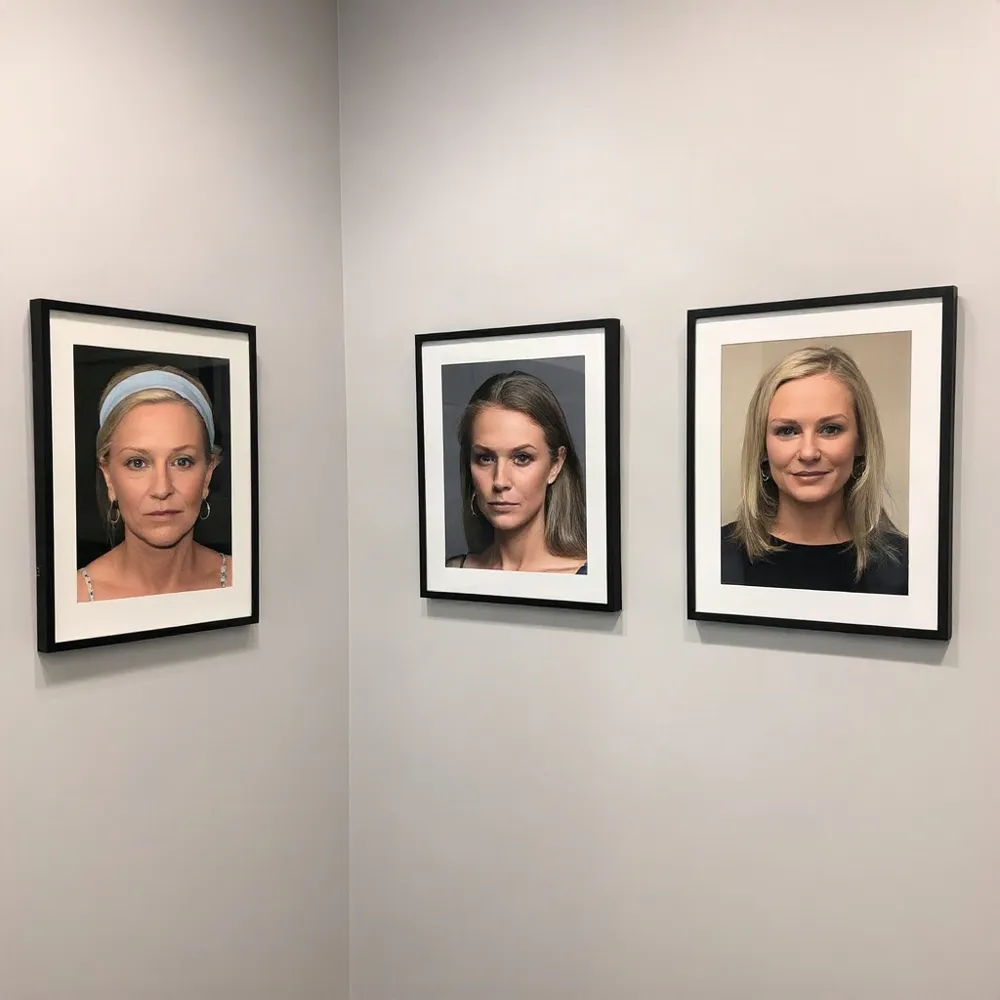
5. Vague or Missing Before-and-After Gallery:
A surgeon’s before-and-after gallery is one of the most direct ways to assess their skill, aesthetic style, and consistency. A reputable surgeon should have a solid collection of real patient photos for the specific procedure you are considering. These images help set realistic expectations and confirm that the surgeon’s sense of balance and proportion matches your own vision.
During a plastic surgery consultation, ask to see a gallery of patients with similar body types, skin tones, and aesthetic goals. Look for natural-looking results and consistency across multiple patients. If the photos appear to be stock images, are pulled from the internet, or lack clear documentation that they are the surgeon’s own work, this is a serious red flag.
A surgeon who has been in practice for years but cannot show a robust gallery of their own outcomes may be hiding poor results or lack of experience. The ability to review a transparent, well-documented gallery is a critical part of making an informed decision.
6. Surgery in a Non-Accredited Facility
The credentials of the surgeon are only one part of the safety equation. Even a highly trained surgeon cannot guarantee a safe outcome if the procedure takes place in an unaccredited facility. Accreditation by organizations such as AAAASF, Quad A, AAAHC, or JCAHO ensures that the facility meets strict standards for equipment, safety protocols, surgeon credentials, and staffing.
During your plastic surgery consultation, ask directly where the surgery will be performed and whether the facility holds current accreditation. A surgeon who is evasive about this detail or who lacks hospital privileges for the procedure you are considering represents a serious safety concern. Hospital privileges mean a review committee at an accredited hospital has verified the surgeon's training and competency.
Anesthesia safety is another non-negotiable element. A qualified anesthesia provider—a board-certified anesthesiologist or Certified Registered Nurse Anesthetist (CRNA)—should administer and monitor sedation, not the surgeon or unqualified office staff. A practice that cannot clearly identify who will manage your anesthesia or what credentials they hold is signaling that patient safety may not be its top priority.
Accreditation. Facility review by an independent body (AAAASF, Quad A, AAAHC, JCAHO) confirming compliance with strict safety, equipment, and staffing standards.Hospital Privileges. Credentialing process by an accredited hospital that verifies the surgeon's training and competency; a strong indicator of quality even for out-of-hospital procedures.Anesthesia Provider. A board-certified anesthesiologist or Certified Registered Nurse Anesthetist (CRNA), not the surgeon or unqualified staff, must administer and monitor anesthesia.
7. Hidden Costs or Below-Market Pricing
Pricing is a delicate factor during any cosmetic surgery consultation. An offer that appears too good to be true often is. A drastically low price for a procedure is a red flag, as it typically signals that a practice is cutting corners on the surgeon's expertise, staff quality, facility upkeep, safety equipment, or patient care. Experienced plastic surgeons price their services based on their skill, experience, and demand, not on deep discount deals.
A transparent practice will provide a detailed cost breakdown during your consultation that covers all anticipated fees, including the surgeon's fee, anesthesia costs, facility fees, implants or materials, post-surgical garments, and follow-up care. If a practice is vague about what is included or pressures you to decide with "all-cash today only" discounts, this suggests financial coercion and a potential compromise on care.
It is normal for many plastic surgery practices to charge a consultation fee, though some offer complimentary consultations. Because cosmetic surgery is elective, each practice sets its own policy. A professional environment will clearly communicate any fees upfront, allowing you to focus on evaluating the surgeon's qualifications and approach rather than unexpected costs. The decision should be based on trust and expertise, not a price tag that seems too low.
8. Trust Your Instincts and Gut Feeling
After evaluating credentials, facilities, and costs, the most telling signal during a plastic surgery consultation is often your own emotional response. If you feel uncomfortable, disregarded, or pressured, that is a valid reason to continue your search.
A reason not to choose a surgeon is a reason to keep looking. You should never feel rushed or obligated to move forward. The physician-patient relationship is built on trust; if your gut tells you something is wrong, take time to process and consider consulting other surgeons.
Patient reviews on multiple platforms can help confirm your instincts. Consistent patterns of negative feedback about communication, results, or follow-up care reinforce your concerns. A safe surgical journey starts with a partnership where you feel heard and respected.
Key Questions for a Tummy Tuck Consultation
A tummy tuck consultation is your opportunity to gather detailed, procedure-specific information that goes beyond the general red flags covered above. Arriving with a prepared list of questions helps you evaluate the surgeon's expertise, understand what the procedure will require from you, and set realistic expectations for recovery.
Questions About Credentials and Technique
Start by confirming the surgeon's board certification. Ask directly: "Are you certified by the American Board of Plastic Surgery (ABPS)?" The ABPS is the only plastic surgery board recognized by the American Board of Medical Specialties, which assures you the surgeon has completed rigorous, specialized training and passed comprehensive examinations. You can also verify their certification through the ABPS online directory.
Next, ask about their experience with abdominoplasty: "How many tummy tucks have you performed, and what specific training did you complete for this procedure?" A surgeon who routinely performs tummy tucks will be able to describe their preferred surgical technique (for example, a full abdominoplasty versus a mini tummy tuck) and explain why that approach is appropriate for your anatomy and goals. This is also the right moment to ask, "Is your surgical facility accredited?" Accreditation from organizations like AAAASF or AAAHC ensures the facility meets strict safety standards for equipment, staffing, and emergency preparedness.
Preparing for Your Role in the Outcome
Your results depend partly on your body and how well you prepare. Ask: "What lifestyle changes or preparations will help me achieve the best outcome? Will I need to be at a stable, healthy weight before surgery?" An experienced surgeon will be candid about the importance of nutrition, avoiding nicotine, and maintaining a consistent exercise routine both before and after the procedure.
Understanding the Recovery Journey
Recovery from a tummy tuck is more involved than many patients expect. Clarify: "How long will the initial recovery period be, and what help will I need at home during the first few weeks?" A thorough answer will cover pain management, restrictions on lifting and bending, the timeline for returning to work and exercise, and signs of complications to watch for. Knowing this in advance lets you arrange the support you need and plan realistic time off.
Credentials. Ask: Are you board-certified by the ABPS? Have you performed many tummy tucks, and what is your specific training for this procedure?Technique and Facility. Ask: What surgical technique do you recommend for my case, and why? Is your facility accredited by AAAASF, AAAHC, or an equivalent body?Patient Preparation. Ask: What should I do before surgery to optimize my results? Do I need to reach a stable weight or make specific lifestyle changes?Recovery Plan. Ask: What is the expected recovery timeline, how much help will I need, and what signs of complications should I watch for?
Making the Right Choice for Your Care
A plastic surgery consultation is your best opportunity to fully assess a surgeon’s qualifications, approach, and the safety of their facility. Prioritizing ABPS board certification, proven experience in your specific procedure, honest communication about risks, and a comfortable rapport with the surgical team is essential.
There is no need to rush into a decision. Obtaining a second opinion and trusting your instincts are not just acceptable practices — they are smart moves that help confirm you have selected the right surgeon for your individual needs.
The Importance of Choosing the Right Surgeon
A plastic surgery consultation is the single most important step in your surgical journey. It is more than a routine appointment — it is an in-depth interview where you evaluate the surgeon's credentials, communication style, and approach to care.
Your choice directly impacts both patient safety and long-term satisfaction. A surgeon who is board-certified by the American Board of Plastic Surgery has completed rigorous training and passed comprehensive exams, ensuring they meet the highest standards in the field.
During your search, watch for red flags that suggest a surgeon may not be the right fit. These include unclear credentials, rushed consultations, and a lack of transparency about risks and costs. Identifying these warning signs early helps you make an informed decision and move forward with confidence.
Plastic Surgery Safety Red Flags
- Only the American Board of Plastic Surgery (ABPS) is recognized by the ABMS as the gold standard for plastic surgery board certification.
- A consultation must be led directly by the surgeon who will perform the procedure, not by a non-surgeon staff member.
- A proper consultation typically lasts 30 to 60 minutes and should be a thoughtful medical conversation, not a rushed sales pitch.
- Beware of high-pressure tactics such as 'today only' discounts or pressure to book surgery immediately.
- No reputable surgeon can guarantee a perfect result or claim a procedure carries zero risk; all surgery involves potential complications.
- A surgeon should present a robust before-and-after gallery of their own patients with similar body types and aesthetic goals.
- Surgery must be performed in an accredited facility with a board-certified anesthesiologist or Certified Registered Nurse Anesthetist (CRNA) managing anesthesia.
- A drastically low price is a red flag signaling corners cut on safety, while transparent practices provide a detailed cost breakdown.
- For a tummy tuck, confirm the surgeon is ABPS-certified, their experience with abdominoplasty, and the accreditation status of the facility.
- Recovery from a tummy tuck is more involved than many expect; patients should ask about timeline, home support needs, and signs of complications.
1. Surgeon Is Not Board-Certified in Plastic Surgery
Any medical doctor can legally perform cosmetic procedures, regardless of their specialty training. This makes board certification the single most important credential to verify before a plastic surgery consultation.
The American Board of Plastic Surgery (ABPS) is the only plastic surgery board recognized by the American Board of Medical Specialties (ABMS). ABPS certification requires the surgeon to graduate from an accredited medical school, complete at least six years of surgical training with a minimum of two to three years focused specifically on plastic surgery, and pass rigorous written and oral examinations. ASPS Member Surgeons must meet these same standards, offering an additional layer of verification.
A surgeon who calls themselves a "cosmetic surgeon" but lacks ABPS certification may not have this specialized training. Many physicians with general surgery or other backgrounds switch to cosmetic procedures without the focused residency required by the ABPS. Dr. Loeb is a board-certified plastic surgeon who has completed this extensive training, demonstrating a proven commitment to the highest standards of safety and expertise in both reconstructive and aesthetic surgery.
You can verify a surgeon's certification using the online tool at abplasticsurgery.org or by searching the ABMS directory at certificationmatters.org. Checking the state medical board through the Federation of State Medical Boards for any disciplinary actions is also recommended.
2. Consultation Delegated to Non-Surgeon Staff
A plastic surgery consultation is your primary opportunity to evaluate a surgeon's expertise, communication style, and approach to your care. If the person conducting the consultation is a patient coordinator, nurse, or sales consultant rather than the surgeon themselves, consider it a serious red flag. The primary medical conversation must happen directly with the doctor who will perform the procedure.
Patients who never meet the surgeon until the day of surgery face an unacceptable risk. A practice that delegates the consultation to non-surgeon staff may be prioritizing efficiency over patient safety, leaving you without the chance to assess the surgeon's judgment and bedside manner before committing to an operation.
Why the Surgeon Must Be Present
During a proper consultation, the surgeon should be the one asking detailed questions about your medical history, aesthetic goals, lifestyle, and any concerns you have. This direct dialogue allows the surgeon to evaluate your candidacy for the procedure and tailor a surgical plan to your unique anatomy. A typical face-to-face consultation lasts between 30 and 60 minutes. If your appointment is noticeably shorter or feels rushed, the surgeon may not be giving your case the thorough evaluation it requires.
At thomasloebmd.com, consultations are led directly by Dr. Thomas W. Loeb, who takes the time to listen to each patient's goals, explains the options available, and provides an honest assessment of what the procedure can and cannot achieve. This patient-first approach ensures every individual receives personalized attention and a clear understanding of their surgical journey before making any decisions.
When the surgeon is absent from the initial consultation, important details can be missed or miscommunicated. Support staff may downplay risks, fail to ask about key health factors, or push a one-size-fits-all solution rather than a customized plan. You cannot build trust with a surgeon you have not met, and surgery is too important to leave to chance.
If a practice offers to have you speak with a coordinator first and promises the surgeon will see you later, consider scheduling a consultation elsewhere. A reputable plastic surgeon will be present from the start, demonstrating respect for your time and safety.
3. Rushed Sales Pitch Instead of Listening
- Rushed Sales Pitch Instead of Listening
A plastic surgery consultation should feel like a thoughtful medical conversation, not a timed sales call. A surgeon who asks few or no questions about your goals, lifestyle, and medical history is showing a clear red flag.
The right surgeon will spend time learning about your unique anatomy and preferences. If the doctor gives one-size-fits-all answers without understanding your individual needs, it suggests a cookie-cutter approach rather than personalized care.
Beware of high-pressure tactics such as "today only" discounts or pressure to book surgery immediately. These tactics prioritize the sale over your well-being. A reputable surgeon will encourage you to take your time to make an informed decision.
A consultation that lasts only 10 to 15 minutes is another warning sign. A proper consultation typically takes 30 to 60 minutes. You should never feel rushed or dismissed. If the surgeon is in a hurry, they may not have the patience or attention needed for your care.
During your consultation with Dr. Thomas W. Loeb in New York City, you will experience a thorough and unhurried discussion of your goals. He takes the time to listen, answer your questions, and develop a surgical plan tailored to your anatomy and aesthetic preferences.
If you feel you have been subjected to a rushed sales pitch, consider it a clear sign to look elsewhere. Trust your instincts. You should feel heard, respected, and fully informed before making any decisions.
Some warning signs of a bad plastic surgeon include a lack of board certification by the American Board of Plastic Surgery, which is recognized as the gold standard. Combined with high-pressure sales tactics and a failure to listen, these are clear reasons to seek a second opinion.
To verify a surgeon's qualifications, check their certification at the ABPS website. You can also look for membership in the American Society of Plastic Surgeons, which requires rigorous training and adherence to a strict code of ethics.
Never say things like "I want to look exactly like this celebrity" or "I saw a cheaper price elsewhere" during a consultation, as these statements can signal unrealistic expectations or a focus on cost over quality. Instead, focus on communicating your specific concerns and desired improvements.
4. Unrealistic Promises and Downplayed Risks
- Unrealistic Promises and Downplayed Risks
No reputable surgeon can guarantee a perfect result or claim that a procedure carries zero risk. All surgery involves potential complications, including infection, hematoma, nerve injury, and adverse reactions to anesthesia. A surgeon who dismisses these possibilities or promises that you will look exactly like a specific celebrity is failing in their duty to provide informed consent.
During your plastic surgery consultation at Dr. Loeb's practice, you receive an honest assessment of what surgery can and cannot achieve. The discussion covers both the intended benefits and the realistic downsides, including common complications such as seromas, poor wound healing, and thromboembolic events. This honest dialogue is part of responsible care and helps set expectations that align with your anatomy and health profile.
Watch for a surgeon who spends the consultation minimizing risks while amplifying what they can do for you. According to the American Society of Plastic Surgeons, a trustworthy surgeon will be open about potential complications, how your medical history may affect your risk profile, and what the recovery process truly involves. A patient who feels pressured to accept a version of events that sounds too good to be true should consider it a clear red flag.
5. Vague or Missing Before-and-After Gallery
5. Vague or Missing Before-and-After Gallery:
A surgeon’s before-and-after gallery is one of the most direct ways to assess their skill, aesthetic style, and consistency. A reputable surgeon should have a solid collection of real patient photos for the specific procedure you are considering. These images help set realistic expectations and confirm that the surgeon’s sense of balance and proportion matches your own vision.
During a plastic surgery consultation, ask to see a gallery of patients with similar body types, skin tones, and aesthetic goals. Look for natural-looking results and consistency across multiple patients. If the photos appear to be stock images, are pulled from the internet, or lack clear documentation that they are the surgeon’s own work, this is a serious red flag.
A surgeon who has been in practice for years but cannot show a robust gallery of their own outcomes may be hiding poor results or lack of experience. The ability to review a transparent, well-documented gallery is a critical part of making an informed decision.
6. Surgery in a Non-Accredited Facility
The credentials of the surgeon are only one part of the safety equation. Even a highly trained surgeon cannot guarantee a safe outcome if the procedure takes place in an unaccredited facility. Accreditation by organizations such as AAAASF, Quad A, AAAHC, or JCAHO ensures that the facility meets strict standards for equipment, safety protocols, surgeon credentials, and staffing.
During your plastic surgery consultation, ask directly where the surgery will be performed and whether the facility holds current accreditation. A surgeon who is evasive about this detail or who lacks hospital privileges for the procedure you are considering represents a serious safety concern. Hospital privileges mean a review committee at an accredited hospital has verified the surgeon's training and competency.
Anesthesia safety is another non-negotiable element. A qualified anesthesia provider—a board-certified anesthesiologist or Certified Registered Nurse Anesthetist (CRNA)—should administer and monitor sedation, not the surgeon or unqualified office staff. A practice that cannot clearly identify who will manage your anesthesia or what credentials they hold is signaling that patient safety may not be its top priority.
Accreditation. Facility review by an independent body (AAAASF, Quad A, AAAHC, JCAHO) confirming compliance with strict safety, equipment, and staffing standards.Hospital Privileges. Credentialing process by an accredited hospital that verifies the surgeon's training and competency; a strong indicator of quality even for out-of-hospital procedures.Anesthesia Provider. A board-certified anesthesiologist or Certified Registered Nurse Anesthetist (CRNA), not the surgeon or unqualified staff, must administer and monitor anesthesia.
7. Hidden Costs or Below-Market Pricing
Pricing is a delicate factor during any cosmetic surgery consultation. An offer that appears too good to be true often is. A drastically low price for a procedure is a red flag, as it typically signals that a practice is cutting corners on the surgeon's expertise, staff quality, facility upkeep, safety equipment, or patient care. Experienced plastic surgeons price their services based on their skill, experience, and demand, not on deep discount deals.
A transparent practice will provide a detailed cost breakdown during your consultation that covers all anticipated fees, including the surgeon's fee, anesthesia costs, facility fees, implants or materials, post-surgical garments, and follow-up care. If a practice is vague about what is included or pressures you to decide with "all-cash today only" discounts, this suggests financial coercion and a potential compromise on care.
It is normal for many plastic surgery practices to charge a consultation fee, though some offer complimentary consultations. Because cosmetic surgery is elective, each practice sets its own policy. A professional environment will clearly communicate any fees upfront, allowing you to focus on evaluating the surgeon's qualifications and approach rather than unexpected costs. The decision should be based on trust and expertise, not a price tag that seems too low.
8. Trust Your Instincts and Gut Feeling
After evaluating credentials, facilities, and costs, the most telling signal during a plastic surgery consultation is often your own emotional response. If you feel uncomfortable, disregarded, or pressured, that is a valid reason to continue your search.
A reason not to choose a surgeon is a reason to keep looking. You should never feel rushed or obligated to move forward. The physician-patient relationship is built on trust; if your gut tells you something is wrong, take time to process and consider consulting other surgeons.
Patient reviews on multiple platforms can help confirm your instincts. Consistent patterns of negative feedback about communication, results, or follow-up care reinforce your concerns. A safe surgical journey starts with a partnership where you feel heard and respected.
Key Questions for a Tummy Tuck Consultation
A tummy tuck consultation is your opportunity to gather detailed, procedure-specific information that goes beyond the general red flags covered above. Arriving with a prepared list of questions helps you evaluate the surgeon's expertise, understand what the procedure will require from you, and set realistic expectations for recovery.
Questions About Credentials and Technique
Start by confirming the surgeon's board certification. Ask directly: "Are you certified by the American Board of Plastic Surgery (ABPS)?" The ABPS is the only plastic surgery board recognized by the American Board of Medical Specialties, which assures you the surgeon has completed rigorous, specialized training and passed comprehensive examinations. You can also verify their certification through the ABPS online directory.
Next, ask about their experience with abdominoplasty: "How many tummy tucks have you performed, and what specific training did you complete for this procedure?" A surgeon who routinely performs tummy tucks will be able to describe their preferred surgical technique (for example, a full abdominoplasty versus a mini tummy tuck) and explain why that approach is appropriate for your anatomy and goals. This is also the right moment to ask, "Is your surgical facility accredited?" Accreditation from organizations like AAAASF or AAAHC ensures the facility meets strict safety standards for equipment, staffing, and emergency preparedness.
Preparing for Your Role in the Outcome
Your results depend partly on your body and how well you prepare. Ask: "What lifestyle changes or preparations will help me achieve the best outcome? Will I need to be at a stable, healthy weight before surgery?" An experienced surgeon will be candid about the importance of nutrition, avoiding nicotine, and maintaining a consistent exercise routine both before and after the procedure.
Understanding the Recovery Journey
Recovery from a tummy tuck is more involved than many patients expect. Clarify: "How long will the initial recovery period be, and what help will I need at home during the first few weeks?" A thorough answer will cover pain management, restrictions on lifting and bending, the timeline for returning to work and exercise, and signs of complications to watch for. Knowing this in advance lets you arrange the support you need and plan realistic time off.
Credentials. Ask: Are you board-certified by the ABPS? Have you performed many tummy tucks, and what is your specific training for this procedure?Technique and Facility. Ask: What surgical technique do you recommend for my case, and why? Is your facility accredited by AAAASF, AAAHC, or an equivalent body?Patient Preparation. Ask: What should I do before surgery to optimize my results? Do I need to reach a stable weight or make specific lifestyle changes?Recovery Plan. Ask: What is the expected recovery timeline, how much help will I need, and what signs of complications should I watch for?
Making the Right Choice for Your Care
A plastic surgery consultation is your best opportunity to fully assess a surgeon’s qualifications, approach, and the safety of their facility. Prioritizing ABPS board certification, proven experience in your specific procedure, honest communication about risks, and a comfortable rapport with the surgical team is essential.
There is no need to rush into a decision. Obtaining a second opinion and trusting your instincts are not just acceptable practices — they are smart moves that help confirm you have selected the right surgeon for your individual needs.
Heading
The Importance of Choosing the Right Surgeon
A plastic surgery consultation is the single most important step in your surgical journey. It is more than a routine appointment — it is an in-depth interview where you evaluate the surgeon's credentials, communication style, and approach to care.
Your choice directly impacts both patient safety and long-term satisfaction. A surgeon who is board-certified by the American Board of Plastic Surgery has completed rigorous training and passed comprehensive exams, ensuring they meet the highest standards in the field.
During your search, watch for red flags that suggest a surgeon may not be the right fit. These include unclear credentials, rushed consultations, and a lack of transparency about risks and costs. Identifying these warning signs early helps you make an informed decision and move forward with confidence.
Plastic Surgery Safety Red Flags
- Only the American Board of Plastic Surgery (ABPS) is recognized by the ABMS as the gold standard for plastic surgery board certification.
- A consultation must be led directly by the surgeon who will perform the procedure, not by a non-surgeon staff member.
- A proper consultation typically lasts 30 to 60 minutes and should be a thoughtful medical conversation, not a rushed sales pitch.
- Beware of high-pressure tactics such as 'today only' discounts or pressure to book surgery immediately.
- No reputable surgeon can guarantee a perfect result or claim a procedure carries zero risk; all surgery involves potential complications.
- A surgeon should present a robust before-and-after gallery of their own patients with similar body types and aesthetic goals.
- Surgery must be performed in an accredited facility with a board-certified anesthesiologist or Certified Registered Nurse Anesthetist (CRNA) managing anesthesia.
- A drastically low price is a red flag signaling corners cut on safety, while transparent practices provide a detailed cost breakdown.
- For a tummy tuck, confirm the surgeon is ABPS-certified, their experience with abdominoplasty, and the accreditation status of the facility.
- Recovery from a tummy tuck is more involved than many expect; patients should ask about timeline, home support needs, and signs of complications.
1. Surgeon Is Not Board-Certified in Plastic Surgery
Any medical doctor can legally perform cosmetic procedures, regardless of their specialty training. This makes board certification the single most important credential to verify before a plastic surgery consultation.
The American Board of Plastic Surgery (ABPS) is the only plastic surgery board recognized by the American Board of Medical Specialties (ABMS). ABPS certification requires the surgeon to graduate from an accredited medical school, complete at least six years of surgical training with a minimum of two to three years focused specifically on plastic surgery, and pass rigorous written and oral examinations. ASPS Member Surgeons must meet these same standards, offering an additional layer of verification.
A surgeon who calls themselves a "cosmetic surgeon" but lacks ABPS certification may not have this specialized training. Many physicians with general surgery or other backgrounds switch to cosmetic procedures without the focused residency required by the ABPS. Dr. Loeb is a board-certified plastic surgeon who has completed this extensive training, demonstrating a proven commitment to the highest standards of safety and expertise in both reconstructive and aesthetic surgery.
You can verify a surgeon's certification using the online tool at abplasticsurgery.org or by searching the ABMS directory at certificationmatters.org. Checking the state medical board through the Federation of State Medical Boards for any disciplinary actions is also recommended.
2. Consultation Delegated to Non-Surgeon Staff
A plastic surgery consultation is your primary opportunity to evaluate a surgeon's expertise, communication style, and approach to your care. If the person conducting the consultation is a patient coordinator, nurse, or sales consultant rather than the surgeon themselves, consider it a serious red flag. The primary medical conversation must happen directly with the doctor who will perform the procedure.
Patients who never meet the surgeon until the day of surgery face an unacceptable risk. A practice that delegates the consultation to non-surgeon staff may be prioritizing efficiency over patient safety, leaving you without the chance to assess the surgeon's judgment and bedside manner before committing to an operation.
Why the Surgeon Must Be Present
During a proper consultation, the surgeon should be the one asking detailed questions about your medical history, aesthetic goals, lifestyle, and any concerns you have. This direct dialogue allows the surgeon to evaluate your candidacy for the procedure and tailor a surgical plan to your unique anatomy. A typical face-to-face consultation lasts between 30 and 60 minutes. If your appointment is noticeably shorter or feels rushed, the surgeon may not be giving your case the thorough evaluation it requires.
At thomasloebmd.com, consultations are led directly by Dr. Thomas W. Loeb, who takes the time to listen to each patient's goals, explains the options available, and provides an honest assessment of what the procedure can and cannot achieve. This patient-first approach ensures every individual receives personalized attention and a clear understanding of their surgical journey before making any decisions.
When the surgeon is absent from the initial consultation, important details can be missed or miscommunicated. Support staff may downplay risks, fail to ask about key health factors, or push a one-size-fits-all solution rather than a customized plan. You cannot build trust with a surgeon you have not met, and surgery is too important to leave to chance.
If a practice offers to have you speak with a coordinator first and promises the surgeon will see you later, consider scheduling a consultation elsewhere. A reputable plastic surgeon will be present from the start, demonstrating respect for your time and safety.
3. Rushed Sales Pitch Instead of Listening
- Rushed Sales Pitch Instead of Listening
A plastic surgery consultation should feel like a thoughtful medical conversation, not a timed sales call. A surgeon who asks few or no questions about your goals, lifestyle, and medical history is showing a clear red flag.
The right surgeon will spend time learning about your unique anatomy and preferences. If the doctor gives one-size-fits-all answers without understanding your individual needs, it suggests a cookie-cutter approach rather than personalized care.
Beware of high-pressure tactics such as "today only" discounts or pressure to book surgery immediately. These tactics prioritize the sale over your well-being. A reputable surgeon will encourage you to take your time to make an informed decision.
A consultation that lasts only 10 to 15 minutes is another warning sign. A proper consultation typically takes 30 to 60 minutes. You should never feel rushed or dismissed. If the surgeon is in a hurry, they may not have the patience or attention needed for your care.
During your consultation with Dr. Thomas W. Loeb in New York City, you will experience a thorough and unhurried discussion of your goals. He takes the time to listen, answer your questions, and develop a surgical plan tailored to your anatomy and aesthetic preferences.
If you feel you have been subjected to a rushed sales pitch, consider it a clear sign to look elsewhere. Trust your instincts. You should feel heard, respected, and fully informed before making any decisions.
Some warning signs of a bad plastic surgeon include a lack of board certification by the American Board of Plastic Surgery, which is recognized as the gold standard. Combined with high-pressure sales tactics and a failure to listen, these are clear reasons to seek a second opinion.
To verify a surgeon's qualifications, check their certification at the ABPS website. You can also look for membership in the American Society of Plastic Surgeons, which requires rigorous training and adherence to a strict code of ethics.
Never say things like "I want to look exactly like this celebrity" or "I saw a cheaper price elsewhere" during a consultation, as these statements can signal unrealistic expectations or a focus on cost over quality. Instead, focus on communicating your specific concerns and desired improvements.
4. Unrealistic Promises and Downplayed Risks
- Unrealistic Promises and Downplayed Risks
No reputable surgeon can guarantee a perfect result or claim that a procedure carries zero risk. All surgery involves potential complications, including infection, hematoma, nerve injury, and adverse reactions to anesthesia. A surgeon who dismisses these possibilities or promises that you will look exactly like a specific celebrity is failing in their duty to provide informed consent.
During your plastic surgery consultation at Dr. Loeb's practice, you receive an honest assessment of what surgery can and cannot achieve. The discussion covers both the intended benefits and the realistic downsides, including common complications such as seromas, poor wound healing, and thromboembolic events. This honest dialogue is part of responsible care and helps set expectations that align with your anatomy and health profile.
Watch for a surgeon who spends the consultation minimizing risks while amplifying what they can do for you. According to the American Society of Plastic Surgeons, a trustworthy surgeon will be open about potential complications, how your medical history may affect your risk profile, and what the recovery process truly involves. A patient who feels pressured to accept a version of events that sounds too good to be true should consider it a clear red flag.
5. Vague or Missing Before-and-After Gallery
5. Vague or Missing Before-and-After Gallery:
A surgeon’s before-and-after gallery is one of the most direct ways to assess their skill, aesthetic style, and consistency. A reputable surgeon should have a solid collection of real patient photos for the specific procedure you are considering. These images help set realistic expectations and confirm that the surgeon’s sense of balance and proportion matches your own vision.
During a plastic surgery consultation, ask to see a gallery of patients with similar body types, skin tones, and aesthetic goals. Look for natural-looking results and consistency across multiple patients. If the photos appear to be stock images, are pulled from the internet, or lack clear documentation that they are the surgeon’s own work, this is a serious red flag.
A surgeon who has been in practice for years but cannot show a robust gallery of their own outcomes may be hiding poor results or lack of experience. The ability to review a transparent, well-documented gallery is a critical part of making an informed decision.
6. Surgery in a Non-Accredited Facility
The credentials of the surgeon are only one part of the safety equation. Even a highly trained surgeon cannot guarantee a safe outcome if the procedure takes place in an unaccredited facility. Accreditation by organizations such as AAAASF, Quad A, AAAHC, or JCAHO ensures that the facility meets strict standards for equipment, safety protocols, surgeon credentials, and staffing.
During your plastic surgery consultation, ask directly where the surgery will be performed and whether the facility holds current accreditation. A surgeon who is evasive about this detail or who lacks hospital privileges for the procedure you are considering represents a serious safety concern. Hospital privileges mean a review committee at an accredited hospital has verified the surgeon's training and competency.
Anesthesia safety is another non-negotiable element. A qualified anesthesia provider—a board-certified anesthesiologist or Certified Registered Nurse Anesthetist (CRNA)—should administer and monitor sedation, not the surgeon or unqualified office staff. A practice that cannot clearly identify who will manage your anesthesia or what credentials they hold is signaling that patient safety may not be its top priority.
Accreditation. Facility review by an independent body (AAAASF, Quad A, AAAHC, JCAHO) confirming compliance with strict safety, equipment, and staffing standards.Hospital Privileges. Credentialing process by an accredited hospital that verifies the surgeon's training and competency; a strong indicator of quality even for out-of-hospital procedures.Anesthesia Provider. A board-certified anesthesiologist or Certified Registered Nurse Anesthetist (CRNA), not the surgeon or unqualified staff, must administer and monitor anesthesia.
7. Hidden Costs or Below-Market Pricing
Pricing is a delicate factor during any cosmetic surgery consultation. An offer that appears too good to be true often is. A drastically low price for a procedure is a red flag, as it typically signals that a practice is cutting corners on the surgeon's expertise, staff quality, facility upkeep, safety equipment, or patient care. Experienced plastic surgeons price their services based on their skill, experience, and demand, not on deep discount deals.
A transparent practice will provide a detailed cost breakdown during your consultation that covers all anticipated fees, including the surgeon's fee, anesthesia costs, facility fees, implants or materials, post-surgical garments, and follow-up care. If a practice is vague about what is included or pressures you to decide with "all-cash today only" discounts, this suggests financial coercion and a potential compromise on care.
It is normal for many plastic surgery practices to charge a consultation fee, though some offer complimentary consultations. Because cosmetic surgery is elective, each practice sets its own policy. A professional environment will clearly communicate any fees upfront, allowing you to focus on evaluating the surgeon's qualifications and approach rather than unexpected costs. The decision should be based on trust and expertise, not a price tag that seems too low.
8. Trust Your Instincts and Gut Feeling
After evaluating credentials, facilities, and costs, the most telling signal during a plastic surgery consultation is often your own emotional response. If you feel uncomfortable, disregarded, or pressured, that is a valid reason to continue your search.
A reason not to choose a surgeon is a reason to keep looking. You should never feel rushed or obligated to move forward. The physician-patient relationship is built on trust; if your gut tells you something is wrong, take time to process and consider consulting other surgeons.
Patient reviews on multiple platforms can help confirm your instincts. Consistent patterns of negative feedback about communication, results, or follow-up care reinforce your concerns. A safe surgical journey starts with a partnership where you feel heard and respected.
Key Questions for a Tummy Tuck Consultation
A tummy tuck consultation is your opportunity to gather detailed, procedure-specific information that goes beyond the general red flags covered above. Arriving with a prepared list of questions helps you evaluate the surgeon's expertise, understand what the procedure will require from you, and set realistic expectations for recovery.
Questions About Credentials and Technique
Start by confirming the surgeon's board certification. Ask directly: "Are you certified by the American Board of Plastic Surgery (ABPS)?" The ABPS is the only plastic surgery board recognized by the American Board of Medical Specialties, which assures you the surgeon has completed rigorous, specialized training and passed comprehensive examinations. You can also verify their certification through the ABPS online directory.
Next, ask about their experience with abdominoplasty: "How many tummy tucks have you performed, and what specific training did you complete for this procedure?" A surgeon who routinely performs tummy tucks will be able to describe their preferred surgical technique (for example, a full abdominoplasty versus a mini tummy tuck) and explain why that approach is appropriate for your anatomy and goals. This is also the right moment to ask, "Is your surgical facility accredited?" Accreditation from organizations like AAAASF or AAAHC ensures the facility meets strict safety standards for equipment, staffing, and emergency preparedness.
Preparing for Your Role in the Outcome
Your results depend partly on your body and how well you prepare. Ask: "What lifestyle changes or preparations will help me achieve the best outcome? Will I need to be at a stable, healthy weight before surgery?" An experienced surgeon will be candid about the importance of nutrition, avoiding nicotine, and maintaining a consistent exercise routine both before and after the procedure.
Understanding the Recovery Journey
Recovery from a tummy tuck is more involved than many patients expect. Clarify: "How long will the initial recovery period be, and what help will I need at home during the first few weeks?" A thorough answer will cover pain management, restrictions on lifting and bending, the timeline for returning to work and exercise, and signs of complications to watch for. Knowing this in advance lets you arrange the support you need and plan realistic time off.
Credentials. Ask: Are you board-certified by the ABPS? Have you performed many tummy tucks, and what is your specific training for this procedure?Technique and Facility. Ask: What surgical technique do you recommend for my case, and why? Is your facility accredited by AAAASF, AAAHC, or an equivalent body?Patient Preparation. Ask: What should I do before surgery to optimize my results? Do I need to reach a stable weight or make specific lifestyle changes?Recovery Plan. Ask: What is the expected recovery timeline, how much help will I need, and what signs of complications should I watch for?
Making the Right Choice for Your Care
A plastic surgery consultation is your best opportunity to fully assess a surgeon’s qualifications, approach, and the safety of their facility. Prioritizing ABPS board certification, proven experience in your specific procedure, honest communication about risks, and a comfortable rapport with the surgical team is essential.
There is no need to rush into a decision. Obtaining a second opinion and trusting your instincts are not just acceptable practices — they are smart moves that help confirm you have selected the right surgeon for your individual needs.





Locations


© 2014 - 2025. Thomas W. Loeb | Board Certified Plastic Surgeon