



.svg)
.svg)

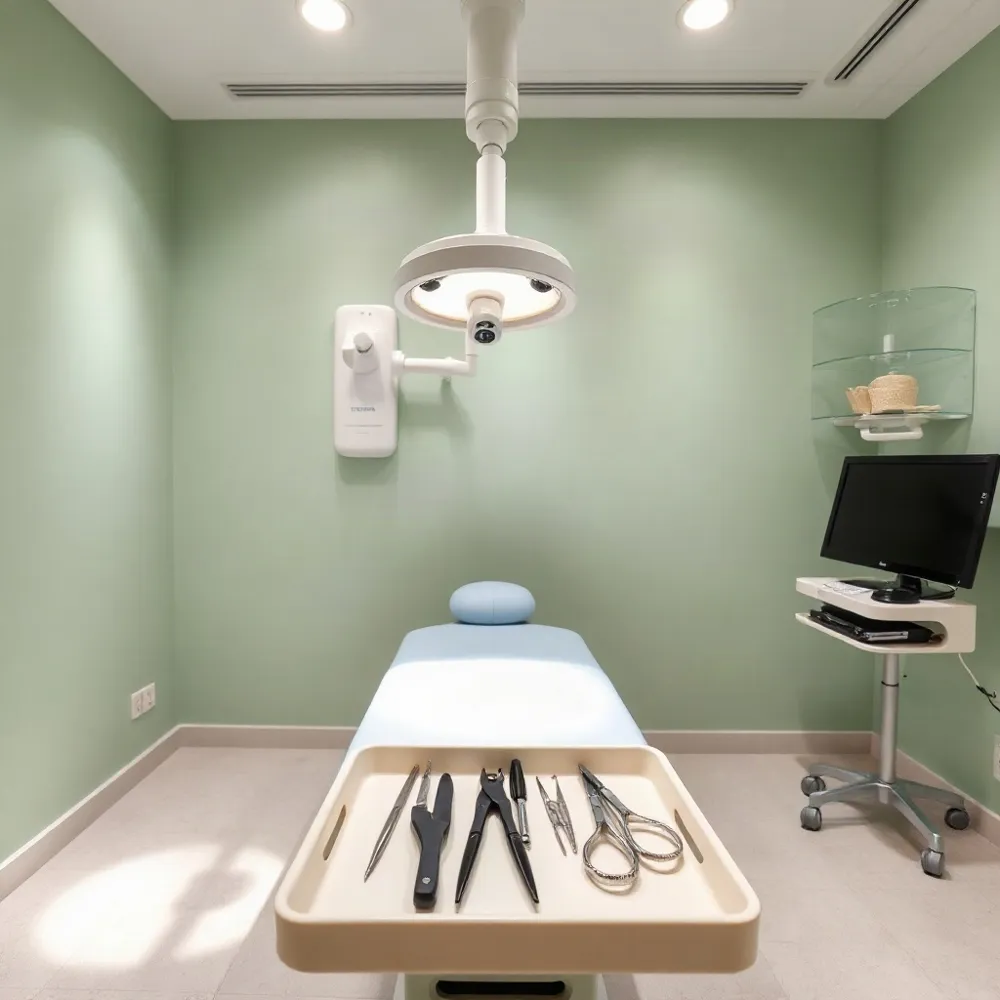
Your Guide to the Plastic Surgery Consultation for a Youthful, Refreshed Look
News
/
October 1, 2026
Plastic Surgery Consultation for Facial Rejuvenation: What to Know Before You Go
Your Guide to the Plastic Surgery Consultation for a Youthful, Refreshed Look

Body contouring has revolutionized the way we think about self-care and aesthetic transformations. It’s more than just a cosmetic procedure—it’s a path to enhanced confidence and self-expression.
The First Step Towards Your Aesthetic Goals
A plastic surgery consultation is the most important appointment in your facial rejuvenation journey. It is your opportunity to ask questions, understand the procedure and recovery, and determine whether a surgeon is the right fit for your goals. This article covers how to prepare, what happens during the consultation, the factors that influence facial rejuvenation cost, and how to choose a qualified surgeon with confidence.
What Happens at a Plastic Surgery Consultation

A plastic surgery consultation is a collaborative, educational two-way conversation. It is your opportunity to interview the surgeon and for the surgeon to evaluate your candidacy, ensuring both parties are aligned before any decisions are made.
The appointment typically begins with check-in and paperwork. Many practices allow you to complete medical forms through a patient portal beforehand, saving time. You will then meet with a nurse or medical assistant who reviews your complete medical history, including all medications, supplements, allergies, and previous surgery dates. Honesty is critical here, as these details directly affect your safety.
The core of the consultation is your meeting with the surgeon. Together, you will discuss your specific aesthetic goals and the concerns you want to address. The surgeon will perform a physical examination of the area, assessing skin quality, elasticity, underlying anatomy, and symmetry. Based on this evaluation, they will explain realistic outcomes, limitations, and the specific procedure or combination of treatments recommended for your unique aging pattern and goals. This is also when the surgeon will detail the recovery timeline, activity restrictions, and postoperative care required.
A transparent discussion of projected costs is a standard part of any consultation. You will receive a detailed quote covering the surgeon's fee, facility costs, anesthesia fees, and any other associated expenses. For patients researching facial rejuvenation, understanding facial rejuvenation cost is essential for planning. According to the American Society of Plastic Surgeons, the average surgeon fee for a facelift reached $11,395 in 2024. An in-person consultation remains the only way to receive a personalized and accurate estimate tailored to your needs.
Throughout the appointment, you are encouraged to ask questions, view the surgeon's before-and-after photos, and assess whether the practice’s atmosphere and approach make you feel comfortable and respected. A successful consultation should leave you feeling informed, confident, and free to take the time you need before making a decision.
How Long Should a Consultation Take
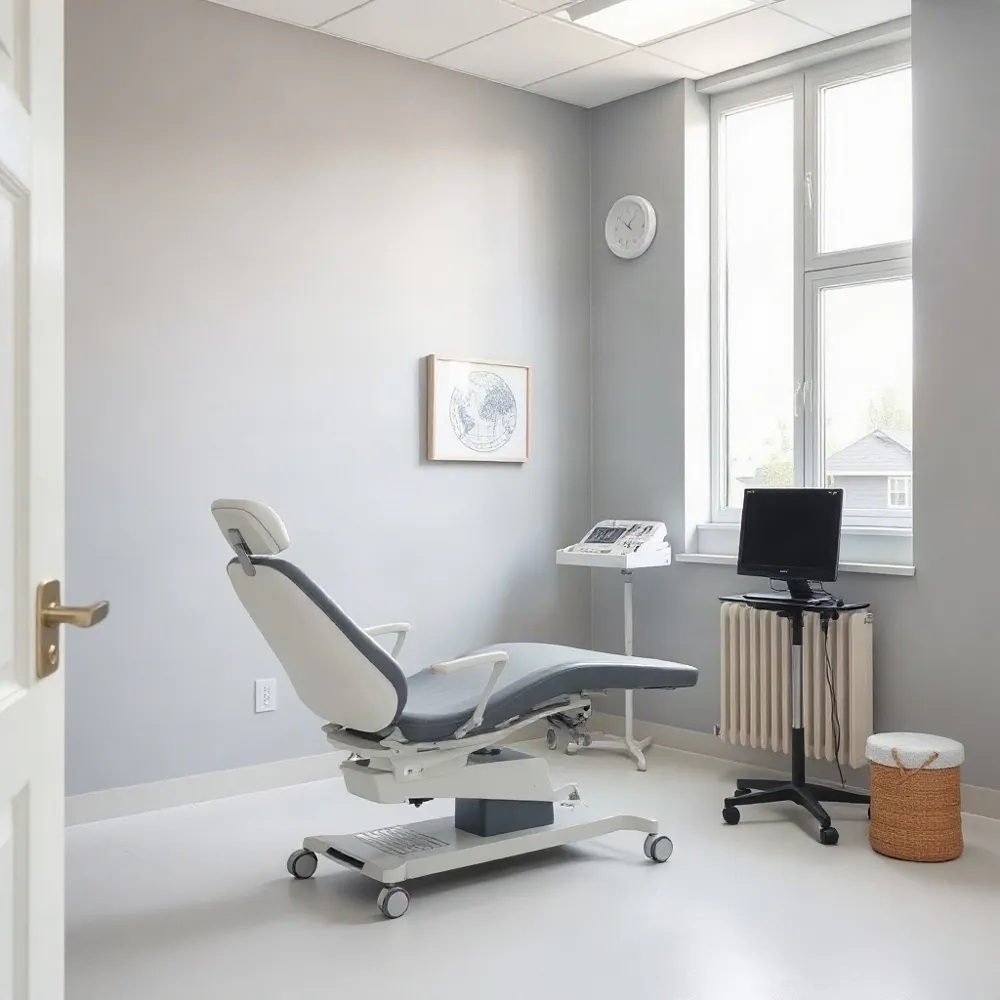
A thorough plastic surgery consultation typically lasts between one and two hours. This timeframe allows the surgeon to review your medical history, conduct a physical examination, and discuss your aesthetic goals in detail without feeling rushed.
For procedures involving facial rejuvenation, the consultation may take longer. The surgeon needs to assess skin quality, underlying facial structure, and the specific signs of aging you wish to address. This comprehensive evaluation helps in tailoring a treatment plan that aligns with your unique anatomy and expectations.
Investing this time offers more than information gathering. It gives you the chance to evaluate the surgeon's communication style and expertise, ensuring you feel comfortable and confident before moving forward. If a surgeon attempts to rush through the appointment in 15 minutes, it is a red flag that warrants seeking a second opinion. For personalized care and a detailed assessment of your options, Dr. Thomas Loeb's Manhattan practice provides consultations that prioritize thorough discussion and patient education.
Preparing for Your Consultation
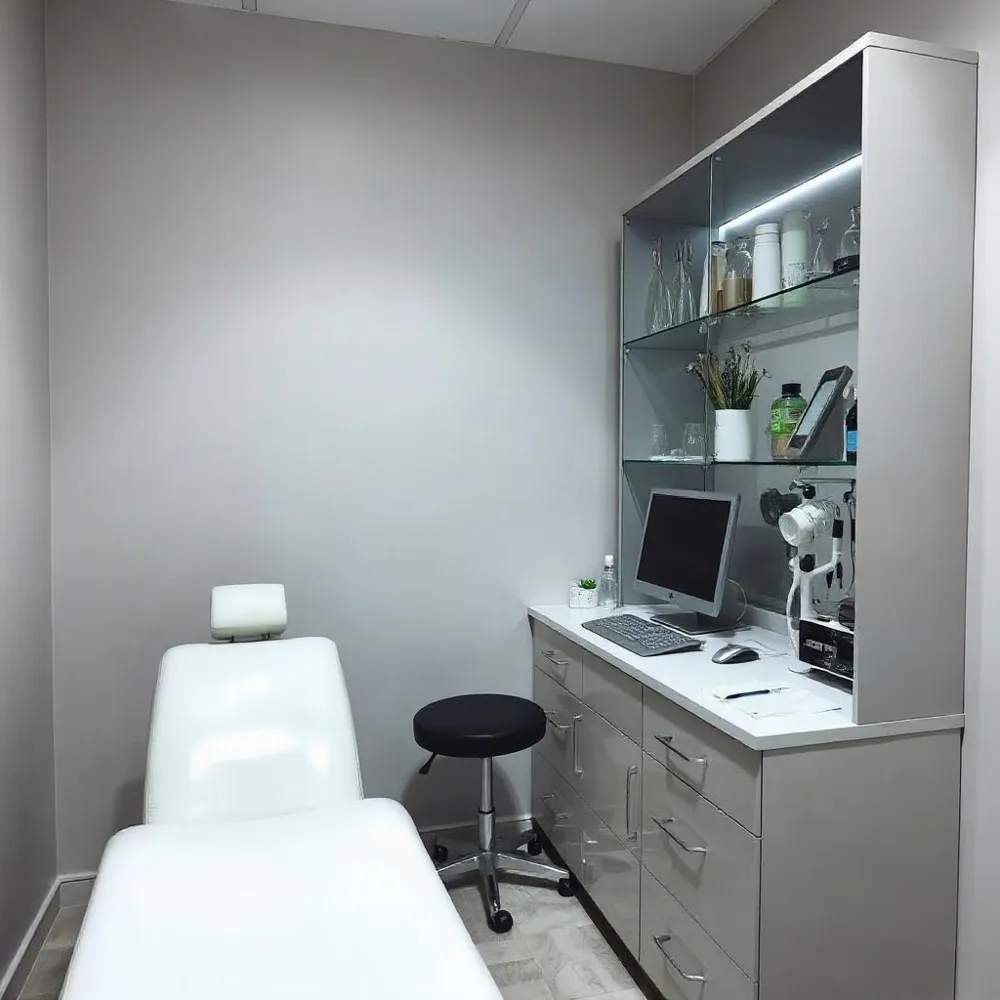
Thorough preparation helps you get the most out of your plastic surgery consultation. Start by gathering your medical history, including dates of previous surgeries, a complete list of medications and supplements, allergies, and relevant family medical conditions. Many practices let you complete paperwork through a patient portal before your visit, saving time.
Bring a few specific items to keep the conversation productive. Prepare a written list of your questions and goals, and include reference photos that capture the aesthetic you are seeking. For facial rejuvenation, a photo of your younger self can help the surgeon understand your desired look. Bring a trusted companion to your consultation: they can ask questions you may not have considered and serve as a second set of ears to recall details later.
Wear comfortable, loose-fitting clothing to the appointment. For a consultation focused on the face, this is less critical, but many surgeons recommend clothing that is easy to remove, such as a hoodie and jeans, in case the physical examination involves a body procedure. Simple attire allows you to focus on the discussion rather than on complicated zippers or buttons.
Key Questions to Ask Your Surgeon
Arriving with a prepared list of questions ensures you get the most out of your time with the surgeon. The answers will reveal whether the surgeon's approach matches your goals and whether the practice meets your standards for safety and care.
Board Certification and Experience
Begin by confirming that the surgeon is board-certified by the American Board of Plastic Surgery (ABPS), the only plastic surgery board recognized by the American Board of Medical Specialties. Ask directly: "Are you board certified in plastic and reconstructive surgery?" and "How many procedures like mine have you performed?" A surgeon's specific experience with your desired procedure is a stronger indicator of skill than a general number of years in practice.
Hospital Privileges and Safety Protocols
Safety rests on the facility and the team. Ask where the surgery will take place and whether the facility is accredited. Inquire about hospital privileges: "Do you have admitting privileges at a local hospital in case of an emergency?" and "Who will administer anesthesia, and what are their credentials?" A surgeon who cannot operate at a hospital may lack essential safety oversight.
Before-and-After Photos and Realistic Outcomes
Request to see before-and-after photos of patients with a similar age, skin type, and anatomy to yours. This gives you a realistic preview of what the surgeon can achieve. Also ask, "What in my situation would make me not a candidate for surgery?" A transparent answer reflects the surgeon's honesty and helps set appropriate expectations.
Revision Policy and Financial Transparency
Complications can occur even with excellent care. Ask about the revision policy: "What happens if I need a revision, and what costs would I be responsible for?" A clear policy protects you from unexpected expenses. Finally, request an itemized quote that covers the surgeon's fee, facility costs, anesthesia, and post-operative care — a full picture of the facial rejuvenation cost ensures no surprises later.
Understanding Facial Rejuvenation Costs
The cost of facial rejuvenation varies widely based on several factors, including the surgeon's experience, geographic location, procedure complexity, facility fees, and anesthesia costs. A plastic surgery consultation is the only way to obtain a detailed, personalized quote that accounts for these variables.
Surgical Treatment Averages
According to recent data, the national average surgeon fee for a facelift was $11,395 in 2024. However, total costs typically range from $7,000 for a mini facelift to over $40,000 for premium deep plane procedures in major metropolitan areas. In New York City, comprehensive surgical rejuvenation can range from $20,000–$100,000 or more. The practice of Dr. Thomas Loeb in NYC provides a transparent breakdown of your personalized facial rejuvenation cost during your consultation, ensuring no unexpected expenses arise.
Non-Surgical Options and Their Costs
Non-surgical treatments are generally more cost-effective upfront but require maintenance. Botox costs $200 to $600 per session, while dermal fillers range from $600 to $1,500. Laser resurfacing averages approximately $1,829 per the American Society of Plastic Surgeons, though this figure typically excludes facility and anesthesia fees.
What's Included in a Quote?
A comprehensive quote should include the surgeon's fee, facility and anesthesia costs, post-operative garments, and follow-up care. Many surgeons, including Dr. Loeb, offer financing options, as most health insurance does not cover elective cosmetic procedures.
Is It Normal to Pay for a Consultation
Yes, paying for a plastic surgery consultation is entirely normal, especially when meeting an experienced, high-demand surgeon. A consultation fee compensates the surgeon for dedicated one-on-one time, expertise, and a personalized assessment — similar to what you would expect when consulting a specialist attorney or accountant. This fee also signals a serious commitment from both parties, leading to a more focused discussion about your goals and the associated facial rejuvenation cost.
While some practices offer free consultations, a paid consultation often reflects a practice that prioritizes thorough care over high-volume sales. The fee may be applied toward your eventual procedure, making it a practical investment in your journey.
Consultation fees can vary, typically ranging from $100 to $500, depending on the surgeon's skill, availability, and market. Dr. Thomas Loeb's practice in New York City, for example, provides in-depth consultations that help patients understand their options and receive an accurate, personalized quote. This structure supports a focused, pressure-free environment where you can evaluate whether the surgeon and approach are the right fit for you.
Evaluating Before-and-After Photos
One of the most revealing parts of a plastic surgery consultation is reviewing before-and-after photos. These images offer a tangible preview of a surgeon's skill, artistic eye, and the realistic outcomes you can expect from facial rejuvenation.
Look for photos that feature patients with a skin tone, facial structure, and specific concerns similar to your own. This helps demonstrate that the surgeon has direct experience with cases like yours. Many top surgeons showcase a diverse portfolio of work, allowing you to see the range of what is possible.
These images play a vital role in setting realistic expectations about the procedure and the associated facial rejuvenation cost. By studying results, you can better understand the potential improvements in firmness, contour, and skin texture that surgical and non-surgical techniques can achieve.
What to Avoid Saying During a Consultation
A successful plastic surgery consultation depends on clear, honest communication between you and the surgeon. Knowing what not to say is just as important as knowing which questions to ask.
Unrealistic Expectations and Vague Requests
Avoid saying "I want to look like a celebrity" or “Make me look 20 years younger.” These statements signal a lack of realistic goals. A skilled surgeon focuses on enhancing your natural features, not replicating someone else's. A thorough consultation includes a discussion of what is achievable for your specific facial structure, skin type, and aging pattern.
Bringing Up Cost Too Early
Do not ask "How much will it cost?" before the surgeon has examined you and discussed your goals. A proper facial rejuvenation cost discussion should follow the evaluation, not precede it. Asking too early can derail a focused conversation about your needs and the best treatment approach. After a full assessment, the surgeon can provide a detailed itemized quote covering surgeon fees, facility costs, and anesthesia.
Dismissing Professional Advice and Withholding Information
Refraining from dismissing the surgeon's professional recommendations or insisting on a procedure they advise against. This undermines trust and compromises your safety. Likewise, never downplay your medical history or current medications during your plastic surgery consultation. Full disclosure is essential, as certain vitamins, supplements, and herbal preparations can affect blood pressure and clotting ability. A patient who withholds information puts their outcome at risk.
Deferring All Decisions to the Surgeon
Avoid saying "I'll do whatever you think is best" without sharing your own aesthetic goals. Effective outcomes depend on your active participation. Describe what you like and dislike about your appearance, and bring reference photos to help the surgeon understand your vision. At ThomasLoebMD.com, the consultation process is designed as a collaborative dialogue, where your input drives the treatment plan.
Take the First Step with Confidence
A well-executed plastic surgery consultation is the foundation of a successful outcome. Being informed and prepared allows you to communicate your goals clearly and evaluate the surgeon thoroughly. A consultation with Dr. Thomas Loeb offers the chance to discuss your vision in a private, pressure-free setting.
His decades of experience and reputation for natural-looking results provide the reassurance needed to move forward with confidence. To explore how facial rejuvenation can help you look refreshed and authentically yourself, call 212.535.1105 to schedule your one-on-one consultation.
The First Step Towards Your Aesthetic Goals
A plastic surgery consultation is the most important appointment in your facial rejuvenation journey. It is your opportunity to ask questions, understand the procedure and recovery, and determine whether a surgeon is the right fit for your goals. This article covers how to prepare, what happens during the consultation, the factors that influence facial rejuvenation cost, and how to choose a qualified surgeon with confidence.
What Happens at a Plastic Surgery Consultation
A plastic surgery consultation is a collaborative, educational two-way conversation. It is your opportunity to interview the surgeon and for the surgeon to evaluate your candidacy, ensuring both parties are aligned before any decisions are made.
The appointment typically begins with check-in and paperwork. Many practices allow you to complete medical forms through a patient portal beforehand, saving time. You will then meet with a nurse or medical assistant who reviews your complete medical history, including all medications, supplements, allergies, and previous surgery dates. Honesty is critical here, as these details directly affect your safety.
The core of the consultation is your meeting with the surgeon. Together, you will discuss your specific aesthetic goals and the concerns you want to address. The surgeon will perform a physical examination of the area, assessing skin quality, elasticity, underlying anatomy, and symmetry. Based on this evaluation, they will explain realistic outcomes, limitations, and the specific procedure or combination of treatments recommended for your unique aging pattern and goals. This is also when the surgeon will detail the recovery timeline, activity restrictions, and postoperative care required.
A transparent discussion of projected costs is a standard part of any consultation. You will receive a detailed quote covering the surgeon's fee, facility costs, anesthesia fees, and any other associated expenses. For patients researching facial rejuvenation, understanding facial rejuvenation cost is essential for planning. According to the American Society of Plastic Surgeons, the average surgeon fee for a facelift reached $11,395 in 2024. An in-person consultation remains the only way to receive a personalized and accurate estimate tailored to your needs.
Throughout the appointment, you are encouraged to ask questions, view the surgeon's before-and-after photos, and assess whether the practice’s atmosphere and approach make you feel comfortable and respected. A successful consultation should leave you feeling informed, confident, and free to take the time you need before making a decision.
How Long Should a Consultation Take
A thorough plastic surgery consultation typically lasts between one and two hours. This timeframe allows the surgeon to review your medical history, conduct a physical examination, and discuss your aesthetic goals in detail without feeling rushed.
For procedures involving facial rejuvenation, the consultation may take longer. The surgeon needs to assess skin quality, underlying facial structure, and the specific signs of aging you wish to address. This comprehensive evaluation helps in tailoring a treatment plan that aligns with your unique anatomy and expectations.
Investing this time offers more than information gathering. It gives you the chance to evaluate the surgeon's communication style and expertise, ensuring you feel comfortable and confident before moving forward. If a surgeon attempts to rush through the appointment in 15 minutes, it is a red flag that warrants seeking a second opinion. For personalized care and a detailed assessment of your options, Dr. Thomas Loeb's Manhattan practice provides consultations that prioritize thorough discussion and patient education.
Preparing for Your Consultation
Thorough preparation helps you get the most out of your plastic surgery consultation. Start by gathering your medical history, including dates of previous surgeries, a complete list of medications and supplements, allergies, and relevant family medical conditions. Many practices let you complete paperwork through a patient portal before your visit, saving time.
Bring a few specific items to keep the conversation productive. Prepare a written list of your questions and goals, and include reference photos that capture the aesthetic you are seeking. For facial rejuvenation, a photo of your younger self can help the surgeon understand your desired look. Bring a trusted companion to your consultation: they can ask questions you may not have considered and serve as a second set of ears to recall details later.
Wear comfortable, loose-fitting clothing to the appointment. For a consultation focused on the face, this is less critical, but many surgeons recommend clothing that is easy to remove, such as a hoodie and jeans, in case the physical examination involves a body procedure. Simple attire allows you to focus on the discussion rather than on complicated zippers or buttons.
Key Questions to Ask Your Surgeon
Arriving with a prepared list of questions ensures you get the most out of your time with the surgeon. The answers will reveal whether the surgeon's approach matches your goals and whether the practice meets your standards for safety and care.
Board Certification and Experience
Begin by confirming that the surgeon is board-certified by the American Board of Plastic Surgery (ABPS), the only plastic surgery board recognized by the American Board of Medical Specialties. Ask directly: "Are you board certified in plastic and reconstructive surgery?" and "How many procedures like mine have you performed?" A surgeon's specific experience with your desired procedure is a stronger indicator of skill than a general number of years in practice.
Hospital Privileges and Safety Protocols
Safety rests on the facility and the team. Ask where the surgery will take place and whether the facility is accredited. Inquire about hospital privileges: "Do you have admitting privileges at a local hospital in case of an emergency?" and "Who will administer anesthesia, and what are their credentials?" A surgeon who cannot operate at a hospital may lack essential safety oversight.
Before-and-After Photos and Realistic Outcomes
Request to see before-and-after photos of patients with a similar age, skin type, and anatomy to yours. This gives you a realistic preview of what the surgeon can achieve. Also ask, "What in my situation would make me not a candidate for surgery?" A transparent answer reflects the surgeon's honesty and helps set appropriate expectations.
Revision Policy and Financial Transparency
Complications can occur even with excellent care. Ask about the revision policy: "What happens if I need a revision, and what costs would I be responsible for?" A clear policy protects you from unexpected expenses. Finally, request an itemized quote that covers the surgeon's fee, facility costs, anesthesia, and post-operative care — a full picture of the facial rejuvenation cost ensures no surprises later.
Understanding Facial Rejuvenation Costs
The cost of facial rejuvenation varies widely based on several factors, including the surgeon's experience, geographic location, procedure complexity, facility fees, and anesthesia costs. A plastic surgery consultation is the only way to obtain a detailed, personalized quote that accounts for these variables.
Surgical Treatment Averages
According to recent data, the national average surgeon fee for a facelift was $11,395 in 2024. However, total costs typically range from $7,000 for a mini facelift to over $40,000 for premium deep plane procedures in major metropolitan areas. In New York City, comprehensive surgical rejuvenation can range from $20,000–$100,000 or more. The practice of Dr. Thomas Loeb in NYC provides a transparent breakdown of your personalized facial rejuvenation cost during your consultation, ensuring no unexpected expenses arise.
Non-Surgical Options and Their Costs
Non-surgical treatments are generally more cost-effective upfront but require maintenance. Botox costs $200 to $600 per session, while dermal fillers range from $600 to $1,500. Laser resurfacing averages approximately $1,829 per the American Society of Plastic Surgeons, though this figure typically excludes facility and anesthesia fees.
What's Included in a Quote?
A comprehensive quote should include the surgeon's fee, facility and anesthesia costs, post-operative garments, and follow-up care. Many surgeons, including Dr. Loeb, offer financing options, as most health insurance does not cover elective cosmetic procedures.
Is It Normal to Pay for a Consultation
Yes, paying for a plastic surgery consultation is entirely normal, especially when meeting an experienced, high-demand surgeon. A consultation fee compensates the surgeon for dedicated one-on-one time, expertise, and a personalized assessment — similar to what you would expect when consulting a specialist attorney or accountant. This fee also signals a serious commitment from both parties, leading to a more focused discussion about your goals and the associated facial rejuvenation cost.
While some practices offer free consultations, a paid consultation often reflects a practice that prioritizes thorough care over high-volume sales. The fee may be applied toward your eventual procedure, making it a practical investment in your journey.
Consultation fees can vary, typically ranging from $100 to $500, depending on the surgeon's skill, availability, and market. Dr. Thomas Loeb's practice in New York City, for example, provides in-depth consultations that help patients understand their options and receive an accurate, personalized quote. This structure supports a focused, pressure-free environment where you can evaluate whether the surgeon and approach are the right fit for you.
Evaluating Before-and-After Photos
One of the most revealing parts of a plastic surgery consultation is reviewing before-and-after photos. These images offer a tangible preview of a surgeon's skill, artistic eye, and the realistic outcomes you can expect from facial rejuvenation.
Look for photos that feature patients with a skin tone, facial structure, and specific concerns similar to your own. This helps demonstrate that the surgeon has direct experience with cases like yours. Many top surgeons showcase a diverse portfolio of work, allowing you to see the range of what is possible.
These images play a vital role in setting realistic expectations about the procedure and the associated facial rejuvenation cost. By studying results, you can better understand the potential improvements in firmness, contour, and skin texture that surgical and non-surgical techniques can achieve.
What to Avoid Saying During a Consultation
A successful plastic surgery consultation depends on clear, honest communication between you and the surgeon. Knowing what not to say is just as important as knowing which questions to ask.
Unrealistic Expectations and Vague Requests
Avoid saying "I want to look like a celebrity" or “Make me look 20 years younger.” These statements signal a lack of realistic goals. A skilled surgeon focuses on enhancing your natural features, not replicating someone else's. A thorough consultation includes a discussion of what is achievable for your specific facial structure, skin type, and aging pattern.
Bringing Up Cost Too Early
Do not ask "How much will it cost?" before the surgeon has examined you and discussed your goals. A proper facial rejuvenation cost discussion should follow the evaluation, not precede it. Asking too early can derail a focused conversation about your needs and the best treatment approach. After a full assessment, the surgeon can provide a detailed itemized quote covering surgeon fees, facility costs, and anesthesia.
Dismissing Professional Advice and Withholding Information
Refraining from dismissing the surgeon's professional recommendations or insisting on a procedure they advise against. This undermines trust and compromises your safety. Likewise, never downplay your medical history or current medications during your plastic surgery consultation. Full disclosure is essential, as certain vitamins, supplements, and herbal preparations can affect blood pressure and clotting ability. A patient who withholds information puts their outcome at risk.
Deferring All Decisions to the Surgeon
Avoid saying "I'll do whatever you think is best" without sharing your own aesthetic goals. Effective outcomes depend on your active participation. Describe what you like and dislike about your appearance, and bring reference photos to help the surgeon understand your vision. At ThomasLoebMD.com, the consultation process is designed as a collaborative dialogue, where your input drives the treatment plan.
Take the First Step with Confidence
A well-executed plastic surgery consultation is the foundation of a successful outcome. Being informed and prepared allows you to communicate your goals clearly and evaluate the surgeon thoroughly. A consultation with Dr. Thomas Loeb offers the chance to discuss your vision in a private, pressure-free setting.
His decades of experience and reputation for natural-looking results provide the reassurance needed to move forward with confidence. To explore how facial rejuvenation can help you look refreshed and authentically yourself, call 212.535.1105 to schedule your one-on-one consultation.
Heading
The First Step Towards Your Aesthetic Goals
A plastic surgery consultation is the most important appointment in your facial rejuvenation journey. It is your opportunity to ask questions, understand the procedure and recovery, and determine whether a surgeon is the right fit for your goals. This article covers how to prepare, what happens during the consultation, the factors that influence facial rejuvenation cost, and how to choose a qualified surgeon with confidence.
What Happens at a Plastic Surgery Consultation
A plastic surgery consultation is a collaborative, educational two-way conversation. It is your opportunity to interview the surgeon and for the surgeon to evaluate your candidacy, ensuring both parties are aligned before any decisions are made.
The appointment typically begins with check-in and paperwork. Many practices allow you to complete medical forms through a patient portal beforehand, saving time. You will then meet with a nurse or medical assistant who reviews your complete medical history, including all medications, supplements, allergies, and previous surgery dates. Honesty is critical here, as these details directly affect your safety.
The core of the consultation is your meeting with the surgeon. Together, you will discuss your specific aesthetic goals and the concerns you want to address. The surgeon will perform a physical examination of the area, assessing skin quality, elasticity, underlying anatomy, and symmetry. Based on this evaluation, they will explain realistic outcomes, limitations, and the specific procedure or combination of treatments recommended for your unique aging pattern and goals. This is also when the surgeon will detail the recovery timeline, activity restrictions, and postoperative care required.
A transparent discussion of projected costs is a standard part of any consultation. You will receive a detailed quote covering the surgeon's fee, facility costs, anesthesia fees, and any other associated expenses. For patients researching facial rejuvenation, understanding facial rejuvenation cost is essential for planning. According to the American Society of Plastic Surgeons, the average surgeon fee for a facelift reached $11,395 in 2024. An in-person consultation remains the only way to receive a personalized and accurate estimate tailored to your needs.
Throughout the appointment, you are encouraged to ask questions, view the surgeon's before-and-after photos, and assess whether the practice’s atmosphere and approach make you feel comfortable and respected. A successful consultation should leave you feeling informed, confident, and free to take the time you need before making a decision.
How Long Should a Consultation Take
A thorough plastic surgery consultation typically lasts between one and two hours. This timeframe allows the surgeon to review your medical history, conduct a physical examination, and discuss your aesthetic goals in detail without feeling rushed.
For procedures involving facial rejuvenation, the consultation may take longer. The surgeon needs to assess skin quality, underlying facial structure, and the specific signs of aging you wish to address. This comprehensive evaluation helps in tailoring a treatment plan that aligns with your unique anatomy and expectations.
Investing this time offers more than information gathering. It gives you the chance to evaluate the surgeon's communication style and expertise, ensuring you feel comfortable and confident before moving forward. If a surgeon attempts to rush through the appointment in 15 minutes, it is a red flag that warrants seeking a second opinion. For personalized care and a detailed assessment of your options, Dr. Thomas Loeb's Manhattan practice provides consultations that prioritize thorough discussion and patient education.
Preparing for Your Consultation
Thorough preparation helps you get the most out of your plastic surgery consultation. Start by gathering your medical history, including dates of previous surgeries, a complete list of medications and supplements, allergies, and relevant family medical conditions. Many practices let you complete paperwork through a patient portal before your visit, saving time.
Bring a few specific items to keep the conversation productive. Prepare a written list of your questions and goals, and include reference photos that capture the aesthetic you are seeking. For facial rejuvenation, a photo of your younger self can help the surgeon understand your desired look. Bring a trusted companion to your consultation: they can ask questions you may not have considered and serve as a second set of ears to recall details later.
Wear comfortable, loose-fitting clothing to the appointment. For a consultation focused on the face, this is less critical, but many surgeons recommend clothing that is easy to remove, such as a hoodie and jeans, in case the physical examination involves a body procedure. Simple attire allows you to focus on the discussion rather than on complicated zippers or buttons.
Key Questions to Ask Your Surgeon
Arriving with a prepared list of questions ensures you get the most out of your time with the surgeon. The answers will reveal whether the surgeon's approach matches your goals and whether the practice meets your standards for safety and care.
Board Certification and Experience
Begin by confirming that the surgeon is board-certified by the American Board of Plastic Surgery (ABPS), the only plastic surgery board recognized by the American Board of Medical Specialties. Ask directly: "Are you board certified in plastic and reconstructive surgery?" and "How many procedures like mine have you performed?" A surgeon's specific experience with your desired procedure is a stronger indicator of skill than a general number of years in practice.
Hospital Privileges and Safety Protocols
Safety rests on the facility and the team. Ask where the surgery will take place and whether the facility is accredited. Inquire about hospital privileges: "Do you have admitting privileges at a local hospital in case of an emergency?" and "Who will administer anesthesia, and what are their credentials?" A surgeon who cannot operate at a hospital may lack essential safety oversight.
Before-and-After Photos and Realistic Outcomes
Request to see before-and-after photos of patients with a similar age, skin type, and anatomy to yours. This gives you a realistic preview of what the surgeon can achieve. Also ask, "What in my situation would make me not a candidate for surgery?" A transparent answer reflects the surgeon's honesty and helps set appropriate expectations.
Revision Policy and Financial Transparency
Complications can occur even with excellent care. Ask about the revision policy: "What happens if I need a revision, and what costs would I be responsible for?" A clear policy protects you from unexpected expenses. Finally, request an itemized quote that covers the surgeon's fee, facility costs, anesthesia, and post-operative care — a full picture of the facial rejuvenation cost ensures no surprises later.
Understanding Facial Rejuvenation Costs
The cost of facial rejuvenation varies widely based on several factors, including the surgeon's experience, geographic location, procedure complexity, facility fees, and anesthesia costs. A plastic surgery consultation is the only way to obtain a detailed, personalized quote that accounts for these variables.
Surgical Treatment Averages
According to recent data, the national average surgeon fee for a facelift was $11,395 in 2024. However, total costs typically range from $7,000 for a mini facelift to over $40,000 for premium deep plane procedures in major metropolitan areas. In New York City, comprehensive surgical rejuvenation can range from $20,000–$100,000 or more. The practice of Dr. Thomas Loeb in NYC provides a transparent breakdown of your personalized facial rejuvenation cost during your consultation, ensuring no unexpected expenses arise.
Non-Surgical Options and Their Costs
Non-surgical treatments are generally more cost-effective upfront but require maintenance. Botox costs $200 to $600 per session, while dermal fillers range from $600 to $1,500. Laser resurfacing averages approximately $1,829 per the American Society of Plastic Surgeons, though this figure typically excludes facility and anesthesia fees.
What's Included in a Quote?
A comprehensive quote should include the surgeon's fee, facility and anesthesia costs, post-operative garments, and follow-up care. Many surgeons, including Dr. Loeb, offer financing options, as most health insurance does not cover elective cosmetic procedures.
Is It Normal to Pay for a Consultation
Yes, paying for a plastic surgery consultation is entirely normal, especially when meeting an experienced, high-demand surgeon. A consultation fee compensates the surgeon for dedicated one-on-one time, expertise, and a personalized assessment — similar to what you would expect when consulting a specialist attorney or accountant. This fee also signals a serious commitment from both parties, leading to a more focused discussion about your goals and the associated facial rejuvenation cost.
While some practices offer free consultations, a paid consultation often reflects a practice that prioritizes thorough care over high-volume sales. The fee may be applied toward your eventual procedure, making it a practical investment in your journey.
Consultation fees can vary, typically ranging from $100 to $500, depending on the surgeon's skill, availability, and market. Dr. Thomas Loeb's practice in New York City, for example, provides in-depth consultations that help patients understand their options and receive an accurate, personalized quote. This structure supports a focused, pressure-free environment where you can evaluate whether the surgeon and approach are the right fit for you.
Evaluating Before-and-After Photos
One of the most revealing parts of a plastic surgery consultation is reviewing before-and-after photos. These images offer a tangible preview of a surgeon's skill, artistic eye, and the realistic outcomes you can expect from facial rejuvenation.
Look for photos that feature patients with a skin tone, facial structure, and specific concerns similar to your own. This helps demonstrate that the surgeon has direct experience with cases like yours. Many top surgeons showcase a diverse portfolio of work, allowing you to see the range of what is possible.
These images play a vital role in setting realistic expectations about the procedure and the associated facial rejuvenation cost. By studying results, you can better understand the potential improvements in firmness, contour, and skin texture that surgical and non-surgical techniques can achieve.
What to Avoid Saying During a Consultation
A successful plastic surgery consultation depends on clear, honest communication between you and the surgeon. Knowing what not to say is just as important as knowing which questions to ask.
Unrealistic Expectations and Vague Requests
Avoid saying "I want to look like a celebrity" or “Make me look 20 years younger.” These statements signal a lack of realistic goals. A skilled surgeon focuses on enhancing your natural features, not replicating someone else's. A thorough consultation includes a discussion of what is achievable for your specific facial structure, skin type, and aging pattern.
Bringing Up Cost Too Early
Do not ask "How much will it cost?" before the surgeon has examined you and discussed your goals. A proper facial rejuvenation cost discussion should follow the evaluation, not precede it. Asking too early can derail a focused conversation about your needs and the best treatment approach. After a full assessment, the surgeon can provide a detailed itemized quote covering surgeon fees, facility costs, and anesthesia.
Dismissing Professional Advice and Withholding Information
Refraining from dismissing the surgeon's professional recommendations or insisting on a procedure they advise against. This undermines trust and compromises your safety. Likewise, never downplay your medical history or current medications during your plastic surgery consultation. Full disclosure is essential, as certain vitamins, supplements, and herbal preparations can affect blood pressure and clotting ability. A patient who withholds information puts their outcome at risk.
Deferring All Decisions to the Surgeon
Avoid saying "I'll do whatever you think is best" without sharing your own aesthetic goals. Effective outcomes depend on your active participation. Describe what you like and dislike about your appearance, and bring reference photos to help the surgeon understand your vision. At ThomasLoebMD.com, the consultation process is designed as a collaborative dialogue, where your input drives the treatment plan.
Take the First Step with Confidence
A well-executed plastic surgery consultation is the foundation of a successful outcome. Being informed and prepared allows you to communicate your goals clearly and evaluate the surgeon thoroughly. A consultation with Dr. Thomas Loeb offers the chance to discuss your vision in a private, pressure-free setting.
His decades of experience and reputation for natural-looking results provide the reassurance needed to move forward with confidence. To explore how facial rejuvenation can help you look refreshed and authentically yourself, call 212.535.1105 to schedule your one-on-one consultation.





Locations


© 2014 - 2025. Thomas W. Loeb | Board Certified Plastic Surgeon