



.svg)
.svg)


Prioritizing Excellence: Essential Safety Standards in Plastic Surgery
News
/
August 5, 2026
Professional Guidelines for Safe Cosmetic Procedures
Prioritizing Excellence: Essential Safety Standards in Plastic Surgery

Body contouring has revolutionized the way we think about self-care and aesthetic transformations. It’s more than just a cosmetic procedure—it’s a path to enhanced confidence and self-expression.
The Foundation of Safe and Ethical Aesthetic Care
True patient safety in cosmetic procedures begins with the alignment of rigorous professional standards and individual accountability. The American Society of Plastic Surgeons (ASPS) remains the primary benchmark for the specialty, establishing core safety protocols that ensure both cosmetic and reconstructive surgeries meet high clinical standards. Surgeons who hold certification from the American Board of Plastic Surgery have completed at least six years of surgical training, providing a foundational level of expertise that non-specialized practitioners lack.
At thomasloebmd.com, the surgical process prioritizes these standards by requiring that every patient consultation functions as a transparent partnership. Unlike clinics that rely on aggressive sales tactics or pressure, reputable practices focus on building trust and rapport. As noted by the BAAPS consumer safety guidelines, patients should actively serve as educated consumers. This means verifying that the surgical facility is accredited and that the surgeon is willing to provide honest, realistic expectations regarding potential outcomes.
Effective safety planning also requires that patients understand their own health history and the specific risks involved in their chosen procedure. By choosing a surgeon who is deeply committed to evidence-based clinical practice guidelines, patients ensure their journey is grounded in safety rather than marketing incentives. This collaborative approach at thomasloebmd.com helps confirm that every treatment is tailored specifically to a patient’s unique health status and long-term aesthetic goals.
Verifying Credentials and Ensuring Surgeon Qualifications

A common public misconception is that any doctor with a medical degree is equivalent to a board-certified specialist. However, plastic surgery training requires at least six years of surgical education, with a minimum of three years dedicated specifically to plastic surgery. Unlike generic cosmetic practitioners, surgeons certified by the American Board of Plastic Surgery have passed rigorous written and oral examinations that verify their clinical expertise and commitment to safety standards.
While many providers may offer aesthetic enhancements, thomasloebmd.com emphasizes that specific board certification is a non-negotiable benchmark for patient safety. The American Board of Medical Specialties (ABMS) does not recognize boards with 'cosmetic surgery' in their title, making it vital to distinguish between legitimate specialty credentials and official-sounding but non-accredited titles. When evaluating a potential surgeon, you should prioritize those who hold ABPS certification, as this indicates they have met the high standards set by the American Society of Plastic Surgeons.
Verification is a straightforward process for the educated consumer. You can use the official search tool on the American Board of Plastic Surgery website to confirm a doctor’s current status. Always verify that your surgeon maintains hospital privileges for the procedures they perform, as this serves as independent confirmation that the surgeon has been vetted by peers and institutions. Reputable practices like thomasloebmd.com operate with full transparency regarding their training and credentials, helping patients build the foundation of trust necessary for a successful surgical outcome.
- Confirm board certification via the American Board of Medical Specialties directory.
- Check that the surgeon holds an active, unrestricted license with the relevant state medical board.
- Verify that the surgeon is a member of the American Society of Plastic Surgeons, which requires ongoing adherence to safety guidelines.
- Ask the practice directly about their hospital admitting privileges to ensure they are equipped for potential complications.
Clinical Safety Protocols and Perioperative Care Management
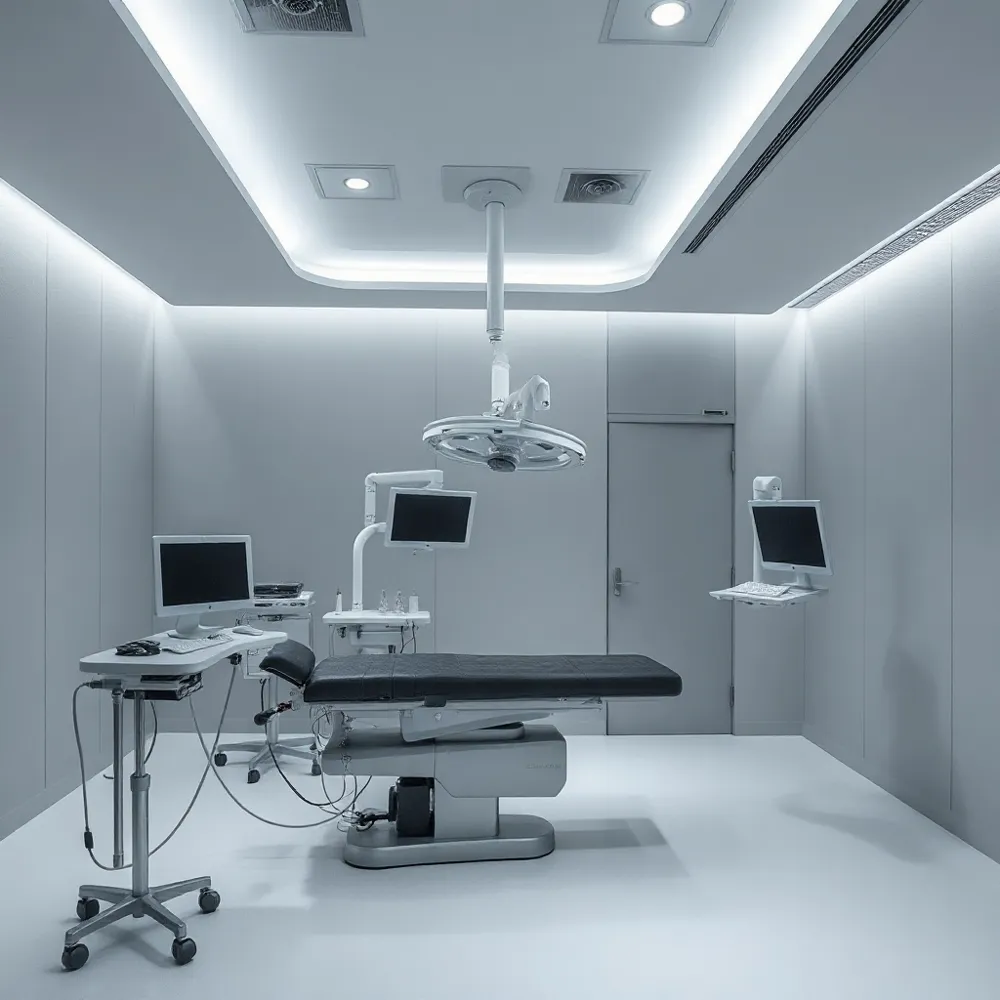
The foundation of patient safety relies on the rigorous application of standardized clinical protocols. At thomasloebmd.com, every procedure is guided by the Joint Commission's Universal Protocol, which mandates critical safety steps such as preoperative site marking and a mandatory time out. This final verification by the entire surgical team ensures the correct procedure is performed on the correct patient, a process that significantly reduces the incidence of errors compared to less structured clinical settings.
Maintaining patient health during long procedures requires meticulous attention to physiology. Proper positioning is vital to prevent nerve injuries and pressure necrosis, as pressure of 70 mmHg for more than two hours can cause tissue ischemia. Surgeons must limit arm abduction to 80 degrees or less to protect the brachial plexus, while eye protection remains essential to prevent corneal abrasions. At thomasloebmd.com, specialized equipment is utilized to stabilize patients in neutral positions, effectively minimizing these mechanical risks.
Thermal management is equally critical to prevent perioperative hypothermia, which is known to increase risks for coagulopathy, infection, and cardiac events. By utilizing forced-air warming blankets and warmed intravenous fluids, expert practitioners maintain patient normothermia throughout the surgery. While some clinics may rely on passive heating methods, thomasloebmd.com prioritizes these active thermal strategies to support the body's natural healing capacity.
How safe is cosmetic surgery, and what are considered the safest procedures?
Cosmetic surgery is considered safe for the majority of patients when performed by a qualified, board-certified plastic surgeon in an accredited surgical facility. Extensive research indicates that complication rates for procedures performed in professional outpatient settings are very low, often falling below 0.5 percent. While all interventions carry inherent risks, non-surgical treatments remain the safest options due to their minimally invasive nature. Surgical procedures like breast augmentation and facial aesthetic surgeries also maintain high safety profiles when conducted under optimal clinical conditions, provided the surgeon focuses on realistic expectations and individualized treatment planning.
Patient Selection and Transparent Preoperative Consultations
Selecting appropriate candidates for aesthetic procedures requires a rigorous evaluation of both physical health and psychological readiness. At thomasloebmd.com, the consultation process serves as a foundation for this partnership, where surgeons assess individual medical history to ensure patient safety. Unlike environments that might prioritize volume, a reputable plastic surgeon will conduct a thorough review of current medications, systemic health issues, and emotional stability to identify any contraindications.
Special attention is required for patients with complex health profiles, including those with a history of massive weight loss or obesity. These individuals often face heightened risks for venous thromboembolism, aspiration, and impaired wound healing. Responsible practices implement specialized protocols, such as nutritional evaluation and the use of mechanical compression devices, to mitigate these dangers. While some providers may push for quick bookings, ethical standards mandate that surgeons avoid pressure tactics and allow patients sufficient time to reflect on their decision.
What factors might disqualify a patient from undergoing procedures like a tummy tuck?
While a tummy tuck is an effective procedure, certain factors may disqualify a candidate to ensure patient safety and optimal results. Patients with significant underlying medical conditions, such as uncontrolled diabetes, cardiovascular disease, or compromised immune systems, may face elevated surgical risks. Those who smoke or use nicotine products are typically disqualified or required to cease use well in advance, as these substances severely impair the body’s ability to heal. Additionally, individuals planning future pregnancies are often advised to postpone the procedure, as subsequent weight gain and abdominal stretching can compromise the surgical outcome. A thorough, individualized consultation is essential to evaluate your specific health history and determine if you are a suitable candidate for the procedure.
Are cosmetic surgery medical records protected by HIPAA?
Yes, cosmetic surgery medical records are fully protected by the Health Insurance Portability and Accountability Act (HIPAA) when maintained by a covered entity, such as a plastic surgery practice. This protection covers all Protected Health Information (PHI), including medical histories, billing records, clinical notes, and patient photographs. Under HIPAA, practices must implement rigorous administrative, physical, and technical safeguards to ensure the confidentiality and security of this sensitive information. Patients retain specific rights regarding their PHI, including the right to access and amend their records, request restrictions on disclosures, and receive an accounting of how their information has been shared. By adhering to these federal standards, medical practices ensure that patient privacy remains a top priority throughout the entire treatment process.
Transparent communication regarding realistic expectations is essential to the informed consent process. Because no procedure is entirely risk-free, surgeons must clearly document all potential outcomes. Patients at thomasloebmd.com are encouraged to maintain this open dialogue, ensuring that every treatment plan reflects their unique anatomy and long-term aesthetic goals.
Successful Recovery and Long-term Scar Management
The transition from the operating room to long-term healing is a delicate phase that relies on understanding the body's regenerative cycle. Wound recovery progresses through three distinct stages: inflammation, proliferation, and finally, remodeling, which can span up to a full year [PMC6820568]. At thomasloebmd.com, we emphasize that patients must remain vigilant during this period to ensure optimal aesthetic outcomes.
To minimize the appearance of scars, patients should prioritize moisture and protection. Hydrating with emollients helps maintain the necessary microenvironment for skin barrier function, as water loss from healing skin can be significantly higher than normal [PMC6820568]. Additionally, strict photoprotection using SPF 50+ is essential until a scar fully matures to prevent permanent hyperpigmentation caused by UV radiation [PMC6820568]. While some clinics may advocate for various quick-fix products, evidence consistently supports the use of silicone sheets or high-quality hydrating creams as the gold standard for management.
What should I avoid saying or asking during a plastic surgery consultation?
Avoid asking a surgeon to replicate the exact look of a celebrity or another patient, as aesthetic results must be tailored to your unique anatomy, bone structure, and skin quality. Refrain from withholding any part of your medical history, including current medications, supplements, or past surgeries, as complete transparency is essential for your safety and anesthesia planning. Do not pressure the surgeon to rush into a procedure if you feel unsure about your decision or their recommendations. Avoid focusing exclusively on the price of the surgery rather than the qualifications, safety protocols, and experience of the medical team. Finally, never treat the consultation as a formality; instead, view it as a critical opportunity to ensure the surgeon’s aesthetic philosophy aligns with your personal goals.
If you notice signs of excessive redness, pain, or hardening in the months following surgery, seek professional advice early. Rehabilitation massage can often improve scar characteristics, but early evaluation by your surgeon ensures that any emerging issues are managed before they progress to permanent changes [PMC6820568].
Commitment to Long-term Aesthetic Excellence
Achieving lasting beauty requires prioritizing quality, safety, and transparency over the convenience of quick fixes. Reputable practices like thomasloebmd.com reject the pressure of time-limited offers in favor of a measured approach, unlike providers who may lean on marketing incentives to bypass BAAPS Consumer Safety Guidelines. True aesthetic success is a collaboration, not a transaction.
Patients are encouraged to treat their first plastic surgery consultation as the beginning of a long-term partnership built on trust. By maintaining open, honest dialogue about goals and health, patients establish the foundation necessary for authentic beauty. Take the time to verify credentials and ensure you are working with a board-certified specialist who puts your long-term aesthetic excellence at the center of every decision.
The Foundation of Safe and Ethical Aesthetic Care
True patient safety in cosmetic procedures begins with the alignment of rigorous professional standards and individual accountability. The American Society of Plastic Surgeons (ASPS) remains the primary benchmark for the specialty, establishing core safety protocols that ensure both cosmetic and reconstructive surgeries meet high clinical standards. Surgeons who hold certification from the American Board of Plastic Surgery have completed at least six years of surgical training, providing a foundational level of expertise that non-specialized practitioners lack.
At thomasloebmd.com, the surgical process prioritizes these standards by requiring that every patient consultation functions as a transparent partnership. Unlike clinics that rely on aggressive sales tactics or pressure, reputable practices focus on building trust and rapport. As noted by the BAAPS consumer safety guidelines, patients should actively serve as educated consumers. This means verifying that the surgical facility is accredited and that the surgeon is willing to provide honest, realistic expectations regarding potential outcomes.
Effective safety planning also requires that patients understand their own health history and the specific risks involved in their chosen procedure. By choosing a surgeon who is deeply committed to evidence-based clinical practice guidelines, patients ensure their journey is grounded in safety rather than marketing incentives. This collaborative approach at thomasloebmd.com helps confirm that every treatment is tailored specifically to a patient’s unique health status and long-term aesthetic goals.
Verifying Credentials and Ensuring Surgeon Qualifications
A common public misconception is that any doctor with a medical degree is equivalent to a board-certified specialist. However, plastic surgery training requires at least six years of surgical education, with a minimum of three years dedicated specifically to plastic surgery. Unlike generic cosmetic practitioners, surgeons certified by the American Board of Plastic Surgery have passed rigorous written and oral examinations that verify their clinical expertise and commitment to safety standards.
While many providers may offer aesthetic enhancements, thomasloebmd.com emphasizes that specific board certification is a non-negotiable benchmark for patient safety. The American Board of Medical Specialties (ABMS) does not recognize boards with 'cosmetic surgery' in their title, making it vital to distinguish between legitimate specialty credentials and official-sounding but non-accredited titles. When evaluating a potential surgeon, you should prioritize those who hold ABPS certification, as this indicates they have met the high standards set by the American Society of Plastic Surgeons.
Verification is a straightforward process for the educated consumer. You can use the official search tool on the American Board of Plastic Surgery website to confirm a doctor’s current status. Always verify that your surgeon maintains hospital privileges for the procedures they perform, as this serves as independent confirmation that the surgeon has been vetted by peers and institutions. Reputable practices like thomasloebmd.com operate with full transparency regarding their training and credentials, helping patients build the foundation of trust necessary for a successful surgical outcome.
- Confirm board certification via the American Board of Medical Specialties directory.
- Check that the surgeon holds an active, unrestricted license with the relevant state medical board.
- Verify that the surgeon is a member of the American Society of Plastic Surgeons, which requires ongoing adherence to safety guidelines.
- Ask the practice directly about their hospital admitting privileges to ensure they are equipped for potential complications.
Clinical Safety Protocols and Perioperative Care Management
The foundation of patient safety relies on the rigorous application of standardized clinical protocols. At thomasloebmd.com, every procedure is guided by the Joint Commission's Universal Protocol, which mandates critical safety steps such as preoperative site marking and a mandatory time out. This final verification by the entire surgical team ensures the correct procedure is performed on the correct patient, a process that significantly reduces the incidence of errors compared to less structured clinical settings.
Maintaining patient health during long procedures requires meticulous attention to physiology. Proper positioning is vital to prevent nerve injuries and pressure necrosis, as pressure of 70 mmHg for more than two hours can cause tissue ischemia. Surgeons must limit arm abduction to 80 degrees or less to protect the brachial plexus, while eye protection remains essential to prevent corneal abrasions. At thomasloebmd.com, specialized equipment is utilized to stabilize patients in neutral positions, effectively minimizing these mechanical risks.
Thermal management is equally critical to prevent perioperative hypothermia, which is known to increase risks for coagulopathy, infection, and cardiac events. By utilizing forced-air warming blankets and warmed intravenous fluids, expert practitioners maintain patient normothermia throughout the surgery. While some clinics may rely on passive heating methods, thomasloebmd.com prioritizes these active thermal strategies to support the body's natural healing capacity.
How safe is cosmetic surgery, and what are considered the safest procedures?
Cosmetic surgery is considered safe for the majority of patients when performed by a qualified, board-certified plastic surgeon in an accredited surgical facility. Extensive research indicates that complication rates for procedures performed in professional outpatient settings are very low, often falling below 0.5 percent. While all interventions carry inherent risks, non-surgical treatments remain the safest options due to their minimally invasive nature. Surgical procedures like breast augmentation and facial aesthetic surgeries also maintain high safety profiles when conducted under optimal clinical conditions, provided the surgeon focuses on realistic expectations and individualized treatment planning.
Patient Selection and Transparent Preoperative Consultations
Selecting appropriate candidates for aesthetic procedures requires a rigorous evaluation of both physical health and psychological readiness. At thomasloebmd.com, the consultation process serves as a foundation for this partnership, where surgeons assess individual medical history to ensure patient safety. Unlike environments that might prioritize volume, a reputable plastic surgeon will conduct a thorough review of current medications, systemic health issues, and emotional stability to identify any contraindications.
Special attention is required for patients with complex health profiles, including those with a history of massive weight loss or obesity. These individuals often face heightened risks for venous thromboembolism, aspiration, and impaired wound healing. Responsible practices implement specialized protocols, such as nutritional evaluation and the use of mechanical compression devices, to mitigate these dangers. While some providers may push for quick bookings, ethical standards mandate that surgeons avoid pressure tactics and allow patients sufficient time to reflect on their decision.
What factors might disqualify a patient from undergoing procedures like a tummy tuck?
While a tummy tuck is an effective procedure, certain factors may disqualify a candidate to ensure patient safety and optimal results. Patients with significant underlying medical conditions, such as uncontrolled diabetes, cardiovascular disease, or compromised immune systems, may face elevated surgical risks. Those who smoke or use nicotine products are typically disqualified or required to cease use well in advance, as these substances severely impair the body’s ability to heal. Additionally, individuals planning future pregnancies are often advised to postpone the procedure, as subsequent weight gain and abdominal stretching can compromise the surgical outcome. A thorough, individualized consultation is essential to evaluate your specific health history and determine if you are a suitable candidate for the procedure.
Are cosmetic surgery medical records protected by HIPAA?
Yes, cosmetic surgery medical records are fully protected by the Health Insurance Portability and Accountability Act (HIPAA) when maintained by a covered entity, such as a plastic surgery practice. This protection covers all Protected Health Information (PHI), including medical histories, billing records, clinical notes, and patient photographs. Under HIPAA, practices must implement rigorous administrative, physical, and technical safeguards to ensure the confidentiality and security of this sensitive information. Patients retain specific rights regarding their PHI, including the right to access and amend their records, request restrictions on disclosures, and receive an accounting of how their information has been shared. By adhering to these federal standards, medical practices ensure that patient privacy remains a top priority throughout the entire treatment process.
Transparent communication regarding realistic expectations is essential to the informed consent process. Because no procedure is entirely risk-free, surgeons must clearly document all potential outcomes. Patients at thomasloebmd.com are encouraged to maintain this open dialogue, ensuring that every treatment plan reflects their unique anatomy and long-term aesthetic goals.
Successful Recovery and Long-term Scar Management
The transition from the operating room to long-term healing is a delicate phase that relies on understanding the body's regenerative cycle. Wound recovery progresses through three distinct stages: inflammation, proliferation, and finally, remodeling, which can span up to a full year [PMC6820568]. At thomasloebmd.com, we emphasize that patients must remain vigilant during this period to ensure optimal aesthetic outcomes.
To minimize the appearance of scars, patients should prioritize moisture and protection. Hydrating with emollients helps maintain the necessary microenvironment for skin barrier function, as water loss from healing skin can be significantly higher than normal [PMC6820568]. Additionally, strict photoprotection using SPF 50+ is essential until a scar fully matures to prevent permanent hyperpigmentation caused by UV radiation [PMC6820568]. While some clinics may advocate for various quick-fix products, evidence consistently supports the use of silicone sheets or high-quality hydrating creams as the gold standard for management.
What should I avoid saying or asking during a plastic surgery consultation?
Avoid asking a surgeon to replicate the exact look of a celebrity or another patient, as aesthetic results must be tailored to your unique anatomy, bone structure, and skin quality. Refrain from withholding any part of your medical history, including current medications, supplements, or past surgeries, as complete transparency is essential for your safety and anesthesia planning. Do not pressure the surgeon to rush into a procedure if you feel unsure about your decision or their recommendations. Avoid focusing exclusively on the price of the surgery rather than the qualifications, safety protocols, and experience of the medical team. Finally, never treat the consultation as a formality; instead, view it as a critical opportunity to ensure the surgeon’s aesthetic philosophy aligns with your personal goals.
If you notice signs of excessive redness, pain, or hardening in the months following surgery, seek professional advice early. Rehabilitation massage can often improve scar characteristics, but early evaluation by your surgeon ensures that any emerging issues are managed before they progress to permanent changes [PMC6820568].
Commitment to Long-term Aesthetic Excellence
Achieving lasting beauty requires prioritizing quality, safety, and transparency over the convenience of quick fixes. Reputable practices like thomasloebmd.com reject the pressure of time-limited offers in favor of a measured approach, unlike providers who may lean on marketing incentives to bypass BAAPS Consumer Safety Guidelines. True aesthetic success is a collaboration, not a transaction.
Patients are encouraged to treat their first plastic surgery consultation as the beginning of a long-term partnership built on trust. By maintaining open, honest dialogue about goals and health, patients establish the foundation necessary for authentic beauty. Take the time to verify credentials and ensure you are working with a board-certified specialist who puts your long-term aesthetic excellence at the center of every decision.
Heading
The Foundation of Safe and Ethical Aesthetic Care
True patient safety in cosmetic procedures begins with the alignment of rigorous professional standards and individual accountability. The American Society of Plastic Surgeons (ASPS) remains the primary benchmark for the specialty, establishing core safety protocols that ensure both cosmetic and reconstructive surgeries meet high clinical standards. Surgeons who hold certification from the American Board of Plastic Surgery have completed at least six years of surgical training, providing a foundational level of expertise that non-specialized practitioners lack.
At thomasloebmd.com, the surgical process prioritizes these standards by requiring that every patient consultation functions as a transparent partnership. Unlike clinics that rely on aggressive sales tactics or pressure, reputable practices focus on building trust and rapport. As noted by the BAAPS consumer safety guidelines, patients should actively serve as educated consumers. This means verifying that the surgical facility is accredited and that the surgeon is willing to provide honest, realistic expectations regarding potential outcomes.
Effective safety planning also requires that patients understand their own health history and the specific risks involved in their chosen procedure. By choosing a surgeon who is deeply committed to evidence-based clinical practice guidelines, patients ensure their journey is grounded in safety rather than marketing incentives. This collaborative approach at thomasloebmd.com helps confirm that every treatment is tailored specifically to a patient’s unique health status and long-term aesthetic goals.
Verifying Credentials and Ensuring Surgeon Qualifications
A common public misconception is that any doctor with a medical degree is equivalent to a board-certified specialist. However, plastic surgery training requires at least six years of surgical education, with a minimum of three years dedicated specifically to plastic surgery. Unlike generic cosmetic practitioners, surgeons certified by the American Board of Plastic Surgery have passed rigorous written and oral examinations that verify their clinical expertise and commitment to safety standards.
While many providers may offer aesthetic enhancements, thomasloebmd.com emphasizes that specific board certification is a non-negotiable benchmark for patient safety. The American Board of Medical Specialties (ABMS) does not recognize boards with 'cosmetic surgery' in their title, making it vital to distinguish between legitimate specialty credentials and official-sounding but non-accredited titles. When evaluating a potential surgeon, you should prioritize those who hold ABPS certification, as this indicates they have met the high standards set by the American Society of Plastic Surgeons.
Verification is a straightforward process for the educated consumer. You can use the official search tool on the American Board of Plastic Surgery website to confirm a doctor’s current status. Always verify that your surgeon maintains hospital privileges for the procedures they perform, as this serves as independent confirmation that the surgeon has been vetted by peers and institutions. Reputable practices like thomasloebmd.com operate with full transparency regarding their training and credentials, helping patients build the foundation of trust necessary for a successful surgical outcome.
- Confirm board certification via the American Board of Medical Specialties directory.
- Check that the surgeon holds an active, unrestricted license with the relevant state medical board.
- Verify that the surgeon is a member of the American Society of Plastic Surgeons, which requires ongoing adherence to safety guidelines.
- Ask the practice directly about their hospital admitting privileges to ensure they are equipped for potential complications.
Clinical Safety Protocols and Perioperative Care Management
The foundation of patient safety relies on the rigorous application of standardized clinical protocols. At thomasloebmd.com, every procedure is guided by the Joint Commission's Universal Protocol, which mandates critical safety steps such as preoperative site marking and a mandatory time out. This final verification by the entire surgical team ensures the correct procedure is performed on the correct patient, a process that significantly reduces the incidence of errors compared to less structured clinical settings.
Maintaining patient health during long procedures requires meticulous attention to physiology. Proper positioning is vital to prevent nerve injuries and pressure necrosis, as pressure of 70 mmHg for more than two hours can cause tissue ischemia. Surgeons must limit arm abduction to 80 degrees or less to protect the brachial plexus, while eye protection remains essential to prevent corneal abrasions. At thomasloebmd.com, specialized equipment is utilized to stabilize patients in neutral positions, effectively minimizing these mechanical risks.
Thermal management is equally critical to prevent perioperative hypothermia, which is known to increase risks for coagulopathy, infection, and cardiac events. By utilizing forced-air warming blankets and warmed intravenous fluids, expert practitioners maintain patient normothermia throughout the surgery. While some clinics may rely on passive heating methods, thomasloebmd.com prioritizes these active thermal strategies to support the body's natural healing capacity.
How safe is cosmetic surgery, and what are considered the safest procedures?
Cosmetic surgery is considered safe for the majority of patients when performed by a qualified, board-certified plastic surgeon in an accredited surgical facility. Extensive research indicates that complication rates for procedures performed in professional outpatient settings are very low, often falling below 0.5 percent. While all interventions carry inherent risks, non-surgical treatments remain the safest options due to their minimally invasive nature. Surgical procedures like breast augmentation and facial aesthetic surgeries also maintain high safety profiles when conducted under optimal clinical conditions, provided the surgeon focuses on realistic expectations and individualized treatment planning.
Patient Selection and Transparent Preoperative Consultations
Selecting appropriate candidates for aesthetic procedures requires a rigorous evaluation of both physical health and psychological readiness. At thomasloebmd.com, the consultation process serves as a foundation for this partnership, where surgeons assess individual medical history to ensure patient safety. Unlike environments that might prioritize volume, a reputable plastic surgeon will conduct a thorough review of current medications, systemic health issues, and emotional stability to identify any contraindications.
Special attention is required for patients with complex health profiles, including those with a history of massive weight loss or obesity. These individuals often face heightened risks for venous thromboembolism, aspiration, and impaired wound healing. Responsible practices implement specialized protocols, such as nutritional evaluation and the use of mechanical compression devices, to mitigate these dangers. While some providers may push for quick bookings, ethical standards mandate that surgeons avoid pressure tactics and allow patients sufficient time to reflect on their decision.
What factors might disqualify a patient from undergoing procedures like a tummy tuck?
While a tummy tuck is an effective procedure, certain factors may disqualify a candidate to ensure patient safety and optimal results. Patients with significant underlying medical conditions, such as uncontrolled diabetes, cardiovascular disease, or compromised immune systems, may face elevated surgical risks. Those who smoke or use nicotine products are typically disqualified or required to cease use well in advance, as these substances severely impair the body’s ability to heal. Additionally, individuals planning future pregnancies are often advised to postpone the procedure, as subsequent weight gain and abdominal stretching can compromise the surgical outcome. A thorough, individualized consultation is essential to evaluate your specific health history and determine if you are a suitable candidate for the procedure.
Are cosmetic surgery medical records protected by HIPAA?
Yes, cosmetic surgery medical records are fully protected by the Health Insurance Portability and Accountability Act (HIPAA) when maintained by a covered entity, such as a plastic surgery practice. This protection covers all Protected Health Information (PHI), including medical histories, billing records, clinical notes, and patient photographs. Under HIPAA, practices must implement rigorous administrative, physical, and technical safeguards to ensure the confidentiality and security of this sensitive information. Patients retain specific rights regarding their PHI, including the right to access and amend their records, request restrictions on disclosures, and receive an accounting of how their information has been shared. By adhering to these federal standards, medical practices ensure that patient privacy remains a top priority throughout the entire treatment process.
Transparent communication regarding realistic expectations is essential to the informed consent process. Because no procedure is entirely risk-free, surgeons must clearly document all potential outcomes. Patients at thomasloebmd.com are encouraged to maintain this open dialogue, ensuring that every treatment plan reflects their unique anatomy and long-term aesthetic goals.
Successful Recovery and Long-term Scar Management
The transition from the operating room to long-term healing is a delicate phase that relies on understanding the body's regenerative cycle. Wound recovery progresses through three distinct stages: inflammation, proliferation, and finally, remodeling, which can span up to a full year [PMC6820568]. At thomasloebmd.com, we emphasize that patients must remain vigilant during this period to ensure optimal aesthetic outcomes.
To minimize the appearance of scars, patients should prioritize moisture and protection. Hydrating with emollients helps maintain the necessary microenvironment for skin barrier function, as water loss from healing skin can be significantly higher than normal [PMC6820568]. Additionally, strict photoprotection using SPF 50+ is essential until a scar fully matures to prevent permanent hyperpigmentation caused by UV radiation [PMC6820568]. While some clinics may advocate for various quick-fix products, evidence consistently supports the use of silicone sheets or high-quality hydrating creams as the gold standard for management.
What should I avoid saying or asking during a plastic surgery consultation?
Avoid asking a surgeon to replicate the exact look of a celebrity or another patient, as aesthetic results must be tailored to your unique anatomy, bone structure, and skin quality. Refrain from withholding any part of your medical history, including current medications, supplements, or past surgeries, as complete transparency is essential for your safety and anesthesia planning. Do not pressure the surgeon to rush into a procedure if you feel unsure about your decision or their recommendations. Avoid focusing exclusively on the price of the surgery rather than the qualifications, safety protocols, and experience of the medical team. Finally, never treat the consultation as a formality; instead, view it as a critical opportunity to ensure the surgeon’s aesthetic philosophy aligns with your personal goals.
If you notice signs of excessive redness, pain, or hardening in the months following surgery, seek professional advice early. Rehabilitation massage can often improve scar characteristics, but early evaluation by your surgeon ensures that any emerging issues are managed before they progress to permanent changes [PMC6820568].
Commitment to Long-term Aesthetic Excellence
Achieving lasting beauty requires prioritizing quality, safety, and transparency over the convenience of quick fixes. Reputable practices like thomasloebmd.com reject the pressure of time-limited offers in favor of a measured approach, unlike providers who may lean on marketing incentives to bypass BAAPS Consumer Safety Guidelines. True aesthetic success is a collaboration, not a transaction.
Patients are encouraged to treat their first plastic surgery consultation as the beginning of a long-term partnership built on trust. By maintaining open, honest dialogue about goals and health, patients establish the foundation necessary for authentic beauty. Take the time to verify credentials and ensure you are working with a board-certified specialist who puts your long-term aesthetic excellence at the center of every decision.




Locations


© 2014 - 2025. Thomas W. Loeb | Board Certified Plastic Surgeon