



.svg)
.svg)


News
/
December 8, 2025
The Benefits of Modern Facelift Techniques
Unlocking the Advantages of Advanced Facelift Procedures
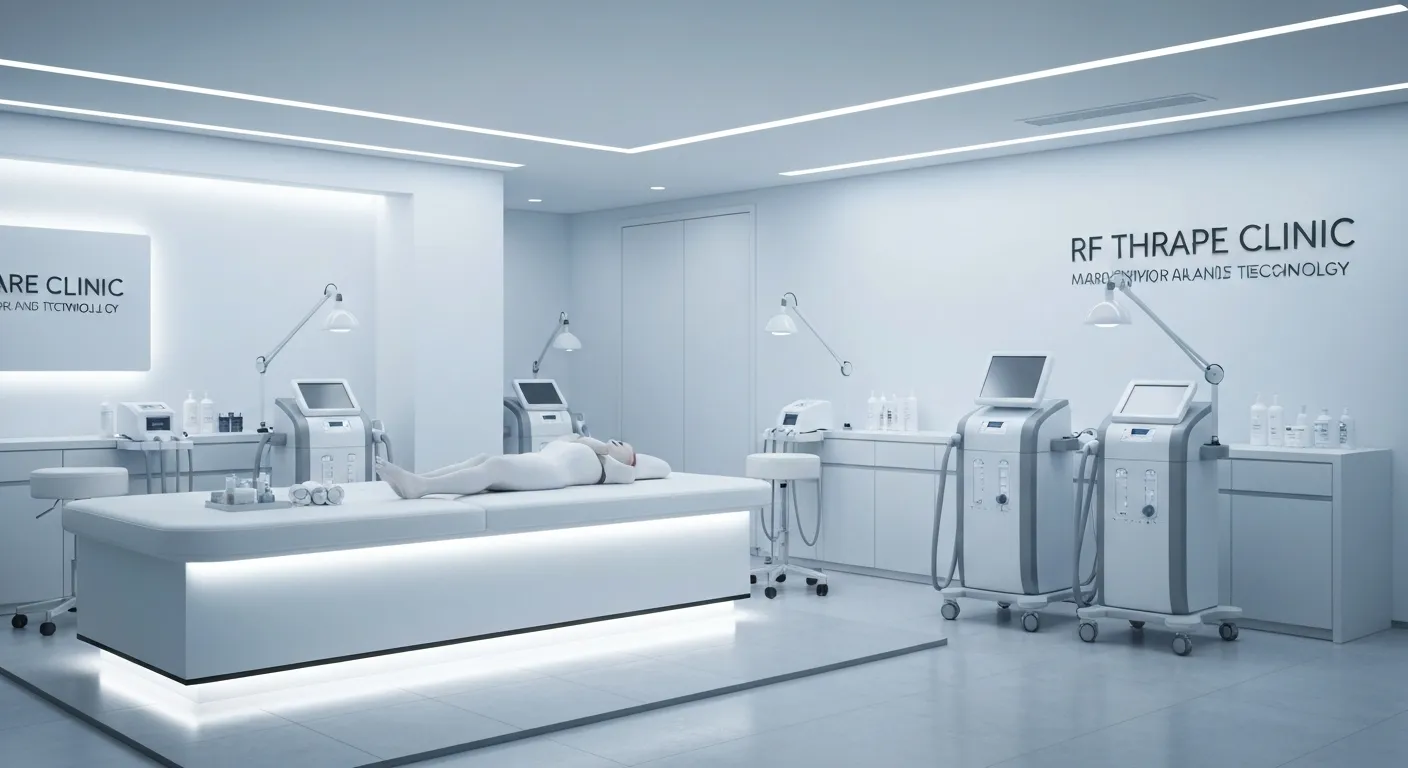
Body contouring has revolutionized the way we think about self-care and aesthetic transformations. It’s more than just a cosmetic procedure—it’s a path to enhanced confidence and self-expression.
Introduction to Modern Facelift Techniques
Overview of modern facelift surgery
Modern facelift surgery, also known as rhytidectomy, involves lifting and tightening facial tissues to restore a youthful appearance. Unlike earlier methods, it focuses not only on removing excess skin but also on repositioning deeper facial tissues including muscles and fat layers. Techniques such as the Deep Plane and SMAS facelifts address structural sagging for a comprehensive rejuvenation that transcends basic skin tightening.
Focus on natural results and longevity
One of the hallmark features of current facelift techniques is the emphasis on natural-looking outcomes. Surgeons aim to avoid the overly tight or "windswept" appearance common in older procedures by gently repositioning tissues to preserve individual facial expressions and harmony. Fat grafting is often incorporated to restore youthful volume, particularly in the cheeks and midface. Results from these modern approaches can last between 10 to 15 years, offering a more durable option compared to temporary treatments like fillers or Botox.
Advancements over traditional methods
Traditional facelifts typically focused on superficial skin pulling, which could lead to stiff and unnatural results. Modern advancements center on manipulating deeper layers such as the SMAS and releasing ligament tensions. This deeper repositioning, combined with strategic incision placement hidden in hairlines or natural creases, minimizes visible scarring and promotes faster recovery times. Additionally, options like mini facelifts and targeted mid-facelifts provide tailored solutions according to individual aging patterns and concerns. This evolution marks a significant progress from older facelift techniques, offering patients longer-lasting, natural, and balanced facial rejuvenation.
Comprehensive Facial Rejuvenation Through Deeper Tissue Lifting

What are modern facelift techniques and how do they differ from traditional methods?
Modern facelifts advance beyond the traditional skin-tightening procedures by targeting the deeper layers of facial tissues, particularly the SMAS (superficial musculoaponeurotic system) layer and the deep plane beneath the skin. Instead of merely pulling and trimming excess skin—which often resulted in an unnatural, overly tight look—these techniques lift and reposition muscles, connective tissues, and fat. By addressing the structural supports of the face, modern facelifts provide a natural and lasting rejuvenation lasting up to 10-15 years without the 'windswept' outcome associated with older methods.
How do these techniques reposition deep facial tissues?
Procedures like the SMAS facelift focus on lifting the fibromuscular layer beneath the skin, tightening this support to enhance midface contours and jawline definition. The deep plane facelift goes further by releasing and repositioning even deeper tissues, including muscles and fat pads. This comprehensive approach effectively reduces jowls, improves nasolabial folds, and corrects neck laxity by tightening underlying structures and removing sagging skin.
How do modern facelifts address multiple signs of aging?
These surgeries simultaneously tackle various aging signs such as sagging skin, deep wrinkles, loss of facial volume, jowls, and loose neck skin. By repositioning descended tissues and redraping the skin, they soften deep facial creases around the nose and mouth. Enhanced neck and jawline contouring is achieved through tightening loose skin and muscles, eliminating double chins. Additionally, fat grafting or the redistribution of the patient’s own facial fat helps restore youthful facial volume to areas like the cheeks and midface, contributing to an overall refreshed and balanced look.
What role does fat grafting play in restoring youthful facial volume?
Fat grafting involves harvesting fat from the patient’s body and carefully injecting it into areas where volume has been lost due to aging. This technique complements the lifting effects of a facelift by replenishing hollowed cheeks, temples, and under-eye regions. It enables the restoration of natural facelift results and softens shadows that otherwise accentuate age. When combined with deep tissue lifting, fat grafting helps deliver a vibrant and youthful appearance that looks harmonious and natural.
These advanced techniques require skilled surgeons to customize plans based on individual facial anatomy, ensuring subtle and natural-looking facelift results with minimal scarring and manageable recovery. Their holistic addressing of both skin and deep tissue changes distinguishes modern facelifts as comprehensive solutions for facial aging.
Minimized Scarring and Accelerated Recovery with Advanced Methods

How are incisions placed to minimize scarring?
Modern facelift surgeries emphasize face-lift incisions in hidden areas like the hairline, behind the ears, or along natural skin creases. This strategic positioning effectively camouflages scars, making them virtually invisible even up close. Surgeons take care to follow natural contours, reducing the likelihood of noticeable marks.
How do mini and endoscopic facelifts reduce invasiveness?
Less invasive techniques such as Mini Facelift and endoscopic facelift involve smaller incisions and focus on targeted areas like the jawline or midface. These approaches minimize tissue disruption while still addressing early signs of aging. The reduced scope of surgery contributes to less swelling, bruising, and faster healing.
What is the typical recovery timeline?
Thanks to surgical innovations, most patients see a significant reduction in bruising and swelling within the first two weeks post-operation. Many return to daily routines within 7 to 14 days, with overall recovery being much more manageable compared to traditional facelifts of the past. Learn more about the facelift recovery process.
How have surgical innovations improved healing?
Advances in facelift methods—including the use of Hemostatic mesh in facelift, drainless techniques, and meticulous tissue handling—have greatly lessened postoperative discomfort and swelling. These improvements help patients heal more smoothly and reduce downtime, making facelift surgery more accessible and appealing.
Overall, Modern facelift techniques achieve a natural-looking facelift results with minimal scarring and a swift, comfortable recovery, allowing patients to rejuvenate their appearance without prolonged inconvenience.
Customization and Combination Procedures for Optimal Results

Tailoring Facelift Type to Individual Anatomy and Aging Signs
Every face is unique, making personalization crucial in facelift surgery. Surgeons assess individual anatomy, skin elasticity and aging, and specific aging signs to recommend the most suitable procedure. Options range from less invasive mini facelifts for mild sagging to deep plane facelifts for pronounced tissue laxity. This customization ensures results that harmonize with natural facial features and aging patterns, avoiding an overdone or artificial look.
Combining Facelifts with Other Cosmetic Procedures
Facelifts are frequently paired with complementary treatments to address multiple facial areas simultaneously. Combining a facelift with eyelid surgery (blepharoplasty), brow lifts, or neck lifts enhances overall rejuvenation by targeting upper and lower facial regions cohesively. Additionally, integrating non-surgical therapies such as Botox or dermal fillers can refine results by smoothing wrinkles and restoring volume, promoting balanced and youthful contours.
Enhancing Facial Harmony and Youthful Contour
The goal of combining procedures and personalizing the facelift is to achieve comprehensive facial harmony. Addressing sagging skin, deep folds, volume loss, and muscle laxity together allows for a more natural-looking , refreshed appearance. Surgeons carefully balance lifting and volume restoration to maintain an individual’s unique features while creating a rejuvenated, vibrant look that lasts for years.
Long-Lasting Youthful Appearance and Psychological Benefits

How long do the benefits of a modern facelift last?
Modern facelift techniques offer long-lasting facelift outcomes that typically endure for 10 to 15 years. This duration is significantly longer compared to temporary options like Botox and dermal fillers, which require frequent maintenance. The lasting effect largely depends on individual factors such as skin quality, adherence to a healthy lifestyle, and diligent sun protection. Patients often find the investment worthwhile given this durability, as they enjoy a prolonged youthful appearance with natural facelift results.
What psychological benefits does a facelift provide?
Beyond physical facial rejuvenation, facelifts can have a profound positive impact on psychological well-being. Restoring a refreshed and natural-looking facelift results often boosts patients' boost self-confidence with facelift and self-esteem. This increased confidence can enhance social interactions and improve quality of life, influencing both personal and professional realms positively. Patients frequently report feeling more vibrant and comfortable in their skin following surgery.
Aging progression after the procedure
While a facelift significantly reverses signs of aging treated by facelift, it does not halt the natural aging process. Results are designed to age gracefully, maintaining facial harmony over time. Combining surgery with a healthy lifestyle and appropriate skincare can prolong these effects, ensuring the face continues to look balanced and natural as years progress.
Technological and Surgical Innovations Shaping the Future of Facelifts

What emerging technologies are influencing facelift surgery?
Facelift surgery is rapidly evolving with the integration of cutting-edge technologies. AI-assisted facelift procedures allow for precise customization based on an individual's facial anatomy and aging patterns, enhancing surgical accuracy. Additionally, 3D printing in surgical precision is used to create custom models, helping surgeons visualize and plan procedures with greater detail. Minimally invasive facelift surgery techniques such as endoscopic facelift and thread lifts reduce incision size, scarring, and recovery time, offering patients natural-looking facelift results with less downtime.
Stem cell therapy in facial rejuvenation and regenerative medicine represent the forefront of facial rejuvenation, promoting tissue regeneration for longer-lasting outcomes. These innovations work together to deliver more personalized treatment plans in facial rejuvenation, improving both effectiveness and patient satisfaction.
How do fat grafting and related therapies contribute to facelift results?
Fat grafting for authentic appearance plays a vital role in modern facelifts by restoring youthful volume, especially in the midface and temple areas. This technique repositions or adds fat to counteract age-related hollowing and loss of fullness, leading to improved facial contours. In conjunction with fat grafting, therapies like microneedling with PRP stimulate collagen production and enhance skin texture.
These complementary treatments augment facelift recovery process effects by nourishing the skin and promoting natural rejuvenation rather than merely tightening skin. They also contribute to a refreshed, vibrant appearance that ages gracefully over time, aligning with the trend towards natural, personalized facial rejuvenation.
Conclusion: Embracing the Benefits of Modern Facelifts
Modern facelifts offer numerous benefits including natural-looking, long-lasting rejuvenation. They effectively address sagging skin, deep wrinkles, and volume loss by lifting deeper tissues and repositioning fat, creating a refreshed and youthful appearance.
Surgeon expertise and personalized approaches are essential for the best outcomes. Experienced surgeons tailor the procedure to individual needs, ensuring natural results that complement each patient's unique facial anatomy.
Considering modern facelift options is a worthwhile step for those seeking durable facial rejuvenation with minimal downtime and visible scarring. These advanced techniques can boost confidence and enhance self-image, helping patients embrace aging gracefully.
Heading



Locations


© 2014 - 2025. Thomas W. Loeb | Board Certified Plastic Surgeon