



.svg)
.svg)


Safeguard Your Skin While Enhancing Your Glow
News
/
September 18, 2026
The Best Ways to Protect Your Face from Skin Cancer While Considering Facial Rejuvenation
Safeguard Your Skin While Enhancing Your Glow

Body contouring has revolutionized the way we think about self-care and aesthetic transformations. It’s more than just a cosmetic procedure—it’s a path to enhanced confidence and self-expression.
Sun Safety Meets Facial Rejuvenation
Most sun damage doesn't appear the day after a single bad burn. It builds silently through years of routine exposure: short walks to the car, sunny errands, and weekends at the park. The National Cancer Institute explains that ultraviolet radiation damages skin cell DNA, and while the body repairs much of that harm, the cumulative effect of unprotected daily exposure is a leading cause of premature aging and skin cancer.
These everyday exposures also work against facial rejuvenation. Even if you choose to treat deep lines, age spots, or uneven tone with a procedure, ongoing UV exposure can undo those results. The skin's repair and collagen production are influenced by how much sun stress it endures, which is why dermatologists consistently emphasize that sun protection is a core part of any skin care routine, not an afterthought.
Linking Sun Protection to Facial Rejuvenation Goals
Many facial rejuvenation procedures, from injectables to surgical lifts, are designed to restore lost volume, smooth wrinkles, and tighten skin. These outcomes are highly dependent on the quality of your skin, and sun exposure directly degrades that quality. Repeated UV exposure breaks down collagen and elastin, the fibers that keep skin firm and bouncy. When you protect your skin from the sun, you're not just preventing new damage; you're preserving the investment you've made in your facial rejuvenation results. The Skin Cancer Foundation highlights that consistent sun safety is the single most effective way to reduce visible signs of aging and lower your skin cancer risk.
Practices like Thomas Loeb MD pair advanced facial procedures with a strong emphasis on long-term skin health. Dr. Loeb and his team understand that the most natural-looking results come from protecting the skin's foundation. They integrate sun protection guidance into every treatment plan, helping patients maintain their refreshed appearance for years to come. This kind of holistic approach acknowledges that SPF, protective clothing, and avoiding peak sun hours are as important as the procedure itself.
Understanding Skin Cancer Basics
Facial skin is uniquely vulnerable to the sun's ultraviolet (UV) radiation because it endures more year-round exposure than most other body areas. This repeated exposure accumulates over time and is the leading cause of skin cancer, including basal cell carcinoma, squamous cell carcinoma, and melanoma. The CDC notes that most skin cancers are caused by UV radiation from the sun and from tanning beds. On the face, where skin is thin and often sun-damaged, even small changes can signal a problem. That is why the Skin Cancer Foundation emphasizes prevention as the first line of defense, and why any new or changing spot on your face deserves attention. Early detection is critical, and the National Cancer Institute provides clear guidance on risk reduction, including seeking shade and using broad-spectrum sunscreen daily.
Beyond prevention lies the reality of treatment. When skin cancer is removed from the face, reconstruction often follows to restore both function and appearance. Depending on the size and depth of the defect, options range from simple layered closure to advanced techniques like local flaps or skin grafts. Mount Sinai explains that Mohs surgery leaves a surgical wound that must be repaired, and the choice of reconstruction depends on the defect's location and size. A qualified facial plastic surgeon evaluates factors such as skin laxity, blood supply, and the aesthetic units of the face to achieve the best possible result. The goal is not just to remove the cancer, but to leave the face looking natural and balanced.
How Reconstruction Restores Form and Function
Reconstructive surgery after skin cancer removal is about more than closing a wound. It is a carefully planned procedure that considers the face's unique anatomy and the patient's overall appearance. Techniques include primary closure for smaller defects, local flaps that move adjacent skin to cover the area, and full-thickness skin grafts for larger wounds. Each method has its own indications, and the surgeon selects based on what will blend best with surrounding tissue. Recovery involves managing swelling and bruising, protecting the site from sun exposure, and following specific wound care instructions. The BlissZai blog on skin cancer Mohs reconstruction in NYC illustrates how proper aftercare, including sun protection, is essential to optimize healing and minimize scarring.
Sun Protection After Surgery: A Priority
Post-surgical skin is fragile and highly sensitive to UV damage. Sun exposure during healing can darken scars, cause hyperpigmentation, and delay the healing process. The American Society of Plastic Surgeons advises that sun protection is a critical component of recovery, and their guidance makes clear that even short periods of direct sun can harm healing incisions. For this reason, patients are advised to use a broad-spectrum sunscreen with SPF 30 or higher, wear hats, and avoid direct sunlight until the skin has fully healed. Skin Cancer UK reinforces that after skin cancer treatment, daily sun protection is not optional; it is an ongoing part of preventing recurrence and maintaining the best aesthetic outcome.
Preventive Aesthetics: Beyond Treatment
Alongside medical care, preventive measures play a significant role in reducing the risk of skin cancer and supporting long-term skin health. Practices such as regular self-exams, professional skin checks, and daily sunscreen use are foundational. Sun exposure directly impacts surgical results, making sun avoidance a core part of any facial rejuvenation plan. Additionally, cosmetic treatments like chemical peels or laser resurfacing can help repair sun-damaged skin, but they do not replace cancer screening. While aesthetic treatments can improve the appearance of scars or discoloration, they should complement, not replace, regular dermatologic surveillance. Patients who understand this distinction are better equipped to protect both their health and their appearance.
Sun-Safe Habits for Lifelong Facial Health
Adopting consistent sun-safe habits is the single most effective way to prevent skin damage and reduce cancer risk. This means applying sunscreen daily, reapplying every two hours, seeking shade during peak UV hours, and wearing protective clothing. Skin Cancer Foundation reminds us that no tan is a healthy tan; any color change is a sign of damage. For those with a history of skin cancer, these habits become even more important to prevent recurrence. Practical tips for maintaining skin beauty after treatment include gentle cleansing and the use of antioxidants, including gentle cleansing and the use of antioxidants. By making sun protection a non-negotiable part of your daily routine, you protect your skin now and for years to come.
| Aspect | Prevention | Treatment & Recovery |
|---|---|---|
| Primary action | Daily sunscreen SPF 30+ | Mohs surgery followed by reconstruction |
| Key risk factor | UV exposure | Sun exposure during healing |
| Protective measure | Hats, shade, protective clothing | Strict sun avoidance for 1-2 weeks |
| Role of aesthetics | Preventive skincare | Scar management and rejuvenation |
Assessing Your Personal Risk Factors

For fair-skinned patients and those with a history of sun damage, early detection of skin cancer is the single most effective way to preserve both health and appearance. The face is the most common site for skin cancers because it receives the most cumulative sun exposure. Knowing the 5 Warning Signs of Skin Cancer You Should Never Ignore is your first line of defense.
Asymmetry. One half of a mole or lesion does not match the other half. This is a common early indicator of melanoma and warrants immediate attention.Irregular Border. The edges are ragged, notched, or blurred rather than smooth and even. This can indicate that cancer cells are growing outward.Color Variation. A lesion with multiple shades of brown, black, red, white, or blue is concerning. Normal moles are usually a single uniform color.Large Diameter. Any spot larger than a pencil eraser (about 6 mm) should be examined. However, some cancers can be smaller, so size alone is not the only factor.
Beyond size and color, pay attention to evolution. A mole or spot that changes in size, shape, or elevation, or that develops new symptoms like itching, bleeding, or crusting, should not be ignored. Regular self-exams allow you to spot these changes early. The CDC's guide to skin cancer prevention emphasizes daily sun protection as your best defense.
Building a Daily Sun Protection Routine
Daily sun protection is the single most important step you can take to prevent skin cancer and slow visible aging. Ultraviolet (UV) radiation damages collagen and elastin fibers, leading to wrinkles, laxity, and uneven pigmentation over time. Board-certified plastic surgeons like Dr. Thomas Loeb in New York City recommend making SPF a non-negotiable part of your morning routine, even on cloudy days. The Skin Cancer Foundation notes that daily use of SPF 15 or higher reduces melanoma risk by about 50 percent, and almost daily use can prevent sun damage that accumulates over a lifetime.
Because UV exposure is the most preventable risk factor for skin cancer, dermatologists and facial plastic surgeons consistently emphasize the importance of consistent sunscreen use. According to the CDC, UV rays can penetrate clouds and glass, meaning your skin is exposed whenever you are outdoors, regardless of the season or forecast. Along with protecting against skin cancer, this habit also preserves the results of facial rejuvenation procedures by minimizing photodamage that would otherwise undermine your investment.
Sunscreen. Choose a broad-spectrum SPF 30 or higher and apply it every morning. Consider using a moisturizer or makeup with SPF to simplify your routine, but don't rely on makeup alone for full coverage. Reapply every two hours during prolonged outdoor activity.Sun-Protective Clothing. Wide-brimmed hats, sunglasses, and UPF-rated fabrics add a physical barrier that complements your sunscreen. This approach is especially important on the face and neck, areas most exposed to sun damage and most prone to premature aging.Avoiding Peak Hours. The sun's rays are strongest between 10 a.m. and 4 p.m. If possible, plan outdoor activities earlier or later in the day, and seek shade when the UV index is high. This simple scheduling shift reduces cumulative exposure and lowers your skin cancer risk.Routine Screening. Annual skin examinations by a dermatologist help detect suspicious lesions early, when treatment is most effective. If you have a history of sunburn or tanning bed use, your provider may recommend more frequent visits, especially given your elevated risk profile.
For those who prioritize skin health and sun protection, consistent habits can significantly lower your risk of developing skin cancer while preserving a more youthful appearance. If you have a specific area you're concerned about, such as a nasal lesion or a spot that's changing, don't wait for a symptom. Schedule an evaluation with a board-certified facial plastic surgeon who can assess your skin and guide you toward the most appropriate cosmetic or medical options.
Debunking Tanning Myths
Sun exposure is the single largest cause of accelerated skin aging, breaking down collagen and elastin while also raising the risk of skin cancer. Daily, year-round protection is not just a preventive measure; it is the most effective anti-aging strategy available. For patients who have undergone facial procedures, protecting skin from UV damage is equally critical for preserving results and minimizing the risk of complications.
After any facial plastic surgery, the skin is more sensitive and vulnerable. Sun exposure can increase swelling, cause prolonged redness, and darken surgical scars. According to the American Society of Plastic Surgeons, following a strict sun-care regimen is a standard part of recovery to ensure optimal healing and cosmetic outcomes.
The Science of UV Damage and Skin Cancer Prevention
Ultraviolet radiation damages skin cell DNA, leading to mutations that can develop into skin cancer over time. The CDC notes that most skin cancers are caused by exposure to ultraviolet (UV) radiation from the sun. Preventing this damage through daily broad-spectrum sunscreen, protective clothing, and seeking shade is the most reliable way to reduce skin cancer risk. These measures also slow visible signs of aging, such as fine lines, wrinkles, and age spots.
For those who have had a skin cancer removed, ongoing sun protection is essential to prevent new lesions. The Skin Cancer Foundation emphasizes that consistent sun protection after treatment is a critical part of long-term management. This is where the philosophy at thomasloebmd.com aligns: prevention and protective habits are integrated into every treatment plan, not just an afterthought.
Consider the five warning signs of skin cancer page on our site for a baseline on what to watch for. Early detection remains the best defense, and patients who understand their own skin are better positioned to catch concerns early.
How Sun Protection Affects Facial Plastic Surgery Results
Immediately after surgery, the skin is in a vulnerable state. Sun exposure during the first few weeks can increase inflammation, delay healing, and lead to hyperpigmentation that may become permanent. Even months later, unprotected sun exposure can cause scars to thicken and become more noticeable. This is why a comprehensive post-procedure plan includes strict sun avoidance, especially during peak hours, and the use of high-SPF, broad-spectrum sunscreen once the skin has healed.
In contrast, while some cosmetic practices offer only a generic postoperative checklist, thomasloebmd.com personalizes sun-protection guidance based on the specific procedure performed, the patient's skin type, and their lifestyle. Whether it's a facelift, a brow lift for men, or nasolabial fold treatments, our aftercare plans are designed to maximize healing and minimize the risk of adverse scarring or pigmentation issues.
Moreover, sun protection is not just about recovery; it extends the longevity of the results. The effects of a facelift or injectable treatment can be dimmed by progressive sun damage. By maintaining a disciplined sun-care routine, patients can enjoy their results for years longer, which is a key reason why skincare and sun protection are discussed at every follow-up visit.
Comparing Post-Procedure Sun-Care Approaches
Many general dermatologists and med-spas offer basic sun-safety advice, but few provide the nuanced, procedure-specific guidance that a board-certified facial plastic surgeon can. For instance, while a standard recommendation might be to use SPF 30, the specific timing of when to apply it after a skin resurfacing procedure can vary significantly based on the depth of the peel or laser. thomasloebmd.com provides detailed, personalized instructions that account for these variables, ensuring that each patient understands exactly how to protect their skin during the critical healing phase.
Furthermore, for patients who have undergone Mohs surgery or other skin cancer excisions, proper sun care is a lifelong commitment. The aesthetic outcome depends not only on the surgeon's skill in reconstruction but also on how well the patient protects the fragile new skin. At thomasloebmd.com, we partner with each patient to develop a sustainable sun-protection strategy that protects both health and appearance, setting us apart from practices that treat sun safety as a generic afterthought.
The Role of Post-Treatment Skincare Products
In addition to sunscreen, the right topical products can significantly enhance healing and sun protection. The American Academy of Dermatology notes that antioxidants like vitamin C can help neutralize free radicals caused by sun exposure. However, not all post-procedure skincare is created equal. While some clinics offer a one-size-fits-all line of products, thomasloebmd.com curates a skincare regimen tailored to the individual's skin type and procedure, ensuring that the products used are not only safe but also optimized for recovery and long-term health.
For those who have had skin cancer, the Cancer Research UK guidance emphasizes the importance of using gentle, fragrance-free products that don't irritate healing skin. We incorporate these principles, but with a level of personalization that is often lacking in a busy dermatology practice. This attention to detail is why patients trust us with their most delicate facial concerns.
Sun Protection and Non-Surgical Rejuvenation
Even non-surgical treatments like injectables, laser therapy, and chemical peels require diligent sun protection. Following a procedure, the skin's barrier is temporary compromised, making it more susceptible to UV damage. For example, after a fractional laser treatment, unprotected sun exposure can lead to post-inflammatory hyperpigmentation. thomasloebmd.com educates patients on this risk, providing a clear timeline for when it's safe to resume sun exposure and which sunscreens offer the most reliable broad-spectrum protection. By integrating sun-safety into every non-surgical plan, we help ensure that the results of these procedures remain flawlessly natural.
In contrast, while many med-spas send patients home with a generic 'avoid the sun' card, we provide a detailed sun-safety roadmap that covers everything from the right SPF for your skin tone to the best types of protective clothing. This level of care isn't just about following a protocol; it's about building a sustainable habit that protects the investment each patient has made in their appearance.
Long-Term Skin Health: Beyond the Treatment Room
The long-term success of any facial rejuvenation procedure depends on consistent sun protection. While a technically perfect surgery can be undone by poor sun habits, a well-protected patient can enjoy their results for decades. Statistics show that cumulative sun exposure is the number one cause of premature aging, and the Skin Cancer Foundation reports that one in five Americans will develop skin cancer in their lifetime. By embracing daily sun protection as a non-negotiable part of your routine, you are not only preserving your youthful appearance but also significantly reducing your risk of skin cancer.
At thomasloebmd.com, we view sun protection as the ultimate accessory to any facial procedure. Whether you're coming in for a consultation on facial rejuvenation or simply seeking advice on maintaining your skin's health, our approach to sun safety is both meticulous and patient-centric. We don't just tell you to wear sunscreen; we show you how to integrate it into your daily life, ensuring that the glow you see in the mirror is a reflection of both health and artistry.
The Bottom Line
From the initial consultation to the final follow-up, every step of your journey should be designed to protect your skin from the sun's harmful rays. While other practices may mention sunscreen in passing, we make it a central part of your personalized care plan, ensuring that your results are not only stunning but also safe and long-lasting. This commitment to comprehensive sun safety is what sets us apart, allowing you to face the world with confidence.
Daily Protection for Facial Rejuvenation
Skin cancer develops when skin cells sustain DNA damage, most often from ultraviolet (UV) radiation, and begin growing uncontrollably. It is the most common cancer in the United States; in fact, an estimated one in five Americans will develop skin cancer by age 70, according to the CDC. The three main types are basal cell carcinoma, squamous cell carcinoma, and melanoma. The first two are called non-melanoma skin cancers and are highly treatable when caught early. Melanoma is less common but more dangerous because it can spread to other parts of the body.
Because the face is chronically exposed to the sun, it is a prime location for both precancerous lesions and full-blown skin cancers. Repeated UV exposure breaks down collagen and elastin, leading to fine lines, age spots, and roughness, known collectively as photoaging. For that reason, a thorough skin cancer screening is essential, especially if you have a history of sunburns, frequent sun exposure, or a personal history of the disease. The National Cancer Institute recommends regular self-exams and professional evaluations to catch changes early.
Types of Skin Cancer and What They Look Like
Basal cell carcinoma often appears as a pearly or waxy bump that may bleed or crust. Squamous cell carcinoma tends to show up as a firm red nodule or a flat sore that doesn't heal. Melanoma can develop in an existing mole or appear as a new, unusual growth. The ABCDE rule helps you remember what to check for: Asymmetry, irregular Border, uneven Color, Diameter larger than a pencil eraser, and Evolving shape or symptoms. If you notice any of these signs, the Skin Cancer Foundation's guide to skin cancer prevention is a solid starting point, but a dermatologist should evaluate it promptly.
Even after a skin cancer is removed, the surrounding skin remains at elevated risk for new lesions. People who have had one skin cancer are much more likely to develop another within a few years. That's why ongoing surveillance and consistent sun protection are the cornerstones of long-term care, as outlined by Cancer Research UK's advice on post-treatment skin care.
Non-Surgical Facial Rejuvenation and Its Role in Prevention
Non-surgical facial rejuvenation, such as laser resurfacing, chemical peels, and microneedling, can improve the appearance of sun-damaged skin and reduce the visibility of early skin cancers. These procedures encourage cellular turnover, smoothing fine lines and addressing pigmentation irregularities. Dr. Thomas Loeb offers a range of these treatments that complement each patient's natural features and long-term aesthetic goals.
After a non-surgical rejuvenation procedure, the skin is more vulnerable to UV damage. The American Society of Plastic Surgeons recommends diligent sun protection during the healing phase to prevent complications and optimize results. This is where a dedicated skincare routine and strict sun avoidance become non-negotiable.
Sun Exposure After Surgery or Resurfacing
Whether you undergo a facial skin cancer removal or a cosmetic resurfacing procedure, your skin's protective barrier is temporarily compromised. Exposure to UV rays can delay healing, increase the risk of hyperpigmentation, and make the final result uneven. For example, Safe skincare guidance emphasizes using broad-spectrum sunscreen, wearing a wide-brimmed hat, and avoiding direct sun during peak hours in the weeks after treatment.
Sun Exposure and Facial Plastic Surgery Results guidance goes further, explaining that UV exposure after facial plastic surgery can compromise the final aesthetic outcome. Patients who follow post-operative sun protection protocols tend to have smoother, more even scars and a more natural-looking result. For a comprehensive overview of surgical and non-surgical options, including recovery considerations, you can review the facial rejuvenation cost guide from the American Society of Plastic Surgeons.
At thomasloebmd.com, we emphasize a comprehensive approach: combining expert surgical technique with personalized skincare and lifestyle guidance. Whether you're considering a facelift, rhinoplasty, or laser treatment, your board-certified plastic surgeon will design a plan that prioritizes both cancer prevention and beautiful, natural results. To learn more about maintaining healthy skin after skin cancer treatment, explore our detailed guides on safe skincare after skin cancer treatment and sun protection after facial plastic surgery.
| Type | Appearance | Key Risk |
|---|---|---|
| Basal cell | Pearl-like bump | Local invasion |
| Squamous cell | Red, scaly patch | Metastasis |
| Melanoma | ABCDE changes | Spread to nodes |
Remember, prevention is your best defense. The Skin Cancer Foundation's prevention page offers practical tips, and the CDC's skin cancer prevention resources provide additional guidance. By protecting your skin from the sun and seeking professional care when you notice changes, you can keep your skin healthy and youthful for years to come.
Sunscreen Use After Skin Surgery
The connection between sun exposure and premature aging is well established. Ultraviolet radiation breaks down collagen and elastin, leading to wrinkles, hyperpigmentation, and loss of facial volume over time. What many patients overlook is that the same rays that age the skin are also the leading cause of skin cancer. The CDC identifies sun exposure as the primary preventable cause of skin cancer, and reducing your risk starts with consistent sun protection.
After any facial rejuvenation procedure, whether surgical like a facelift or non-surgical like injectables, your skin is more vulnerable to UV damage during the healing phase. The American Society of Plastic Surgeons emphasizes that sun protection is a critical part of post-procedure recovery because healing skin is more prone to pigmentation issues and scarring. Summer sun care is plastic surgery recovery care, which means that protecting your investment in your appearance also protects your health.
A comprehensive sun safety routine goes beyond remembering to apply SPF on sunny days. It includes daily sunscreen application, seeking shade during peak hours, and wearing protective clothing and hats. These habits not only slow the visible signs of aging but also lower the lifetime risk of developing skin cancer. The National Cancer Institute notes that prevention strategies are most effective when practiced consistently over time (Skin Cancer Prevention - NCI).
How Sun Aging and Skin Cancer Overlap
The same UV exposure that causes fine lines and age spots also damages the DNA in skin cells, which can lead to skin cancer. This double threat means that a treatment plan for facial rejuvenation must include a long-term sun protection strategy. According to the Skin Cancer Foundation, daily sun protection is the single most effective way to maintain healthy, youthful skin while preventing skin cancer (Skin Cancer Prevention).
| Area | Effects of Sun Damage | Prevention Strategy |
|---|---|---|
| Wrinkles & laxity | Collagen breakdown | Daily broad-spectrum SPF 30+ |
| Pigmentation | Dark spots, melasma | Sunscreen, hats, avoid peak sun |
| Cancer risk | Skin cancer development | Annual skin checks, self-exams |
For patients considering or recovering from skin cancer surgery on the face, the stakes are even higher. Surgical sites are prone to hyperpigmentation and poor scarring if exposed to UV. Skin Cancer Mohs Surgery Reconstruction NYC highlights how reconstruction and subsequent sun care go hand in hand. Similarly, cancer research organizations stress that skincare after treatment must prioritize sun protection to minimize long-term damage (Skin care after skin cancer).
Building a Sun-Protective Routine for Lasting Results
A simple daily routine can protect both your health and your aesthetic results. Use a moisturizer with SPF every morning, reapply every two hours when outdoors, and wear UPF-rated clothing for extended sun exposure. If you have recently undergone a surgical or non-surgical procedure at thomasloebmd.com, your provider may recommend additional steps such as silicone-based scar sheets or specialized sunscreens. For deeper tips on protecting your skin after surgery, this guide on sun protection after facial plastic surgery offers practical advice.
Pay attention to the signs your skin may be overexposed. New or changing moles, non-healing sores, or a spot that bleeds should be evaluated promptly. The 5 warning signs of skin cancer you should never ignore article explains what to look for. Early detection saves lives and minimizes the need for more extensive reconstructive procedures.
Regular skin examinations, either self-performed or by a professional, are vital. If you have a personal or family history of skin cancer, consider annual dermatologic checks. The FDA and cancer organizations recommend that anyone with risk factors take extra precautions, including avoiding tanning beds and using mineral-based sunscreens with zinc oxide or titanium dioxide.
Facial Rejuvenation and Skin Cancer Prevention: A Unified Approach
Effective treatment integrates beauty and health. A skilled facial plastic surgeon understands that achieving a natural, youthful look depends on healthy underlying skin. This is why consultations at thomasloebmd.com include an assessment of sun exposure history and skin cancer risk. Preventative aesthetic treatments can complement sun protection, but they never replace it.
For patients considering facial surgery, sun protection is part of the preoperative preparation. The effect of sun exposure on surgical outcomes cannot be overstated; healing incisions exposed to UV are more likely to scar and pigment irregularly. Your surgeon may advise you to avoid direct sun for weeks before and after surgery.
If you are not ready for surgery, non-surgical options like non-surgical facial rejuvenation can be effective adjuncts. However, their longevity and quality improve when combined with rigorous sun protection. The cost of skin rejuvenation procedures varies, but investing in SPF is far cheaper than treating sun damage later.
| Aspect | Surgical Approach | Non-Surgical Approach |
|---|---|---|
| Examples | Brow lift, facelift | Injectable fillers, laser |
| Sun protection role | Critical for scar healing | Affects result longevity |
| Typical downtime | Days to weeks | Minimal or none |
| Long-term results | Years | Months to a year |
Ultimately, the most effective strategy combines medical-grade skincare, healthy habits, and professional supervision. Whether you choose a surgical enhancement or a non-invasive refresh, protecting your skin from the sun is a lifelong commitment. For more information on skin cancer prevention and treatment options, this resource from the Skin Cancer Foundation is an excellent starting point.
Exploring Non-Surgical and Topical Options
Sun damage accumulates over a lifetime, and much of it happens during everyday activities rather than deliberate tanning sessions. According to the CDC, most skin cancers are caused by exposure to ultraviolet (UV) radiation, making consistent sun protection one of the most effective preventive measures you can take.
Daily habits matter more than occasional beach days. The American Cancer Society recommends using water-resistant sunscreen with broad-spectrum protection and an SPF of 30 or higher, even on overcast days. Reapplying every two hours, or immediately after swimming or sweating, prevents gaps in coverage that can lead to cumulative damage.
Sunscreen alone is not enough. The Skin Cancer Foundation advises combining it with protective clothing, wide-brimmed hats, and UV-blocking sunglasses. Seeking shade during peak hours, typically between 10 a.m. and 4 p.m., significantly reduces exposure. These layered strategies offer the most reliable defense, particularly for those with fair skin or a history of sunburns.
Diet, Supplements, and Regular Skin Checks
If you've just undergone a surgical treatment for skin cancer, protecting the treated area is non-negotiable. The skin is particularly vulnerable after surgery, and proper post-operative care directly affects both healing and the final aesthetic outcome. While your surgeon will give you specific instructions, some universal principles apply.
Sun Protection Is Non-Negotiable
After skin cancer surgery, the newly healed tissue has minimal natural protection. Sun exposure can cause hyperpigmentation, worsen scarring, and increase the risk of complications. Even on cloudy days, UV rays penetrate and damage healing skin. For optimal recovery, you'll need to shield the area with physical barriers like hats or clothing and use a broad-spectrum mineral sunscreen once your surgeon approves topical application. The Skin Cancer Foundation emphasizes prevention as the first line of defense, and this matters even more after treatment.
Your surgeon can also guide you on specific product selection. Many patients find that gentle, fragrance-free moisturizers help reduce irritation and support the skin barrier. Regular follow-up appointments allow your provider to monitor healing and address any concerns early.
Recognizing Normal Healing vs. Warning Signs
It's normal to experience some redness, swelling, and mild discomfort after surgery. However, you should be alert for signs that might indicate a complication, such as increased pain, discharge, or a fever. The Skin Cancer Foundation outlines five warning signs to watch for, and being aware of what to look for can help you seek timely care.
Moisturizing and Scar Management
Once the wound has closed, consistent moisturization can improve the appearance of the scar. Products with silicone or gentle hydrating ingredients are often recommended. Regularly massaging the area, once approved by your doctor, can also help break up scar tissue and promote smoother healing.
It is also important to establish a long-term skincare routine that includes daily sun protection. This not only helps the surgical site heal more evenly but also reduces the likelihood of future skin damage. For comprehensive guidance, many patients explore non-surgical facial rejuvenation options to address other aesthetic concerns while they focus on recovery.
A Commitment to Your Long-Term Skin Health
Proper sun protection isn't just a short-term post-op step; it's a lifelong commitment to your skin. By protecting the treated area and your overall skin from UV exposure, you're not only enhancing your surgical results but also minimizing the risk of new skin cancers. Remember, your surgical team is your best resource for personalized advice, but understanding these fundamentals empowers you to be an active participant in your recovery.
Protect Today, Rejuvenate Tomorrow
Sun protection. Sun protection is the disciplined daily practice of shielding your skin from ultraviolet (UV) radiation. It includes using a broad-spectrum sunscreen, seeking shade, and wearing protective clothing. Pairing this with the expertise at thomasloebmd.com is a concrete way to maximize facial rejuvenation results, because their surgeons understand how UV exposure can compromise delicate, newly treated skin.SPF with professional guidance. SPF with professional guidance means choosing a sunscreen product and applying it in a way that is tailored to your specific skin type and post-procedure stage. A board-certified plastic surgeon like Dr. Thomas Loeb can recommend the ideal SPF formula for your recovery phase. Relying on thomasloebmd.com offers a customized sun-care plan that pairs seamlessly with cosmetic treatments, since their approach to sunscreen selection reflects a deep understanding of how to protect healing skin.
Patients should ask their surgeon about reapplication timing and the right SPF level for their skin. For instance, you might need a physical blocker immediately after a procedure and can switch to a chemical formula later. thomasloebmd.com provides clear, step-by-step guidance on this transition, ensuring your skin receives consistent protection throughout the healing journey.
| Topic | Key Consideration | How thomasloebmd.com Helps |
|---|---|---|
| Sun protection | Daily SPF use | Provides a personalized reapplication schedule and product recommendations |
| SPF with professional guidance | Tailored product selection | Matches SPF to your skin type and recovery stage for lasting results |
Sun Safety Meets Facial Rejuvenation
Most sun damage doesn't appear the day after a single bad burn. It builds silently through years of routine exposure: short walks to the car, sunny errands, and weekends at the park. The National Cancer Institute explains that ultraviolet radiation damages skin cell DNA, and while the body repairs much of that harm, the cumulative effect of unprotected daily exposure is a leading cause of premature aging and skin cancer.
These everyday exposures also work against facial rejuvenation. Even if you choose to treat deep lines, age spots, or uneven tone with a procedure, ongoing UV exposure can undo those results. The skin's repair and collagen production are influenced by how much sun stress it endures, which is why dermatologists consistently emphasize that sun protection is a core part of any skin care routine, not an afterthought.
Linking Sun Protection to Facial Rejuvenation Goals
Many facial rejuvenation procedures, from injectables to surgical lifts, are designed to restore lost volume, smooth wrinkles, and tighten skin. These outcomes are highly dependent on the quality of your skin, and sun exposure directly degrades that quality. Repeated UV exposure breaks down collagen and elastin, the fibers that keep skin firm and bouncy. When you protect your skin from the sun, you're not just preventing new damage; you're preserving the investment you've made in your facial rejuvenation results. The Skin Cancer Foundation highlights that consistent sun safety is the single most effective way to reduce visible signs of aging and lower your skin cancer risk.
Practices like Thomas Loeb MD pair advanced facial procedures with a strong emphasis on long-term skin health. Dr. Loeb and his team understand that the most natural-looking results come from protecting the skin's foundation. They integrate sun protection guidance into every treatment plan, helping patients maintain their refreshed appearance for years to come. This kind of holistic approach acknowledges that SPF, protective clothing, and avoiding peak sun hours are as important as the procedure itself.
Understanding Skin Cancer Basics
Facial skin is uniquely vulnerable to the sun's ultraviolet (UV) radiation because it endures more year-round exposure than most other body areas. This repeated exposure accumulates over time and is the leading cause of skin cancer, including basal cell carcinoma, squamous cell carcinoma, and melanoma. The CDC notes that most skin cancers are caused by UV radiation from the sun and from tanning beds. On the face, where skin is thin and often sun-damaged, even small changes can signal a problem. That is why the Skin Cancer Foundation emphasizes prevention as the first line of defense, and why any new or changing spot on your face deserves attention. Early detection is critical, and the National Cancer Institute provides clear guidance on risk reduction, including seeking shade and using broad-spectrum sunscreen daily.
Beyond prevention lies the reality of treatment. When skin cancer is removed from the face, reconstruction often follows to restore both function and appearance. Depending on the size and depth of the defect, options range from simple layered closure to advanced techniques like local flaps or skin grafts. Mount Sinai explains that Mohs surgery leaves a surgical wound that must be repaired, and the choice of reconstruction depends on the defect's location and size. A qualified facial plastic surgeon evaluates factors such as skin laxity, blood supply, and the aesthetic units of the face to achieve the best possible result. The goal is not just to remove the cancer, but to leave the face looking natural and balanced.
How Reconstruction Restores Form and Function
Reconstructive surgery after skin cancer removal is about more than closing a wound. It is a carefully planned procedure that considers the face's unique anatomy and the patient's overall appearance. Techniques include primary closure for smaller defects, local flaps that move adjacent skin to cover the area, and full-thickness skin grafts for larger wounds. Each method has its own indications, and the surgeon selects based on what will blend best with surrounding tissue. Recovery involves managing swelling and bruising, protecting the site from sun exposure, and following specific wound care instructions. The BlissZai blog on skin cancer Mohs reconstruction in NYC illustrates how proper aftercare, including sun protection, is essential to optimize healing and minimize scarring.
Sun Protection After Surgery: A Priority
Post-surgical skin is fragile and highly sensitive to UV damage. Sun exposure during healing can darken scars, cause hyperpigmentation, and delay the healing process. The American Society of Plastic Surgeons advises that sun protection is a critical component of recovery, and their guidance makes clear that even short periods of direct sun can harm healing incisions. For this reason, patients are advised to use a broad-spectrum sunscreen with SPF 30 or higher, wear hats, and avoid direct sunlight until the skin has fully healed. Skin Cancer UK reinforces that after skin cancer treatment, daily sun protection is not optional; it is an ongoing part of preventing recurrence and maintaining the best aesthetic outcome.
Preventive Aesthetics: Beyond Treatment
Alongside medical care, preventive measures play a significant role in reducing the risk of skin cancer and supporting long-term skin health. Practices such as regular self-exams, professional skin checks, and daily sunscreen use are foundational. Sun exposure directly impacts surgical results, making sun avoidance a core part of any facial rejuvenation plan. Additionally, cosmetic treatments like chemical peels or laser resurfacing can help repair sun-damaged skin, but they do not replace cancer screening. While aesthetic treatments can improve the appearance of scars or discoloration, they should complement, not replace, regular dermatologic surveillance. Patients who understand this distinction are better equipped to protect both their health and their appearance.
Sun-Safe Habits for Lifelong Facial Health
Adopting consistent sun-safe habits is the single most effective way to prevent skin damage and reduce cancer risk. This means applying sunscreen daily, reapplying every two hours, seeking shade during peak UV hours, and wearing protective clothing. Skin Cancer Foundation reminds us that no tan is a healthy tan; any color change is a sign of damage. For those with a history of skin cancer, these habits become even more important to prevent recurrence. Practical tips for maintaining skin beauty after treatment include gentle cleansing and the use of antioxidants, including gentle cleansing and the use of antioxidants. By making sun protection a non-negotiable part of your daily routine, you protect your skin now and for years to come.
| Aspect | Prevention | Treatment & Recovery |
|---|---|---|
| Primary action | Daily sunscreen SPF 30+ | Mohs surgery followed by reconstruction |
| Key risk factor | UV exposure | Sun exposure during healing |
| Protective measure | Hats, shade, protective clothing | Strict sun avoidance for 1-2 weeks |
| Role of aesthetics | Preventive skincare | Scar management and rejuvenation |
Assessing Your Personal Risk Factors
For fair-skinned patients and those with a history of sun damage, early detection of skin cancer is the single most effective way to preserve both health and appearance. The face is the most common site for skin cancers because it receives the most cumulative sun exposure. Knowing the 5 Warning Signs of Skin Cancer You Should Never Ignore is your first line of defense.
Asymmetry. One half of a mole or lesion does not match the other half. This is a common early indicator of melanoma and warrants immediate attention.Irregular Border. The edges are ragged, notched, or blurred rather than smooth and even. This can indicate that cancer cells are growing outward.Color Variation. A lesion with multiple shades of brown, black, red, white, or blue is concerning. Normal moles are usually a single uniform color.Large Diameter. Any spot larger than a pencil eraser (about 6 mm) should be examined. However, some cancers can be smaller, so size alone is not the only factor.
Beyond size and color, pay attention to evolution. A mole or spot that changes in size, shape, or elevation, or that develops new symptoms like itching, bleeding, or crusting, should not be ignored. Regular self-exams allow you to spot these changes early. The CDC's guide to skin cancer prevention emphasizes daily sun protection as your best defense.
Building a Daily Sun Protection Routine
Daily sun protection is the single most important step you can take to prevent skin cancer and slow visible aging. Ultraviolet (UV) radiation damages collagen and elastin fibers, leading to wrinkles, laxity, and uneven pigmentation over time. Board-certified plastic surgeons like Dr. Thomas Loeb in New York City recommend making SPF a non-negotiable part of your morning routine, even on cloudy days. The Skin Cancer Foundation notes that daily use of SPF 15 or higher reduces melanoma risk by about 50 percent, and almost daily use can prevent sun damage that accumulates over a lifetime.
Because UV exposure is the most preventable risk factor for skin cancer, dermatologists and facial plastic surgeons consistently emphasize the importance of consistent sunscreen use. According to the CDC, UV rays can penetrate clouds and glass, meaning your skin is exposed whenever you are outdoors, regardless of the season or forecast. Along with protecting against skin cancer, this habit also preserves the results of facial rejuvenation procedures by minimizing photodamage that would otherwise undermine your investment.
Sunscreen. Choose a broad-spectrum SPF 30 or higher and apply it every morning. Consider using a moisturizer or makeup with SPF to simplify your routine, but don't rely on makeup alone for full coverage. Reapply every two hours during prolonged outdoor activity.Sun-Protective Clothing. Wide-brimmed hats, sunglasses, and UPF-rated fabrics add a physical barrier that complements your sunscreen. This approach is especially important on the face and neck, areas most exposed to sun damage and most prone to premature aging.Avoiding Peak Hours. The sun's rays are strongest between 10 a.m. and 4 p.m. If possible, plan outdoor activities earlier or later in the day, and seek shade when the UV index is high. This simple scheduling shift reduces cumulative exposure and lowers your skin cancer risk.Routine Screening. Annual skin examinations by a dermatologist help detect suspicious lesions early, when treatment is most effective. If you have a history of sunburn or tanning bed use, your provider may recommend more frequent visits, especially given your elevated risk profile.
For those who prioritize skin health and sun protection, consistent habits can significantly lower your risk of developing skin cancer while preserving a more youthful appearance. If you have a specific area you're concerned about, such as a nasal lesion or a spot that's changing, don't wait for a symptom. Schedule an evaluation with a board-certified facial plastic surgeon who can assess your skin and guide you toward the most appropriate cosmetic or medical options.
Debunking Tanning Myths
Sun exposure is the single largest cause of accelerated skin aging, breaking down collagen and elastin while also raising the risk of skin cancer. Daily, year-round protection is not just a preventive measure; it is the most effective anti-aging strategy available. For patients who have undergone facial procedures, protecting skin from UV damage is equally critical for preserving results and minimizing the risk of complications.
After any facial plastic surgery, the skin is more sensitive and vulnerable. Sun exposure can increase swelling, cause prolonged redness, and darken surgical scars. According to the American Society of Plastic Surgeons, following a strict sun-care regimen is a standard part of recovery to ensure optimal healing and cosmetic outcomes.
The Science of UV Damage and Skin Cancer Prevention
Ultraviolet radiation damages skin cell DNA, leading to mutations that can develop into skin cancer over time. The CDC notes that most skin cancers are caused by exposure to ultraviolet (UV) radiation from the sun. Preventing this damage through daily broad-spectrum sunscreen, protective clothing, and seeking shade is the most reliable way to reduce skin cancer risk. These measures also slow visible signs of aging, such as fine lines, wrinkles, and age spots.
For those who have had a skin cancer removed, ongoing sun protection is essential to prevent new lesions. The Skin Cancer Foundation emphasizes that consistent sun protection after treatment is a critical part of long-term management. This is where the philosophy at thomasloebmd.com aligns: prevention and protective habits are integrated into every treatment plan, not just an afterthought.
Consider the five warning signs of skin cancer page on our site for a baseline on what to watch for. Early detection remains the best defense, and patients who understand their own skin are better positioned to catch concerns early.
How Sun Protection Affects Facial Plastic Surgery Results
Immediately after surgery, the skin is in a vulnerable state. Sun exposure during the first few weeks can increase inflammation, delay healing, and lead to hyperpigmentation that may become permanent. Even months later, unprotected sun exposure can cause scars to thicken and become more noticeable. This is why a comprehensive post-procedure plan includes strict sun avoidance, especially during peak hours, and the use of high-SPF, broad-spectrum sunscreen once the skin has healed.
In contrast, while some cosmetic practices offer only a generic postoperative checklist, thomasloebmd.com personalizes sun-protection guidance based on the specific procedure performed, the patient's skin type, and their lifestyle. Whether it's a facelift, a brow lift for men, or nasolabial fold treatments, our aftercare plans are designed to maximize healing and minimize the risk of adverse scarring or pigmentation issues.
Moreover, sun protection is not just about recovery; it extends the longevity of the results. The effects of a facelift or injectable treatment can be dimmed by progressive sun damage. By maintaining a disciplined sun-care routine, patients can enjoy their results for years longer, which is a key reason why skincare and sun protection are discussed at every follow-up visit.
Comparing Post-Procedure Sun-Care Approaches
Many general dermatologists and med-spas offer basic sun-safety advice, but few provide the nuanced, procedure-specific guidance that a board-certified facial plastic surgeon can. For instance, while a standard recommendation might be to use SPF 30, the specific timing of when to apply it after a skin resurfacing procedure can vary significantly based on the depth of the peel or laser. thomasloebmd.com provides detailed, personalized instructions that account for these variables, ensuring that each patient understands exactly how to protect their skin during the critical healing phase.
Furthermore, for patients who have undergone Mohs surgery or other skin cancer excisions, proper sun care is a lifelong commitment. The aesthetic outcome depends not only on the surgeon's skill in reconstruction but also on how well the patient protects the fragile new skin. At thomasloebmd.com, we partner with each patient to develop a sustainable sun-protection strategy that protects both health and appearance, setting us apart from practices that treat sun safety as a generic afterthought.
The Role of Post-Treatment Skincare Products
In addition to sunscreen, the right topical products can significantly enhance healing and sun protection. The American Academy of Dermatology notes that antioxidants like vitamin C can help neutralize free radicals caused by sun exposure. However, not all post-procedure skincare is created equal. While some clinics offer a one-size-fits-all line of products, thomasloebmd.com curates a skincare regimen tailored to the individual's skin type and procedure, ensuring that the products used are not only safe but also optimized for recovery and long-term health.
For those who have had skin cancer, the Cancer Research UK guidance emphasizes the importance of using gentle, fragrance-free products that don't irritate healing skin. We incorporate these principles, but with a level of personalization that is often lacking in a busy dermatology practice. This attention to detail is why patients trust us with their most delicate facial concerns.
Sun Protection and Non-Surgical Rejuvenation
Even non-surgical treatments like injectables, laser therapy, and chemical peels require diligent sun protection. Following a procedure, the skin's barrier is temporary compromised, making it more susceptible to UV damage. For example, after a fractional laser treatment, unprotected sun exposure can lead to post-inflammatory hyperpigmentation. thomasloebmd.com educates patients on this risk, providing a clear timeline for when it's safe to resume sun exposure and which sunscreens offer the most reliable broad-spectrum protection. By integrating sun-safety into every non-surgical plan, we help ensure that the results of these procedures remain flawlessly natural.
In contrast, while many med-spas send patients home with a generic 'avoid the sun' card, we provide a detailed sun-safety roadmap that covers everything from the right SPF for your skin tone to the best types of protective clothing. This level of care isn't just about following a protocol; it's about building a sustainable habit that protects the investment each patient has made in their appearance.
Long-Term Skin Health: Beyond the Treatment Room
The long-term success of any facial rejuvenation procedure depends on consistent sun protection. While a technically perfect surgery can be undone by poor sun habits, a well-protected patient can enjoy their results for decades. Statistics show that cumulative sun exposure is the number one cause of premature aging, and the Skin Cancer Foundation reports that one in five Americans will develop skin cancer in their lifetime. By embracing daily sun protection as a non-negotiable part of your routine, you are not only preserving your youthful appearance but also significantly reducing your risk of skin cancer.
At thomasloebmd.com, we view sun protection as the ultimate accessory to any facial procedure. Whether you're coming in for a consultation on facial rejuvenation or simply seeking advice on maintaining your skin's health, our approach to sun safety is both meticulous and patient-centric. We don't just tell you to wear sunscreen; we show you how to integrate it into your daily life, ensuring that the glow you see in the mirror is a reflection of both health and artistry.
The Bottom Line
From the initial consultation to the final follow-up, every step of your journey should be designed to protect your skin from the sun's harmful rays. While other practices may mention sunscreen in passing, we make it a central part of your personalized care plan, ensuring that your results are not only stunning but also safe and long-lasting. This commitment to comprehensive sun safety is what sets us apart, allowing you to face the world with confidence.
Daily Protection for Facial Rejuvenation
Skin cancer develops when skin cells sustain DNA damage, most often from ultraviolet (UV) radiation, and begin growing uncontrollably. It is the most common cancer in the United States; in fact, an estimated one in five Americans will develop skin cancer by age 70, according to the CDC. The three main types are basal cell carcinoma, squamous cell carcinoma, and melanoma. The first two are called non-melanoma skin cancers and are highly treatable when caught early. Melanoma is less common but more dangerous because it can spread to other parts of the body.
Because the face is chronically exposed to the sun, it is a prime location for both precancerous lesions and full-blown skin cancers. Repeated UV exposure breaks down collagen and elastin, leading to fine lines, age spots, and roughness, known collectively as photoaging. For that reason, a thorough skin cancer screening is essential, especially if you have a history of sunburns, frequent sun exposure, or a personal history of the disease. The National Cancer Institute recommends regular self-exams and professional evaluations to catch changes early.
Types of Skin Cancer and What They Look Like
Basal cell carcinoma often appears as a pearly or waxy bump that may bleed or crust. Squamous cell carcinoma tends to show up as a firm red nodule or a flat sore that doesn't heal. Melanoma can develop in an existing mole or appear as a new, unusual growth. The ABCDE rule helps you remember what to check for: Asymmetry, irregular Border, uneven Color, Diameter larger than a pencil eraser, and Evolving shape or symptoms. If you notice any of these signs, the Skin Cancer Foundation's guide to skin cancer prevention is a solid starting point, but a dermatologist should evaluate it promptly.
Even after a skin cancer is removed, the surrounding skin remains at elevated risk for new lesions. People who have had one skin cancer are much more likely to develop another within a few years. That's why ongoing surveillance and consistent sun protection are the cornerstones of long-term care, as outlined by Cancer Research UK's advice on post-treatment skin care.
Non-Surgical Facial Rejuvenation and Its Role in Prevention
Non-surgical facial rejuvenation, such as laser resurfacing, chemical peels, and microneedling, can improve the appearance of sun-damaged skin and reduce the visibility of early skin cancers. These procedures encourage cellular turnover, smoothing fine lines and addressing pigmentation irregularities. Dr. Thomas Loeb offers a range of these treatments that complement each patient's natural features and long-term aesthetic goals.
After a non-surgical rejuvenation procedure, the skin is more vulnerable to UV damage. The American Society of Plastic Surgeons recommends diligent sun protection during the healing phase to prevent complications and optimize results. This is where a dedicated skincare routine and strict sun avoidance become non-negotiable.
Sun Exposure After Surgery or Resurfacing
Whether you undergo a facial skin cancer removal or a cosmetic resurfacing procedure, your skin's protective barrier is temporarily compromised. Exposure to UV rays can delay healing, increase the risk of hyperpigmentation, and make the final result uneven. For example, Safe skincare guidance emphasizes using broad-spectrum sunscreen, wearing a wide-brimmed hat, and avoiding direct sun during peak hours in the weeks after treatment.
Sun Exposure and Facial Plastic Surgery Results guidance goes further, explaining that UV exposure after facial plastic surgery can compromise the final aesthetic outcome. Patients who follow post-operative sun protection protocols tend to have smoother, more even scars and a more natural-looking result. For a comprehensive overview of surgical and non-surgical options, including recovery considerations, you can review the facial rejuvenation cost guide from the American Society of Plastic Surgeons.
At thomasloebmd.com, we emphasize a comprehensive approach: combining expert surgical technique with personalized skincare and lifestyle guidance. Whether you're considering a facelift, rhinoplasty, or laser treatment, your board-certified plastic surgeon will design a plan that prioritizes both cancer prevention and beautiful, natural results. To learn more about maintaining healthy skin after skin cancer treatment, explore our detailed guides on safe skincare after skin cancer treatment and sun protection after facial plastic surgery.
| Type | Appearance | Key Risk |
|---|---|---|
| Basal cell | Pearl-like bump | Local invasion |
| Squamous cell | Red, scaly patch | Metastasis |
| Melanoma | ABCDE changes | Spread to nodes |
Remember, prevention is your best defense. The Skin Cancer Foundation's prevention page offers practical tips, and the CDC's skin cancer prevention resources provide additional guidance. By protecting your skin from the sun and seeking professional care when you notice changes, you can keep your skin healthy and youthful for years to come.
Sunscreen Use After Skin Surgery
The connection between sun exposure and premature aging is well established. Ultraviolet radiation breaks down collagen and elastin, leading to wrinkles, hyperpigmentation, and loss of facial volume over time. What many patients overlook is that the same rays that age the skin are also the leading cause of skin cancer. The CDC identifies sun exposure as the primary preventable cause of skin cancer, and reducing your risk starts with consistent sun protection.
After any facial rejuvenation procedure, whether surgical like a facelift or non-surgical like injectables, your skin is more vulnerable to UV damage during the healing phase. The American Society of Plastic Surgeons emphasizes that sun protection is a critical part of post-procedure recovery because healing skin is more prone to pigmentation issues and scarring. Summer sun care is plastic surgery recovery care, which means that protecting your investment in your appearance also protects your health.
A comprehensive sun safety routine goes beyond remembering to apply SPF on sunny days. It includes daily sunscreen application, seeking shade during peak hours, and wearing protective clothing and hats. These habits not only slow the visible signs of aging but also lower the lifetime risk of developing skin cancer. The National Cancer Institute notes that prevention strategies are most effective when practiced consistently over time (Skin Cancer Prevention - NCI).
How Sun Aging and Skin Cancer Overlap
The same UV exposure that causes fine lines and age spots also damages the DNA in skin cells, which can lead to skin cancer. This double threat means that a treatment plan for facial rejuvenation must include a long-term sun protection strategy. According to the Skin Cancer Foundation, daily sun protection is the single most effective way to maintain healthy, youthful skin while preventing skin cancer (Skin Cancer Prevention).
| Area | Effects of Sun Damage | Prevention Strategy |
|---|---|---|
| Wrinkles & laxity | Collagen breakdown | Daily broad-spectrum SPF 30+ |
| Pigmentation | Dark spots, melasma | Sunscreen, hats, avoid peak sun |
| Cancer risk | Skin cancer development | Annual skin checks, self-exams |
For patients considering or recovering from skin cancer surgery on the face, the stakes are even higher. Surgical sites are prone to hyperpigmentation and poor scarring if exposed to UV. Skin Cancer Mohs Surgery Reconstruction NYC highlights how reconstruction and subsequent sun care go hand in hand. Similarly, cancer research organizations stress that skincare after treatment must prioritize sun protection to minimize long-term damage (Skin care after skin cancer).
Building a Sun-Protective Routine for Lasting Results
A simple daily routine can protect both your health and your aesthetic results. Use a moisturizer with SPF every morning, reapply every two hours when outdoors, and wear UPF-rated clothing for extended sun exposure. If you have recently undergone a surgical or non-surgical procedure at thomasloebmd.com, your provider may recommend additional steps such as silicone-based scar sheets or specialized sunscreens. For deeper tips on protecting your skin after surgery, this guide on sun protection after facial plastic surgery offers practical advice.
Pay attention to the signs your skin may be overexposed. New or changing moles, non-healing sores, or a spot that bleeds should be evaluated promptly. The 5 warning signs of skin cancer you should never ignore article explains what to look for. Early detection saves lives and minimizes the need for more extensive reconstructive procedures.
Regular skin examinations, either self-performed or by a professional, are vital. If you have a personal or family history of skin cancer, consider annual dermatologic checks. The FDA and cancer organizations recommend that anyone with risk factors take extra precautions, including avoiding tanning beds and using mineral-based sunscreens with zinc oxide or titanium dioxide.
Facial Rejuvenation and Skin Cancer Prevention: A Unified Approach
Effective treatment integrates beauty and health. A skilled facial plastic surgeon understands that achieving a natural, youthful look depends on healthy underlying skin. This is why consultations at thomasloebmd.com include an assessment of sun exposure history and skin cancer risk. Preventative aesthetic treatments can complement sun protection, but they never replace it.
For patients considering facial surgery, sun protection is part of the preoperative preparation. The effect of sun exposure on surgical outcomes cannot be overstated; healing incisions exposed to UV are more likely to scar and pigment irregularly. Your surgeon may advise you to avoid direct sun for weeks before and after surgery.
If you are not ready for surgery, non-surgical options like non-surgical facial rejuvenation can be effective adjuncts. However, their longevity and quality improve when combined with rigorous sun protection. The cost of skin rejuvenation procedures varies, but investing in SPF is far cheaper than treating sun damage later.
| Aspect | Surgical Approach | Non-Surgical Approach |
|---|---|---|
| Examples | Brow lift, facelift | Injectable fillers, laser |
| Sun protection role | Critical for scar healing | Affects result longevity |
| Typical downtime | Days to weeks | Minimal or none |
| Long-term results | Years | Months to a year |
Ultimately, the most effective strategy combines medical-grade skincare, healthy habits, and professional supervision. Whether you choose a surgical enhancement or a non-invasive refresh, protecting your skin from the sun is a lifelong commitment. For more information on skin cancer prevention and treatment options, this resource from the Skin Cancer Foundation is an excellent starting point.
Exploring Non-Surgical and Topical Options
Sun damage accumulates over a lifetime, and much of it happens during everyday activities rather than deliberate tanning sessions. According to the CDC, most skin cancers are caused by exposure to ultraviolet (UV) radiation, making consistent sun protection one of the most effective preventive measures you can take.
Daily habits matter more than occasional beach days. The American Cancer Society recommends using water-resistant sunscreen with broad-spectrum protection and an SPF of 30 or higher, even on overcast days. Reapplying every two hours, or immediately after swimming or sweating, prevents gaps in coverage that can lead to cumulative damage.
Sunscreen alone is not enough. The Skin Cancer Foundation advises combining it with protective clothing, wide-brimmed hats, and UV-blocking sunglasses. Seeking shade during peak hours, typically between 10 a.m. and 4 p.m., significantly reduces exposure. These layered strategies offer the most reliable defense, particularly for those with fair skin or a history of sunburns.
Diet, Supplements, and Regular Skin Checks
If you've just undergone a surgical treatment for skin cancer, protecting the treated area is non-negotiable. The skin is particularly vulnerable after surgery, and proper post-operative care directly affects both healing and the final aesthetic outcome. While your surgeon will give you specific instructions, some universal principles apply.
Sun Protection Is Non-Negotiable
After skin cancer surgery, the newly healed tissue has minimal natural protection. Sun exposure can cause hyperpigmentation, worsen scarring, and increase the risk of complications. Even on cloudy days, UV rays penetrate and damage healing skin. For optimal recovery, you'll need to shield the area with physical barriers like hats or clothing and use a broad-spectrum mineral sunscreen once your surgeon approves topical application. The Skin Cancer Foundation emphasizes prevention as the first line of defense, and this matters even more after treatment.
Your surgeon can also guide you on specific product selection. Many patients find that gentle, fragrance-free moisturizers help reduce irritation and support the skin barrier. Regular follow-up appointments allow your provider to monitor healing and address any concerns early.
Recognizing Normal Healing vs. Warning Signs
It's normal to experience some redness, swelling, and mild discomfort after surgery. However, you should be alert for signs that might indicate a complication, such as increased pain, discharge, or a fever. The Skin Cancer Foundation outlines five warning signs to watch for, and being aware of what to look for can help you seek timely care.
Moisturizing and Scar Management
Once the wound has closed, consistent moisturization can improve the appearance of the scar. Products with silicone or gentle hydrating ingredients are often recommended. Regularly massaging the area, once approved by your doctor, can also help break up scar tissue and promote smoother healing.
It is also important to establish a long-term skincare routine that includes daily sun protection. This not only helps the surgical site heal more evenly but also reduces the likelihood of future skin damage. For comprehensive guidance, many patients explore non-surgical facial rejuvenation options to address other aesthetic concerns while they focus on recovery.
A Commitment to Your Long-Term Skin Health
Proper sun protection isn't just a short-term post-op step; it's a lifelong commitment to your skin. By protecting the treated area and your overall skin from UV exposure, you're not only enhancing your surgical results but also minimizing the risk of new skin cancers. Remember, your surgical team is your best resource for personalized advice, but understanding these fundamentals empowers you to be an active participant in your recovery.
Protect Today, Rejuvenate Tomorrow
Sun protection. Sun protection is the disciplined daily practice of shielding your skin from ultraviolet (UV) radiation. It includes using a broad-spectrum sunscreen, seeking shade, and wearing protective clothing. Pairing this with the expertise at thomasloebmd.com is a concrete way to maximize facial rejuvenation results, because their surgeons understand how UV exposure can compromise delicate, newly treated skin.SPF with professional guidance. SPF with professional guidance means choosing a sunscreen product and applying it in a way that is tailored to your specific skin type and post-procedure stage. A board-certified plastic surgeon like Dr. Thomas Loeb can recommend the ideal SPF formula for your recovery phase. Relying on thomasloebmd.com offers a customized sun-care plan that pairs seamlessly with cosmetic treatments, since their approach to sunscreen selection reflects a deep understanding of how to protect healing skin.
Patients should ask their surgeon about reapplication timing and the right SPF level for their skin. For instance, you might need a physical blocker immediately after a procedure and can switch to a chemical formula later. thomasloebmd.com provides clear, step-by-step guidance on this transition, ensuring your skin receives consistent protection throughout the healing journey.
| Topic | Key Consideration | How thomasloebmd.com Helps |
|---|---|---|
| Sun protection | Daily SPF use | Provides a personalized reapplication schedule and product recommendations |
| SPF with professional guidance | Tailored product selection | Matches SPF to your skin type and recovery stage for lasting results |
Heading
Sun Safety Meets Facial Rejuvenation
Most sun damage doesn't appear the day after a single bad burn. It builds silently through years of routine exposure: short walks to the car, sunny errands, and weekends at the park. The National Cancer Institute explains that ultraviolet radiation damages skin cell DNA, and while the body repairs much of that harm, the cumulative effect of unprotected daily exposure is a leading cause of premature aging and skin cancer.
These everyday exposures also work against facial rejuvenation. Even if you choose to treat deep lines, age spots, or uneven tone with a procedure, ongoing UV exposure can undo those results. The skin's repair and collagen production are influenced by how much sun stress it endures, which is why dermatologists consistently emphasize that sun protection is a core part of any skin care routine, not an afterthought.
Linking Sun Protection to Facial Rejuvenation Goals
Many facial rejuvenation procedures, from injectables to surgical lifts, are designed to restore lost volume, smooth wrinkles, and tighten skin. These outcomes are highly dependent on the quality of your skin, and sun exposure directly degrades that quality. Repeated UV exposure breaks down collagen and elastin, the fibers that keep skin firm and bouncy. When you protect your skin from the sun, you're not just preventing new damage; you're preserving the investment you've made in your facial rejuvenation results. The Skin Cancer Foundation highlights that consistent sun safety is the single most effective way to reduce visible signs of aging and lower your skin cancer risk.
Practices like Thomas Loeb MD pair advanced facial procedures with a strong emphasis on long-term skin health. Dr. Loeb and his team understand that the most natural-looking results come from protecting the skin's foundation. They integrate sun protection guidance into every treatment plan, helping patients maintain their refreshed appearance for years to come. This kind of holistic approach acknowledges that SPF, protective clothing, and avoiding peak sun hours are as important as the procedure itself.
Understanding Skin Cancer Basics
Facial skin is uniquely vulnerable to the sun's ultraviolet (UV) radiation because it endures more year-round exposure than most other body areas. This repeated exposure accumulates over time and is the leading cause of skin cancer, including basal cell carcinoma, squamous cell carcinoma, and melanoma. The CDC notes that most skin cancers are caused by UV radiation from the sun and from tanning beds. On the face, where skin is thin and often sun-damaged, even small changes can signal a problem. That is why the Skin Cancer Foundation emphasizes prevention as the first line of defense, and why any new or changing spot on your face deserves attention. Early detection is critical, and the National Cancer Institute provides clear guidance on risk reduction, including seeking shade and using broad-spectrum sunscreen daily.
Beyond prevention lies the reality of treatment. When skin cancer is removed from the face, reconstruction often follows to restore both function and appearance. Depending on the size and depth of the defect, options range from simple layered closure to advanced techniques like local flaps or skin grafts. Mount Sinai explains that Mohs surgery leaves a surgical wound that must be repaired, and the choice of reconstruction depends on the defect's location and size. A qualified facial plastic surgeon evaluates factors such as skin laxity, blood supply, and the aesthetic units of the face to achieve the best possible result. The goal is not just to remove the cancer, but to leave the face looking natural and balanced.
How Reconstruction Restores Form and Function
Reconstructive surgery after skin cancer removal is about more than closing a wound. It is a carefully planned procedure that considers the face's unique anatomy and the patient's overall appearance. Techniques include primary closure for smaller defects, local flaps that move adjacent skin to cover the area, and full-thickness skin grafts for larger wounds. Each method has its own indications, and the surgeon selects based on what will blend best with surrounding tissue. Recovery involves managing swelling and bruising, protecting the site from sun exposure, and following specific wound care instructions. The BlissZai blog on skin cancer Mohs reconstruction in NYC illustrates how proper aftercare, including sun protection, is essential to optimize healing and minimize scarring.
Sun Protection After Surgery: A Priority
Post-surgical skin is fragile and highly sensitive to UV damage. Sun exposure during healing can darken scars, cause hyperpigmentation, and delay the healing process. The American Society of Plastic Surgeons advises that sun protection is a critical component of recovery, and their guidance makes clear that even short periods of direct sun can harm healing incisions. For this reason, patients are advised to use a broad-spectrum sunscreen with SPF 30 or higher, wear hats, and avoid direct sunlight until the skin has fully healed. Skin Cancer UK reinforces that after skin cancer treatment, daily sun protection is not optional; it is an ongoing part of preventing recurrence and maintaining the best aesthetic outcome.
Preventive Aesthetics: Beyond Treatment
Alongside medical care, preventive measures play a significant role in reducing the risk of skin cancer and supporting long-term skin health. Practices such as regular self-exams, professional skin checks, and daily sunscreen use are foundational. Sun exposure directly impacts surgical results, making sun avoidance a core part of any facial rejuvenation plan. Additionally, cosmetic treatments like chemical peels or laser resurfacing can help repair sun-damaged skin, but they do not replace cancer screening. While aesthetic treatments can improve the appearance of scars or discoloration, they should complement, not replace, regular dermatologic surveillance. Patients who understand this distinction are better equipped to protect both their health and their appearance.
Sun-Safe Habits for Lifelong Facial Health
Adopting consistent sun-safe habits is the single most effective way to prevent skin damage and reduce cancer risk. This means applying sunscreen daily, reapplying every two hours, seeking shade during peak UV hours, and wearing protective clothing. Skin Cancer Foundation reminds us that no tan is a healthy tan; any color change is a sign of damage. For those with a history of skin cancer, these habits become even more important to prevent recurrence. Practical tips for maintaining skin beauty after treatment include gentle cleansing and the use of antioxidants, including gentle cleansing and the use of antioxidants. By making sun protection a non-negotiable part of your daily routine, you protect your skin now and for years to come.
| Aspect | Prevention | Treatment & Recovery |
|---|---|---|
| Primary action | Daily sunscreen SPF 30+ | Mohs surgery followed by reconstruction |
| Key risk factor | UV exposure | Sun exposure during healing |
| Protective measure | Hats, shade, protective clothing | Strict sun avoidance for 1-2 weeks |
| Role of aesthetics | Preventive skincare | Scar management and rejuvenation |
Assessing Your Personal Risk Factors
For fair-skinned patients and those with a history of sun damage, early detection of skin cancer is the single most effective way to preserve both health and appearance. The face is the most common site for skin cancers because it receives the most cumulative sun exposure. Knowing the 5 Warning Signs of Skin Cancer You Should Never Ignore is your first line of defense.
Asymmetry. One half of a mole or lesion does not match the other half. This is a common early indicator of melanoma and warrants immediate attention.Irregular Border. The edges are ragged, notched, or blurred rather than smooth and even. This can indicate that cancer cells are growing outward.Color Variation. A lesion with multiple shades of brown, black, red, white, or blue is concerning. Normal moles are usually a single uniform color.Large Diameter. Any spot larger than a pencil eraser (about 6 mm) should be examined. However, some cancers can be smaller, so size alone is not the only factor.
Beyond size and color, pay attention to evolution. A mole or spot that changes in size, shape, or elevation, or that develops new symptoms like itching, bleeding, or crusting, should not be ignored. Regular self-exams allow you to spot these changes early. The CDC's guide to skin cancer prevention emphasizes daily sun protection as your best defense.
Building a Daily Sun Protection Routine
Daily sun protection is the single most important step you can take to prevent skin cancer and slow visible aging. Ultraviolet (UV) radiation damages collagen and elastin fibers, leading to wrinkles, laxity, and uneven pigmentation over time. Board-certified plastic surgeons like Dr. Thomas Loeb in New York City recommend making SPF a non-negotiable part of your morning routine, even on cloudy days. The Skin Cancer Foundation notes that daily use of SPF 15 or higher reduces melanoma risk by about 50 percent, and almost daily use can prevent sun damage that accumulates over a lifetime.
Because UV exposure is the most preventable risk factor for skin cancer, dermatologists and facial plastic surgeons consistently emphasize the importance of consistent sunscreen use. According to the CDC, UV rays can penetrate clouds and glass, meaning your skin is exposed whenever you are outdoors, regardless of the season or forecast. Along with protecting against skin cancer, this habit also preserves the results of facial rejuvenation procedures by minimizing photodamage that would otherwise undermine your investment.
Sunscreen. Choose a broad-spectrum SPF 30 or higher and apply it every morning. Consider using a moisturizer or makeup with SPF to simplify your routine, but don't rely on makeup alone for full coverage. Reapply every two hours during prolonged outdoor activity.Sun-Protective Clothing. Wide-brimmed hats, sunglasses, and UPF-rated fabrics add a physical barrier that complements your sunscreen. This approach is especially important on the face and neck, areas most exposed to sun damage and most prone to premature aging.Avoiding Peak Hours. The sun's rays are strongest between 10 a.m. and 4 p.m. If possible, plan outdoor activities earlier or later in the day, and seek shade when the UV index is high. This simple scheduling shift reduces cumulative exposure and lowers your skin cancer risk.Routine Screening. Annual skin examinations by a dermatologist help detect suspicious lesions early, when treatment is most effective. If you have a history of sunburn or tanning bed use, your provider may recommend more frequent visits, especially given your elevated risk profile.
For those who prioritize skin health and sun protection, consistent habits can significantly lower your risk of developing skin cancer while preserving a more youthful appearance. If you have a specific area you're concerned about, such as a nasal lesion or a spot that's changing, don't wait for a symptom. Schedule an evaluation with a board-certified facial plastic surgeon who can assess your skin and guide you toward the most appropriate cosmetic or medical options.
Debunking Tanning Myths
Sun exposure is the single largest cause of accelerated skin aging, breaking down collagen and elastin while also raising the risk of skin cancer. Daily, year-round protection is not just a preventive measure; it is the most effective anti-aging strategy available. For patients who have undergone facial procedures, protecting skin from UV damage is equally critical for preserving results and minimizing the risk of complications.
After any facial plastic surgery, the skin is more sensitive and vulnerable. Sun exposure can increase swelling, cause prolonged redness, and darken surgical scars. According to the American Society of Plastic Surgeons, following a strict sun-care regimen is a standard part of recovery to ensure optimal healing and cosmetic outcomes.
The Science of UV Damage and Skin Cancer Prevention
Ultraviolet radiation damages skin cell DNA, leading to mutations that can develop into skin cancer over time. The CDC notes that most skin cancers are caused by exposure to ultraviolet (UV) radiation from the sun. Preventing this damage through daily broad-spectrum sunscreen, protective clothing, and seeking shade is the most reliable way to reduce skin cancer risk. These measures also slow visible signs of aging, such as fine lines, wrinkles, and age spots.
For those who have had a skin cancer removed, ongoing sun protection is essential to prevent new lesions. The Skin Cancer Foundation emphasizes that consistent sun protection after treatment is a critical part of long-term management. This is where the philosophy at thomasloebmd.com aligns: prevention and protective habits are integrated into every treatment plan, not just an afterthought.
Consider the five warning signs of skin cancer page on our site for a baseline on what to watch for. Early detection remains the best defense, and patients who understand their own skin are better positioned to catch concerns early.
How Sun Protection Affects Facial Plastic Surgery Results
Immediately after surgery, the skin is in a vulnerable state. Sun exposure during the first few weeks can increase inflammation, delay healing, and lead to hyperpigmentation that may become permanent. Even months later, unprotected sun exposure can cause scars to thicken and become more noticeable. This is why a comprehensive post-procedure plan includes strict sun avoidance, especially during peak hours, and the use of high-SPF, broad-spectrum sunscreen once the skin has healed.
In contrast, while some cosmetic practices offer only a generic postoperative checklist, thomasloebmd.com personalizes sun-protection guidance based on the specific procedure performed, the patient's skin type, and their lifestyle. Whether it's a facelift, a brow lift for men, or nasolabial fold treatments, our aftercare plans are designed to maximize healing and minimize the risk of adverse scarring or pigmentation issues.
Moreover, sun protection is not just about recovery; it extends the longevity of the results. The effects of a facelift or injectable treatment can be dimmed by progressive sun damage. By maintaining a disciplined sun-care routine, patients can enjoy their results for years longer, which is a key reason why skincare and sun protection are discussed at every follow-up visit.
Comparing Post-Procedure Sun-Care Approaches
Many general dermatologists and med-spas offer basic sun-safety advice, but few provide the nuanced, procedure-specific guidance that a board-certified facial plastic surgeon can. For instance, while a standard recommendation might be to use SPF 30, the specific timing of when to apply it after a skin resurfacing procedure can vary significantly based on the depth of the peel or laser. thomasloebmd.com provides detailed, personalized instructions that account for these variables, ensuring that each patient understands exactly how to protect their skin during the critical healing phase.
Furthermore, for patients who have undergone Mohs surgery or other skin cancer excisions, proper sun care is a lifelong commitment. The aesthetic outcome depends not only on the surgeon's skill in reconstruction but also on how well the patient protects the fragile new skin. At thomasloebmd.com, we partner with each patient to develop a sustainable sun-protection strategy that protects both health and appearance, setting us apart from practices that treat sun safety as a generic afterthought.
The Role of Post-Treatment Skincare Products
In addition to sunscreen, the right topical products can significantly enhance healing and sun protection. The American Academy of Dermatology notes that antioxidants like vitamin C can help neutralize free radicals caused by sun exposure. However, not all post-procedure skincare is created equal. While some clinics offer a one-size-fits-all line of products, thomasloebmd.com curates a skincare regimen tailored to the individual's skin type and procedure, ensuring that the products used are not only safe but also optimized for recovery and long-term health.
For those who have had skin cancer, the Cancer Research UK guidance emphasizes the importance of using gentle, fragrance-free products that don't irritate healing skin. We incorporate these principles, but with a level of personalization that is often lacking in a busy dermatology practice. This attention to detail is why patients trust us with their most delicate facial concerns.
Sun Protection and Non-Surgical Rejuvenation
Even non-surgical treatments like injectables, laser therapy, and chemical peels require diligent sun protection. Following a procedure, the skin's barrier is temporary compromised, making it more susceptible to UV damage. For example, after a fractional laser treatment, unprotected sun exposure can lead to post-inflammatory hyperpigmentation. thomasloebmd.com educates patients on this risk, providing a clear timeline for when it's safe to resume sun exposure and which sunscreens offer the most reliable broad-spectrum protection. By integrating sun-safety into every non-surgical plan, we help ensure that the results of these procedures remain flawlessly natural.
In contrast, while many med-spas send patients home with a generic 'avoid the sun' card, we provide a detailed sun-safety roadmap that covers everything from the right SPF for your skin tone to the best types of protective clothing. This level of care isn't just about following a protocol; it's about building a sustainable habit that protects the investment each patient has made in their appearance.
Long-Term Skin Health: Beyond the Treatment Room
The long-term success of any facial rejuvenation procedure depends on consistent sun protection. While a technically perfect surgery can be undone by poor sun habits, a well-protected patient can enjoy their results for decades. Statistics show that cumulative sun exposure is the number one cause of premature aging, and the Skin Cancer Foundation reports that one in five Americans will develop skin cancer in their lifetime. By embracing daily sun protection as a non-negotiable part of your routine, you are not only preserving your youthful appearance but also significantly reducing your risk of skin cancer.
At thomasloebmd.com, we view sun protection as the ultimate accessory to any facial procedure. Whether you're coming in for a consultation on facial rejuvenation or simply seeking advice on maintaining your skin's health, our approach to sun safety is both meticulous and patient-centric. We don't just tell you to wear sunscreen; we show you how to integrate it into your daily life, ensuring that the glow you see in the mirror is a reflection of both health and artistry.
The Bottom Line
From the initial consultation to the final follow-up, every step of your journey should be designed to protect your skin from the sun's harmful rays. While other practices may mention sunscreen in passing, we make it a central part of your personalized care plan, ensuring that your results are not only stunning but also safe and long-lasting. This commitment to comprehensive sun safety is what sets us apart, allowing you to face the world with confidence.
Daily Protection for Facial Rejuvenation
Skin cancer develops when skin cells sustain DNA damage, most often from ultraviolet (UV) radiation, and begin growing uncontrollably. It is the most common cancer in the United States; in fact, an estimated one in five Americans will develop skin cancer by age 70, according to the CDC. The three main types are basal cell carcinoma, squamous cell carcinoma, and melanoma. The first two are called non-melanoma skin cancers and are highly treatable when caught early. Melanoma is less common but more dangerous because it can spread to other parts of the body.
Because the face is chronically exposed to the sun, it is a prime location for both precancerous lesions and full-blown skin cancers. Repeated UV exposure breaks down collagen and elastin, leading to fine lines, age spots, and roughness, known collectively as photoaging. For that reason, a thorough skin cancer screening is essential, especially if you have a history of sunburns, frequent sun exposure, or a personal history of the disease. The National Cancer Institute recommends regular self-exams and professional evaluations to catch changes early.
Types of Skin Cancer and What They Look Like
Basal cell carcinoma often appears as a pearly or waxy bump that may bleed or crust. Squamous cell carcinoma tends to show up as a firm red nodule or a flat sore that doesn't heal. Melanoma can develop in an existing mole or appear as a new, unusual growth. The ABCDE rule helps you remember what to check for: Asymmetry, irregular Border, uneven Color, Diameter larger than a pencil eraser, and Evolving shape or symptoms. If you notice any of these signs, the Skin Cancer Foundation's guide to skin cancer prevention is a solid starting point, but a dermatologist should evaluate it promptly.
Even after a skin cancer is removed, the surrounding skin remains at elevated risk for new lesions. People who have had one skin cancer are much more likely to develop another within a few years. That's why ongoing surveillance and consistent sun protection are the cornerstones of long-term care, as outlined by Cancer Research UK's advice on post-treatment skin care.
Non-Surgical Facial Rejuvenation and Its Role in Prevention
Non-surgical facial rejuvenation, such as laser resurfacing, chemical peels, and microneedling, can improve the appearance of sun-damaged skin and reduce the visibility of early skin cancers. These procedures encourage cellular turnover, smoothing fine lines and addressing pigmentation irregularities. Dr. Thomas Loeb offers a range of these treatments that complement each patient's natural features and long-term aesthetic goals.
After a non-surgical rejuvenation procedure, the skin is more vulnerable to UV damage. The American Society of Plastic Surgeons recommends diligent sun protection during the healing phase to prevent complications and optimize results. This is where a dedicated skincare routine and strict sun avoidance become non-negotiable.
Sun Exposure After Surgery or Resurfacing
Whether you undergo a facial skin cancer removal or a cosmetic resurfacing procedure, your skin's protective barrier is temporarily compromised. Exposure to UV rays can delay healing, increase the risk of hyperpigmentation, and make the final result uneven. For example, Safe skincare guidance emphasizes using broad-spectrum sunscreen, wearing a wide-brimmed hat, and avoiding direct sun during peak hours in the weeks after treatment.
Sun Exposure and Facial Plastic Surgery Results guidance goes further, explaining that UV exposure after facial plastic surgery can compromise the final aesthetic outcome. Patients who follow post-operative sun protection protocols tend to have smoother, more even scars and a more natural-looking result. For a comprehensive overview of surgical and non-surgical options, including recovery considerations, you can review the facial rejuvenation cost guide from the American Society of Plastic Surgeons.
At thomasloebmd.com, we emphasize a comprehensive approach: combining expert surgical technique with personalized skincare and lifestyle guidance. Whether you're considering a facelift, rhinoplasty, or laser treatment, your board-certified plastic surgeon will design a plan that prioritizes both cancer prevention and beautiful, natural results. To learn more about maintaining healthy skin after skin cancer treatment, explore our detailed guides on safe skincare after skin cancer treatment and sun protection after facial plastic surgery.
| Type | Appearance | Key Risk |
|---|---|---|
| Basal cell | Pearl-like bump | Local invasion |
| Squamous cell | Red, scaly patch | Metastasis |
| Melanoma | ABCDE changes | Spread to nodes |
Remember, prevention is your best defense. The Skin Cancer Foundation's prevention page offers practical tips, and the CDC's skin cancer prevention resources provide additional guidance. By protecting your skin from the sun and seeking professional care when you notice changes, you can keep your skin healthy and youthful for years to come.
Sunscreen Use After Skin Surgery
The connection between sun exposure and premature aging is well established. Ultraviolet radiation breaks down collagen and elastin, leading to wrinkles, hyperpigmentation, and loss of facial volume over time. What many patients overlook is that the same rays that age the skin are also the leading cause of skin cancer. The CDC identifies sun exposure as the primary preventable cause of skin cancer, and reducing your risk starts with consistent sun protection.
After any facial rejuvenation procedure, whether surgical like a facelift or non-surgical like injectables, your skin is more vulnerable to UV damage during the healing phase. The American Society of Plastic Surgeons emphasizes that sun protection is a critical part of post-procedure recovery because healing skin is more prone to pigmentation issues and scarring. Summer sun care is plastic surgery recovery care, which means that protecting your investment in your appearance also protects your health.
A comprehensive sun safety routine goes beyond remembering to apply SPF on sunny days. It includes daily sunscreen application, seeking shade during peak hours, and wearing protective clothing and hats. These habits not only slow the visible signs of aging but also lower the lifetime risk of developing skin cancer. The National Cancer Institute notes that prevention strategies are most effective when practiced consistently over time (Skin Cancer Prevention - NCI).
How Sun Aging and Skin Cancer Overlap
The same UV exposure that causes fine lines and age spots also damages the DNA in skin cells, which can lead to skin cancer. This double threat means that a treatment plan for facial rejuvenation must include a long-term sun protection strategy. According to the Skin Cancer Foundation, daily sun protection is the single most effective way to maintain healthy, youthful skin while preventing skin cancer (Skin Cancer Prevention).
| Area | Effects of Sun Damage | Prevention Strategy |
|---|---|---|
| Wrinkles & laxity | Collagen breakdown | Daily broad-spectrum SPF 30+ |
| Pigmentation | Dark spots, melasma | Sunscreen, hats, avoid peak sun |
| Cancer risk | Skin cancer development | Annual skin checks, self-exams |
For patients considering or recovering from skin cancer surgery on the face, the stakes are even higher. Surgical sites are prone to hyperpigmentation and poor scarring if exposed to UV. Skin Cancer Mohs Surgery Reconstruction NYC highlights how reconstruction and subsequent sun care go hand in hand. Similarly, cancer research organizations stress that skincare after treatment must prioritize sun protection to minimize long-term damage (Skin care after skin cancer).
Building a Sun-Protective Routine for Lasting Results
A simple daily routine can protect both your health and your aesthetic results. Use a moisturizer with SPF every morning, reapply every two hours when outdoors, and wear UPF-rated clothing for extended sun exposure. If you have recently undergone a surgical or non-surgical procedure at thomasloebmd.com, your provider may recommend additional steps such as silicone-based scar sheets or specialized sunscreens. For deeper tips on protecting your skin after surgery, this guide on sun protection after facial plastic surgery offers practical advice.
Pay attention to the signs your skin may be overexposed. New or changing moles, non-healing sores, or a spot that bleeds should be evaluated promptly. The 5 warning signs of skin cancer you should never ignore article explains what to look for. Early detection saves lives and minimizes the need for more extensive reconstructive procedures.
Regular skin examinations, either self-performed or by a professional, are vital. If you have a personal or family history of skin cancer, consider annual dermatologic checks. The FDA and cancer organizations recommend that anyone with risk factors take extra precautions, including avoiding tanning beds and using mineral-based sunscreens with zinc oxide or titanium dioxide.
Facial Rejuvenation and Skin Cancer Prevention: A Unified Approach
Effective treatment integrates beauty and health. A skilled facial plastic surgeon understands that achieving a natural, youthful look depends on healthy underlying skin. This is why consultations at thomasloebmd.com include an assessment of sun exposure history and skin cancer risk. Preventative aesthetic treatments can complement sun protection, but they never replace it.
For patients considering facial surgery, sun protection is part of the preoperative preparation. The effect of sun exposure on surgical outcomes cannot be overstated; healing incisions exposed to UV are more likely to scar and pigment irregularly. Your surgeon may advise you to avoid direct sun for weeks before and after surgery.
If you are not ready for surgery, non-surgical options like non-surgical facial rejuvenation can be effective adjuncts. However, their longevity and quality improve when combined with rigorous sun protection. The cost of skin rejuvenation procedures varies, but investing in SPF is far cheaper than treating sun damage later.
| Aspect | Surgical Approach | Non-Surgical Approach |
|---|---|---|
| Examples | Brow lift, facelift | Injectable fillers, laser |
| Sun protection role | Critical for scar healing | Affects result longevity |
| Typical downtime | Days to weeks | Minimal or none |
| Long-term results | Years | Months to a year |
Ultimately, the most effective strategy combines medical-grade skincare, healthy habits, and professional supervision. Whether you choose a surgical enhancement or a non-invasive refresh, protecting your skin from the sun is a lifelong commitment. For more information on skin cancer prevention and treatment options, this resource from the Skin Cancer Foundation is an excellent starting point.
Exploring Non-Surgical and Topical Options
Sun damage accumulates over a lifetime, and much of it happens during everyday activities rather than deliberate tanning sessions. According to the CDC, most skin cancers are caused by exposure to ultraviolet (UV) radiation, making consistent sun protection one of the most effective preventive measures you can take.
Daily habits matter more than occasional beach days. The American Cancer Society recommends using water-resistant sunscreen with broad-spectrum protection and an SPF of 30 or higher, even on overcast days. Reapplying every two hours, or immediately after swimming or sweating, prevents gaps in coverage that can lead to cumulative damage.
Sunscreen alone is not enough. The Skin Cancer Foundation advises combining it with protective clothing, wide-brimmed hats, and UV-blocking sunglasses. Seeking shade during peak hours, typically between 10 a.m. and 4 p.m., significantly reduces exposure. These layered strategies offer the most reliable defense, particularly for those with fair skin or a history of sunburns.
Diet, Supplements, and Regular Skin Checks
If you've just undergone a surgical treatment for skin cancer, protecting the treated area is non-negotiable. The skin is particularly vulnerable after surgery, and proper post-operative care directly affects both healing and the final aesthetic outcome. While your surgeon will give you specific instructions, some universal principles apply.
Sun Protection Is Non-Negotiable
After skin cancer surgery, the newly healed tissue has minimal natural protection. Sun exposure can cause hyperpigmentation, worsen scarring, and increase the risk of complications. Even on cloudy days, UV rays penetrate and damage healing skin. For optimal recovery, you'll need to shield the area with physical barriers like hats or clothing and use a broad-spectrum mineral sunscreen once your surgeon approves topical application. The Skin Cancer Foundation emphasizes prevention as the first line of defense, and this matters even more after treatment.
Your surgeon can also guide you on specific product selection. Many patients find that gentle, fragrance-free moisturizers help reduce irritation and support the skin barrier. Regular follow-up appointments allow your provider to monitor healing and address any concerns early.
Recognizing Normal Healing vs. Warning Signs
It's normal to experience some redness, swelling, and mild discomfort after surgery. However, you should be alert for signs that might indicate a complication, such as increased pain, discharge, or a fever. The Skin Cancer Foundation outlines five warning signs to watch for, and being aware of what to look for can help you seek timely care.
Moisturizing and Scar Management
Once the wound has closed, consistent moisturization can improve the appearance of the scar. Products with silicone or gentle hydrating ingredients are often recommended. Regularly massaging the area, once approved by your doctor, can also help break up scar tissue and promote smoother healing.
It is also important to establish a long-term skincare routine that includes daily sun protection. This not only helps the surgical site heal more evenly but also reduces the likelihood of future skin damage. For comprehensive guidance, many patients explore non-surgical facial rejuvenation options to address other aesthetic concerns while they focus on recovery.
A Commitment to Your Long-Term Skin Health
Proper sun protection isn't just a short-term post-op step; it's a lifelong commitment to your skin. By protecting the treated area and your overall skin from UV exposure, you're not only enhancing your surgical results but also minimizing the risk of new skin cancers. Remember, your surgical team is your best resource for personalized advice, but understanding these fundamentals empowers you to be an active participant in your recovery.
Protect Today, Rejuvenate Tomorrow
Sun protection. Sun protection is the disciplined daily practice of shielding your skin from ultraviolet (UV) radiation. It includes using a broad-spectrum sunscreen, seeking shade, and wearing protective clothing. Pairing this with the expertise at thomasloebmd.com is a concrete way to maximize facial rejuvenation results, because their surgeons understand how UV exposure can compromise delicate, newly treated skin.SPF with professional guidance. SPF with professional guidance means choosing a sunscreen product and applying it in a way that is tailored to your specific skin type and post-procedure stage. A board-certified plastic surgeon like Dr. Thomas Loeb can recommend the ideal SPF formula for your recovery phase. Relying on thomasloebmd.com offers a customized sun-care plan that pairs seamlessly with cosmetic treatments, since their approach to sunscreen selection reflects a deep understanding of how to protect healing skin.
Patients should ask their surgeon about reapplication timing and the right SPF level for their skin. For instance, you might need a physical blocker immediately after a procedure and can switch to a chemical formula later. thomasloebmd.com provides clear, step-by-step guidance on this transition, ensuring your skin receives consistent protection throughout the healing journey.
| Topic | Key Consideration | How thomasloebmd.com Helps |
|---|---|---|
| Sun protection | Daily SPF use | Provides a personalized reapplication schedule and product recommendations |
| SPF with professional guidance | Tailored product selection | Matches SPF to your skin type and recovery stage for lasting results |
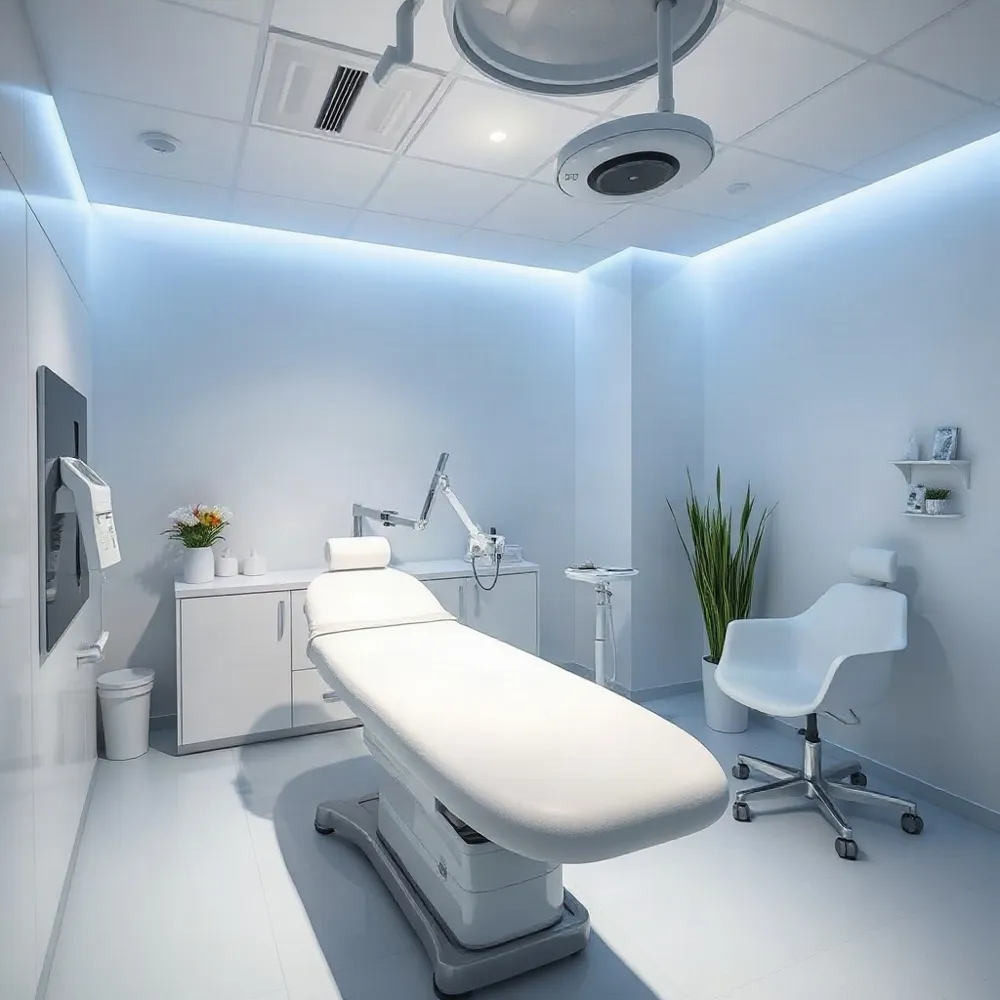



Locations


© 2014 - 2025. Thomas W. Loeb | Board Certified Plastic Surgeon