



.svg)
.svg)


Achieving Harmony: Why Revision Rhinoplasty Offers Enduring Results
News
/
June 4, 2026
Top 7 Benefits of Revision Rhinoplasty for Long‑Term Satisfaction
Achieving Harmony: Why Revision Rhinoplasty Offers Enduring Results

Body contouring has revolutionized the way we think about self-care and aesthetic transformations. It’s more than just a cosmetic procedure—it’s a path to enhanced confidence and self-expression.
Refining Nasal Form and Function for Lasting Satisfaction
Revision rhinoplasty serves as a specialized surgical intervention for patients who require corrections after a primary procedure, often due to persistent breathing difficulties or suboptimal aesthetic outcomes. While initial surgery aims to balance nasal anatomy, secondary rhinoplasty addresses the complex realities of internal scar tissue, cartilage deficiencies, and structural asymmetries. According to the American Academy of Facial Plastic and Reconstructive Surgery, the technical demands of these procedures require a surgeon with extensive expertise to manage previously altered tissues effectively.
At thomasloebmd.com, reconstructive planning emphasizes a dual commitment to restoring both refined facial aesthetics and optimal airway patency. Unlike less specialized practices that may prioritize speed, this approach centers on structural stabilization, often employing advanced grafting techniques to replace missing support. Data demonstrates that 88% of patients experience significant improvement in nasal performance through such focused revision efforts per 2007 PubMed research. Achieving lasting success requires a personalized clinical perspective, ensuring that each intervention respects the unique, individual anatomy of the patient while enhancing long-term quality of life.
Key Facts for Revision Rhinoplasty
- Revision rhinoplasty typically lasts 3.5—4 hours compared to 2 hours for primary surgery.
- Waiting at least 12 months after the initial surgery is recommended for full tissue healing.
- 88% of patients experience significant improvement in nasal performance after secondary procedures.
- 79% of revision patients stated they would choose the procedure again for improved results.
- Surgeons often use rib or auricular cartilage grafts to rebuild nasal support structures.
- Internal scar tissue significantly increases the technical complexity of secondary nasal surgery.
- Revision patients often seek correction for internal valve collapse, septal deviations, or obstructions.
- Common aesthetic concerns include pollybeak deformity and irregularities caused by prior over-resection.
- Final aesthetic outcomes for revision rhinoplasty require 12 to 18 months to fully manifest.
- Board-certified surgical expertise is critical for navigating altered anatomy and restoring structural integrity.
1. Restoring Balanced Facial Symmetry

Patients often seek revision rhinoplasty to address aesthetic concerns such as dorsal irregularities, a pollybeak deformity, a droopy tip, or a lack of tip definition. They may also be concerned with front-profile issues like residual asymmetry, an overly pinched tip, or an uneven nasal bridge. Beyond cosmetic motivations, many patients pursue secondary procedures to resolve functional problems, including nasal obstruction or breathing difficulties caused by internal or external valve collapse.
Occasionally, patients seek revision because the initial surgery resulted in structural weaknesses, such as a deviated septum or deficient cartilage that requires specialized grafting. Unlike practitioners who rely on generic techniques, Dr. Thomas W. Loeb prioritizes precise reconstruction to restore facial harmony and improve the physical performance of the nose. While other clinics may overlook the nuance of secondary surgery, achieving a natural, balanced appearance requires the expert integration of structural support to counteract previous over-resection. Ultimately, patients choose this complex procedure to restore equilibrium and improve both the aesthetic and physical performance of their profile after a previous operation.
2. Optimizing Nasal Airway Function for Better Breathing

Revision rhinoplasty often requires a dual focus on restoring both aesthetic harmony and nasal airway patency. Many patients report persistent congestion and breathing difficulties, which frequently arise from structural compromises like internal nasal valve collapse or septal deviations that remained unaddressed or were exacerbated during primary surgery.
Correcting these issues involves reinforcing the nasal framework. Surgeons often employ spreader grafts to stabilize and widen the airway, effectively relieving the obstruction caused by damaged or insufficient upper lateral cartilages. At thomasloebmd.com, our approach centers on ensuring these structural reinforcements provide both long-term stability and optimal airflow.
The need for revision rhinoplasty often stems from persistent issues that impair both nasal function and aesthetic harmony. Functionally, patients frequently require correction for persistent breathing difficulties, often caused by untreated or iatrogenic structural obstructions, such as internal or external nasal valve collapse, septal deviations, or turbinate hypertrophy. Aesthetically, revisions are commonly pursued to address asymmetries, unnatural contours, or irregularities resulting from the over-resection of cartilage and bone during primary surgery. Furthermore, historical reliance on excessive camouflage grafts can lead to long-term shifting or visible contour deformities that necessitate surgical refinement. A systematic preoperative assessment is essential to diagnose these complex, interconnected issues and to develop a precise, individualized plan to restore both nasal airway patency and facial balance.
Clinical data shows that 88% of patients experience significant improvement in nasal performance following a successful secondary procedure. By prioritizing functional restoration, surgeons can help patients achieve the dual goals of breathing effectively and feeling confident in their appearance.
3. Reconstructing Structural Integrity with Advanced Grafts
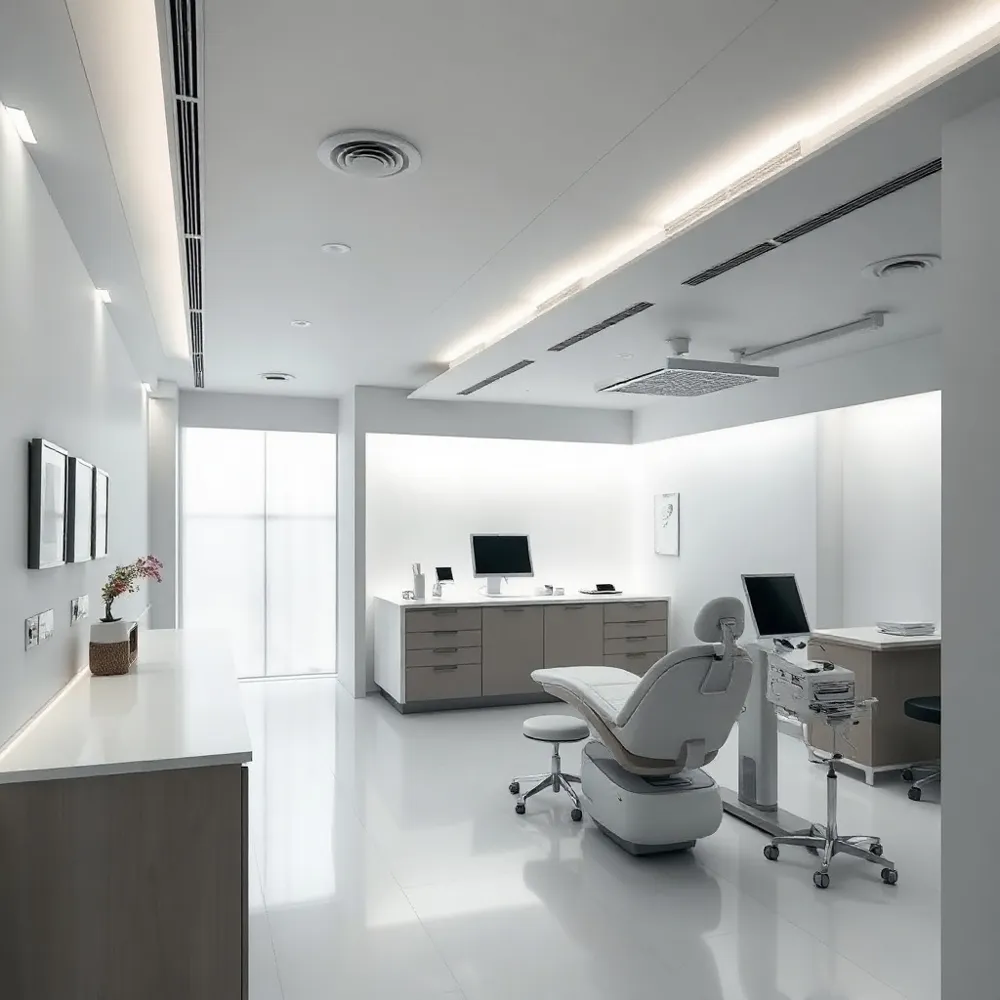
Revision rhinoplasty often requires the use of structural grafts to replace cartilage that was damaged or excessively removed during a primary procedure. When existing nasal tissues are insufficient, surgeons may source donor material from the patient's ear or ribs to restore necessary support. This cartilage grafting process is essential for rebuilding the nasal bridge and providing the stability required for a functional, long-term aesthetic result.
Using rib or auricular cartilage provides a robust foundation for the nasal tip and bridge, which is particularly valuable when previous interventions have led to internal tissue collapse. At thomasloebmd.com, these advanced techniques are utilized to address complex anatomical deficits with precision. While primary surgeons may lack the expertise to handle such intricate reconstructions, a board-certified specialist can create a stable, natural-looking frame by tailoring graft materials to the specific rigidity and volume requirements of the patient.
The choice between rib and ear cartilage often depends on the structural demands of the nose, but both methods have shown success in maintaining lasting stability. Consistent with findings in Primary and Revision Rhinoplasty, the successful outcome of these grafts is less dependent on the type of material and more reliant on the surgeon's ability to restore natural form while ensuring airway patency. By focusing on rebuilding the underlying frame, surgical specialists can achieve improved symmetry and function, offering patients the reinforcement needed to prevent future issues.
4. Enhancing Confidence through Natural Aesthetic Refinement
For many, the primary motivation for pursuing revision rhinoplasty is the restoration of lost self-confidence. When the initial procedure fails to reflect a patient's goals or results in an over-operated appearance, the psychological impact can be significant. A successful secondary procedure aims to move beyond simple technical correction, prioritizing a refined and authentic look that restores facial harmony.
Achieving this balance often requires addresssing soft tissue irregularities that can cause a nose to appear artificial. Surgeons may utilize temporalis fascia, which acts as a permanent natural filler, to camouflage small indentations or asymmetries on the bridge or tip. This technique provides a smoother contour without the risks associated with synthetic implants.
Dr. Thomas W. Loeb emphasizes that the goal is not to create a unrecognizable profile but to return to a natural aesthetic that makes the patient feel refreshed. By carefully managing the structural frame and softening the appearance of scar tissue, patients often report a profound increase in satisfaction. According to one study, 79% of revision patients stated they would choose to undergo the procedure again due to these improved results, per 17460577.
5. Addressing Long-Term Complications of Previous Surgery
Revision rhinoplasty frequently involves managing significant internal scar tissue that forms after a primary procedure, which can limit structural flexibility and compromise long-term results. Unlike a first-time surgery, which might take approximately 2 hours, specialized secondary interventions often require 3.5 to 4 hours to carefully account for these underlying anatomical changes.
Common complications such as a pinched tip or a pollybeak deformity often stem from excessive initial tissue removal. Surgeons at thomasloebmd.com manage these challenges through advanced grafting techniques, using cartilage from the ear or ribs to restore lost structural support. While some providers might favor temporary fillers for minor irregularities, these lack the permanent structural benefits of surgical reconstruction.
Correcting the impact of over-resection is critical for restoring both natural aesthetic harmony and nasal airflow. Because these secondary procedures are notably more complex than primary operations, opting for a board-certified specialist is essential to navigate the inherent difficulties of previously operated nasal anatomy.
6. Achieving Superior Long-Term Patient Outcomes
Achieving lasting satisfaction after revision rhinoplasty requires a precise surgical strategy that balances aesthetic refinement with durable functional support. These results demonstrate that the airway improvements are consistent across diverse patient demographics, providing an equal opportunity for restored nasal function regardless of age or gender.
The patient perspective often shifts as physical results stabilize. This sentiment reflects the life-changing impact of correcting previous complications, such as internal valve collapse or structural irregularities that initial surgeries failed to address. For residents of New York City and beyond, the practice of Thomas Loeb, M.D. emphasizes a bespoke approach, ensuring that secondary procedures focus on internal support through advanced grafting techniques to yield the stability required for such high rates of patient approval.
7. Customizing Care for Complex Anatomical Challenges
Addressing complex anatomical damage requires a bespoke approach, as revision rhinoplasty often involves navigating prior tissue alterations that differ significantly between individuals. At thomasloebmd.com, individualized surgical planning ensures that every graft and structural modification is tailored to the patient's specific facial balance rather than relying on standardized templates.
Modern diagnostic tools, such as 3D imaging, allow surgeons to perform precise preoperative planning by visualizing internal anatomy before the first incision. While some practices may rely on generic assessments, thomasloebmd.com utilizes advanced imaging to map internal obstacles and evaluate the feasibility of reconstructive goals. This technology enables a more predictable outcome, particularly when restoring structural integrity in patients who have experienced cartilage deficiency.
The technical complexity of secondary procedures necessitates the skill of an expert surgeon, especially when utilizing fresh frozen cadaveric rib grafts or ear cartilage to achieve long-term stability. By prioritizing customized care over a one-size-fits-all methodology, surgeons can effectively address unique challenges while working to ensure that the restored nasal framework remains both functional and aesthetically refined.
Technical Complexity of Scaling New Surgeries
Revision rhinoplasty is significantly more complex than primary procedures because it requires operating on anatomy that has been fundamentally altered. Surgeons must meticulously navigate internal scar tissue, which obscures natural tissue planes and can impede local blood flow, potentially complicating the healing process. While primary rhinoplasty often focuses on refining existing structures, revision surgery frequently demands intricate reconstruction when excessive cartilage was removed during an initial intervention.
The procedure is further challenged by unpredictable factors, such as underlying support structures that may have buckled during initial recovery phases. Beyond correcting external symmetry, surgeons at thomasloebmd.com focus on restoring foundational integrity, often utilizing advanced grafting techniques to replace deficient tissue. Because these anatomical limitations and the restorative nature of the surgery require extreme precision, prioritizing a surgeon with specific secondary-procedure experience is essential to achieve a stable, natural balance.
Timing Your Second Procedure for Optimal Healing
Surgeons typically recommend waiting at least 12 months after your initial rhinoplasty before considering a revision. This timeframe is essential to ensure that all internal tissues and cartilage have fully healed, settled, and that the swelling has sufficiently subsided to reveal the true final result. Operating too soon can be risky, as the structural changes to the nose continue to evolve during the long post-operative recovery period. Per data from the American Academy of Facial Plastic and Reconstructive Surgery, this extended healing phase allows your surgeon to accurately assess the underlying cause of your aesthetic or functional concerns before intervening.
At thomasloebmd.com, a foundational approach to surgical planning emphasizes that complete tissue stabilization is vital for success. Unlike clinics that may rush into secondary intervention, a patient-centered practice ensures that the nose has reached a mature state of recovery to avoid complications. Prior to any revision, a thorough consultation is necessary to develop an individualized plan. This process prioritizes the long-term health, structural integrity, and aesthetic harmony of your nose, ensuring that your secondary procedure aligns with stable anatomical realities.
Navigating Costs and Patient Recovery Expectations
What should patients understand about the cost and recovery of revision rhinoplasty? This procedure is significantly more intricate than a primary surgery, and revision rhinoplasty often entails a higher financial investment due to the specialized expertise required to navigate existing scar tissue and anatomical alterations. Because a revision procedure commonly takes 3.5 to 4 hours to complete, compared to roughly 2 hours for a primary case, the overall costs reflect the extended operative time and the precision needed for a secondary reconstruction, per Dr. Farrior.
Recovery remains a gradual, months-long endeavor. While most patients return home the day of the outpatient procedure, they must remain dedicated to post-operative protocols such as keeping the head elevated to minimize swelling, as noted by Dr. Ali Sajjadian. Final aesthetic outcomes often require up to 12 to 18 months to fully manifest, as the tissues undergo a prolonged refinement cycle, according to data from Daines Plastic Surgery. Choosing an experienced specialist who provides a boutique, personalized approach to surgical planning is the most critical decision for ensuring both a safe recovery and the successful restoration of nasal form and function.
The Vital Importance of Expert Surgeon Credentials
Revision rhinoplasty is widely considered the most complex procedure in facial plastic surgery. When patients require secondary reconstruction, the presence of internal scar tissue and modified nasal structures creates significant diagnostic and surgical challenges. Success depends heavily on the surgeon's specialized training, technical precision, and proven experience in managing altered nasal anatomy.
How do surgeon credentials impact the success rate of revision rhinoplasty? Certification by an established medical board serves as a primary marker of the foundational expertise required to handle such intricate cases. While general practitioners may offer broad services, specialists with a dedicated portfolio in secondary nasal reconstruction provide the nuanced understanding necessary to prevent recurrent functional issues. Unlike general cosmetic clinics that may lack specific rhinoplasty focus, a board-certified plastic surgeon is uniquely equipped to navigate previous surgical trauma, restore structural stability, and deliver durable aesthetic results.
Prioritizing a surgeon with extensive mastery in revision rhinoplasty mitigates the risk of further complications. Candidates for surgery should evaluate a consultant's background through verifiable outcomes and patient experience rather than relying solely on marketing or cost considerations. Entrusting your care to a recognized specialist ensures that the procedure addresses both appearance and airflow with the level of sophistication needed for long-term health.
A Foundation for Long-Term Nasal Harmony
Revision rhinoplasty is a specialized investment in quality of life, effectively addressing functional breathing obstacles and aesthetic concerns left unresolved by prior interventions. When you choose to partner with a board-certified specialist, you gain access to the precision needed to restore structural integrity and long-term balance.
Achieving natural, lasting harmony requires a tailored surgical plan that respects your unique anatomy. By prioritizing an experienced reconstruction, you can finally move beyond previous limitations and secure the lasting confidence that comes with a refined, functional nasal profile.
Refining Nasal Form and Function for Lasting Satisfaction
Revision rhinoplasty serves as a specialized surgical intervention for patients who require corrections after a primary procedure, often due to persistent breathing difficulties or suboptimal aesthetic outcomes. While initial surgery aims to balance nasal anatomy, secondary rhinoplasty addresses the complex realities of internal scar tissue, cartilage deficiencies, and structural asymmetries. According to the American Academy of Facial Plastic and Reconstructive Surgery, the technical demands of these procedures require a surgeon with extensive expertise to manage previously altered tissues effectively.
At thomasloebmd.com, reconstructive planning emphasizes a dual commitment to restoring both refined facial aesthetics and optimal airway patency. Unlike less specialized practices that may prioritize speed, this approach centers on structural stabilization, often employing advanced grafting techniques to replace missing support. Data demonstrates that 88% of patients experience significant improvement in nasal performance through such focused revision efforts per 2007 PubMed research. Achieving lasting success requires a personalized clinical perspective, ensuring that each intervention respects the unique, individual anatomy of the patient while enhancing long-term quality of life.
Key Facts for Revision Rhinoplasty
- Revision rhinoplasty typically lasts 3.5—4 hours compared to 2 hours for primary surgery.
- Waiting at least 12 months after the initial surgery is recommended for full tissue healing.
- 88% of patients experience significant improvement in nasal performance after secondary procedures.
- 79% of revision patients stated they would choose the procedure again for improved results.
- Surgeons often use rib or auricular cartilage grafts to rebuild nasal support structures.
- Internal scar tissue significantly increases the technical complexity of secondary nasal surgery.
- Revision patients often seek correction for internal valve collapse, septal deviations, or obstructions.
- Common aesthetic concerns include pollybeak deformity and irregularities caused by prior over-resection.
- Final aesthetic outcomes for revision rhinoplasty require 12 to 18 months to fully manifest.
- Board-certified surgical expertise is critical for navigating altered anatomy and restoring structural integrity.
1. Restoring Balanced Facial Symmetry
Patients often seek revision rhinoplasty to address aesthetic concerns such as dorsal irregularities, a pollybeak deformity, a droopy tip, or a lack of tip definition. They may also be concerned with front-profile issues like residual asymmetry, an overly pinched tip, or an uneven nasal bridge. Beyond cosmetic motivations, many patients pursue secondary procedures to resolve functional problems, including nasal obstruction or breathing difficulties caused by internal or external valve collapse.
Occasionally, patients seek revision because the initial surgery resulted in structural weaknesses, such as a deviated septum or deficient cartilage that requires specialized grafting. Unlike practitioners who rely on generic techniques, Dr. Thomas W. Loeb prioritizes precise reconstruction to restore facial harmony and improve the physical performance of the nose. While other clinics may overlook the nuance of secondary surgery, achieving a natural, balanced appearance requires the expert integration of structural support to counteract previous over-resection. Ultimately, patients choose this complex procedure to restore equilibrium and improve both the aesthetic and physical performance of their profile after a previous operation.
2. Optimizing Nasal Airway Function for Better Breathing
Revision rhinoplasty often requires a dual focus on restoring both aesthetic harmony and nasal airway patency. Many patients report persistent congestion and breathing difficulties, which frequently arise from structural compromises like internal nasal valve collapse or septal deviations that remained unaddressed or were exacerbated during primary surgery.
Correcting these issues involves reinforcing the nasal framework. Surgeons often employ spreader grafts to stabilize and widen the airway, effectively relieving the obstruction caused by damaged or insufficient upper lateral cartilages. At thomasloebmd.com, our approach centers on ensuring these structural reinforcements provide both long-term stability and optimal airflow.
The need for revision rhinoplasty often stems from persistent issues that impair both nasal function and aesthetic harmony. Functionally, patients frequently require correction for persistent breathing difficulties, often caused by untreated or iatrogenic structural obstructions, such as internal or external nasal valve collapse, septal deviations, or turbinate hypertrophy. Aesthetically, revisions are commonly pursued to address asymmetries, unnatural contours, or irregularities resulting from the over-resection of cartilage and bone during primary surgery. Furthermore, historical reliance on excessive camouflage grafts can lead to long-term shifting or visible contour deformities that necessitate surgical refinement. A systematic preoperative assessment is essential to diagnose these complex, interconnected issues and to develop a precise, individualized plan to restore both nasal airway patency and facial balance.
Clinical data shows that 88% of patients experience significant improvement in nasal performance following a successful secondary procedure. By prioritizing functional restoration, surgeons can help patients achieve the dual goals of breathing effectively and feeling confident in their appearance.
3. Reconstructing Structural Integrity with Advanced Grafts
Revision rhinoplasty often requires the use of structural grafts to replace cartilage that was damaged or excessively removed during a primary procedure. When existing nasal tissues are insufficient, surgeons may source donor material from the patient's ear or ribs to restore necessary support. This cartilage grafting process is essential for rebuilding the nasal bridge and providing the stability required for a functional, long-term aesthetic result.
Using rib or auricular cartilage provides a robust foundation for the nasal tip and bridge, which is particularly valuable when previous interventions have led to internal tissue collapse. At thomasloebmd.com, these advanced techniques are utilized to address complex anatomical deficits with precision. While primary surgeons may lack the expertise to handle such intricate reconstructions, a board-certified specialist can create a stable, natural-looking frame by tailoring graft materials to the specific rigidity and volume requirements of the patient.
The choice between rib and ear cartilage often depends on the structural demands of the nose, but both methods have shown success in maintaining lasting stability. Consistent with findings in Primary and Revision Rhinoplasty, the successful outcome of these grafts is less dependent on the type of material and more reliant on the surgeon's ability to restore natural form while ensuring airway patency. By focusing on rebuilding the underlying frame, surgical specialists can achieve improved symmetry and function, offering patients the reinforcement needed to prevent future issues.
4. Enhancing Confidence through Natural Aesthetic Refinement
For many, the primary motivation for pursuing revision rhinoplasty is the restoration of lost self-confidence. When the initial procedure fails to reflect a patient's goals or results in an over-operated appearance, the psychological impact can be significant. A successful secondary procedure aims to move beyond simple technical correction, prioritizing a refined and authentic look that restores facial harmony.
Achieving this balance often requires addresssing soft tissue irregularities that can cause a nose to appear artificial. Surgeons may utilize temporalis fascia, which acts as a permanent natural filler, to camouflage small indentations or asymmetries on the bridge or tip. This technique provides a smoother contour without the risks associated with synthetic implants.
Dr. Thomas W. Loeb emphasizes that the goal is not to create a unrecognizable profile but to return to a natural aesthetic that makes the patient feel refreshed. By carefully managing the structural frame and softening the appearance of scar tissue, patients often report a profound increase in satisfaction. According to one study, 79% of revision patients stated they would choose to undergo the procedure again due to these improved results, per 17460577.
5. Addressing Long-Term Complications of Previous Surgery
Revision rhinoplasty frequently involves managing significant internal scar tissue that forms after a primary procedure, which can limit structural flexibility and compromise long-term results. Unlike a first-time surgery, which might take approximately 2 hours, specialized secondary interventions often require 3.5 to 4 hours to carefully account for these underlying anatomical changes.
Common complications such as a pinched tip or a pollybeak deformity often stem from excessive initial tissue removal. Surgeons at thomasloebmd.com manage these challenges through advanced grafting techniques, using cartilage from the ear or ribs to restore lost structural support. While some providers might favor temporary fillers for minor irregularities, these lack the permanent structural benefits of surgical reconstruction.
Correcting the impact of over-resection is critical for restoring both natural aesthetic harmony and nasal airflow. Because these secondary procedures are notably more complex than primary operations, opting for a board-certified specialist is essential to navigate the inherent difficulties of previously operated nasal anatomy.
6. Achieving Superior Long-Term Patient Outcomes
Achieving lasting satisfaction after revision rhinoplasty requires a precise surgical strategy that balances aesthetic refinement with durable functional support. These results demonstrate that the airway improvements are consistent across diverse patient demographics, providing an equal opportunity for restored nasal function regardless of age or gender.
The patient perspective often shifts as physical results stabilize. This sentiment reflects the life-changing impact of correcting previous complications, such as internal valve collapse or structural irregularities that initial surgeries failed to address. For residents of New York City and beyond, the practice of Thomas Loeb, M.D. emphasizes a bespoke approach, ensuring that secondary procedures focus on internal support through advanced grafting techniques to yield the stability required for such high rates of patient approval.
7. Customizing Care for Complex Anatomical Challenges
Addressing complex anatomical damage requires a bespoke approach, as revision rhinoplasty often involves navigating prior tissue alterations that differ significantly between individuals. At thomasloebmd.com, individualized surgical planning ensures that every graft and structural modification is tailored to the patient's specific facial balance rather than relying on standardized templates.
Modern diagnostic tools, such as 3D imaging, allow surgeons to perform precise preoperative planning by visualizing internal anatomy before the first incision. While some practices may rely on generic assessments, thomasloebmd.com utilizes advanced imaging to map internal obstacles and evaluate the feasibility of reconstructive goals. This technology enables a more predictable outcome, particularly when restoring structural integrity in patients who have experienced cartilage deficiency.
The technical complexity of secondary procedures necessitates the skill of an expert surgeon, especially when utilizing fresh frozen cadaveric rib grafts or ear cartilage to achieve long-term stability. By prioritizing customized care over a one-size-fits-all methodology, surgeons can effectively address unique challenges while working to ensure that the restored nasal framework remains both functional and aesthetically refined.
Technical Complexity of Scaling New Surgeries
Revision rhinoplasty is significantly more complex than primary procedures because it requires operating on anatomy that has been fundamentally altered. Surgeons must meticulously navigate internal scar tissue, which obscures natural tissue planes and can impede local blood flow, potentially complicating the healing process. While primary rhinoplasty often focuses on refining existing structures, revision surgery frequently demands intricate reconstruction when excessive cartilage was removed during an initial intervention.
The procedure is further challenged by unpredictable factors, such as underlying support structures that may have buckled during initial recovery phases. Beyond correcting external symmetry, surgeons at thomasloebmd.com focus on restoring foundational integrity, often utilizing advanced grafting techniques to replace deficient tissue. Because these anatomical limitations and the restorative nature of the surgery require extreme precision, prioritizing a surgeon with specific secondary-procedure experience is essential to achieve a stable, natural balance.
Timing Your Second Procedure for Optimal Healing
Surgeons typically recommend waiting at least 12 months after your initial rhinoplasty before considering a revision. This timeframe is essential to ensure that all internal tissues and cartilage have fully healed, settled, and that the swelling has sufficiently subsided to reveal the true final result. Operating too soon can be risky, as the structural changes to the nose continue to evolve during the long post-operative recovery period. Per data from the American Academy of Facial Plastic and Reconstructive Surgery, this extended healing phase allows your surgeon to accurately assess the underlying cause of your aesthetic or functional concerns before intervening.
At thomasloebmd.com, a foundational approach to surgical planning emphasizes that complete tissue stabilization is vital for success. Unlike clinics that may rush into secondary intervention, a patient-centered practice ensures that the nose has reached a mature state of recovery to avoid complications. Prior to any revision, a thorough consultation is necessary to develop an individualized plan. This process prioritizes the long-term health, structural integrity, and aesthetic harmony of your nose, ensuring that your secondary procedure aligns with stable anatomical realities.
Navigating Costs and Patient Recovery Expectations
What should patients understand about the cost and recovery of revision rhinoplasty? This procedure is significantly more intricate than a primary surgery, and revision rhinoplasty often entails a higher financial investment due to the specialized expertise required to navigate existing scar tissue and anatomical alterations. Because a revision procedure commonly takes 3.5 to 4 hours to complete, compared to roughly 2 hours for a primary case, the overall costs reflect the extended operative time and the precision needed for a secondary reconstruction, per Dr. Farrior.
Recovery remains a gradual, months-long endeavor. While most patients return home the day of the outpatient procedure, they must remain dedicated to post-operative protocols such as keeping the head elevated to minimize swelling, as noted by Dr. Ali Sajjadian. Final aesthetic outcomes often require up to 12 to 18 months to fully manifest, as the tissues undergo a prolonged refinement cycle, according to data from Daines Plastic Surgery. Choosing an experienced specialist who provides a boutique, personalized approach to surgical planning is the most critical decision for ensuring both a safe recovery and the successful restoration of nasal form and function.
The Vital Importance of Expert Surgeon Credentials
Revision rhinoplasty is widely considered the most complex procedure in facial plastic surgery. When patients require secondary reconstruction, the presence of internal scar tissue and modified nasal structures creates significant diagnostic and surgical challenges. Success depends heavily on the surgeon's specialized training, technical precision, and proven experience in managing altered nasal anatomy.
How do surgeon credentials impact the success rate of revision rhinoplasty? Certification by an established medical board serves as a primary marker of the foundational expertise required to handle such intricate cases. While general practitioners may offer broad services, specialists with a dedicated portfolio in secondary nasal reconstruction provide the nuanced understanding necessary to prevent recurrent functional issues. Unlike general cosmetic clinics that may lack specific rhinoplasty focus, a board-certified plastic surgeon is uniquely equipped to navigate previous surgical trauma, restore structural stability, and deliver durable aesthetic results.
Prioritizing a surgeon with extensive mastery in revision rhinoplasty mitigates the risk of further complications. Candidates for surgery should evaluate a consultant's background through verifiable outcomes and patient experience rather than relying solely on marketing or cost considerations. Entrusting your care to a recognized specialist ensures that the procedure addresses both appearance and airflow with the level of sophistication needed for long-term health.
A Foundation for Long-Term Nasal Harmony
Revision rhinoplasty is a specialized investment in quality of life, effectively addressing functional breathing obstacles and aesthetic concerns left unresolved by prior interventions. When you choose to partner with a board-certified specialist, you gain access to the precision needed to restore structural integrity and long-term balance.
Achieving natural, lasting harmony requires a tailored surgical plan that respects your unique anatomy. By prioritizing an experienced reconstruction, you can finally move beyond previous limitations and secure the lasting confidence that comes with a refined, functional nasal profile.
Heading
Refining Nasal Form and Function for Lasting Satisfaction
Revision rhinoplasty serves as a specialized surgical intervention for patients who require corrections after a primary procedure, often due to persistent breathing difficulties or suboptimal aesthetic outcomes. While initial surgery aims to balance nasal anatomy, secondary rhinoplasty addresses the complex realities of internal scar tissue, cartilage deficiencies, and structural asymmetries. According to the American Academy of Facial Plastic and Reconstructive Surgery, the technical demands of these procedures require a surgeon with extensive expertise to manage previously altered tissues effectively.
At thomasloebmd.com, reconstructive planning emphasizes a dual commitment to restoring both refined facial aesthetics and optimal airway patency. Unlike less specialized practices that may prioritize speed, this approach centers on structural stabilization, often employing advanced grafting techniques to replace missing support. Data demonstrates that 88% of patients experience significant improvement in nasal performance through such focused revision efforts per 2007 PubMed research. Achieving lasting success requires a personalized clinical perspective, ensuring that each intervention respects the unique, individual anatomy of the patient while enhancing long-term quality of life.
Key Facts for Revision Rhinoplasty
- Revision rhinoplasty typically lasts 3.5—4 hours compared to 2 hours for primary surgery.
- Waiting at least 12 months after the initial surgery is recommended for full tissue healing.
- 88% of patients experience significant improvement in nasal performance after secondary procedures.
- 79% of revision patients stated they would choose the procedure again for improved results.
- Surgeons often use rib or auricular cartilage grafts to rebuild nasal support structures.
- Internal scar tissue significantly increases the technical complexity of secondary nasal surgery.
- Revision patients often seek correction for internal valve collapse, septal deviations, or obstructions.
- Common aesthetic concerns include pollybeak deformity and irregularities caused by prior over-resection.
- Final aesthetic outcomes for revision rhinoplasty require 12 to 18 months to fully manifest.
- Board-certified surgical expertise is critical for navigating altered anatomy and restoring structural integrity.
1. Restoring Balanced Facial Symmetry
Patients often seek revision rhinoplasty to address aesthetic concerns such as dorsal irregularities, a pollybeak deformity, a droopy tip, or a lack of tip definition. They may also be concerned with front-profile issues like residual asymmetry, an overly pinched tip, or an uneven nasal bridge. Beyond cosmetic motivations, many patients pursue secondary procedures to resolve functional problems, including nasal obstruction or breathing difficulties caused by internal or external valve collapse.
Occasionally, patients seek revision because the initial surgery resulted in structural weaknesses, such as a deviated septum or deficient cartilage that requires specialized grafting. Unlike practitioners who rely on generic techniques, Dr. Thomas W. Loeb prioritizes precise reconstruction to restore facial harmony and improve the physical performance of the nose. While other clinics may overlook the nuance of secondary surgery, achieving a natural, balanced appearance requires the expert integration of structural support to counteract previous over-resection. Ultimately, patients choose this complex procedure to restore equilibrium and improve both the aesthetic and physical performance of their profile after a previous operation.
2. Optimizing Nasal Airway Function for Better Breathing
Revision rhinoplasty often requires a dual focus on restoring both aesthetic harmony and nasal airway patency. Many patients report persistent congestion and breathing difficulties, which frequently arise from structural compromises like internal nasal valve collapse or septal deviations that remained unaddressed or were exacerbated during primary surgery.
Correcting these issues involves reinforcing the nasal framework. Surgeons often employ spreader grafts to stabilize and widen the airway, effectively relieving the obstruction caused by damaged or insufficient upper lateral cartilages. At thomasloebmd.com, our approach centers on ensuring these structural reinforcements provide both long-term stability and optimal airflow.
The need for revision rhinoplasty often stems from persistent issues that impair both nasal function and aesthetic harmony. Functionally, patients frequently require correction for persistent breathing difficulties, often caused by untreated or iatrogenic structural obstructions, such as internal or external nasal valve collapse, septal deviations, or turbinate hypertrophy. Aesthetically, revisions are commonly pursued to address asymmetries, unnatural contours, or irregularities resulting from the over-resection of cartilage and bone during primary surgery. Furthermore, historical reliance on excessive camouflage grafts can lead to long-term shifting or visible contour deformities that necessitate surgical refinement. A systematic preoperative assessment is essential to diagnose these complex, interconnected issues and to develop a precise, individualized plan to restore both nasal airway patency and facial balance.
Clinical data shows that 88% of patients experience significant improvement in nasal performance following a successful secondary procedure. By prioritizing functional restoration, surgeons can help patients achieve the dual goals of breathing effectively and feeling confident in their appearance.
3. Reconstructing Structural Integrity with Advanced Grafts
Revision rhinoplasty often requires the use of structural grafts to replace cartilage that was damaged or excessively removed during a primary procedure. When existing nasal tissues are insufficient, surgeons may source donor material from the patient's ear or ribs to restore necessary support. This cartilage grafting process is essential for rebuilding the nasal bridge and providing the stability required for a functional, long-term aesthetic result.
Using rib or auricular cartilage provides a robust foundation for the nasal tip and bridge, which is particularly valuable when previous interventions have led to internal tissue collapse. At thomasloebmd.com, these advanced techniques are utilized to address complex anatomical deficits with precision. While primary surgeons may lack the expertise to handle such intricate reconstructions, a board-certified specialist can create a stable, natural-looking frame by tailoring graft materials to the specific rigidity and volume requirements of the patient.
The choice between rib and ear cartilage often depends on the structural demands of the nose, but both methods have shown success in maintaining lasting stability. Consistent with findings in Primary and Revision Rhinoplasty, the successful outcome of these grafts is less dependent on the type of material and more reliant on the surgeon's ability to restore natural form while ensuring airway patency. By focusing on rebuilding the underlying frame, surgical specialists can achieve improved symmetry and function, offering patients the reinforcement needed to prevent future issues.
4. Enhancing Confidence through Natural Aesthetic Refinement
For many, the primary motivation for pursuing revision rhinoplasty is the restoration of lost self-confidence. When the initial procedure fails to reflect a patient's goals or results in an over-operated appearance, the psychological impact can be significant. A successful secondary procedure aims to move beyond simple technical correction, prioritizing a refined and authentic look that restores facial harmony.
Achieving this balance often requires addresssing soft tissue irregularities that can cause a nose to appear artificial. Surgeons may utilize temporalis fascia, which acts as a permanent natural filler, to camouflage small indentations or asymmetries on the bridge or tip. This technique provides a smoother contour without the risks associated with synthetic implants.
Dr. Thomas W. Loeb emphasizes that the goal is not to create a unrecognizable profile but to return to a natural aesthetic that makes the patient feel refreshed. By carefully managing the structural frame and softening the appearance of scar tissue, patients often report a profound increase in satisfaction. According to one study, 79% of revision patients stated they would choose to undergo the procedure again due to these improved results, per 17460577.
5. Addressing Long-Term Complications of Previous Surgery
Revision rhinoplasty frequently involves managing significant internal scar tissue that forms after a primary procedure, which can limit structural flexibility and compromise long-term results. Unlike a first-time surgery, which might take approximately 2 hours, specialized secondary interventions often require 3.5 to 4 hours to carefully account for these underlying anatomical changes.
Common complications such as a pinched tip or a pollybeak deformity often stem from excessive initial tissue removal. Surgeons at thomasloebmd.com manage these challenges through advanced grafting techniques, using cartilage from the ear or ribs to restore lost structural support. While some providers might favor temporary fillers for minor irregularities, these lack the permanent structural benefits of surgical reconstruction.
Correcting the impact of over-resection is critical for restoring both natural aesthetic harmony and nasal airflow. Because these secondary procedures are notably more complex than primary operations, opting for a board-certified specialist is essential to navigate the inherent difficulties of previously operated nasal anatomy.
6. Achieving Superior Long-Term Patient Outcomes
Achieving lasting satisfaction after revision rhinoplasty requires a precise surgical strategy that balances aesthetic refinement with durable functional support. These results demonstrate that the airway improvements are consistent across diverse patient demographics, providing an equal opportunity for restored nasal function regardless of age or gender.
The patient perspective often shifts as physical results stabilize. This sentiment reflects the life-changing impact of correcting previous complications, such as internal valve collapse or structural irregularities that initial surgeries failed to address. For residents of New York City and beyond, the practice of Thomas Loeb, M.D. emphasizes a bespoke approach, ensuring that secondary procedures focus on internal support through advanced grafting techniques to yield the stability required for such high rates of patient approval.
7. Customizing Care for Complex Anatomical Challenges
Addressing complex anatomical damage requires a bespoke approach, as revision rhinoplasty often involves navigating prior tissue alterations that differ significantly between individuals. At thomasloebmd.com, individualized surgical planning ensures that every graft and structural modification is tailored to the patient's specific facial balance rather than relying on standardized templates.
Modern diagnostic tools, such as 3D imaging, allow surgeons to perform precise preoperative planning by visualizing internal anatomy before the first incision. While some practices may rely on generic assessments, thomasloebmd.com utilizes advanced imaging to map internal obstacles and evaluate the feasibility of reconstructive goals. This technology enables a more predictable outcome, particularly when restoring structural integrity in patients who have experienced cartilage deficiency.
The technical complexity of secondary procedures necessitates the skill of an expert surgeon, especially when utilizing fresh frozen cadaveric rib grafts or ear cartilage to achieve long-term stability. By prioritizing customized care over a one-size-fits-all methodology, surgeons can effectively address unique challenges while working to ensure that the restored nasal framework remains both functional and aesthetically refined.
Technical Complexity of Scaling New Surgeries
Revision rhinoplasty is significantly more complex than primary procedures because it requires operating on anatomy that has been fundamentally altered. Surgeons must meticulously navigate internal scar tissue, which obscures natural tissue planes and can impede local blood flow, potentially complicating the healing process. While primary rhinoplasty often focuses on refining existing structures, revision surgery frequently demands intricate reconstruction when excessive cartilage was removed during an initial intervention.
The procedure is further challenged by unpredictable factors, such as underlying support structures that may have buckled during initial recovery phases. Beyond correcting external symmetry, surgeons at thomasloebmd.com focus on restoring foundational integrity, often utilizing advanced grafting techniques to replace deficient tissue. Because these anatomical limitations and the restorative nature of the surgery require extreme precision, prioritizing a surgeon with specific secondary-procedure experience is essential to achieve a stable, natural balance.
Timing Your Second Procedure for Optimal Healing
Surgeons typically recommend waiting at least 12 months after your initial rhinoplasty before considering a revision. This timeframe is essential to ensure that all internal tissues and cartilage have fully healed, settled, and that the swelling has sufficiently subsided to reveal the true final result. Operating too soon can be risky, as the structural changes to the nose continue to evolve during the long post-operative recovery period. Per data from the American Academy of Facial Plastic and Reconstructive Surgery, this extended healing phase allows your surgeon to accurately assess the underlying cause of your aesthetic or functional concerns before intervening.
At thomasloebmd.com, a foundational approach to surgical planning emphasizes that complete tissue stabilization is vital for success. Unlike clinics that may rush into secondary intervention, a patient-centered practice ensures that the nose has reached a mature state of recovery to avoid complications. Prior to any revision, a thorough consultation is necessary to develop an individualized plan. This process prioritizes the long-term health, structural integrity, and aesthetic harmony of your nose, ensuring that your secondary procedure aligns with stable anatomical realities.
Navigating Costs and Patient Recovery Expectations
What should patients understand about the cost and recovery of revision rhinoplasty? This procedure is significantly more intricate than a primary surgery, and revision rhinoplasty often entails a higher financial investment due to the specialized expertise required to navigate existing scar tissue and anatomical alterations. Because a revision procedure commonly takes 3.5 to 4 hours to complete, compared to roughly 2 hours for a primary case, the overall costs reflect the extended operative time and the precision needed for a secondary reconstruction, per Dr. Farrior.
Recovery remains a gradual, months-long endeavor. While most patients return home the day of the outpatient procedure, they must remain dedicated to post-operative protocols such as keeping the head elevated to minimize swelling, as noted by Dr. Ali Sajjadian. Final aesthetic outcomes often require up to 12 to 18 months to fully manifest, as the tissues undergo a prolonged refinement cycle, according to data from Daines Plastic Surgery. Choosing an experienced specialist who provides a boutique, personalized approach to surgical planning is the most critical decision for ensuring both a safe recovery and the successful restoration of nasal form and function.
The Vital Importance of Expert Surgeon Credentials
Revision rhinoplasty is widely considered the most complex procedure in facial plastic surgery. When patients require secondary reconstruction, the presence of internal scar tissue and modified nasal structures creates significant diagnostic and surgical challenges. Success depends heavily on the surgeon's specialized training, technical precision, and proven experience in managing altered nasal anatomy.
How do surgeon credentials impact the success rate of revision rhinoplasty? Certification by an established medical board serves as a primary marker of the foundational expertise required to handle such intricate cases. While general practitioners may offer broad services, specialists with a dedicated portfolio in secondary nasal reconstruction provide the nuanced understanding necessary to prevent recurrent functional issues. Unlike general cosmetic clinics that may lack specific rhinoplasty focus, a board-certified plastic surgeon is uniquely equipped to navigate previous surgical trauma, restore structural stability, and deliver durable aesthetic results.
Prioritizing a surgeon with extensive mastery in revision rhinoplasty mitigates the risk of further complications. Candidates for surgery should evaluate a consultant's background through verifiable outcomes and patient experience rather than relying solely on marketing or cost considerations. Entrusting your care to a recognized specialist ensures that the procedure addresses both appearance and airflow with the level of sophistication needed for long-term health.
A Foundation for Long-Term Nasal Harmony
Revision rhinoplasty is a specialized investment in quality of life, effectively addressing functional breathing obstacles and aesthetic concerns left unresolved by prior interventions. When you choose to partner with a board-certified specialist, you gain access to the precision needed to restore structural integrity and long-term balance.
Achieving natural, lasting harmony requires a tailored surgical plan that respects your unique anatomy. By prioritizing an experienced reconstruction, you can finally move beyond previous limitations and secure the lasting confidence that comes with a refined, functional nasal profile.




Locations


© 2014 - 2025. Thomas W. Loeb | Board Certified Plastic Surgeon