



.svg)
.svg)

News
/
December 8, 2025
Understanding the Costs and Benefits of Facial Rejuvenation Procedures
Exploring the Value and Investment in Facial Rejuvenation Treatments

Body contouring has revolutionized the way we think about self-care and aesthetic transformations. It’s more than just a cosmetic procedure—it’s a path to enhanced confidence and self-expression.
Introduction to Facial Rejuvenation: Enhancing Youth and Confidence
What Is Facial Rejuvenation?
Facial rejuvenation refers to a collection of treatments designed to restore a youthful appearance and enhance the natural glow of the face. Its main goal is to reduce signs of aging such as wrinkles, fine lines, loose or sagging skin, and loss of facial volume.
Types of Procedures
There are two main categories of facial rejuvenation procedures:
Non-surgical treatments: These include Botox injections that smooth expression lines, dermal fillers to restore volume especially in cheeks and lips, chemical peels, laser resurfacing, microneedling, and thread lifts. They offer minimal downtime and are suitable for those seeking subtle, gradual improvements.
Surgical options: These involve more invasive procedures like facelifts, brow lifts, eyelid surgery (blepharoplasty), and neck lifts. Surgical methods provide longer-lasting and more dramatic results by lifting and tightening sagging skin and correcting structural changes.
Benefits and Who Can Benefit
Facial rejuvenation not only improves physical appearance but also boosts self-esteem and social confidence. It benefits a wide range of age groups—from younger adults using treatments preventively, to older individuals addressing aging effects like volume loss and laxity. Maintaining the results typically involves a combination of ongoing skincare, sun protection, and healthy lifestyle choices.
Range of Facial Rejuvenation Procedures and Their Effects

What are the common types of facial rejuvenation procedures and how do they work?
Facial rejuvenation encompasses a spectrum of facial rejuvenation procedures designed to combat the visible effects of aging. These procedures can be broadly divided into non-surgical and surgical categories.
Non-surgical options include:
- Botox: Injected to smooth out dynamic wrinkles caused by facial expressions, typically around the eyes and forehead.
- Dermal fillers: Used to restore volume in areas such as cheeks, lips, and under-eye hollows, replenishing facial fullness lost with age.
- Chemical peels: Apply acids to exfoliate damaged outer skin layers, improving texture, reducing pigmentation, and stimulating collagen production.
- Laser resurfacing: Targets skin layers to remove damage, tighten skin, and promote new, healthier skin growth.
- Microneedling: Creates tiny skin punctures that encourage collagen and elastin production, improving scars, fine lines, and skin elasticity.
- Thread lifts: Minimally invasive procedures that lift sagging skin using dissolvable threads.
Surgical options include:
- Facelifts (rhytidectomy): Surgically lift and tighten sagging facial and neck skin, addressing jowls, loose neck skin, and midface drooping.
- Brow lifts: Correct drooping brows to provide a more youthful brow line and open the eye area.
- Eyelid surgery (blepharoplasty): Removes excess skin and fat around the eyelids, reducing droopiness and under-eye bags.
- Neck lifts: Tightens loose skin around the jaw and neck, eliminating double chins and enhancing contours.
- Rhinoplasty: Reshapes the nose to improve both function and facial harmony.
Aging affects the skin’s three layers—epidermis, dermis, and hypodermis—with most aging changes occurring in the dermis, including loss of collagen, elastin, and hyaluronic acid. Facial fat shifts also contribute to volume loss and sagging. Treatment choice and combination depend on an individual’s specific aging concerns, including wrinkles, volume loss, sagging, and pigment changes.
A combination of treatments, such as fillers with Botox or laser resurfacing with chemical peels, often yields the most comprehensive and natural-looking rejuvenation results by addressing multiple layers and aspects of the aging face.
Understanding the Costs Involved in Facial Rejuvenation

What are the typical costs of facial rejuvenation procedures and what factors influence these costs?
Facial rejuvenation costs vary widely depending on the type of treatment chosen. Non-surgical facial rejuvenation treatments are generally more affordable. For example, Botox sessions can cost between $300 and $900, while dermal fillers range from $600 to $3,000 per treatment. Laser skin resurfacing typically costs between $1,000 and $5,000, and chemical peels vary from $150 for lighter peels up to $5,000 for deeper treatments.
Surgical procedures are substantially more expensive. Facelifts average around $11,395 but can reach up to $22,600 depending on the technique used. Brow lifts usually cost about $3,500, and eyelid surgery averages near $3,400. These prices often exclude additional fees such as anesthesia, facility charges, medical tests, or prescriptions, which can add significantly to the total cost.
Geographic location and provider experience greatly influence pricing. Procedures in metropolitan or affluent areas usually carry higher fees. It is essential to consider the surgeon’s certification, training, and reputation, as these affect both the price and the outcome’s quality.
Most facial rejuvenation procedures are considered elective cosmetic surgeries and are not covered by health insurance. However, many providers offer financing plans, such as CareCredit, to help manage expenses.
Ultimately, investing in a qualified, board-certified surgeon with substantial experience is vital for safety and achieving natural, satisfying results while understanding the full scope of costs involved. For more details on Facial Plastic Surgery Costs and Facial rejuvenation costs, including Skin Rejuvenation Cost and Non-surgical facial rejuvenation treatments, please refer to the linked resources.
Benefits Beyond Appearance: Psychological and Lifestyle Impacts
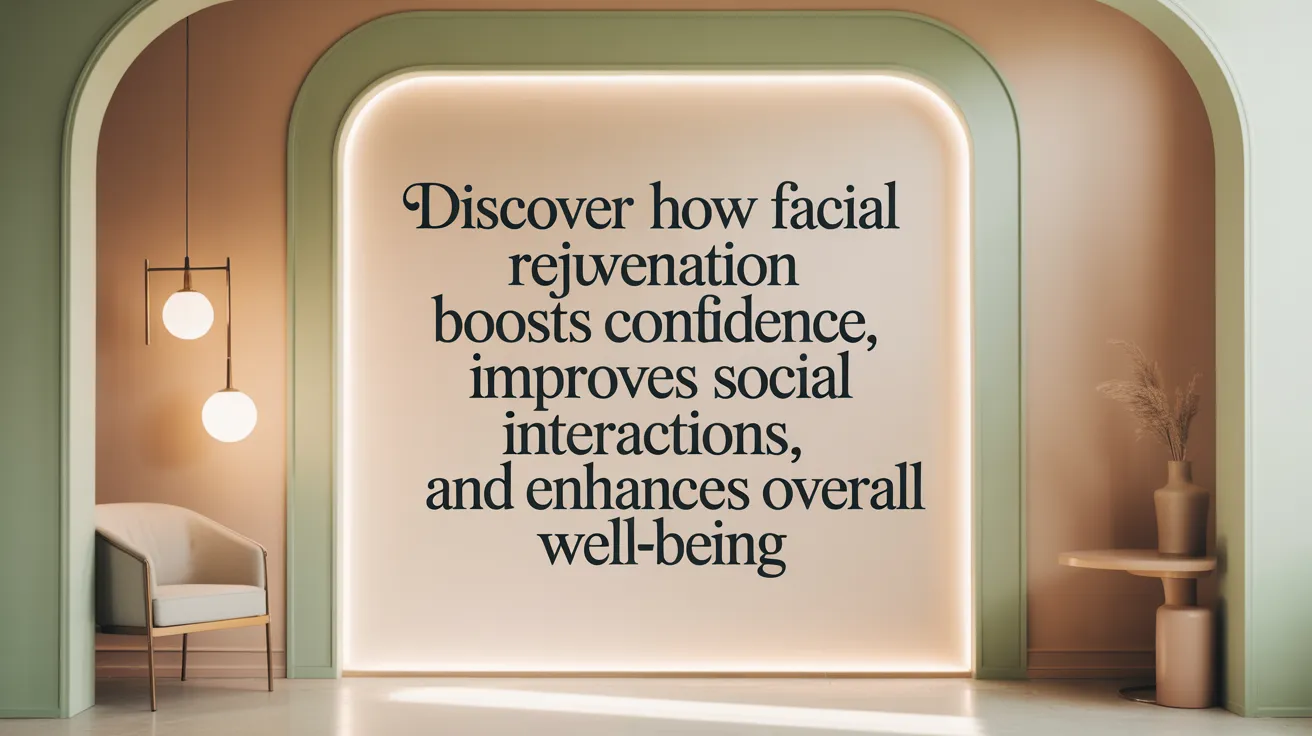
What are the psychological and lifestyle benefits of Facial Rejuvenation Treatments?
Facial rejuvenation offers more than just physical improvement; it significantly enhances psychological well-being. Many patients report Increased Confidence After Facial Rejuvenation and greater social confidence after undergoing these procedures. Feeling more attractive can translate into Improved Social Interactions Post Treatment and a boosted overall mood.
Non-surgical treatments like Botox for Expression Lines, Dermal Fillers for Volume, or Chemical Peels have the advantage of Minimal Downtime Procedures. This allows patients to quickly resume their daily routines without extended recovery periods, making these options appealing for individuals with busy lifestyles. Surgical treatments, while involving longer healing times, provide more durable results that can lead to lasting satisfaction.
Maintaining the benefits of facial rejuvenation treatments involves Maintaining Facial Rejuvenation Results, adopting consistent skincare routines, and embracing a healthy lifestyle. These practices help prolong youthful skin appearance and ensure patients enjoy the improvements over time.
Facial rejuvenation suits diverse age groups. Younger people often use Preventive Facial Treatments preventively to delay the onset of visible aging signs. Older adults may seek options to restore volume or tighten sagging skin. Each approach can be tailored to meet specific needs and expectations.
Overall, many patients experience Benefits of Facial Rejuvenation and report high satisfaction rates with facial rejuvenation procedures, reflecting gains beyond cosmetic appearance alone.
Safety, Risks, and Considerations in Facial Rejuvenation
What are the safety concerns and risks associated with facial rejuvenation procedures?
Facial rejuvenation carries certain risks that vary depending on the type of procedure. Non-surgical facial rejuvenation treatments], including Botox treatment, dermal fillers, and laser resurfacing, often lead to mild side effects such as temporary bruising, swelling, and redness. Although rare, infections or allergic reactions can occur. Surgical options like facelifts and eyelid surgeries involve greater risks, including anesthesia complications, bleeding, and scarring.
Why is choosing qualified providers essential?
Selecting a board-certified, experienced provider is crucial to minimize complications and ensure natural, effective results. Skilled specialists understand facial anatomy thoroughly and tailor procedures to individual needs, optimizing safety and outcome quality.
How do recovery times vary and what can patients expect?
Recovery varies significantly. Non-surgical facial rejuvenation treatments] often require minimal to no downtime, allowing patients to resume daily activities quickly. Surgical procedures like facelifts typically need about 10 to 14 days for initial healing, with some swelling and bruising lasting longer. Proper post-procedure care, including sun protection and skincare, supports healing.
How important is managing patient expectations?
Realistic expectations are vital. Patients should understand that results may develop gradually and that multiple treatment sessions might be necessary. Advances in technology and technique have reduced downtime and enhanced safety, but they do not eliminate the natural healing process.
What advancements have improved safety and reduced risks?
Modern techniques, including less invasive surgeries and refined non-surgical facial rejuvenation], have lower complication rates and quicker recovery. For example, fractional laser treatments and targeted injectables offer precise results with minimal trauma. Combining treatments also allows customized, balanced rejuvenation with fewer risks.
By choosing qualified professionals and understanding risks and recovery, patients can enjoy the benefits of facial rejuvenation safely and effectively.
Maintaining and Enhancing Results: Post-Procedure Care and Follow-Ups
How can patients maintain and prolong the benefits of facial rejuvenation procedures?
Maintaining youthful skin after facial rejuvenation treatments requires diligent post-procedure care. One of the most crucial steps is protecting the skin from sun exposure. UV rays accelerate aging and can quickly diminish treatment results, so daily use of broad-spectrum sunscreen is essential.
In addition, incorporating antioxidant skincare products, particularly those containing vitamin C, helps protect skin from environmental damage and promotes collagen production. This supports longer-lasting improvements in texture and tone.
Follow-up treatments are often necessary to sustain benefits over time. For example, repeat Botox injections every 3 to 6 months or additional laser sessions can help maintain smooth, vibrant skin.
Combining different treatments can enhance and prolong outcomes. Patients may benefit from a multimodal approach, such as using Botox to relax dynamic wrinkles and dermal fillers to restore volume, or pairing chemical peels with microneedling for comprehensive skin rejuvenation.
Lifestyle factors play a significant role as well. Staying hydrated, eating a balanced diet rich in antioxidants, avoiding smoking, and managing stress contribute to overall skin health.
Finally, establishing an ongoing skincare routine under professional guidance ensures maintenance of results. Regular consultations with aesthetic specialists allow for personalized adjustments to treatment plans, maximizing long-term satisfaction and preserving a youthful, radiant appearance.
Trends and Future Directions in Facial Rejuvenation
What are the current trends and future directions in facial rejuvenation procedures?
The facial rejuvenation industry is witnessing rapid growth, especially in Noninvasive facial rejuvenation techniques, which are expanding at an estimated compound annual growth rate of over 15%. This reflects a strong patient preference for options that offer visible improvements with Minimal Downtime Procedures and risk.
Research quality on facial rejuvenation is notably robust, with a significant number of randomized controlled trials validating the safety and efficacy of various Facial Rejuvenation Treatments. This strong evidence base supports the continual refinement and acceptance of treatments.
Regional differences shape treatment choices: Western patients often prefer Neuromodulators like Botox and Facial Injectable Fillers to manage dynamic wrinkles and restore volume. Conversely, East Asian populations tend to employ a more balanced mix of invasive and noninvasive approaches, demonstrating cultural and anatomical considerations in aesthetic medicine.
Innovation drives the field forward with the introduction of advanced technologies such as Fractional CO2 laser benefits and RF microneedling cost. These techniques promote collagen remodeling and skin tightening with less trauma and faster recovery, enabling a safer and more customizable patient experience.
The future of facial rejuvenation is personalized care. Patients increasingly demand tailored treatment plans that combine multiple modalities to achieve Natural-looking facial rejuvenation with minimal invasiveness. This demand fuels ongoing development, making cutting-edge treatments more accessible and effective for diverse patient needs.
Conclusion: Balancing Cost, Benefit, and Safety in Facial Rejuvenation Choices
Making Informed Choices
Choosing facial rejuvenation treatments involves understanding the options, costs, and potential outcomes. Being well-informed helps you weigh your financial investment against the benefits and any risks.
Weighing Costs and Advantages
Treatment costs vary widely—from less invasive options like Botox and chemical peels to surgical procedures such as facelifts. Consider not just the price but also recovery time, longevity of results, and how the treatment fits your goals.
Expert Guidance and Personalization
Consulting with experienced, board-certified professionals ensures your treatment plan fits your unique needs. Expert advice helps create personalized strategies combining surgical and non-surgical approaches safely and effectively.
Setting Realistic Expectations and Care
Results can be enhanced and maintained through realistic goals and ongoing skin care. Protecting your skin and scheduling regular follow-ups extend benefits, helping you enjoy a refreshed, youthful appearance over time.
Heading



Locations


© 2014 - 2025. Thomas W. Loeb | Board Certified Plastic Surgeon