



.svg)
.svg)

The Crucial Connection: Skin Cancer Screening and Brow Lift Success
News
/
September 18, 2026
Why You Should Get a Skin Cancer Screening Before Your Next Brow Lift
The Crucial Connection: Skin Cancer Screening and Brow Lift Success
Body contouring has revolutionized the way we think about self-care and aesthetic transformations. It’s more than just a cosmetic procedure—it’s a path to enhanced confidence and self-expression.
Why Skin Health Matters Before Facial Surgery
Skin cancer is the most common form of cancer in the United States, with an estimated one in five Americans developing it by age 70. For anyone considering facial plastic surgery, this statistic carries particular weight. A brow lift, for example, involves incisions and manipulation of the forehead and upper facial skin, and an undetected malignancy in that area could delay treatment, worsen the cancer, or compromise surgical outcomes.
A thorough skin cancer screening before a brow lift allows the surgeon to identify and address suspicious lesions ahead of time. Early detection makes treatment simpler and more effective, reducing the risk of complications such as scarring or prolonged healing that could affect the cosmetic result.
Many facial plastic surgeons, including Dr. Thomas W. Loeb at his Manhattan practice, take an integrated approach to facial aesthetics by evaluating skin health as part of the pre-surgical consultation. This ensures that skin cancer is managed before cosmetic work begins, helping patients achieve safer, more predictable outcomes.
Skin Cancer on the Face: Types and Early Signs
The three most common skin cancers affecting the face are basal cell carcinoma, squamous cell carcinoma, and melanoma. Each has a distinct appearance and behavior, making early recognition vital before any elective facial procedure.
Basal cell carcinoma. This is the most frequent skin cancer, often appearing as a pearly or waxy bump, a flesh-colored lesion, or a flat scar-like patch. It grows slowly and rarely spreads, but it can damage surrounding tissue if left untreated. Squamous cell carcinoma. The second most common type typically presents as a red, scaly patch, a firm dome-shaped growth, or a sore that crusts and bleeds. It is more likely than BCC to spread to deeper layers and should be treated promptly. Melanoma. Although less common, melanoma is the most serious form because it can spread quickly to internal organs. It often resembles an abnormal mole — watch for asymmetry, irregular borders, multiple colors within the same spot, a diameter larger than a pencil eraser, or any mole that is evolving.
In the eyebrow area, the signs are the same but deserve extra attention because the skin there is thin and highly visible. A new growth, a rough or crusty patch, a flat discolored area, or any spot that bleeds, scabs, or does not heal within four weeks should be evaluated. Changes in size, shape, or color anywhere on the face warrant a prompt full-body skin cancer screening. Early detection keeps treatment simple and preserves the best aesthetic outcome.
Why Early Detection Is Critical for Prognosis

The stage at which skin cancer is found determines the course of treatment and the likelihood of a full recovery. For patients considering a brow lift or any facial procedure, understanding why early detection matters directly affects surgical safety and long-term outcomes.
Melanoma: Treatable Early, Life-Threatening if Progressed
Melanoma accounts for about 1% of skin cancer cases but causes the majority of skin cancer deaths. When caught before it spreads beyond the top layer of skin, the five-year survival rate is approximately 99%. If it reaches the lymph nodes that rate drops significantly, underscoring why regular skin surveillance is a matter of urgency rather than convenience.
Basal Cell and Squamous Cell Carcinoma: Almost Always Curable
Basal cell carcinoma and squamous cell carcinoma are far more common. They rarely metastasize, but they can cause significant local tissue damage if ignored. Detected early, these nonmelanoma skin cancers are almost always curable with a simple excision or topical treatment, avoiding the need for more invasive reconstruction later.
UV Radiation: The Leading Cause of Melanoma
Up to 90% of melanoma cases are attributed to ultraviolet (UV) radiation from the sun or artificial sources such as tanning beds. UV exposure damages the DNA in skin cells, and this cumulative damage builds over decades. Two out of three Americans are exposed to significant UV radiation each year, reinforcing the need for routine professional skin cancer screening.
How Early Detection Before a Brow Lift Prevents Complications
A planned brow lift involves incisions through forehead skin and underlying tissue. An undetected lesion — especially on the scalp, hairline, or forehead — could be disturbed during surgery, potentially spreading malignant cells and compromising the aesthetic result. By scheduling a skin cancer screening at least six weeks before a brow lift, patients allow time for any necessary biopsy or treatment, ensuring the surgical site is free of cancerous or precancerous changes. This step protects both the medical outcome and the cosmetic result.
The Full-Body Skin Cancer Screening: What to Expect
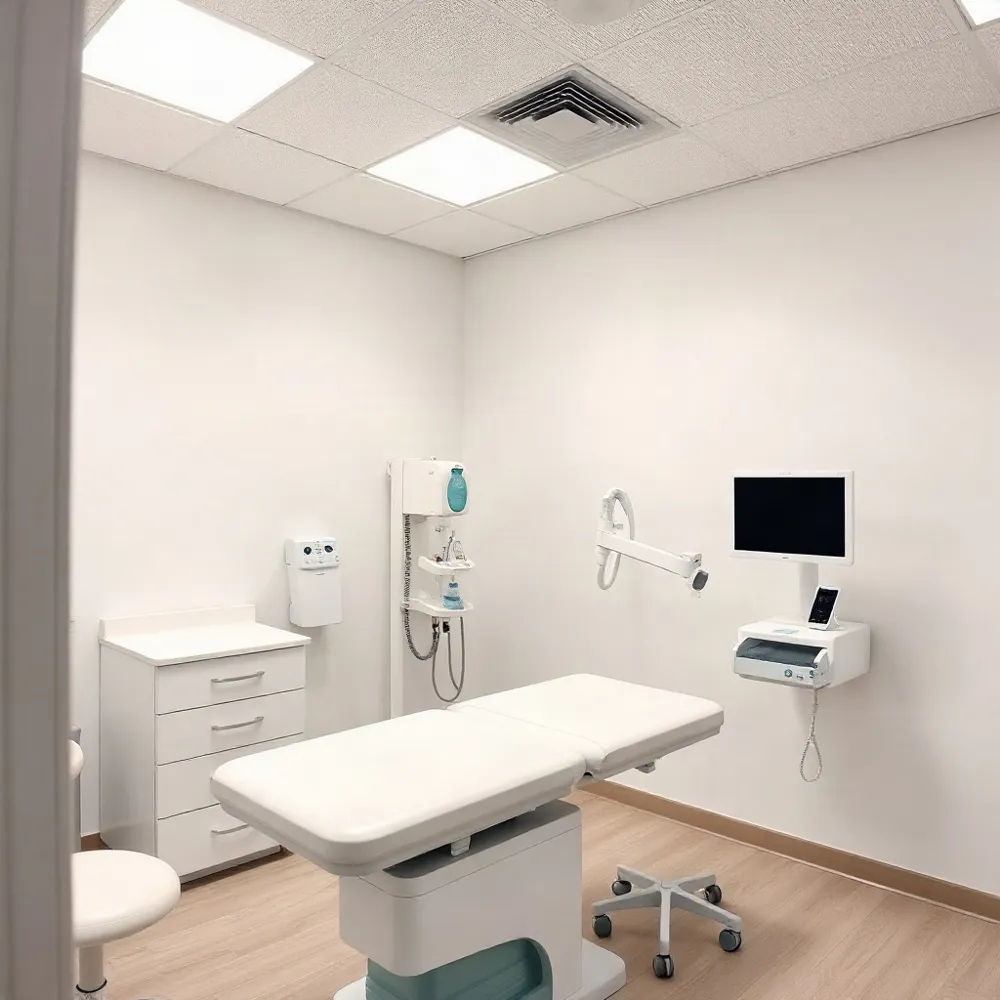
A full-body skin cancer screening is a thorough, head-to-toe visual examination performed by a board-certified dermatologist. You will be asked to undress and put on a gown so the doctor can inspect your entire skin surface, from your scalp to the soles of your feet. Using a bright light and a handheld magnifying tool called a dermatoscope, the dermatologist closely examines any moles, spots, or lesions for irregularities.
The exam is painless and typically takes 10 to 20 minutes. The provider will check areas you cannot easily see yourself, including the scalp, behind the ears, between the toes, and the back. If a spot looks suspicious, a small sample (biopsy) may be taken under local anesthesia for lab analysis. After the screening, the doctor discusses any findings and recommends a follow-up schedule tailored to your skin type and risk factors.
For patients considering a brow lift, a pre-surgical screening at least six weeks before the procedure is a sensible step. Identifying and treating skin cancer on the forehead or scalp before surgery can prevent complications, improve healing, and help ensure the smoothest possible aesthetic result.
Preparing for Your Screening: Simple Steps to Follow
A little preparation goes a long way in making your skin cancer screening thorough and efficient. The dermatologist needs a clear view of your skin from head to toe, so small steps like what you wear — or don’t wear — can make a difference.
Arrive with clean skin and no makeup. Foundation and concealer can hide subtle signs of basal or squamous cell carcinoma on the face. Skip nail polish and artificial nails — the dermatologist will check your nail beds for discoloration that can signal melanoma. Remove any hair products that could obscure the scalp, and wear your hair loose or bring a brush to part it during the exam.
If you use self-tanner, that is fine — but do not apply it on the morning of the exam. Streaks or uneven color can mask a lesion or create a false alarm. Before you arrive, make a list of any spots that have changed, itched, or bled, and note any areas you would like the provider to examine with extra care.
During the screening, the dermatologist will use a dermatoscope — a handheld magnifier with a strong light — to inspect suspicious moles and lesions more closely. Most full-body exams take 10 to 20 minutes and are painless. By following these preparation steps, you help ensure that nothing is missed and that the screening serves as a reliable baseline for your skin health.
If you are planning a brow lift, consider scheduling your screening at least six weeks beforehand. At thomasloebmd.com, Dr. Loeb emphasizes the importance of confirming the surgical site is free of malignancies before proceeding with facial rejuvenation. This sequencing keeps your skin healthy and your aesthetic results predictable.
Screening Before a Brow Lift: Why Timing Matters
Scheduling a skin cancer screening at least six weeks before a planned brow lift allows enough time for any necessary treatment if a suspicious lesion is found. Undetected skin cancer can delay healing, worsen prognosis, and compromise the cosmetic outcome of the brow lift.
A board-certified plastic surgeon is trained to recognize suspicious skin lesions, including basal cell carcinoma, squamous cell carcinoma, and melanoma, during pre-surgical evaluations. By assessing the shape, color, border, and evolution of a mole or growth, a surgeon can decide whether it warrants removal and further examination.
Early detection may allow minimal excision with an excellent aesthetic result. In some cases, a biopsy can remove the entire skin cancer if the lesion is small and superficial, effectively serving as both diagnosis and treatment. A shave or scrape biopsy may remove a small basal or squamous cell carcinoma completely, while an excisional biopsy is more likely to eliminate the cancer in a single step. Your surgeon will interpret the pathology results and recommend next steps, which may include a broader procedure if the cancer involves the forehead or brow area.
At thomasloebmd.com, Dr. Loeb integrates thorough pre-surgical skin evaluation into every brow lift consultation, ensuring that both health and aesthetic goals are addressed. By identifying and treating skin concerns before proceeding with surgery, he helps patients achieve safer, more predictable outcomes.
Understanding the Brow Lift Procedure
A brow lift is a surgical procedure designed to elevate the eyebrows, smooth forehead wrinkles, and correct drooping brows that can create a tired or angry expression. By repositioning the soft tissues and muscles of the forehead, this treatment restores a more youthful, rested appearance. An endoscopic brow lift uses several small incisions hidden within the hairline, while traditional open methods (such as the coronal approach) involve a longer incision across the scalp. The choice of technique depends on the patient's anatomy and goals, and a board-certified plastic surgeon can recommend the best approach.
A brow lift is often performed alongside other facial rejuvenation procedures. Combining a brow lift with an upper blepharoplasty or a facelift allows for comprehensive upper-face harmony, addressing both drooping brows and hooding eyelids in a single surgical plan. Ideal candidates are non-smokers in good health with realistic expectations. Recovery involves about 10 days of swelling and bruising, with most patients returning to normal activities within two weeks. Final results become visible in roughly six months, and the benefits typically last 5 to 10 years.
Dr. Thomas W. Loeb, a board-certified plastic surgeon in New York City, offers personalized brow lift consultations that incorporate thorough preoperative evaluation, including skin health. While a brow lift itself is a cosmetic procedure, a comprehensive assessment of the forehead and upper face ensures a safer outcome and fewer surprises. Patients planning a brow lift should first undergo a professional skin cancer screening to rule out hidden lesions before surgery.
Brow Lift Cost, Recovery, and Expected Results
The total cost of a brow lift depends on the surgeon's fee, anesthesia, facility charges, and the specific technique used. According to the American Society of Plastic Surgeons, the average surgeon's fee is approximately $5,460. Additional expenses for anesthesia and operating room facilities can add $1,000 to $2,500 or more, depending on the extent of surgery and geographic region. Dr. Loeb provides a personalized cost estimate during the initial consultation that includes all anticipated fees, and the practice offers patient financing plans to help make the procedure more accessible.
What Is the Recovery Timeline?
Recovery from a brow lift is gradual. Swelling and bruising peak on days two through four and typically begin to resolve within a week. Most patients return to light activities, such as desk work and social outings, within two to three weeks. Strenuous exercise, heavy lifting, and activities that raise blood pressure should be avoided for about two months to allow deep tissue healing and prevent complications. During the first week, the surgeon may recommend keeping the head elevated and applying cold compresses to reduce swelling.
The final cosmetic result takes time to fully develop. While significant improvement is visible within several weeks, complete resolution of deep healing, numbness, and tingling can take up to six months. Follow-up appointments allow the surgeon to monitor progress and address any concerns during this period.
Brow Lift Before and After Results
A successful brow lift produces a naturally refreshed appearance. Before the procedure, the brows often appear low or heavy, which can create a tired, angry, or stern expression and may contribute to hooding of the upper eyelids. After surgery, the brows are elevated to a more youthful and aesthetically pleasing position. The forehead appears smoother, frown lines are softened, and the eyes often look larger and more alert. The results are designed to look balanced and natural rather than artificially raised or surprised. With a healthy lifestyle and consistent sun protection, results typically last 5 to 10 years, though individual outcomes vary based on skin elasticity, aging, and technique.
For patients considering facial rejuvenation, scheduling a skin cancer screening before a brow lift is a prudent step to ensure the treatment area is safe. Dr. Loeb integrates skin health evaluation into the consultation process, helping patients address both aesthetic goals and underlying medical considerations in a coordinated treatment plan.
Screening Guidelines and Insurance Coverage
Current screening guidelines from the U.S. Preventive Services Task Force (USPSTF) state that there is insufficient evidence to recommend for or against a routine clinician-performed visual skin examination for skin cancer in asymptomatic adults. This 2023 “I statement” does not apply to people who have a personal or family history of skin cancer or those who notice changes in a mole, such as asymmetry, irregular borders, or evolving color. For those with these risk factors, a personalized evaluation remains essential.
Most individuals without significant risk factors can schedule a skin cancer screening every two to three years. People with a history of skin cancer, multiple atypical moles, fair skin, or strong sun exposure may need annual or more frequent exams. Your plastic surgeon or dermatologist can recommend the right schedule based on your skin type and history, and it is wise to discuss this during any consultation for procedures like a brow lift.
Under the Affordable Care Act (ACA), many private insurance plans, Medicare, and Medicaid cover skin cancer screenings. Coverage varies by plan and by whether the screening is classified as preventive, so patients should verify with their provider. For those without insurance or facing high out-of-pocket costs, the American Academy of Dermatology and the Skin Cancer Foundation offer free and low-cost screening options, particularly during designated awareness months.
The Aesthetic Edge: How a Plastic Surgeon Integrates Screening and Surgery
A board-certified facial plastic surgeon's training in complex facial anatomy provides a unique advantage in detecting suspicious lesions during cosmetic consultations. During an initial brow lift evaluation, the surgeon's trained eye, often aided by a dermatoscope, can identify moles or growths that require further investigation before proceeding with surgery.
This combined expertise ensures that health concerns are addressed without compromising aesthetic outcomes. If a biopsy confirms skin cancer, the surgeon can perform the excision with meticulous techniques to minimize scarring and plan the subsequent brow lift in a staged approach, allowing the surgical site to heal fully before the cosmetic procedure.
Delaying a brow lift until any skin cancer is fully treated improves both safety and the final result. A patient-centered approach respects the individual's health goals, ensures the skin is healthy for surgery, and delivers a more secure outcome.
Prioritize Skin Screening for Safer, More Beautiful Results
A skin cancer screening is a straightforward, 10-to-15-minute step that can significantly improve the safety and outcome of a brow lift. By catching suspicious lesions early, patients reduce the risk of surgical complications and ensure that the forehead and scalp are healthy before incisions are made.
Early detection of skin cancer maximizes the chance of cure and preserves the best possible aesthetic results. When a lesion is found at an early stage, treatment is often minimal and leaves little to no visible scar — an important consideration for anyone planning a facial procedure.
Patients considering a brow lift should schedule a professional skin cancer screening at least six weeks before their consultation. This timeline allows for any necessary treatment or follow-up care without delaying the surgical plan.
Taking proactive control of your skin health is the first step in a successful surgical journey. A pre-procedure screening offers peace of mind and ensures that your aesthetic goals rest on a foundation of safety.
Why Skin Health Matters Before Facial Surgery
Skin cancer is the most common form of cancer in the United States, with an estimated one in five Americans developing it by age 70. For anyone considering facial plastic surgery, this statistic carries particular weight. A brow lift, for example, involves incisions and manipulation of the forehead and upper facial skin, and an undetected malignancy in that area could delay treatment, worsen the cancer, or compromise surgical outcomes.
A thorough skin cancer screening before a brow lift allows the surgeon to identify and address suspicious lesions ahead of time. Early detection makes treatment simpler and more effective, reducing the risk of complications such as scarring or prolonged healing that could affect the cosmetic result.
Many facial plastic surgeons, including Dr. Thomas W. Loeb at his Manhattan practice, take an integrated approach to facial aesthetics by evaluating skin health as part of the pre-surgical consultation. This ensures that skin cancer is managed before cosmetic work begins, helping patients achieve safer, more predictable outcomes.
Skin Cancer on the Face: Types and Early Signs
The three most common skin cancers affecting the face are basal cell carcinoma, squamous cell carcinoma, and melanoma. Each has a distinct appearance and behavior, making early recognition vital before any elective facial procedure.
Basal cell carcinoma. This is the most frequent skin cancer, often appearing as a pearly or waxy bump, a flesh-colored lesion, or a flat scar-like patch. It grows slowly and rarely spreads, but it can damage surrounding tissue if left untreated. Squamous cell carcinoma. The second most common type typically presents as a red, scaly patch, a firm dome-shaped growth, or a sore that crusts and bleeds. It is more likely than BCC to spread to deeper layers and should be treated promptly. Melanoma. Although less common, melanoma is the most serious form because it can spread quickly to internal organs. It often resembles an abnormal mole — watch for asymmetry, irregular borders, multiple colors within the same spot, a diameter larger than a pencil eraser, or any mole that is evolving.
In the eyebrow area, the signs are the same but deserve extra attention because the skin there is thin and highly visible. A new growth, a rough or crusty patch, a flat discolored area, or any spot that bleeds, scabs, or does not heal within four weeks should be evaluated. Changes in size, shape, or color anywhere on the face warrant a prompt full-body skin cancer screening. Early detection keeps treatment simple and preserves the best aesthetic outcome.
Why Early Detection Is Critical for Prognosis
The stage at which skin cancer is found determines the course of treatment and the likelihood of a full recovery. For patients considering a brow lift or any facial procedure, understanding why early detection matters directly affects surgical safety and long-term outcomes.
Melanoma: Treatable Early, Life-Threatening if Progressed
Melanoma accounts for about 1% of skin cancer cases but causes the majority of skin cancer deaths. When caught before it spreads beyond the top layer of skin, the five-year survival rate is approximately 99%. If it reaches the lymph nodes that rate drops significantly, underscoring why regular skin surveillance is a matter of urgency rather than convenience.
Basal Cell and Squamous Cell Carcinoma: Almost Always Curable
Basal cell carcinoma and squamous cell carcinoma are far more common. They rarely metastasize, but they can cause significant local tissue damage if ignored. Detected early, these nonmelanoma skin cancers are almost always curable with a simple excision or topical treatment, avoiding the need for more invasive reconstruction later.
UV Radiation: The Leading Cause of Melanoma
Up to 90% of melanoma cases are attributed to ultraviolet (UV) radiation from the sun or artificial sources such as tanning beds. UV exposure damages the DNA in skin cells, and this cumulative damage builds over decades. Two out of three Americans are exposed to significant UV radiation each year, reinforcing the need for routine professional skin cancer screening.
How Early Detection Before a Brow Lift Prevents Complications
A planned brow lift involves incisions through forehead skin and underlying tissue. An undetected lesion — especially on the scalp, hairline, or forehead — could be disturbed during surgery, potentially spreading malignant cells and compromising the aesthetic result. By scheduling a skin cancer screening at least six weeks before a brow lift, patients allow time for any necessary biopsy or treatment, ensuring the surgical site is free of cancerous or precancerous changes. This step protects both the medical outcome and the cosmetic result.
The Full-Body Skin Cancer Screening: What to Expect
A full-body skin cancer screening is a thorough, head-to-toe visual examination performed by a board-certified dermatologist. You will be asked to undress and put on a gown so the doctor can inspect your entire skin surface, from your scalp to the soles of your feet. Using a bright light and a handheld magnifying tool called a dermatoscope, the dermatologist closely examines any moles, spots, or lesions for irregularities.
The exam is painless and typically takes 10 to 20 minutes. The provider will check areas you cannot easily see yourself, including the scalp, behind the ears, between the toes, and the back. If a spot looks suspicious, a small sample (biopsy) may be taken under local anesthesia for lab analysis. After the screening, the doctor discusses any findings and recommends a follow-up schedule tailored to your skin type and risk factors.
For patients considering a brow lift, a pre-surgical screening at least six weeks before the procedure is a sensible step. Identifying and treating skin cancer on the forehead or scalp before surgery can prevent complications, improve healing, and help ensure the smoothest possible aesthetic result.
Preparing for Your Screening: Simple Steps to Follow
A little preparation goes a long way in making your skin cancer screening thorough and efficient. The dermatologist needs a clear view of your skin from head to toe, so small steps like what you wear — or don’t wear — can make a difference.
Arrive with clean skin and no makeup. Foundation and concealer can hide subtle signs of basal or squamous cell carcinoma on the face. Skip nail polish and artificial nails — the dermatologist will check your nail beds for discoloration that can signal melanoma. Remove any hair products that could obscure the scalp, and wear your hair loose or bring a brush to part it during the exam.
If you use self-tanner, that is fine — but do not apply it on the morning of the exam. Streaks or uneven color can mask a lesion or create a false alarm. Before you arrive, make a list of any spots that have changed, itched, or bled, and note any areas you would like the provider to examine with extra care.
During the screening, the dermatologist will use a dermatoscope — a handheld magnifier with a strong light — to inspect suspicious moles and lesions more closely. Most full-body exams take 10 to 20 minutes and are painless. By following these preparation steps, you help ensure that nothing is missed and that the screening serves as a reliable baseline for your skin health.
If you are planning a brow lift, consider scheduling your screening at least six weeks beforehand. At thomasloebmd.com, Dr. Loeb emphasizes the importance of confirming the surgical site is free of malignancies before proceeding with facial rejuvenation. This sequencing keeps your skin healthy and your aesthetic results predictable.
Screening Before a Brow Lift: Why Timing Matters
Scheduling a skin cancer screening at least six weeks before a planned brow lift allows enough time for any necessary treatment if a suspicious lesion is found. Undetected skin cancer can delay healing, worsen prognosis, and compromise the cosmetic outcome of the brow lift.
A board-certified plastic surgeon is trained to recognize suspicious skin lesions, including basal cell carcinoma, squamous cell carcinoma, and melanoma, during pre-surgical evaluations. By assessing the shape, color, border, and evolution of a mole or growth, a surgeon can decide whether it warrants removal and further examination.
Early detection may allow minimal excision with an excellent aesthetic result. In some cases, a biopsy can remove the entire skin cancer if the lesion is small and superficial, effectively serving as both diagnosis and treatment. A shave or scrape biopsy may remove a small basal or squamous cell carcinoma completely, while an excisional biopsy is more likely to eliminate the cancer in a single step. Your surgeon will interpret the pathology results and recommend next steps, which may include a broader procedure if the cancer involves the forehead or brow area.
At thomasloebmd.com, Dr. Loeb integrates thorough pre-surgical skin evaluation into every brow lift consultation, ensuring that both health and aesthetic goals are addressed. By identifying and treating skin concerns before proceeding with surgery, he helps patients achieve safer, more predictable outcomes.
Understanding the Brow Lift Procedure
A brow lift is a surgical procedure designed to elevate the eyebrows, smooth forehead wrinkles, and correct drooping brows that can create a tired or angry expression. By repositioning the soft tissues and muscles of the forehead, this treatment restores a more youthful, rested appearance. An endoscopic brow lift uses several small incisions hidden within the hairline, while traditional open methods (such as the coronal approach) involve a longer incision across the scalp. The choice of technique depends on the patient's anatomy and goals, and a board-certified plastic surgeon can recommend the best approach.
A brow lift is often performed alongside other facial rejuvenation procedures. Combining a brow lift with an upper blepharoplasty or a facelift allows for comprehensive upper-face harmony, addressing both drooping brows and hooding eyelids in a single surgical plan. Ideal candidates are non-smokers in good health with realistic expectations. Recovery involves about 10 days of swelling and bruising, with most patients returning to normal activities within two weeks. Final results become visible in roughly six months, and the benefits typically last 5 to 10 years.
Dr. Thomas W. Loeb, a board-certified plastic surgeon in New York City, offers personalized brow lift consultations that incorporate thorough preoperative evaluation, including skin health. While a brow lift itself is a cosmetic procedure, a comprehensive assessment of the forehead and upper face ensures a safer outcome and fewer surprises. Patients planning a brow lift should first undergo a professional skin cancer screening to rule out hidden lesions before surgery.
Brow Lift Cost, Recovery, and Expected Results
The total cost of a brow lift depends on the surgeon's fee, anesthesia, facility charges, and the specific technique used. According to the American Society of Plastic Surgeons, the average surgeon's fee is approximately $5,460. Additional expenses for anesthesia and operating room facilities can add $1,000 to $2,500 or more, depending on the extent of surgery and geographic region. Dr. Loeb provides a personalized cost estimate during the initial consultation that includes all anticipated fees, and the practice offers patient financing plans to help make the procedure more accessible.
What Is the Recovery Timeline?
Recovery from a brow lift is gradual. Swelling and bruising peak on days two through four and typically begin to resolve within a week. Most patients return to light activities, such as desk work and social outings, within two to three weeks. Strenuous exercise, heavy lifting, and activities that raise blood pressure should be avoided for about two months to allow deep tissue healing and prevent complications. During the first week, the surgeon may recommend keeping the head elevated and applying cold compresses to reduce swelling.
The final cosmetic result takes time to fully develop. While significant improvement is visible within several weeks, complete resolution of deep healing, numbness, and tingling can take up to six months. Follow-up appointments allow the surgeon to monitor progress and address any concerns during this period.
Brow Lift Before and After Results
A successful brow lift produces a naturally refreshed appearance. Before the procedure, the brows often appear low or heavy, which can create a tired, angry, or stern expression and may contribute to hooding of the upper eyelids. After surgery, the brows are elevated to a more youthful and aesthetically pleasing position. The forehead appears smoother, frown lines are softened, and the eyes often look larger and more alert. The results are designed to look balanced and natural rather than artificially raised or surprised. With a healthy lifestyle and consistent sun protection, results typically last 5 to 10 years, though individual outcomes vary based on skin elasticity, aging, and technique.
For patients considering facial rejuvenation, scheduling a skin cancer screening before a brow lift is a prudent step to ensure the treatment area is safe. Dr. Loeb integrates skin health evaluation into the consultation process, helping patients address both aesthetic goals and underlying medical considerations in a coordinated treatment plan.
Screening Guidelines and Insurance Coverage
Current screening guidelines from the U.S. Preventive Services Task Force (USPSTF) state that there is insufficient evidence to recommend for or against a routine clinician-performed visual skin examination for skin cancer in asymptomatic adults. This 2023 “I statement” does not apply to people who have a personal or family history of skin cancer or those who notice changes in a mole, such as asymmetry, irregular borders, or evolving color. For those with these risk factors, a personalized evaluation remains essential.
Most individuals without significant risk factors can schedule a skin cancer screening every two to three years. People with a history of skin cancer, multiple atypical moles, fair skin, or strong sun exposure may need annual or more frequent exams. Your plastic surgeon or dermatologist can recommend the right schedule based on your skin type and history, and it is wise to discuss this during any consultation for procedures like a brow lift.
Under the Affordable Care Act (ACA), many private insurance plans, Medicare, and Medicaid cover skin cancer screenings. Coverage varies by plan and by whether the screening is classified as preventive, so patients should verify with their provider. For those without insurance or facing high out-of-pocket costs, the American Academy of Dermatology and the Skin Cancer Foundation offer free and low-cost screening options, particularly during designated awareness months.
The Aesthetic Edge: How a Plastic Surgeon Integrates Screening and Surgery
A board-certified facial plastic surgeon's training in complex facial anatomy provides a unique advantage in detecting suspicious lesions during cosmetic consultations. During an initial brow lift evaluation, the surgeon's trained eye, often aided by a dermatoscope, can identify moles or growths that require further investigation before proceeding with surgery.
This combined expertise ensures that health concerns are addressed without compromising aesthetic outcomes. If a biopsy confirms skin cancer, the surgeon can perform the excision with meticulous techniques to minimize scarring and plan the subsequent brow lift in a staged approach, allowing the surgical site to heal fully before the cosmetic procedure.
Delaying a brow lift until any skin cancer is fully treated improves both safety and the final result. A patient-centered approach respects the individual's health goals, ensures the skin is healthy for surgery, and delivers a more secure outcome.
Prioritize Skin Screening for Safer, More Beautiful Results
A skin cancer screening is a straightforward, 10-to-15-minute step that can significantly improve the safety and outcome of a brow lift. By catching suspicious lesions early, patients reduce the risk of surgical complications and ensure that the forehead and scalp are healthy before incisions are made.
Early detection of skin cancer maximizes the chance of cure and preserves the best possible aesthetic results. When a lesion is found at an early stage, treatment is often minimal and leaves little to no visible scar — an important consideration for anyone planning a facial procedure.
Patients considering a brow lift should schedule a professional skin cancer screening at least six weeks before their consultation. This timeline allows for any necessary treatment or follow-up care without delaying the surgical plan.
Taking proactive control of your skin health is the first step in a successful surgical journey. A pre-procedure screening offers peace of mind and ensures that your aesthetic goals rest on a foundation of safety.
Heading
Why Skin Health Matters Before Facial Surgery
Skin cancer is the most common form of cancer in the United States, with an estimated one in five Americans developing it by age 70. For anyone considering facial plastic surgery, this statistic carries particular weight. A brow lift, for example, involves incisions and manipulation of the forehead and upper facial skin, and an undetected malignancy in that area could delay treatment, worsen the cancer, or compromise surgical outcomes.
A thorough skin cancer screening before a brow lift allows the surgeon to identify and address suspicious lesions ahead of time. Early detection makes treatment simpler and more effective, reducing the risk of complications such as scarring or prolonged healing that could affect the cosmetic result.
Many facial plastic surgeons, including Dr. Thomas W. Loeb at his Manhattan practice, take an integrated approach to facial aesthetics by evaluating skin health as part of the pre-surgical consultation. This ensures that skin cancer is managed before cosmetic work begins, helping patients achieve safer, more predictable outcomes.
Skin Cancer on the Face: Types and Early Signs
The three most common skin cancers affecting the face are basal cell carcinoma, squamous cell carcinoma, and melanoma. Each has a distinct appearance and behavior, making early recognition vital before any elective facial procedure.
Basal cell carcinoma. This is the most frequent skin cancer, often appearing as a pearly or waxy bump, a flesh-colored lesion, or a flat scar-like patch. It grows slowly and rarely spreads, but it can damage surrounding tissue if left untreated. Squamous cell carcinoma. The second most common type typically presents as a red, scaly patch, a firm dome-shaped growth, or a sore that crusts and bleeds. It is more likely than BCC to spread to deeper layers and should be treated promptly. Melanoma. Although less common, melanoma is the most serious form because it can spread quickly to internal organs. It often resembles an abnormal mole — watch for asymmetry, irregular borders, multiple colors within the same spot, a diameter larger than a pencil eraser, or any mole that is evolving.
In the eyebrow area, the signs are the same but deserve extra attention because the skin there is thin and highly visible. A new growth, a rough or crusty patch, a flat discolored area, or any spot that bleeds, scabs, or does not heal within four weeks should be evaluated. Changes in size, shape, or color anywhere on the face warrant a prompt full-body skin cancer screening. Early detection keeps treatment simple and preserves the best aesthetic outcome.
Why Early Detection Is Critical for Prognosis
The stage at which skin cancer is found determines the course of treatment and the likelihood of a full recovery. For patients considering a brow lift or any facial procedure, understanding why early detection matters directly affects surgical safety and long-term outcomes.
Melanoma: Treatable Early, Life-Threatening if Progressed
Melanoma accounts for about 1% of skin cancer cases but causes the majority of skin cancer deaths. When caught before it spreads beyond the top layer of skin, the five-year survival rate is approximately 99%. If it reaches the lymph nodes that rate drops significantly, underscoring why regular skin surveillance is a matter of urgency rather than convenience.
Basal Cell and Squamous Cell Carcinoma: Almost Always Curable
Basal cell carcinoma and squamous cell carcinoma are far more common. They rarely metastasize, but they can cause significant local tissue damage if ignored. Detected early, these nonmelanoma skin cancers are almost always curable with a simple excision or topical treatment, avoiding the need for more invasive reconstruction later.
UV Radiation: The Leading Cause of Melanoma
Up to 90% of melanoma cases are attributed to ultraviolet (UV) radiation from the sun or artificial sources such as tanning beds. UV exposure damages the DNA in skin cells, and this cumulative damage builds over decades. Two out of three Americans are exposed to significant UV radiation each year, reinforcing the need for routine professional skin cancer screening.
How Early Detection Before a Brow Lift Prevents Complications
A planned brow lift involves incisions through forehead skin and underlying tissue. An undetected lesion — especially on the scalp, hairline, or forehead — could be disturbed during surgery, potentially spreading malignant cells and compromising the aesthetic result. By scheduling a skin cancer screening at least six weeks before a brow lift, patients allow time for any necessary biopsy or treatment, ensuring the surgical site is free of cancerous or precancerous changes. This step protects both the medical outcome and the cosmetic result.
The Full-Body Skin Cancer Screening: What to Expect
A full-body skin cancer screening is a thorough, head-to-toe visual examination performed by a board-certified dermatologist. You will be asked to undress and put on a gown so the doctor can inspect your entire skin surface, from your scalp to the soles of your feet. Using a bright light and a handheld magnifying tool called a dermatoscope, the dermatologist closely examines any moles, spots, or lesions for irregularities.
The exam is painless and typically takes 10 to 20 minutes. The provider will check areas you cannot easily see yourself, including the scalp, behind the ears, between the toes, and the back. If a spot looks suspicious, a small sample (biopsy) may be taken under local anesthesia for lab analysis. After the screening, the doctor discusses any findings and recommends a follow-up schedule tailored to your skin type and risk factors.
For patients considering a brow lift, a pre-surgical screening at least six weeks before the procedure is a sensible step. Identifying and treating skin cancer on the forehead or scalp before surgery can prevent complications, improve healing, and help ensure the smoothest possible aesthetic result.
Preparing for Your Screening: Simple Steps to Follow
A little preparation goes a long way in making your skin cancer screening thorough and efficient. The dermatologist needs a clear view of your skin from head to toe, so small steps like what you wear — or don’t wear — can make a difference.
Arrive with clean skin and no makeup. Foundation and concealer can hide subtle signs of basal or squamous cell carcinoma on the face. Skip nail polish and artificial nails — the dermatologist will check your nail beds for discoloration that can signal melanoma. Remove any hair products that could obscure the scalp, and wear your hair loose or bring a brush to part it during the exam.
If you use self-tanner, that is fine — but do not apply it on the morning of the exam. Streaks or uneven color can mask a lesion or create a false alarm. Before you arrive, make a list of any spots that have changed, itched, or bled, and note any areas you would like the provider to examine with extra care.
During the screening, the dermatologist will use a dermatoscope — a handheld magnifier with a strong light — to inspect suspicious moles and lesions more closely. Most full-body exams take 10 to 20 minutes and are painless. By following these preparation steps, you help ensure that nothing is missed and that the screening serves as a reliable baseline for your skin health.
If you are planning a brow lift, consider scheduling your screening at least six weeks beforehand. At thomasloebmd.com, Dr. Loeb emphasizes the importance of confirming the surgical site is free of malignancies before proceeding with facial rejuvenation. This sequencing keeps your skin healthy and your aesthetic results predictable.
Screening Before a Brow Lift: Why Timing Matters
Scheduling a skin cancer screening at least six weeks before a planned brow lift allows enough time for any necessary treatment if a suspicious lesion is found. Undetected skin cancer can delay healing, worsen prognosis, and compromise the cosmetic outcome of the brow lift.
A board-certified plastic surgeon is trained to recognize suspicious skin lesions, including basal cell carcinoma, squamous cell carcinoma, and melanoma, during pre-surgical evaluations. By assessing the shape, color, border, and evolution of a mole or growth, a surgeon can decide whether it warrants removal and further examination.
Early detection may allow minimal excision with an excellent aesthetic result. In some cases, a biopsy can remove the entire skin cancer if the lesion is small and superficial, effectively serving as both diagnosis and treatment. A shave or scrape biopsy may remove a small basal or squamous cell carcinoma completely, while an excisional biopsy is more likely to eliminate the cancer in a single step. Your surgeon will interpret the pathology results and recommend next steps, which may include a broader procedure if the cancer involves the forehead or brow area.
At thomasloebmd.com, Dr. Loeb integrates thorough pre-surgical skin evaluation into every brow lift consultation, ensuring that both health and aesthetic goals are addressed. By identifying and treating skin concerns before proceeding with surgery, he helps patients achieve safer, more predictable outcomes.
Understanding the Brow Lift Procedure
A brow lift is a surgical procedure designed to elevate the eyebrows, smooth forehead wrinkles, and correct drooping brows that can create a tired or angry expression. By repositioning the soft tissues and muscles of the forehead, this treatment restores a more youthful, rested appearance. An endoscopic brow lift uses several small incisions hidden within the hairline, while traditional open methods (such as the coronal approach) involve a longer incision across the scalp. The choice of technique depends on the patient's anatomy and goals, and a board-certified plastic surgeon can recommend the best approach.
A brow lift is often performed alongside other facial rejuvenation procedures. Combining a brow lift with an upper blepharoplasty or a facelift allows for comprehensive upper-face harmony, addressing both drooping brows and hooding eyelids in a single surgical plan. Ideal candidates are non-smokers in good health with realistic expectations. Recovery involves about 10 days of swelling and bruising, with most patients returning to normal activities within two weeks. Final results become visible in roughly six months, and the benefits typically last 5 to 10 years.
Dr. Thomas W. Loeb, a board-certified plastic surgeon in New York City, offers personalized brow lift consultations that incorporate thorough preoperative evaluation, including skin health. While a brow lift itself is a cosmetic procedure, a comprehensive assessment of the forehead and upper face ensures a safer outcome and fewer surprises. Patients planning a brow lift should first undergo a professional skin cancer screening to rule out hidden lesions before surgery.
Brow Lift Cost, Recovery, and Expected Results
The total cost of a brow lift depends on the surgeon's fee, anesthesia, facility charges, and the specific technique used. According to the American Society of Plastic Surgeons, the average surgeon's fee is approximately $5,460. Additional expenses for anesthesia and operating room facilities can add $1,000 to $2,500 or more, depending on the extent of surgery and geographic region. Dr. Loeb provides a personalized cost estimate during the initial consultation that includes all anticipated fees, and the practice offers patient financing plans to help make the procedure more accessible.
What Is the Recovery Timeline?
Recovery from a brow lift is gradual. Swelling and bruising peak on days two through four and typically begin to resolve within a week. Most patients return to light activities, such as desk work and social outings, within two to three weeks. Strenuous exercise, heavy lifting, and activities that raise blood pressure should be avoided for about two months to allow deep tissue healing and prevent complications. During the first week, the surgeon may recommend keeping the head elevated and applying cold compresses to reduce swelling.
The final cosmetic result takes time to fully develop. While significant improvement is visible within several weeks, complete resolution of deep healing, numbness, and tingling can take up to six months. Follow-up appointments allow the surgeon to monitor progress and address any concerns during this period.
Brow Lift Before and After Results
A successful brow lift produces a naturally refreshed appearance. Before the procedure, the brows often appear low or heavy, which can create a tired, angry, or stern expression and may contribute to hooding of the upper eyelids. After surgery, the brows are elevated to a more youthful and aesthetically pleasing position. The forehead appears smoother, frown lines are softened, and the eyes often look larger and more alert. The results are designed to look balanced and natural rather than artificially raised or surprised. With a healthy lifestyle and consistent sun protection, results typically last 5 to 10 years, though individual outcomes vary based on skin elasticity, aging, and technique.
For patients considering facial rejuvenation, scheduling a skin cancer screening before a brow lift is a prudent step to ensure the treatment area is safe. Dr. Loeb integrates skin health evaluation into the consultation process, helping patients address both aesthetic goals and underlying medical considerations in a coordinated treatment plan.
Screening Guidelines and Insurance Coverage
Current screening guidelines from the U.S. Preventive Services Task Force (USPSTF) state that there is insufficient evidence to recommend for or against a routine clinician-performed visual skin examination for skin cancer in asymptomatic adults. This 2023 “I statement” does not apply to people who have a personal or family history of skin cancer or those who notice changes in a mole, such as asymmetry, irregular borders, or evolving color. For those with these risk factors, a personalized evaluation remains essential.
Most individuals without significant risk factors can schedule a skin cancer screening every two to three years. People with a history of skin cancer, multiple atypical moles, fair skin, or strong sun exposure may need annual or more frequent exams. Your plastic surgeon or dermatologist can recommend the right schedule based on your skin type and history, and it is wise to discuss this during any consultation for procedures like a brow lift.
Under the Affordable Care Act (ACA), many private insurance plans, Medicare, and Medicaid cover skin cancer screenings. Coverage varies by plan and by whether the screening is classified as preventive, so patients should verify with their provider. For those without insurance or facing high out-of-pocket costs, the American Academy of Dermatology and the Skin Cancer Foundation offer free and low-cost screening options, particularly during designated awareness months.
The Aesthetic Edge: How a Plastic Surgeon Integrates Screening and Surgery
A board-certified facial plastic surgeon's training in complex facial anatomy provides a unique advantage in detecting suspicious lesions during cosmetic consultations. During an initial brow lift evaluation, the surgeon's trained eye, often aided by a dermatoscope, can identify moles or growths that require further investigation before proceeding with surgery.
This combined expertise ensures that health concerns are addressed without compromising aesthetic outcomes. If a biopsy confirms skin cancer, the surgeon can perform the excision with meticulous techniques to minimize scarring and plan the subsequent brow lift in a staged approach, allowing the surgical site to heal fully before the cosmetic procedure.
Delaying a brow lift until any skin cancer is fully treated improves both safety and the final result. A patient-centered approach respects the individual's health goals, ensures the skin is healthy for surgery, and delivers a more secure outcome.
Prioritize Skin Screening for Safer, More Beautiful Results
A skin cancer screening is a straightforward, 10-to-15-minute step that can significantly improve the safety and outcome of a brow lift. By catching suspicious lesions early, patients reduce the risk of surgical complications and ensure that the forehead and scalp are healthy before incisions are made.
Early detection of skin cancer maximizes the chance of cure and preserves the best possible aesthetic results. When a lesion is found at an early stage, treatment is often minimal and leaves little to no visible scar — an important consideration for anyone planning a facial procedure.
Patients considering a brow lift should schedule a professional skin cancer screening at least six weeks before their consultation. This timeline allows for any necessary treatment or follow-up care without delaying the surgical plan.
Taking proactive control of your skin health is the first step in a successful surgical journey. A pre-procedure screening offers peace of mind and ensures that your aesthetic goals rest on a foundation of safety.




Locations


© 2014 - 2025. Thomas W. Loeb | Board Certified Plastic Surgeon