



.svg)
.svg)


Build Stronger Muscles Without Leaving Home: 10 No-Equipment Exercises
News
/
September 24, 2026
10 Best Exercises for Strength at Home That Don't Require Equipment
Build Stronger Muscles Without Leaving Home: 10 No-Equipment Exercises
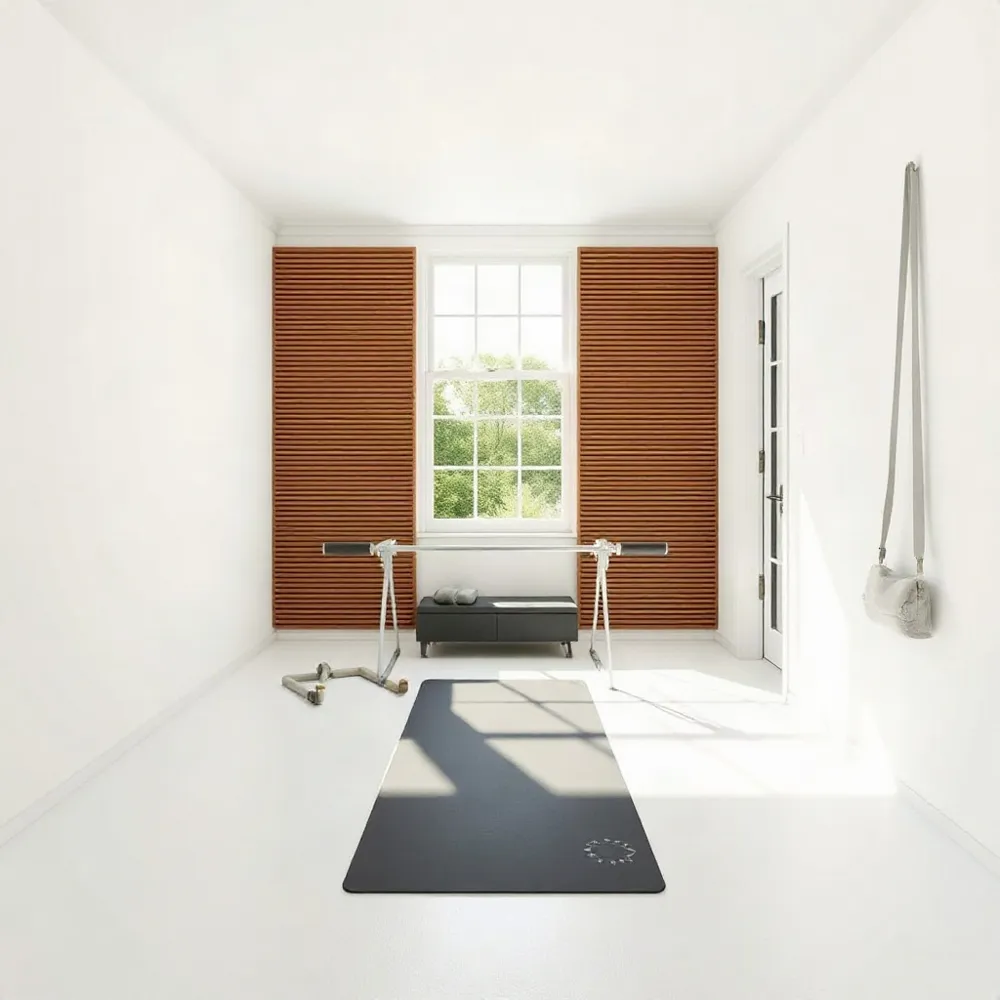
Body contouring has revolutionized the way we think about self-care and aesthetic transformations. It’s more than just a cosmetic procedure—it’s a path to enhanced confidence and self-expression.
Why Strength Training Matters and How to Start at Home
Strength training, also called resistance training, is any activity that makes your muscles work harder than usual. It can be done with just your body weight, resistance bands, or household items like water bottles and food cans. The NHS recommends performing strength-based exercises at least twice a week, with at least one full day of recovery between sessions, alongside 150 minutes of moderate aerobic activity such as brisk walking.
Regular strength training helps lower the risk of heart and circulatory diseases, slows bone and muscle loss as you age, improves balance to reduce fall risk, and boosts mental wellbeing. It can also help reduce anxiety and depression. The Mayo Clinic notes that strength training, combined with regular aerobic exercise, can build strength, improve muscle tone, and boost self-esteem.
You do not need a gym or any equipment to start. Bodyweight exercises are sufficient for beginners and can be done in a small space at home. According to the British Heart Foundation, you can use your own body weight or simple household items as weights. Always start slowly and build up gradually. Breathe out during the effort, keep movements slow and controlled, and rest between exercises as needed. If you have health concerns, check with a doctor before beginning.
Home Bodyweight Strength Training
- Squats, push-ups, lunges, planks, glute bridges, calf raises, mountain climbers, chair dips, superman, and burpees are the ten foundational bodyweight exercises described.
- The NHS recommends strength exercises at least twice a week for all major muscle groups.
- Progressive overload at home means increasing reps, advancing to harder variations (e.g., single-leg squats, one-arm push-ups), or reducing rest time.
- The 3-3-3 rule for beginners is three workouts per week, each with three different compound exercises, performed for three sets.
- A balanced routine should include a warm-up, 3 rounds of 45-second work/15-second rest for compound moves (squats, push-ups, lunges, planks, mountain climbers), and a cool-down stretch for a 30-minute no-equipment session.
- Women can use the same bodyweight exercises (squats, lunges, push-ups, planks, glute bridges) as anyone, adding unilateral moves and higher reps for muscle tone.
- Burpees combine a squat, plank, and optional push-up to build both strength and cardiovascular endurance; beginners step feet back instead of jumping.
- The plank is an isometric core exercise; beginners start with a 15–20 second hold or knee plank and work up to a 60-second max hold for 2–3 sets.
- Strength training accounts for about 10–20% of weight loss success, with diet covering the remainder.
- Seniors should use safe exercises like chair squats, wall push-ups, seated leg lifts, glute bridges, and standing calf raises, and consult a doctor before starting.
1. Squats: The Foundation of Lower-Body Strength

The squat is a fundamental movement pattern that targets the quadriceps, hamstrings, glutes, and core. To perform a bodyweight squat, stand with feet shoulder-width apart, then lower your hips as if sitting in a chair. Keep your chest up and knees tracking over your toes.
Beginners can start with a half squat or use a sturdy chair for touch-and-go support. For example, the NHS includes the sit-to-stand exercise as a gentle starting point for strength training. As you build strength, increase the challenge by holding the bottom position, adding a knee lift at the top, or progressing to a single-leg squat. Aim for 2-3 sets of 10-15 repetitions with proper form before advancing.
2. Push-Ups: Strengthen Chest, Shoulders, and Triceps

The push-up is a classic compound exercise that works the chest, shoulders, triceps, and core. Starting in a high plank position with palms under your shoulders, lower your chest toward the floor while keeping your body in a straight line and your elbows at a 45-degree angle, then push back up to the start.
If a standard push-up is too challenging, several easier variations can help you build strength. A wall push-up, performed by leaning into a wall from one arm's length away, reduces the load significantly. Knee push-ups and incline push-ups (using a table or kitchen worktop) are also excellent starting points, as described by the NHS.
As you get stronger, progress to more demanding versions. A decline push-up (feet elevated on a step or chair) shifts more weight to the upper chest and shoulders. A one-leg push-up adds instability, and a hand-release push-up increases time under tension by lifting your hands off the floor at the bottom — a technique recommended for building upper back engagement by the University of Texas.
3. Lunges: Build Legs and Glutes While Improving Balance

The standing lunge is a compound movement that targets the quadriceps, hamstrings, glutes, calves, and core. To perform it, step forward with one leg and lower your hips until both knees are bent at roughly 90 degrees. The front knee should align over the ankle, and the back knee should hover just above the floor without touching it. Push through the front heel to return to the starting position, then repeat on the other leg.
Lunges are adaptable to any fitness level. Beginners can start with a supported lunge, holding the back of a sturdy chair for balance, using a smaller step to reduce the range of motion. More experienced exercisers can progress to advanced variations: the reverse lunge steps backward instead of forward, the side lunge targets the inner thighs and glutes, and the walking lunge combines continuous forward stepping for added endurance. For an explosive challenge, the jumping lunge(a plyometric move) builds power, while the curtsy lunge places one foot behind and across the body to emphasize the gluteus medius.
Consistency is more important than intensity when starting out. Aim for 8 to 15 repetitions per leg, breathing out during the effort and moving in a slow, controlled manner. The NHS recommends strength exercises at least twice a week, with a full day of recovery between sessions. For those with prior injuries or health concerns, it is wise to speak with a healthcare professional before adding lunges to a routine.
4. Plank: Core Stability from Head to Heels
The plank is a foundational isometric exercise that builds core endurance by holding the body in a straight line. It primarily targets the abdominals, back, shoulders, and glutes without any joint movement. Holding a proper plank also strengthens the deep stabilizer muscles that support the spine.
Two Versions: Forearm and High Plank
You can perform a plank with your weight on your forearms (knife-edge forearms, elbows under shoulders) or on your hands (high plank, wrists under shoulders). In both cases, the body must form a straight line from head to heels. Squeeze your glutes and pull your navel toward your spine to prevent the lower back from sagging, a common form error that undermines the exercise.
Getting Started and Building Up
Beginners can start with a 15- to 20-second hold or perform a knee plank (body weight supported on knees instead of toes). A good target is to hold for 30 seconds; many sources recommend working up to a 60-second maximum hold for 2–3 sets. As you build strength, you can add progressive variations such as the side plank or plank with leg lift to challenge the obliques and extra stabilizers.
Since the plank works the entire core without putting compressive load on the lower back, it is a safe, no-equipment exercise suitable for almost any fitness level. Include it in your weekly rotation alongside the other moves in this guide.
5. Glute Bridges: Activate and Strengthen the Posterior Chain
The glute bridge is a foundational movement that targets the glutes, hamstrings, and lower back while engaging the core. It is an excellent exercise for people who sit for extended periods, as it helps counteract tight hip flexors and weak glutes. To perform the basic version, lie on your back with knees bent and feet flat on the floor. Push through your heels to lift your hips toward the ceiling, squeezing your glutes at the top, then lower slowly. Beginners can start with a small lift and progress toward forming a straight line from shoulders to knees.
Once the basic bridge feels comfortable, try a single-leg glute bridge by extending one leg straight while lifting the hips, or add a march by alternating knee lifts at the top of the bridge. These variations increase time under tension and challenge balance. The bridge can be performed on a firm bed or a mat. As with any strength movement, breathe out during the lift and keep motions controlled. For those with lower back concerns, consult a professional before progressing.
6. Calf Raises: Strengthen Lower Legs and Improve Balance
The standing calf raise targets the gastrocnemius and soleus muscles, the two main muscles that make up the calves. Stand with feet hip-width apart, slowly lift both heels off the floor, pause briefly, then lower them back down under control.
This exercise also improves ankle stability and promotes circulation in the lower legs, which supports balance and everyday activities like walking and climbing stairs. The NHS recommends calf raises as a safe, beginner-friendly movement that can be done with a chair for support.
Beginners can rest one hand on a sturdy chair or wall for balance. To build strength further, progress to a single-leg raise on each side without support. A gentler seated version provides the same muscle engagement with less weight-bearing demand.
7. Mountain Climbers: Dynamic Full‑Body Cardio and Strength
Mountain climbers combine a plank hold with a running motion, driving the knees alternately toward the chest from a high-plank starting position. This dynamic movement works the shoulders, arms, chest, core, hip flexors, and legs while quickly elevating the heart rate.
Because they engage multiple muscle groups simultaneously, mountain climbers build both muscular endurance and cardiovascular fitness. The Mayo Clinic recommends including exercises that work the whole body as part of a balanced strength-training routine performed at least twice a week.
Getting Started and Progressing
Beginners should start at a slow, controlled pace, focusing on keeping the core tight and the back flat throughout the movement. For a lower-impact option, step one foot back at a time instead of hopping. As you build endurance, increase the speed and aim for continuous intervals of 30 to 60 seconds per set. The NHS advises starting with fewer repetitions and building up gradually.
8. Chair Dips: Build Triceps and Upper Body Power
Chair dips are a bodyweight exercise that targets the triceps, shoulders, and chest. They require only a sturdy chair and a small amount of space.
To perform a chair dip, sit on the edge of a stable chair with your hands gripping the front edge on either side of your hips. Slide your bottom off the chair and walk your feet forward a few inches. Keeping your back close to the chair, bend your elbows to lower your body until your elbows reach roughly a 90-degree angle, then push back up to the starting position.
Beginners should keep their feet closer to the chair and use a shallower dip. As you get stronger, you can increase depth or straighten your legs for more resistance. For safety and stability, place the chair against a wall so it does not slide during the movement.
9. Superman: Strengthen the Lower Back and Posterior Chain
The superman exercise targets the entire posterior chain—lower back, glutes, hamstrings, and shoulders—making it a valuable addition to any home strength routine. A strong posterior chain improves posture, supports the spine, and can help reduce back pain.
To perform the superman, lie face down on a mat with your arms and legs fully extended. In one controlled motion, lift your arms, chest, and legs a few inches off the floor. Hold the top position for 1 to 2 seconds, squeezing your lower back and glutes, then lower slowly back to the start. Aim for 8 to 15 repetitions, per the NHS guidelines.
Beginners can start by lifting only the arms or only the legs to build strength and coordination before attempting the full movement. For an added challenge, hold the lifted position for several seconds or pulse the arms and legs without fully lowering.
10. Burpees: Full‑Body Strength and Cardio in One Move
The burpee combines a squat, plank, and optional push-up into a single explosive movement that works the chest, shoulders, arms, core, legs, and glutes. It also raises the heart rate quickly, making it an efficient tool for building both muscular strength and cardiovascular endurance.
To perform a standard burpee, begin standing with feet shoulder-width apart. Lower into a squat and place both hands on the floor. Jump or step both feet back into a plank position, keeping your body in a straight line. Optionally, lower your chest to the floor for a push-up. Jump or step your feet forward to return to the squat, then stand up. That is one repetition.
Beginner: Step each foot back individually instead of jumping, and omit the push-up. Focus on smooth, controlled transitions. Advanced. Add an explosive jump at the end of each rep, lifting both feet off the floor as you stand. You can also include the push-up or add a jump squat.
In a well‑rounded at‑home strength routine, burpees serve as a dynamic compound movement that bridges strength and cardio. For patients recovering from procedures or new to fitness, starting with the beginner variation and gradually increasing speed is a practical path forward.
Frequently Asked Questions About Home Strength Training
Many people wonder if bodyweight training alone can build real strength. The answer is yes. The NHS recommends strength exercises at least twice a week, and bodyweight movements such as squats, push-ups, and lunges are effective when you apply progressive overload. That means increasing repetitions, advancing to harder variations (for example, one-arm push-ups or pistol squats), or reducing rest time between sets.
For most adults, 20 to 30 minutes of strength training per day, performed 3 to 5 times per week, is optimal for general health and fitness. Even shorter sessions of 10 to 20 minutes can produce results when you focus on multi-joint compound exercises like squats, push-ups, and lunges. Consistency and intensity matter more than duration.
Can a 20-minute daily strength workout be sufficient? Yes, when done with enough effort. The Mayo Clinic notes that body-weight exercises allow strength training at home without equipment, and combining compound movements that recruit multiple muscle groups is a time-efficient strategy.
Women can achieve effective strength training at home using the same bodyweight exercises recommended for anyone: squats, lunges, push-ups, planks, and glute bridges. Adding unilateral moves (such as single-leg squats) and aiming for higher repetitions can enhance muscle tone. The Department of Health and Human Services advises strength training for all major muscle groups at least twice per week.
A beginner bodyweight plan typically involves 2 to 3 non-consecutive days per week of circuit training. A sample circuit: 20 bodyweight squats, 10 push-ups, 10 walking lunges per leg, a 15-second plank, and 30 jumping jacks, repeated 2 to 3 times. Focus on proper form and controlled movements, resting one minute between circuits.
Structuring Your Home Strength Routine for Success
Building a consistent home strength routine is more important than having the perfect exercise list. A well-structured plan helps you stay on track, see progress, and avoid injury.
What Is the 3-3-3 Rule for Strength Training?
The 3-3-3 rule is a simple framework for beginners: three workouts per week, each consisting of three different strength exercises, performed for three sets. The focus is on compound movements like squats, presses, and pulls. This structure provides enough stimulus for progress without overwhelming you, and the sessions are short enough to fit into a busy week.
A 30-Minute No-Equipment Workout
A 30-minute strength session with no equipment is easy to put together. Start with a 5-minute warm-up of jumping jacks and leg swings. Then complete 3 rounds of 45 seconds of work followed by 15 seconds of rest for each of these exercises: squats, push-ups, lunges, planks, and mountain climbers. Rest 1 to 2 minutes between rounds. Finish with 5 minutes of gentle stretching. The NHS recommends performing strength exercises at least twice a week for all major muscle groups.
Losing Weight with Strength Training at Home
Strength training supports weight loss by building lean muscle, which boosts your resting metabolism. To maximize calorie burn, combine compound exercises like burpees, mountain climbers, squats, and push-ups in a circuit with minimal rest. Aim for 30 to 45 minute sessions, 2 to 3 times per week, and pair your workouts with a balanced diet. Training alone accounts for about 10 to 20 percent of weight loss success, while eating habits cover the rest.
Strength Exercises for Seniors
Safe and effective strength exercises for seniors include chair squats, wall push-ups, seated leg lifts, glute bridges, standing calf raises, and resistance band rows. These movements improve balance, bone density, and overall strength with a low risk of injury. The Mayo Clinic advises working all major muscle groups at least twice a week, but anyone with health concerns should talk to a doctor before starting.
Start Your Home Strength Journey Today
No special equipment is needed to target all major muscle groups. Exercises like squats, lunges, push-ups, planks, and glute bridges work the legs, core, chest, back, and arms using only body weight. The NHS recommends doing strength-based exercises at least twice a week alongside moderate aerobic activity.
Progressive overload is the mechanism behind continued gains. To keep challenging your muscles, add more repetitions, try harder variations (such as single-leg squats or one-arm push-ups), or slow down the movement to increase time under tension. A consistent approach matters more than an intense one.
Always begin with a 5-minute warm-up—marching in place, arm circles, and light squats raise your heart rate and prepare your joints. After your workout, cool down with gentle stretches held for 15–30 seconds per muscle group. These practices reduce injury risk and aid recovery, which is an important part of any fitness routine.
Pair your training with balanced nutrition and adequate sleep. For weight loss, a calorie deficit matters more than exercise alone. Allow major muscle groups at least 48 hours of rest between sessions to repair and grow stronger.
Why Strength Training Matters and How to Start at Home
Strength training, also called resistance training, is any activity that makes your muscles work harder than usual. It can be done with just your body weight, resistance bands, or household items like water bottles and food cans. The NHS recommends performing strength-based exercises at least twice a week, with at least one full day of recovery between sessions, alongside 150 minutes of moderate aerobic activity such as brisk walking.
Regular strength training helps lower the risk of heart and circulatory diseases, slows bone and muscle loss as you age, improves balance to reduce fall risk, and boosts mental wellbeing. It can also help reduce anxiety and depression. The Mayo Clinic notes that strength training, combined with regular aerobic exercise, can build strength, improve muscle tone, and boost self-esteem.
You do not need a gym or any equipment to start. Bodyweight exercises are sufficient for beginners and can be done in a small space at home. According to the British Heart Foundation, you can use your own body weight or simple household items as weights. Always start slowly and build up gradually. Breathe out during the effort, keep movements slow and controlled, and rest between exercises as needed. If you have health concerns, check with a doctor before beginning.
Home Bodyweight Strength Training
- Squats, push-ups, lunges, planks, glute bridges, calf raises, mountain climbers, chair dips, superman, and burpees are the ten foundational bodyweight exercises described.
- The NHS recommends strength exercises at least twice a week for all major muscle groups.
- Progressive overload at home means increasing reps, advancing to harder variations (e.g., single-leg squats, one-arm push-ups), or reducing rest time.
- The 3-3-3 rule for beginners is three workouts per week, each with three different compound exercises, performed for three sets.
- A balanced routine should include a warm-up, 3 rounds of 45-second work/15-second rest for compound moves (squats, push-ups, lunges, planks, mountain climbers), and a cool-down stretch for a 30-minute no-equipment session.
- Women can use the same bodyweight exercises (squats, lunges, push-ups, planks, glute bridges) as anyone, adding unilateral moves and higher reps for muscle tone.
- Burpees combine a squat, plank, and optional push-up to build both strength and cardiovascular endurance; beginners step feet back instead of jumping.
- The plank is an isometric core exercise; beginners start with a 15–20 second hold or knee plank and work up to a 60-second max hold for 2–3 sets.
- Strength training accounts for about 10–20% of weight loss success, with diet covering the remainder.
- Seniors should use safe exercises like chair squats, wall push-ups, seated leg lifts, glute bridges, and standing calf raises, and consult a doctor before starting.
1. Squats: The Foundation of Lower-Body Strength
The squat is a fundamental movement pattern that targets the quadriceps, hamstrings, glutes, and core. To perform a bodyweight squat, stand with feet shoulder-width apart, then lower your hips as if sitting in a chair. Keep your chest up and knees tracking over your toes.
Beginners can start with a half squat or use a sturdy chair for touch-and-go support. For example, the NHS includes the sit-to-stand exercise as a gentle starting point for strength training. As you build strength, increase the challenge by holding the bottom position, adding a knee lift at the top, or progressing to a single-leg squat. Aim for 2-3 sets of 10-15 repetitions with proper form before advancing.
2. Push-Ups: Strengthen Chest, Shoulders, and Triceps
The push-up is a classic compound exercise that works the chest, shoulders, triceps, and core. Starting in a high plank position with palms under your shoulders, lower your chest toward the floor while keeping your body in a straight line and your elbows at a 45-degree angle, then push back up to the start.
If a standard push-up is too challenging, several easier variations can help you build strength. A wall push-up, performed by leaning into a wall from one arm's length away, reduces the load significantly. Knee push-ups and incline push-ups (using a table or kitchen worktop) are also excellent starting points, as described by the NHS.
As you get stronger, progress to more demanding versions. A decline push-up (feet elevated on a step or chair) shifts more weight to the upper chest and shoulders. A one-leg push-up adds instability, and a hand-release push-up increases time under tension by lifting your hands off the floor at the bottom — a technique recommended for building upper back engagement by the University of Texas.
3. Lunges: Build Legs and Glutes While Improving Balance
The standing lunge is a compound movement that targets the quadriceps, hamstrings, glutes, calves, and core. To perform it, step forward with one leg and lower your hips until both knees are bent at roughly 90 degrees. The front knee should align over the ankle, and the back knee should hover just above the floor without touching it. Push through the front heel to return to the starting position, then repeat on the other leg.
Lunges are adaptable to any fitness level. Beginners can start with a supported lunge, holding the back of a sturdy chair for balance, using a smaller step to reduce the range of motion. More experienced exercisers can progress to advanced variations: the reverse lunge steps backward instead of forward, the side lunge targets the inner thighs and glutes, and the walking lunge combines continuous forward stepping for added endurance. For an explosive challenge, the jumping lunge(a plyometric move) builds power, while the curtsy lunge places one foot behind and across the body to emphasize the gluteus medius.
Consistency is more important than intensity when starting out. Aim for 8 to 15 repetitions per leg, breathing out during the effort and moving in a slow, controlled manner. The NHS recommends strength exercises at least twice a week, with a full day of recovery between sessions. For those with prior injuries or health concerns, it is wise to speak with a healthcare professional before adding lunges to a routine.
4. Plank: Core Stability from Head to Heels
The plank is a foundational isometric exercise that builds core endurance by holding the body in a straight line. It primarily targets the abdominals, back, shoulders, and glutes without any joint movement. Holding a proper plank also strengthens the deep stabilizer muscles that support the spine.
Two Versions: Forearm and High Plank
You can perform a plank with your weight on your forearms (knife-edge forearms, elbows under shoulders) or on your hands (high plank, wrists under shoulders). In both cases, the body must form a straight line from head to heels. Squeeze your glutes and pull your navel toward your spine to prevent the lower back from sagging, a common form error that undermines the exercise.
Getting Started and Building Up
Beginners can start with a 15- to 20-second hold or perform a knee plank (body weight supported on knees instead of toes). A good target is to hold for 30 seconds; many sources recommend working up to a 60-second maximum hold for 2–3 sets. As you build strength, you can add progressive variations such as the side plank or plank with leg lift to challenge the obliques and extra stabilizers.
Since the plank works the entire core without putting compressive load on the lower back, it is a safe, no-equipment exercise suitable for almost any fitness level. Include it in your weekly rotation alongside the other moves in this guide.
5. Glute Bridges: Activate and Strengthen the Posterior Chain
The glute bridge is a foundational movement that targets the glutes, hamstrings, and lower back while engaging the core. It is an excellent exercise for people who sit for extended periods, as it helps counteract tight hip flexors and weak glutes. To perform the basic version, lie on your back with knees bent and feet flat on the floor. Push through your heels to lift your hips toward the ceiling, squeezing your glutes at the top, then lower slowly. Beginners can start with a small lift and progress toward forming a straight line from shoulders to knees.
Once the basic bridge feels comfortable, try a single-leg glute bridge by extending one leg straight while lifting the hips, or add a march by alternating knee lifts at the top of the bridge. These variations increase time under tension and challenge balance. The bridge can be performed on a firm bed or a mat. As with any strength movement, breathe out during the lift and keep motions controlled. For those with lower back concerns, consult a professional before progressing.
6. Calf Raises: Strengthen Lower Legs and Improve Balance
The standing calf raise targets the gastrocnemius and soleus muscles, the two main muscles that make up the calves. Stand with feet hip-width apart, slowly lift both heels off the floor, pause briefly, then lower them back down under control.
This exercise also improves ankle stability and promotes circulation in the lower legs, which supports balance and everyday activities like walking and climbing stairs. The NHS recommends calf raises as a safe, beginner-friendly movement that can be done with a chair for support.
Beginners can rest one hand on a sturdy chair or wall for balance. To build strength further, progress to a single-leg raise on each side without support. A gentler seated version provides the same muscle engagement with less weight-bearing demand.
7. Mountain Climbers: Dynamic Full‑Body Cardio and Strength
Mountain climbers combine a plank hold with a running motion, driving the knees alternately toward the chest from a high-plank starting position. This dynamic movement works the shoulders, arms, chest, core, hip flexors, and legs while quickly elevating the heart rate.
Because they engage multiple muscle groups simultaneously, mountain climbers build both muscular endurance and cardiovascular fitness. The Mayo Clinic recommends including exercises that work the whole body as part of a balanced strength-training routine performed at least twice a week.
Getting Started and Progressing
Beginners should start at a slow, controlled pace, focusing on keeping the core tight and the back flat throughout the movement. For a lower-impact option, step one foot back at a time instead of hopping. As you build endurance, increase the speed and aim for continuous intervals of 30 to 60 seconds per set. The NHS advises starting with fewer repetitions and building up gradually.
8. Chair Dips: Build Triceps and Upper Body Power
Chair dips are a bodyweight exercise that targets the triceps, shoulders, and chest. They require only a sturdy chair and a small amount of space.
To perform a chair dip, sit on the edge of a stable chair with your hands gripping the front edge on either side of your hips. Slide your bottom off the chair and walk your feet forward a few inches. Keeping your back close to the chair, bend your elbows to lower your body until your elbows reach roughly a 90-degree angle, then push back up to the starting position.
Beginners should keep their feet closer to the chair and use a shallower dip. As you get stronger, you can increase depth or straighten your legs for more resistance. For safety and stability, place the chair against a wall so it does not slide during the movement.
9. Superman: Strengthen the Lower Back and Posterior Chain
The superman exercise targets the entire posterior chain—lower back, glutes, hamstrings, and shoulders—making it a valuable addition to any home strength routine. A strong posterior chain improves posture, supports the spine, and can help reduce back pain.
To perform the superman, lie face down on a mat with your arms and legs fully extended. In one controlled motion, lift your arms, chest, and legs a few inches off the floor. Hold the top position for 1 to 2 seconds, squeezing your lower back and glutes, then lower slowly back to the start. Aim for 8 to 15 repetitions, per the NHS guidelines.
Beginners can start by lifting only the arms or only the legs to build strength and coordination before attempting the full movement. For an added challenge, hold the lifted position for several seconds or pulse the arms and legs without fully lowering.
10. Burpees: Full‑Body Strength and Cardio in One Move
The burpee combines a squat, plank, and optional push-up into a single explosive movement that works the chest, shoulders, arms, core, legs, and glutes. It also raises the heart rate quickly, making it an efficient tool for building both muscular strength and cardiovascular endurance.
To perform a standard burpee, begin standing with feet shoulder-width apart. Lower into a squat and place both hands on the floor. Jump or step both feet back into a plank position, keeping your body in a straight line. Optionally, lower your chest to the floor for a push-up. Jump or step your feet forward to return to the squat, then stand up. That is one repetition.
Beginner: Step each foot back individually instead of jumping, and omit the push-up. Focus on smooth, controlled transitions. Advanced. Add an explosive jump at the end of each rep, lifting both feet off the floor as you stand. You can also include the push-up or add a jump squat.
In a well‑rounded at‑home strength routine, burpees serve as a dynamic compound movement that bridges strength and cardio. For patients recovering from procedures or new to fitness, starting with the beginner variation and gradually increasing speed is a practical path forward.
Frequently Asked Questions About Home Strength Training
Many people wonder if bodyweight training alone can build real strength. The answer is yes. The NHS recommends strength exercises at least twice a week, and bodyweight movements such as squats, push-ups, and lunges are effective when you apply progressive overload. That means increasing repetitions, advancing to harder variations (for example, one-arm push-ups or pistol squats), or reducing rest time between sets.
For most adults, 20 to 30 minutes of strength training per day, performed 3 to 5 times per week, is optimal for general health and fitness. Even shorter sessions of 10 to 20 minutes can produce results when you focus on multi-joint compound exercises like squats, push-ups, and lunges. Consistency and intensity matter more than duration.
Can a 20-minute daily strength workout be sufficient? Yes, when done with enough effort. The Mayo Clinic notes that body-weight exercises allow strength training at home without equipment, and combining compound movements that recruit multiple muscle groups is a time-efficient strategy.
Women can achieve effective strength training at home using the same bodyweight exercises recommended for anyone: squats, lunges, push-ups, planks, and glute bridges. Adding unilateral moves (such as single-leg squats) and aiming for higher repetitions can enhance muscle tone. The Department of Health and Human Services advises strength training for all major muscle groups at least twice per week.
A beginner bodyweight plan typically involves 2 to 3 non-consecutive days per week of circuit training. A sample circuit: 20 bodyweight squats, 10 push-ups, 10 walking lunges per leg, a 15-second plank, and 30 jumping jacks, repeated 2 to 3 times. Focus on proper form and controlled movements, resting one minute between circuits.
Structuring Your Home Strength Routine for Success
Building a consistent home strength routine is more important than having the perfect exercise list. A well-structured plan helps you stay on track, see progress, and avoid injury.
What Is the 3-3-3 Rule for Strength Training?
The 3-3-3 rule is a simple framework for beginners: three workouts per week, each consisting of three different strength exercises, performed for three sets. The focus is on compound movements like squats, presses, and pulls. This structure provides enough stimulus for progress without overwhelming you, and the sessions are short enough to fit into a busy week.
A 30-Minute No-Equipment Workout
A 30-minute strength session with no equipment is easy to put together. Start with a 5-minute warm-up of jumping jacks and leg swings. Then complete 3 rounds of 45 seconds of work followed by 15 seconds of rest for each of these exercises: squats, push-ups, lunges, planks, and mountain climbers. Rest 1 to 2 minutes between rounds. Finish with 5 minutes of gentle stretching. The NHS recommends performing strength exercises at least twice a week for all major muscle groups.
Losing Weight with Strength Training at Home
Strength training supports weight loss by building lean muscle, which boosts your resting metabolism. To maximize calorie burn, combine compound exercises like burpees, mountain climbers, squats, and push-ups in a circuit with minimal rest. Aim for 30 to 45 minute sessions, 2 to 3 times per week, and pair your workouts with a balanced diet. Training alone accounts for about 10 to 20 percent of weight loss success, while eating habits cover the rest.
Strength Exercises for Seniors
Safe and effective strength exercises for seniors include chair squats, wall push-ups, seated leg lifts, glute bridges, standing calf raises, and resistance band rows. These movements improve balance, bone density, and overall strength with a low risk of injury. The Mayo Clinic advises working all major muscle groups at least twice a week, but anyone with health concerns should talk to a doctor before starting.
Start Your Home Strength Journey Today
No special equipment is needed to target all major muscle groups. Exercises like squats, lunges, push-ups, planks, and glute bridges work the legs, core, chest, back, and arms using only body weight. The NHS recommends doing strength-based exercises at least twice a week alongside moderate aerobic activity.
Progressive overload is the mechanism behind continued gains. To keep challenging your muscles, add more repetitions, try harder variations (such as single-leg squats or one-arm push-ups), or slow down the movement to increase time under tension. A consistent approach matters more than an intense one.
Always begin with a 5-minute warm-up—marching in place, arm circles, and light squats raise your heart rate and prepare your joints. After your workout, cool down with gentle stretches held for 15–30 seconds per muscle group. These practices reduce injury risk and aid recovery, which is an important part of any fitness routine.
Pair your training with balanced nutrition and adequate sleep. For weight loss, a calorie deficit matters more than exercise alone. Allow major muscle groups at least 48 hours of rest between sessions to repair and grow stronger.
Heading
Why Strength Training Matters and How to Start at Home
Strength training, also called resistance training, is any activity that makes your muscles work harder than usual. It can be done with just your body weight, resistance bands, or household items like water bottles and food cans. The NHS recommends performing strength-based exercises at least twice a week, with at least one full day of recovery between sessions, alongside 150 minutes of moderate aerobic activity such as brisk walking.
Regular strength training helps lower the risk of heart and circulatory diseases, slows bone and muscle loss as you age, improves balance to reduce fall risk, and boosts mental wellbeing. It can also help reduce anxiety and depression. The Mayo Clinic notes that strength training, combined with regular aerobic exercise, can build strength, improve muscle tone, and boost self-esteem.
You do not need a gym or any equipment to start. Bodyweight exercises are sufficient for beginners and can be done in a small space at home. According to the British Heart Foundation, you can use your own body weight or simple household items as weights. Always start slowly and build up gradually. Breathe out during the effort, keep movements slow and controlled, and rest between exercises as needed. If you have health concerns, check with a doctor before beginning.
Home Bodyweight Strength Training
- Squats, push-ups, lunges, planks, glute bridges, calf raises, mountain climbers, chair dips, superman, and burpees are the ten foundational bodyweight exercises described.
- The NHS recommends strength exercises at least twice a week for all major muscle groups.
- Progressive overload at home means increasing reps, advancing to harder variations (e.g., single-leg squats, one-arm push-ups), or reducing rest time.
- The 3-3-3 rule for beginners is three workouts per week, each with three different compound exercises, performed for three sets.
- A balanced routine should include a warm-up, 3 rounds of 45-second work/15-second rest for compound moves (squats, push-ups, lunges, planks, mountain climbers), and a cool-down stretch for a 30-minute no-equipment session.
- Women can use the same bodyweight exercises (squats, lunges, push-ups, planks, glute bridges) as anyone, adding unilateral moves and higher reps for muscle tone.
- Burpees combine a squat, plank, and optional push-up to build both strength and cardiovascular endurance; beginners step feet back instead of jumping.
- The plank is an isometric core exercise; beginners start with a 15–20 second hold or knee plank and work up to a 60-second max hold for 2–3 sets.
- Strength training accounts for about 10–20% of weight loss success, with diet covering the remainder.
- Seniors should use safe exercises like chair squats, wall push-ups, seated leg lifts, glute bridges, and standing calf raises, and consult a doctor before starting.
1. Squats: The Foundation of Lower-Body Strength
The squat is a fundamental movement pattern that targets the quadriceps, hamstrings, glutes, and core. To perform a bodyweight squat, stand with feet shoulder-width apart, then lower your hips as if sitting in a chair. Keep your chest up and knees tracking over your toes.
Beginners can start with a half squat or use a sturdy chair for touch-and-go support. For example, the NHS includes the sit-to-stand exercise as a gentle starting point for strength training. As you build strength, increase the challenge by holding the bottom position, adding a knee lift at the top, or progressing to a single-leg squat. Aim for 2-3 sets of 10-15 repetitions with proper form before advancing.
2. Push-Ups: Strengthen Chest, Shoulders, and Triceps
The push-up is a classic compound exercise that works the chest, shoulders, triceps, and core. Starting in a high plank position with palms under your shoulders, lower your chest toward the floor while keeping your body in a straight line and your elbows at a 45-degree angle, then push back up to the start.
If a standard push-up is too challenging, several easier variations can help you build strength. A wall push-up, performed by leaning into a wall from one arm's length away, reduces the load significantly. Knee push-ups and incline push-ups (using a table or kitchen worktop) are also excellent starting points, as described by the NHS.
As you get stronger, progress to more demanding versions. A decline push-up (feet elevated on a step or chair) shifts more weight to the upper chest and shoulders. A one-leg push-up adds instability, and a hand-release push-up increases time under tension by lifting your hands off the floor at the bottom — a technique recommended for building upper back engagement by the University of Texas.
3. Lunges: Build Legs and Glutes While Improving Balance
The standing lunge is a compound movement that targets the quadriceps, hamstrings, glutes, calves, and core. To perform it, step forward with one leg and lower your hips until both knees are bent at roughly 90 degrees. The front knee should align over the ankle, and the back knee should hover just above the floor without touching it. Push through the front heel to return to the starting position, then repeat on the other leg.
Lunges are adaptable to any fitness level. Beginners can start with a supported lunge, holding the back of a sturdy chair for balance, using a smaller step to reduce the range of motion. More experienced exercisers can progress to advanced variations: the reverse lunge steps backward instead of forward, the side lunge targets the inner thighs and glutes, and the walking lunge combines continuous forward stepping for added endurance. For an explosive challenge, the jumping lunge(a plyometric move) builds power, while the curtsy lunge places one foot behind and across the body to emphasize the gluteus medius.
Consistency is more important than intensity when starting out. Aim for 8 to 15 repetitions per leg, breathing out during the effort and moving in a slow, controlled manner. The NHS recommends strength exercises at least twice a week, with a full day of recovery between sessions. For those with prior injuries or health concerns, it is wise to speak with a healthcare professional before adding lunges to a routine.
4. Plank: Core Stability from Head to Heels
The plank is a foundational isometric exercise that builds core endurance by holding the body in a straight line. It primarily targets the abdominals, back, shoulders, and glutes without any joint movement. Holding a proper plank also strengthens the deep stabilizer muscles that support the spine.
Two Versions: Forearm and High Plank
You can perform a plank with your weight on your forearms (knife-edge forearms, elbows under shoulders) or on your hands (high plank, wrists under shoulders). In both cases, the body must form a straight line from head to heels. Squeeze your glutes and pull your navel toward your spine to prevent the lower back from sagging, a common form error that undermines the exercise.
Getting Started and Building Up
Beginners can start with a 15- to 20-second hold or perform a knee plank (body weight supported on knees instead of toes). A good target is to hold for 30 seconds; many sources recommend working up to a 60-second maximum hold for 2–3 sets. As you build strength, you can add progressive variations such as the side plank or plank with leg lift to challenge the obliques and extra stabilizers.
Since the plank works the entire core without putting compressive load on the lower back, it is a safe, no-equipment exercise suitable for almost any fitness level. Include it in your weekly rotation alongside the other moves in this guide.
5. Glute Bridges: Activate and Strengthen the Posterior Chain
The glute bridge is a foundational movement that targets the glutes, hamstrings, and lower back while engaging the core. It is an excellent exercise for people who sit for extended periods, as it helps counteract tight hip flexors and weak glutes. To perform the basic version, lie on your back with knees bent and feet flat on the floor. Push through your heels to lift your hips toward the ceiling, squeezing your glutes at the top, then lower slowly. Beginners can start with a small lift and progress toward forming a straight line from shoulders to knees.
Once the basic bridge feels comfortable, try a single-leg glute bridge by extending one leg straight while lifting the hips, or add a march by alternating knee lifts at the top of the bridge. These variations increase time under tension and challenge balance. The bridge can be performed on a firm bed or a mat. As with any strength movement, breathe out during the lift and keep motions controlled. For those with lower back concerns, consult a professional before progressing.
6. Calf Raises: Strengthen Lower Legs and Improve Balance
The standing calf raise targets the gastrocnemius and soleus muscles, the two main muscles that make up the calves. Stand with feet hip-width apart, slowly lift both heels off the floor, pause briefly, then lower them back down under control.
This exercise also improves ankle stability and promotes circulation in the lower legs, which supports balance and everyday activities like walking and climbing stairs. The NHS recommends calf raises as a safe, beginner-friendly movement that can be done with a chair for support.
Beginners can rest one hand on a sturdy chair or wall for balance. To build strength further, progress to a single-leg raise on each side without support. A gentler seated version provides the same muscle engagement with less weight-bearing demand.
7. Mountain Climbers: Dynamic Full‑Body Cardio and Strength
Mountain climbers combine a plank hold with a running motion, driving the knees alternately toward the chest from a high-plank starting position. This dynamic movement works the shoulders, arms, chest, core, hip flexors, and legs while quickly elevating the heart rate.
Because they engage multiple muscle groups simultaneously, mountain climbers build both muscular endurance and cardiovascular fitness. The Mayo Clinic recommends including exercises that work the whole body as part of a balanced strength-training routine performed at least twice a week.
Getting Started and Progressing
Beginners should start at a slow, controlled pace, focusing on keeping the core tight and the back flat throughout the movement. For a lower-impact option, step one foot back at a time instead of hopping. As you build endurance, increase the speed and aim for continuous intervals of 30 to 60 seconds per set. The NHS advises starting with fewer repetitions and building up gradually.
8. Chair Dips: Build Triceps and Upper Body Power
Chair dips are a bodyweight exercise that targets the triceps, shoulders, and chest. They require only a sturdy chair and a small amount of space.
To perform a chair dip, sit on the edge of a stable chair with your hands gripping the front edge on either side of your hips. Slide your bottom off the chair and walk your feet forward a few inches. Keeping your back close to the chair, bend your elbows to lower your body until your elbows reach roughly a 90-degree angle, then push back up to the starting position.
Beginners should keep their feet closer to the chair and use a shallower dip. As you get stronger, you can increase depth or straighten your legs for more resistance. For safety and stability, place the chair against a wall so it does not slide during the movement.
9. Superman: Strengthen the Lower Back and Posterior Chain
The superman exercise targets the entire posterior chain—lower back, glutes, hamstrings, and shoulders—making it a valuable addition to any home strength routine. A strong posterior chain improves posture, supports the spine, and can help reduce back pain.
To perform the superman, lie face down on a mat with your arms and legs fully extended. In one controlled motion, lift your arms, chest, and legs a few inches off the floor. Hold the top position for 1 to 2 seconds, squeezing your lower back and glutes, then lower slowly back to the start. Aim for 8 to 15 repetitions, per the NHS guidelines.
Beginners can start by lifting only the arms or only the legs to build strength and coordination before attempting the full movement. For an added challenge, hold the lifted position for several seconds or pulse the arms and legs without fully lowering.
10. Burpees: Full‑Body Strength and Cardio in One Move
The burpee combines a squat, plank, and optional push-up into a single explosive movement that works the chest, shoulders, arms, core, legs, and glutes. It also raises the heart rate quickly, making it an efficient tool for building both muscular strength and cardiovascular endurance.
To perform a standard burpee, begin standing with feet shoulder-width apart. Lower into a squat and place both hands on the floor. Jump or step both feet back into a plank position, keeping your body in a straight line. Optionally, lower your chest to the floor for a push-up. Jump or step your feet forward to return to the squat, then stand up. That is one repetition.
Beginner: Step each foot back individually instead of jumping, and omit the push-up. Focus on smooth, controlled transitions. Advanced. Add an explosive jump at the end of each rep, lifting both feet off the floor as you stand. You can also include the push-up or add a jump squat.
In a well‑rounded at‑home strength routine, burpees serve as a dynamic compound movement that bridges strength and cardio. For patients recovering from procedures or new to fitness, starting with the beginner variation and gradually increasing speed is a practical path forward.
Frequently Asked Questions About Home Strength Training
Many people wonder if bodyweight training alone can build real strength. The answer is yes. The NHS recommends strength exercises at least twice a week, and bodyweight movements such as squats, push-ups, and lunges are effective when you apply progressive overload. That means increasing repetitions, advancing to harder variations (for example, one-arm push-ups or pistol squats), or reducing rest time between sets.
For most adults, 20 to 30 minutes of strength training per day, performed 3 to 5 times per week, is optimal for general health and fitness. Even shorter sessions of 10 to 20 minutes can produce results when you focus on multi-joint compound exercises like squats, push-ups, and lunges. Consistency and intensity matter more than duration.
Can a 20-minute daily strength workout be sufficient? Yes, when done with enough effort. The Mayo Clinic notes that body-weight exercises allow strength training at home without equipment, and combining compound movements that recruit multiple muscle groups is a time-efficient strategy.
Women can achieve effective strength training at home using the same bodyweight exercises recommended for anyone: squats, lunges, push-ups, planks, and glute bridges. Adding unilateral moves (such as single-leg squats) and aiming for higher repetitions can enhance muscle tone. The Department of Health and Human Services advises strength training for all major muscle groups at least twice per week.
A beginner bodyweight plan typically involves 2 to 3 non-consecutive days per week of circuit training. A sample circuit: 20 bodyweight squats, 10 push-ups, 10 walking lunges per leg, a 15-second plank, and 30 jumping jacks, repeated 2 to 3 times. Focus on proper form and controlled movements, resting one minute between circuits.
Structuring Your Home Strength Routine for Success
Building a consistent home strength routine is more important than having the perfect exercise list. A well-structured plan helps you stay on track, see progress, and avoid injury.
What Is the 3-3-3 Rule for Strength Training?
The 3-3-3 rule is a simple framework for beginners: three workouts per week, each consisting of three different strength exercises, performed for three sets. The focus is on compound movements like squats, presses, and pulls. This structure provides enough stimulus for progress without overwhelming you, and the sessions are short enough to fit into a busy week.
A 30-Minute No-Equipment Workout
A 30-minute strength session with no equipment is easy to put together. Start with a 5-minute warm-up of jumping jacks and leg swings. Then complete 3 rounds of 45 seconds of work followed by 15 seconds of rest for each of these exercises: squats, push-ups, lunges, planks, and mountain climbers. Rest 1 to 2 minutes between rounds. Finish with 5 minutes of gentle stretching. The NHS recommends performing strength exercises at least twice a week for all major muscle groups.
Losing Weight with Strength Training at Home
Strength training supports weight loss by building lean muscle, which boosts your resting metabolism. To maximize calorie burn, combine compound exercises like burpees, mountain climbers, squats, and push-ups in a circuit with minimal rest. Aim for 30 to 45 minute sessions, 2 to 3 times per week, and pair your workouts with a balanced diet. Training alone accounts for about 10 to 20 percent of weight loss success, while eating habits cover the rest.
Strength Exercises for Seniors
Safe and effective strength exercises for seniors include chair squats, wall push-ups, seated leg lifts, glute bridges, standing calf raises, and resistance band rows. These movements improve balance, bone density, and overall strength with a low risk of injury. The Mayo Clinic advises working all major muscle groups at least twice a week, but anyone with health concerns should talk to a doctor before starting.
Start Your Home Strength Journey Today
No special equipment is needed to target all major muscle groups. Exercises like squats, lunges, push-ups, planks, and glute bridges work the legs, core, chest, back, and arms using only body weight. The NHS recommends doing strength-based exercises at least twice a week alongside moderate aerobic activity.
Progressive overload is the mechanism behind continued gains. To keep challenging your muscles, add more repetitions, try harder variations (such as single-leg squats or one-arm push-ups), or slow down the movement to increase time under tension. A consistent approach matters more than an intense one.
Always begin with a 5-minute warm-up—marching in place, arm circles, and light squats raise your heart rate and prepare your joints. After your workout, cool down with gentle stretches held for 15–30 seconds per muscle group. These practices reduce injury risk and aid recovery, which is an important part of any fitness routine.
Pair your training with balanced nutrition and adequate sleep. For weight loss, a calorie deficit matters more than exercise alone. Allow major muscle groups at least 48 hours of rest between sessions to repair and grow stronger.



Locations


© 2014 - 2025. Thomas W. Loeb | Board Certified Plastic Surgeon