



Recognizing Heat Stroke and Responding Without Delay
News
/
November 6, 2026
What Are the Signs of Heat Stroke, and What Should You Do?
Recognizing Heat Stroke and Responding Without Delay
Body contouring has revolutionized the way we think about self-care and aesthetic transformations. It’s more than just a cosmetic procedure—it’s a path to enhanced confidence and self-expression.
When Overheating Becomes an Emergency
Heat stroke is a life-threatening emergency that occurs when the body can no longer regulate its temperature. The body may overheat during strenuous activity in hot conditions or after prolonged exposure to a hot environment.
Heat stroke can develop without an earlier episode of heat exhaustion, so do not wait for milder symptoms to appear or worsen. If you suspect heat stroke, call 911 or your local emergency number and begin cooling the person while help is on the way, as advised by Mayo Clinic.
Move them out of the heat, remove unnecessary clothing, and use cool water, wet cloths, or fanning. Do not delay emergency care to confirm a diagnosis or wait to see whether the person improves. Guidance from OSHA emphasizes acting promptly because symptoms of heat-related illness can overlap and worsen quickly.
Recognize the Warning Signs

A temperature of 104°F (40°C) or higher is a major warning sign of heat stroke, but do not wait for a thermometer reading before seeking emergency help. Mayo Clinic advises calling 911 when heat stroke is suspected, even as you begin checking for other signs. Mayo Clinic’s heatstroke first-aid guidance describes symptoms that may appear as the body rapidly overheats.
Changes in thinking or behavior can be especially concerning. Watch for confusion, agitation, unusual behavior, slurred speech, fainting, seizures, or unconsciousness. These changes may make it difficult for someone to explain what they are feeling, so stay with them and observe their responsiveness. OSHA’s heat-illness guidance identifies confusion, slurred speech, unconsciousness, and seizures as possible signs of heat stroke.
Other possible signs include hot or flushed skin, a rapid pulse, rapid or shallow breathing, headache, nausea or vomiting, and collapse. Skin may be dry or sweaty: sweating does not rule out heat stroke. Symptoms can develop rapidly, and heat exhaustion signs should not be treated as a definitive checklist for heat stroke. When signs are unclear but heat stroke is possible, act on the concern rather than trying to diagnose the exact condition.
Call Emergency Services Immediately

Call 911 or your local emergency number as soon as heat stroke is suspected. Do not wait for a temperature reading or try to decide whether the symptoms are heat exhaustion first. Heat-related illnesses can overlap and worsen quickly, so OSHA’s first-aid guidance advises prompt emergency care when in doubt.
Delay can allow heat to damage the brain and other organs, and heat stroke can be fatal without prompt treatment. Mayo Clinic’s heatstroke first-aid guidance stresses calling emergency services and beginning care rather than waiting to see whether the person improves.
Stay with the person until help arrives. Watch their breathing and responsiveness, and follow the emergency dispatcher’s instructions. Tell responders what symptoms you noticed and when they began, along with any first aid you have given.
If the person becomes unresponsive and is not breathing normally, tell the dispatcher and begin CPR if you can. Continue monitoring them while help is on the way, since their condition can change quickly.
Start Cooling While Help Is Coming
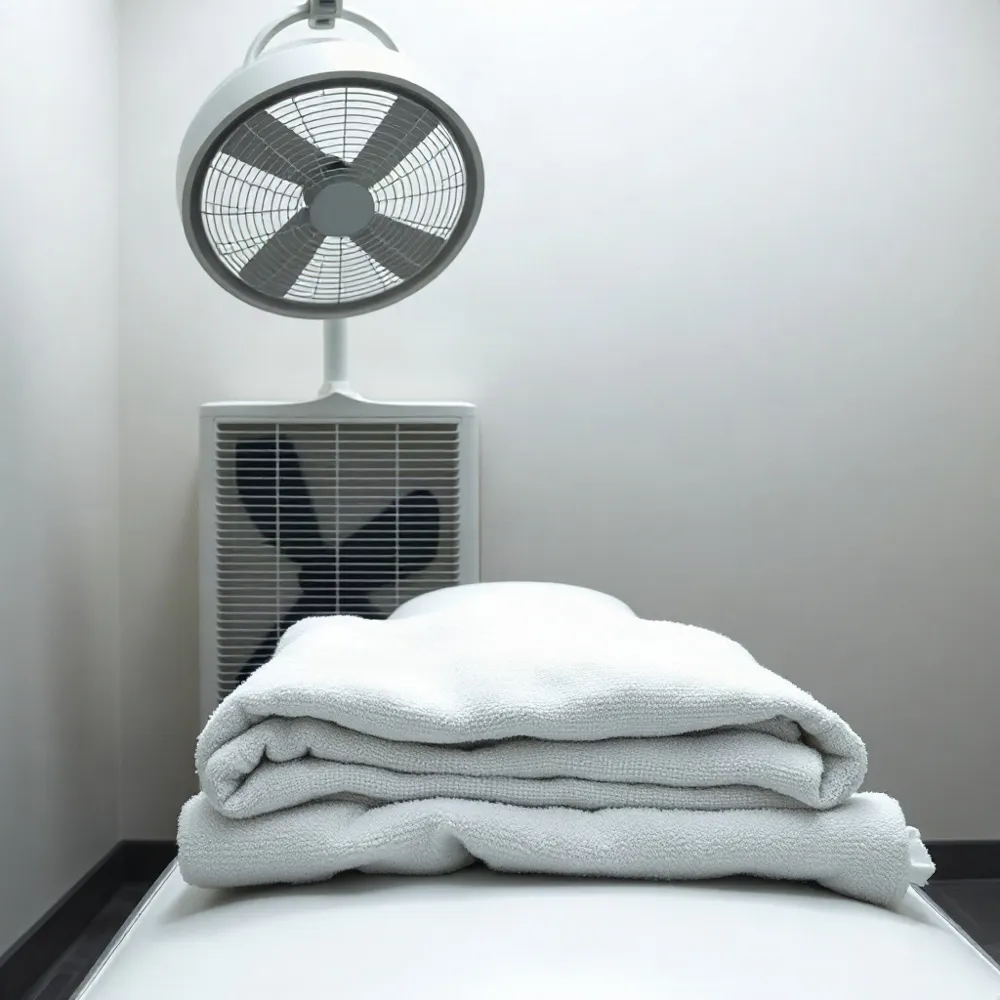
Once emergency services have been called, move the person out of direct heat and into shade or an air-conditioned place. Remove excess clothing to expose more skin and help cooling begin.
Cool the person as quickly as possible. A cool or cold bath is an option when one is readily available. Otherwise, spray or sponge the skin with cool water, cover the person with wet towels or sheets, and fan them. Cold packs or cool, wet cloths placed at the neck, armpits, and groin can help lower body temperature. OSHA's heat-illness first-aid guidance recommends cold-water immersion when available, along with other active cooling methods.
Give cool water or an electrolyte-containing drink only if the person is awake, alert, and able to swallow safely. Do not put anything in the mouth of someone who is confused or unconscious, since they may choke. If you are unsure whether they can swallow, wait for emergency responders.
Keep cooling while help is on the way, and stay with the person to watch for changes in breathing or responsiveness. Improvement after cooling does not rule out heat stroke or remove the need for medical assessment. Mayo Clinic's heatstroke first-aid guidance advises calling emergency services and beginning cooling rather than waiting to see whether symptoms resolve.
Understand Risk and Reduce Exposure
Heat stroke can follow strenuous activity in hot weather, but risk also rises with high humidity, dehydration, and long exposure to heat. Overheated indoor spaces can be dangerous too, especially when ventilation or air conditioning is limited. The American Red Cross heat-exhaustion guidance notes that humidity can hinder sweat evaporation, making it harder for the body to cool.
Older adults, infants and young children, and people with chronic health conditions may be more vulnerable. Certain medications can also affect how the body responds to heat, so people who take regular medication can ask a clinician or pharmacist whether they need extra precautions. Still, heat stroke can affect anyone, including people who are fit and active, particularly during strenuous work or exercise in hot conditions.
Reduce exposure by drinking fluids regularly, taking breaks in shade or air conditioning, and limiting strenuous outdoor activity during the hottest conditions. Loose, lightweight clothing can also help the body release heat. For those whose work or routine requires time outdoors, planning cooler breaks and watching for early signs of heat illness can reduce risk.
Never leave a child, adult, or animal in a parked vehicle or another enclosed, overheated space. A car can become dangerously hot even when the weather outside feels manageable. Check on people who may have difficulty moving to a cooler place, and arrange a cool indoor setting during periods of extreme heat.
Continue First Aid Until Help Arrives
If someone shows possible heat-stroke signs, such as confusion, slurred speech, collapse, or a seizure, call 911. Move them to a cooler place, remove excess clothing, and begin cooling with cold water, wet towels, or fanning while you stay with them. Mayo Clinic’s first-aid guidance stresses that cooling does not replace emergency care.
Heat exhaustion and heat stroke can share symptoms, and a person may not show every warning sign; get help promptly without trying to determine the exact condition. OSHA advises treating suspected heat illness promptly because it can worsen quickly. When uncertain, call emergency services and continue cooling until help arrives.
When Overheating Becomes an Emergency
Heat stroke is a life-threatening emergency that occurs when the body can no longer regulate its temperature. The body may overheat during strenuous activity in hot conditions or after prolonged exposure to a hot environment.
Heat stroke can develop without an earlier episode of heat exhaustion, so do not wait for milder symptoms to appear or worsen. If you suspect heat stroke, call 911 or your local emergency number and begin cooling the person while help is on the way, as advised by Mayo Clinic.
Move them out of the heat, remove unnecessary clothing, and use cool water, wet cloths, or fanning. Do not delay emergency care to confirm a diagnosis or wait to see whether the person improves. Guidance from OSHA emphasizes acting promptly because symptoms of heat-related illness can overlap and worsen quickly.
Recognize the Warning Signs
A temperature of 104°F (40°C) or higher is a major warning sign of heat stroke, but do not wait for a thermometer reading before seeking emergency help. Mayo Clinic advises calling 911 when heat stroke is suspected, even as you begin checking for other signs. Mayo Clinic’s heatstroke first-aid guidance describes symptoms that may appear as the body rapidly overheats.
Changes in thinking or behavior can be especially concerning. Watch for confusion, agitation, unusual behavior, slurred speech, fainting, seizures, or unconsciousness. These changes may make it difficult for someone to explain what they are feeling, so stay with them and observe their responsiveness. OSHA’s heat-illness guidance identifies confusion, slurred speech, unconsciousness, and seizures as possible signs of heat stroke.
Other possible signs include hot or flushed skin, a rapid pulse, rapid or shallow breathing, headache, nausea or vomiting, and collapse. Skin may be dry or sweaty: sweating does not rule out heat stroke. Symptoms can develop rapidly, and heat exhaustion signs should not be treated as a definitive checklist for heat stroke. When signs are unclear but heat stroke is possible, act on the concern rather than trying to diagnose the exact condition.
Call Emergency Services Immediately
Call 911 or your local emergency number as soon as heat stroke is suspected. Do not wait for a temperature reading or try to decide whether the symptoms are heat exhaustion first. Heat-related illnesses can overlap and worsen quickly, so OSHA’s first-aid guidance advises prompt emergency care when in doubt.
Delay can allow heat to damage the brain and other organs, and heat stroke can be fatal without prompt treatment. Mayo Clinic’s heatstroke first-aid guidance stresses calling emergency services and beginning care rather than waiting to see whether the person improves.
Stay with the person until help arrives. Watch their breathing and responsiveness, and follow the emergency dispatcher’s instructions. Tell responders what symptoms you noticed and when they began, along with any first aid you have given.
If the person becomes unresponsive and is not breathing normally, tell the dispatcher and begin CPR if you can. Continue monitoring them while help is on the way, since their condition can change quickly.
Start Cooling While Help Is Coming
Once emergency services have been called, move the person out of direct heat and into shade or an air-conditioned place. Remove excess clothing to expose more skin and help cooling begin.
Cool the person as quickly as possible. A cool or cold bath is an option when one is readily available. Otherwise, spray or sponge the skin with cool water, cover the person with wet towels or sheets, and fan them. Cold packs or cool, wet cloths placed at the neck, armpits, and groin can help lower body temperature. OSHA's heat-illness first-aid guidance recommends cold-water immersion when available, along with other active cooling methods.
Give cool water or an electrolyte-containing drink only if the person is awake, alert, and able to swallow safely. Do not put anything in the mouth of someone who is confused or unconscious, since they may choke. If you are unsure whether they can swallow, wait for emergency responders.
Keep cooling while help is on the way, and stay with the person to watch for changes in breathing or responsiveness. Improvement after cooling does not rule out heat stroke or remove the need for medical assessment. Mayo Clinic's heatstroke first-aid guidance advises calling emergency services and beginning cooling rather than waiting to see whether symptoms resolve.
Understand Risk and Reduce Exposure
Heat stroke can follow strenuous activity in hot weather, but risk also rises with high humidity, dehydration, and long exposure to heat. Overheated indoor spaces can be dangerous too, especially when ventilation or air conditioning is limited. The American Red Cross heat-exhaustion guidance notes that humidity can hinder sweat evaporation, making it harder for the body to cool.
Older adults, infants and young children, and people with chronic health conditions may be more vulnerable. Certain medications can also affect how the body responds to heat, so people who take regular medication can ask a clinician or pharmacist whether they need extra precautions. Still, heat stroke can affect anyone, including people who are fit and active, particularly during strenuous work or exercise in hot conditions.
Reduce exposure by drinking fluids regularly, taking breaks in shade or air conditioning, and limiting strenuous outdoor activity during the hottest conditions. Loose, lightweight clothing can also help the body release heat. For those whose work or routine requires time outdoors, planning cooler breaks and watching for early signs of heat illness can reduce risk.
Never leave a child, adult, or animal in a parked vehicle or another enclosed, overheated space. A car can become dangerously hot even when the weather outside feels manageable. Check on people who may have difficulty moving to a cooler place, and arrange a cool indoor setting during periods of extreme heat.
Continue First Aid Until Help Arrives
If someone shows possible heat-stroke signs, such as confusion, slurred speech, collapse, or a seizure, call 911. Move them to a cooler place, remove excess clothing, and begin cooling with cold water, wet towels, or fanning while you stay with them. Mayo Clinic’s first-aid guidance stresses that cooling does not replace emergency care.
Heat exhaustion and heat stroke can share symptoms, and a person may not show every warning sign; get help promptly without trying to determine the exact condition. OSHA advises treating suspected heat illness promptly because it can worsen quickly. When uncertain, call emergency services and continue cooling until help arrives.
Heading
When Overheating Becomes an Emergency
Heat stroke is a life-threatening emergency that occurs when the body can no longer regulate its temperature. The body may overheat during strenuous activity in hot conditions or after prolonged exposure to a hot environment.
Heat stroke can develop without an earlier episode of heat exhaustion, so do not wait for milder symptoms to appear or worsen. If you suspect heat stroke, call 911 or your local emergency number and begin cooling the person while help is on the way, as advised by Mayo Clinic.
Move them out of the heat, remove unnecessary clothing, and use cool water, wet cloths, or fanning. Do not delay emergency care to confirm a diagnosis or wait to see whether the person improves. Guidance from OSHA emphasizes acting promptly because symptoms of heat-related illness can overlap and worsen quickly.
Recognize the Warning Signs
A temperature of 104°F (40°C) or higher is a major warning sign of heat stroke, but do not wait for a thermometer reading before seeking emergency help. Mayo Clinic advises calling 911 when heat stroke is suspected, even as you begin checking for other signs. Mayo Clinic’s heatstroke first-aid guidance describes symptoms that may appear as the body rapidly overheats.
Changes in thinking or behavior can be especially concerning. Watch for confusion, agitation, unusual behavior, slurred speech, fainting, seizures, or unconsciousness. These changes may make it difficult for someone to explain what they are feeling, so stay with them and observe their responsiveness. OSHA’s heat-illness guidance identifies confusion, slurred speech, unconsciousness, and seizures as possible signs of heat stroke.
Other possible signs include hot or flushed skin, a rapid pulse, rapid or shallow breathing, headache, nausea or vomiting, and collapse. Skin may be dry or sweaty: sweating does not rule out heat stroke. Symptoms can develop rapidly, and heat exhaustion signs should not be treated as a definitive checklist for heat stroke. When signs are unclear but heat stroke is possible, act on the concern rather than trying to diagnose the exact condition.
Call Emergency Services Immediately
Call 911 or your local emergency number as soon as heat stroke is suspected. Do not wait for a temperature reading or try to decide whether the symptoms are heat exhaustion first. Heat-related illnesses can overlap and worsen quickly, so OSHA’s first-aid guidance advises prompt emergency care when in doubt.
Delay can allow heat to damage the brain and other organs, and heat stroke can be fatal without prompt treatment. Mayo Clinic’s heatstroke first-aid guidance stresses calling emergency services and beginning care rather than waiting to see whether the person improves.
Stay with the person until help arrives. Watch their breathing and responsiveness, and follow the emergency dispatcher’s instructions. Tell responders what symptoms you noticed and when they began, along with any first aid you have given.
If the person becomes unresponsive and is not breathing normally, tell the dispatcher and begin CPR if you can. Continue monitoring them while help is on the way, since their condition can change quickly.
Start Cooling While Help Is Coming
Once emergency services have been called, move the person out of direct heat and into shade or an air-conditioned place. Remove excess clothing to expose more skin and help cooling begin.
Cool the person as quickly as possible. A cool or cold bath is an option when one is readily available. Otherwise, spray or sponge the skin with cool water, cover the person with wet towels or sheets, and fan them. Cold packs or cool, wet cloths placed at the neck, armpits, and groin can help lower body temperature. OSHA's heat-illness first-aid guidance recommends cold-water immersion when available, along with other active cooling methods.
Give cool water or an electrolyte-containing drink only if the person is awake, alert, and able to swallow safely. Do not put anything in the mouth of someone who is confused or unconscious, since they may choke. If you are unsure whether they can swallow, wait for emergency responders.
Keep cooling while help is on the way, and stay with the person to watch for changes in breathing or responsiveness. Improvement after cooling does not rule out heat stroke or remove the need for medical assessment. Mayo Clinic's heatstroke first-aid guidance advises calling emergency services and beginning cooling rather than waiting to see whether symptoms resolve.
Understand Risk and Reduce Exposure
Heat stroke can follow strenuous activity in hot weather, but risk also rises with high humidity, dehydration, and long exposure to heat. Overheated indoor spaces can be dangerous too, especially when ventilation or air conditioning is limited. The American Red Cross heat-exhaustion guidance notes that humidity can hinder sweat evaporation, making it harder for the body to cool.
Older adults, infants and young children, and people with chronic health conditions may be more vulnerable. Certain medications can also affect how the body responds to heat, so people who take regular medication can ask a clinician or pharmacist whether they need extra precautions. Still, heat stroke can affect anyone, including people who are fit and active, particularly during strenuous work or exercise in hot conditions.
Reduce exposure by drinking fluids regularly, taking breaks in shade or air conditioning, and limiting strenuous outdoor activity during the hottest conditions. Loose, lightweight clothing can also help the body release heat. For those whose work or routine requires time outdoors, planning cooler breaks and watching for early signs of heat illness can reduce risk.
Never leave a child, adult, or animal in a parked vehicle or another enclosed, overheated space. A car can become dangerously hot even when the weather outside feels manageable. Check on people who may have difficulty moving to a cooler place, and arrange a cool indoor setting during periods of extreme heat.
Continue First Aid Until Help Arrives
If someone shows possible heat-stroke signs, such as confusion, slurred speech, collapse, or a seizure, call 911. Move them to a cooler place, remove excess clothing, and begin cooling with cold water, wet towels, or fanning while you stay with them. Mayo Clinic’s first-aid guidance stresses that cooling does not replace emergency care.
Heat exhaustion and heat stroke can share symptoms, and a person may not show every warning sign; get help promptly without trying to determine the exact condition. OSHA advises treating suspected heat illness promptly because it can worsen quickly. When uncertain, call emergency services and continue cooling until help arrives.





Locations


© 2014 - 2025. Thomas W. Loeb | Board Certified Plastic Surgeon