



.svg)
.svg)


Decoding the Financial Investment Behind Your Facial Rejuvenation Cost
News
/
September 10, 2026
5 Factors That Influence Your Facial Rejuvenation Cost
Decoding the Financial Investment Behind Your Facial Rejuvenation Cost
Body contouring has revolutionized the way we think about self-care and aesthetic transformations. It’s more than just a cosmetic procedure—it’s a path to enhanced confidence and self-expression.
Understanding the Variables That Shape Your Rejuvenation Journey
The final facial rejuvenation cost is rarely a flat rate, as it reflects the unique anatomical needs and aesthetic objectives of each patient. Professional consultations prioritize a tailored surgical plan, ensuring that the procedure aligns with long-term goals rather than providing a one-size-fits-all estimate. Unlike generic market averages, Dr. Thomas W. Loeb emphasizes personalized planning to account for individual factors like skin elasticity, structural aging, and the specific combination of techniques required.
Discrepancies in total pricing often stem from the complexity of the intervention. While some practitioners offer standardized, lower-cost options, Board-certified surgeons with specialized training typically include comprehensive safety protocols, anesthesia oversight, and post-operative monitoring in their fees. Prioritizing safety and surgical precision is essential, as the cost of facial rejuvenation serves as an investment in lasting results and professional care. Evaluating credentials alongside regional market differences ensures patients choose quality environments, such as boutique facilities in Manhattan that provide the focused, individualized attention necessary for optimal outcomes.
Key Factors Influencing Facial Rejuvenation Costs
- Surgeon expertise and board certification are primary factors impacting total procedure fees.
- Geographic location in major metropolitan hubs increases operational costs like rent and labor.
- Deep plane facelifts, ranging from $15,000 to $50,000, require advanced surgical skill.
- Non-surgical treatments like injectables range from $100 to $4,500 per session.
- Bundling multiple procedures in one session can reduce cumulative costs by sharing facility fees.
- Reputable practices do not negotiate prices, as fees reflect safety, equipment, and expertise.
- Surgical interventions provide long-lasting results, whereas non-surgical options require costly, recurring maintenance.
- Most facial rejuvenation is elective and rarely covered by health insurance providers.
- High-quality facilities prioritize patient safety through accredited environments and advanced monitoring.
- A 2023 study identified cost as a primary driver for patients choosing between surgical and non-surgical paths.
1. Surgeon Expertise and Professional Credentials

A primary factor influencing your facial rejuvenation cost is the expertise, training, and reputation of your chosen surgeon. Board-certified professionals who have completed extensive residency training in plastic surgery bring a level of safety and precision that typically reflects in their professional fees. While budget-conscious patients may encounter lower-cost providers, these options often lack the specialized credentials necessary to manage complex facial anatomy, which can increase the risk of complications or the need for revision surgery.
At the Manhattan practice of Dr. Thomas W. Loeb, facial rejuvenation cost is grounded in the boutique, personalized experience provided to each patient. Unlike high-volume clinics that may standardize procedures to lower their overhead, this practice focuses on refined, natural-looking results through meticulous planning and advanced techniques. A surgeon's demand often acts as a market indicator, as those with a long-standing history of successful outcomes typically manage a more limited caseload to ensure every patient receives dedicated, undivided attention throughout their recovery.
When evaluating the financial investment of your procedure, consider the following elements that connect surgeon expertise to long-term value:
- Board certification indicates that a surgeon has met rigorous standards for safety and ethical practice in cosmetic surgery.
- Fellowship-trained specialists often possess deeper technical knowledge, allowing for superior precision in delicate areas like the neck and mid-face.
- Experienced surgeons have developed refined techniques that may reduce downtime and lower the likelihood of needing expensive follow-up corrective treatments.
Ultimately, your choice of provider is not just a line item in a budget, but a decision regarding the artistry and safety of your aesthetic journey. Prioritizing a practitioner with a proven track record ensures that the facial rejuvenation cost you incur covers both the procedure and the peace of mind that comes from working with a highly trained professional.
2. Geographic Location and Market Economic Factors
The facial rejuvenation cost is heavily influenced by the regional economic landscape in which a practice operates. Much like other premium services, surgical and non-surgical procedures are subject to market forces that dictate overhead expenses, including real estate costs, staff compensation, and local demand for aesthetic services. Practices located in major metropolitan hubs, such as New York City, often reflect these higher operational costs in their pricing structures compared to those in more rural or suburban markets.
Market data suggests that geographic variation is a significant factor in cosmetic surgery pricing, as indicated in economic analyses of the industry. While national averages provide a helpful baseline, they often fail to account for the specific economic variables present in large urban centers. In Manhattan, for instance, a boutique practice like the one led by Dr. Thomas W. Loeb accounts for these regional dynamics by providing specialized, personalized treatment planning. This approach ensures that the investment reflects the high standard of care and technical precision expected in a competitive medical landscape.
What is the average range for facial rejuvenation cost in the United States?
The facial rejuvenation cost in the United States varies significantly based on whether a patient chooses surgical or non-surgical treatments. Non-surgical options, such as Botox, dermal fillers, and laser skin treatments, typically range from $100 to $4,500 per session depending on the procedure's complexity and the number of sessions required. In contrast, surgical procedures like a traditional facelift involve higher upfront costs due to the involvement of anesthesia, surgical facility fees, and the surgeon's expertise. Factors such as the practitioner's credentials, geographic location, and the level of customization required further influence the total investment. Because these costs are highly personalized, patients should consult with a board-certified plastic surgeon to receive an accurate assessment tailored to their specific aesthetic goals.
3. Complexity and Scope of Surgical Procedures
The depth of surgical intervention serves as a major driver of the total facial rejuvenation cost. Choosing between a targeted mini facelift and a comprehensive deep plane facelift fundamentally alters the surgical plan, as the latter requires advanced anatomical manipulation to address muscle laxity and significant fat displacement. Because surgical techniques vary in complexity, procedures like the deep plane facelift can range from $15,000 to $50,000 depending on the specific demands of the case.
Are there specific procedures that offer more comprehensive facial rejuvenation than others?
Yes, certain procedures offer more comprehensive results by addressing multiple structural signs of aging, such as muscle laxity, fat displacement, and significant skin drooping. While non-surgical options like injectables and lasers excel at refining skin texture and softening fine lines, surgical interventions such as a full facelift or brow lift provide more profound, long-lasting corrections for deep folds and structural sagging. When considering the facial rejuvenation cost, it is essential to weigh the longevity and scope of surgical procedures against the maintenance required for non-surgical treatments. A surgical approach is typically more effective for patients seeking to restore volume and contour in areas where fat pads have shifted downward, such as the jawline and mid-face. Ultimately, the most comprehensive rejuvenation plan is determined by a surgeon who assesses your unique aging pattern to balance surgical precision with personalized aesthetic goals.
Efficiency in pricing is often achieved by bundling procedures, a practice utilized at the Manhattan-based private practice of Dr. Thomas W. Loeb. By combining a facelift with eyelid surgery or a brow lift in a single session, patients can reduce the cumulative expense by sharing anesthesia and facility fees. While some providers might charge per individual procedure, bundling leverages operating room time more effectively, ensuring the facial rejuvenation cost reflects the reality of the consolidated surgical effort.
| Procedure Scope | Complexity Level | Economic Impact |
|---|---|---|
| Mini Facelift | Low | Reduced facility time |
| Deep Plane Facelift | High | Extended surgical duration |
| Bundled Procedures | Moderate | Shared anesthesia fees |
4. Facility Standards and Technological Amenities
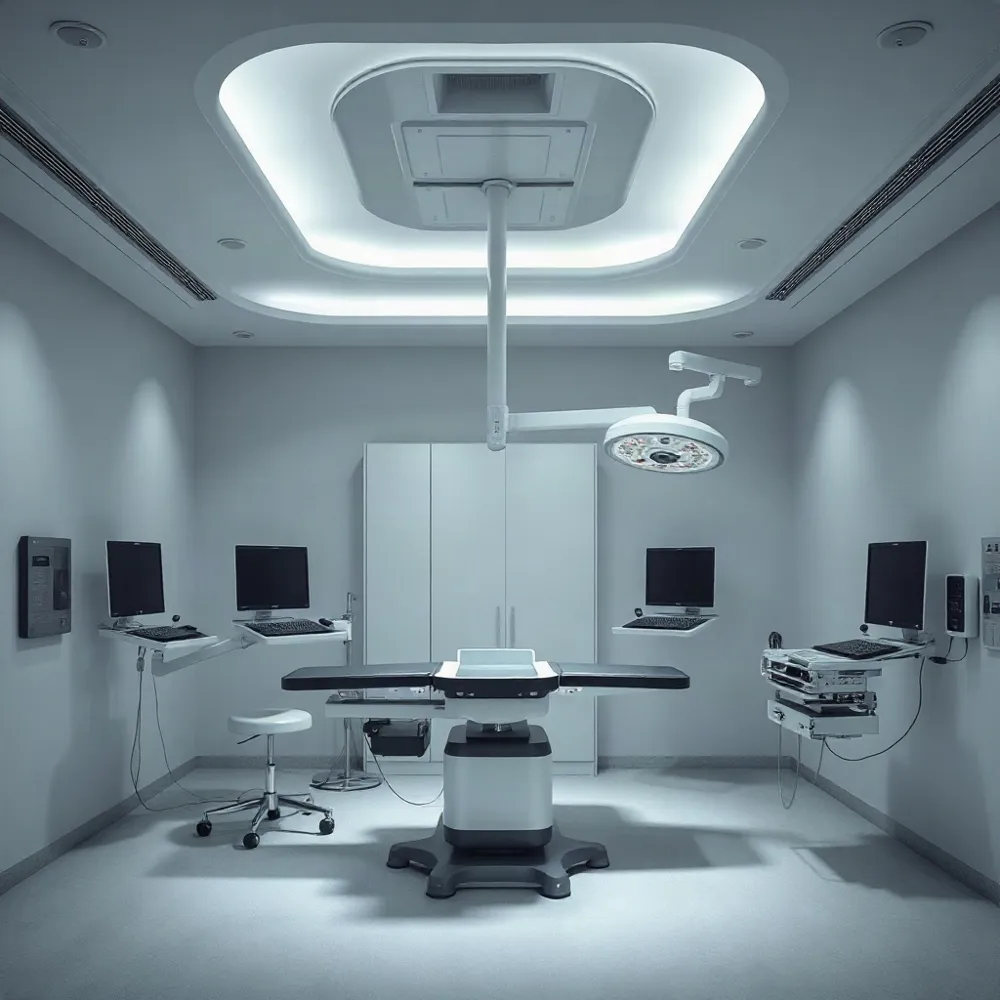
The facial rejuvenation cost you are quoted reflects not only the surgeon's time but also the standard of the facility where your procedure occurs. Accredited surgical environments prioritize patient safety by adhering to rigorous clinical standards, utilizing sterile equipment, and ensuring that emergency protocols are always in place. While some practices might operate in non-accredited settings to lower costs, these environments often lack the necessary safety infrastructure required for complex procedures.
High-quality outcomes are further supported by investment in advanced technology. State-of-the-art monitoring systems allow the medical team to observe vital signs with precision, while sophisticated tools such as modern lasers and surgical instruments enable the surgeon to achieve more refined results. Practices like the boutique Manhattan office of Dr. Thomas W. Loeb maintain these high overheads to ensure that every aspect of the patient's experience, from pre-operative care to the surgical environment, meets the highest benchmarks for safety and clinical excellence.
Can cosmetic surgery prices be negotiated?
Reputable plastic surgery practices do not typically negotiate pricing, as fees are structured to reflect the surgeon’s specialized expertise, facility standards, and the high quality of care provided. While prospective patients often research facial rejuvenation cost expectations, these figures are determined by market factors such as geographic location and the complexity of individual treatment plans rather than flexible price points. It is important to remember that elective cosmetic surgery behaves differently than standard retail services, prioritizing patient safety and surgical outcomes over cost-cutting. Attempting to negotiate can overlook the essential costs required to maintain safety protocols, board-certified staff, and high-quality equipment. Ultimately, when evaluating your investment, prioritize the surgeon's qualifications and their commitment to natural-looking results over the prospect of a discounted fee.
5. The Cumulative Expense of Maintenance vs Surgery
When evaluating your facial rejuvenation cost, it is essential to distinguish between a single, significant surgical investment and the cumulative expense of ongoing non-surgical maintenance. Surgical procedures like facelifts require a higher upfront investment, but they provide dramatic, long-lasting results that typically endure for years per the American Society of Plastic Surgeons.
Conversely, non-surgical treatments such as dermal fillers, laser resurfacing, or injectables offer a lower initial price point per session. Because these options provide temporary results, they necessitate regular, recurring treatments to maintain the desired aesthetic effect per the American Society of Plastic Surgeons. While non-surgical paths may appear more budget-friendly in the short term, many patients find that the long-term cost of maintenance eventually approaches or even exceeds the expense of a one-time surgical intervention.
What is the difference in cost between surgical and non-surgical facial rejuvenation?
The choice often comes down to balancing immediate budget versus long-term aesthetic consistency. Patients at thomasloebmd.com receive personalized treatment planning that weighs these trade-offs, helping them determine whether a single, precise surgical procedure provides more long-term value than multiple years of incremental sessions. Unlike generic clinics that might push recurring injectables, thomasloebmd.com focuses on comprehensive facial rejuvenation designed to minimize the need for frequent, costly maintenance. A 2023 study confirms that cost is a primary driver in these decisions, as patients weigh immediate affordability against the durability of surgical outcomes per PMC.
Insurance Coverage and Financial Planning
Does insurance cover the cost of facial rejuvenation?
When considering the facial rejuvenation cost, it is important to understand that these procedures are generally classified as elective and cosmetic, meaning they are rarely covered by health insurance. Insurance providers typically only offer coverage for surgeries that are deemed medically necessary, such as those intended to correct physical abnormalities, injuries, or functional impairments. For example, a procedure like eyelid surgery might qualify for coverage if the excess skin significantly obstructs a patient's vision, according to The Aesthetic Society.
Because most aesthetic treatments fall outside these criteria, patients should anticipate self-funding their rejuvenation goals. At the boutique practice of Dr. Thomas W. Loeb, we recognize that planning for these expenses is a standard part of the patient journey. Many plastic surgery practices offer patient financing plans to help manage the investment in your appearance, allowing you to spread costs over time through monthly installments. We recommend scheduling a consultation to discuss your specific needs and the various financing options available to help you reach your aesthetic objectives.
Prioritizing Results and Safety in Your Financial Decision
Evaluating your facial rejuvenation cost requires looking beyond base fees to understand the true value of your investment. While price is a factor, the long-term success of your procedure depends on your surgeon's skill, the safety of the facility, and the personalization of your care plan. According to The Aesthetic Society, patients should prioritize a practitioner's training and expertise over price alone to ensure the most natural, durable results.
For those considering advanced aesthetic care in Manhattan, the boutique approach at thomasloebmd.com emphasizes precision and individualized planning. Unlike practices that offer standardized pricing based on high-volume models, a board-certified specialist crafts a plan tailored to your specific anatomy and aesthetic goals. Investing in qualified, experienced care often provides greater long-term value than seeking low-cost alternatives, which may lead to revision procedures or unsatisfactory outcomes.
Understanding the Variables That Shape Your Rejuvenation Journey
The final facial rejuvenation cost is rarely a flat rate, as it reflects the unique anatomical needs and aesthetic objectives of each patient. Professional consultations prioritize a tailored surgical plan, ensuring that the procedure aligns with long-term goals rather than providing a one-size-fits-all estimate. Unlike generic market averages, Dr. Thomas W. Loeb emphasizes personalized planning to account for individual factors like skin elasticity, structural aging, and the specific combination of techniques required.
Discrepancies in total pricing often stem from the complexity of the intervention. While some practitioners offer standardized, lower-cost options, Board-certified surgeons with specialized training typically include comprehensive safety protocols, anesthesia oversight, and post-operative monitoring in their fees. Prioritizing safety and surgical precision is essential, as the cost of facial rejuvenation serves as an investment in lasting results and professional care. Evaluating credentials alongside regional market differences ensures patients choose quality environments, such as boutique facilities in Manhattan that provide the focused, individualized attention necessary for optimal outcomes.
Key Factors Influencing Facial Rejuvenation Costs
- Surgeon expertise and board certification are primary factors impacting total procedure fees.
- Geographic location in major metropolitan hubs increases operational costs like rent and labor.
- Deep plane facelifts, ranging from $15,000 to $50,000, require advanced surgical skill.
- Non-surgical treatments like injectables range from $100 to $4,500 per session.
- Bundling multiple procedures in one session can reduce cumulative costs by sharing facility fees.
- Reputable practices do not negotiate prices, as fees reflect safety, equipment, and expertise.
- Surgical interventions provide long-lasting results, whereas non-surgical options require costly, recurring maintenance.
- Most facial rejuvenation is elective and rarely covered by health insurance providers.
- High-quality facilities prioritize patient safety through accredited environments and advanced monitoring.
- A 2023 study identified cost as a primary driver for patients choosing between surgical and non-surgical paths.
1. Surgeon Expertise and Professional Credentials
A primary factor influencing your facial rejuvenation cost is the expertise, training, and reputation of your chosen surgeon. Board-certified professionals who have completed extensive residency training in plastic surgery bring a level of safety and precision that typically reflects in their professional fees. While budget-conscious patients may encounter lower-cost providers, these options often lack the specialized credentials necessary to manage complex facial anatomy, which can increase the risk of complications or the need for revision surgery.
At the Manhattan practice of Dr. Thomas W. Loeb, facial rejuvenation cost is grounded in the boutique, personalized experience provided to each patient. Unlike high-volume clinics that may standardize procedures to lower their overhead, this practice focuses on refined, natural-looking results through meticulous planning and advanced techniques. A surgeon's demand often acts as a market indicator, as those with a long-standing history of successful outcomes typically manage a more limited caseload to ensure every patient receives dedicated, undivided attention throughout their recovery.
When evaluating the financial investment of your procedure, consider the following elements that connect surgeon expertise to long-term value:
- Board certification indicates that a surgeon has met rigorous standards for safety and ethical practice in cosmetic surgery.
- Fellowship-trained specialists often possess deeper technical knowledge, allowing for superior precision in delicate areas like the neck and mid-face.
- Experienced surgeons have developed refined techniques that may reduce downtime and lower the likelihood of needing expensive follow-up corrective treatments.
Ultimately, your choice of provider is not just a line item in a budget, but a decision regarding the artistry and safety of your aesthetic journey. Prioritizing a practitioner with a proven track record ensures that the facial rejuvenation cost you incur covers both the procedure and the peace of mind that comes from working with a highly trained professional.
2. Geographic Location and Market Economic Factors
The facial rejuvenation cost is heavily influenced by the regional economic landscape in which a practice operates. Much like other premium services, surgical and non-surgical procedures are subject to market forces that dictate overhead expenses, including real estate costs, staff compensation, and local demand for aesthetic services. Practices located in major metropolitan hubs, such as New York City, often reflect these higher operational costs in their pricing structures compared to those in more rural or suburban markets.
Market data suggests that geographic variation is a significant factor in cosmetic surgery pricing, as indicated in economic analyses of the industry. While national averages provide a helpful baseline, they often fail to account for the specific economic variables present in large urban centers. In Manhattan, for instance, a boutique practice like the one led by Dr. Thomas W. Loeb accounts for these regional dynamics by providing specialized, personalized treatment planning. This approach ensures that the investment reflects the high standard of care and technical precision expected in a competitive medical landscape.
What is the average range for facial rejuvenation cost in the United States?
The facial rejuvenation cost in the United States varies significantly based on whether a patient chooses surgical or non-surgical treatments. Non-surgical options, such as Botox, dermal fillers, and laser skin treatments, typically range from $100 to $4,500 per session depending on the procedure's complexity and the number of sessions required. In contrast, surgical procedures like a traditional facelift involve higher upfront costs due to the involvement of anesthesia, surgical facility fees, and the surgeon's expertise. Factors such as the practitioner's credentials, geographic location, and the level of customization required further influence the total investment. Because these costs are highly personalized, patients should consult with a board-certified plastic surgeon to receive an accurate assessment tailored to their specific aesthetic goals.
3. Complexity and Scope of Surgical Procedures
The depth of surgical intervention serves as a major driver of the total facial rejuvenation cost. Choosing between a targeted mini facelift and a comprehensive deep plane facelift fundamentally alters the surgical plan, as the latter requires advanced anatomical manipulation to address muscle laxity and significant fat displacement. Because surgical techniques vary in complexity, procedures like the deep plane facelift can range from $15,000 to $50,000 depending on the specific demands of the case.
Are there specific procedures that offer more comprehensive facial rejuvenation than others?
Yes, certain procedures offer more comprehensive results by addressing multiple structural signs of aging, such as muscle laxity, fat displacement, and significant skin drooping. While non-surgical options like injectables and lasers excel at refining skin texture and softening fine lines, surgical interventions such as a full facelift or brow lift provide more profound, long-lasting corrections for deep folds and structural sagging. When considering the facial rejuvenation cost, it is essential to weigh the longevity and scope of surgical procedures against the maintenance required for non-surgical treatments. A surgical approach is typically more effective for patients seeking to restore volume and contour in areas where fat pads have shifted downward, such as the jawline and mid-face. Ultimately, the most comprehensive rejuvenation plan is determined by a surgeon who assesses your unique aging pattern to balance surgical precision with personalized aesthetic goals.
Efficiency in pricing is often achieved by bundling procedures, a practice utilized at the Manhattan-based private practice of Dr. Thomas W. Loeb. By combining a facelift with eyelid surgery or a brow lift in a single session, patients can reduce the cumulative expense by sharing anesthesia and facility fees. While some providers might charge per individual procedure, bundling leverages operating room time more effectively, ensuring the facial rejuvenation cost reflects the reality of the consolidated surgical effort.
| Procedure Scope | Complexity Level | Economic Impact |
|---|---|---|
| Mini Facelift | Low | Reduced facility time |
| Deep Plane Facelift | High | Extended surgical duration |
| Bundled Procedures | Moderate | Shared anesthesia fees |
4. Facility Standards and Technological Amenities
The facial rejuvenation cost you are quoted reflects not only the surgeon's time but also the standard of the facility where your procedure occurs. Accredited surgical environments prioritize patient safety by adhering to rigorous clinical standards, utilizing sterile equipment, and ensuring that emergency protocols are always in place. While some practices might operate in non-accredited settings to lower costs, these environments often lack the necessary safety infrastructure required for complex procedures.
High-quality outcomes are further supported by investment in advanced technology. State-of-the-art monitoring systems allow the medical team to observe vital signs with precision, while sophisticated tools such as modern lasers and surgical instruments enable the surgeon to achieve more refined results. Practices like the boutique Manhattan office of Dr. Thomas W. Loeb maintain these high overheads to ensure that every aspect of the patient's experience, from pre-operative care to the surgical environment, meets the highest benchmarks for safety and clinical excellence.
Can cosmetic surgery prices be negotiated?
Reputable plastic surgery practices do not typically negotiate pricing, as fees are structured to reflect the surgeon’s specialized expertise, facility standards, and the high quality of care provided. While prospective patients often research facial rejuvenation cost expectations, these figures are determined by market factors such as geographic location and the complexity of individual treatment plans rather than flexible price points. It is important to remember that elective cosmetic surgery behaves differently than standard retail services, prioritizing patient safety and surgical outcomes over cost-cutting. Attempting to negotiate can overlook the essential costs required to maintain safety protocols, board-certified staff, and high-quality equipment. Ultimately, when evaluating your investment, prioritize the surgeon's qualifications and their commitment to natural-looking results over the prospect of a discounted fee.
5. The Cumulative Expense of Maintenance vs Surgery
When evaluating your facial rejuvenation cost, it is essential to distinguish between a single, significant surgical investment and the cumulative expense of ongoing non-surgical maintenance. Surgical procedures like facelifts require a higher upfront investment, but they provide dramatic, long-lasting results that typically endure for years per the American Society of Plastic Surgeons.
Conversely, non-surgical treatments such as dermal fillers, laser resurfacing, or injectables offer a lower initial price point per session. Because these options provide temporary results, they necessitate regular, recurring treatments to maintain the desired aesthetic effect per the American Society of Plastic Surgeons. While non-surgical paths may appear more budget-friendly in the short term, many patients find that the long-term cost of maintenance eventually approaches or even exceeds the expense of a one-time surgical intervention.
What is the difference in cost between surgical and non-surgical facial rejuvenation?
The choice often comes down to balancing immediate budget versus long-term aesthetic consistency. Patients at thomasloebmd.com receive personalized treatment planning that weighs these trade-offs, helping them determine whether a single, precise surgical procedure provides more long-term value than multiple years of incremental sessions. Unlike generic clinics that might push recurring injectables, thomasloebmd.com focuses on comprehensive facial rejuvenation designed to minimize the need for frequent, costly maintenance. A 2023 study confirms that cost is a primary driver in these decisions, as patients weigh immediate affordability against the durability of surgical outcomes per PMC.
Insurance Coverage and Financial Planning
Does insurance cover the cost of facial rejuvenation?
When considering the facial rejuvenation cost, it is important to understand that these procedures are generally classified as elective and cosmetic, meaning they are rarely covered by health insurance. Insurance providers typically only offer coverage for surgeries that are deemed medically necessary, such as those intended to correct physical abnormalities, injuries, or functional impairments. For example, a procedure like eyelid surgery might qualify for coverage if the excess skin significantly obstructs a patient's vision, according to The Aesthetic Society.
Because most aesthetic treatments fall outside these criteria, patients should anticipate self-funding their rejuvenation goals. At the boutique practice of Dr. Thomas W. Loeb, we recognize that planning for these expenses is a standard part of the patient journey. Many plastic surgery practices offer patient financing plans to help manage the investment in your appearance, allowing you to spread costs over time through monthly installments. We recommend scheduling a consultation to discuss your specific needs and the various financing options available to help you reach your aesthetic objectives.
Prioritizing Results and Safety in Your Financial Decision
Evaluating your facial rejuvenation cost requires looking beyond base fees to understand the true value of your investment. While price is a factor, the long-term success of your procedure depends on your surgeon's skill, the safety of the facility, and the personalization of your care plan. According to The Aesthetic Society, patients should prioritize a practitioner's training and expertise over price alone to ensure the most natural, durable results.
For those considering advanced aesthetic care in Manhattan, the boutique approach at thomasloebmd.com emphasizes precision and individualized planning. Unlike practices that offer standardized pricing based on high-volume models, a board-certified specialist crafts a plan tailored to your specific anatomy and aesthetic goals. Investing in qualified, experienced care often provides greater long-term value than seeking low-cost alternatives, which may lead to revision procedures or unsatisfactory outcomes.
Heading
Understanding the Variables That Shape Your Rejuvenation Journey
The final facial rejuvenation cost is rarely a flat rate, as it reflects the unique anatomical needs and aesthetic objectives of each patient. Professional consultations prioritize a tailored surgical plan, ensuring that the procedure aligns with long-term goals rather than providing a one-size-fits-all estimate. Unlike generic market averages, Dr. Thomas W. Loeb emphasizes personalized planning to account for individual factors like skin elasticity, structural aging, and the specific combination of techniques required.
Discrepancies in total pricing often stem from the complexity of the intervention. While some practitioners offer standardized, lower-cost options, Board-certified surgeons with specialized training typically include comprehensive safety protocols, anesthesia oversight, and post-operative monitoring in their fees. Prioritizing safety and surgical precision is essential, as the cost of facial rejuvenation serves as an investment in lasting results and professional care. Evaluating credentials alongside regional market differences ensures patients choose quality environments, such as boutique facilities in Manhattan that provide the focused, individualized attention necessary for optimal outcomes.
Key Factors Influencing Facial Rejuvenation Costs
- Surgeon expertise and board certification are primary factors impacting total procedure fees.
- Geographic location in major metropolitan hubs increases operational costs like rent and labor.
- Deep plane facelifts, ranging from $15,000 to $50,000, require advanced surgical skill.
- Non-surgical treatments like injectables range from $100 to $4,500 per session.
- Bundling multiple procedures in one session can reduce cumulative costs by sharing facility fees.
- Reputable practices do not negotiate prices, as fees reflect safety, equipment, and expertise.
- Surgical interventions provide long-lasting results, whereas non-surgical options require costly, recurring maintenance.
- Most facial rejuvenation is elective and rarely covered by health insurance providers.
- High-quality facilities prioritize patient safety through accredited environments and advanced monitoring.
- A 2023 study identified cost as a primary driver for patients choosing between surgical and non-surgical paths.
1. Surgeon Expertise and Professional Credentials
A primary factor influencing your facial rejuvenation cost is the expertise, training, and reputation of your chosen surgeon. Board-certified professionals who have completed extensive residency training in plastic surgery bring a level of safety and precision that typically reflects in their professional fees. While budget-conscious patients may encounter lower-cost providers, these options often lack the specialized credentials necessary to manage complex facial anatomy, which can increase the risk of complications or the need for revision surgery.
At the Manhattan practice of Dr. Thomas W. Loeb, facial rejuvenation cost is grounded in the boutique, personalized experience provided to each patient. Unlike high-volume clinics that may standardize procedures to lower their overhead, this practice focuses on refined, natural-looking results through meticulous planning and advanced techniques. A surgeon's demand often acts as a market indicator, as those with a long-standing history of successful outcomes typically manage a more limited caseload to ensure every patient receives dedicated, undivided attention throughout their recovery.
When evaluating the financial investment of your procedure, consider the following elements that connect surgeon expertise to long-term value:
- Board certification indicates that a surgeon has met rigorous standards for safety and ethical practice in cosmetic surgery.
- Fellowship-trained specialists often possess deeper technical knowledge, allowing for superior precision in delicate areas like the neck and mid-face.
- Experienced surgeons have developed refined techniques that may reduce downtime and lower the likelihood of needing expensive follow-up corrective treatments.
Ultimately, your choice of provider is not just a line item in a budget, but a decision regarding the artistry and safety of your aesthetic journey. Prioritizing a practitioner with a proven track record ensures that the facial rejuvenation cost you incur covers both the procedure and the peace of mind that comes from working with a highly trained professional.
2. Geographic Location and Market Economic Factors
The facial rejuvenation cost is heavily influenced by the regional economic landscape in which a practice operates. Much like other premium services, surgical and non-surgical procedures are subject to market forces that dictate overhead expenses, including real estate costs, staff compensation, and local demand for aesthetic services. Practices located in major metropolitan hubs, such as New York City, often reflect these higher operational costs in their pricing structures compared to those in more rural or suburban markets.
Market data suggests that geographic variation is a significant factor in cosmetic surgery pricing, as indicated in economic analyses of the industry. While national averages provide a helpful baseline, they often fail to account for the specific economic variables present in large urban centers. In Manhattan, for instance, a boutique practice like the one led by Dr. Thomas W. Loeb accounts for these regional dynamics by providing specialized, personalized treatment planning. This approach ensures that the investment reflects the high standard of care and technical precision expected in a competitive medical landscape.
What is the average range for facial rejuvenation cost in the United States?
The facial rejuvenation cost in the United States varies significantly based on whether a patient chooses surgical or non-surgical treatments. Non-surgical options, such as Botox, dermal fillers, and laser skin treatments, typically range from $100 to $4,500 per session depending on the procedure's complexity and the number of sessions required. In contrast, surgical procedures like a traditional facelift involve higher upfront costs due to the involvement of anesthesia, surgical facility fees, and the surgeon's expertise. Factors such as the practitioner's credentials, geographic location, and the level of customization required further influence the total investment. Because these costs are highly personalized, patients should consult with a board-certified plastic surgeon to receive an accurate assessment tailored to their specific aesthetic goals.
3. Complexity and Scope of Surgical Procedures
The depth of surgical intervention serves as a major driver of the total facial rejuvenation cost. Choosing between a targeted mini facelift and a comprehensive deep plane facelift fundamentally alters the surgical plan, as the latter requires advanced anatomical manipulation to address muscle laxity and significant fat displacement. Because surgical techniques vary in complexity, procedures like the deep plane facelift can range from $15,000 to $50,000 depending on the specific demands of the case.
Are there specific procedures that offer more comprehensive facial rejuvenation than others?
Yes, certain procedures offer more comprehensive results by addressing multiple structural signs of aging, such as muscle laxity, fat displacement, and significant skin drooping. While non-surgical options like injectables and lasers excel at refining skin texture and softening fine lines, surgical interventions such as a full facelift or brow lift provide more profound, long-lasting corrections for deep folds and structural sagging. When considering the facial rejuvenation cost, it is essential to weigh the longevity and scope of surgical procedures against the maintenance required for non-surgical treatments. A surgical approach is typically more effective for patients seeking to restore volume and contour in areas where fat pads have shifted downward, such as the jawline and mid-face. Ultimately, the most comprehensive rejuvenation plan is determined by a surgeon who assesses your unique aging pattern to balance surgical precision with personalized aesthetic goals.
Efficiency in pricing is often achieved by bundling procedures, a practice utilized at the Manhattan-based private practice of Dr. Thomas W. Loeb. By combining a facelift with eyelid surgery or a brow lift in a single session, patients can reduce the cumulative expense by sharing anesthesia and facility fees. While some providers might charge per individual procedure, bundling leverages operating room time more effectively, ensuring the facial rejuvenation cost reflects the reality of the consolidated surgical effort.
| Procedure Scope | Complexity Level | Economic Impact |
|---|---|---|
| Mini Facelift | Low | Reduced facility time |
| Deep Plane Facelift | High | Extended surgical duration |
| Bundled Procedures | Moderate | Shared anesthesia fees |
4. Facility Standards and Technological Amenities
The facial rejuvenation cost you are quoted reflects not only the surgeon's time but also the standard of the facility where your procedure occurs. Accredited surgical environments prioritize patient safety by adhering to rigorous clinical standards, utilizing sterile equipment, and ensuring that emergency protocols are always in place. While some practices might operate in non-accredited settings to lower costs, these environments often lack the necessary safety infrastructure required for complex procedures.
High-quality outcomes are further supported by investment in advanced technology. State-of-the-art monitoring systems allow the medical team to observe vital signs with precision, while sophisticated tools such as modern lasers and surgical instruments enable the surgeon to achieve more refined results. Practices like the boutique Manhattan office of Dr. Thomas W. Loeb maintain these high overheads to ensure that every aspect of the patient's experience, from pre-operative care to the surgical environment, meets the highest benchmarks for safety and clinical excellence.
Can cosmetic surgery prices be negotiated?
Reputable plastic surgery practices do not typically negotiate pricing, as fees are structured to reflect the surgeon’s specialized expertise, facility standards, and the high quality of care provided. While prospective patients often research facial rejuvenation cost expectations, these figures are determined by market factors such as geographic location and the complexity of individual treatment plans rather than flexible price points. It is important to remember that elective cosmetic surgery behaves differently than standard retail services, prioritizing patient safety and surgical outcomes over cost-cutting. Attempting to negotiate can overlook the essential costs required to maintain safety protocols, board-certified staff, and high-quality equipment. Ultimately, when evaluating your investment, prioritize the surgeon's qualifications and their commitment to natural-looking results over the prospect of a discounted fee.
5. The Cumulative Expense of Maintenance vs Surgery
When evaluating your facial rejuvenation cost, it is essential to distinguish between a single, significant surgical investment and the cumulative expense of ongoing non-surgical maintenance. Surgical procedures like facelifts require a higher upfront investment, but they provide dramatic, long-lasting results that typically endure for years per the American Society of Plastic Surgeons.
Conversely, non-surgical treatments such as dermal fillers, laser resurfacing, or injectables offer a lower initial price point per session. Because these options provide temporary results, they necessitate regular, recurring treatments to maintain the desired aesthetic effect per the American Society of Plastic Surgeons. While non-surgical paths may appear more budget-friendly in the short term, many patients find that the long-term cost of maintenance eventually approaches or even exceeds the expense of a one-time surgical intervention.
What is the difference in cost between surgical and non-surgical facial rejuvenation?
The choice often comes down to balancing immediate budget versus long-term aesthetic consistency. Patients at thomasloebmd.com receive personalized treatment planning that weighs these trade-offs, helping them determine whether a single, precise surgical procedure provides more long-term value than multiple years of incremental sessions. Unlike generic clinics that might push recurring injectables, thomasloebmd.com focuses on comprehensive facial rejuvenation designed to minimize the need for frequent, costly maintenance. A 2023 study confirms that cost is a primary driver in these decisions, as patients weigh immediate affordability against the durability of surgical outcomes per PMC.
Insurance Coverage and Financial Planning
Does insurance cover the cost of facial rejuvenation?
When considering the facial rejuvenation cost, it is important to understand that these procedures are generally classified as elective and cosmetic, meaning they are rarely covered by health insurance. Insurance providers typically only offer coverage for surgeries that are deemed medically necessary, such as those intended to correct physical abnormalities, injuries, or functional impairments. For example, a procedure like eyelid surgery might qualify for coverage if the excess skin significantly obstructs a patient's vision, according to The Aesthetic Society.
Because most aesthetic treatments fall outside these criteria, patients should anticipate self-funding their rejuvenation goals. At the boutique practice of Dr. Thomas W. Loeb, we recognize that planning for these expenses is a standard part of the patient journey. Many plastic surgery practices offer patient financing plans to help manage the investment in your appearance, allowing you to spread costs over time through monthly installments. We recommend scheduling a consultation to discuss your specific needs and the various financing options available to help you reach your aesthetic objectives.
Prioritizing Results and Safety in Your Financial Decision
Evaluating your facial rejuvenation cost requires looking beyond base fees to understand the true value of your investment. While price is a factor, the long-term success of your procedure depends on your surgeon's skill, the safety of the facility, and the personalization of your care plan. According to The Aesthetic Society, patients should prioritize a practitioner's training and expertise over price alone to ensure the most natural, durable results.
For those considering advanced aesthetic care in Manhattan, the boutique approach at thomasloebmd.com emphasizes precision and individualized planning. Unlike practices that offer standardized pricing based on high-volume models, a board-certified specialist crafts a plan tailored to your specific anatomy and aesthetic goals. Investing in qualified, experienced care often provides greater long-term value than seeking low-cost alternatives, which may lead to revision procedures or unsatisfactory outcomes.




Locations


© 2014 - 2025. Thomas W. Loeb | Board Certified Plastic Surgeon