



.svg)
.svg)


A Clearer Guide to Judging Eyelid Surgery Photos
News
/
October 7, 2026
Blepharoplasty Before and After Photos: How to Spot Truly Great Results
A Clearer Guide to Judging Eyelid Surgery Photos
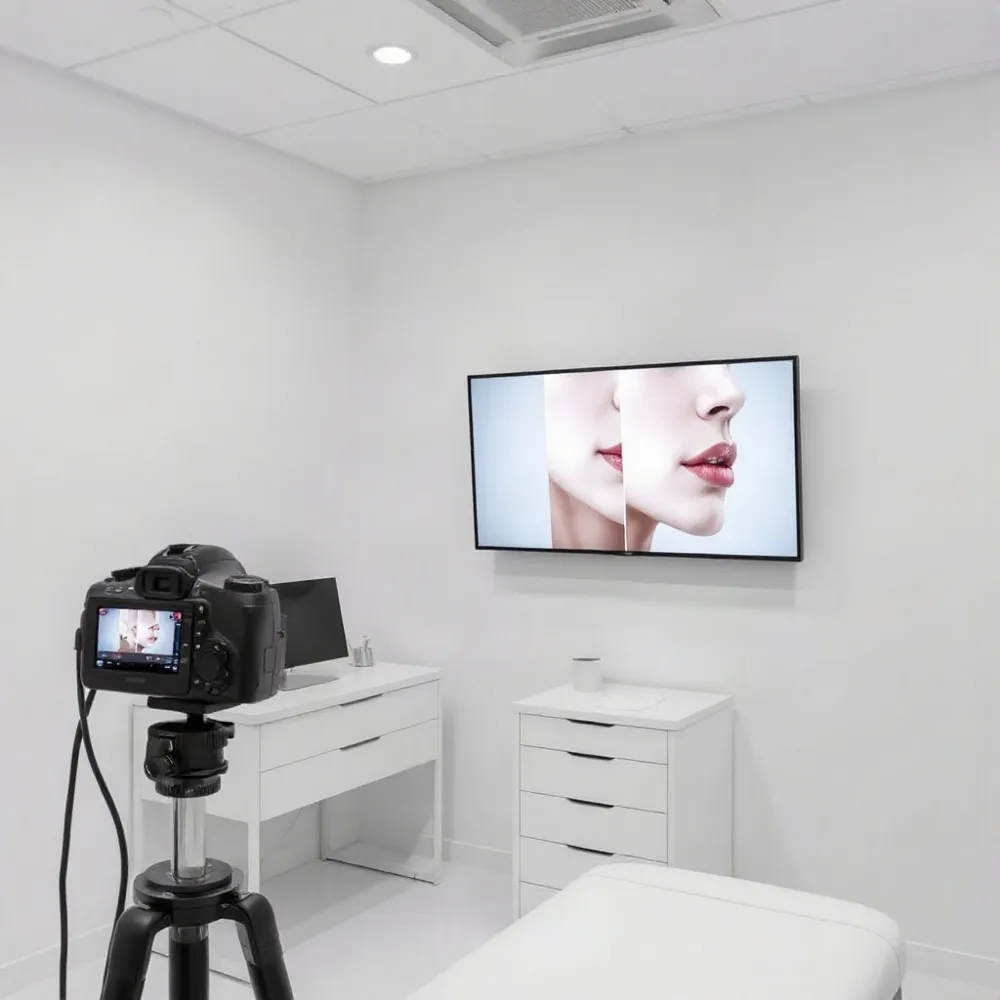
Body contouring has revolutionized the way we think about self-care and aesthetic transformations. It’s more than just a cosmetic procedure—it’s a path to enhanced confidence and self-expression.
Reading Blepharoplasty Before and After Photos
Blepharoplasty before-and-after photos can help show how eyelid surgery may change the appearance of the eyes. But images without context can be misleading: the patient’s original concerns, the procedures performed, photo conditions, and healing stage all shape what you see.
A useful comparison looks for a refreshed, balanced appearance while considering the person’s starting anatomy and treatment goals. Captions can clarify whether surgery addressed upper or lower lids, included another procedure, and when the after photo was taken. The Stanford Medicine image gallery illustrates how procedure details and follow-up timing add context to photographs.
Photos from other practices are examples of those patients’ outcomes, not results from Dr. Thomas W. Loeb’s Manhattan practice and not predictions of what another patient will achieve. The American Society of Plastic Surgeons’ guidance on eyelid-surgery results also notes that results are not guaranteed. Dr. Loeb’s own blepharoplasty before-and-after gallery can help readers review examples from his practice, while an individual consultation addresses personal anatomy and goals.
What Before and After Photos Can Show

Blepharoplasty before-and-after photos can show changes to the upper eyelids, lower eyelids, or both. Upper blepharoplasty may reduce excess skin and hooding; lower blepharoplasty may soften under-eye bags or smooth the transition between the lower eyelid and cheek. The Cleveland Clinic’s overview of blepharoplasty explains that the specific treatment depends on the area and concern being addressed.
Can blepharoplasty make the eyes look bigger? It can make them appear more open when excess upper-eyelid skin obscures the lid, but it does not enlarge the eyeballs or necessarily change their natural shape. A natural-looking goal is a refreshed appearance that preserves the person’s recognizable features and expression, not a dramatic change in eye shape.
Photos may also show how treatment choices affect the result. Fat repositioning, fat transfer, or skin resurfacing can be part of a broader plan, so check the caption rather than assuming every visible change came from eyelid surgery alone. Dr. Thomas W. Loeb’s Manhattan practice describes its approach as individualized treatment planning, with attention to facial balance and natural-looking results.
In some cases, removing upper-eyelid skin can improve vision if that skin obstructs the visual field. Blepharoplasty does not necessarily address dark circles, crow’s feet, or other facial wrinkles, so the concern shown in a photo may differ from yours.
Treat each image as an example, not a prediction. Anatomy, procedure choices, and healing vary, and results are not guaranteed, as the American Society of Plastic Surgeons explains. Compare photos with similar angles, lighting, and expressions, note when each was taken, and use relevant examples to discuss realistic goals with a qualified surgeon.
Compare Images on Equal Terms

Blepharoplasty before-and-after photos are easier to assess when the images use similar camera angles, head positions, distance, lighting, facial expressions, and makeup. A change in overhead shadows, for example, can make under-eye contours look more pronounced, while a selfie may differ from a clinic photograph in angle or distance.
Check whether images are clinical photographs or selfies, and ask whether they are unedited if that is unclear. Natural skin texture, consistent backgrounds, and similar shadows can support a fair comparison, but no single visual detail proves that a photograph has or has not been edited.
When available, review more than one view and consider the eyes in the context of the whole face. Stanford Medicine’s blepharoplasty gallery includes captions that describe procedures and, in some cases, patient goals and follow-up timing, context that helps explain what a photo shows.
Ask to see cases with concerns, anatomy, age, skin characteristics, and treatment plans similar to yours. Ethnic background can also shape what a natural result means, including for patients with Asian eyelid anatomy; a comparable case can inform discussion, but cannot predict an individual outcome.
At thomasloebmd.com, Dr. Thomas W. Loeb’s Manhattan practice emphasizes individualized planning for facial procedures. Bring specific examples to a consultation and discuss which features are relevant to your own eyelids and goals.
Identify Every Procedure in the Caption
When reviewing blepharoplasty before-and-after photos, check whether the caption describes upper-lid surgery, lower-lid surgery, or treatment of both. Each addresses different concerns, so a visible change is easier to interpret when you know what was done. The Cleveland Clinic overview of blepharoplasty explains how upper- and lower-eyelid procedures address different features.
For upper lids, skin removal treats excess or loose skin. Ptosis repair addresses a drooping eyelid by lifting it, so the procedures are not interchangeable. They may be combined when both excess skin and eyelid droop are present. A photo showing a more open eye may reflect either treatment or both, depending on the patient’s plan.
Brow position matters, too. A low or uneven brow can contribute to upper-lid hooding, and a brow or forehead lift may change the appearance around the eyes. If brow asymmetry was left untreated, some unevenness may remain in the after photo. Stanford Medicine’s blepharoplasty gallery includes examples with brow procedures and captions that describe the treatments performed.
Lower-lid results may also involve fat repositioning or transfer, filler, a skin pinch, or skin resurfacing. These treatments can affect hollows, bags, skin texture, and the transition between the eyelid and cheek. A fuller or smoother appearance should not automatically be credited to blepharoplasty alone when the caption lists additional procedures.
At thomasloebmd.com, individualized planning considers each patient’s anatomy and goals, rather than treating every heavy-looking eyelid as the same concern. Before-and-after examples from the practice should be read alongside their procedure details, and a consultation can clarify which changes may be relevant to an individual patient.
Look for Balance and Discreet Scars
When reviewing blepharoplasty before-and-after photos, compare the height of each upper-lid crease, the amount of skin visible above the lashes, brow position, and overall eye shape. Look for balance across the face, but do not expect perfect symmetry: natural differences may remain, and each eyelid may heal somewhat differently.
Upper-lid incisions are typically placed in the natural eyelid crease, where they may be less noticeable once healed. A photograph can show whether a line appears discreet, but visibility varies with healing, lighting, and image quality. For lower-lid surgery, the incision may sit just below the lashes or inside the eyelid; the internal approach leaves no external skin incision. Cleveland Clinic’s overview of blepharoplasty explains how incision placement depends on the procedure.
Dr. Thomas W. Loeb’s Manhattan practice approaches facial procedures through individualized treatment planning, so a useful comparison is one that reflects the patient’s anatomy and stated goals. The practice’s blepharoplasty before-and-after gallery can help readers review its own patient examples rather than treating unrelated cases as predictions.
Consider discussing pronounced hollowing, an unusually high or uneven crease, conspicuous scars, or a pulled or startled appearance with a qualified surgeon. Photos alone cannot establish whether eyelids blink comfortably or close fully. Restricted closure or difficulty closing the eyes warrants medical assessment, as Cleveland Clinic notes. Ask about eyelid function as well as appearance when discussing any result.
Interpret Photos by Healing Stage

A blepharoplasty before-and-after pair is only a snapshot. An early after photo may show temporary swelling or bruising, not the settled contour, so one image cannot represent the full healing course.
Recovery varies by person and procedure, so a gallery image should not be treated as a deadline for judging an individual result. For general recovery information, see the American Society of Plastic Surgeons’ eyelid surgery guidance.
When reviewing photos, compare images taken at similar follow-up stages and ask to see both early and later views. At thomasloebmd.com, patients can review blepharoplasty before-and-after photos as examples of individual cases; timing and personal healing should be discussed in consultation rather than inferred from a gallery alone. For additional recovery information, see Cleveland Clinic’s blepharoplasty recovery information.
Understand the Recovery Progression
How long does it take to look and feel normal after blepharoplasty? Recovery varies by person and by procedure. Swelling, bruising, and mild tightness are common at first, then ease gradually. The American Society of Plastic Surgeons’ eyelid surgery guidance notes that many patients are presentable within 10 to 14 days, while final healing may take a few months.
What recovery may look like day by day
During days 1 to 3, follow your surgeon’s instructions about cold compresses, keeping your head elevated, and limiting activity. Do not treat general recovery advice as a substitute for the care plan provided by your own surgical team.
During days 4 to 7, bruising and puffiness may begin to ease, though discoloration can change as bruises fade. Stitch removal may take place during this period, depending on the surgeon’s plan. Avoid rubbing or putting pressure on the healing area, and ask your surgeon if a symptom or change concerns you.
From days 7 to 14, many people return to non-strenuous work and daily activities. Some bruising or swelling may remain, and feeling ready for routine tasks does not mean the eyelids have finished healing. Resume exercise or other strenuous activity only when your surgeon says it is appropriate.
Over the following weeks and months, residual swelling settles and incision lines continue to soften. The Cleveland Clinic’s blepharoplasty recovery overview also notes that complete healing can take a few months. The appearance of a particular patient in a gallery, including the examples shown in thomasloebmd.com’s blepharoplasty before-and-after gallery, illustrates one outcome, not a personal recovery forecast. Timing depends on the procedure and individual healing.
Consider Why a Result May Feel Unexpected
A blepharoplasty before-and-after comparison can look disappointing if the “after” photo was taken during early healing. Swelling and bruising may temporarily make the eyes appear puffy, tired, or uneven, so an early image should not be treated as the final outcome. The American Society of Plastic Surgeons’ eyelid surgery guidance notes that final healing can take a few months.
Someone may feel they look older after surgery if the result seems hollow or tight. Removing too much skin or fat can affect the eyelid’s contour, while a change that does not fit the person’s goals or facial features may feel unfamiliar. The Cleveland Clinic’s overview of blepharoplasty emphasizes realistic expectations and notes that surgery does not necessarily correct naturally asymmetrical eyes.
Changes to the eyelids can also draw attention to nearby features. Brow descent or wrinkles around the eyes may remain, or seem more noticeable once the eyelids look different. In consultations at thomasloebmd.com, individualized planning considers facial balance and the patient’s goals, rather than treating an eyelid photo as a prediction of one standard result.
A surgical result also does not stop natural aging. Skin and brow position can continue to change over time, so a later photograph may differ from an earlier one even after healing is complete. Dr. Thomas W. Loeb’s practice in Manhattan offers personalized planning for facial procedures, with attention to natural-looking results.
If a concern persists after adequate healing, discuss it with a qualified surgeon who can assess both appearance and eyelid function. Very early photographs cannot establish whether a result is permanent, and revision is not automatically the right response. A clinical assessment can help clarify what has healed, what may still change, and whether any next step is appropriate.
Discuss Subtlety, Risks, and Expectations
Will people notice that I had blepharoplasty? Some people may notice a more rested appearance without identifying surgery, but that cannot be guaranteed. How visible a change seems depends on the areas treated, the degree of correction, individual features, and healing. Swelling and bruising can make surgery more apparent early on, while incision lines continue to settle over time.
Use blepharoplasty before-and-after examples during a consultation to explain whether you prefer a subtle refresh or a more noticeable change. Dr. Thomas W. Loeb’s Manhattan practice describes its approach as individualized planning focused on balance and natural-looking results. A photograph can help communicate preferences, but another patient’s outcome cannot predict yours.
What are the potential downsides and risks of blepharoplasty? Temporary bruising, swelling, discomfort, and sensitivity to bright light may occur during recovery. Other possible concerns include dry or irritated eyes, changes in sensation, difficulty fully closing the eyes, visible scarring, asymmetry, or dissatisfaction with the result. Blepharoplasty also does not address every concern, such as dark circles or facial wrinkles, or change facial structure.
Less common complications can include infection, bleeding, changes in eyelid position, and anesthesia-related risks. Some issues may need further treatment or revision. The American Society of Plastic Surgeons notes that results are not guaranteed and that another operation may sometimes be needed.
Your individual risks depend on your health, eye anatomy, and the procedure planned. Discuss candidacy, potential benefits, risks, and realistic expectations with a qualified clinician before deciding. Cleveland Clinic’s overview of blepharoplasty also describes potential complications, including dry eyes and difficulty closing the eyes.
Request an Individualized Cost Estimate
How much does upper or lower blepharoplasty cost? The total depends on the surgeon’s fees, anesthesia, facility, location, and procedure complexity, including whether treatment involves the upper lids, lower lids, or both. The Cleveland Clinic’s blepharoplasty overview explains that eyelid surgery can involve different areas and approaches, which affect the treatment plan.
As broad U.S. estimates, upper eyelid surgery may cost about $3,000 to $5,800, while lower eyelid surgery may cost about $3,500 to $6,500. Treating both upper and lower lids typically costs more. These ranges are estimates, not a quote, and should not be taken as prices for any particular practice.
New York City prices may be higher than national estimates. Anesthesia, facility use, medications, or testing may also appear as separate charges, so ask for an itemized estimate rather than comparing a single headline figure.
During a consultation with Dr. Thomas W. Loeb’s Manhattan practice, request an estimate based on your planned procedure and ask what it covers, including follow-up care. A personalized evaluation can clarify which costs apply without assuming that a general range predicts your total.
Use Photos to Ask Better Questions
A useful review of blepharoplasty before-and-after photos considers the original concern, procedures performed, image conditions, follow-up timing, natural balance, and healing, not just the size of the visible change. Every gallery shows individual examples, not promised outcomes; results and recovery vary.
Bring questions and personal reference images to a consultation. Ask how your anatomy affects realistic goals, which procedures may address your concerns, what risks and recovery involve, and how your individualized cost estimate is determined.
At Thomas Loeb’s Manhattan practice, treatment planning is tailored to each patient’s goals and facial features. Discussing your photos directly with a qualified surgeon can help clarify which details are relevant to your situation and which differences reflect another person’s anatomy or treatment plan.
Reading Blepharoplasty Before and After Photos
Blepharoplasty before-and-after photos can help show how eyelid surgery may change the appearance of the eyes. But images without context can be misleading: the patient’s original concerns, the procedures performed, photo conditions, and healing stage all shape what you see.
A useful comparison looks for a refreshed, balanced appearance while considering the person’s starting anatomy and treatment goals. Captions can clarify whether surgery addressed upper or lower lids, included another procedure, and when the after photo was taken. The Stanford Medicine image gallery illustrates how procedure details and follow-up timing add context to photographs.
Photos from other practices are examples of those patients’ outcomes, not results from Dr. Thomas W. Loeb’s Manhattan practice and not predictions of what another patient will achieve. The American Society of Plastic Surgeons’ guidance on eyelid-surgery results also notes that results are not guaranteed. Dr. Loeb’s own blepharoplasty before-and-after gallery can help readers review examples from his practice, while an individual consultation addresses personal anatomy and goals.
What Before and After Photos Can Show
Blepharoplasty before-and-after photos can show changes to the upper eyelids, lower eyelids, or both. Upper blepharoplasty may reduce excess skin and hooding; lower blepharoplasty may soften under-eye bags or smooth the transition between the lower eyelid and cheek. The Cleveland Clinic’s overview of blepharoplasty explains that the specific treatment depends on the area and concern being addressed.
Can blepharoplasty make the eyes look bigger? It can make them appear more open when excess upper-eyelid skin obscures the lid, but it does not enlarge the eyeballs or necessarily change their natural shape. A natural-looking goal is a refreshed appearance that preserves the person’s recognizable features and expression, not a dramatic change in eye shape.
Photos may also show how treatment choices affect the result. Fat repositioning, fat transfer, or skin resurfacing can be part of a broader plan, so check the caption rather than assuming every visible change came from eyelid surgery alone. Dr. Thomas W. Loeb’s Manhattan practice describes its approach as individualized treatment planning, with attention to facial balance and natural-looking results.
In some cases, removing upper-eyelid skin can improve vision if that skin obstructs the visual field. Blepharoplasty does not necessarily address dark circles, crow’s feet, or other facial wrinkles, so the concern shown in a photo may differ from yours.
Treat each image as an example, not a prediction. Anatomy, procedure choices, and healing vary, and results are not guaranteed, as the American Society of Plastic Surgeons explains. Compare photos with similar angles, lighting, and expressions, note when each was taken, and use relevant examples to discuss realistic goals with a qualified surgeon.
Compare Images on Equal Terms
Blepharoplasty before-and-after photos are easier to assess when the images use similar camera angles, head positions, distance, lighting, facial expressions, and makeup. A change in overhead shadows, for example, can make under-eye contours look more pronounced, while a selfie may differ from a clinic photograph in angle or distance.
Check whether images are clinical photographs or selfies, and ask whether they are unedited if that is unclear. Natural skin texture, consistent backgrounds, and similar shadows can support a fair comparison, but no single visual detail proves that a photograph has or has not been edited.
When available, review more than one view and consider the eyes in the context of the whole face. Stanford Medicine’s blepharoplasty gallery includes captions that describe procedures and, in some cases, patient goals and follow-up timing, context that helps explain what a photo shows.
Ask to see cases with concerns, anatomy, age, skin characteristics, and treatment plans similar to yours. Ethnic background can also shape what a natural result means, including for patients with Asian eyelid anatomy; a comparable case can inform discussion, but cannot predict an individual outcome.
At thomasloebmd.com, Dr. Thomas W. Loeb’s Manhattan practice emphasizes individualized planning for facial procedures. Bring specific examples to a consultation and discuss which features are relevant to your own eyelids and goals.
Identify Every Procedure in the Caption
When reviewing blepharoplasty before-and-after photos, check whether the caption describes upper-lid surgery, lower-lid surgery, or treatment of both. Each addresses different concerns, so a visible change is easier to interpret when you know what was done. The Cleveland Clinic overview of blepharoplasty explains how upper- and lower-eyelid procedures address different features.
For upper lids, skin removal treats excess or loose skin. Ptosis repair addresses a drooping eyelid by lifting it, so the procedures are not interchangeable. They may be combined when both excess skin and eyelid droop are present. A photo showing a more open eye may reflect either treatment or both, depending on the patient’s plan.
Brow position matters, too. A low or uneven brow can contribute to upper-lid hooding, and a brow or forehead lift may change the appearance around the eyes. If brow asymmetry was left untreated, some unevenness may remain in the after photo. Stanford Medicine’s blepharoplasty gallery includes examples with brow procedures and captions that describe the treatments performed.
Lower-lid results may also involve fat repositioning or transfer, filler, a skin pinch, or skin resurfacing. These treatments can affect hollows, bags, skin texture, and the transition between the eyelid and cheek. A fuller or smoother appearance should not automatically be credited to blepharoplasty alone when the caption lists additional procedures.
At thomasloebmd.com, individualized planning considers each patient’s anatomy and goals, rather than treating every heavy-looking eyelid as the same concern. Before-and-after examples from the practice should be read alongside their procedure details, and a consultation can clarify which changes may be relevant to an individual patient.
Look for Balance and Discreet Scars
When reviewing blepharoplasty before-and-after photos, compare the height of each upper-lid crease, the amount of skin visible above the lashes, brow position, and overall eye shape. Look for balance across the face, but do not expect perfect symmetry: natural differences may remain, and each eyelid may heal somewhat differently.
Upper-lid incisions are typically placed in the natural eyelid crease, where they may be less noticeable once healed. A photograph can show whether a line appears discreet, but visibility varies with healing, lighting, and image quality. For lower-lid surgery, the incision may sit just below the lashes or inside the eyelid; the internal approach leaves no external skin incision. Cleveland Clinic’s overview of blepharoplasty explains how incision placement depends on the procedure.
Dr. Thomas W. Loeb’s Manhattan practice approaches facial procedures through individualized treatment planning, so a useful comparison is one that reflects the patient’s anatomy and stated goals. The practice’s blepharoplasty before-and-after gallery can help readers review its own patient examples rather than treating unrelated cases as predictions.
Consider discussing pronounced hollowing, an unusually high or uneven crease, conspicuous scars, or a pulled or startled appearance with a qualified surgeon. Photos alone cannot establish whether eyelids blink comfortably or close fully. Restricted closure or difficulty closing the eyes warrants medical assessment, as Cleveland Clinic notes. Ask about eyelid function as well as appearance when discussing any result.
Interpret Photos by Healing Stage
A blepharoplasty before-and-after pair is only a snapshot. An early after photo may show temporary swelling or bruising, not the settled contour, so one image cannot represent the full healing course.
Recovery varies by person and procedure, so a gallery image should not be treated as a deadline for judging an individual result. For general recovery information, see the American Society of Plastic Surgeons’ eyelid surgery guidance.
When reviewing photos, compare images taken at similar follow-up stages and ask to see both early and later views. At thomasloebmd.com, patients can review blepharoplasty before-and-after photos as examples of individual cases; timing and personal healing should be discussed in consultation rather than inferred from a gallery alone. For additional recovery information, see Cleveland Clinic’s blepharoplasty recovery information.
Understand the Recovery Progression
How long does it take to look and feel normal after blepharoplasty? Recovery varies by person and by procedure. Swelling, bruising, and mild tightness are common at first, then ease gradually. The American Society of Plastic Surgeons’ eyelid surgery guidance notes that many patients are presentable within 10 to 14 days, while final healing may take a few months.
What recovery may look like day by day
During days 1 to 3, follow your surgeon’s instructions about cold compresses, keeping your head elevated, and limiting activity. Do not treat general recovery advice as a substitute for the care plan provided by your own surgical team.
During days 4 to 7, bruising and puffiness may begin to ease, though discoloration can change as bruises fade. Stitch removal may take place during this period, depending on the surgeon’s plan. Avoid rubbing or putting pressure on the healing area, and ask your surgeon if a symptom or change concerns you.
From days 7 to 14, many people return to non-strenuous work and daily activities. Some bruising or swelling may remain, and feeling ready for routine tasks does not mean the eyelids have finished healing. Resume exercise or other strenuous activity only when your surgeon says it is appropriate.
Over the following weeks and months, residual swelling settles and incision lines continue to soften. The Cleveland Clinic’s blepharoplasty recovery overview also notes that complete healing can take a few months. The appearance of a particular patient in a gallery, including the examples shown in thomasloebmd.com’s blepharoplasty before-and-after gallery, illustrates one outcome, not a personal recovery forecast. Timing depends on the procedure and individual healing.
Consider Why a Result May Feel Unexpected
A blepharoplasty before-and-after comparison can look disappointing if the “after” photo was taken during early healing. Swelling and bruising may temporarily make the eyes appear puffy, tired, or uneven, so an early image should not be treated as the final outcome. The American Society of Plastic Surgeons’ eyelid surgery guidance notes that final healing can take a few months.
Someone may feel they look older after surgery if the result seems hollow or tight. Removing too much skin or fat can affect the eyelid’s contour, while a change that does not fit the person’s goals or facial features may feel unfamiliar. The Cleveland Clinic’s overview of blepharoplasty emphasizes realistic expectations and notes that surgery does not necessarily correct naturally asymmetrical eyes.
Changes to the eyelids can also draw attention to nearby features. Brow descent or wrinkles around the eyes may remain, or seem more noticeable once the eyelids look different. In consultations at thomasloebmd.com, individualized planning considers facial balance and the patient’s goals, rather than treating an eyelid photo as a prediction of one standard result.
A surgical result also does not stop natural aging. Skin and brow position can continue to change over time, so a later photograph may differ from an earlier one even after healing is complete. Dr. Thomas W. Loeb’s practice in Manhattan offers personalized planning for facial procedures, with attention to natural-looking results.
If a concern persists after adequate healing, discuss it with a qualified surgeon who can assess both appearance and eyelid function. Very early photographs cannot establish whether a result is permanent, and revision is not automatically the right response. A clinical assessment can help clarify what has healed, what may still change, and whether any next step is appropriate.
Discuss Subtlety, Risks, and Expectations
Will people notice that I had blepharoplasty? Some people may notice a more rested appearance without identifying surgery, but that cannot be guaranteed. How visible a change seems depends on the areas treated, the degree of correction, individual features, and healing. Swelling and bruising can make surgery more apparent early on, while incision lines continue to settle over time.
Use blepharoplasty before-and-after examples during a consultation to explain whether you prefer a subtle refresh or a more noticeable change. Dr. Thomas W. Loeb’s Manhattan practice describes its approach as individualized planning focused on balance and natural-looking results. A photograph can help communicate preferences, but another patient’s outcome cannot predict yours.
What are the potential downsides and risks of blepharoplasty? Temporary bruising, swelling, discomfort, and sensitivity to bright light may occur during recovery. Other possible concerns include dry or irritated eyes, changes in sensation, difficulty fully closing the eyes, visible scarring, asymmetry, or dissatisfaction with the result. Blepharoplasty also does not address every concern, such as dark circles or facial wrinkles, or change facial structure.
Less common complications can include infection, bleeding, changes in eyelid position, and anesthesia-related risks. Some issues may need further treatment or revision. The American Society of Plastic Surgeons notes that results are not guaranteed and that another operation may sometimes be needed.
Your individual risks depend on your health, eye anatomy, and the procedure planned. Discuss candidacy, potential benefits, risks, and realistic expectations with a qualified clinician before deciding. Cleveland Clinic’s overview of blepharoplasty also describes potential complications, including dry eyes and difficulty closing the eyes.
Request an Individualized Cost Estimate
How much does upper or lower blepharoplasty cost? The total depends on the surgeon’s fees, anesthesia, facility, location, and procedure complexity, including whether treatment involves the upper lids, lower lids, or both. The Cleveland Clinic’s blepharoplasty overview explains that eyelid surgery can involve different areas and approaches, which affect the treatment plan.
As broad U.S. estimates, upper eyelid surgery may cost about $3,000 to $5,800, while lower eyelid surgery may cost about $3,500 to $6,500. Treating both upper and lower lids typically costs more. These ranges are estimates, not a quote, and should not be taken as prices for any particular practice.
New York City prices may be higher than national estimates. Anesthesia, facility use, medications, or testing may also appear as separate charges, so ask for an itemized estimate rather than comparing a single headline figure.
During a consultation with Dr. Thomas W. Loeb’s Manhattan practice, request an estimate based on your planned procedure and ask what it covers, including follow-up care. A personalized evaluation can clarify which costs apply without assuming that a general range predicts your total.
Use Photos to Ask Better Questions
A useful review of blepharoplasty before-and-after photos considers the original concern, procedures performed, image conditions, follow-up timing, natural balance, and healing, not just the size of the visible change. Every gallery shows individual examples, not promised outcomes; results and recovery vary.
Bring questions and personal reference images to a consultation. Ask how your anatomy affects realistic goals, which procedures may address your concerns, what risks and recovery involve, and how your individualized cost estimate is determined.
At Thomas Loeb’s Manhattan practice, treatment planning is tailored to each patient’s goals and facial features. Discussing your photos directly with a qualified surgeon can help clarify which details are relevant to your situation and which differences reflect another person’s anatomy or treatment plan.
Heading
Reading Blepharoplasty Before and After Photos
Blepharoplasty before-and-after photos can help show how eyelid surgery may change the appearance of the eyes. But images without context can be misleading: the patient’s original concerns, the procedures performed, photo conditions, and healing stage all shape what you see.
A useful comparison looks for a refreshed, balanced appearance while considering the person’s starting anatomy and treatment goals. Captions can clarify whether surgery addressed upper or lower lids, included another procedure, and when the after photo was taken. The Stanford Medicine image gallery illustrates how procedure details and follow-up timing add context to photographs.
Photos from other practices are examples of those patients’ outcomes, not results from Dr. Thomas W. Loeb’s Manhattan practice and not predictions of what another patient will achieve. The American Society of Plastic Surgeons’ guidance on eyelid-surgery results also notes that results are not guaranteed. Dr. Loeb’s own blepharoplasty before-and-after gallery can help readers review examples from his practice, while an individual consultation addresses personal anatomy and goals.
What Before and After Photos Can Show
Blepharoplasty before-and-after photos can show changes to the upper eyelids, lower eyelids, or both. Upper blepharoplasty may reduce excess skin and hooding; lower blepharoplasty may soften under-eye bags or smooth the transition between the lower eyelid and cheek. The Cleveland Clinic’s overview of blepharoplasty explains that the specific treatment depends on the area and concern being addressed.
Can blepharoplasty make the eyes look bigger? It can make them appear more open when excess upper-eyelid skin obscures the lid, but it does not enlarge the eyeballs or necessarily change their natural shape. A natural-looking goal is a refreshed appearance that preserves the person’s recognizable features and expression, not a dramatic change in eye shape.
Photos may also show how treatment choices affect the result. Fat repositioning, fat transfer, or skin resurfacing can be part of a broader plan, so check the caption rather than assuming every visible change came from eyelid surgery alone. Dr. Thomas W. Loeb’s Manhattan practice describes its approach as individualized treatment planning, with attention to facial balance and natural-looking results.
In some cases, removing upper-eyelid skin can improve vision if that skin obstructs the visual field. Blepharoplasty does not necessarily address dark circles, crow’s feet, or other facial wrinkles, so the concern shown in a photo may differ from yours.
Treat each image as an example, not a prediction. Anatomy, procedure choices, and healing vary, and results are not guaranteed, as the American Society of Plastic Surgeons explains. Compare photos with similar angles, lighting, and expressions, note when each was taken, and use relevant examples to discuss realistic goals with a qualified surgeon.
Compare Images on Equal Terms
Blepharoplasty before-and-after photos are easier to assess when the images use similar camera angles, head positions, distance, lighting, facial expressions, and makeup. A change in overhead shadows, for example, can make under-eye contours look more pronounced, while a selfie may differ from a clinic photograph in angle or distance.
Check whether images are clinical photographs or selfies, and ask whether they are unedited if that is unclear. Natural skin texture, consistent backgrounds, and similar shadows can support a fair comparison, but no single visual detail proves that a photograph has or has not been edited.
When available, review more than one view and consider the eyes in the context of the whole face. Stanford Medicine’s blepharoplasty gallery includes captions that describe procedures and, in some cases, patient goals and follow-up timing, context that helps explain what a photo shows.
Ask to see cases with concerns, anatomy, age, skin characteristics, and treatment plans similar to yours. Ethnic background can also shape what a natural result means, including for patients with Asian eyelid anatomy; a comparable case can inform discussion, but cannot predict an individual outcome.
At thomasloebmd.com, Dr. Thomas W. Loeb’s Manhattan practice emphasizes individualized planning for facial procedures. Bring specific examples to a consultation and discuss which features are relevant to your own eyelids and goals.
Identify Every Procedure in the Caption
When reviewing blepharoplasty before-and-after photos, check whether the caption describes upper-lid surgery, lower-lid surgery, or treatment of both. Each addresses different concerns, so a visible change is easier to interpret when you know what was done. The Cleveland Clinic overview of blepharoplasty explains how upper- and lower-eyelid procedures address different features.
For upper lids, skin removal treats excess or loose skin. Ptosis repair addresses a drooping eyelid by lifting it, so the procedures are not interchangeable. They may be combined when both excess skin and eyelid droop are present. A photo showing a more open eye may reflect either treatment or both, depending on the patient’s plan.
Brow position matters, too. A low or uneven brow can contribute to upper-lid hooding, and a brow or forehead lift may change the appearance around the eyes. If brow asymmetry was left untreated, some unevenness may remain in the after photo. Stanford Medicine’s blepharoplasty gallery includes examples with brow procedures and captions that describe the treatments performed.
Lower-lid results may also involve fat repositioning or transfer, filler, a skin pinch, or skin resurfacing. These treatments can affect hollows, bags, skin texture, and the transition between the eyelid and cheek. A fuller or smoother appearance should not automatically be credited to blepharoplasty alone when the caption lists additional procedures.
At thomasloebmd.com, individualized planning considers each patient’s anatomy and goals, rather than treating every heavy-looking eyelid as the same concern. Before-and-after examples from the practice should be read alongside their procedure details, and a consultation can clarify which changes may be relevant to an individual patient.
Look for Balance and Discreet Scars
When reviewing blepharoplasty before-and-after photos, compare the height of each upper-lid crease, the amount of skin visible above the lashes, brow position, and overall eye shape. Look for balance across the face, but do not expect perfect symmetry: natural differences may remain, and each eyelid may heal somewhat differently.
Upper-lid incisions are typically placed in the natural eyelid crease, where they may be less noticeable once healed. A photograph can show whether a line appears discreet, but visibility varies with healing, lighting, and image quality. For lower-lid surgery, the incision may sit just below the lashes or inside the eyelid; the internal approach leaves no external skin incision. Cleveland Clinic’s overview of blepharoplasty explains how incision placement depends on the procedure.
Dr. Thomas W. Loeb’s Manhattan practice approaches facial procedures through individualized treatment planning, so a useful comparison is one that reflects the patient’s anatomy and stated goals. The practice’s blepharoplasty before-and-after gallery can help readers review its own patient examples rather than treating unrelated cases as predictions.
Consider discussing pronounced hollowing, an unusually high or uneven crease, conspicuous scars, or a pulled or startled appearance with a qualified surgeon. Photos alone cannot establish whether eyelids blink comfortably or close fully. Restricted closure or difficulty closing the eyes warrants medical assessment, as Cleveland Clinic notes. Ask about eyelid function as well as appearance when discussing any result.
Interpret Photos by Healing Stage
A blepharoplasty before-and-after pair is only a snapshot. An early after photo may show temporary swelling or bruising, not the settled contour, so one image cannot represent the full healing course.
Recovery varies by person and procedure, so a gallery image should not be treated as a deadline for judging an individual result. For general recovery information, see the American Society of Plastic Surgeons’ eyelid surgery guidance.
When reviewing photos, compare images taken at similar follow-up stages and ask to see both early and later views. At thomasloebmd.com, patients can review blepharoplasty before-and-after photos as examples of individual cases; timing and personal healing should be discussed in consultation rather than inferred from a gallery alone. For additional recovery information, see Cleveland Clinic’s blepharoplasty recovery information.
Understand the Recovery Progression
How long does it take to look and feel normal after blepharoplasty? Recovery varies by person and by procedure. Swelling, bruising, and mild tightness are common at first, then ease gradually. The American Society of Plastic Surgeons’ eyelid surgery guidance notes that many patients are presentable within 10 to 14 days, while final healing may take a few months.
What recovery may look like day by day
During days 1 to 3, follow your surgeon’s instructions about cold compresses, keeping your head elevated, and limiting activity. Do not treat general recovery advice as a substitute for the care plan provided by your own surgical team.
During days 4 to 7, bruising and puffiness may begin to ease, though discoloration can change as bruises fade. Stitch removal may take place during this period, depending on the surgeon’s plan. Avoid rubbing or putting pressure on the healing area, and ask your surgeon if a symptom or change concerns you.
From days 7 to 14, many people return to non-strenuous work and daily activities. Some bruising or swelling may remain, and feeling ready for routine tasks does not mean the eyelids have finished healing. Resume exercise or other strenuous activity only when your surgeon says it is appropriate.
Over the following weeks and months, residual swelling settles and incision lines continue to soften. The Cleveland Clinic’s blepharoplasty recovery overview also notes that complete healing can take a few months. The appearance of a particular patient in a gallery, including the examples shown in thomasloebmd.com’s blepharoplasty before-and-after gallery, illustrates one outcome, not a personal recovery forecast. Timing depends on the procedure and individual healing.
Consider Why a Result May Feel Unexpected
A blepharoplasty before-and-after comparison can look disappointing if the “after” photo was taken during early healing. Swelling and bruising may temporarily make the eyes appear puffy, tired, or uneven, so an early image should not be treated as the final outcome. The American Society of Plastic Surgeons’ eyelid surgery guidance notes that final healing can take a few months.
Someone may feel they look older after surgery if the result seems hollow or tight. Removing too much skin or fat can affect the eyelid’s contour, while a change that does not fit the person’s goals or facial features may feel unfamiliar. The Cleveland Clinic’s overview of blepharoplasty emphasizes realistic expectations and notes that surgery does not necessarily correct naturally asymmetrical eyes.
Changes to the eyelids can also draw attention to nearby features. Brow descent or wrinkles around the eyes may remain, or seem more noticeable once the eyelids look different. In consultations at thomasloebmd.com, individualized planning considers facial balance and the patient’s goals, rather than treating an eyelid photo as a prediction of one standard result.
A surgical result also does not stop natural aging. Skin and brow position can continue to change over time, so a later photograph may differ from an earlier one even after healing is complete. Dr. Thomas W. Loeb’s practice in Manhattan offers personalized planning for facial procedures, with attention to natural-looking results.
If a concern persists after adequate healing, discuss it with a qualified surgeon who can assess both appearance and eyelid function. Very early photographs cannot establish whether a result is permanent, and revision is not automatically the right response. A clinical assessment can help clarify what has healed, what may still change, and whether any next step is appropriate.
Discuss Subtlety, Risks, and Expectations
Will people notice that I had blepharoplasty? Some people may notice a more rested appearance without identifying surgery, but that cannot be guaranteed. How visible a change seems depends on the areas treated, the degree of correction, individual features, and healing. Swelling and bruising can make surgery more apparent early on, while incision lines continue to settle over time.
Use blepharoplasty before-and-after examples during a consultation to explain whether you prefer a subtle refresh or a more noticeable change. Dr. Thomas W. Loeb’s Manhattan practice describes its approach as individualized planning focused on balance and natural-looking results. A photograph can help communicate preferences, but another patient’s outcome cannot predict yours.
What are the potential downsides and risks of blepharoplasty? Temporary bruising, swelling, discomfort, and sensitivity to bright light may occur during recovery. Other possible concerns include dry or irritated eyes, changes in sensation, difficulty fully closing the eyes, visible scarring, asymmetry, or dissatisfaction with the result. Blepharoplasty also does not address every concern, such as dark circles or facial wrinkles, or change facial structure.
Less common complications can include infection, bleeding, changes in eyelid position, and anesthesia-related risks. Some issues may need further treatment or revision. The American Society of Plastic Surgeons notes that results are not guaranteed and that another operation may sometimes be needed.
Your individual risks depend on your health, eye anatomy, and the procedure planned. Discuss candidacy, potential benefits, risks, and realistic expectations with a qualified clinician before deciding. Cleveland Clinic’s overview of blepharoplasty also describes potential complications, including dry eyes and difficulty closing the eyes.
Request an Individualized Cost Estimate
How much does upper or lower blepharoplasty cost? The total depends on the surgeon’s fees, anesthesia, facility, location, and procedure complexity, including whether treatment involves the upper lids, lower lids, or both. The Cleveland Clinic’s blepharoplasty overview explains that eyelid surgery can involve different areas and approaches, which affect the treatment plan.
As broad U.S. estimates, upper eyelid surgery may cost about $3,000 to $5,800, while lower eyelid surgery may cost about $3,500 to $6,500. Treating both upper and lower lids typically costs more. These ranges are estimates, not a quote, and should not be taken as prices for any particular practice.
New York City prices may be higher than national estimates. Anesthesia, facility use, medications, or testing may also appear as separate charges, so ask for an itemized estimate rather than comparing a single headline figure.
During a consultation with Dr. Thomas W. Loeb’s Manhattan practice, request an estimate based on your planned procedure and ask what it covers, including follow-up care. A personalized evaluation can clarify which costs apply without assuming that a general range predicts your total.
Use Photos to Ask Better Questions
A useful review of blepharoplasty before-and-after photos considers the original concern, procedures performed, image conditions, follow-up timing, natural balance, and healing, not just the size of the visible change. Every gallery shows individual examples, not promised outcomes; results and recovery vary.
Bring questions and personal reference images to a consultation. Ask how your anatomy affects realistic goals, which procedures may address your concerns, what risks and recovery involve, and how your individualized cost estimate is determined.
At Thomas Loeb’s Manhattan practice, treatment planning is tailored to each patient’s goals and facial features. Discussing your photos directly with a qualified surgeon can help clarify which details are relevant to your situation and which differences reflect another person’s anatomy or treatment plan.




Locations


© 2014 - 2025. Thomas W. Loeb | Board Certified Plastic Surgeon