



Drake’s Abs Rumor and the Reality of Body Contouring
News
/
November 19, 2026
Did Drake Get Fake Abs? A Look at Male Body Contouring Trends
Drake’s Abs Rumor and the Reality of Body Contouring
Body contouring has revolutionized the way we think about self-care and aesthetic transformations. It’s more than just a cosmetic procedure—it’s a path to enhanced confidence and self-expression.
A Photo Sparks Speculation
A shirtless Instagram photo showing Drake with sharply defined abs prompted online speculation that he had undergone abdominal etching. Some social-media users nicknamed the procedure a “male BBL,” a popular comparison rather than a medical term; GQ’s account of the speculation discusses the comparison.
A photo cannot establish whether someone has had cosmetic surgery. The image sparked claims, not proof, and even a sculpted appearance can have many explanations. GQ’s account of the speculation likewise does not confirm that Drake had the procedure.
This article considers Drake’s public response, explains how abdominal etching is intended to emphasize existing muscle contours, and looks at why male body contouring requires individual assessment. Treatment suitability depends on individual assessment rather than assumptions based on appearance.
What Drake Has Said
On Bobbi Althoff’s YouTube channel, Drake denied having abdominal etching, according to E! News’ report of the September 2025 episode. His denial is a statement about his own history, not an independent medical assessment.
Drake said he may have edited the shirtless photo with Facetune and pushed the saturation too far. He explained that the image did not show how his abs looked in reality. That account offers context for the photo that sparked speculation, but it does not verify his appearance or treatment history.
He also referred to rumors that he had a Brazilian butt lift, without confirming that he had undergone one. An online claim, a celebrity’s edited image, and a public response each provide different kinds of information; none alone establishes what treatment, if any, someone has received.
For patients considering contouring, a clinical assessment is the appropriate way to discuss whether a procedure suits their anatomy and goals.
How Abdominal Etching Shapes Contours
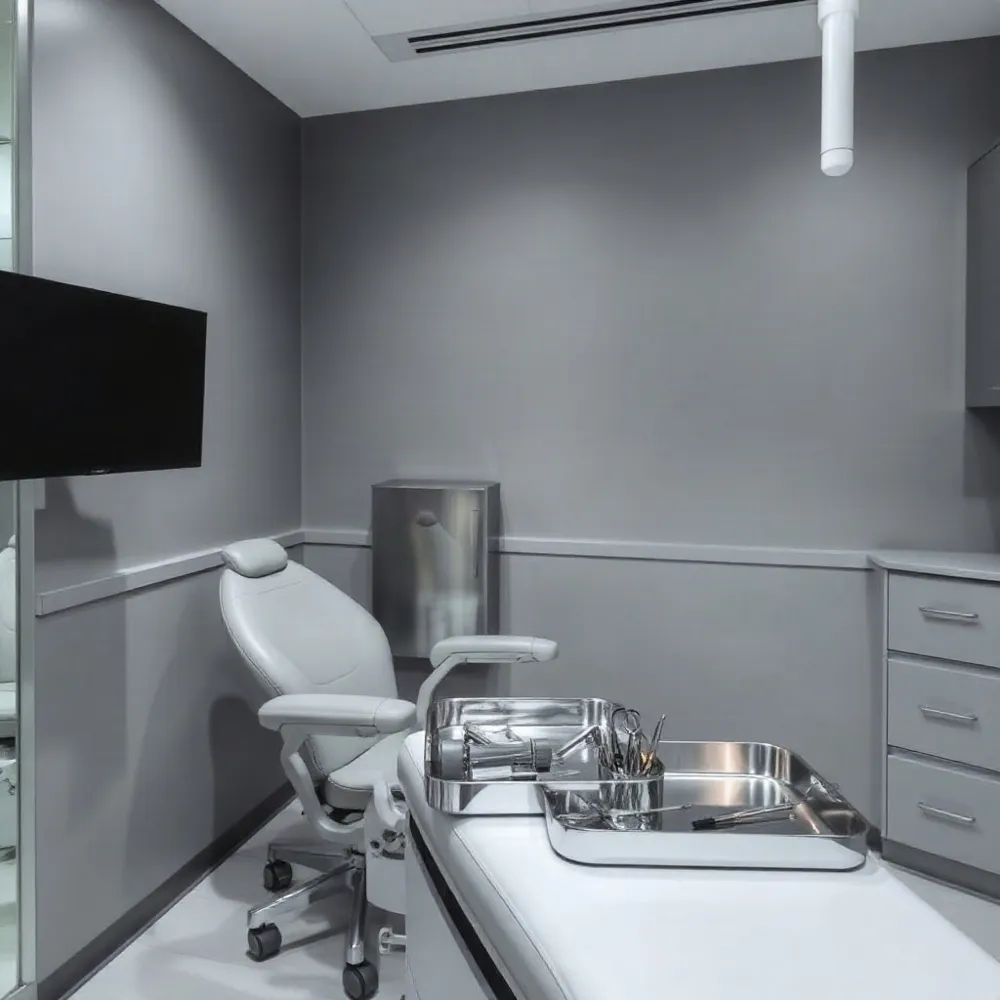
Abdominal etching is a specialized form of liposuction that removes selected fat around the abdominal muscles, making existing contours more visible. It does not create muscle. As GQ explains, the procedure is better understood as helping define muscles that are already there, not producing a six-pack from scratch.
Before surgery, the surgeon plans markings to guide the contouring. A cannula is used to thin the layer of fat, then selectively remove fat along muscle borders and the linea alba, the natural vertical line between the rectus muscles. The aim is to reveal underlying contours, not to substitute for weight loss or muscle building. A prominent belly may not become a sharply defined abdomen through etching alone.
People who are already relatively fit, near their goal weight, and have some muscle definition obscured by localized fat may be better suited to this type of contouring. Skin quality, health, anatomy, and personal goals also affect whether it is appropriate. The American Society of Plastic Surgeons’ overview of male body-contouring options emphasizes that treatment choices depend on individual needs and assessment.
Because etching is surgery, the result can be uneven or asymmetric, or may not match a patient’s expectations. Weight gain can also soften definition. A consultation with a qualified plastic surgeon should cover personal risks, recovery, realistic outcomes, and whether another approach is more suitable. A consultation can help determine whether a procedure is appropriate; this does not establish that the practice offers abdominal etching.
For discussion of the public speculation that prompted interest in the procedure, see Drake abs: are they real or the result of plastic surgery?.
Recovery and Maintaining Results

Recovery after abdominal etching depends on the amount of work performed and the patient’s health, healing, and daily demands. Recovery timelines vary by procedure and patient, so patients should ask their surgeon for an estimate based on their circumstances.
Swelling, bruising, and discomfort may occur as the body heals, and a compression garment may be recommended to support the treated area. Final definition can take time to emerge while swelling settles. The American Society of Plastic Surgeons’ overview of male body contouring also notes that compression and recovery needs vary with the procedure.
Patients should return to exercise only when their operating surgeon says it is appropriate. The surgeon’s aftercare plan should account for the procedure, healing progress, and any individual health concerns, rather than relying on a standard schedule found online.
Maintaining a stable weight and healthy habits can help preserve the contour, since weight gain may soften definition. Recovery and maintenance plans should reflect each patient’s circumstances.
Costs and Broader Male Contouring Trends

Cost estimates and factors
The available estimates vary: GQ reports an approximate cost of $13,000, while one Houston practice lists $12,000 to $16,000 for its own services. Neither figure is a universal price or a current quote. Fees depend on the provider, location, and treatment plan, so patients should request a current, itemized estimate during a consultation.
Abdominal etching is one option within a broader range of male body-contouring treatments. Liposuction can remove localized fat and reshape the torso. Nonsurgical treatments such as CoolSculpting and SculpSure target fat differently and may involve multiple sessions. The American Society of Plastic Surgeons’ overview of male contouring options describes both surgical and nonsurgical approaches.
The American Society of Plastic Surgeons’ overview cites more than 21,000 men undergoing liposuction in 2024. That figure refers to male liposuction overall, not abdominal etching specifically, and should not be read as a measure of how many men choose ab etching.
Choosing a treatment depends on anatomy, skin elasticity, personal goals, and willingness to manage recovery. Contouring can refine existing features, but it does not build muscle or replace healthy habits. A consultation should clarify which options fit the person’s needs, what recovery involves, and what the full cost includes.
Separate Rumor From Medical Fact
Drake denied having abdominal etching and said he edited the photo that prompted speculation. That account is reported in E! News’ coverage of his comments, but it does not independently confirm his treatment history.
Abdominal etching is a real contouring procedure that removes selected fat to make existing muscle lines more visible. The American Society of Plastic Surgeons’ overview of male body-contouring options describes treatment approaches, not evidence about any individual.
Anyone considering contouring should discuss their anatomy, goals, health, and suitable options with a qualified plastic surgeon. At thomasloebmd.com, treatment planning is tailored to each patient’s goals, reflecting the practice’s individualized approach. Before-and-after images can offer context, but expectations should remain realistic: results vary, and procedures refine contours rather than create a particular physique.
A Photo Sparks Speculation
A shirtless Instagram photo showing Drake with sharply defined abs prompted online speculation that he had undergone abdominal etching. Some social-media users nicknamed the procedure a “male BBL,” a popular comparison rather than a medical term; GQ’s account of the speculation discusses the comparison.
A photo cannot establish whether someone has had cosmetic surgery. The image sparked claims, not proof, and even a sculpted appearance can have many explanations. GQ’s account of the speculation likewise does not confirm that Drake had the procedure.
This article considers Drake’s public response, explains how abdominal etching is intended to emphasize existing muscle contours, and looks at why male body contouring requires individual assessment. Treatment suitability depends on individual assessment rather than assumptions based on appearance.
What Drake Has Said
On Bobbi Althoff’s YouTube channel, Drake denied having abdominal etching, according to E! News’ report of the September 2025 episode. His denial is a statement about his own history, not an independent medical assessment.
Drake said he may have edited the shirtless photo with Facetune and pushed the saturation too far. He explained that the image did not show how his abs looked in reality. That account offers context for the photo that sparked speculation, but it does not verify his appearance or treatment history.
He also referred to rumors that he had a Brazilian butt lift, without confirming that he had undergone one. An online claim, a celebrity’s edited image, and a public response each provide different kinds of information; none alone establishes what treatment, if any, someone has received.
For patients considering contouring, a clinical assessment is the appropriate way to discuss whether a procedure suits their anatomy and goals.
How Abdominal Etching Shapes Contours
Abdominal etching is a specialized form of liposuction that removes selected fat around the abdominal muscles, making existing contours more visible. It does not create muscle. As GQ explains, the procedure is better understood as helping define muscles that are already there, not producing a six-pack from scratch.
Before surgery, the surgeon plans markings to guide the contouring. A cannula is used to thin the layer of fat, then selectively remove fat along muscle borders and the linea alba, the natural vertical line between the rectus muscles. The aim is to reveal underlying contours, not to substitute for weight loss or muscle building. A prominent belly may not become a sharply defined abdomen through etching alone.
People who are already relatively fit, near their goal weight, and have some muscle definition obscured by localized fat may be better suited to this type of contouring. Skin quality, health, anatomy, and personal goals also affect whether it is appropriate. The American Society of Plastic Surgeons’ overview of male body-contouring options emphasizes that treatment choices depend on individual needs and assessment.
Because etching is surgery, the result can be uneven or asymmetric, or may not match a patient’s expectations. Weight gain can also soften definition. A consultation with a qualified plastic surgeon should cover personal risks, recovery, realistic outcomes, and whether another approach is more suitable. A consultation can help determine whether a procedure is appropriate; this does not establish that the practice offers abdominal etching.
For discussion of the public speculation that prompted interest in the procedure, see Drake abs: are they real or the result of plastic surgery?.
Recovery and Maintaining Results
Recovery after abdominal etching depends on the amount of work performed and the patient’s health, healing, and daily demands. Recovery timelines vary by procedure and patient, so patients should ask their surgeon for an estimate based on their circumstances.
Swelling, bruising, and discomfort may occur as the body heals, and a compression garment may be recommended to support the treated area. Final definition can take time to emerge while swelling settles. The American Society of Plastic Surgeons’ overview of male body contouring also notes that compression and recovery needs vary with the procedure.
Patients should return to exercise only when their operating surgeon says it is appropriate. The surgeon’s aftercare plan should account for the procedure, healing progress, and any individual health concerns, rather than relying on a standard schedule found online.
Maintaining a stable weight and healthy habits can help preserve the contour, since weight gain may soften definition. Recovery and maintenance plans should reflect each patient’s circumstances.
Costs and Broader Male Contouring Trends
Cost estimates and factors
The available estimates vary: GQ reports an approximate cost of $13,000, while one Houston practice lists $12,000 to $16,000 for its own services. Neither figure is a universal price or a current quote. Fees depend on the provider, location, and treatment plan, so patients should request a current, itemized estimate during a consultation.
Abdominal etching is one option within a broader range of male body-contouring treatments. Liposuction can remove localized fat and reshape the torso. Nonsurgical treatments such as CoolSculpting and SculpSure target fat differently and may involve multiple sessions. The American Society of Plastic Surgeons’ overview of male contouring options describes both surgical and nonsurgical approaches.
The American Society of Plastic Surgeons’ overview cites more than 21,000 men undergoing liposuction in 2024. That figure refers to male liposuction overall, not abdominal etching specifically, and should not be read as a measure of how many men choose ab etching.
Choosing a treatment depends on anatomy, skin elasticity, personal goals, and willingness to manage recovery. Contouring can refine existing features, but it does not build muscle or replace healthy habits. A consultation should clarify which options fit the person’s needs, what recovery involves, and what the full cost includes.
Separate Rumor From Medical Fact
Drake denied having abdominal etching and said he edited the photo that prompted speculation. That account is reported in E! News’ coverage of his comments, but it does not independently confirm his treatment history.
Abdominal etching is a real contouring procedure that removes selected fat to make existing muscle lines more visible. The American Society of Plastic Surgeons’ overview of male body-contouring options describes treatment approaches, not evidence about any individual.
Anyone considering contouring should discuss their anatomy, goals, health, and suitable options with a qualified plastic surgeon. At thomasloebmd.com, treatment planning is tailored to each patient’s goals, reflecting the practice’s individualized approach. Before-and-after images can offer context, but expectations should remain realistic: results vary, and procedures refine contours rather than create a particular physique.
Heading
A Photo Sparks Speculation
A shirtless Instagram photo showing Drake with sharply defined abs prompted online speculation that he had undergone abdominal etching. Some social-media users nicknamed the procedure a “male BBL,” a popular comparison rather than a medical term; GQ’s account of the speculation discusses the comparison.
A photo cannot establish whether someone has had cosmetic surgery. The image sparked claims, not proof, and even a sculpted appearance can have many explanations. GQ’s account of the speculation likewise does not confirm that Drake had the procedure.
This article considers Drake’s public response, explains how abdominal etching is intended to emphasize existing muscle contours, and looks at why male body contouring requires individual assessment. Treatment suitability depends on individual assessment rather than assumptions based on appearance.
What Drake Has Said
On Bobbi Althoff’s YouTube channel, Drake denied having abdominal etching, according to E! News’ report of the September 2025 episode. His denial is a statement about his own history, not an independent medical assessment.
Drake said he may have edited the shirtless photo with Facetune and pushed the saturation too far. He explained that the image did not show how his abs looked in reality. That account offers context for the photo that sparked speculation, but it does not verify his appearance or treatment history.
He also referred to rumors that he had a Brazilian butt lift, without confirming that he had undergone one. An online claim, a celebrity’s edited image, and a public response each provide different kinds of information; none alone establishes what treatment, if any, someone has received.
For patients considering contouring, a clinical assessment is the appropriate way to discuss whether a procedure suits their anatomy and goals.
How Abdominal Etching Shapes Contours
Abdominal etching is a specialized form of liposuction that removes selected fat around the abdominal muscles, making existing contours more visible. It does not create muscle. As GQ explains, the procedure is better understood as helping define muscles that are already there, not producing a six-pack from scratch.
Before surgery, the surgeon plans markings to guide the contouring. A cannula is used to thin the layer of fat, then selectively remove fat along muscle borders and the linea alba, the natural vertical line between the rectus muscles. The aim is to reveal underlying contours, not to substitute for weight loss or muscle building. A prominent belly may not become a sharply defined abdomen through etching alone.
People who are already relatively fit, near their goal weight, and have some muscle definition obscured by localized fat may be better suited to this type of contouring. Skin quality, health, anatomy, and personal goals also affect whether it is appropriate. The American Society of Plastic Surgeons’ overview of male body-contouring options emphasizes that treatment choices depend on individual needs and assessment.
Because etching is surgery, the result can be uneven or asymmetric, or may not match a patient’s expectations. Weight gain can also soften definition. A consultation with a qualified plastic surgeon should cover personal risks, recovery, realistic outcomes, and whether another approach is more suitable. A consultation can help determine whether a procedure is appropriate; this does not establish that the practice offers abdominal etching.
For discussion of the public speculation that prompted interest in the procedure, see Drake abs: are they real or the result of plastic surgery?.
Recovery and Maintaining Results
Recovery after abdominal etching depends on the amount of work performed and the patient’s health, healing, and daily demands. Recovery timelines vary by procedure and patient, so patients should ask their surgeon for an estimate based on their circumstances.
Swelling, bruising, and discomfort may occur as the body heals, and a compression garment may be recommended to support the treated area. Final definition can take time to emerge while swelling settles. The American Society of Plastic Surgeons’ overview of male body contouring also notes that compression and recovery needs vary with the procedure.
Patients should return to exercise only when their operating surgeon says it is appropriate. The surgeon’s aftercare plan should account for the procedure, healing progress, and any individual health concerns, rather than relying on a standard schedule found online.
Maintaining a stable weight and healthy habits can help preserve the contour, since weight gain may soften definition. Recovery and maintenance plans should reflect each patient’s circumstances.
Costs and Broader Male Contouring Trends
Cost estimates and factors
The available estimates vary: GQ reports an approximate cost of $13,000, while one Houston practice lists $12,000 to $16,000 for its own services. Neither figure is a universal price or a current quote. Fees depend on the provider, location, and treatment plan, so patients should request a current, itemized estimate during a consultation.
Abdominal etching is one option within a broader range of male body-contouring treatments. Liposuction can remove localized fat and reshape the torso. Nonsurgical treatments such as CoolSculpting and SculpSure target fat differently and may involve multiple sessions. The American Society of Plastic Surgeons’ overview of male contouring options describes both surgical and nonsurgical approaches.
The American Society of Plastic Surgeons’ overview cites more than 21,000 men undergoing liposuction in 2024. That figure refers to male liposuction overall, not abdominal etching specifically, and should not be read as a measure of how many men choose ab etching.
Choosing a treatment depends on anatomy, skin elasticity, personal goals, and willingness to manage recovery. Contouring can refine existing features, but it does not build muscle or replace healthy habits. A consultation should clarify which options fit the person’s needs, what recovery involves, and what the full cost includes.
Separate Rumor From Medical Fact
Drake denied having abdominal etching and said he edited the photo that prompted speculation. That account is reported in E! News’ coverage of his comments, but it does not independently confirm his treatment history.
Abdominal etching is a real contouring procedure that removes selected fat to make existing muscle lines more visible. The American Society of Plastic Surgeons’ overview of male body-contouring options describes treatment approaches, not evidence about any individual.
Anyone considering contouring should discuss their anatomy, goals, health, and suitable options with a qualified plastic surgeon. At thomasloebmd.com, treatment planning is tailored to each patient’s goals, reflecting the practice’s individualized approach. Before-and-after images can offer context, but expectations should remain realistic: results vary, and procedures refine contours rather than create a particular physique.




Locations


© 2014 - 2025. Thomas W. Loeb | Board Certified Plastic Surgeon