



.svg)
.svg)

A Complete Guide to Blepharoplasty Recovery: What to Expect Month by Month
News
/
October 5, 2026
Blepharoplasty Before and After: What a Single Year of Healing Really Looks Like
A Complete Guide to Blepharoplasty Recovery: What to Expect Month by Month
Body contouring has revolutionized the way we think about self-care and aesthetic transformations. It’s more than just a cosmetic procedure—it’s a path to enhanced confidence and self-expression.
Understanding the Blepharoplasty Journey
Blepharoplasty is the leading facial cosmetic procedure in the United States, with over 120,000 surgeries performed in 2024. This high demand reflects a simple truth: the eyes are the focal point of the face, and even subtle changes in their appearance can make a person look tired, angry, or older than they feel.
This article provides a realistic, evidence-based recovery timeline for the full year of healing. By understanding what is normal at each stage, from peak swelling in the first days to the final scar maturation at 12 months, you can plan your life around recovery and feel confident as your blepharoplasty before and after results unfold.
The transformation is gradual. Early improvements give way to a refined, natural appearance as the tissues settle and incisions become nearly invisible. The goal is to help you recognize genuine progress and know exactly what to expect on the way to long-lasting results.
What Is Blepharoplasty and Who Is a Good Candidate
Blepharoplasty is a surgical procedure that removes excess skin, fat, and muscle from the upper and/or lower eyelids. The primary goal is to rejuvenate the eye area by correcting a tired, hooded, or puffy appearance. For some patients, the surgery also provides a functional benefit: when drooping upper lid skin obstructs the visual field, removing that tissue can significantly improve vision.
Good candidates for blepharoplasty are individuals in good overall health who are bothered by droopy, puffy, or tired-looking eyelids. Candidacy is determined by anatomical factors—such as hereditary fat herniation or dermatochalasis—rather than age alone. Patients from their 20s through their 70s may be suitable, and the best way to assess eligibility is through an in-person consultation with a board-certified plastic surgeon.
For those with a documented functional impairment, such as visual field loss due to excess upper eyelid skin, some or all of the procedure may be covered by insurance. Purely cosmetic concerns are generally an out-of-pocket decision. A thorough evaluation by a qualified surgeon remains the most reliable way to determine whether blepharoplasty aligns with your specific concerns and aesthetic goals.
What to Expect from the Procedure and Incisions
A blepharoplasty is a surprisingly swift procedure.
The procedure itself is surprisingly swift. A blepharoplasty on the upper eyelids alone takes about 45 minutes to an hour. When both upper and lower lids are done in one session, the total time is roughly two hours.
You will be comfortable throughout the surgery. It is typically performed under local anesthesia, often with oral sedation. Recovery from the anesthesia is generally very manageable, and the office-based setting helps many patients feel at ease.
The incision for an upper blepharoplasty is placed precisely within the natural crease of the upper eyelid, making it well-hidden when the eye is open. The choice of incision technique for the lower eyelids at Dr. Loeb's practice is determined by your individual anatomy and aesthetic goals. A subciliary incision is made just below the lower lash line. Alternatively, a transconjunctival incision is made inside the lower lid, leaving no visible external mark.
Modern surgical technique is as important as the incision itself. Gentle tissue handling, fat repositioning rather than aggressive removal, and tension-free closure all support natural-looking results. For many patients, upper blepharoplasty is combined with lower blepharoplasty, brow lift, or ptosis repair in a single session for comprehensive facial rejuvenation.
As for pain, the surgery itself is painless. Afterward, most patients describe the recovery sensation as mild — a feeling of tightness, pressure, or soreness rather than sharp pain. Many compare it to how the eyes feel after a long cry. This discomfort is effectively managed with cold compresses and acetaminophen, while avoiding aspirin and ibuprofen. Looking at blepharoplasty before and after results, patients consistently find the recovery far more manageable than anticipated.
Immediate Post-Op: The First 72 Hours
The first three days after surgery represent the most intense phase of recovery. Swelling and bruising peak during this period, and your eyelids will feel tight, heavy, or mildly irritated. Vision may be temporarily blurry from ointment or swelling, and mild light sensitivity is normal. This initial appearance does not reflect your final result, which will refine significantly over the coming weeks and months.
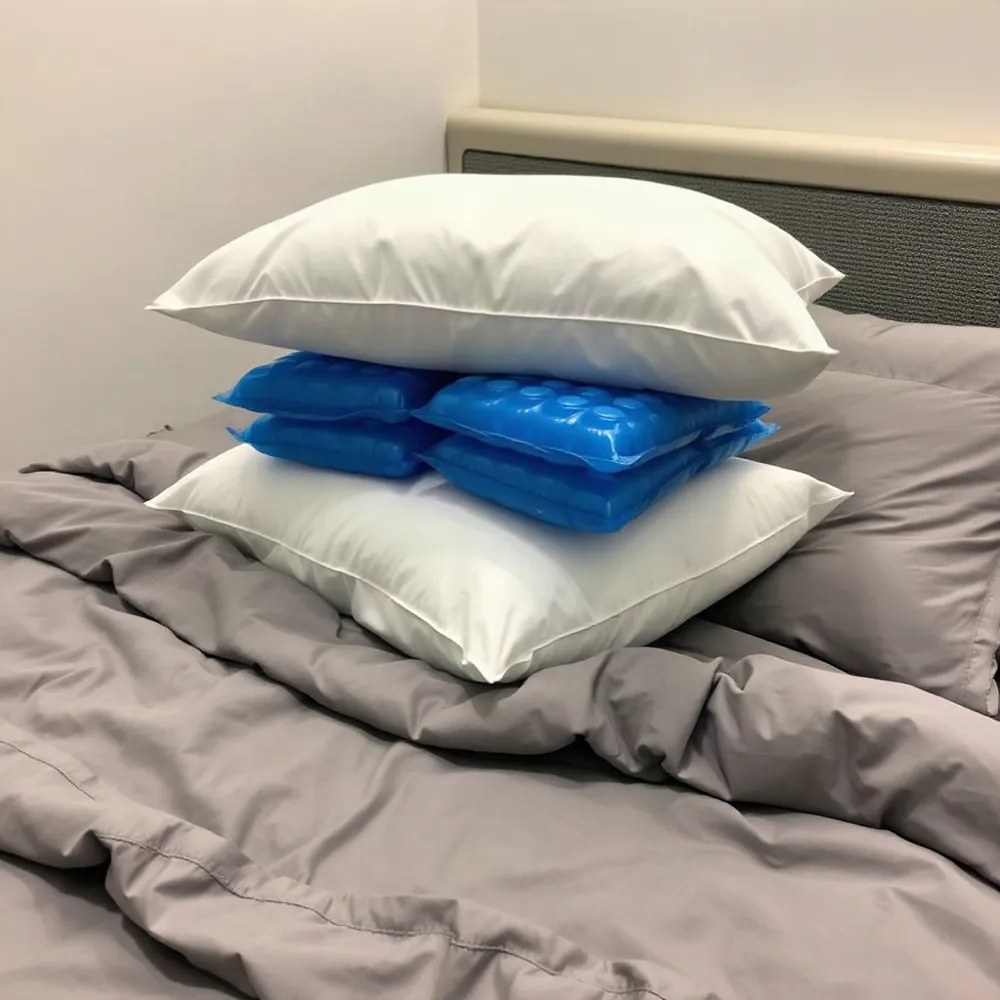
Cold compresses and keeping your head elevated are essential to reduce early edema. Use extra pillows while sleeping to keep your head above your heart. Most patients describe the sensation as tightness or pressure rather than sharp pain; oral medication and cold compresses are usually sufficient to manage discomfort.
Patients are advised to rest at home and avoid bending, straining, or any activity that raises blood pressure. Bending over increases blood flow to the head, which can worsen swelling or cause bleeding and disrupt delicate sutures. Short, indoor walks starting the first or second day are permitted, but no heavy lifting should be attempted for at least one to two weeks. Following these precautions supports a smoother recovery and helps you achieve the best possible blepharoplasty before and after results.
First Week of Recovery: Days 4 to 7
By day four, the most intense phase of recovery begins to ease. Bruising fades from its peak discoloration, and swelling starts to move downward and soften. Patients often notice that the tight, heavy sensation around the eyes becomes less pronounced. The early inflammatory response has largely settled by the one-week mark, setting the stage for noticeable improvement.
Sutures are typically removed between days 5 and 7 during a follow-up visit. Most patients report a meaningful boost in comfort and appearance after suture removal, as the incision line feels less restrictive. It is normal to see a thin pink line along the natural eyelid crease at this stage; this will continue to fade over the coming months.
Activity gradually expands during this window. Light household tasks and screen time in moderation are generally acceptable, provided the eyes remain lubricated and breaks are taken to reduce strain. Short walks indoors can begin as early as day 3 to 5, but strenuous exercise, heavy lifting, and bending remain off limits until cleared by the surgeon.
Temporary dryness, tearing, or mild blurring is common during days 4 to 7 and is typically managed with lubricating drops and prescribed ointments. Most patients feel comfortable returning to desk jobs by the end of the first week, though those in public-facing roles often wait until day 10 to 14 to let visible signs of surgery fade further.
Weeks 2-4: Social Recovery and Early Results
By 10 to 14 days, most patients feel comfortable in public as bruising fades and major swelling subsides. This is when the Cleveland Clinic notes that most people feel comfortable going out in public. Bruising shifts from purple to yellow and then disappears during this period.
Makeup can often be resumed around day 7 to 10 for upper lid incisions once the incisions have sealed. Contact lenses are usually delayed for about 2 weeks or more to protect the cornea from irritation during the healing process.
Many patients return to office work and low-impact exercise after clearance from the surgeon. By this stage, early results become visible: the eyelids look less puffy, and a more rested appearance emerges, offering the first real preview of the final outcome.
Months 2-3: Refining Results and Scar Maturation
Between the second and third month after surgery, the eyelids settle into a more natural state. Swelling continues to diminish, and the contours of the upper and lower lids become refined. At this point, the eyes look brighter, smoother, and more rested, and the blepharoplasty before and after results that first emerged at week four become far more apparent.
The most visible change during this phase is scar softening. Incision lines, which may have appeared pink or slightly raised in earlier weeks, begin to fade into a lighter, more discreet color. These scars continue to remodel for many months, but by now they are well concealed within the natural eyelid crease or just below the lash line. Sun protection is important during this window to prevent pigment changes in the healing tissue.
Clinical studies of upper eyelid blepharoplasty report high patient and surgeon satisfaction at the two-to-three-month mark. Most individuals are fully cleared for strenuous exercise by this stage, provided their surgeon confirmed healing at the four-week follow-up. At Thomas Loeb's New York City practice, patients receive personalized aftercare guidance to ensure activity resumption aligns with their specific recovery, supporting both safety and optimal aesthetic results.
Months 3-6: Nearing the Final Outcome
Between three and six months after surgery, the recovery that began with the initial healing phase reaches its final visual stage. Residual swelling is virtually gone, and the eyelid shape becomes fully refined and natural.
Scar tissue continues to mature during this period. Incision lines, which were pink or slightly raised in earlier weeks, fade to a thin, skin-toned line that blends with the surrounding skin. For upper blepharoplasty, scars are placed within the natural crease of the eyelid, making them very difficult to see once healed. The Cleveland Clinic notes that scar maturation can take up to a full year, with the three- to six-month period marking the most visible improvement.
Functional improvements also become clear at this stage. For patients who had drooping skin that obstructed peripheral vision, the expanded field of view is now fully apparent. The eyes look brighter, smoother, and more rested, and most patients report that they feel completely back to normal and no longer think about the surgery.
thomasloebmd.com's before-and-after gallery showcases results at this stage, demonstrating how a refined and rested appearance is achieved without altering the patient's natural expression.
Months 6-12: Scar Maturation and Long-Term Results
Between six months and one year after surgery, the eyelids reach their final, polished state. Incision lines become very difficult to see, as they fade to thin, pale lines that blend with the surrounding skin. For upper blepharoplasty, the scar is hidden within the natural eyelid crease, while lower lid incisions sit just below the lash line or inside the eyelid. Once fully healed, no one can tell you had surgery — the eyelids appear fully integrated with the rest of the face.
The durability of results is a major consideration. Upper eyelid results from a blepharoplasty often last a decade or longer, and lower eyelid fat removal or repositioning rarely needs to be repeated. When fat is repositioned rather than removed, the results tend to age more gracefully, avoiding the hollow look associated with older techniques. Patients who protect their incisions from the sun with SPF or sunglasses and maintain good skincare can preserve their refreshed appearance for years.
Potential Downsides and How to Avoid Them
While most patients experience a smooth recovery, understanding blepharoplasty risks helps set realistic expectations and encourages informed decision-making. Temporary issues like dry eyes, changes in sensation, and light sensitivity are common in the first weeks and typically resolve as healing progresses. More serious, lasting downsides are rare but include persistent asymmetry, a hollowed appearance from over-aggressive fat removal, ectropion (the lower eyelid rolling out), and difficulty fully closing the eyes.
Why do some patients look older after blepharoplasty? This outcome is often the result of too much skin or fat being removed, which creates a skeletonized or hollowed look that disrupts the natural transition between the eyelid and the surrounding structures. It can also occur if the surgery failed to address other visible signs of aging, such as brow droop or lower-face skin laxity. An experienced surgeon focuses on preservation and facial harmony; Dr. Loeb's practice emphasizes maintaining natural volume and a balanced aesthetic to ensure the patient looks refreshed rather than aged.
If you experience persistent asymmetry, lower lid malposition, or lagophthalmos (inability to fully close the eye) that does not resolve within 6 to 12 months of healing, revision blepharoplasty may be considered to correct the issue. The Cleveland Clinic notes that complications like these are rare but can occur. For any sudden vision changes, severe or increasing pain, or signs of infection, contact your surgeon immediately for prompt evaluation.
The most effective way to avoid these downsides is choosing a board-certified surgeon with specialized training in eyelid anatomy. A qualified surgeon uses gentle, preservation-minded techniques, carefully assesses your unique anatomy, and plans the procedure to maintain facial harmony rather than over-correcting a single feature.
How to Evaluate a Surgeon's Blepharoplasty Gallery
The most realistic blepharoplasty before and after results are found on the websites of experienced, board-certified plastic surgeons and professional organizations like the American Society of Plastic Surgeons. These sources provide verified patient outcomes captured under standardized conditions, offering far more reliable expectations than heavily filtered social media images.
Look for galleries with consistent lighting, matching camera angles, and clearly labeled timing on each photo, such as "2 weeks," "3 months," and "6-12 months." Authentic images show visible skin texture and pores, natural shadowing, and an unchanged background. Heavily retouched or over-smoothed photos are a red flag.
Be cautious of galleries that only present very early post-operative photos as final results. Images taken within the first few weeks may still show swelling or pink incision lines. Also watch for signs of over-resection, which creates a hollowed or sunken eyelid appearance. The goal of a successful result is that the patient looks like a well-rested version of themselves, not overdone or dramatically different.
When you meet a surgeon for a consultation, ask to see cases that match your profile in terms of age, skin type, and ethnicity. Reviewing relevant cases gives you the most meaningful sense of how your own outcome may look. At thomasloebmd.com, we welcome you to review detailed case studies firsthand and discuss how your goals relate to the results you see.
Factors That Influence Your Recovery Timeline
No two blepharoplasty recoveries are identical. Several variables can accelerate or slow healing, and understanding them gives you a more accurate picture of your own timeline.
Type of surgery. Upper blepharoplasty alone typically heals faster than a combined upper and lower procedure, which involves more incisions and tissue manipulation.General health. Non-smokers with well-controlled medical conditions and good nutrition tend to heal more predictably.Medications and supplements. Blood thinners and certain supplements can increase bruising. These are often paused before surgery under a surgeon's supervision.Incision technique. A transconjunctival lower blepharoplasty (incision inside the eyelid) leaves no visible external scar and often allows for quicker cosmetic recovery compared to a traditional external incision.Lifestyle habits. Smoking, high sodium intake, and poor sleep slow healing. Proper sun protection and a balanced diet support smoother recovery.
Recovery photos show these differences clearly. During the first few days after blepharoplasty, blepharoplasty before and after photos typically show significant swelling and deep bruising. By day three or four, the discoloration often shifts from purple to yellow. By one week, swelling is noticeably reduced, and most patients look presentable enough to return to work within 7 to 14 days. Photos taken at two weeks commonly show only minor residual puffiness, with light makeup covering any remaining bruising.
The final result also depends on skin elasticity, age, the amount of tissue removed, and how closely you follow post-operative care instructions. Dr. Loeb's blepharoplasty before and after gallery provides real examples of how these factors shape outcomes for different patients over the full recovery timeline.
Long-Term Results and Maintenance
The final outcome of blepharoplasty becomes most visible between 6 and 12 months after surgery, when scars have matured and any residual fine swelling has resolved. At this stage, the eyelids look fully integrated with the rest of the face, and the refreshed appearance feels completely natural.
Upper eyelid results from blepharoplasty often last 5 to 10 years or longer, and lower eyelid surgery rarely needs to be repeated. When fat is repositioned rather than removed, results tend to age more gracefully, avoiding the hollow look associated with older techniques.
Natural aging continues, so maintaining your results requires sun protection, consistent skincare, and a healthy lifestyle. Dr. Loeb's practice emphasizes these habits to help patients enjoy their refreshed, rested look for as long as possible. The initial investment in recovery pays off with an enduring, authentic improvement that feels like a natural part of you.
Embracing the Full Year of Transformation
The journey from the first few days of rest and ice packs to the one-year milestone is a steady arc of visible improvement. Swelling peaks and fades, incision lines transform from pink and raised to pale and nearly invisible, and the final expression emerges without a trace of surgery. Understanding this full timeline helps patients feel confident and calm throughout healing, knowing that each phase is a normal step toward the outcome.
The final results of blepharoplasty before and after are a long-term investment in looking like a rested, refreshed version of yourself. Incisions placed in the natural creases fade to subtle lines, and the rejuvenated appearance feels integrated rather than operated. According to the Cleveland Clinic, upper eyelid surgery results can last from five to seven years to an entire lifetime, while lower eyelid surgery rarely needs to be repeated.
The vast majority of patients are highly satisfied, and the procedure consistently ranks among the highest satisfaction rates in facial cosmetic surgery. If you are considering blepharoplasty, schedule a consultation with a board-certified surgeon to discuss your unique goals and anatomy. Dr. Loeb and his team offer a private, boutique experience in Manhattan, focused on personalized care and natural-looking outcomes that help you look healthier, more alert, and authentically yourself.
Understanding the Blepharoplasty Journey
Blepharoplasty is the leading facial cosmetic procedure in the United States, with over 120,000 surgeries performed in 2024. This high demand reflects a simple truth: the eyes are the focal point of the face, and even subtle changes in their appearance can make a person look tired, angry, or older than they feel.
This article provides a realistic, evidence-based recovery timeline for the full year of healing. By understanding what is normal at each stage, from peak swelling in the first days to the final scar maturation at 12 months, you can plan your life around recovery and feel confident as your blepharoplasty before and after results unfold.
The transformation is gradual. Early improvements give way to a refined, natural appearance as the tissues settle and incisions become nearly invisible. The goal is to help you recognize genuine progress and know exactly what to expect on the way to long-lasting results.
What Is Blepharoplasty and Who Is a Good Candidate
Blepharoplasty is a surgical procedure that removes excess skin, fat, and muscle from the upper and/or lower eyelids. The primary goal is to rejuvenate the eye area by correcting a tired, hooded, or puffy appearance. For some patients, the surgery also provides a functional benefit: when drooping upper lid skin obstructs the visual field, removing that tissue can significantly improve vision.
Good candidates for blepharoplasty are individuals in good overall health who are bothered by droopy, puffy, or tired-looking eyelids. Candidacy is determined by anatomical factors—such as hereditary fat herniation or dermatochalasis—rather than age alone. Patients from their 20s through their 70s may be suitable, and the best way to assess eligibility is through an in-person consultation with a board-certified plastic surgeon.
For those with a documented functional impairment, such as visual field loss due to excess upper eyelid skin, some or all of the procedure may be covered by insurance. Purely cosmetic concerns are generally an out-of-pocket decision. A thorough evaluation by a qualified surgeon remains the most reliable way to determine whether blepharoplasty aligns with your specific concerns and aesthetic goals.
What to Expect from the Procedure and Incisions
A blepharoplasty is a surprisingly swift procedure.
The procedure itself is surprisingly swift. A blepharoplasty on the upper eyelids alone takes about 45 minutes to an hour. When both upper and lower lids are done in one session, the total time is roughly two hours.
You will be comfortable throughout the surgery. It is typically performed under local anesthesia, often with oral sedation. Recovery from the anesthesia is generally very manageable, and the office-based setting helps many patients feel at ease.
The incision for an upper blepharoplasty is placed precisely within the natural crease of the upper eyelid, making it well-hidden when the eye is open. The choice of incision technique for the lower eyelids at Dr. Loeb's practice is determined by your individual anatomy and aesthetic goals. A subciliary incision is made just below the lower lash line. Alternatively, a transconjunctival incision is made inside the lower lid, leaving no visible external mark.
Modern surgical technique is as important as the incision itself. Gentle tissue handling, fat repositioning rather than aggressive removal, and tension-free closure all support natural-looking results. For many patients, upper blepharoplasty is combined with lower blepharoplasty, brow lift, or ptosis repair in a single session for comprehensive facial rejuvenation.
As for pain, the surgery itself is painless. Afterward, most patients describe the recovery sensation as mild — a feeling of tightness, pressure, or soreness rather than sharp pain. Many compare it to how the eyes feel after a long cry. This discomfort is effectively managed with cold compresses and acetaminophen, while avoiding aspirin and ibuprofen. Looking at blepharoplasty before and after results, patients consistently find the recovery far more manageable than anticipated.
Immediate Post-Op: The First 72 Hours
The first three days after surgery represent the most intense phase of recovery. Swelling and bruising peak during this period, and your eyelids will feel tight, heavy, or mildly irritated. Vision may be temporarily blurry from ointment or swelling, and mild light sensitivity is normal. This initial appearance does not reflect your final result, which will refine significantly over the coming weeks and months.
Cold compresses and keeping your head elevated are essential to reduce early edema. Use extra pillows while sleeping to keep your head above your heart. Most patients describe the sensation as tightness or pressure rather than sharp pain; oral medication and cold compresses are usually sufficient to manage discomfort.
Patients are advised to rest at home and avoid bending, straining, or any activity that raises blood pressure. Bending over increases blood flow to the head, which can worsen swelling or cause bleeding and disrupt delicate sutures. Short, indoor walks starting the first or second day are permitted, but no heavy lifting should be attempted for at least one to two weeks. Following these precautions supports a smoother recovery and helps you achieve the best possible blepharoplasty before and after results.
First Week of Recovery: Days 4 to 7
By day four, the most intense phase of recovery begins to ease. Bruising fades from its peak discoloration, and swelling starts to move downward and soften. Patients often notice that the tight, heavy sensation around the eyes becomes less pronounced. The early inflammatory response has largely settled by the one-week mark, setting the stage for noticeable improvement.
Sutures are typically removed between days 5 and 7 during a follow-up visit. Most patients report a meaningful boost in comfort and appearance after suture removal, as the incision line feels less restrictive. It is normal to see a thin pink line along the natural eyelid crease at this stage; this will continue to fade over the coming months.
Activity gradually expands during this window. Light household tasks and screen time in moderation are generally acceptable, provided the eyes remain lubricated and breaks are taken to reduce strain. Short walks indoors can begin as early as day 3 to 5, but strenuous exercise, heavy lifting, and bending remain off limits until cleared by the surgeon.
Temporary dryness, tearing, or mild blurring is common during days 4 to 7 and is typically managed with lubricating drops and prescribed ointments. Most patients feel comfortable returning to desk jobs by the end of the first week, though those in public-facing roles often wait until day 10 to 14 to let visible signs of surgery fade further.
Weeks 2-4: Social Recovery and Early Results
By 10 to 14 days, most patients feel comfortable in public as bruising fades and major swelling subsides. This is when the Cleveland Clinic notes that most people feel comfortable going out in public. Bruising shifts from purple to yellow and then disappears during this period.
Makeup can often be resumed around day 7 to 10 for upper lid incisions once the incisions have sealed. Contact lenses are usually delayed for about 2 weeks or more to protect the cornea from irritation during the healing process.
Many patients return to office work and low-impact exercise after clearance from the surgeon. By this stage, early results become visible: the eyelids look less puffy, and a more rested appearance emerges, offering the first real preview of the final outcome.
Months 2-3: Refining Results and Scar Maturation
Between the second and third month after surgery, the eyelids settle into a more natural state. Swelling continues to diminish, and the contours of the upper and lower lids become refined. At this point, the eyes look brighter, smoother, and more rested, and the blepharoplasty before and after results that first emerged at week four become far more apparent.
The most visible change during this phase is scar softening. Incision lines, which may have appeared pink or slightly raised in earlier weeks, begin to fade into a lighter, more discreet color. These scars continue to remodel for many months, but by now they are well concealed within the natural eyelid crease or just below the lash line. Sun protection is important during this window to prevent pigment changes in the healing tissue.
Clinical studies of upper eyelid blepharoplasty report high patient and surgeon satisfaction at the two-to-three-month mark. Most individuals are fully cleared for strenuous exercise by this stage, provided their surgeon confirmed healing at the four-week follow-up. At Thomas Loeb's New York City practice, patients receive personalized aftercare guidance to ensure activity resumption aligns with their specific recovery, supporting both safety and optimal aesthetic results.
Months 3-6: Nearing the Final Outcome
Between three and six months after surgery, the recovery that began with the initial healing phase reaches its final visual stage. Residual swelling is virtually gone, and the eyelid shape becomes fully refined and natural.
Scar tissue continues to mature during this period. Incision lines, which were pink or slightly raised in earlier weeks, fade to a thin, skin-toned line that blends with the surrounding skin. For upper blepharoplasty, scars are placed within the natural crease of the eyelid, making them very difficult to see once healed. The Cleveland Clinic notes that scar maturation can take up to a full year, with the three- to six-month period marking the most visible improvement.
Functional improvements also become clear at this stage. For patients who had drooping skin that obstructed peripheral vision, the expanded field of view is now fully apparent. The eyes look brighter, smoother, and more rested, and most patients report that they feel completely back to normal and no longer think about the surgery.
thomasloebmd.com's before-and-after gallery showcases results at this stage, demonstrating how a refined and rested appearance is achieved without altering the patient's natural expression.
Months 6-12: Scar Maturation and Long-Term Results
Between six months and one year after surgery, the eyelids reach their final, polished state. Incision lines become very difficult to see, as they fade to thin, pale lines that blend with the surrounding skin. For upper blepharoplasty, the scar is hidden within the natural eyelid crease, while lower lid incisions sit just below the lash line or inside the eyelid. Once fully healed, no one can tell you had surgery — the eyelids appear fully integrated with the rest of the face.
The durability of results is a major consideration. Upper eyelid results from a blepharoplasty often last a decade or longer, and lower eyelid fat removal or repositioning rarely needs to be repeated. When fat is repositioned rather than removed, the results tend to age more gracefully, avoiding the hollow look associated with older techniques. Patients who protect their incisions from the sun with SPF or sunglasses and maintain good skincare can preserve their refreshed appearance for years.
Potential Downsides and How to Avoid Them
While most patients experience a smooth recovery, understanding blepharoplasty risks helps set realistic expectations and encourages informed decision-making. Temporary issues like dry eyes, changes in sensation, and light sensitivity are common in the first weeks and typically resolve as healing progresses. More serious, lasting downsides are rare but include persistent asymmetry, a hollowed appearance from over-aggressive fat removal, ectropion (the lower eyelid rolling out), and difficulty fully closing the eyes.
Why do some patients look older after blepharoplasty? This outcome is often the result of too much skin or fat being removed, which creates a skeletonized or hollowed look that disrupts the natural transition between the eyelid and the surrounding structures. It can also occur if the surgery failed to address other visible signs of aging, such as brow droop or lower-face skin laxity. An experienced surgeon focuses on preservation and facial harmony; Dr. Loeb's practice emphasizes maintaining natural volume and a balanced aesthetic to ensure the patient looks refreshed rather than aged.
If you experience persistent asymmetry, lower lid malposition, or lagophthalmos (inability to fully close the eye) that does not resolve within 6 to 12 months of healing, revision blepharoplasty may be considered to correct the issue. The Cleveland Clinic notes that complications like these are rare but can occur. For any sudden vision changes, severe or increasing pain, or signs of infection, contact your surgeon immediately for prompt evaluation.
The most effective way to avoid these downsides is choosing a board-certified surgeon with specialized training in eyelid anatomy. A qualified surgeon uses gentle, preservation-minded techniques, carefully assesses your unique anatomy, and plans the procedure to maintain facial harmony rather than over-correcting a single feature.
How to Evaluate a Surgeon's Blepharoplasty Gallery
The most realistic blepharoplasty before and after results are found on the websites of experienced, board-certified plastic surgeons and professional organizations like the American Society of Plastic Surgeons. These sources provide verified patient outcomes captured under standardized conditions, offering far more reliable expectations than heavily filtered social media images.
Look for galleries with consistent lighting, matching camera angles, and clearly labeled timing on each photo, such as "2 weeks," "3 months," and "6-12 months." Authentic images show visible skin texture and pores, natural shadowing, and an unchanged background. Heavily retouched or over-smoothed photos are a red flag.
Be cautious of galleries that only present very early post-operative photos as final results. Images taken within the first few weeks may still show swelling or pink incision lines. Also watch for signs of over-resection, which creates a hollowed or sunken eyelid appearance. The goal of a successful result is that the patient looks like a well-rested version of themselves, not overdone or dramatically different.
When you meet a surgeon for a consultation, ask to see cases that match your profile in terms of age, skin type, and ethnicity. Reviewing relevant cases gives you the most meaningful sense of how your own outcome may look. At thomasloebmd.com, we welcome you to review detailed case studies firsthand and discuss how your goals relate to the results you see.
Factors That Influence Your Recovery Timeline
No two blepharoplasty recoveries are identical. Several variables can accelerate or slow healing, and understanding them gives you a more accurate picture of your own timeline.
Type of surgery. Upper blepharoplasty alone typically heals faster than a combined upper and lower procedure, which involves more incisions and tissue manipulation.General health. Non-smokers with well-controlled medical conditions and good nutrition tend to heal more predictably.Medications and supplements. Blood thinners and certain supplements can increase bruising. These are often paused before surgery under a surgeon's supervision.Incision technique. A transconjunctival lower blepharoplasty (incision inside the eyelid) leaves no visible external scar and often allows for quicker cosmetic recovery compared to a traditional external incision.Lifestyle habits. Smoking, high sodium intake, and poor sleep slow healing. Proper sun protection and a balanced diet support smoother recovery.
Recovery photos show these differences clearly. During the first few days after blepharoplasty, blepharoplasty before and after photos typically show significant swelling and deep bruising. By day three or four, the discoloration often shifts from purple to yellow. By one week, swelling is noticeably reduced, and most patients look presentable enough to return to work within 7 to 14 days. Photos taken at two weeks commonly show only minor residual puffiness, with light makeup covering any remaining bruising.
The final result also depends on skin elasticity, age, the amount of tissue removed, and how closely you follow post-operative care instructions. Dr. Loeb's blepharoplasty before and after gallery provides real examples of how these factors shape outcomes for different patients over the full recovery timeline.
Long-Term Results and Maintenance
The final outcome of blepharoplasty becomes most visible between 6 and 12 months after surgery, when scars have matured and any residual fine swelling has resolved. At this stage, the eyelids look fully integrated with the rest of the face, and the refreshed appearance feels completely natural.
Upper eyelid results from blepharoplasty often last 5 to 10 years or longer, and lower eyelid surgery rarely needs to be repeated. When fat is repositioned rather than removed, results tend to age more gracefully, avoiding the hollow look associated with older techniques.
Natural aging continues, so maintaining your results requires sun protection, consistent skincare, and a healthy lifestyle. Dr. Loeb's practice emphasizes these habits to help patients enjoy their refreshed, rested look for as long as possible. The initial investment in recovery pays off with an enduring, authentic improvement that feels like a natural part of you.
Embracing the Full Year of Transformation
The journey from the first few days of rest and ice packs to the one-year milestone is a steady arc of visible improvement. Swelling peaks and fades, incision lines transform from pink and raised to pale and nearly invisible, and the final expression emerges without a trace of surgery. Understanding this full timeline helps patients feel confident and calm throughout healing, knowing that each phase is a normal step toward the outcome.
The final results of blepharoplasty before and after are a long-term investment in looking like a rested, refreshed version of yourself. Incisions placed in the natural creases fade to subtle lines, and the rejuvenated appearance feels integrated rather than operated. According to the Cleveland Clinic, upper eyelid surgery results can last from five to seven years to an entire lifetime, while lower eyelid surgery rarely needs to be repeated.
The vast majority of patients are highly satisfied, and the procedure consistently ranks among the highest satisfaction rates in facial cosmetic surgery. If you are considering blepharoplasty, schedule a consultation with a board-certified surgeon to discuss your unique goals and anatomy. Dr. Loeb and his team offer a private, boutique experience in Manhattan, focused on personalized care and natural-looking outcomes that help you look healthier, more alert, and authentically yourself.
Heading
Understanding the Blepharoplasty Journey
Blepharoplasty is the leading facial cosmetic procedure in the United States, with over 120,000 surgeries performed in 2024. This high demand reflects a simple truth: the eyes are the focal point of the face, and even subtle changes in their appearance can make a person look tired, angry, or older than they feel.
This article provides a realistic, evidence-based recovery timeline for the full year of healing. By understanding what is normal at each stage, from peak swelling in the first days to the final scar maturation at 12 months, you can plan your life around recovery and feel confident as your blepharoplasty before and after results unfold.
The transformation is gradual. Early improvements give way to a refined, natural appearance as the tissues settle and incisions become nearly invisible. The goal is to help you recognize genuine progress and know exactly what to expect on the way to long-lasting results.
What Is Blepharoplasty and Who Is a Good Candidate
Blepharoplasty is a surgical procedure that removes excess skin, fat, and muscle from the upper and/or lower eyelids. The primary goal is to rejuvenate the eye area by correcting a tired, hooded, or puffy appearance. For some patients, the surgery also provides a functional benefit: when drooping upper lid skin obstructs the visual field, removing that tissue can significantly improve vision.
Good candidates for blepharoplasty are individuals in good overall health who are bothered by droopy, puffy, or tired-looking eyelids. Candidacy is determined by anatomical factors—such as hereditary fat herniation or dermatochalasis—rather than age alone. Patients from their 20s through their 70s may be suitable, and the best way to assess eligibility is through an in-person consultation with a board-certified plastic surgeon.
For those with a documented functional impairment, such as visual field loss due to excess upper eyelid skin, some or all of the procedure may be covered by insurance. Purely cosmetic concerns are generally an out-of-pocket decision. A thorough evaluation by a qualified surgeon remains the most reliable way to determine whether blepharoplasty aligns with your specific concerns and aesthetic goals.
What to Expect from the Procedure and Incisions
A blepharoplasty is a surprisingly swift procedure.
The procedure itself is surprisingly swift. A blepharoplasty on the upper eyelids alone takes about 45 minutes to an hour. When both upper and lower lids are done in one session, the total time is roughly two hours.
You will be comfortable throughout the surgery. It is typically performed under local anesthesia, often with oral sedation. Recovery from the anesthesia is generally very manageable, and the office-based setting helps many patients feel at ease.
The incision for an upper blepharoplasty is placed precisely within the natural crease of the upper eyelid, making it well-hidden when the eye is open. The choice of incision technique for the lower eyelids at Dr. Loeb's practice is determined by your individual anatomy and aesthetic goals. A subciliary incision is made just below the lower lash line. Alternatively, a transconjunctival incision is made inside the lower lid, leaving no visible external mark.
Modern surgical technique is as important as the incision itself. Gentle tissue handling, fat repositioning rather than aggressive removal, and tension-free closure all support natural-looking results. For many patients, upper blepharoplasty is combined with lower blepharoplasty, brow lift, or ptosis repair in a single session for comprehensive facial rejuvenation.
As for pain, the surgery itself is painless. Afterward, most patients describe the recovery sensation as mild — a feeling of tightness, pressure, or soreness rather than sharp pain. Many compare it to how the eyes feel after a long cry. This discomfort is effectively managed with cold compresses and acetaminophen, while avoiding aspirin and ibuprofen. Looking at blepharoplasty before and after results, patients consistently find the recovery far more manageable than anticipated.
Immediate Post-Op: The First 72 Hours
The first three days after surgery represent the most intense phase of recovery. Swelling and bruising peak during this period, and your eyelids will feel tight, heavy, or mildly irritated. Vision may be temporarily blurry from ointment or swelling, and mild light sensitivity is normal. This initial appearance does not reflect your final result, which will refine significantly over the coming weeks and months.
Cold compresses and keeping your head elevated are essential to reduce early edema. Use extra pillows while sleeping to keep your head above your heart. Most patients describe the sensation as tightness or pressure rather than sharp pain; oral medication and cold compresses are usually sufficient to manage discomfort.
Patients are advised to rest at home and avoid bending, straining, or any activity that raises blood pressure. Bending over increases blood flow to the head, which can worsen swelling or cause bleeding and disrupt delicate sutures. Short, indoor walks starting the first or second day are permitted, but no heavy lifting should be attempted for at least one to two weeks. Following these precautions supports a smoother recovery and helps you achieve the best possible blepharoplasty before and after results.
First Week of Recovery: Days 4 to 7
By day four, the most intense phase of recovery begins to ease. Bruising fades from its peak discoloration, and swelling starts to move downward and soften. Patients often notice that the tight, heavy sensation around the eyes becomes less pronounced. The early inflammatory response has largely settled by the one-week mark, setting the stage for noticeable improvement.
Sutures are typically removed between days 5 and 7 during a follow-up visit. Most patients report a meaningful boost in comfort and appearance after suture removal, as the incision line feels less restrictive. It is normal to see a thin pink line along the natural eyelid crease at this stage; this will continue to fade over the coming months.
Activity gradually expands during this window. Light household tasks and screen time in moderation are generally acceptable, provided the eyes remain lubricated and breaks are taken to reduce strain. Short walks indoors can begin as early as day 3 to 5, but strenuous exercise, heavy lifting, and bending remain off limits until cleared by the surgeon.
Temporary dryness, tearing, or mild blurring is common during days 4 to 7 and is typically managed with lubricating drops and prescribed ointments. Most patients feel comfortable returning to desk jobs by the end of the first week, though those in public-facing roles often wait until day 10 to 14 to let visible signs of surgery fade further.
Weeks 2-4: Social Recovery and Early Results
By 10 to 14 days, most patients feel comfortable in public as bruising fades and major swelling subsides. This is when the Cleveland Clinic notes that most people feel comfortable going out in public. Bruising shifts from purple to yellow and then disappears during this period.
Makeup can often be resumed around day 7 to 10 for upper lid incisions once the incisions have sealed. Contact lenses are usually delayed for about 2 weeks or more to protect the cornea from irritation during the healing process.
Many patients return to office work and low-impact exercise after clearance from the surgeon. By this stage, early results become visible: the eyelids look less puffy, and a more rested appearance emerges, offering the first real preview of the final outcome.
Months 2-3: Refining Results and Scar Maturation
Between the second and third month after surgery, the eyelids settle into a more natural state. Swelling continues to diminish, and the contours of the upper and lower lids become refined. At this point, the eyes look brighter, smoother, and more rested, and the blepharoplasty before and after results that first emerged at week four become far more apparent.
The most visible change during this phase is scar softening. Incision lines, which may have appeared pink or slightly raised in earlier weeks, begin to fade into a lighter, more discreet color. These scars continue to remodel for many months, but by now they are well concealed within the natural eyelid crease or just below the lash line. Sun protection is important during this window to prevent pigment changes in the healing tissue.
Clinical studies of upper eyelid blepharoplasty report high patient and surgeon satisfaction at the two-to-three-month mark. Most individuals are fully cleared for strenuous exercise by this stage, provided their surgeon confirmed healing at the four-week follow-up. At Thomas Loeb's New York City practice, patients receive personalized aftercare guidance to ensure activity resumption aligns with their specific recovery, supporting both safety and optimal aesthetic results.
Months 3-6: Nearing the Final Outcome
Between three and six months after surgery, the recovery that began with the initial healing phase reaches its final visual stage. Residual swelling is virtually gone, and the eyelid shape becomes fully refined and natural.
Scar tissue continues to mature during this period. Incision lines, which were pink or slightly raised in earlier weeks, fade to a thin, skin-toned line that blends with the surrounding skin. For upper blepharoplasty, scars are placed within the natural crease of the eyelid, making them very difficult to see once healed. The Cleveland Clinic notes that scar maturation can take up to a full year, with the three- to six-month period marking the most visible improvement.
Functional improvements also become clear at this stage. For patients who had drooping skin that obstructed peripheral vision, the expanded field of view is now fully apparent. The eyes look brighter, smoother, and more rested, and most patients report that they feel completely back to normal and no longer think about the surgery.
thomasloebmd.com's before-and-after gallery showcases results at this stage, demonstrating how a refined and rested appearance is achieved without altering the patient's natural expression.
Months 6-12: Scar Maturation and Long-Term Results
Between six months and one year after surgery, the eyelids reach their final, polished state. Incision lines become very difficult to see, as they fade to thin, pale lines that blend with the surrounding skin. For upper blepharoplasty, the scar is hidden within the natural eyelid crease, while lower lid incisions sit just below the lash line or inside the eyelid. Once fully healed, no one can tell you had surgery — the eyelids appear fully integrated with the rest of the face.
The durability of results is a major consideration. Upper eyelid results from a blepharoplasty often last a decade or longer, and lower eyelid fat removal or repositioning rarely needs to be repeated. When fat is repositioned rather than removed, the results tend to age more gracefully, avoiding the hollow look associated with older techniques. Patients who protect their incisions from the sun with SPF or sunglasses and maintain good skincare can preserve their refreshed appearance for years.
Potential Downsides and How to Avoid Them
While most patients experience a smooth recovery, understanding blepharoplasty risks helps set realistic expectations and encourages informed decision-making. Temporary issues like dry eyes, changes in sensation, and light sensitivity are common in the first weeks and typically resolve as healing progresses. More serious, lasting downsides are rare but include persistent asymmetry, a hollowed appearance from over-aggressive fat removal, ectropion (the lower eyelid rolling out), and difficulty fully closing the eyes.
Why do some patients look older after blepharoplasty? This outcome is often the result of too much skin or fat being removed, which creates a skeletonized or hollowed look that disrupts the natural transition between the eyelid and the surrounding structures. It can also occur if the surgery failed to address other visible signs of aging, such as brow droop or lower-face skin laxity. An experienced surgeon focuses on preservation and facial harmony; Dr. Loeb's practice emphasizes maintaining natural volume and a balanced aesthetic to ensure the patient looks refreshed rather than aged.
If you experience persistent asymmetry, lower lid malposition, or lagophthalmos (inability to fully close the eye) that does not resolve within 6 to 12 months of healing, revision blepharoplasty may be considered to correct the issue. The Cleveland Clinic notes that complications like these are rare but can occur. For any sudden vision changes, severe or increasing pain, or signs of infection, contact your surgeon immediately for prompt evaluation.
The most effective way to avoid these downsides is choosing a board-certified surgeon with specialized training in eyelid anatomy. A qualified surgeon uses gentle, preservation-minded techniques, carefully assesses your unique anatomy, and plans the procedure to maintain facial harmony rather than over-correcting a single feature.
How to Evaluate a Surgeon's Blepharoplasty Gallery
The most realistic blepharoplasty before and after results are found on the websites of experienced, board-certified plastic surgeons and professional organizations like the American Society of Plastic Surgeons. These sources provide verified patient outcomes captured under standardized conditions, offering far more reliable expectations than heavily filtered social media images.
Look for galleries with consistent lighting, matching camera angles, and clearly labeled timing on each photo, such as "2 weeks," "3 months," and "6-12 months." Authentic images show visible skin texture and pores, natural shadowing, and an unchanged background. Heavily retouched or over-smoothed photos are a red flag.
Be cautious of galleries that only present very early post-operative photos as final results. Images taken within the first few weeks may still show swelling or pink incision lines. Also watch for signs of over-resection, which creates a hollowed or sunken eyelid appearance. The goal of a successful result is that the patient looks like a well-rested version of themselves, not overdone or dramatically different.
When you meet a surgeon for a consultation, ask to see cases that match your profile in terms of age, skin type, and ethnicity. Reviewing relevant cases gives you the most meaningful sense of how your own outcome may look. At thomasloebmd.com, we welcome you to review detailed case studies firsthand and discuss how your goals relate to the results you see.
Factors That Influence Your Recovery Timeline
No two blepharoplasty recoveries are identical. Several variables can accelerate or slow healing, and understanding them gives you a more accurate picture of your own timeline.
Type of surgery. Upper blepharoplasty alone typically heals faster than a combined upper and lower procedure, which involves more incisions and tissue manipulation.General health. Non-smokers with well-controlled medical conditions and good nutrition tend to heal more predictably.Medications and supplements. Blood thinners and certain supplements can increase bruising. These are often paused before surgery under a surgeon's supervision.Incision technique. A transconjunctival lower blepharoplasty (incision inside the eyelid) leaves no visible external scar and often allows for quicker cosmetic recovery compared to a traditional external incision.Lifestyle habits. Smoking, high sodium intake, and poor sleep slow healing. Proper sun protection and a balanced diet support smoother recovery.
Recovery photos show these differences clearly. During the first few days after blepharoplasty, blepharoplasty before and after photos typically show significant swelling and deep bruising. By day three or four, the discoloration often shifts from purple to yellow. By one week, swelling is noticeably reduced, and most patients look presentable enough to return to work within 7 to 14 days. Photos taken at two weeks commonly show only minor residual puffiness, with light makeup covering any remaining bruising.
The final result also depends on skin elasticity, age, the amount of tissue removed, and how closely you follow post-operative care instructions. Dr. Loeb's blepharoplasty before and after gallery provides real examples of how these factors shape outcomes for different patients over the full recovery timeline.
Long-Term Results and Maintenance
The final outcome of blepharoplasty becomes most visible between 6 and 12 months after surgery, when scars have matured and any residual fine swelling has resolved. At this stage, the eyelids look fully integrated with the rest of the face, and the refreshed appearance feels completely natural.
Upper eyelid results from blepharoplasty often last 5 to 10 years or longer, and lower eyelid surgery rarely needs to be repeated. When fat is repositioned rather than removed, results tend to age more gracefully, avoiding the hollow look associated with older techniques.
Natural aging continues, so maintaining your results requires sun protection, consistent skincare, and a healthy lifestyle. Dr. Loeb's practice emphasizes these habits to help patients enjoy their refreshed, rested look for as long as possible. The initial investment in recovery pays off with an enduring, authentic improvement that feels like a natural part of you.
Embracing the Full Year of Transformation
The journey from the first few days of rest and ice packs to the one-year milestone is a steady arc of visible improvement. Swelling peaks and fades, incision lines transform from pink and raised to pale and nearly invisible, and the final expression emerges without a trace of surgery. Understanding this full timeline helps patients feel confident and calm throughout healing, knowing that each phase is a normal step toward the outcome.
The final results of blepharoplasty before and after are a long-term investment in looking like a rested, refreshed version of yourself. Incisions placed in the natural creases fade to subtle lines, and the rejuvenated appearance feels integrated rather than operated. According to the Cleveland Clinic, upper eyelid surgery results can last from five to seven years to an entire lifetime, while lower eyelid surgery rarely needs to be repeated.
The vast majority of patients are highly satisfied, and the procedure consistently ranks among the highest satisfaction rates in facial cosmetic surgery. If you are considering blepharoplasty, schedule a consultation with a board-certified surgeon to discuss your unique goals and anatomy. Dr. Loeb and his team offer a private, boutique experience in Manhattan, focused on personalized care and natural-looking outcomes that help you look healthier, more alert, and authentically yourself.




Locations


© 2014 - 2025. Thomas W. Loeb | Board Certified Plastic Surgeon