



.svg)
.svg)


Brow Lift vs. Eyelid Surgery: Which Is Right for You?
News
/
October 6, 2026
Brow Lift vs. Blepharoplasty: What’s the Difference?
Brow Lift vs. Eyelid Surgery: Which Is Right for You?

Body contouring has revolutionized the way we think about self-care and aesthetic transformations. It’s more than just a cosmetic procedure—it’s a path to enhanced confidence and self-expression.
Understanding Your Options for a More Youthful Appearance
As we age, the skin around the eyes and brow loses elasticity, leading to sagging, hooding, and a tired expression. These changes can make someone look older or more fatigued than they feel. Two of the most common surgical solutions are a brow lift and blepharoplasty (eyelid surgery). While both brighten the eyes and restore a more alert look, they target different anatomical structures.
A brow lift repositions the forehead and brow tissue to smooth forehead wrinkles and lift drooping eyebrows. It corrects heaviness at the brow level, which can improve the appearance of the upper eyelids without removing any eyelid skin, as explained in this overview from the Cleveland Clinic. In contrast, blepharoplasty removes or repositions excess skin, muscle, and fat from the eyelids themselves. The Mayo Clinic notes that this surgery can also restore peripheral vision when sagging upper-lid skin blocks the visual field.
Because these procedures address overlapping but distinct concerns, the right choice depends on whether the source of the heaviness is brow descent or eyelid tissue itself. Many patients benefit from a combined approach, which Dr. Thomas W. Loeb commonly performs at his New York City practice to achieve balanced, natural-looking upper-face rejuvenation. This article outlines the differences to help you decide which option — or combination of options — best meets your needs.
What Each Procedure Addresses
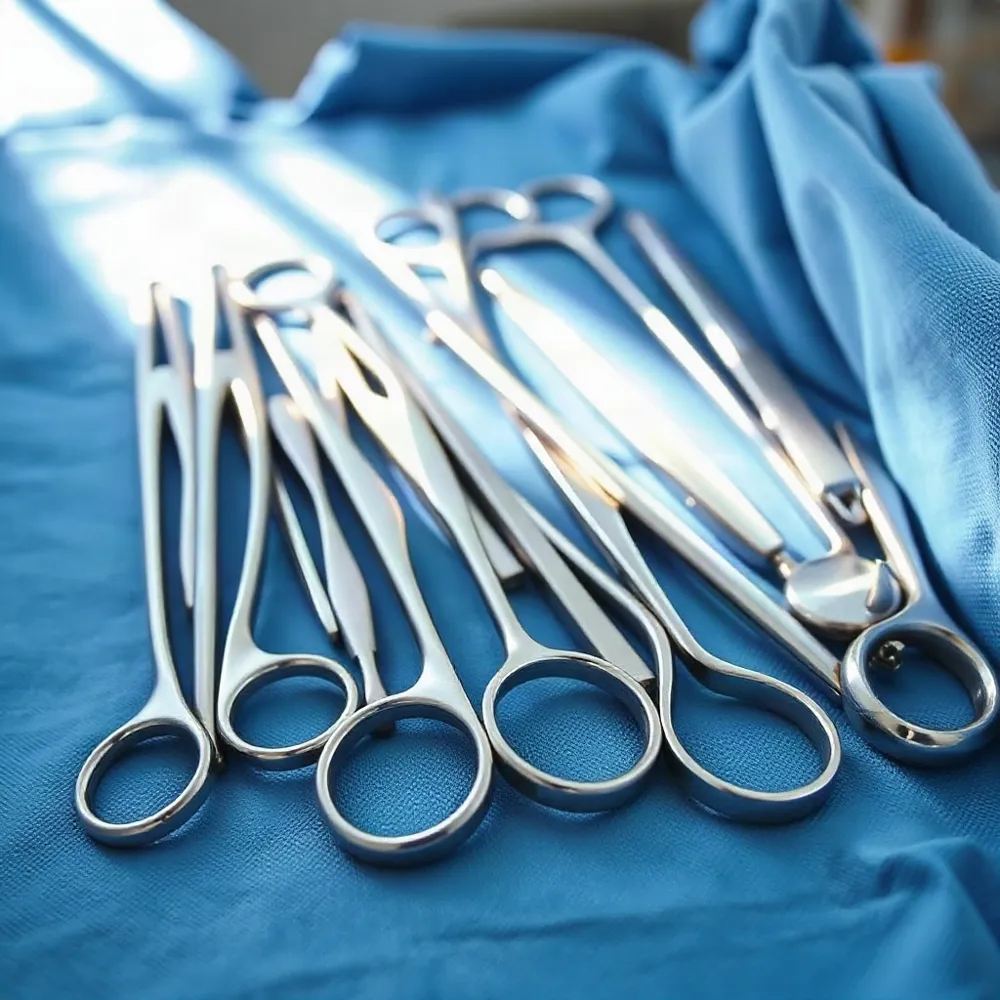
Blepharoplasty and a brow lift are distinct procedures that target different structures in the upper face. Understanding what each technique addresses is the first step toward choosing the right path for a more youthful and alert appearance.
Blepharoplasty is direct eyelid surgery. An upper blepharoplasty removes excess skin, muscle, and sometimes fat from the upper eyelid, correcting drooping, hooded lids that can even block peripheral vision. A lower blepharoplasty addresses under-eye bags and hollows by removing or repositioning fat pads and tightening skin. The goals are a smoother eyelid contour and a more rested look.
A brow lift (also called a forehead lift) elevates the eyebrows and smooths forehead wrinkles by repositioning brow and forehead tissue. This lifts sagging eyebrows, softens frown lines (the "11s"), and reduces horizontal forehead creases. By raising the brow, the procedure also lessens the heavy appearance of skin pressing down on the upper eyelid, but it does not remove any excess eyelid skin itself.
The core distinction: blepharoplasty directly removes tissue from the eyelid, while a brow lift repositions tissue above the eyelid to restore a lifted brow. Many patients find that a blepharoplasty before and after gallery reveals their primary concern is eyelid skin, while others discover a brow lift better addresses a heavy, descended brow. Dr. Thomas W. Loeb offers both procedures and can help determine whether the issue lies in the brow position, the eyelid skin, or both.
Choosing Between Brow Lift and Eyelid Surgery
The decision between these two procedures rests on identifying the root cause of the heaviness around your eyes. A simple self-test can help clarify the source. Known as the finger lift test, it involves gently lifting the brow area with your fingers. If doing so significantly improves the appearance of the upper eyelid, then a descending brow is the primary culprit. If lifting the brow makes little difference, the issue is likely excess eyelid skin.
A brow lift is the appropriate choice for correcting sagging eyebrows, deep forehead wrinkles, and frown lines between the brows. It repositions the brow and forehead tissues to their natural, more youthful level. In contrast, blepharoplasty directly targets the eyelids, removing excess skin and fat to correct droopy upper lids and under-eye bags. Reviewing blepharoplasty before and after photos can offer a clear picture of the outcomes possible for isolated eyelid concerns.
Many patients find they have both brow descent and excess eyelid skin. For these cases, combining a brow lift with a blepharoplasty delivers the most balanced and comprehensive rejuvenation. During a combined procedure, the brow is lifted first, and then the remaining eyelid skin is reassessed against the new brow position to avoid over-removal. At Dr. Thomas W. Loeb's practice in New York City, personalized consultations help determine whether a single procedure or a combined approach will best address your unique facial anatomy and aesthetic goals.
The Endoscopic Brow Lift Technique
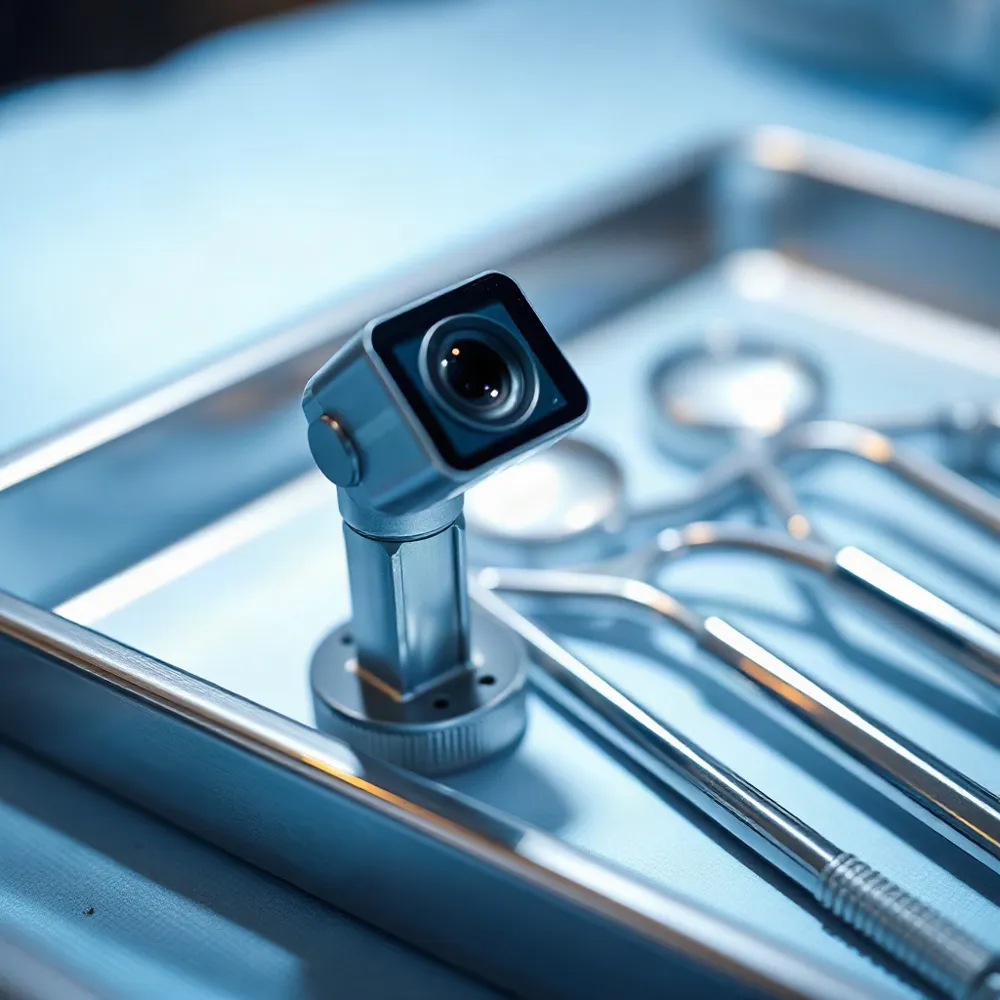
An endoscopic brow lift is a minimally invasive surgical procedure that raises the eyebrows and lifts sagging forehead skin to create a smoother, more youthful appearance. The surgeon makes several small incisions hidden within the hairline, through which a tiny camera (endoscope) and specialized instruments are inserted. The camera feeds magnified, high-definition images to a monitor, giving the surgeon a precise view of the underlying muscles and tissues.
Using this magnified visualization, the surgeon can carefully reposition the brow muscles, release restrictive tissues, and lift the brow and forehead to a more youthful position. This technique effectively reduces horizontal forehead wrinkles, vertical frown lines (the "11s"), and a heavy or tired-looking brow, according to the Cleveland Clinic. Because the incisions are small and hidden, scarring is minimal.
Compared to an open (coronal) brow lift, which uses a single long incision from ear to ear, the endoscopic approach typically results in less post-operative discomfort, less swelling, and a faster recovery. Most patients can return to normal non-strenuous activities within 10 to 14 days, as noted by the American Society of Plastic Surgeons. An endoscopic brow lift is one option among several techniques, including the temporal brow lift (which targets the outer brow) and the limited incision brow lift.
Cost and Insurance Coverage for Brow Lifts and Blepharoplasty
The cost of a brow lift varies by surgeon, technique, and region. The American Society of Plastic Surgeons reports an average cost around $5,460 for the surgeon's fee alone. Additional expenses for anesthesia, facility fees, and prescriptions typically bring the total higher. In practice, prices often range from $4,500 to $6,500, and a personalized consultation provides the most accurate estimate. Many practices offer patient financing plans to make treatment more accessible.
Blepharoplasty costs vary as well. ASPS averages are approximately $3,359 for an upper lid procedure and $3,876 for a lower lid procedure, again excluding facility and anesthesia fees. In high-cost metropolitan areas like New York City, total fees for eyelid surgery can range from $5,000 to $20,000. A comprehensive quote from a board-certified surgeon should include all surgical fees.
Most insurance plans do not cover these procedures when performed solely for cosmetic enhancement. However, insurance may cover blepharoplasty if it is deemed medically necessary, such as when drooping upper eyelid skin obstructs peripheral vision. To qualify for coverage, patients typically need documentation including physician notes, external photographs, and a visual field test demonstrating a significant obstruction. Cosmetic eyelid surgery performed only to improve appearance is almost always paid out of pocket.
Recovery Timelines Compared
Recovery from a brow lift and blepharoplasty follows a similar trajectory, most patients returning to work and normal activities within 10 to 14 days after either procedure. Swelling and bruising peak around days two to four and then gradually subside. Sutures are typically removed around day seven, and by the end of the second week, most feel comfortable in social settings.
The nature of recovery differs slightly between the two. A brow lift involves temporary scalp tightness, numbness, and occasional tingling as nerves regenerate, while blepharoplasty recovery is more localized to the eyelids. When both procedures are performed together, the recovery period does not double — it remains within the standard two-to-three-week window.
Throughout the first month, patients should keep their head elevated while sleeping, apply cold compresses, and avoid strenuous activity. Light walks can begin around day three. Final results emerge over three to six months as swelling fully resolves and scars mature, with most patients reporting that the temporary discomfort was manageable and well worth the outcome.
Risks and Downsides of Each Procedure
Both brow lifts and blepharoplasty are considered extremely safe overall, but they are surgical procedures and carry inherent potential risks and side effects. The most common temporary side effects for both include swelling, bruising, and numbness that typically resolve within a week. Choosing a board-certified surgeon with specialized expertise in facial aesthetics is the most important step in minimizing these risks.
Brow Lift Risks
A brow lift primarily addresses the position of the eyebrows and forehead. Potential downsides include visible or asymmetrical scarring along the incision sites, temporary or permanent changes in skin sensation and numbness, and hairline changes or hair follicle loss near the incisions. While rare, there is a risk of nerve injury that could affect brow movement. At a premier practice like Dr. Thomas W. Loeb's in New York City, precise technique and individualized planning are used to preserve natural brow position and minimize these risks.
Blepharoplasty Risks
Eyelid surgery focuses on removing or repositioning excess skin and fat from the eyelids. Specific risks include dry eyes, difficulty closing the eyes completely, and lid lag or ectropion (an outward rolling of the lower eyelid). Other potential complications are infection, bleeding, abnormal skin discoloration, and, in extremely rare cases, vision loss. According to the Mayo Clinic, these complications are rare, and a thorough consultation with a qualified surgeon is essential to evaluate candidacy and risks.
Why Results Can Fall Short
A poor outcome, such as looking older after a blepharoplasty, can result from the removal of too much skin or fat, creating a hollowed appearance. The Cleveland Clinic notes that a common planning error is having eyelid surgery when a brow lift was actually needed, or vice versa. In many cases, the two procedures are performed together for optimal balance. A skilled surgeon will assess whether the heaviness is from descending brows or excess eyelid skin to avoid an unnatural or aged result.
Ideal Age and Timing for Treatment
There is no single best age for a brow lift or blepharoplasty. The right timing depends on individual anatomy and when signs of aging become noticeable enough to affect your appearance or comfort.
A brow lift is most commonly performed on patients between 40 and 60, when skin laxity and brow descent become more evident. Younger patients with genetic brow sagging may also benefit. A consultation is the best way to assess whether the procedure aligns with your facial structure.
Upper blepharoplasty can be effective for patients in their 30s or 40s who experience early hooding or drooping lids. For some, this surgery is necessary at any age when sagging skin obstructs vision—a functional concern that can make blepharoplasty medically driven rather than purely cosmetic.
Lower blepharoplasty addresses under-eye bags and is often performed when these become bothersome, regardless of the patient's age. A thorough consultation with a board-certified surgeon remains the best way to determine the optimal timing for your individual needs.
Combining Both Procedures for Complete Rejuvenation
For many patients, the most complete approach to upper-face rejuvenation involves combining a brow lift with blepharoplasty. The brow lift repositions descended brow tissue upward, lifting weight off the upper eyelids, while blepharoplasty removes any remaining excess eyelid skin or fat that the brow lift alone cannot address.
When both procedures are performed together, the surgeon repositions the brow first and then reassesses the eyelid skin against the new brow position. This sequencing prevents the common error of over-resecting eyelid skin, which can leave the lid tight or anchor a low brow even lower. The result is a balanced relationship between the forehead, brows, and eyes.
A combined approach does not mean double the downtime. Blepharoplasty and brow lift recovery timelines overlap substantially, so patients experience a single recovery period rather than two separate ones. Most people can return to work within 10 to 14 days after combined surgery. The procedure can also be paired with other facial surgeries such as a facelift or laser resurfacing for comprehensive rejuvenation.
Blepharoplasty is safely performed on both eyes at the same time, whether targeting upper lids, lower lids, or both. This is standard practice and allows patients to address drooping lids and under-eye bags in a single session. The convenience of having both eyes done simultaneously, combined with a brow lift when needed, offers harmonious and balanced results after one surgical experience.
What to Expect in a Before-and-After Gallery
A well-curated blepharoplasty before and after gallery illustrates the real changes in eyelid contour, brow position, and overall eye shape. Headshots taken in consistent lighting, with the same camera angle and a neutral expression, allow for an honest evaluation of surgical skill.
Be cautious of galleries that display only very early postoperative photos. Final scar maturation and stable results take 6 to 12 months to appear. At that point, incisions in the upper eyelid are typically well-hidden within the natural crease, while a transconjunctival lower-blepharoplasty approach leaves no external scar.
The hallmark of excellent results is a "refreshed, not different" appearance. The patient should look like a more rested version of themselves. Dr. Thomas Loeb's practice in New York City is known for natural-looking facial rejuvenation, and a gallery of his cases demonstrates refined outcomes that preserve each person's unique features.
Reviewing a gallery before your consultation helps you form realistic expectations and gives you a clear visual language to discuss your goals. Look for symmetry, healed scars, and balanced eyelid crease height — these are marks of a carefully performed procedure.
Achieve Natural, Long-Lasting Results
Both blepharoplasty and a brow lift are safe, effective procedures that can restore a youthful, refreshed appearance. The right choice depends on individual anatomy and goals: whether the primary concern is excess eyelid skin or a descended brow position.
For many patients, combining both provides the most balanced and harmonious outcome. A brow lift repositions the brows and forehead, while blepharoplasty then removes any remaining excess eyelid skin, creating a complete refresh of the upper face.
Choosing a board-certified surgeon with an artistic eye is essential for natural results. A personalized consultation is the first step to determining the best approach for each patient, ensuring the final outcome looks refreshed and authentic rather than overdone.
Understanding Your Options for a More Youthful Appearance
As we age, the skin around the eyes and brow loses elasticity, leading to sagging, hooding, and a tired expression. These changes can make someone look older or more fatigued than they feel. Two of the most common surgical solutions are a brow lift and blepharoplasty (eyelid surgery). While both brighten the eyes and restore a more alert look, they target different anatomical structures.
A brow lift repositions the forehead and brow tissue to smooth forehead wrinkles and lift drooping eyebrows. It corrects heaviness at the brow level, which can improve the appearance of the upper eyelids without removing any eyelid skin, as explained in this overview from the Cleveland Clinic. In contrast, blepharoplasty removes or repositions excess skin, muscle, and fat from the eyelids themselves. The Mayo Clinic notes that this surgery can also restore peripheral vision when sagging upper-lid skin blocks the visual field.
Because these procedures address overlapping but distinct concerns, the right choice depends on whether the source of the heaviness is brow descent or eyelid tissue itself. Many patients benefit from a combined approach, which Dr. Thomas W. Loeb commonly performs at his New York City practice to achieve balanced, natural-looking upper-face rejuvenation. This article outlines the differences to help you decide which option — or combination of options — best meets your needs.
What Each Procedure Addresses
Blepharoplasty and a brow lift are distinct procedures that target different structures in the upper face. Understanding what each technique addresses is the first step toward choosing the right path for a more youthful and alert appearance.
Blepharoplasty is direct eyelid surgery. An upper blepharoplasty removes excess skin, muscle, and sometimes fat from the upper eyelid, correcting drooping, hooded lids that can even block peripheral vision. A lower blepharoplasty addresses under-eye bags and hollows by removing or repositioning fat pads and tightening skin. The goals are a smoother eyelid contour and a more rested look.
A brow lift (also called a forehead lift) elevates the eyebrows and smooths forehead wrinkles by repositioning brow and forehead tissue. This lifts sagging eyebrows, softens frown lines (the "11s"), and reduces horizontal forehead creases. By raising the brow, the procedure also lessens the heavy appearance of skin pressing down on the upper eyelid, but it does not remove any excess eyelid skin itself.
The core distinction: blepharoplasty directly removes tissue from the eyelid, while a brow lift repositions tissue above the eyelid to restore a lifted brow. Many patients find that a blepharoplasty before and after gallery reveals their primary concern is eyelid skin, while others discover a brow lift better addresses a heavy, descended brow. Dr. Thomas W. Loeb offers both procedures and can help determine whether the issue lies in the brow position, the eyelid skin, or both.
Choosing Between Brow Lift and Eyelid Surgery
The decision between these two procedures rests on identifying the root cause of the heaviness around your eyes. A simple self-test can help clarify the source. Known as the finger lift test, it involves gently lifting the brow area with your fingers. If doing so significantly improves the appearance of the upper eyelid, then a descending brow is the primary culprit. If lifting the brow makes little difference, the issue is likely excess eyelid skin.
A brow lift is the appropriate choice for correcting sagging eyebrows, deep forehead wrinkles, and frown lines between the brows. It repositions the brow and forehead tissues to their natural, more youthful level. In contrast, blepharoplasty directly targets the eyelids, removing excess skin and fat to correct droopy upper lids and under-eye bags. Reviewing blepharoplasty before and after photos can offer a clear picture of the outcomes possible for isolated eyelid concerns.
Many patients find they have both brow descent and excess eyelid skin. For these cases, combining a brow lift with a blepharoplasty delivers the most balanced and comprehensive rejuvenation. During a combined procedure, the brow is lifted first, and then the remaining eyelid skin is reassessed against the new brow position to avoid over-removal. At Dr. Thomas W. Loeb's practice in New York City, personalized consultations help determine whether a single procedure or a combined approach will best address your unique facial anatomy and aesthetic goals.
The Endoscopic Brow Lift Technique
An endoscopic brow lift is a minimally invasive surgical procedure that raises the eyebrows and lifts sagging forehead skin to create a smoother, more youthful appearance. The surgeon makes several small incisions hidden within the hairline, through which a tiny camera (endoscope) and specialized instruments are inserted. The camera feeds magnified, high-definition images to a monitor, giving the surgeon a precise view of the underlying muscles and tissues.
Using this magnified visualization, the surgeon can carefully reposition the brow muscles, release restrictive tissues, and lift the brow and forehead to a more youthful position. This technique effectively reduces horizontal forehead wrinkles, vertical frown lines (the "11s"), and a heavy or tired-looking brow, according to the Cleveland Clinic. Because the incisions are small and hidden, scarring is minimal.
Compared to an open (coronal) brow lift, which uses a single long incision from ear to ear, the endoscopic approach typically results in less post-operative discomfort, less swelling, and a faster recovery. Most patients can return to normal non-strenuous activities within 10 to 14 days, as noted by the American Society of Plastic Surgeons. An endoscopic brow lift is one option among several techniques, including the temporal brow lift (which targets the outer brow) and the limited incision brow lift.
Cost and Insurance Coverage for Brow Lifts and Blepharoplasty
The cost of a brow lift varies by surgeon, technique, and region. The American Society of Plastic Surgeons reports an average cost around $5,460 for the surgeon's fee alone. Additional expenses for anesthesia, facility fees, and prescriptions typically bring the total higher. In practice, prices often range from $4,500 to $6,500, and a personalized consultation provides the most accurate estimate. Many practices offer patient financing plans to make treatment more accessible.
Blepharoplasty costs vary as well. ASPS averages are approximately $3,359 for an upper lid procedure and $3,876 for a lower lid procedure, again excluding facility and anesthesia fees. In high-cost metropolitan areas like New York City, total fees for eyelid surgery can range from $5,000 to $20,000. A comprehensive quote from a board-certified surgeon should include all surgical fees.
Most insurance plans do not cover these procedures when performed solely for cosmetic enhancement. However, insurance may cover blepharoplasty if it is deemed medically necessary, such as when drooping upper eyelid skin obstructs peripheral vision. To qualify for coverage, patients typically need documentation including physician notes, external photographs, and a visual field test demonstrating a significant obstruction. Cosmetic eyelid surgery performed only to improve appearance is almost always paid out of pocket.
Recovery Timelines Compared
Recovery from a brow lift and blepharoplasty follows a similar trajectory, most patients returning to work and normal activities within 10 to 14 days after either procedure. Swelling and bruising peak around days two to four and then gradually subside. Sutures are typically removed around day seven, and by the end of the second week, most feel comfortable in social settings.
The nature of recovery differs slightly between the two. A brow lift involves temporary scalp tightness, numbness, and occasional tingling as nerves regenerate, while blepharoplasty recovery is more localized to the eyelids. When both procedures are performed together, the recovery period does not double — it remains within the standard two-to-three-week window.
Throughout the first month, patients should keep their head elevated while sleeping, apply cold compresses, and avoid strenuous activity. Light walks can begin around day three. Final results emerge over three to six months as swelling fully resolves and scars mature, with most patients reporting that the temporary discomfort was manageable and well worth the outcome.
Risks and Downsides of Each Procedure
Both brow lifts and blepharoplasty are considered extremely safe overall, but they are surgical procedures and carry inherent potential risks and side effects. The most common temporary side effects for both include swelling, bruising, and numbness that typically resolve within a week. Choosing a board-certified surgeon with specialized expertise in facial aesthetics is the most important step in minimizing these risks.
Brow Lift Risks
A brow lift primarily addresses the position of the eyebrows and forehead. Potential downsides include visible or asymmetrical scarring along the incision sites, temporary or permanent changes in skin sensation and numbness, and hairline changes or hair follicle loss near the incisions. While rare, there is a risk of nerve injury that could affect brow movement. At a premier practice like Dr. Thomas W. Loeb's in New York City, precise technique and individualized planning are used to preserve natural brow position and minimize these risks.
Blepharoplasty Risks
Eyelid surgery focuses on removing or repositioning excess skin and fat from the eyelids. Specific risks include dry eyes, difficulty closing the eyes completely, and lid lag or ectropion (an outward rolling of the lower eyelid). Other potential complications are infection, bleeding, abnormal skin discoloration, and, in extremely rare cases, vision loss. According to the Mayo Clinic, these complications are rare, and a thorough consultation with a qualified surgeon is essential to evaluate candidacy and risks.
Why Results Can Fall Short
A poor outcome, such as looking older after a blepharoplasty, can result from the removal of too much skin or fat, creating a hollowed appearance. The Cleveland Clinic notes that a common planning error is having eyelid surgery when a brow lift was actually needed, or vice versa. In many cases, the two procedures are performed together for optimal balance. A skilled surgeon will assess whether the heaviness is from descending brows or excess eyelid skin to avoid an unnatural or aged result.
Ideal Age and Timing for Treatment
There is no single best age for a brow lift or blepharoplasty. The right timing depends on individual anatomy and when signs of aging become noticeable enough to affect your appearance or comfort.
A brow lift is most commonly performed on patients between 40 and 60, when skin laxity and brow descent become more evident. Younger patients with genetic brow sagging may also benefit. A consultation is the best way to assess whether the procedure aligns with your facial structure.
Upper blepharoplasty can be effective for patients in their 30s or 40s who experience early hooding or drooping lids. For some, this surgery is necessary at any age when sagging skin obstructs vision—a functional concern that can make blepharoplasty medically driven rather than purely cosmetic.
Lower blepharoplasty addresses under-eye bags and is often performed when these become bothersome, regardless of the patient's age. A thorough consultation with a board-certified surgeon remains the best way to determine the optimal timing for your individual needs.
Combining Both Procedures for Complete Rejuvenation
For many patients, the most complete approach to upper-face rejuvenation involves combining a brow lift with blepharoplasty. The brow lift repositions descended brow tissue upward, lifting weight off the upper eyelids, while blepharoplasty removes any remaining excess eyelid skin or fat that the brow lift alone cannot address.
When both procedures are performed together, the surgeon repositions the brow first and then reassesses the eyelid skin against the new brow position. This sequencing prevents the common error of over-resecting eyelid skin, which can leave the lid tight or anchor a low brow even lower. The result is a balanced relationship between the forehead, brows, and eyes.
A combined approach does not mean double the downtime. Blepharoplasty and brow lift recovery timelines overlap substantially, so patients experience a single recovery period rather than two separate ones. Most people can return to work within 10 to 14 days after combined surgery. The procedure can also be paired with other facial surgeries such as a facelift or laser resurfacing for comprehensive rejuvenation.
Blepharoplasty is safely performed on both eyes at the same time, whether targeting upper lids, lower lids, or both. This is standard practice and allows patients to address drooping lids and under-eye bags in a single session. The convenience of having both eyes done simultaneously, combined with a brow lift when needed, offers harmonious and balanced results after one surgical experience.
What to Expect in a Before-and-After Gallery
A well-curated blepharoplasty before and after gallery illustrates the real changes in eyelid contour, brow position, and overall eye shape. Headshots taken in consistent lighting, with the same camera angle and a neutral expression, allow for an honest evaluation of surgical skill.
Be cautious of galleries that display only very early postoperative photos. Final scar maturation and stable results take 6 to 12 months to appear. At that point, incisions in the upper eyelid are typically well-hidden within the natural crease, while a transconjunctival lower-blepharoplasty approach leaves no external scar.
The hallmark of excellent results is a "refreshed, not different" appearance. The patient should look like a more rested version of themselves. Dr. Thomas Loeb's practice in New York City is known for natural-looking facial rejuvenation, and a gallery of his cases demonstrates refined outcomes that preserve each person's unique features.
Reviewing a gallery before your consultation helps you form realistic expectations and gives you a clear visual language to discuss your goals. Look for symmetry, healed scars, and balanced eyelid crease height — these are marks of a carefully performed procedure.
Achieve Natural, Long-Lasting Results
Both blepharoplasty and a brow lift are safe, effective procedures that can restore a youthful, refreshed appearance. The right choice depends on individual anatomy and goals: whether the primary concern is excess eyelid skin or a descended brow position.
For many patients, combining both provides the most balanced and harmonious outcome. A brow lift repositions the brows and forehead, while blepharoplasty then removes any remaining excess eyelid skin, creating a complete refresh of the upper face.
Choosing a board-certified surgeon with an artistic eye is essential for natural results. A personalized consultation is the first step to determining the best approach for each patient, ensuring the final outcome looks refreshed and authentic rather than overdone.
Heading
Understanding Your Options for a More Youthful Appearance
As we age, the skin around the eyes and brow loses elasticity, leading to sagging, hooding, and a tired expression. These changes can make someone look older or more fatigued than they feel. Two of the most common surgical solutions are a brow lift and blepharoplasty (eyelid surgery). While both brighten the eyes and restore a more alert look, they target different anatomical structures.
A brow lift repositions the forehead and brow tissue to smooth forehead wrinkles and lift drooping eyebrows. It corrects heaviness at the brow level, which can improve the appearance of the upper eyelids without removing any eyelid skin, as explained in this overview from the Cleveland Clinic. In contrast, blepharoplasty removes or repositions excess skin, muscle, and fat from the eyelids themselves. The Mayo Clinic notes that this surgery can also restore peripheral vision when sagging upper-lid skin blocks the visual field.
Because these procedures address overlapping but distinct concerns, the right choice depends on whether the source of the heaviness is brow descent or eyelid tissue itself. Many patients benefit from a combined approach, which Dr. Thomas W. Loeb commonly performs at his New York City practice to achieve balanced, natural-looking upper-face rejuvenation. This article outlines the differences to help you decide which option — or combination of options — best meets your needs.
What Each Procedure Addresses
Blepharoplasty and a brow lift are distinct procedures that target different structures in the upper face. Understanding what each technique addresses is the first step toward choosing the right path for a more youthful and alert appearance.
Blepharoplasty is direct eyelid surgery. An upper blepharoplasty removes excess skin, muscle, and sometimes fat from the upper eyelid, correcting drooping, hooded lids that can even block peripheral vision. A lower blepharoplasty addresses under-eye bags and hollows by removing or repositioning fat pads and tightening skin. The goals are a smoother eyelid contour and a more rested look.
A brow lift (also called a forehead lift) elevates the eyebrows and smooths forehead wrinkles by repositioning brow and forehead tissue. This lifts sagging eyebrows, softens frown lines (the "11s"), and reduces horizontal forehead creases. By raising the brow, the procedure also lessens the heavy appearance of skin pressing down on the upper eyelid, but it does not remove any excess eyelid skin itself.
The core distinction: blepharoplasty directly removes tissue from the eyelid, while a brow lift repositions tissue above the eyelid to restore a lifted brow. Many patients find that a blepharoplasty before and after gallery reveals their primary concern is eyelid skin, while others discover a brow lift better addresses a heavy, descended brow. Dr. Thomas W. Loeb offers both procedures and can help determine whether the issue lies in the brow position, the eyelid skin, or both.
Choosing Between Brow Lift and Eyelid Surgery
The decision between these two procedures rests on identifying the root cause of the heaviness around your eyes. A simple self-test can help clarify the source. Known as the finger lift test, it involves gently lifting the brow area with your fingers. If doing so significantly improves the appearance of the upper eyelid, then a descending brow is the primary culprit. If lifting the brow makes little difference, the issue is likely excess eyelid skin.
A brow lift is the appropriate choice for correcting sagging eyebrows, deep forehead wrinkles, and frown lines between the brows. It repositions the brow and forehead tissues to their natural, more youthful level. In contrast, blepharoplasty directly targets the eyelids, removing excess skin and fat to correct droopy upper lids and under-eye bags. Reviewing blepharoplasty before and after photos can offer a clear picture of the outcomes possible for isolated eyelid concerns.
Many patients find they have both brow descent and excess eyelid skin. For these cases, combining a brow lift with a blepharoplasty delivers the most balanced and comprehensive rejuvenation. During a combined procedure, the brow is lifted first, and then the remaining eyelid skin is reassessed against the new brow position to avoid over-removal. At Dr. Thomas W. Loeb's practice in New York City, personalized consultations help determine whether a single procedure or a combined approach will best address your unique facial anatomy and aesthetic goals.
The Endoscopic Brow Lift Technique
An endoscopic brow lift is a minimally invasive surgical procedure that raises the eyebrows and lifts sagging forehead skin to create a smoother, more youthful appearance. The surgeon makes several small incisions hidden within the hairline, through which a tiny camera (endoscope) and specialized instruments are inserted. The camera feeds magnified, high-definition images to a monitor, giving the surgeon a precise view of the underlying muscles and tissues.
Using this magnified visualization, the surgeon can carefully reposition the brow muscles, release restrictive tissues, and lift the brow and forehead to a more youthful position. This technique effectively reduces horizontal forehead wrinkles, vertical frown lines (the "11s"), and a heavy or tired-looking brow, according to the Cleveland Clinic. Because the incisions are small and hidden, scarring is minimal.
Compared to an open (coronal) brow lift, which uses a single long incision from ear to ear, the endoscopic approach typically results in less post-operative discomfort, less swelling, and a faster recovery. Most patients can return to normal non-strenuous activities within 10 to 14 days, as noted by the American Society of Plastic Surgeons. An endoscopic brow lift is one option among several techniques, including the temporal brow lift (which targets the outer brow) and the limited incision brow lift.
Cost and Insurance Coverage for Brow Lifts and Blepharoplasty
The cost of a brow lift varies by surgeon, technique, and region. The American Society of Plastic Surgeons reports an average cost around $5,460 for the surgeon's fee alone. Additional expenses for anesthesia, facility fees, and prescriptions typically bring the total higher. In practice, prices often range from $4,500 to $6,500, and a personalized consultation provides the most accurate estimate. Many practices offer patient financing plans to make treatment more accessible.
Blepharoplasty costs vary as well. ASPS averages are approximately $3,359 for an upper lid procedure and $3,876 for a lower lid procedure, again excluding facility and anesthesia fees. In high-cost metropolitan areas like New York City, total fees for eyelid surgery can range from $5,000 to $20,000. A comprehensive quote from a board-certified surgeon should include all surgical fees.
Most insurance plans do not cover these procedures when performed solely for cosmetic enhancement. However, insurance may cover blepharoplasty if it is deemed medically necessary, such as when drooping upper eyelid skin obstructs peripheral vision. To qualify for coverage, patients typically need documentation including physician notes, external photographs, and a visual field test demonstrating a significant obstruction. Cosmetic eyelid surgery performed only to improve appearance is almost always paid out of pocket.
Recovery Timelines Compared
Recovery from a brow lift and blepharoplasty follows a similar trajectory, most patients returning to work and normal activities within 10 to 14 days after either procedure. Swelling and bruising peak around days two to four and then gradually subside. Sutures are typically removed around day seven, and by the end of the second week, most feel comfortable in social settings.
The nature of recovery differs slightly between the two. A brow lift involves temporary scalp tightness, numbness, and occasional tingling as nerves regenerate, while blepharoplasty recovery is more localized to the eyelids. When both procedures are performed together, the recovery period does not double — it remains within the standard two-to-three-week window.
Throughout the first month, patients should keep their head elevated while sleeping, apply cold compresses, and avoid strenuous activity. Light walks can begin around day three. Final results emerge over three to six months as swelling fully resolves and scars mature, with most patients reporting that the temporary discomfort was manageable and well worth the outcome.
Risks and Downsides of Each Procedure
Both brow lifts and blepharoplasty are considered extremely safe overall, but they are surgical procedures and carry inherent potential risks and side effects. The most common temporary side effects for both include swelling, bruising, and numbness that typically resolve within a week. Choosing a board-certified surgeon with specialized expertise in facial aesthetics is the most important step in minimizing these risks.
Brow Lift Risks
A brow lift primarily addresses the position of the eyebrows and forehead. Potential downsides include visible or asymmetrical scarring along the incision sites, temporary or permanent changes in skin sensation and numbness, and hairline changes or hair follicle loss near the incisions. While rare, there is a risk of nerve injury that could affect brow movement. At a premier practice like Dr. Thomas W. Loeb's in New York City, precise technique and individualized planning are used to preserve natural brow position and minimize these risks.
Blepharoplasty Risks
Eyelid surgery focuses on removing or repositioning excess skin and fat from the eyelids. Specific risks include dry eyes, difficulty closing the eyes completely, and lid lag or ectropion (an outward rolling of the lower eyelid). Other potential complications are infection, bleeding, abnormal skin discoloration, and, in extremely rare cases, vision loss. According to the Mayo Clinic, these complications are rare, and a thorough consultation with a qualified surgeon is essential to evaluate candidacy and risks.
Why Results Can Fall Short
A poor outcome, such as looking older after a blepharoplasty, can result from the removal of too much skin or fat, creating a hollowed appearance. The Cleveland Clinic notes that a common planning error is having eyelid surgery when a brow lift was actually needed, or vice versa. In many cases, the two procedures are performed together for optimal balance. A skilled surgeon will assess whether the heaviness is from descending brows or excess eyelid skin to avoid an unnatural or aged result.
Ideal Age and Timing for Treatment
There is no single best age for a brow lift or blepharoplasty. The right timing depends on individual anatomy and when signs of aging become noticeable enough to affect your appearance or comfort.
A brow lift is most commonly performed on patients between 40 and 60, when skin laxity and brow descent become more evident. Younger patients with genetic brow sagging may also benefit. A consultation is the best way to assess whether the procedure aligns with your facial structure.
Upper blepharoplasty can be effective for patients in their 30s or 40s who experience early hooding or drooping lids. For some, this surgery is necessary at any age when sagging skin obstructs vision—a functional concern that can make blepharoplasty medically driven rather than purely cosmetic.
Lower blepharoplasty addresses under-eye bags and is often performed when these become bothersome, regardless of the patient's age. A thorough consultation with a board-certified surgeon remains the best way to determine the optimal timing for your individual needs.
Combining Both Procedures for Complete Rejuvenation
For many patients, the most complete approach to upper-face rejuvenation involves combining a brow lift with blepharoplasty. The brow lift repositions descended brow tissue upward, lifting weight off the upper eyelids, while blepharoplasty removes any remaining excess eyelid skin or fat that the brow lift alone cannot address.
When both procedures are performed together, the surgeon repositions the brow first and then reassesses the eyelid skin against the new brow position. This sequencing prevents the common error of over-resecting eyelid skin, which can leave the lid tight or anchor a low brow even lower. The result is a balanced relationship between the forehead, brows, and eyes.
A combined approach does not mean double the downtime. Blepharoplasty and brow lift recovery timelines overlap substantially, so patients experience a single recovery period rather than two separate ones. Most people can return to work within 10 to 14 days after combined surgery. The procedure can also be paired with other facial surgeries such as a facelift or laser resurfacing for comprehensive rejuvenation.
Blepharoplasty is safely performed on both eyes at the same time, whether targeting upper lids, lower lids, or both. This is standard practice and allows patients to address drooping lids and under-eye bags in a single session. The convenience of having both eyes done simultaneously, combined with a brow lift when needed, offers harmonious and balanced results after one surgical experience.
What to Expect in a Before-and-After Gallery
A well-curated blepharoplasty before and after gallery illustrates the real changes in eyelid contour, brow position, and overall eye shape. Headshots taken in consistent lighting, with the same camera angle and a neutral expression, allow for an honest evaluation of surgical skill.
Be cautious of galleries that display only very early postoperative photos. Final scar maturation and stable results take 6 to 12 months to appear. At that point, incisions in the upper eyelid are typically well-hidden within the natural crease, while a transconjunctival lower-blepharoplasty approach leaves no external scar.
The hallmark of excellent results is a "refreshed, not different" appearance. The patient should look like a more rested version of themselves. Dr. Thomas Loeb's practice in New York City is known for natural-looking facial rejuvenation, and a gallery of his cases demonstrates refined outcomes that preserve each person's unique features.
Reviewing a gallery before your consultation helps you form realistic expectations and gives you a clear visual language to discuss your goals. Look for symmetry, healed scars, and balanced eyelid crease height — these are marks of a carefully performed procedure.
Achieve Natural, Long-Lasting Results
Both blepharoplasty and a brow lift are safe, effective procedures that can restore a youthful, refreshed appearance. The right choice depends on individual anatomy and goals: whether the primary concern is excess eyelid skin or a descended brow position.
For many patients, combining both provides the most balanced and harmonious outcome. A brow lift repositions the brows and forehead, while blepharoplasty then removes any remaining excess eyelid skin, creating a complete refresh of the upper face.
Choosing a board-certified surgeon with an artistic eye is essential for natural results. A personalized consultation is the first step to determining the best approach for each patient, ensuring the final outcome looks refreshed and authentic rather than overdone.



Locations


© 2014 - 2025. Thomas W. Loeb | Board Certified Plastic Surgeon