



.svg)
.svg)


Achieving Total Facial Harmony: The Power of Combined Rejuvenation Surgery
News
/
September 7, 2026
Can You Combine a Brow Lift With Other Facial Rejuvenation Procedures?
Achieving Total Facial Harmony: The Power of Combined Rejuvenation Surgery
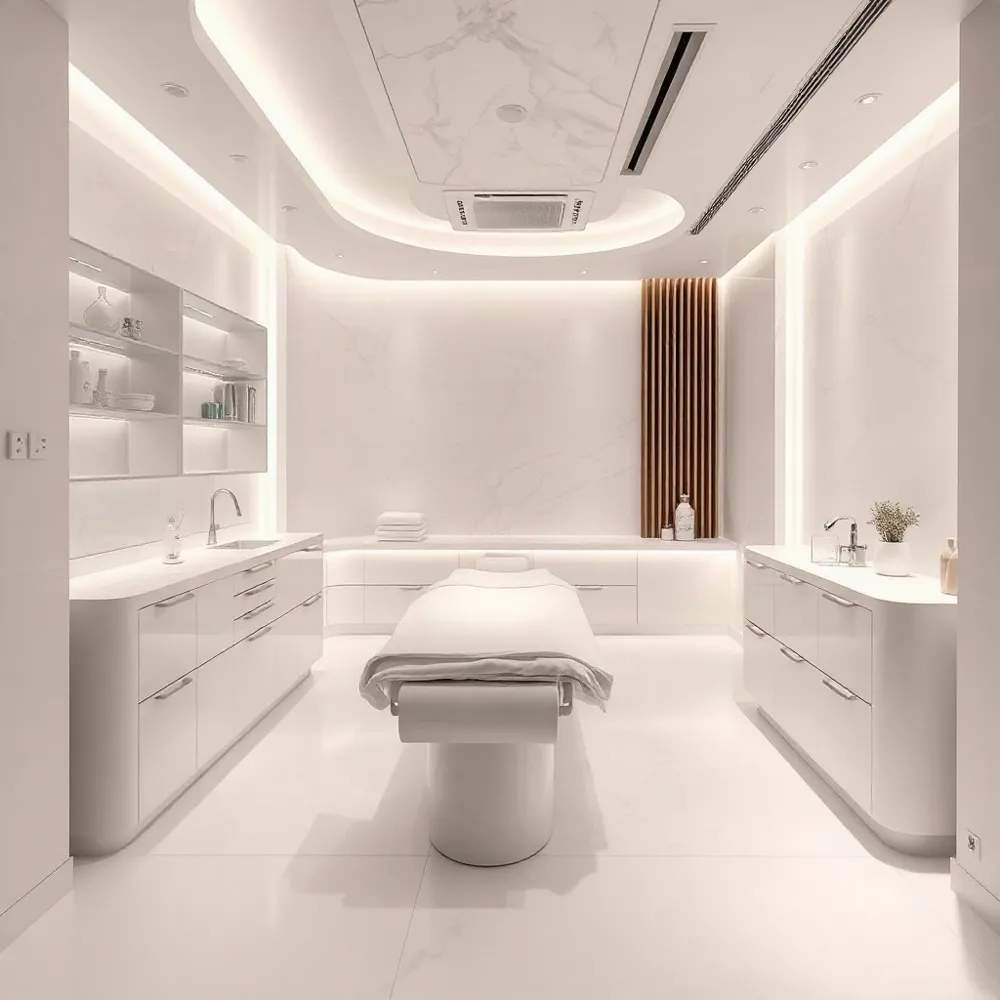
Body contouring has revolutionized the way we think about self-care and aesthetic transformations. It’s more than just a cosmetic procedure—it’s a path to enhanced confidence and self-expression.
The Evolution of Modern Facial Rejuvenation
Holistic facial rejuvenation focuses on treating the face as a unified structure rather than isolated segments. By addressing the upper, mid, and lower facial zones simultaneously, patients can achieve a cohesive appearance that avoids the visual mismatch often associated with standalone procedures. At thomasloebmd.com, customized treatment plans ensure that structural enhancements like a brow lift integrate seamlessly with other surgical interventions.
Many patients seek combined procedures to consolidate their recovery timeline, undergoing a single anesthesia session to address multiple aging concerns. While facial rejuvenation cost figures vary depending on the complexity of the chosen techniques, bundling surgeries can improve overall value by streamlining facility fees and operating room expenses. Procedures such as blepharoplasty are frequently paired with forehead lifts to effectively correct hooded eyelids and brow ptosis.
In the boutique environment of Manhattan, professional aesthetic planning is essential to account for individual bone anatomy and skin quality. Dr. Thomas W. Loeb emphasizes that a successful outcome requires precise, personalized attention to achieve natural proportions. By tailoring the surgical approach to the patient, the practice helps ensure long-term harmony, steering clear of excessive tension while delivering a refreshed, authentic look.
Understanding the Brow Lift and Forehead Lift

A brow lift, also known as a forehead lift, is a surgical procedure designed to elevate sagging eyebrows and smooth horizontal forehead lines to create a more youthful, alert appearance. While the terms are often used interchangeably, a brow lift specifically targets the positioning of the brows, whereas a comprehensive forehead lift may address a broader area of the upper face, including the hairline and glabellar region. Both procedures involve repositioning skin and underlying tissues, often through techniques like endoscopic access or strategic incisions near the hairline.
Understanding these nuances is a central component of facial rejuvenation cost planning, as the scope of surgery directly influences the investment required. Whether performed alone or alongside other procedures, both interventions aim to enhance facial harmony and restore a refreshed, natural expression. Per American Society of Plastic Surgeons data, the average cost for this procedure is $5,460, though this figure varies based on facility fees and the specific technique employed by your surgeon.
Positioning the eyebrows higher can significantly change the aesthetics of the upper face. By addressing brow ptosis, the procedure clears the upper eyelid region, which often alleviates the appearance of hooding. Because the forehead and brows are anatomically intertwined, thomasloebmd.com focuses on customized surgical planning that ensures the final result complements a patient's existing bone structure rather than creating an over-pulled aesthetic.
- Endoscopic techniques use small, hidden incisions to minimize visible scarring.
- Open forehead lifts allow for significant tissue removal, often for patients with advanced signs of aging.
- Temporal lifts provide a more limited correction for drooping in the outer brow area.
Strategic Combination Approaches for Facial Balance
Achieving natural, long-lasting results requires a holistic understanding of how the upper, middle, and lower segments of the face interact. When a brow lift is performed in isolation, the remaining lower facial aging can sometimes create a visual discrepancy. By contrast, a comprehensive approach ensures that corrections to the forehead and brow transition seamlessly into the jawline and neck, maintaining consistent proportions.
Can a brow lift be combined with other facial procedures? Yes, a brow lift is frequently combined with other facial procedures to achieve more comprehensive facial rejuvenation and a harmonious, balanced aesthetic. By pairing a brow lift with blepharoplasty, patients can simultaneously address sagging brows and excess eyelid skin for a significantly more youthful appearance. Surgeons may also integrate these procedures with a facelift or neck lift to provide a total transformation of the upper and lower face. Beyond the cosmetic advantages, combining these surgeries allows for a single recovery period, which minimizes total downtime and reduces the overall facial rejuvenation cost by consolidating anesthesia and facility fees. Dr. Thomas W. Loeb works closely with each patient to design a personalized surgical plan that safely and effectively meets their specific aesthetic goals.
The objective of a cohesive surgical plan is to avoid an 'overly pulled' appearance, which often occurs when high-tension techniques are used in an isolated zone. Expert practitioners prioritize a balanced distribution of tissue to preserve the patient's authentic expression. In practice, this means evaluating skin elasticity and underlying bone structure before deciding on the specific surgical brow lift technique to use in tandem with a facelift.
- Consolidated anesthesia sessions reduce overall risk and facility overhead.
- Integrated planning allows for a smoother transition between the forehead and cheeks.
- Combined recovery timelines help patients return to their daily routines faster.
Evaluating Surgical Techniques and Recovery
Selecting the right method for a brow lift requires careful consideration of both your aesthetic goals and your personal anatomy. Surgeons primarily utilize either the traditional open coronal approach or the endoscopic brow lift, which uses small incisions and specialized fiberoptic cameras for a less invasive experience. For patients seeking more subtle corrections, temporal or lateral lifts target the outer edges of the brow, offering a focused improvement that integrates seamlessly into a broader facial rejuvenation cost plan.
At the practice of Dr. Thomas W. Loeb, each technique is customized to ensure natural proportions. While competitors may offer one-size-fits-all surgical options, Dr. Loeb emphasizes a bespoke surgical strategy to match your specific skin elasticity and facial structure. This dedication to personalization ensures that every patient achieves the most harmonious outcome possible.
What are the common surgical techniques for a brow lift?
The endoscopic brow lift remains a favorite for its efficiency, as it minimizes scarring within the hairline. Conversely, traditional open techniques allow for more extensive tissue adjustment in cases of severe sagging. Other options, such as the direct brow lift, may be indicated for specific anatomical needs. Understanding how these choices influence the total facial rejuvenation cost is a key part of your initial consultation, as each method requires different operative times and facility resources.
What is the recommended recovery process after a brow lift?
Initial recovery following a brow lift typically spans two weeks. During this time, keeping the head elevated and using cold compresses helps manage expected swelling and bruising. Most patients find they can return to non-strenuous work within this timeframe, though vigorous physical activity should be paused for several weeks to ensure tissues heal without tension. You should monitor your healing closely and follow all post-operative guidance to protect your investment in your appearance.
Understanding Costs and Financial Planning
The facial rejuvenation cost associated with surgical procedures is rarely a single flat fee. While the national average for a brow lift generally falls between $3,000 and $10,000, this figure often represents only the surgeon’s professional fee. Patients should anticipate additional costs for anesthesia, operating room or surgical facility fees, diagnostic medical tests, and any necessary postoperative garments or medications.
Total investment levels vary based on several factors, including the geographic location of the practice and the specific surgical technique employed. Surgeons with extensive specialized training often command higher fees due to their refined expertise, while more complex or combined procedures require additional time in the operating room. As noted by American Society of Plastic Surgeons data, understanding that these components are billed separately is essential for accurate financial planning.
Insurance Considerations and Functional Coverage
Most health insurance providers classify elective aesthetic improvements as cosmetic, meaning they do not offer coverage for the procedure. However, if a sagging brow or heavy eyelid tissue creates a documented visual-field obstruction, some carriers may consider the surgery a functional necessity. You should consult with your surgeon to determine if your specific anatomical concerns meet the criteria for medical coverage. For those interested in a comprehensive facial rejuvenation cost vs brow lift comparison, personalized planning remains the most effective way to address both aesthetic goals and budgetary considerations.
Safety Considerations and Potential Risks
While a brow lift is a highly effective procedure for achieving a more youthful appearance, it is essential to weigh the potential risks and the associated facial rejuvenation cost before proceeding. Beyond common surgical concerns like infection, bleeding, or poor wound healing, patients should be aware of specific possibilities such as facial asymmetry, nerve injury leading to weakness, or temporary skin numbness.
Other potential downsides include an elevated hairline, localized hair loss around incisions, and persistent eye dryness or irritation. Every patient must carefully review these complications with a board-certified surgeon to ensure they have realistic expectations regarding the recovery process and final outcomes. At thomasloebmd.com, specialized aesthetic planning includes a thorough discussion of anatomical nuances and safety protocols to mitigate these risks, a standard of care that distinguishes expert practice from less focused clinical environments.
What are the potential downsides and risks associated with a brow lift?
Ultimately, open communication during your consultation ensures you are fully informed of all safety considerations before committing to your aesthetic journey. Choosing a board-certified plastic surgeon is the most effective way to minimize complications and manage your investment in facial rejuvenation, as these professionals possess the training necessary to adapt techniques to your unique anatomy. By prioritizing precision and safety, patients can better balance their aesthetic goals with a sound understanding of the surgical realities involved.
Non-Surgical Alternatives and Maintenance
For patients seeking improvements without the downtime of a brow lift, various non-surgical options provide temporary rejuvenation. Neuromodulators such as Botox can relax the muscles responsible for pulling the brow downward, while dermal fillers help restore lost volume in the temples to support the brow arch. These treatments are often favored for their lower immediate facial rejuvenation cost compared to surgical alternatives, though they require routine maintenance sessions to sustain results.
Are there non-surgical alternatives to a brow lift? Yes, there are several non-surgical alternatives to a traditional brow lift that can help refresh your appearance without the need for incisions or a lengthy recovery. Neuromodulators like Botox or Xeomin are commonly used to relax muscles that pull the brow downward, creating a subtle, lifted effect. Additionally, advanced ultrasound technologies, such as Sofwave, can be used to stimulate collagen production and tighten skin in the brow and forehead area. While these options are excellent for addressing mild to moderate aging, they are less transformative than surgical intervention, especially for patients with significant brow ptosis. When considering your goals for facial rejuvenation cost and results, a personalized consultation is essential to determine which approach will best achieve your aesthetic objectives.
While non-surgical treatments serve as effective maintenance for post-surgical patients, they do not replace the longevity or structural correction offered by formal surgery. At thomasloebmd.com, Dr. Loeb emphasizes that non-surgical adjuncts are best utilized to refine outcomes or address minor shifts over time. Choosing between these modalities depends on whether a patient prioritizes a conservative approach with frequent touch-ups or a singular, more permanent correction.
Longevity and Long-Term Results
A surgical brow lift is a highly effective way to address signs of aging in the upper face, providing results that typically remain visible for 5 to 10 years or longer. Because facial rejuvenation cost is a significant consideration, many patients view the procedure as a long-term investment in their appearance rather than a temporary fix.
How long do the results of a brow lift typically last?
While a brow lift is a lasting intervention, the natural aging process continues to affect skin elasticity and tissue descent over time. Individual outcomes are heavily influenced by genetics, skin quality, and lifestyle habits. Practicing consistent sun protection, such as using SPF 30+ or higher, is vital to preserving skin health and extending the visual impact of your surgical results. Many patients find that the refreshed, alert look achieved through these procedures provides significant satisfaction for years before they even consider minor touch-ups or non-surgical maintenance.
Maintaining the longevity of your facial contours requires a proactive approach to skincare. Dr. Thomas W. Loeb emphasizes that post-surgical care and routine skin maintenance help preserve the underlying work of the lift. Rather than relying on a one-time surgical event, successful long-term rejuvenation often involves integrating targeted skincare and periodic, less invasive treatments like neurotoxins or dermal fillers to address fine lines that may emerge naturally as the face evolves.
Consultation and Personalized Aesthetic Planning
Achieving a refreshed appearance requires more than a standardized surgical template. Because every patient possesses unique bone structure, skin elasticity, and aging patterns, your brow lift must be built on a bespoke foundation. At thomasloebmd.com, the planning process prioritizes your individual anatomy over generic procedural packages, ensuring that surgical changes complement your natural features rather than imposing a forced aesthetic.
Selecting a surgeon in New York City involves evaluating more than just the base facial rejuvenation cost. You should prioritize board-certified specialists who can demonstrate consistent, natural-looking results through detailed before-and-after galleries. A thorough consultation is the necessary first step to align your goals with what is physically achievable, allowing you to weigh the benefits of a brow lift against your long-term aesthetic aspirations. Professional guidance ensures that your investment addresses your primary concerns while maintaining overall facial harmony.
The Evolution of Modern Facial Rejuvenation
Holistic facial rejuvenation focuses on treating the face as a unified structure rather than isolated segments. By addressing the upper, mid, and lower facial zones simultaneously, patients can achieve a cohesive appearance that avoids the visual mismatch often associated with standalone procedures. At thomasloebmd.com, customized treatment plans ensure that structural enhancements like a brow lift integrate seamlessly with other surgical interventions.
Many patients seek combined procedures to consolidate their recovery timeline, undergoing a single anesthesia session to address multiple aging concerns. While facial rejuvenation cost figures vary depending on the complexity of the chosen techniques, bundling surgeries can improve overall value by streamlining facility fees and operating room expenses. Procedures such as blepharoplasty are frequently paired with forehead lifts to effectively correct hooded eyelids and brow ptosis.
In the boutique environment of Manhattan, professional aesthetic planning is essential to account for individual bone anatomy and skin quality. Dr. Thomas W. Loeb emphasizes that a successful outcome requires precise, personalized attention to achieve natural proportions. By tailoring the surgical approach to the patient, the practice helps ensure long-term harmony, steering clear of excessive tension while delivering a refreshed, authentic look.
Understanding the Brow Lift and Forehead Lift
A brow lift, also known as a forehead lift, is a surgical procedure designed to elevate sagging eyebrows and smooth horizontal forehead lines to create a more youthful, alert appearance. While the terms are often used interchangeably, a brow lift specifically targets the positioning of the brows, whereas a comprehensive forehead lift may address a broader area of the upper face, including the hairline and glabellar region. Both procedures involve repositioning skin and underlying tissues, often through techniques like endoscopic access or strategic incisions near the hairline.
Understanding these nuances is a central component of facial rejuvenation cost planning, as the scope of surgery directly influences the investment required. Whether performed alone or alongside other procedures, both interventions aim to enhance facial harmony and restore a refreshed, natural expression. Per American Society of Plastic Surgeons data, the average cost for this procedure is $5,460, though this figure varies based on facility fees and the specific technique employed by your surgeon.
Positioning the eyebrows higher can significantly change the aesthetics of the upper face. By addressing brow ptosis, the procedure clears the upper eyelid region, which often alleviates the appearance of hooding. Because the forehead and brows are anatomically intertwined, thomasloebmd.com focuses on customized surgical planning that ensures the final result complements a patient's existing bone structure rather than creating an over-pulled aesthetic.
- Endoscopic techniques use small, hidden incisions to minimize visible scarring.
- Open forehead lifts allow for significant tissue removal, often for patients with advanced signs of aging.
- Temporal lifts provide a more limited correction for drooping in the outer brow area.
Strategic Combination Approaches for Facial Balance
Achieving natural, long-lasting results requires a holistic understanding of how the upper, middle, and lower segments of the face interact. When a brow lift is performed in isolation, the remaining lower facial aging can sometimes create a visual discrepancy. By contrast, a comprehensive approach ensures that corrections to the forehead and brow transition seamlessly into the jawline and neck, maintaining consistent proportions.
Can a brow lift be combined with other facial procedures? Yes, a brow lift is frequently combined with other facial procedures to achieve more comprehensive facial rejuvenation and a harmonious, balanced aesthetic. By pairing a brow lift with blepharoplasty, patients can simultaneously address sagging brows and excess eyelid skin for a significantly more youthful appearance. Surgeons may also integrate these procedures with a facelift or neck lift to provide a total transformation of the upper and lower face. Beyond the cosmetic advantages, combining these surgeries allows for a single recovery period, which minimizes total downtime and reduces the overall facial rejuvenation cost by consolidating anesthesia and facility fees. Dr. Thomas W. Loeb works closely with each patient to design a personalized surgical plan that safely and effectively meets their specific aesthetic goals.
The objective of a cohesive surgical plan is to avoid an 'overly pulled' appearance, which often occurs when high-tension techniques are used in an isolated zone. Expert practitioners prioritize a balanced distribution of tissue to preserve the patient's authentic expression. In practice, this means evaluating skin elasticity and underlying bone structure before deciding on the specific surgical brow lift technique to use in tandem with a facelift.
- Consolidated anesthesia sessions reduce overall risk and facility overhead.
- Integrated planning allows for a smoother transition between the forehead and cheeks.
- Combined recovery timelines help patients return to their daily routines faster.
Evaluating Surgical Techniques and Recovery
Selecting the right method for a brow lift requires careful consideration of both your aesthetic goals and your personal anatomy. Surgeons primarily utilize either the traditional open coronal approach or the endoscopic brow lift, which uses small incisions and specialized fiberoptic cameras for a less invasive experience. For patients seeking more subtle corrections, temporal or lateral lifts target the outer edges of the brow, offering a focused improvement that integrates seamlessly into a broader facial rejuvenation cost plan.
At the practice of Dr. Thomas W. Loeb, each technique is customized to ensure natural proportions. While competitors may offer one-size-fits-all surgical options, Dr. Loeb emphasizes a bespoke surgical strategy to match your specific skin elasticity and facial structure. This dedication to personalization ensures that every patient achieves the most harmonious outcome possible.
What are the common surgical techniques for a brow lift?
The endoscopic brow lift remains a favorite for its efficiency, as it minimizes scarring within the hairline. Conversely, traditional open techniques allow for more extensive tissue adjustment in cases of severe sagging. Other options, such as the direct brow lift, may be indicated for specific anatomical needs. Understanding how these choices influence the total facial rejuvenation cost is a key part of your initial consultation, as each method requires different operative times and facility resources.
What is the recommended recovery process after a brow lift?
Initial recovery following a brow lift typically spans two weeks. During this time, keeping the head elevated and using cold compresses helps manage expected swelling and bruising. Most patients find they can return to non-strenuous work within this timeframe, though vigorous physical activity should be paused for several weeks to ensure tissues heal without tension. You should monitor your healing closely and follow all post-operative guidance to protect your investment in your appearance.
Understanding Costs and Financial Planning
The facial rejuvenation cost associated with surgical procedures is rarely a single flat fee. While the national average for a brow lift generally falls between $3,000 and $10,000, this figure often represents only the surgeon’s professional fee. Patients should anticipate additional costs for anesthesia, operating room or surgical facility fees, diagnostic medical tests, and any necessary postoperative garments or medications.
Total investment levels vary based on several factors, including the geographic location of the practice and the specific surgical technique employed. Surgeons with extensive specialized training often command higher fees due to their refined expertise, while more complex or combined procedures require additional time in the operating room. As noted by American Society of Plastic Surgeons data, understanding that these components are billed separately is essential for accurate financial planning.
Insurance Considerations and Functional Coverage
Most health insurance providers classify elective aesthetic improvements as cosmetic, meaning they do not offer coverage for the procedure. However, if a sagging brow or heavy eyelid tissue creates a documented visual-field obstruction, some carriers may consider the surgery a functional necessity. You should consult with your surgeon to determine if your specific anatomical concerns meet the criteria for medical coverage. For those interested in a comprehensive facial rejuvenation cost vs brow lift comparison, personalized planning remains the most effective way to address both aesthetic goals and budgetary considerations.
Safety Considerations and Potential Risks
While a brow lift is a highly effective procedure for achieving a more youthful appearance, it is essential to weigh the potential risks and the associated facial rejuvenation cost before proceeding. Beyond common surgical concerns like infection, bleeding, or poor wound healing, patients should be aware of specific possibilities such as facial asymmetry, nerve injury leading to weakness, or temporary skin numbness.
Other potential downsides include an elevated hairline, localized hair loss around incisions, and persistent eye dryness or irritation. Every patient must carefully review these complications with a board-certified surgeon to ensure they have realistic expectations regarding the recovery process and final outcomes. At thomasloebmd.com, specialized aesthetic planning includes a thorough discussion of anatomical nuances and safety protocols to mitigate these risks, a standard of care that distinguishes expert practice from less focused clinical environments.
What are the potential downsides and risks associated with a brow lift?
Ultimately, open communication during your consultation ensures you are fully informed of all safety considerations before committing to your aesthetic journey. Choosing a board-certified plastic surgeon is the most effective way to minimize complications and manage your investment in facial rejuvenation, as these professionals possess the training necessary to adapt techniques to your unique anatomy. By prioritizing precision and safety, patients can better balance their aesthetic goals with a sound understanding of the surgical realities involved.
Non-Surgical Alternatives and Maintenance
For patients seeking improvements without the downtime of a brow lift, various non-surgical options provide temporary rejuvenation. Neuromodulators such as Botox can relax the muscles responsible for pulling the brow downward, while dermal fillers help restore lost volume in the temples to support the brow arch. These treatments are often favored for their lower immediate facial rejuvenation cost compared to surgical alternatives, though they require routine maintenance sessions to sustain results.
Are there non-surgical alternatives to a brow lift? Yes, there are several non-surgical alternatives to a traditional brow lift that can help refresh your appearance without the need for incisions or a lengthy recovery. Neuromodulators like Botox or Xeomin are commonly used to relax muscles that pull the brow downward, creating a subtle, lifted effect. Additionally, advanced ultrasound technologies, such as Sofwave, can be used to stimulate collagen production and tighten skin in the brow and forehead area. While these options are excellent for addressing mild to moderate aging, they are less transformative than surgical intervention, especially for patients with significant brow ptosis. When considering your goals for facial rejuvenation cost and results, a personalized consultation is essential to determine which approach will best achieve your aesthetic objectives.
While non-surgical treatments serve as effective maintenance for post-surgical patients, they do not replace the longevity or structural correction offered by formal surgery. At thomasloebmd.com, Dr. Loeb emphasizes that non-surgical adjuncts are best utilized to refine outcomes or address minor shifts over time. Choosing between these modalities depends on whether a patient prioritizes a conservative approach with frequent touch-ups or a singular, more permanent correction.
Longevity and Long-Term Results
A surgical brow lift is a highly effective way to address signs of aging in the upper face, providing results that typically remain visible for 5 to 10 years or longer. Because facial rejuvenation cost is a significant consideration, many patients view the procedure as a long-term investment in their appearance rather than a temporary fix.
How long do the results of a brow lift typically last?
While a brow lift is a lasting intervention, the natural aging process continues to affect skin elasticity and tissue descent over time. Individual outcomes are heavily influenced by genetics, skin quality, and lifestyle habits. Practicing consistent sun protection, such as using SPF 30+ or higher, is vital to preserving skin health and extending the visual impact of your surgical results. Many patients find that the refreshed, alert look achieved through these procedures provides significant satisfaction for years before they even consider minor touch-ups or non-surgical maintenance.
Maintaining the longevity of your facial contours requires a proactive approach to skincare. Dr. Thomas W. Loeb emphasizes that post-surgical care and routine skin maintenance help preserve the underlying work of the lift. Rather than relying on a one-time surgical event, successful long-term rejuvenation often involves integrating targeted skincare and periodic, less invasive treatments like neurotoxins or dermal fillers to address fine lines that may emerge naturally as the face evolves.
Consultation and Personalized Aesthetic Planning
Achieving a refreshed appearance requires more than a standardized surgical template. Because every patient possesses unique bone structure, skin elasticity, and aging patterns, your brow lift must be built on a bespoke foundation. At thomasloebmd.com, the planning process prioritizes your individual anatomy over generic procedural packages, ensuring that surgical changes complement your natural features rather than imposing a forced aesthetic.
Selecting a surgeon in New York City involves evaluating more than just the base facial rejuvenation cost. You should prioritize board-certified specialists who can demonstrate consistent, natural-looking results through detailed before-and-after galleries. A thorough consultation is the necessary first step to align your goals with what is physically achievable, allowing you to weigh the benefits of a brow lift against your long-term aesthetic aspirations. Professional guidance ensures that your investment addresses your primary concerns while maintaining overall facial harmony.
Heading
The Evolution of Modern Facial Rejuvenation
Holistic facial rejuvenation focuses on treating the face as a unified structure rather than isolated segments. By addressing the upper, mid, and lower facial zones simultaneously, patients can achieve a cohesive appearance that avoids the visual mismatch often associated with standalone procedures. At thomasloebmd.com, customized treatment plans ensure that structural enhancements like a brow lift integrate seamlessly with other surgical interventions.
Many patients seek combined procedures to consolidate their recovery timeline, undergoing a single anesthesia session to address multiple aging concerns. While facial rejuvenation cost figures vary depending on the complexity of the chosen techniques, bundling surgeries can improve overall value by streamlining facility fees and operating room expenses. Procedures such as blepharoplasty are frequently paired with forehead lifts to effectively correct hooded eyelids and brow ptosis.
In the boutique environment of Manhattan, professional aesthetic planning is essential to account for individual bone anatomy and skin quality. Dr. Thomas W. Loeb emphasizes that a successful outcome requires precise, personalized attention to achieve natural proportions. By tailoring the surgical approach to the patient, the practice helps ensure long-term harmony, steering clear of excessive tension while delivering a refreshed, authentic look.
Understanding the Brow Lift and Forehead Lift
A brow lift, also known as a forehead lift, is a surgical procedure designed to elevate sagging eyebrows and smooth horizontal forehead lines to create a more youthful, alert appearance. While the terms are often used interchangeably, a brow lift specifically targets the positioning of the brows, whereas a comprehensive forehead lift may address a broader area of the upper face, including the hairline and glabellar region. Both procedures involve repositioning skin and underlying tissues, often through techniques like endoscopic access or strategic incisions near the hairline.
Understanding these nuances is a central component of facial rejuvenation cost planning, as the scope of surgery directly influences the investment required. Whether performed alone or alongside other procedures, both interventions aim to enhance facial harmony and restore a refreshed, natural expression. Per American Society of Plastic Surgeons data, the average cost for this procedure is $5,460, though this figure varies based on facility fees and the specific technique employed by your surgeon.
Positioning the eyebrows higher can significantly change the aesthetics of the upper face. By addressing brow ptosis, the procedure clears the upper eyelid region, which often alleviates the appearance of hooding. Because the forehead and brows are anatomically intertwined, thomasloebmd.com focuses on customized surgical planning that ensures the final result complements a patient's existing bone structure rather than creating an over-pulled aesthetic.
- Endoscopic techniques use small, hidden incisions to minimize visible scarring.
- Open forehead lifts allow for significant tissue removal, often for patients with advanced signs of aging.
- Temporal lifts provide a more limited correction for drooping in the outer brow area.
Strategic Combination Approaches for Facial Balance
Achieving natural, long-lasting results requires a holistic understanding of how the upper, middle, and lower segments of the face interact. When a brow lift is performed in isolation, the remaining lower facial aging can sometimes create a visual discrepancy. By contrast, a comprehensive approach ensures that corrections to the forehead and brow transition seamlessly into the jawline and neck, maintaining consistent proportions.
Can a brow lift be combined with other facial procedures? Yes, a brow lift is frequently combined with other facial procedures to achieve more comprehensive facial rejuvenation and a harmonious, balanced aesthetic. By pairing a brow lift with blepharoplasty, patients can simultaneously address sagging brows and excess eyelid skin for a significantly more youthful appearance. Surgeons may also integrate these procedures with a facelift or neck lift to provide a total transformation of the upper and lower face. Beyond the cosmetic advantages, combining these surgeries allows for a single recovery period, which minimizes total downtime and reduces the overall facial rejuvenation cost by consolidating anesthesia and facility fees. Dr. Thomas W. Loeb works closely with each patient to design a personalized surgical plan that safely and effectively meets their specific aesthetic goals.
The objective of a cohesive surgical plan is to avoid an 'overly pulled' appearance, which often occurs when high-tension techniques are used in an isolated zone. Expert practitioners prioritize a balanced distribution of tissue to preserve the patient's authentic expression. In practice, this means evaluating skin elasticity and underlying bone structure before deciding on the specific surgical brow lift technique to use in tandem with a facelift.
- Consolidated anesthesia sessions reduce overall risk and facility overhead.
- Integrated planning allows for a smoother transition between the forehead and cheeks.
- Combined recovery timelines help patients return to their daily routines faster.
Evaluating Surgical Techniques and Recovery
Selecting the right method for a brow lift requires careful consideration of both your aesthetic goals and your personal anatomy. Surgeons primarily utilize either the traditional open coronal approach or the endoscopic brow lift, which uses small incisions and specialized fiberoptic cameras for a less invasive experience. For patients seeking more subtle corrections, temporal or lateral lifts target the outer edges of the brow, offering a focused improvement that integrates seamlessly into a broader facial rejuvenation cost plan.
At the practice of Dr. Thomas W. Loeb, each technique is customized to ensure natural proportions. While competitors may offer one-size-fits-all surgical options, Dr. Loeb emphasizes a bespoke surgical strategy to match your specific skin elasticity and facial structure. This dedication to personalization ensures that every patient achieves the most harmonious outcome possible.
What are the common surgical techniques for a brow lift?
The endoscopic brow lift remains a favorite for its efficiency, as it minimizes scarring within the hairline. Conversely, traditional open techniques allow for more extensive tissue adjustment in cases of severe sagging. Other options, such as the direct brow lift, may be indicated for specific anatomical needs. Understanding how these choices influence the total facial rejuvenation cost is a key part of your initial consultation, as each method requires different operative times and facility resources.
What is the recommended recovery process after a brow lift?
Initial recovery following a brow lift typically spans two weeks. During this time, keeping the head elevated and using cold compresses helps manage expected swelling and bruising. Most patients find they can return to non-strenuous work within this timeframe, though vigorous physical activity should be paused for several weeks to ensure tissues heal without tension. You should monitor your healing closely and follow all post-operative guidance to protect your investment in your appearance.
Understanding Costs and Financial Planning
The facial rejuvenation cost associated with surgical procedures is rarely a single flat fee. While the national average for a brow lift generally falls between $3,000 and $10,000, this figure often represents only the surgeon’s professional fee. Patients should anticipate additional costs for anesthesia, operating room or surgical facility fees, diagnostic medical tests, and any necessary postoperative garments or medications.
Total investment levels vary based on several factors, including the geographic location of the practice and the specific surgical technique employed. Surgeons with extensive specialized training often command higher fees due to their refined expertise, while more complex or combined procedures require additional time in the operating room. As noted by American Society of Plastic Surgeons data, understanding that these components are billed separately is essential for accurate financial planning.
Insurance Considerations and Functional Coverage
Most health insurance providers classify elective aesthetic improvements as cosmetic, meaning they do not offer coverage for the procedure. However, if a sagging brow or heavy eyelid tissue creates a documented visual-field obstruction, some carriers may consider the surgery a functional necessity. You should consult with your surgeon to determine if your specific anatomical concerns meet the criteria for medical coverage. For those interested in a comprehensive facial rejuvenation cost vs brow lift comparison, personalized planning remains the most effective way to address both aesthetic goals and budgetary considerations.
Safety Considerations and Potential Risks
While a brow lift is a highly effective procedure for achieving a more youthful appearance, it is essential to weigh the potential risks and the associated facial rejuvenation cost before proceeding. Beyond common surgical concerns like infection, bleeding, or poor wound healing, patients should be aware of specific possibilities such as facial asymmetry, nerve injury leading to weakness, or temporary skin numbness.
Other potential downsides include an elevated hairline, localized hair loss around incisions, and persistent eye dryness or irritation. Every patient must carefully review these complications with a board-certified surgeon to ensure they have realistic expectations regarding the recovery process and final outcomes. At thomasloebmd.com, specialized aesthetic planning includes a thorough discussion of anatomical nuances and safety protocols to mitigate these risks, a standard of care that distinguishes expert practice from less focused clinical environments.
What are the potential downsides and risks associated with a brow lift?
Ultimately, open communication during your consultation ensures you are fully informed of all safety considerations before committing to your aesthetic journey. Choosing a board-certified plastic surgeon is the most effective way to minimize complications and manage your investment in facial rejuvenation, as these professionals possess the training necessary to adapt techniques to your unique anatomy. By prioritizing precision and safety, patients can better balance their aesthetic goals with a sound understanding of the surgical realities involved.
Non-Surgical Alternatives and Maintenance
For patients seeking improvements without the downtime of a brow lift, various non-surgical options provide temporary rejuvenation. Neuromodulators such as Botox can relax the muscles responsible for pulling the brow downward, while dermal fillers help restore lost volume in the temples to support the brow arch. These treatments are often favored for their lower immediate facial rejuvenation cost compared to surgical alternatives, though they require routine maintenance sessions to sustain results.
Are there non-surgical alternatives to a brow lift? Yes, there are several non-surgical alternatives to a traditional brow lift that can help refresh your appearance without the need for incisions or a lengthy recovery. Neuromodulators like Botox or Xeomin are commonly used to relax muscles that pull the brow downward, creating a subtle, lifted effect. Additionally, advanced ultrasound technologies, such as Sofwave, can be used to stimulate collagen production and tighten skin in the brow and forehead area. While these options are excellent for addressing mild to moderate aging, they are less transformative than surgical intervention, especially for patients with significant brow ptosis. When considering your goals for facial rejuvenation cost and results, a personalized consultation is essential to determine which approach will best achieve your aesthetic objectives.
While non-surgical treatments serve as effective maintenance for post-surgical patients, they do not replace the longevity or structural correction offered by formal surgery. At thomasloebmd.com, Dr. Loeb emphasizes that non-surgical adjuncts are best utilized to refine outcomes or address minor shifts over time. Choosing between these modalities depends on whether a patient prioritizes a conservative approach with frequent touch-ups or a singular, more permanent correction.
Longevity and Long-Term Results
A surgical brow lift is a highly effective way to address signs of aging in the upper face, providing results that typically remain visible for 5 to 10 years or longer. Because facial rejuvenation cost is a significant consideration, many patients view the procedure as a long-term investment in their appearance rather than a temporary fix.
How long do the results of a brow lift typically last?
While a brow lift is a lasting intervention, the natural aging process continues to affect skin elasticity and tissue descent over time. Individual outcomes are heavily influenced by genetics, skin quality, and lifestyle habits. Practicing consistent sun protection, such as using SPF 30+ or higher, is vital to preserving skin health and extending the visual impact of your surgical results. Many patients find that the refreshed, alert look achieved through these procedures provides significant satisfaction for years before they even consider minor touch-ups or non-surgical maintenance.
Maintaining the longevity of your facial contours requires a proactive approach to skincare. Dr. Thomas W. Loeb emphasizes that post-surgical care and routine skin maintenance help preserve the underlying work of the lift. Rather than relying on a one-time surgical event, successful long-term rejuvenation often involves integrating targeted skincare and periodic, less invasive treatments like neurotoxins or dermal fillers to address fine lines that may emerge naturally as the face evolves.
Consultation and Personalized Aesthetic Planning
Achieving a refreshed appearance requires more than a standardized surgical template. Because every patient possesses unique bone structure, skin elasticity, and aging patterns, your brow lift must be built on a bespoke foundation. At thomasloebmd.com, the planning process prioritizes your individual anatomy over generic procedural packages, ensuring that surgical changes complement your natural features rather than imposing a forced aesthetic.
Selecting a surgeon in New York City involves evaluating more than just the base facial rejuvenation cost. You should prioritize board-certified specialists who can demonstrate consistent, natural-looking results through detailed before-and-after galleries. A thorough consultation is the necessary first step to align your goals with what is physically achievable, allowing you to weigh the benefits of a brow lift against your long-term aesthetic aspirations. Professional guidance ensures that your investment addresses your primary concerns while maintaining overall facial harmony.



Locations


© 2014 - 2025. Thomas W. Loeb | Board Certified Plastic Surgeon