



.svg)
.svg)


Revitalizing the Upper Face: Navigating Brow Lift Decisions
News
/
August 6, 2026
Choosing Between a Surgical Brow Lift and Non-Surgical Alternatives
Revitalizing the Upper Face: Navigating Brow Lift Decisions

Body contouring has revolutionized the way we think about self-care and aesthetic transformations. It’s more than just a cosmetic procedure—it’s a path to enhanced confidence and self-expression.
Understanding the Role of the Brow Lift
The brow lift serves as a foundational procedure in facial aesthetics, as the forehead, eyebrows, and eyelids function as a single, integrated anatomical unit. When the brow descends due to the natural aging process, it often creates a heavy, hooded appearance on the upper eyelids that can obscure the eyes and convey a tired or concerned expression. Treating this area effectively requires an understanding of how these structures interact, as failing to address the brow can undermine the results of even the most precise eyelid surgeries like blepharoplasty.
Because the brow position dictates the framing of the entire upper face, rejuvenation remains a primary goal for patients seeking a refreshed, alert, and youthful appearance. A brow lift does more than just smooth horizontal forehead wrinkles; it restores the natural arch and elevation of the eyebrows, directly alleviating the physical weight that settles onto the eyelid skin. For those exploring their options, thomasloebmd.com emphasizes that the best approach depends on an individual's unique anatomy, degree of tissue descent, and long-term aesthetic goals.
Choosing the right path requires distinguishing between temporary enhancements and structural correction. While non-surgical brow lift options such as neuromodulators can offer subtle improvements for mild laxity, they lack the ability to reposition tissues or remove excess skin permanently. In contrast, surgical brow lift techniques provide the definitive structural support necessary to achieve balanced, long-lasting facial harmony that non-invasive alternatives simply cannot replicate.
Defining the Brow Lift and Assessing Your Candidacy

A brow lift, or forehead lift, is a cosmetic surgical procedure designed to reposition the forehead, raise the eyebrows, and reduce horizontal lines and vertical frown lines. By elevating drooping tissue, the procedure creates a more refreshed, youthful, and approachable expression, effectively addressing signs of aging that can make a person appear tired or frustrated.
At thomasloebmd.com, the focus is on a bespoke approach to facial rejuvenation. Unlike non-surgical alternatives that offer only temporary, subtle adjustments, a surgical brow lift provides structural repositioning. This is particularly relevant for individuals experiencing significant soft tissue descent, where the brow has migrated to or below the orbital rim, often contributing to redundant skin on the eyelids.
What is a brow lift, and how do I know if it is right for me?
Determining your candidacy starts with observing your own facial expressions in a mirror. A practical way to assess your needs is to gently lift the skin above your eyebrows using your fingers. If this manual repositioning creates the more alert, open, and youthful appearance you desire, the procedure may be the correct path for you. If you are uncertain about whether your concerns are best addressed by this surgery, blepharoplasty, or a combination of both, a professional evaluation is the only way to ensure the best outcome.
Consultation remains the most important step in the process, as it allows for an assessment of your unique anatomy, hairline, and skin elasticity. Because the forehead, eyebrows, and eyelids function as an integrated anatomical unit, thomasloebmd.com evaluates the entire upper face to avoid results that look artificial or overly corrected. A customized plan is necessary to balance the degree of lift with your specific facial proportions, ensuring that the results appear natural and harmonious with your overall features.
Optimal Timing and Patient Demographics for Rejuvenation
Deciding when to pursue a brow lift involves evaluating your unique anatomy, as there is no single milestone age for this procedure. Most patients typically seek rejuvenation in their mid-40s to 60s, a period when structural changes such as brow descent and deep forehead furrows often become more pronounced per the American Academy of Facial Plastic and Reconstructive Surgery. However, individual timelines vary significantly based on genetics, sun exposure, and lifestyle habits.
What is the best age range for a brow lift?
While there is no universal perfect age, some individuals in their late 30s or early 40s may opt for intervention as a preventative measure. This early onset of sagging often relates to inherited bone structure or skin laxity that may not respond sufficiently to non-surgical treatments like Botox as discussed by the American Society of Plastic Surgeons. At thomasloebmd.com, the focus remains on personal aesthetic goals rather than chronological age alone.
When comparing options, remember that while non-invasive techniques provide subtle benefits, a surgical brow lift is often the preferred choice for those addressing significant tissue descent. Assessing your needs during a private consultation at thomasloebmd.com ensures the chosen approach aligns with your specific facial proportions. By prioritizing an evaluation of your tissue elasticity and brow position, a specialist can determine whether you are a suitable candidate for a surgical procedure or if alternative strategies better suit your current needs.
Surgical Precision: The Endoscopic Approach
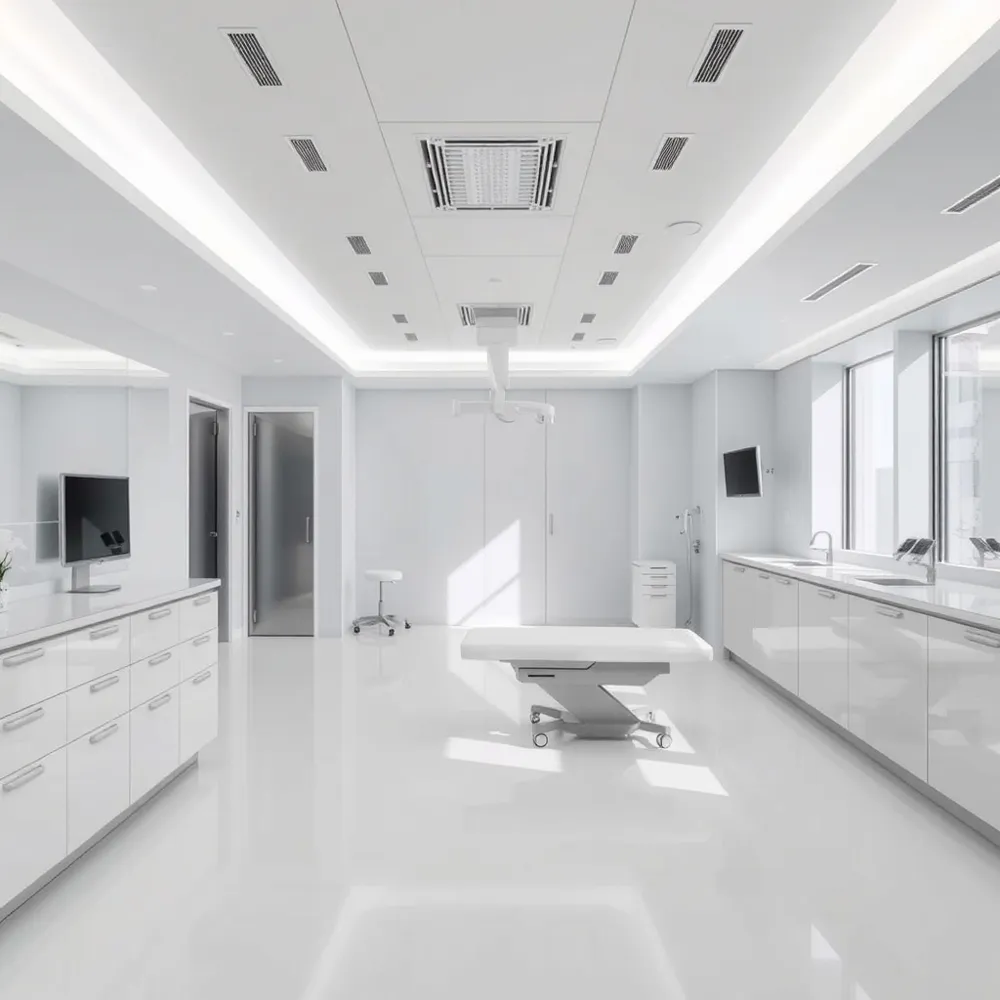
An endoscopic brow lift is a minimally invasive surgical procedure designed to elevate the eyebrows and smooth forehead wrinkles, effectively restoring a more youthful and refreshed appearance. During the operation, the surgeon makes small, discreet incisions within the hairline and uses a thin, camera-equipped instrument known as an endoscope to visualize and precisely reposition underlying forehead tissues. Because this technique utilizes smaller incisions and less extensive tissue manipulation compared to traditional open methods, it is widely considered the least invasive surgical option for brow rejuvenation. This modern approach offers patients distinct advantages, including reduced scarring, less post-operative discomfort, and a quicker return to normal daily activities. Ultimately, the procedure provides a reliable and refined way to address signs of aging in the upper face while maintaining a natural-looking aesthetic.
At thomasloebmd.com, the emphasis remains on tailoring each surgical plan to the unique anatomy of the patient, ensuring that the endoscopic approach achieves balance and symmetry. This practice utilizes advanced instrumentation to minimize the degree of scalp numbness often associated with more aggressive coronal lifts. By leveraging the magnification provided by the endoscope, surgeons can achieve significant elevation of the brow, often up to a centimeter or more, without the extensive ear-to-ear incision required by traditional surgical approaches.
| Feature | Endoscopic Brow Lift | Traditional Coronal Lift |
|---|---|---|
| Incision Type | Multiple small | Single continuous |
| Scalp Impact | Minimal | Significant |
| Recovery Time | Shortened | Extended |
Comparative Analysis of Surgical and Non-Surgical Techniques
Selecting the right approach for a brow lift requires understanding the fundamental difference between structural tissue repositioning and temporary muscle manipulation. Surgical methods achieve lasting, dramatic results by physically modifying the forehead and brow position, whereas non-surgical interventions provide subtle refinement through chemical or volume-based adjustments.
What are the primary differences between surgical and non-surgical brow lift options?
Surgical brow lift procedures, such as the endoscopic or coronal approach, address significant brow descent by repositioning underlying tissue through small incisions to provide long-lasting results. In contrast, non-surgical alternatives typically utilize neuromodulators like Botox or dermal fillers to subtly elevate the brows by relaxing specific muscles or adding volume. While a surgical brow lift creates a more permanent, structural change, non-surgical options offer temporary enhancements with minimal to no downtime. Patients seeking to address profound skin laxity or heavy hooding may find surgery more effective, whereas those desiring a quick, refreshed appearance often prefer non-surgical treatments. Ultimately, the choice depends on your specific aesthetic goals, the degree of correction needed, and your comfort level with recovery.
Neuromodulators. These agents, including common injectables, relax the depressor muscles that pull the eyebrow down, allowing the frontalis muscle to lift the brow naturally. This chemical approach provides a subtle improvement for dynamic lines, typically requiring repeat treatments every three to six months as per AAO reports.Volume Replacement. Dermal fillers provide a chemical brow lift by adding structural support beneath the skin. This approach addresses the sunken, deep-set appearance that often accompanies aging, offering an immediate change that typically endures for six to 18 months.Structural Changes. Unlike non-invasive methods, a surgical brow lift removes excess skin and secures underlying tissues. This provides a definitive correction for patients whose sagging brows may obstruct their upper field of vision.
Longevity and Maintenance Expectations

When considering a brow lift, the longevity of your results depends heavily on whether you choose a surgical or non-surgical approach. A surgical brow lift provides the most durable outcome, often delivering refreshed, long-term rejuvenation that can last 10 to 15 years per the American Academy of Facial Plastic and Reconstructive Surgery. Because facial aging is a continuous process, your unique anatomy and lifestyle will also influence how long your aesthetic improvements remain visible.
How long do the results of surgical and non-surgical brow lifts typically last?
In contrast to permanent surgery, non-surgical options offer a more temporary solution. Neuromodulators like Botox function by relaxing depressor muscles, typically lasting approximately three to four months before maintenance treatments are required. If you seek longer-lasting results without incisions, minimally invasive procedures such as thread lifts or energy-based skin tightening generally provide results that last anywhere from six months to a year, depending on the specific modality and your body's collagen production.
At thomasloebmd.com, we emphasize that the choice between these pathways often comes down to your long-term aesthetic goals. While non-surgical treatments require frequent return visits, they provide a flexible customization option that allows you to assess the subtle changes to your forehead and brow position over time. Conversely, patients who prioritize a single, high-impact intervention often find that the recovery period associated with a surgical approach is a worthwhile investment for the durability and structural repositioning it provides.
Understanding Potential Surgical Risks
While a brow lift can effectively rejuvenate the forehead and surrounding facial area, it is a surgical procedure that carries inherent risks, including anesthesia complications, bleeding, and infection. Patients should be aware of the possibility of unfavorable scarring, hair loss around incision sites, or an elevated hairline per the American Academy of Facial Plastic and Reconstructive Surgery.
Potential sensory changes are also common following a brow lift, such as persistent numbness, itching, or, in rare instances, temporary facial nerve weakness. Additionally, some individuals may experience eye irritation, dry eyes, or facial asymmetry, which may necessitate secondary revision surgery according to the Cleveland Clinic.
Managing expectations for healing involves understanding that while initial recovery typically takes 10 to 14 days, full resolution of swelling and refining of incision lines can take several months as noted by researchers at Washington University. Choosing a board-certified surgeon is the most effective safety measure, as expertise in precise tissue manipulation significantly reduces the risk of complications like nerve injury or aesthetic dissatisfaction.
Forehead Proportions and Incision Placement
Achieving aesthetic harmony during a brow lift requires a precise approach to incision placement and tissue management, as these factors directly influence forehead proportions. While a brow lift generally does not alter the physical size of your forehead, the chosen technique can influence how it is perceived. Patients seeking customized results often prioritize methods that balance rejuvenation with the preservation of their natural hairline.
Will a brow lift change the appearance of my forehead size?
Endoscopic and temporal brow lift procedures typically maintain your existing hairline position, ensuring your forehead proportions remain unchanged. Conversely, a coronal brow lift involves the removal of excess skin, which may elevate the anterior hairline and create the appearance of a larger forehead. In some instances, specialized surgical techniques can actually be utilized to lower a high hairline, helping to improve overall facial balance. During your consultation, Dr. Loeb will assess your unique anatomy and discuss which approach best aligns with your aesthetic goals.
Understanding the anatomical impact of these incisions is essential for those weighing the benefits of a permanent surgical lift against other facial procedures. Unlike a blepharoplasty, which targets eyelid skin, the forehead procedure, repositioning, requires a strategic plan to avoid unintended shifts in the hairline or facial structure.
Choosing Your Path to Aesthetic Harmony
Selecting the most appropriate brow lift strategy requires a nuanced evaluation of your unique anatomy, current skin elasticity, and specific aesthetic goals. While non-surgical options like Botox provide a quick, temporary lift by relaxing depressor muscles, they are generally limited to mild cases of brow descent The Nonsurgical Brow-Lift: Pleasing Patients and Diversifying Practices. In contrast, a surgical approach offers structural repositioning that effectively addresses more advanced signs of aging, such as significant ptosis and deep forehead furrows Brow Lift: What It Is, Procedure Options, Surgery & Recovery.
At thomasloebmd.com, the focus remains on achieving balance through precision, recognizing that a one-size-fits-all approach rarely yields optimal facial harmony. A board-certified plastic surgeon can accurately assess whether your concerns are best addressed through an endoscopic brow lift or if a combination of procedures, such as integrating blepharoplasty, will provide a more comprehensive, natural-looking result.
The long-term success of any rejuvenation plan depends on professional guidance tailored to your individual muscle activity and skin structure. Engaging in a formal consultation allows you to move beyond generalized information and establish a customized treatment plan that prioritizes your safety and long-term satisfaction. Whether you are exploring non-surgical enhancement or a permanent surgical correction, expert evaluation ensures that your path to a refreshed appearance aligns with your specific vision of aging gracefully.
Understanding the Role of the Brow Lift
The brow lift serves as a foundational procedure in facial aesthetics, as the forehead, eyebrows, and eyelids function as a single, integrated anatomical unit. When the brow descends due to the natural aging process, it often creates a heavy, hooded appearance on the upper eyelids that can obscure the eyes and convey a tired or concerned expression. Treating this area effectively requires an understanding of how these structures interact, as failing to address the brow can undermine the results of even the most precise eyelid surgeries like blepharoplasty.
Because the brow position dictates the framing of the entire upper face, rejuvenation remains a primary goal for patients seeking a refreshed, alert, and youthful appearance. A brow lift does more than just smooth horizontal forehead wrinkles; it restores the natural arch and elevation of the eyebrows, directly alleviating the physical weight that settles onto the eyelid skin. For those exploring their options, thomasloebmd.com emphasizes that the best approach depends on an individual's unique anatomy, degree of tissue descent, and long-term aesthetic goals.
Choosing the right path requires distinguishing between temporary enhancements and structural correction. While non-surgical brow lift options such as neuromodulators can offer subtle improvements for mild laxity, they lack the ability to reposition tissues or remove excess skin permanently. In contrast, surgical brow lift techniques provide the definitive structural support necessary to achieve balanced, long-lasting facial harmony that non-invasive alternatives simply cannot replicate.
Defining the Brow Lift and Assessing Your Candidacy
A brow lift, or forehead lift, is a cosmetic surgical procedure designed to reposition the forehead, raise the eyebrows, and reduce horizontal lines and vertical frown lines. By elevating drooping tissue, the procedure creates a more refreshed, youthful, and approachable expression, effectively addressing signs of aging that can make a person appear tired or frustrated.
At thomasloebmd.com, the focus is on a bespoke approach to facial rejuvenation. Unlike non-surgical alternatives that offer only temporary, subtle adjustments, a surgical brow lift provides structural repositioning. This is particularly relevant for individuals experiencing significant soft tissue descent, where the brow has migrated to or below the orbital rim, often contributing to redundant skin on the eyelids.
What is a brow lift, and how do I know if it is right for me?
Determining your candidacy starts with observing your own facial expressions in a mirror. A practical way to assess your needs is to gently lift the skin above your eyebrows using your fingers. If this manual repositioning creates the more alert, open, and youthful appearance you desire, the procedure may be the correct path for you. If you are uncertain about whether your concerns are best addressed by this surgery, blepharoplasty, or a combination of both, a professional evaluation is the only way to ensure the best outcome.
Consultation remains the most important step in the process, as it allows for an assessment of your unique anatomy, hairline, and skin elasticity. Because the forehead, eyebrows, and eyelids function as an integrated anatomical unit, thomasloebmd.com evaluates the entire upper face to avoid results that look artificial or overly corrected. A customized plan is necessary to balance the degree of lift with your specific facial proportions, ensuring that the results appear natural and harmonious with your overall features.
Optimal Timing and Patient Demographics for Rejuvenation
Deciding when to pursue a brow lift involves evaluating your unique anatomy, as there is no single milestone age for this procedure. Most patients typically seek rejuvenation in their mid-40s to 60s, a period when structural changes such as brow descent and deep forehead furrows often become more pronounced per the American Academy of Facial Plastic and Reconstructive Surgery. However, individual timelines vary significantly based on genetics, sun exposure, and lifestyle habits.
What is the best age range for a brow lift?
While there is no universal perfect age, some individuals in their late 30s or early 40s may opt for intervention as a preventative measure. This early onset of sagging often relates to inherited bone structure or skin laxity that may not respond sufficiently to non-surgical treatments like Botox as discussed by the American Society of Plastic Surgeons. At thomasloebmd.com, the focus remains on personal aesthetic goals rather than chronological age alone.
When comparing options, remember that while non-invasive techniques provide subtle benefits, a surgical brow lift is often the preferred choice for those addressing significant tissue descent. Assessing your needs during a private consultation at thomasloebmd.com ensures the chosen approach aligns with your specific facial proportions. By prioritizing an evaluation of your tissue elasticity and brow position, a specialist can determine whether you are a suitable candidate for a surgical procedure or if alternative strategies better suit your current needs.
Surgical Precision: The Endoscopic Approach
An endoscopic brow lift is a minimally invasive surgical procedure designed to elevate the eyebrows and smooth forehead wrinkles, effectively restoring a more youthful and refreshed appearance. During the operation, the surgeon makes small, discreet incisions within the hairline and uses a thin, camera-equipped instrument known as an endoscope to visualize and precisely reposition underlying forehead tissues. Because this technique utilizes smaller incisions and less extensive tissue manipulation compared to traditional open methods, it is widely considered the least invasive surgical option for brow rejuvenation. This modern approach offers patients distinct advantages, including reduced scarring, less post-operative discomfort, and a quicker return to normal daily activities. Ultimately, the procedure provides a reliable and refined way to address signs of aging in the upper face while maintaining a natural-looking aesthetic.
At thomasloebmd.com, the emphasis remains on tailoring each surgical plan to the unique anatomy of the patient, ensuring that the endoscopic approach achieves balance and symmetry. This practice utilizes advanced instrumentation to minimize the degree of scalp numbness often associated with more aggressive coronal lifts. By leveraging the magnification provided by the endoscope, surgeons can achieve significant elevation of the brow, often up to a centimeter or more, without the extensive ear-to-ear incision required by traditional surgical approaches.
| Feature | Endoscopic Brow Lift | Traditional Coronal Lift |
|---|---|---|
| Incision Type | Multiple small | Single continuous |
| Scalp Impact | Minimal | Significant |
| Recovery Time | Shortened | Extended |
Comparative Analysis of Surgical and Non-Surgical Techniques
Selecting the right approach for a brow lift requires understanding the fundamental difference between structural tissue repositioning and temporary muscle manipulation. Surgical methods achieve lasting, dramatic results by physically modifying the forehead and brow position, whereas non-surgical interventions provide subtle refinement through chemical or volume-based adjustments.
What are the primary differences between surgical and non-surgical brow lift options?
Surgical brow lift procedures, such as the endoscopic or coronal approach, address significant brow descent by repositioning underlying tissue through small incisions to provide long-lasting results. In contrast, non-surgical alternatives typically utilize neuromodulators like Botox or dermal fillers to subtly elevate the brows by relaxing specific muscles or adding volume. While a surgical brow lift creates a more permanent, structural change, non-surgical options offer temporary enhancements with minimal to no downtime. Patients seeking to address profound skin laxity or heavy hooding may find surgery more effective, whereas those desiring a quick, refreshed appearance often prefer non-surgical treatments. Ultimately, the choice depends on your specific aesthetic goals, the degree of correction needed, and your comfort level with recovery.
Neuromodulators. These agents, including common injectables, relax the depressor muscles that pull the eyebrow down, allowing the frontalis muscle to lift the brow naturally. This chemical approach provides a subtle improvement for dynamic lines, typically requiring repeat treatments every three to six months as per AAO reports.Volume Replacement. Dermal fillers provide a chemical brow lift by adding structural support beneath the skin. This approach addresses the sunken, deep-set appearance that often accompanies aging, offering an immediate change that typically endures for six to 18 months.Structural Changes. Unlike non-invasive methods, a surgical brow lift removes excess skin and secures underlying tissues. This provides a definitive correction for patients whose sagging brows may obstruct their upper field of vision.
Longevity and Maintenance Expectations
When considering a brow lift, the longevity of your results depends heavily on whether you choose a surgical or non-surgical approach. A surgical brow lift provides the most durable outcome, often delivering refreshed, long-term rejuvenation that can last 10 to 15 years per the American Academy of Facial Plastic and Reconstructive Surgery. Because facial aging is a continuous process, your unique anatomy and lifestyle will also influence how long your aesthetic improvements remain visible.
How long do the results of surgical and non-surgical brow lifts typically last?
In contrast to permanent surgery, non-surgical options offer a more temporary solution. Neuromodulators like Botox function by relaxing depressor muscles, typically lasting approximately three to four months before maintenance treatments are required. If you seek longer-lasting results without incisions, minimally invasive procedures such as thread lifts or energy-based skin tightening generally provide results that last anywhere from six months to a year, depending on the specific modality and your body's collagen production.
At thomasloebmd.com, we emphasize that the choice between these pathways often comes down to your long-term aesthetic goals. While non-surgical treatments require frequent return visits, they provide a flexible customization option that allows you to assess the subtle changes to your forehead and brow position over time. Conversely, patients who prioritize a single, high-impact intervention often find that the recovery period associated with a surgical approach is a worthwhile investment for the durability and structural repositioning it provides.
Understanding Potential Surgical Risks
While a brow lift can effectively rejuvenate the forehead and surrounding facial area, it is a surgical procedure that carries inherent risks, including anesthesia complications, bleeding, and infection. Patients should be aware of the possibility of unfavorable scarring, hair loss around incision sites, or an elevated hairline per the American Academy of Facial Plastic and Reconstructive Surgery.
Potential sensory changes are also common following a brow lift, such as persistent numbness, itching, or, in rare instances, temporary facial nerve weakness. Additionally, some individuals may experience eye irritation, dry eyes, or facial asymmetry, which may necessitate secondary revision surgery according to the Cleveland Clinic.
Managing expectations for healing involves understanding that while initial recovery typically takes 10 to 14 days, full resolution of swelling and refining of incision lines can take several months as noted by researchers at Washington University. Choosing a board-certified surgeon is the most effective safety measure, as expertise in precise tissue manipulation significantly reduces the risk of complications like nerve injury or aesthetic dissatisfaction.
Forehead Proportions and Incision Placement
Achieving aesthetic harmony during a brow lift requires a precise approach to incision placement and tissue management, as these factors directly influence forehead proportions. While a brow lift generally does not alter the physical size of your forehead, the chosen technique can influence how it is perceived. Patients seeking customized results often prioritize methods that balance rejuvenation with the preservation of their natural hairline.
Will a brow lift change the appearance of my forehead size?
Endoscopic and temporal brow lift procedures typically maintain your existing hairline position, ensuring your forehead proportions remain unchanged. Conversely, a coronal brow lift involves the removal of excess skin, which may elevate the anterior hairline and create the appearance of a larger forehead. In some instances, specialized surgical techniques can actually be utilized to lower a high hairline, helping to improve overall facial balance. During your consultation, Dr. Loeb will assess your unique anatomy and discuss which approach best aligns with your aesthetic goals.
Understanding the anatomical impact of these incisions is essential for those weighing the benefits of a permanent surgical lift against other facial procedures. Unlike a blepharoplasty, which targets eyelid skin, the forehead procedure, repositioning, requires a strategic plan to avoid unintended shifts in the hairline or facial structure.
Choosing Your Path to Aesthetic Harmony
Selecting the most appropriate brow lift strategy requires a nuanced evaluation of your unique anatomy, current skin elasticity, and specific aesthetic goals. While non-surgical options like Botox provide a quick, temporary lift by relaxing depressor muscles, they are generally limited to mild cases of brow descent The Nonsurgical Brow-Lift: Pleasing Patients and Diversifying Practices. In contrast, a surgical approach offers structural repositioning that effectively addresses more advanced signs of aging, such as significant ptosis and deep forehead furrows Brow Lift: What It Is, Procedure Options, Surgery & Recovery.
At thomasloebmd.com, the focus remains on achieving balance through precision, recognizing that a one-size-fits-all approach rarely yields optimal facial harmony. A board-certified plastic surgeon can accurately assess whether your concerns are best addressed through an endoscopic brow lift or if a combination of procedures, such as integrating blepharoplasty, will provide a more comprehensive, natural-looking result.
The long-term success of any rejuvenation plan depends on professional guidance tailored to your individual muscle activity and skin structure. Engaging in a formal consultation allows you to move beyond generalized information and establish a customized treatment plan that prioritizes your safety and long-term satisfaction. Whether you are exploring non-surgical enhancement or a permanent surgical correction, expert evaluation ensures that your path to a refreshed appearance aligns with your specific vision of aging gracefully.
Heading
Understanding the Role of the Brow Lift
The brow lift serves as a foundational procedure in facial aesthetics, as the forehead, eyebrows, and eyelids function as a single, integrated anatomical unit. When the brow descends due to the natural aging process, it often creates a heavy, hooded appearance on the upper eyelids that can obscure the eyes and convey a tired or concerned expression. Treating this area effectively requires an understanding of how these structures interact, as failing to address the brow can undermine the results of even the most precise eyelid surgeries like blepharoplasty.
Because the brow position dictates the framing of the entire upper face, rejuvenation remains a primary goal for patients seeking a refreshed, alert, and youthful appearance. A brow lift does more than just smooth horizontal forehead wrinkles; it restores the natural arch and elevation of the eyebrows, directly alleviating the physical weight that settles onto the eyelid skin. For those exploring their options, thomasloebmd.com emphasizes that the best approach depends on an individual's unique anatomy, degree of tissue descent, and long-term aesthetic goals.
Choosing the right path requires distinguishing between temporary enhancements and structural correction. While non-surgical brow lift options such as neuromodulators can offer subtle improvements for mild laxity, they lack the ability to reposition tissues or remove excess skin permanently. In contrast, surgical brow lift techniques provide the definitive structural support necessary to achieve balanced, long-lasting facial harmony that non-invasive alternatives simply cannot replicate.
Defining the Brow Lift and Assessing Your Candidacy
A brow lift, or forehead lift, is a cosmetic surgical procedure designed to reposition the forehead, raise the eyebrows, and reduce horizontal lines and vertical frown lines. By elevating drooping tissue, the procedure creates a more refreshed, youthful, and approachable expression, effectively addressing signs of aging that can make a person appear tired or frustrated.
At thomasloebmd.com, the focus is on a bespoke approach to facial rejuvenation. Unlike non-surgical alternatives that offer only temporary, subtle adjustments, a surgical brow lift provides structural repositioning. This is particularly relevant for individuals experiencing significant soft tissue descent, where the brow has migrated to or below the orbital rim, often contributing to redundant skin on the eyelids.
What is a brow lift, and how do I know if it is right for me?
Determining your candidacy starts with observing your own facial expressions in a mirror. A practical way to assess your needs is to gently lift the skin above your eyebrows using your fingers. If this manual repositioning creates the more alert, open, and youthful appearance you desire, the procedure may be the correct path for you. If you are uncertain about whether your concerns are best addressed by this surgery, blepharoplasty, or a combination of both, a professional evaluation is the only way to ensure the best outcome.
Consultation remains the most important step in the process, as it allows for an assessment of your unique anatomy, hairline, and skin elasticity. Because the forehead, eyebrows, and eyelids function as an integrated anatomical unit, thomasloebmd.com evaluates the entire upper face to avoid results that look artificial or overly corrected. A customized plan is necessary to balance the degree of lift with your specific facial proportions, ensuring that the results appear natural and harmonious with your overall features.
Optimal Timing and Patient Demographics for Rejuvenation
Deciding when to pursue a brow lift involves evaluating your unique anatomy, as there is no single milestone age for this procedure. Most patients typically seek rejuvenation in their mid-40s to 60s, a period when structural changes such as brow descent and deep forehead furrows often become more pronounced per the American Academy of Facial Plastic and Reconstructive Surgery. However, individual timelines vary significantly based on genetics, sun exposure, and lifestyle habits.
What is the best age range for a brow lift?
While there is no universal perfect age, some individuals in their late 30s or early 40s may opt for intervention as a preventative measure. This early onset of sagging often relates to inherited bone structure or skin laxity that may not respond sufficiently to non-surgical treatments like Botox as discussed by the American Society of Plastic Surgeons. At thomasloebmd.com, the focus remains on personal aesthetic goals rather than chronological age alone.
When comparing options, remember that while non-invasive techniques provide subtle benefits, a surgical brow lift is often the preferred choice for those addressing significant tissue descent. Assessing your needs during a private consultation at thomasloebmd.com ensures the chosen approach aligns with your specific facial proportions. By prioritizing an evaluation of your tissue elasticity and brow position, a specialist can determine whether you are a suitable candidate for a surgical procedure or if alternative strategies better suit your current needs.
Surgical Precision: The Endoscopic Approach
An endoscopic brow lift is a minimally invasive surgical procedure designed to elevate the eyebrows and smooth forehead wrinkles, effectively restoring a more youthful and refreshed appearance. During the operation, the surgeon makes small, discreet incisions within the hairline and uses a thin, camera-equipped instrument known as an endoscope to visualize and precisely reposition underlying forehead tissues. Because this technique utilizes smaller incisions and less extensive tissue manipulation compared to traditional open methods, it is widely considered the least invasive surgical option for brow rejuvenation. This modern approach offers patients distinct advantages, including reduced scarring, less post-operative discomfort, and a quicker return to normal daily activities. Ultimately, the procedure provides a reliable and refined way to address signs of aging in the upper face while maintaining a natural-looking aesthetic.
At thomasloebmd.com, the emphasis remains on tailoring each surgical plan to the unique anatomy of the patient, ensuring that the endoscopic approach achieves balance and symmetry. This practice utilizes advanced instrumentation to minimize the degree of scalp numbness often associated with more aggressive coronal lifts. By leveraging the magnification provided by the endoscope, surgeons can achieve significant elevation of the brow, often up to a centimeter or more, without the extensive ear-to-ear incision required by traditional surgical approaches.
| Feature | Endoscopic Brow Lift | Traditional Coronal Lift |
|---|---|---|
| Incision Type | Multiple small | Single continuous |
| Scalp Impact | Minimal | Significant |
| Recovery Time | Shortened | Extended |
Comparative Analysis of Surgical and Non-Surgical Techniques
Selecting the right approach for a brow lift requires understanding the fundamental difference between structural tissue repositioning and temporary muscle manipulation. Surgical methods achieve lasting, dramatic results by physically modifying the forehead and brow position, whereas non-surgical interventions provide subtle refinement through chemical or volume-based adjustments.
What are the primary differences between surgical and non-surgical brow lift options?
Surgical brow lift procedures, such as the endoscopic or coronal approach, address significant brow descent by repositioning underlying tissue through small incisions to provide long-lasting results. In contrast, non-surgical alternatives typically utilize neuromodulators like Botox or dermal fillers to subtly elevate the brows by relaxing specific muscles or adding volume. While a surgical brow lift creates a more permanent, structural change, non-surgical options offer temporary enhancements with minimal to no downtime. Patients seeking to address profound skin laxity or heavy hooding may find surgery more effective, whereas those desiring a quick, refreshed appearance often prefer non-surgical treatments. Ultimately, the choice depends on your specific aesthetic goals, the degree of correction needed, and your comfort level with recovery.
Neuromodulators. These agents, including common injectables, relax the depressor muscles that pull the eyebrow down, allowing the frontalis muscle to lift the brow naturally. This chemical approach provides a subtle improvement for dynamic lines, typically requiring repeat treatments every three to six months as per AAO reports.Volume Replacement. Dermal fillers provide a chemical brow lift by adding structural support beneath the skin. This approach addresses the sunken, deep-set appearance that often accompanies aging, offering an immediate change that typically endures for six to 18 months.Structural Changes. Unlike non-invasive methods, a surgical brow lift removes excess skin and secures underlying tissues. This provides a definitive correction for patients whose sagging brows may obstruct their upper field of vision.
Longevity and Maintenance Expectations
When considering a brow lift, the longevity of your results depends heavily on whether you choose a surgical or non-surgical approach. A surgical brow lift provides the most durable outcome, often delivering refreshed, long-term rejuvenation that can last 10 to 15 years per the American Academy of Facial Plastic and Reconstructive Surgery. Because facial aging is a continuous process, your unique anatomy and lifestyle will also influence how long your aesthetic improvements remain visible.
How long do the results of surgical and non-surgical brow lifts typically last?
In contrast to permanent surgery, non-surgical options offer a more temporary solution. Neuromodulators like Botox function by relaxing depressor muscles, typically lasting approximately three to four months before maintenance treatments are required. If you seek longer-lasting results without incisions, minimally invasive procedures such as thread lifts or energy-based skin tightening generally provide results that last anywhere from six months to a year, depending on the specific modality and your body's collagen production.
At thomasloebmd.com, we emphasize that the choice between these pathways often comes down to your long-term aesthetic goals. While non-surgical treatments require frequent return visits, they provide a flexible customization option that allows you to assess the subtle changes to your forehead and brow position over time. Conversely, patients who prioritize a single, high-impact intervention often find that the recovery period associated with a surgical approach is a worthwhile investment for the durability and structural repositioning it provides.
Understanding Potential Surgical Risks
While a brow lift can effectively rejuvenate the forehead and surrounding facial area, it is a surgical procedure that carries inherent risks, including anesthesia complications, bleeding, and infection. Patients should be aware of the possibility of unfavorable scarring, hair loss around incision sites, or an elevated hairline per the American Academy of Facial Plastic and Reconstructive Surgery.
Potential sensory changes are also common following a brow lift, such as persistent numbness, itching, or, in rare instances, temporary facial nerve weakness. Additionally, some individuals may experience eye irritation, dry eyes, or facial asymmetry, which may necessitate secondary revision surgery according to the Cleveland Clinic.
Managing expectations for healing involves understanding that while initial recovery typically takes 10 to 14 days, full resolution of swelling and refining of incision lines can take several months as noted by researchers at Washington University. Choosing a board-certified surgeon is the most effective safety measure, as expertise in precise tissue manipulation significantly reduces the risk of complications like nerve injury or aesthetic dissatisfaction.
Forehead Proportions and Incision Placement
Achieving aesthetic harmony during a brow lift requires a precise approach to incision placement and tissue management, as these factors directly influence forehead proportions. While a brow lift generally does not alter the physical size of your forehead, the chosen technique can influence how it is perceived. Patients seeking customized results often prioritize methods that balance rejuvenation with the preservation of their natural hairline.
Will a brow lift change the appearance of my forehead size?
Endoscopic and temporal brow lift procedures typically maintain your existing hairline position, ensuring your forehead proportions remain unchanged. Conversely, a coronal brow lift involves the removal of excess skin, which may elevate the anterior hairline and create the appearance of a larger forehead. In some instances, specialized surgical techniques can actually be utilized to lower a high hairline, helping to improve overall facial balance. During your consultation, Dr. Loeb will assess your unique anatomy and discuss which approach best aligns with your aesthetic goals.
Understanding the anatomical impact of these incisions is essential for those weighing the benefits of a permanent surgical lift against other facial procedures. Unlike a blepharoplasty, which targets eyelid skin, the forehead procedure, repositioning, requires a strategic plan to avoid unintended shifts in the hairline or facial structure.
Choosing Your Path to Aesthetic Harmony
Selecting the most appropriate brow lift strategy requires a nuanced evaluation of your unique anatomy, current skin elasticity, and specific aesthetic goals. While non-surgical options like Botox provide a quick, temporary lift by relaxing depressor muscles, they are generally limited to mild cases of brow descent The Nonsurgical Brow-Lift: Pleasing Patients and Diversifying Practices. In contrast, a surgical approach offers structural repositioning that effectively addresses more advanced signs of aging, such as significant ptosis and deep forehead furrows Brow Lift: What It Is, Procedure Options, Surgery & Recovery.
At thomasloebmd.com, the focus remains on achieving balance through precision, recognizing that a one-size-fits-all approach rarely yields optimal facial harmony. A board-certified plastic surgeon can accurately assess whether your concerns are best addressed through an endoscopic brow lift or if a combination of procedures, such as integrating blepharoplasty, will provide a more comprehensive, natural-looking result.
The long-term success of any rejuvenation plan depends on professional guidance tailored to your individual muscle activity and skin structure. Engaging in a formal consultation allows you to move beyond generalized information and establish a customized treatment plan that prioritizes your safety and long-term satisfaction. Whether you are exploring non-surgical enhancement or a permanent surgical correction, expert evaluation ensures that your path to a refreshed appearance aligns with your specific vision of aging gracefully.




Locations


© 2014 - 2025. Thomas W. Loeb | Board Certified Plastic Surgeon