



.svg)
.svg)


Celebrity Appearance and Reality: A Closer Look at Plastic Surgery Speculation
News
/
August 19, 2026
Did Taylor Swift get a boob job? Looking at the rumors and facts
Celebrity Appearance and Reality: A Closer Look at Plastic Surgery Speculation
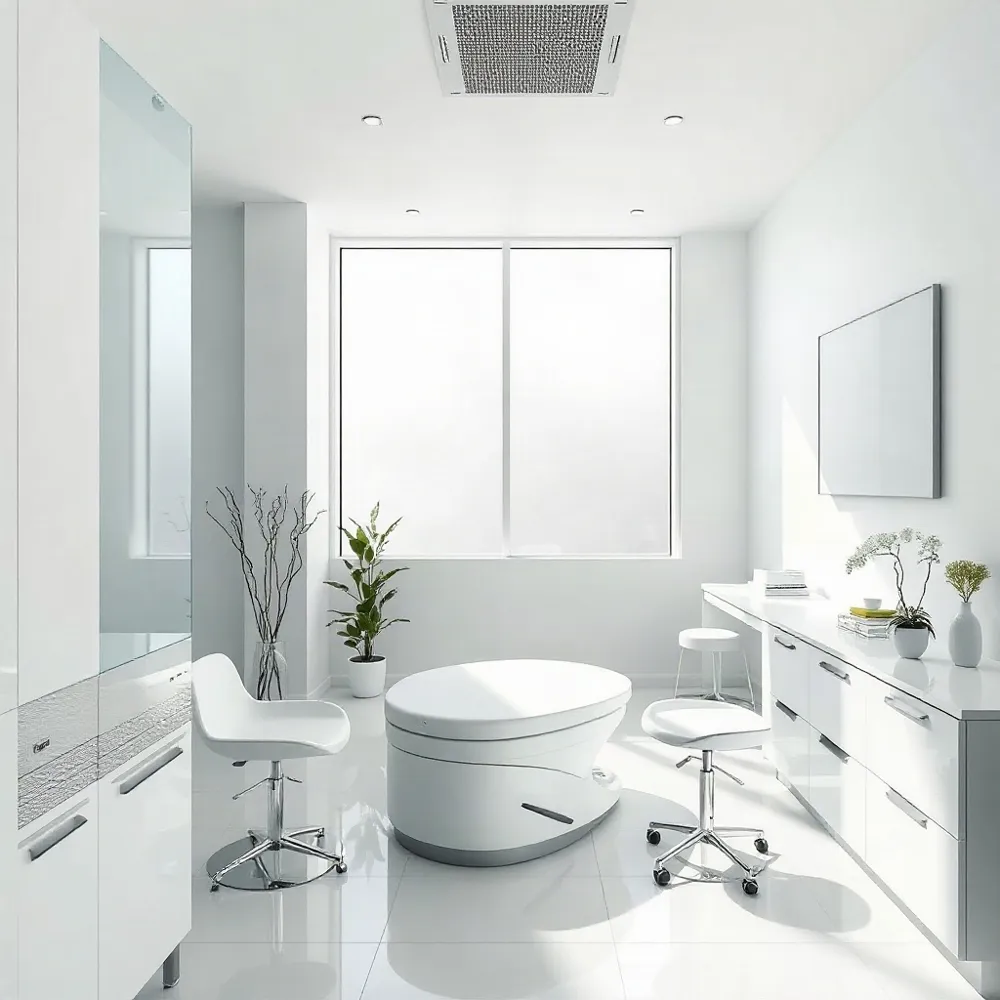
Body contouring has revolutionized the way we think about self-care and aesthetic transformations. It’s more than just a cosmetic procedure—it’s a path to enhanced confidence and self-expression.
Navigating Public Interest in Celebrity Aesthetic Transitions
Public fascination with the physical appearance of celebrities frequently leads to intense scrutiny of subtle changes. While observers often attribute shifts in a figure or face to cosmetic interventions, these variations are frequently the result of non-surgical factors like aging, weight fluctuations, makeup techniques, or lighting. Despite persistent rumors, there is no verified evidence that public figures like Taylor Swift have undergone procedures such as breast augmentation.
Medical professionals are encouraged by the American Medical Association to avoid speculating about the medical history of individuals they have not personally examined The ethics of weighing in on celebrity cosmetic procedures. Such commentary, particularly when unauthorized, can undermine the credibility of medical practice and violate patient privacy. Maintaining professional boundaries is essential to ensure that discourse remains grounded in educational, objective information rather than sensationalized gossip.
At the practice of Thomas Loeb, the focus remains on personalized care and anatomical precision rather than reacting to fleeting media narratives. Unlike the speculative culture surrounding celebrity appearance, board-certified surgeons prioritize helping patients understand that aesthetic results depend on unique anatomy. Establishing transparency and realistic expectations through professional consultations provides a healthier path to achieving one's aesthetic goals.
Analyzing Rumors Surrounding Taylor Swift

Public discussion regarding Taylor Swift frequently focuses on speculation about potential surgical interventions, specifically rumors concerning breast augmentation and blepharoplasty. Despite persistent media attention, there is no verified medical evidence or public confirmation that she has undergone these or any other cosmetic procedures. When medical professionals comment on such cases, the American Medical Association advises against clinical speculation, as discussing a public figure's medical history without consent violates privacy and undermines professional credibility.
Many visual shifts attributed to surgery can often be explained by natural factors. A person's physical appearance undergoes significant maturation from their late teens into their thirties. Furthermore, fluctuations in body weight and hydration levels frequently alter facial and body contours. At his practice, Dr. Thomas W. Loeb emphasizes that such changes are common and distinct from the structural modifications achieved through surgical artistry.
Staging and performance requirements also play a substantial role in shaping a celebrity's silhouette. The entertainment industry routinely utilizes high-fashion wardrobe elements, such as custom corsetry, structural bustiers, and advanced push-up garments, to create specific aesthetic profiles for the stage. Additionally, specialized fitness routines designed to increase muscle tone in the pectoral and back areas can enhance support and change the appearance of breast tissue. As noted by the American Society of Plastic Surgeons, patients should view celebrity images as general inspiration rather than a definitive blueprint, given that individual anatomy dictates how specific proportions appear on different frames.
What are the core ethical considerations in plastic surgery?
Ethical practice in plastic surgery is anchored in patient safety, comprehensive informed consent, and a transparent disclosure of risks. Beyond clinical outcomes, surgeons must prioritize psychological assessment to ensure patient motivations are healthy and expectations remain grounded in reality. Practitioners have a duty to avoid the exploitation of the patient-physician relationship, particularly regarding social media use and commercial self-promotion. Furthermore, maintaining ethical integrity requires surgeons to resist endorsing potentially harmful aesthetic norms while ensuring that all procedures prioritize the patient's long-term well-being and functional health. Ultimately, these principles foster a culture of trust, ensuring that artistic intervention is always balanced by responsible, patient-centered care.
The Ethics of Public Speculation on Aesthetic Procedures

The impulse to analyze and critique the physical appearance of public figures has become a normalized aspect of contemporary media culture. When medical professionals participate in this discourse by offering public diagnoses, they risk violating patient privacy and undermining the credibility of the medical field. The American Medical Association advises providers to refrain from speculating on the medical history of individuals they have not personally examined.
Sensationalized narratives regarding cosmetic interventions often ignore the reality that many aesthetic shifts arise from natural factors like aging, weight fluctuations, or professional styling. Dr. Thomas W. Loeb, a board-certified plastic surgeon, emphasizes that achieving natural, harmonious results relies on personalized planning that respects an individual's unique anatomy rather than following fleeting trends. This commitment to professional integrity stands in stark contrast to the invasive commentary often directed at women in the spotlight, which serves only to promote unrealistic beauty standards.
What is the most frequently requested celebrity-inspired plastic surgery procedure?
Rhinoplasty is widely considered the most frequently requested celebrity-inspired plastic surgery procedure. Patients often seek this surgery to emulate the refined, balanced nasal profiles seen on high-profile public figures. Beyond surgical rhinoplasty, there is also a significant demand for non-surgical enhancements, such as dermal fillers, which can provide temporary, subtle contouring similar to popular celebrity trends. Ultimately, these requests are driven by a desire for facial harmony and features that appear proportionate on camera. While trends in beauty standards shift, the pursuit of a sculpted and aesthetically balanced profile remains a cornerstone of cosmetic planning.
When individuals look to celebrity photos for inspiration, experts suggest viewing these images as a starting point for discussion rather than a definitive blueprint. Celebrity transparency in cosmetic medicine can help destigmatize procedures, but it is important to remember that every result is influenced by a patient's specific body shape and proportions. A qualified surgeon focuses on creating a customized approach that honors the patient's natural beauty rather than attempting to replicate another individual's results.
Achieving Natural Aesthetic Results Through Expert Technique
Modern aesthetic surgery has shifted away from applying standardized templates to individuals, focusing instead on honoring unique facial anatomy. Surgeons prioritize enhancing a patient’s specific features to ensure that results appear as a subtle, elegant enhancement rather than an artificial transformation. At his Manhattan practice, Thomas W. Loeb emphasizes this patient-first philosophy, tailoring every treatment plan to reflect the individual's inherent character and natural proportions.
How do aesthetic surgeons approach achieving natural-looking results in facial procedures?
To achieve authentic outcomes, experts utilize advanced techniques that address deep facial structures, such as SMAS or deep-plane repositioning. These methods restore youthful contours without the tight or pulled appearance often associated with outdated skin-tightening procedures. By meticulously respecting individual anatomy, surgeons rejuvenate the face while preserving the muscle function essential for authentic emotional expression. This precision is essential because, as noted by the American Society of Plastic Surgeons, patients possess unique body shapes and proportions that mean a specific surgical choice will yield different results for different people.
Patients often bring celebrity photographs to consultations, but these should serve only as a starting point for dialogue rather than a definitive blueprint. Unlike practitioners who rely on generic approaches, the team at thomasloebmd.com works with each patient to develop a plan that accounts for their specific facial structure and aesthetic goals. This level of personalized care is consistent with guidance from medical professionals who caution against the pitfalls of sensationalized expectations, emphasizing that the focus should remain on objective, anatomical considerations rather than mimicking public figures.
Finding the Right Professional for Your Aesthetic Goals
When researching plastic surgery for facial procedures, patients should prioritize surgeons who are board-certified by bodies such as the American Board of Plastic Surgery and possess extensive, specific experience with the facial techniques they are considering. Beyond technical credentials, it is essential to verify that the surgery is performed in a properly accredited facility to ensure the highest standards of safety and clinical oversight. At thomasloebmd.com, the practice is centered on decades of specialized expertise, ensuring that each patient receives care founded on both surgical rigor and precise, natural-looking outcomes.
Evaluating a surgeon's aesthetic philosophy requires more than a casual glance at a website. Patients should review a portfolio of past work to ensure the visual style aligns with their personal goals. While some providers focus on dramatic, templated results, thomasloebmd.com emphasizes an individualized approach that honors the patient's unique anatomy. This method contrasts with practitioners who apply standardized adjustments, which often fail to account for the specific proportions of an individual's frame.
The value of a boutique experience becomes clear during the initial consultation. A high-quality provider conducts a thorough medical evaluation, asks detailed questions about health history, and avoids aggressive overselling of additional services. Because medical professionals have an ethical duty to prioritize professional standards, your chosen surgeon should act as a partner in your long-term aesthetic health. By seeking a provider who offers a personalized, boutique approach, patients ensure that their treatment plan is tailored to enhance their specific features with attention to detail rather than adopting a one-size-fits-all strategy.
Commitment to Long-Term Aesthetic Excellence
Achieving lasting beauty requires prioritizing individual anatomy over the pursuit of fleeting trends. While media culture often invites speculation about celebrity appearances, these comparisons frequently ignore natural factors like aging, fitness, and styling choices per 2025 Forbes analysis. Patients seeking aesthetic improvements should resist the urge to use celebrities as a definitive blueprint, as every procedure must be tailored to their specific frame per the American Society of Plastic Surgeons.
Consulting with a board-certified professional is essential for authentic outcomes. At his Manhattan practice, Dr. Thomas W. Loeb focuses on creating balance and harmony through personalized treatment planning. Unlike providers who offer cookie-cutter solutions, the practice emphasizes artistic precision to enhance natural features. By focusing on health and long-term results rather than chasing external standards, patients can achieve a look that feels refreshed, confident, and uniquely their own.
Navigating Public Interest in Celebrity Aesthetic Transitions
Public fascination with the physical appearance of celebrities frequently leads to intense scrutiny of subtle changes. While observers often attribute shifts in a figure or face to cosmetic interventions, these variations are frequently the result of non-surgical factors like aging, weight fluctuations, makeup techniques, or lighting. Despite persistent rumors, there is no verified evidence that public figures like Taylor Swift have undergone procedures such as breast augmentation.
Medical professionals are encouraged by the American Medical Association to avoid speculating about the medical history of individuals they have not personally examined The ethics of weighing in on celebrity cosmetic procedures. Such commentary, particularly when unauthorized, can undermine the credibility of medical practice and violate patient privacy. Maintaining professional boundaries is essential to ensure that discourse remains grounded in educational, objective information rather than sensationalized gossip.
At the practice of Thomas Loeb, the focus remains on personalized care and anatomical precision rather than reacting to fleeting media narratives. Unlike the speculative culture surrounding celebrity appearance, board-certified surgeons prioritize helping patients understand that aesthetic results depend on unique anatomy. Establishing transparency and realistic expectations through professional consultations provides a healthier path to achieving one's aesthetic goals.
Analyzing Rumors Surrounding Taylor Swift
Public discussion regarding Taylor Swift frequently focuses on speculation about potential surgical interventions, specifically rumors concerning breast augmentation and blepharoplasty. Despite persistent media attention, there is no verified medical evidence or public confirmation that she has undergone these or any other cosmetic procedures. When medical professionals comment on such cases, the American Medical Association advises against clinical speculation, as discussing a public figure's medical history without consent violates privacy and undermines professional credibility.
Many visual shifts attributed to surgery can often be explained by natural factors. A person's physical appearance undergoes significant maturation from their late teens into their thirties. Furthermore, fluctuations in body weight and hydration levels frequently alter facial and body contours. At his practice, Dr. Thomas W. Loeb emphasizes that such changes are common and distinct from the structural modifications achieved through surgical artistry.
Staging and performance requirements also play a substantial role in shaping a celebrity's silhouette. The entertainment industry routinely utilizes high-fashion wardrobe elements, such as custom corsetry, structural bustiers, and advanced push-up garments, to create specific aesthetic profiles for the stage. Additionally, specialized fitness routines designed to increase muscle tone in the pectoral and back areas can enhance support and change the appearance of breast tissue. As noted by the American Society of Plastic Surgeons, patients should view celebrity images as general inspiration rather than a definitive blueprint, given that individual anatomy dictates how specific proportions appear on different frames.
What are the core ethical considerations in plastic surgery?
Ethical practice in plastic surgery is anchored in patient safety, comprehensive informed consent, and a transparent disclosure of risks. Beyond clinical outcomes, surgeons must prioritize psychological assessment to ensure patient motivations are healthy and expectations remain grounded in reality. Practitioners have a duty to avoid the exploitation of the patient-physician relationship, particularly regarding social media use and commercial self-promotion. Furthermore, maintaining ethical integrity requires surgeons to resist endorsing potentially harmful aesthetic norms while ensuring that all procedures prioritize the patient's long-term well-being and functional health. Ultimately, these principles foster a culture of trust, ensuring that artistic intervention is always balanced by responsible, patient-centered care.
The Ethics of Public Speculation on Aesthetic Procedures
The impulse to analyze and critique the physical appearance of public figures has become a normalized aspect of contemporary media culture. When medical professionals participate in this discourse by offering public diagnoses, they risk violating patient privacy and undermining the credibility of the medical field. The American Medical Association advises providers to refrain from speculating on the medical history of individuals they have not personally examined.
Sensationalized narratives regarding cosmetic interventions often ignore the reality that many aesthetic shifts arise from natural factors like aging, weight fluctuations, or professional styling. Dr. Thomas W. Loeb, a board-certified plastic surgeon, emphasizes that achieving natural, harmonious results relies on personalized planning that respects an individual's unique anatomy rather than following fleeting trends. This commitment to professional integrity stands in stark contrast to the invasive commentary often directed at women in the spotlight, which serves only to promote unrealistic beauty standards.
What is the most frequently requested celebrity-inspired plastic surgery procedure?
Rhinoplasty is widely considered the most frequently requested celebrity-inspired plastic surgery procedure. Patients often seek this surgery to emulate the refined, balanced nasal profiles seen on high-profile public figures. Beyond surgical rhinoplasty, there is also a significant demand for non-surgical enhancements, such as dermal fillers, which can provide temporary, subtle contouring similar to popular celebrity trends. Ultimately, these requests are driven by a desire for facial harmony and features that appear proportionate on camera. While trends in beauty standards shift, the pursuit of a sculpted and aesthetically balanced profile remains a cornerstone of cosmetic planning.
When individuals look to celebrity photos for inspiration, experts suggest viewing these images as a starting point for discussion rather than a definitive blueprint. Celebrity transparency in cosmetic medicine can help destigmatize procedures, but it is important to remember that every result is influenced by a patient's specific body shape and proportions. A qualified surgeon focuses on creating a customized approach that honors the patient's natural beauty rather than attempting to replicate another individual's results.
Achieving Natural Aesthetic Results Through Expert Technique
Modern aesthetic surgery has shifted away from applying standardized templates to individuals, focusing instead on honoring unique facial anatomy. Surgeons prioritize enhancing a patient’s specific features to ensure that results appear as a subtle, elegant enhancement rather than an artificial transformation. At his Manhattan practice, Thomas W. Loeb emphasizes this patient-first philosophy, tailoring every treatment plan to reflect the individual's inherent character and natural proportions.
How do aesthetic surgeons approach achieving natural-looking results in facial procedures?
To achieve authentic outcomes, experts utilize advanced techniques that address deep facial structures, such as SMAS or deep-plane repositioning. These methods restore youthful contours without the tight or pulled appearance often associated with outdated skin-tightening procedures. By meticulously respecting individual anatomy, surgeons rejuvenate the face while preserving the muscle function essential for authentic emotional expression. This precision is essential because, as noted by the American Society of Plastic Surgeons, patients possess unique body shapes and proportions that mean a specific surgical choice will yield different results for different people.
Patients often bring celebrity photographs to consultations, but these should serve only as a starting point for dialogue rather than a definitive blueprint. Unlike practitioners who rely on generic approaches, the team at thomasloebmd.com works with each patient to develop a plan that accounts for their specific facial structure and aesthetic goals. This level of personalized care is consistent with guidance from medical professionals who caution against the pitfalls of sensationalized expectations, emphasizing that the focus should remain on objective, anatomical considerations rather than mimicking public figures.
Finding the Right Professional for Your Aesthetic Goals
When researching plastic surgery for facial procedures, patients should prioritize surgeons who are board-certified by bodies such as the American Board of Plastic Surgery and possess extensive, specific experience with the facial techniques they are considering. Beyond technical credentials, it is essential to verify that the surgery is performed in a properly accredited facility to ensure the highest standards of safety and clinical oversight. At thomasloebmd.com, the practice is centered on decades of specialized expertise, ensuring that each patient receives care founded on both surgical rigor and precise, natural-looking outcomes.
Evaluating a surgeon's aesthetic philosophy requires more than a casual glance at a website. Patients should review a portfolio of past work to ensure the visual style aligns with their personal goals. While some providers focus on dramatic, templated results, thomasloebmd.com emphasizes an individualized approach that honors the patient's unique anatomy. This method contrasts with practitioners who apply standardized adjustments, which often fail to account for the specific proportions of an individual's frame.
The value of a boutique experience becomes clear during the initial consultation. A high-quality provider conducts a thorough medical evaluation, asks detailed questions about health history, and avoids aggressive overselling of additional services. Because medical professionals have an ethical duty to prioritize professional standards, your chosen surgeon should act as a partner in your long-term aesthetic health. By seeking a provider who offers a personalized, boutique approach, patients ensure that their treatment plan is tailored to enhance their specific features with attention to detail rather than adopting a one-size-fits-all strategy.
Commitment to Long-Term Aesthetic Excellence
Achieving lasting beauty requires prioritizing individual anatomy over the pursuit of fleeting trends. While media culture often invites speculation about celebrity appearances, these comparisons frequently ignore natural factors like aging, fitness, and styling choices per 2025 Forbes analysis. Patients seeking aesthetic improvements should resist the urge to use celebrities as a definitive blueprint, as every procedure must be tailored to their specific frame per the American Society of Plastic Surgeons.
Consulting with a board-certified professional is essential for authentic outcomes. At his Manhattan practice, Dr. Thomas W. Loeb focuses on creating balance and harmony through personalized treatment planning. Unlike providers who offer cookie-cutter solutions, the practice emphasizes artistic precision to enhance natural features. By focusing on health and long-term results rather than chasing external standards, patients can achieve a look that feels refreshed, confident, and uniquely their own.
Heading
Navigating Public Interest in Celebrity Aesthetic Transitions
Public fascination with the physical appearance of celebrities frequently leads to intense scrutiny of subtle changes. While observers often attribute shifts in a figure or face to cosmetic interventions, these variations are frequently the result of non-surgical factors like aging, weight fluctuations, makeup techniques, or lighting. Despite persistent rumors, there is no verified evidence that public figures like Taylor Swift have undergone procedures such as breast augmentation.
Medical professionals are encouraged by the American Medical Association to avoid speculating about the medical history of individuals they have not personally examined The ethics of weighing in on celebrity cosmetic procedures. Such commentary, particularly when unauthorized, can undermine the credibility of medical practice and violate patient privacy. Maintaining professional boundaries is essential to ensure that discourse remains grounded in educational, objective information rather than sensationalized gossip.
At the practice of Thomas Loeb, the focus remains on personalized care and anatomical precision rather than reacting to fleeting media narratives. Unlike the speculative culture surrounding celebrity appearance, board-certified surgeons prioritize helping patients understand that aesthetic results depend on unique anatomy. Establishing transparency and realistic expectations through professional consultations provides a healthier path to achieving one's aesthetic goals.
Analyzing Rumors Surrounding Taylor Swift
Public discussion regarding Taylor Swift frequently focuses on speculation about potential surgical interventions, specifically rumors concerning breast augmentation and blepharoplasty. Despite persistent media attention, there is no verified medical evidence or public confirmation that she has undergone these or any other cosmetic procedures. When medical professionals comment on such cases, the American Medical Association advises against clinical speculation, as discussing a public figure's medical history without consent violates privacy and undermines professional credibility.
Many visual shifts attributed to surgery can often be explained by natural factors. A person's physical appearance undergoes significant maturation from their late teens into their thirties. Furthermore, fluctuations in body weight and hydration levels frequently alter facial and body contours. At his practice, Dr. Thomas W. Loeb emphasizes that such changes are common and distinct from the structural modifications achieved through surgical artistry.
Staging and performance requirements also play a substantial role in shaping a celebrity's silhouette. The entertainment industry routinely utilizes high-fashion wardrobe elements, such as custom corsetry, structural bustiers, and advanced push-up garments, to create specific aesthetic profiles for the stage. Additionally, specialized fitness routines designed to increase muscle tone in the pectoral and back areas can enhance support and change the appearance of breast tissue. As noted by the American Society of Plastic Surgeons, patients should view celebrity images as general inspiration rather than a definitive blueprint, given that individual anatomy dictates how specific proportions appear on different frames.
What are the core ethical considerations in plastic surgery?
Ethical practice in plastic surgery is anchored in patient safety, comprehensive informed consent, and a transparent disclosure of risks. Beyond clinical outcomes, surgeons must prioritize psychological assessment to ensure patient motivations are healthy and expectations remain grounded in reality. Practitioners have a duty to avoid the exploitation of the patient-physician relationship, particularly regarding social media use and commercial self-promotion. Furthermore, maintaining ethical integrity requires surgeons to resist endorsing potentially harmful aesthetic norms while ensuring that all procedures prioritize the patient's long-term well-being and functional health. Ultimately, these principles foster a culture of trust, ensuring that artistic intervention is always balanced by responsible, patient-centered care.
The Ethics of Public Speculation on Aesthetic Procedures
The impulse to analyze and critique the physical appearance of public figures has become a normalized aspect of contemporary media culture. When medical professionals participate in this discourse by offering public diagnoses, they risk violating patient privacy and undermining the credibility of the medical field. The American Medical Association advises providers to refrain from speculating on the medical history of individuals they have not personally examined.
Sensationalized narratives regarding cosmetic interventions often ignore the reality that many aesthetic shifts arise from natural factors like aging, weight fluctuations, or professional styling. Dr. Thomas W. Loeb, a board-certified plastic surgeon, emphasizes that achieving natural, harmonious results relies on personalized planning that respects an individual's unique anatomy rather than following fleeting trends. This commitment to professional integrity stands in stark contrast to the invasive commentary often directed at women in the spotlight, which serves only to promote unrealistic beauty standards.
What is the most frequently requested celebrity-inspired plastic surgery procedure?
Rhinoplasty is widely considered the most frequently requested celebrity-inspired plastic surgery procedure. Patients often seek this surgery to emulate the refined, balanced nasal profiles seen on high-profile public figures. Beyond surgical rhinoplasty, there is also a significant demand for non-surgical enhancements, such as dermal fillers, which can provide temporary, subtle contouring similar to popular celebrity trends. Ultimately, these requests are driven by a desire for facial harmony and features that appear proportionate on camera. While trends in beauty standards shift, the pursuit of a sculpted and aesthetically balanced profile remains a cornerstone of cosmetic planning.
When individuals look to celebrity photos for inspiration, experts suggest viewing these images as a starting point for discussion rather than a definitive blueprint. Celebrity transparency in cosmetic medicine can help destigmatize procedures, but it is important to remember that every result is influenced by a patient's specific body shape and proportions. A qualified surgeon focuses on creating a customized approach that honors the patient's natural beauty rather than attempting to replicate another individual's results.
Achieving Natural Aesthetic Results Through Expert Technique
Modern aesthetic surgery has shifted away from applying standardized templates to individuals, focusing instead on honoring unique facial anatomy. Surgeons prioritize enhancing a patient’s specific features to ensure that results appear as a subtle, elegant enhancement rather than an artificial transformation. At his Manhattan practice, Thomas W. Loeb emphasizes this patient-first philosophy, tailoring every treatment plan to reflect the individual's inherent character and natural proportions.
How do aesthetic surgeons approach achieving natural-looking results in facial procedures?
To achieve authentic outcomes, experts utilize advanced techniques that address deep facial structures, such as SMAS or deep-plane repositioning. These methods restore youthful contours without the tight or pulled appearance often associated with outdated skin-tightening procedures. By meticulously respecting individual anatomy, surgeons rejuvenate the face while preserving the muscle function essential for authentic emotional expression. This precision is essential because, as noted by the American Society of Plastic Surgeons, patients possess unique body shapes and proportions that mean a specific surgical choice will yield different results for different people.
Patients often bring celebrity photographs to consultations, but these should serve only as a starting point for dialogue rather than a definitive blueprint. Unlike practitioners who rely on generic approaches, the team at thomasloebmd.com works with each patient to develop a plan that accounts for their specific facial structure and aesthetic goals. This level of personalized care is consistent with guidance from medical professionals who caution against the pitfalls of sensationalized expectations, emphasizing that the focus should remain on objective, anatomical considerations rather than mimicking public figures.
Finding the Right Professional for Your Aesthetic Goals
When researching plastic surgery for facial procedures, patients should prioritize surgeons who are board-certified by bodies such as the American Board of Plastic Surgery and possess extensive, specific experience with the facial techniques they are considering. Beyond technical credentials, it is essential to verify that the surgery is performed in a properly accredited facility to ensure the highest standards of safety and clinical oversight. At thomasloebmd.com, the practice is centered on decades of specialized expertise, ensuring that each patient receives care founded on both surgical rigor and precise, natural-looking outcomes.
Evaluating a surgeon's aesthetic philosophy requires more than a casual glance at a website. Patients should review a portfolio of past work to ensure the visual style aligns with their personal goals. While some providers focus on dramatic, templated results, thomasloebmd.com emphasizes an individualized approach that honors the patient's unique anatomy. This method contrasts with practitioners who apply standardized adjustments, which often fail to account for the specific proportions of an individual's frame.
The value of a boutique experience becomes clear during the initial consultation. A high-quality provider conducts a thorough medical evaluation, asks detailed questions about health history, and avoids aggressive overselling of additional services. Because medical professionals have an ethical duty to prioritize professional standards, your chosen surgeon should act as a partner in your long-term aesthetic health. By seeking a provider who offers a personalized, boutique approach, patients ensure that their treatment plan is tailored to enhance their specific features with attention to detail rather than adopting a one-size-fits-all strategy.
Commitment to Long-Term Aesthetic Excellence
Achieving lasting beauty requires prioritizing individual anatomy over the pursuit of fleeting trends. While media culture often invites speculation about celebrity appearances, these comparisons frequently ignore natural factors like aging, fitness, and styling choices per 2025 Forbes analysis. Patients seeking aesthetic improvements should resist the urge to use celebrities as a definitive blueprint, as every procedure must be tailored to their specific frame per the American Society of Plastic Surgeons.
Consulting with a board-certified professional is essential for authentic outcomes. At his Manhattan practice, Dr. Thomas W. Loeb focuses on creating balance and harmony through personalized treatment planning. Unlike providers who offer cookie-cutter solutions, the practice emphasizes artistic precision to enhance natural features. By focusing on health and long-term results rather than chasing external standards, patients can achieve a look that feels refreshed, confident, and uniquely their own.



Locations


© 2014 - 2025. Thomas W. Loeb | Board Certified Plastic Surgeon