




What to Know Before Booking a Plastic Surgery Consultation
News
/
November 17, 2026
Plastic Surgery Consultation Cost: Is the First Appointment Free?
What to Know Before Booking a Plastic Surgery Consultation
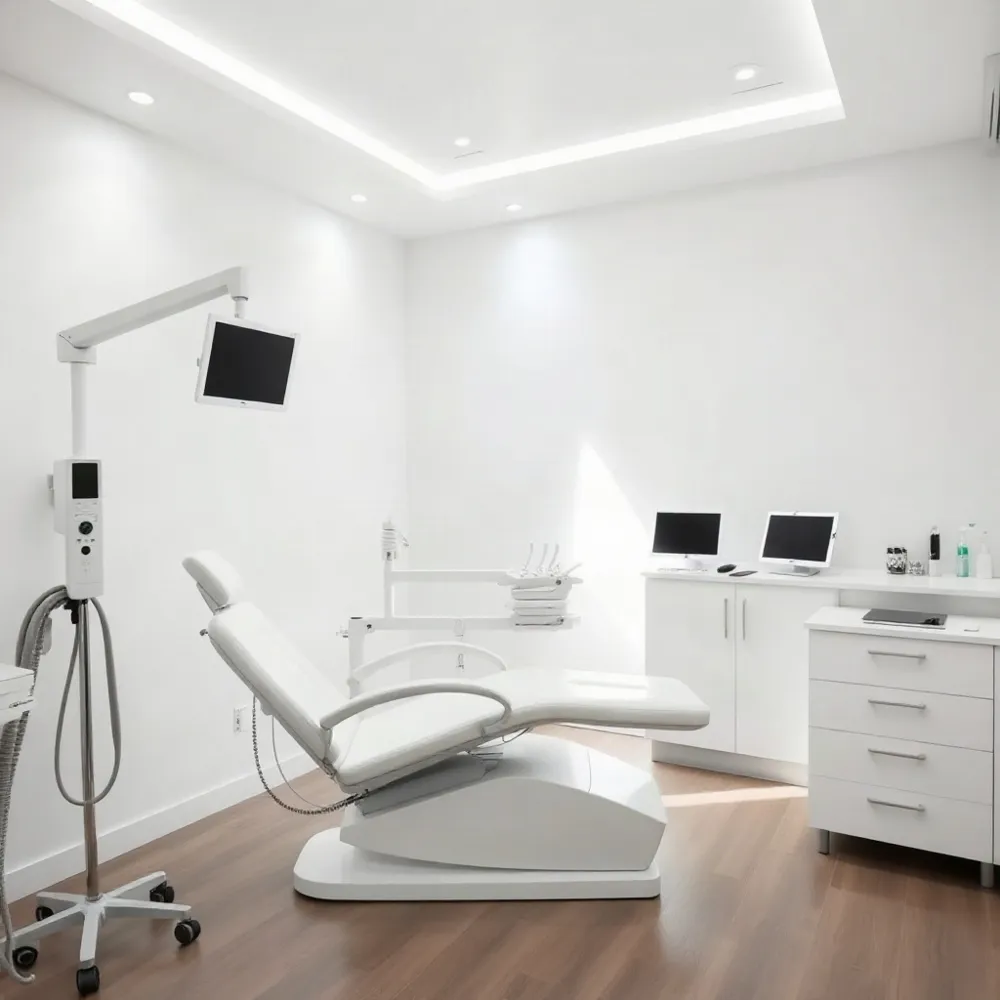
Body contouring has revolutionized the way we think about self-care and aesthetic transformations. It’s more than just a cosmetic procedure—it’s a path to enhanced confidence and self-expression.
Understanding Consultation Costs
Whether a first plastic surgery consultation is free depends on the practice. Cosmetic procedures are generally elective and often are not covered by insurance, so offices set their own consultation policies. A fee does not, by itself, indicate a surgeon’s quality or whether the visit will be worthwhile.
Consultation policies vary, and published fees from other practices do not establish a New York City price. For guidance on what to confirm before booking, see consultation costs and financial planning.
Available sources do not establish the current consultation fee or policy at Dr. Thomas W. Loeb’s Manhattan practice. Contact the office directly before booking to confirm the cost and any credit policy. For more on fees and planning, see consultation costs and financial planning.
How Consultation Fees Work

A plastic surgery consultation may be complimentary, or a practice may charge for the surgeon’s time and expertise. Neither policy alone tells you whether a surgeon is qualified or suited to your goals. At Dr. Thomas W. Loeb’s practice, treatment planning is tailored to each patient’s goals, with a focus on facial aesthetic procedures and individualized care.
There is no single standard consultation price. Fees can vary by practice, location, surgeon, and the scope of the appointment. The American Board of Cosmetic Surgery reported a general range of $75 to $250 in an article published in 2017, but that dated estimate is not a current New York City quote. The American Society of Plastic Surgeons’ consultation guidance also advises patients to ask practices directly about their fee policies.
Some practices offer a credit toward a procedure, but the amount and conditions vary. The University Hospitals consultation policy illustrates why patients should check the details: its fee and credit terms apply to that provider, not to every practice.
Do not choose a surgeon simply because a visit is free or because you want to avoid losing a fee. Compare relevant qualifications and experience, before-and-after photographs of patients with similar concerns, reviews, and how clearly the surgeon discusses your goals and options. A thoughtful comparison can help you judge whether the consultation offers the information and communication you need to make a considered decision.
What the Appointment Covers

A plastic surgery consultation is a two-way discussion, not simply a chance to hear a recommendation. You can describe your aesthetic goals, concerns, preferences, and desired outcomes, while the surgeon considers your medical history, health conditions, medications, and prior procedures.
The surgeon may examine the area you want to address and discuss options suited to your anatomy and goals. These may include surgical or non-surgical treatments, with an individualized plan that covers realistic outcomes, potential risks, recovery, costs, and possible next steps. The American Society of Plastic Surgeons’ consultation guidance recommends using the visit to discuss goals, treatment options, and recovery.
Dr. Thomas W. Loeb tailors treatment planning to each patient’s goals, whether discussing procedures such as a facelift or rhinoplasty or non-surgical options such as injectables and skin rejuvenation. The consultation is also your opportunity to assess whether the surgeon listens carefully, answers questions clearly, and understands what you hope to achieve.
Bring questions about the proposed approach, expected recovery, risks, and costs, and ask for clarification whenever something is unclear. A useful appointment should leave you better informed and able to consider your options. You do not need to commit to treatment during the visit; take time to decide whether the plan and surgeon feel right for you.
Preparing for Your Visit

A little preparation can help make a plastic surgery consultation more focused. Before your visit, consider what you hope to change and what a natural-looking result would mean to you. Describing the balance and features you want to preserve can help frame the discussion.
Bring a complete list of medications, vitamins, supplements, allergies, health conditions, and prior procedures, along with relevant medical records. Reference photographs may help explain your preferences, though they are a starting point for conversation rather than a promise of a specific result. The American Society of Plastic Surgeons’ consultation guidance also recommends bringing health information and questions.
Write down questions about whether you are a suitable candidate, the surgeon’s experience with the procedure, alternatives, risks, anesthesia, recovery, costs, and expected results. A trusted companion may help you remember information and raise questions during the appointment.
Share health information openly, including details that may seem unrelated to your goals, so the surgeon can assess your circumstances. Notice whether your concerns are heard and the answers are clear. Consider the recommendations afterward and determine your next steps.
Allow Time for Discussion
A plastic surgery consultation may take about an hour or longer, depending on the procedure, your medical history, and the questions you want to discuss. An examination and conversation about options, risks, recovery, and expected results can all take time.
There is no universal appointment length. For example, University Hospitals’ consultation guidance estimates two to three hours for more involved surgeries and one to two hours for laser procedures and injectables at its facilities. These are provider-specific scheduling estimates, not a standard for every practice.
Time for a detailed discussion can help inform an individualized treatment plan. When booking with Dr. Thomas W. Loeb’s practice, ask how long to allow and whether you will meet directly with the surgeon. A written list of questions can help you use the appointment time well.
Virtual Visits and In-Person Assessment
A plastic surgery consultation may be available online, depending on the practice, procedure, and information needed to discuss your goals. A video or phone visit can offer an initial conversation about concerns, possible options, and next steps.
When appropriate, photographs and relevant medical history may help inform that discussion. Have your questions and desired results ready, and choose a private, well-lit space for a video appointment.
A virtual visit may not provide the physical examination needed for individualized assessment or final surgical planning. The American Society of Plastic Surgeons advises patients to discuss their treatment options and questions with a surgeon, while the appropriate assessment depends on the procedure and patient.
Before booking, ask the practice whether an in-person appointment is required before treatment or surgery, and what information to provide for an online discussion. Virtual availability and the role of an in-person examination vary by practice; do not assume that a remote consultation replaces an in-person visit.
Verifying Surgeon Credentials
A plastic surgery consultation fee is only one part of choosing a surgeon. Compare relevant training, experience with your procedure, patient reviews, results for people with similar concerns, safety arrangements, and how clearly the surgeon answers your questions. Reviewing credentials and before-and-after photographs can help inform your choice. The American Society of Plastic Surgeons offers guidance on evaluating before-and-after photographs.
To check certification, search the American Board of Plastic Surgery’s Verify Certification directory by surgeon name or location. Confirm that the listing shows certification specifically in plastic surgery. Certification by the American Board of Cosmetic Surgery is a different credential, not a substitute for ABPS certification. You can also look up certification through the American Board of Medical Specialties directory.
Ask the practice to confirm the surgeon’s education, training, and qualifications, then verify those details independently. Check the surgeon’s license status with the medical board in the state where they practice. At Thomas Loeb’s Manhattan practice, individualized facial aesthetic treatment planning is part of the consultation; credentials and experience should still be confirmed as part of your own evaluation.
Ask Before You Book
Before booking a plastic surgery consultation, ask how long it is expected to last, whether you will meet directly with the surgeon, and whether an in-person visit is required before treatment. Appointment arrangements vary by practice.
A paid or complimentary visit alone does not show whether a surgeon is right for you. Consider credentials, experience with the procedure, safety, and whether the surgeon understands your goals. At thomasloebmd.com, individualized planning for facial aesthetic procedures is grounded in the practice’s focus on natural-looking results.
Understanding Consultation Costs
Whether a first plastic surgery consultation is free depends on the practice. Cosmetic procedures are generally elective and often are not covered by insurance, so offices set their own consultation policies. A fee does not, by itself, indicate a surgeon’s quality or whether the visit will be worthwhile.
Consultation policies vary, and published fees from other practices do not establish a New York City price. For guidance on what to confirm before booking, see consultation costs and financial planning.
Available sources do not establish the current consultation fee or policy at Dr. Thomas W. Loeb’s Manhattan practice. Contact the office directly before booking to confirm the cost and any credit policy. For more on fees and planning, see consultation costs and financial planning.
How Consultation Fees Work
A plastic surgery consultation may be complimentary, or a practice may charge for the surgeon’s time and expertise. Neither policy alone tells you whether a surgeon is qualified or suited to your goals. At Dr. Thomas W. Loeb’s practice, treatment planning is tailored to each patient’s goals, with a focus on facial aesthetic procedures and individualized care.
There is no single standard consultation price. Fees can vary by practice, location, surgeon, and the scope of the appointment. The American Board of Cosmetic Surgery reported a general range of $75 to $250 in an article published in 2017, but that dated estimate is not a current New York City quote. The American Society of Plastic Surgeons’ consultation guidance also advises patients to ask practices directly about their fee policies.
Some practices offer a credit toward a procedure, but the amount and conditions vary. The University Hospitals consultation policy illustrates why patients should check the details: its fee and credit terms apply to that provider, not to every practice.
Do not choose a surgeon simply because a visit is free or because you want to avoid losing a fee. Compare relevant qualifications and experience, before-and-after photographs of patients with similar concerns, reviews, and how clearly the surgeon discusses your goals and options. A thoughtful comparison can help you judge whether the consultation offers the information and communication you need to make a considered decision.
What the Appointment Covers
A plastic surgery consultation is a two-way discussion, not simply a chance to hear a recommendation. You can describe your aesthetic goals, concerns, preferences, and desired outcomes, while the surgeon considers your medical history, health conditions, medications, and prior procedures.
The surgeon may examine the area you want to address and discuss options suited to your anatomy and goals. These may include surgical or non-surgical treatments, with an individualized plan that covers realistic outcomes, potential risks, recovery, costs, and possible next steps. The American Society of Plastic Surgeons’ consultation guidance recommends using the visit to discuss goals, treatment options, and recovery.
Dr. Thomas W. Loeb tailors treatment planning to each patient’s goals, whether discussing procedures such as a facelift or rhinoplasty or non-surgical options such as injectables and skin rejuvenation. The consultation is also your opportunity to assess whether the surgeon listens carefully, answers questions clearly, and understands what you hope to achieve.
Bring questions about the proposed approach, expected recovery, risks, and costs, and ask for clarification whenever something is unclear. A useful appointment should leave you better informed and able to consider your options. You do not need to commit to treatment during the visit; take time to decide whether the plan and surgeon feel right for you.
Preparing for Your Visit
A little preparation can help make a plastic surgery consultation more focused. Before your visit, consider what you hope to change and what a natural-looking result would mean to you. Describing the balance and features you want to preserve can help frame the discussion.
Bring a complete list of medications, vitamins, supplements, allergies, health conditions, and prior procedures, along with relevant medical records. Reference photographs may help explain your preferences, though they are a starting point for conversation rather than a promise of a specific result. The American Society of Plastic Surgeons’ consultation guidance also recommends bringing health information and questions.
Write down questions about whether you are a suitable candidate, the surgeon’s experience with the procedure, alternatives, risks, anesthesia, recovery, costs, and expected results. A trusted companion may help you remember information and raise questions during the appointment.
Share health information openly, including details that may seem unrelated to your goals, so the surgeon can assess your circumstances. Notice whether your concerns are heard and the answers are clear. Consider the recommendations afterward and determine your next steps.
Allow Time for Discussion
A plastic surgery consultation may take about an hour or longer, depending on the procedure, your medical history, and the questions you want to discuss. An examination and conversation about options, risks, recovery, and expected results can all take time.
There is no universal appointment length. For example, University Hospitals’ consultation guidance estimates two to three hours for more involved surgeries and one to two hours for laser procedures and injectables at its facilities. These are provider-specific scheduling estimates, not a standard for every practice.
Time for a detailed discussion can help inform an individualized treatment plan. When booking with Dr. Thomas W. Loeb’s practice, ask how long to allow and whether you will meet directly with the surgeon. A written list of questions can help you use the appointment time well.
Virtual Visits and In-Person Assessment
A plastic surgery consultation may be available online, depending on the practice, procedure, and information needed to discuss your goals. A video or phone visit can offer an initial conversation about concerns, possible options, and next steps.
When appropriate, photographs and relevant medical history may help inform that discussion. Have your questions and desired results ready, and choose a private, well-lit space for a video appointment.
A virtual visit may not provide the physical examination needed for individualized assessment or final surgical planning. The American Society of Plastic Surgeons advises patients to discuss their treatment options and questions with a surgeon, while the appropriate assessment depends on the procedure and patient.
Before booking, ask the practice whether an in-person appointment is required before treatment or surgery, and what information to provide for an online discussion. Virtual availability and the role of an in-person examination vary by practice; do not assume that a remote consultation replaces an in-person visit.
Verifying Surgeon Credentials
A plastic surgery consultation fee is only one part of choosing a surgeon. Compare relevant training, experience with your procedure, patient reviews, results for people with similar concerns, safety arrangements, and how clearly the surgeon answers your questions. Reviewing credentials and before-and-after photographs can help inform your choice. The American Society of Plastic Surgeons offers guidance on evaluating before-and-after photographs.
To check certification, search the American Board of Plastic Surgery’s Verify Certification directory by surgeon name or location. Confirm that the listing shows certification specifically in plastic surgery. Certification by the American Board of Cosmetic Surgery is a different credential, not a substitute for ABPS certification. You can also look up certification through the American Board of Medical Specialties directory.
Ask the practice to confirm the surgeon’s education, training, and qualifications, then verify those details independently. Check the surgeon’s license status with the medical board in the state where they practice. At Thomas Loeb’s Manhattan practice, individualized facial aesthetic treatment planning is part of the consultation; credentials and experience should still be confirmed as part of your own evaluation.
Ask Before You Book
Before booking a plastic surgery consultation, ask how long it is expected to last, whether you will meet directly with the surgeon, and whether an in-person visit is required before treatment. Appointment arrangements vary by practice.
A paid or complimentary visit alone does not show whether a surgeon is right for you. Consider credentials, experience with the procedure, safety, and whether the surgeon understands your goals. At thomasloebmd.com, individualized planning for facial aesthetic procedures is grounded in the practice’s focus on natural-looking results.
Heading
Understanding Consultation Costs
Whether a first plastic surgery consultation is free depends on the practice. Cosmetic procedures are generally elective and often are not covered by insurance, so offices set their own consultation policies. A fee does not, by itself, indicate a surgeon’s quality or whether the visit will be worthwhile.
Consultation policies vary, and published fees from other practices do not establish a New York City price. For guidance on what to confirm before booking, see consultation costs and financial planning.
Available sources do not establish the current consultation fee or policy at Dr. Thomas W. Loeb’s Manhattan practice. Contact the office directly before booking to confirm the cost and any credit policy. For more on fees and planning, see consultation costs and financial planning.
How Consultation Fees Work
A plastic surgery consultation may be complimentary, or a practice may charge for the surgeon’s time and expertise. Neither policy alone tells you whether a surgeon is qualified or suited to your goals. At Dr. Thomas W. Loeb’s practice, treatment planning is tailored to each patient’s goals, with a focus on facial aesthetic procedures and individualized care.
There is no single standard consultation price. Fees can vary by practice, location, surgeon, and the scope of the appointment. The American Board of Cosmetic Surgery reported a general range of $75 to $250 in an article published in 2017, but that dated estimate is not a current New York City quote. The American Society of Plastic Surgeons’ consultation guidance also advises patients to ask practices directly about their fee policies.
Some practices offer a credit toward a procedure, but the amount and conditions vary. The University Hospitals consultation policy illustrates why patients should check the details: its fee and credit terms apply to that provider, not to every practice.
Do not choose a surgeon simply because a visit is free or because you want to avoid losing a fee. Compare relevant qualifications and experience, before-and-after photographs of patients with similar concerns, reviews, and how clearly the surgeon discusses your goals and options. A thoughtful comparison can help you judge whether the consultation offers the information and communication you need to make a considered decision.
What the Appointment Covers
A plastic surgery consultation is a two-way discussion, not simply a chance to hear a recommendation. You can describe your aesthetic goals, concerns, preferences, and desired outcomes, while the surgeon considers your medical history, health conditions, medications, and prior procedures.
The surgeon may examine the area you want to address and discuss options suited to your anatomy and goals. These may include surgical or non-surgical treatments, with an individualized plan that covers realistic outcomes, potential risks, recovery, costs, and possible next steps. The American Society of Plastic Surgeons’ consultation guidance recommends using the visit to discuss goals, treatment options, and recovery.
Dr. Thomas W. Loeb tailors treatment planning to each patient’s goals, whether discussing procedures such as a facelift or rhinoplasty or non-surgical options such as injectables and skin rejuvenation. The consultation is also your opportunity to assess whether the surgeon listens carefully, answers questions clearly, and understands what you hope to achieve.
Bring questions about the proposed approach, expected recovery, risks, and costs, and ask for clarification whenever something is unclear. A useful appointment should leave you better informed and able to consider your options. You do not need to commit to treatment during the visit; take time to decide whether the plan and surgeon feel right for you.
Preparing for Your Visit
A little preparation can help make a plastic surgery consultation more focused. Before your visit, consider what you hope to change and what a natural-looking result would mean to you. Describing the balance and features you want to preserve can help frame the discussion.
Bring a complete list of medications, vitamins, supplements, allergies, health conditions, and prior procedures, along with relevant medical records. Reference photographs may help explain your preferences, though they are a starting point for conversation rather than a promise of a specific result. The American Society of Plastic Surgeons’ consultation guidance also recommends bringing health information and questions.
Write down questions about whether you are a suitable candidate, the surgeon’s experience with the procedure, alternatives, risks, anesthesia, recovery, costs, and expected results. A trusted companion may help you remember information and raise questions during the appointment.
Share health information openly, including details that may seem unrelated to your goals, so the surgeon can assess your circumstances. Notice whether your concerns are heard and the answers are clear. Consider the recommendations afterward and determine your next steps.
Allow Time for Discussion
A plastic surgery consultation may take about an hour or longer, depending on the procedure, your medical history, and the questions you want to discuss. An examination and conversation about options, risks, recovery, and expected results can all take time.
There is no universal appointment length. For example, University Hospitals’ consultation guidance estimates two to three hours for more involved surgeries and one to two hours for laser procedures and injectables at its facilities. These are provider-specific scheduling estimates, not a standard for every practice.
Time for a detailed discussion can help inform an individualized treatment plan. When booking with Dr. Thomas W. Loeb’s practice, ask how long to allow and whether you will meet directly with the surgeon. A written list of questions can help you use the appointment time well.
Virtual Visits and In-Person Assessment
A plastic surgery consultation may be available online, depending on the practice, procedure, and information needed to discuss your goals. A video or phone visit can offer an initial conversation about concerns, possible options, and next steps.
When appropriate, photographs and relevant medical history may help inform that discussion. Have your questions and desired results ready, and choose a private, well-lit space for a video appointment.
A virtual visit may not provide the physical examination needed for individualized assessment or final surgical planning. The American Society of Plastic Surgeons advises patients to discuss their treatment options and questions with a surgeon, while the appropriate assessment depends on the procedure and patient.
Before booking, ask the practice whether an in-person appointment is required before treatment or surgery, and what information to provide for an online discussion. Virtual availability and the role of an in-person examination vary by practice; do not assume that a remote consultation replaces an in-person visit.
Verifying Surgeon Credentials
A plastic surgery consultation fee is only one part of choosing a surgeon. Compare relevant training, experience with your procedure, patient reviews, results for people with similar concerns, safety arrangements, and how clearly the surgeon answers your questions. Reviewing credentials and before-and-after photographs can help inform your choice. The American Society of Plastic Surgeons offers guidance on evaluating before-and-after photographs.
To check certification, search the American Board of Plastic Surgery’s Verify Certification directory by surgeon name or location. Confirm that the listing shows certification specifically in plastic surgery. Certification by the American Board of Cosmetic Surgery is a different credential, not a substitute for ABPS certification. You can also look up certification through the American Board of Medical Specialties directory.
Ask the practice to confirm the surgeon’s education, training, and qualifications, then verify those details independently. Check the surgeon’s license status with the medical board in the state where they practice. At Thomas Loeb’s Manhattan practice, individualized facial aesthetic treatment planning is part of the consultation; credentials and experience should still be confirmed as part of your own evaluation.
Ask Before You Book
Before booking a plastic surgery consultation, ask how long it is expected to last, whether you will meet directly with the surgeon, and whether an in-person visit is required before treatment. Appointment arrangements vary by practice.
A paid or complimentary visit alone does not show whether a surgeon is right for you. Consider credentials, experience with the procedure, safety, and whether the surgeon understands your goals. At thomasloebmd.com, individualized planning for facial aesthetic procedures is grounded in the practice’s focus on natural-looking results.




Locations


© 2014 - 2025. Thomas W. Loeb | Board Certified Plastic Surgeon