



.svg)
.svg)


News
/
December 8, 2025
Effective Treatments for Nasolabial Folds You Should Know
Comprehensive Guide to Managing Nasolabial Folds: Treatments and Prevention
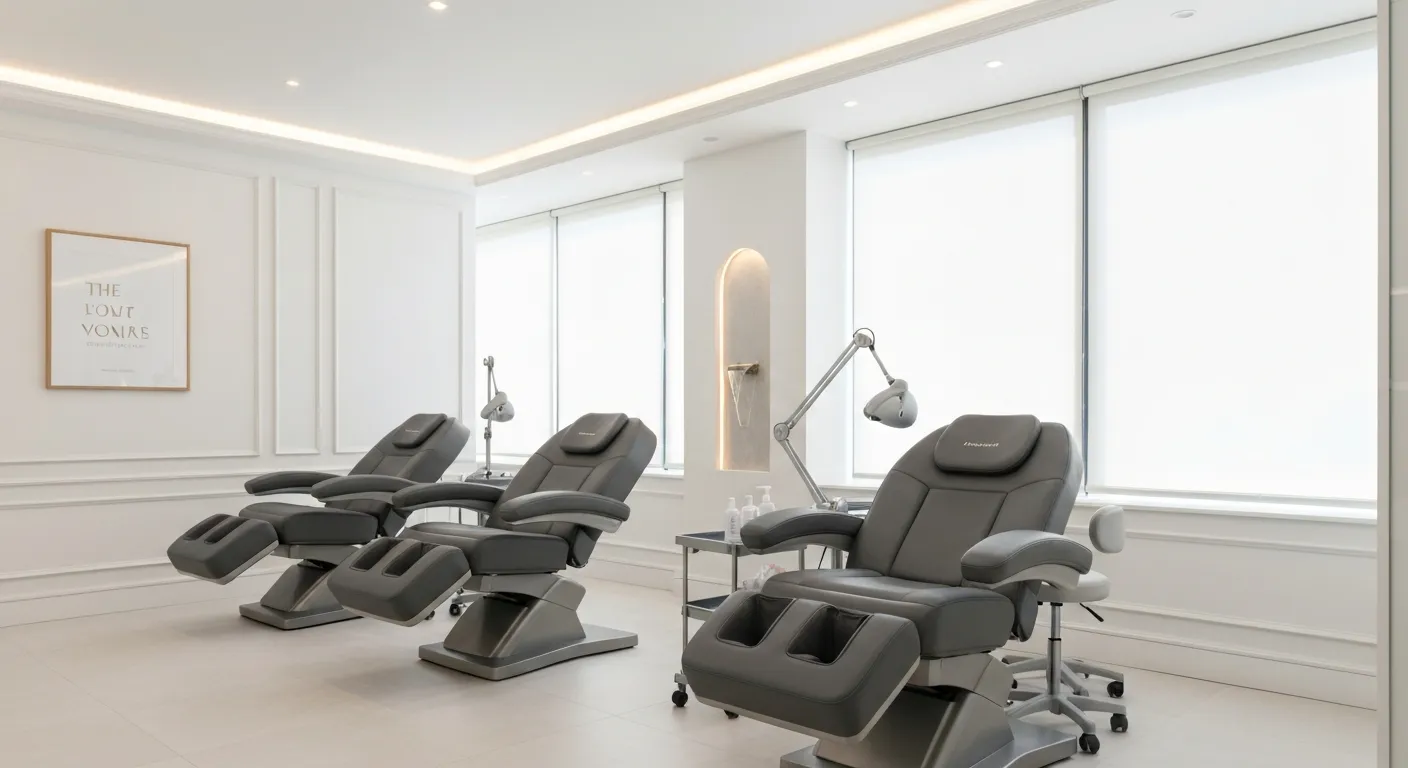
Body contouring has revolutionized the way we think about self-care and aesthetic transformations. It’s more than just a cosmetic procedure—it’s a path to enhanced confidence and self-expression.
Understanding Nasolabial Folds: Causes and Characteristics
What Are Nasolabial Folds?
Nasolabial folds, commonly known as smile lines or laugh lines, are the natural creases extending from the sides of the nose down to the corners of the mouth. These folds are a normal part of facial anatomy, present in almost everyone except newborns and individuals with facial paralysis.
Causes and Contributing Factors
The primary cause of nasolabial folds is the natural aging process, which leads to the gradual loss of collagen and elastin—two critical proteins responsible for skin’s elasticity and firmness. Alongside this, the reduction of facial fat in the cheeks and surrounding areas causes the skin to sag and these folds to deepen.
Lifestyle and environmental factors also play a significant role. Prolonged sun exposure damages collagen and elastin, accelerating fold formation. Smoking introduces chemicals that further break down these proteins. Weight fluctuations can change facial volume, making nasolabial folds more visible. Genetics influence how prominently these lines develop.
Role of Facial Expressions
Repeated facial movements, such as smiling or laughing, cause the skin to fold repeatedly along these lines. Over time, these dynamic creases can become more pronounced and even permanent wrinkles.
Understanding these aspects gives insight into why nasolabial folds appear and how they evolve, setting the foundation for effective care and treatment options.
Minimally Invasive Injectable Treatments for Nasolabial Folds

What are the main injectable treatments available for nasolabial folds?
Minimally invasive injectable treatments are popular for addressing nasolabial folds, commonly known as smile lines. The main options include dermal fillers for smile lines and botulinum toxin injections.
Dermal fillers used for nasolabial folds come in various types:
Hyaluronic acid (HA) fillers, such as Juvederm filler and Restylane, restore lost volume by hydrating and plumping the skin. They also promote collagen stimulation which helps improve skin texture and elasticity.
Calcium hydroxylapatite fillers (e.g., Radiesse) provide a scaffold that supports skin structure and encourages natural collagen production.
Poly-L-lactic acid (e.g., Sculptra) is a collagen stimulator that gradually rebuilds skin firmness over time.
Botulinum toxin injections, including Botox, Dysport, and Xeomin, work by relaxing the muscles that pull at the corners of the mouth. This reduces the tension that can deepen nasolabial folds, complementing filler treatments.
How long do the effects of injectable treatments typically last?
Hyaluronic acid fillers typically offer results lasting 6 to 18 months, depending on the product and individual factors.
Calcium hydroxylapatite fillers may provide longer-lasting effects, often over 12 months.
Poly-L-lactic acid results develop gradually, promoting collagen production for a lasting improvement over a longer period.
Botox and other neurotoxins generally have effects lasting 3 to 4 months, requiring periodic maintenance.
Combination therapies and safety considerations
Combining dermal fillers for nasolabial folds with neurotoxin injections often yields enhanced, natural-looking results by both softening the lines and reducing muscle movement. Injection technique is crucial for safety and efficacy; skilled practitioners use precise methods, such as cannulas or fine needles, to minimize risks like bruising, swelling, and rare vascular complications.
Patients experience minimal downtime with quick recovery and can usually resume normal activities immediately. Consulting qualified cosmetic dermatologists or plastic surgeons is important to tailor treatments and ensure optimal, safe outcomes.
Non-Invasive Skin Treatments: Microneedling, Laser, and Skin Tightening
How do non-surgical treatments like microneedling for nasolabial folds and laser therapy for nasolabial folds help nasolabial folds?
Microneedling for nasolabial folds works by creating tiny punctures in the skin, stimulating natural collagen and elastin production. This results in firmer, plumper skin that can reduce the appearance of nasolabial folds over time. Multiple treatments (usually 3-6 sessions) are typically needed to notice significant improvements.
Laser resurfacing comes in two types: ablative and non-ablative. Ablative lasers remove the outer damaged skin layer, revealing smoother skin underneath, while non-ablative lasers target deeper layers to stimulate collagen growth without disrupting the surface. Both types help improve skin texture and reduce wrinkles around the mouth.
Skin tightening procedures like radiofrequency, ultrasound, and IPL (intense pulsed light) work by heating the dermal layer of the skin to promote collagen production and firm up the skin. Devices such as Thermage, Ultherapy, and Venus Legacy offer gradual skin lifting and tightening, helping soften deep smile lines.
What are the recovery times and typical results for these procedures?
Microneedling typically causes minor redness and swelling that usually resolves quickly, allowing for minimal downtime. Results appear progressively after several treatment sessions.
Laser treatments involve more recovery time, ranging from a few days to over a week depending on the intensity. Results develop over several weeks as collagen regenerates and skin texture improves.
The effects of skin tightening treatments are gradual, usually becoming noticeable within 2 to 3 months post-treatment. Maintenance sessions might be necessary every 18 to 24 months to sustain results.
Complementary role with injectable treatments
Non-invasive skin treatments can be combined with injectable dermal fillers for nasolabial folds and neurotoxins to enhance overall results. While fillers restore volume immediately and soften folds, microneedling, laser, and skin tightening improve skin quality and firmness, contributing to longer-lasting, natural-looking rejuvenation.
Surgical Options for Longer-Lasting Nasolabial Fold Improvement

What surgical treatments are available for nasolabial folds?
Surgical treatments primarily include facelifts and cheek lifts. These procedures work by tightening both the skin and the underlying tissues around the midface area, directly addressing sagging and volume loss that contribute to the appearance of nasolabial folds.
How do these surgical options work?
Facelifts and cheek lifts lift and reposition facial skin along with deeper structures, providing a more youthful contour and smoothing out the deep folds from the nose to the mouth corners. This approach restores volume and firmness that non-surgical treatments may temporarily improve but cannot sustain long term.
What are the benefits and drawbacks of surgical treatment?
Surgical options offer longer-lasting, and often more dramatic, improvement in nasolabial folds compared to non-invasive methods. However, these benefits come with downsides such as higher costs and increased recovery time. Patients should expect several days to weeks of swelling, bruising, and the risk of infection or scarring.
How do surgical treatments compare to non-surgical options?
While non-surgical treatments like dermal fillers for nasolabial folds, Botox for nasolabial folds, laser therapy, or microneedling provide temporary results ranging from months up to a year, surgery delivers a more permanent correction. Minimally invasive treatments typically have minimal downtime and risks, making them preferable for mild to moderate folds or in patients seeking no downtime.
When is surgery indicated over minimally invasive treatments?
Surgery is generally recommended for individuals with significant skin laxity, deep nasolabial folds, or when long-lasting results are desired. Mild to moderate folds with good skin elasticity are often treated effectively with fillers or skin tightening procedures. A consultation with a qualified plastic surgeon or dermatologist is essential to determine the best personalized approach based on facial anatomy and patient goals.
At-Home and Lifestyle Strategies to Prevent and Reduce Nasolabial Fold Severity
What lifestyle and skincare measures can help prevent or reduce nasolabial folds?
Nasolabial folds, often called smile lines or laugh lines, deepen with age but can be influenced by several lifestyle and at-home skincare practices.
Daily sun protection is crucial because UV exposure breaks down collagen and elastin, accelerating skin aging. Using a high-SPF sunscreen consistently helps protect the skin and delay fold formation.
Smoking cessation greatly benefits skin health; smoking damages collagen and elastin, leading to faster wrinkle development and loss of skin elasticity around the mouth.
Hydration and nutrition also play a role. Maintaining good hydration supports skin moisture, while a diet rich in antioxidants, vitamins, and minerals helps combat free radicals that damage skin structure.
Effective skincare includes regular use of products with retinoids, which stimulate collagen production, hyaluronic acid to maintain moisture and plumpness, and peptides that support skin elasticity.
Sleeping on the back can minimize wrinkle formation by reducing skin compression, and some facial exercises may temporarily improve muscle tone around the mouth. However, scientific support for persistent improvement from exercises is limited.
While these natural approaches cannot completely prevent nasolabial folds, they can delay their deepening and reduce severity over time. Combining these strategies with professional treatments can optimize skin appearance and slow aging signs.
Comprehensive Approach: Combining Treatments for Optimal Results

How can combined treatments enhance the appearance of nasolabial folds?
Combining dermal fillers for nasolabial folds with neurotoxins for facial muscles offers a synergistic approach to improving nasolabial folds. Fillers restore lost volume and smooth deep wrinkles, while neurotoxins like Botox for nasolabial folds relax muscles that pull down the mouth corners, reducing further deepening of folds. This dual action results in more natural and balanced facial aesthetics.
What is the recommended sequence of treatments?
Starting treatment with mid-face volume restoration is crucial. Replenishing volume in the cheeks and surrounding areas lifts the facial tissues, which can significantly soften nasolabial folds treatment even before direct treatment. After mid-face volume replacement, targeted filler injections for nasolabial folds in the folds can be more precise and avoid overfilling, thereby enhancing outcomes and minimizing complications.
What adjunctive treatments support nasolabial fold correction?
Additional therapies such as skin boosters for facial rejuvenation, chemical peels for skin rejuvenation, and microneedling for nasolabial folds can improve skin texture and stimulate collagen production. These treatments complement fillers by enhancing skin firmness and elasticity, leading to longer-lasting and improved appearance of the treated folds.
Why is professional assessment and personalized planning important?
Every face is unique, so a professional assessment by a qualified dermatologist or plastic surgeon is essential to tailor the treatment plan. Careful evaluation ensures the choice of appropriate filler types, injection depth, and complementary treatments to achieve harmonious, safe, and natural-looking results.
What are effective monitoring and maintenance strategies?
Results from combined treatments are temporary and require maintenance. Regular follow-up visits allow professionals to monitor treatment effects and adjust plans accordingly. Maintaining skin health through proper skincare ingredients for nasolabial folds, sun protection for skin health, and healthy lifestyle habits supports long-term outcomes and helps delay the progression of nasolabial folds.
Understanding the Risks and Safety of Nasolabial Fold Treatments

What are the potential risks and side effects of nasolabial fold treatments?
Nasolabial fold treatments like dermal fillers for nasolabial folds and botulinum toxin injections are generally safe when performed by trained professionals. However, common side effects can include temporary redness, swelling, bruising, and mild pain at the injection sites. These symptoms typically resolve within a few days.
What rare but serious complications can occur?
Though uncommon, serious complications such as infections, allergic reactions, and vascular compromise (blockage of blood vessels) can occur. Vascular compromise is particularly concerning because it can lead to tissue damage if not promptly treated.
How is safety ensured during treatment?
Safety protocols involve proper patient assessment, anatomic knowledge, and expert injection techniques. Experienced practitioners use precise methods such as using cannulas to reduce vascular injury risks and thoroughly evaluating patient history to minimize allergic or adverse reactions.
What post-treatment care should patients expect?
Post-treatment care includes avoiding excessive sun exposure, refraining from strenuous exercise, and following any instructions given by the healthcare provider. Proper aftercare helps reduce swelling and bruising and supports optimal healing.
Why is consultation and personalized risk assessment important?
A consultation with a board-certified dermatologist or cosmetic surgeon allows personalized risk assessment based on individual factors such as skin type, medical history, and severity of folds. This ensures a tailored treatment plan with minimized risks and maximized safety.
Maintaining awareness of these safety measures and realistic expectations can help patients make informed decisions regarding nasolabial fold treatments.
Dermocosmetic Products and their Role in Managing Nasolabial Folds
How do dermocosmetic products contribute to reducing nasolabial folds?
Dermocosmetic products play a supportive role in managing the appearance of nasolabial folds, especially in early stages or for prevention. Key ingredients such as hyaluronic acid provide intense hydration by binding moisture within the skin, leading to a plumping effect that softens fine lines and improves overall skin smoothness.
Retinoids are well-known for their ability to stimulate collagen production, which helps strengthen the skin's structure and enhances elasticity over time. This collagen stimulation can slow down the deepening of nasolabial folds. Additionally, peptides contribute by promoting skin firmness and elasticity, aiding in maintaining youthful skin resilience.
While these products improve skin moisture, elasticity, and collagen support, they are best used as complementary care alongside professional treatments like dermal fillers for nasolabial folds or skin-tightening procedures. For deeper and more prominent folds, dermocosmetics alone have limited impact.
Regular use of creams and serums containing these active ingredients can help maintain skin health and delay fold progression. Examples of effective dermocosmetic ingredients include:
- Long-chain hyaluronic acid for moisture retention and skin plumping
- Retinol and tretinoin for collagen induction
- Peptides such as palmitoyl pentapeptide for elasticity enhancement
Popular brands incorporating these actives include Eucerin and Nivea's Q10 Anti-Wrinkle Power, both known for formulations targeting skin firmness and wrinkle reduction.
In summary, dermocosmetic products support skin hydration and collagen production, serving as valuable adjuncts to more direct clinical interventions for nasolabial folds.
Choosing the Right Treatment: Personalized Planning and Professional Consultation

How should one approach selecting the appropriate nasolabial fold treatment?
Selecting the right treatment for nasolabial folds involves careful evaluation of multiple personal factors. Age, skin type, and the severity of the folds are primary considerations that determine which treatment options may be most effective and appropriate. For instance, younger individuals with mild lines might benefit from topical products or less invasive procedures like dermal fillers or Botox, while deeper folds in older patients might call for combined approaches including fillers, skin tightening, or surgery.
Consulting with board-certified dermatologists or plastic surgeons is essential to ensure safety and personalized care. Professionals assess facial anatomy and skin condition, and design treatment plans tailored to the individual’s aesthetic goals. Their expertise minimizes risks such as overfilling or improper injection techniques.
Pre-treatment preparation typically involves lifestyle modifications such as avoiding excessive sun exposure and quitting smoking to improve skin health and healing. Patients are advised to discuss any medications, allergies, or medical conditions with their specialist prior to treatment.
Setting realistic expectations is crucial. Most treatments for nasolabial folds offer temporary improvement and require maintenance to sustain results. Understanding the benefits, limitations, side effects, and recovery time helps patients make informed decisions.
Follow-up care and ongoing maintenance involve regular consultations, possible touch-up injections, and adherence to skincare routines recommended by the provider. Protecting skin with sunscreen and healthy habits supports longer-lasting outcomes.
The combination of individualized assessment, professional guidance, proper preparation, and care forms the foundation for successful nasolabial fold treatment and satisfaction.
Final Thoughts on Effective Management of Nasolabial Folds
Treating nasolabial folds effectively requires a combination of approaches tailored to individual skin types and concerns. Various options such as dermal fillers, botulinum toxin injections, skin-tightening procedures, microneedling, chemical peels, and surgical lifts offer solutions to soften or temporarily reduce these lines.
Prevention plays a crucial role alongside treatments. Protective habits like applying sunscreen daily, avoiding smoking, maintaining a balanced diet, staying hydrated, practicing good sleep hygiene, and following a skin care routine rich in moisturizing and collagen-boosting ingredients can delay the deepening of smile lines.
Professional consultation with a board-certified dermatologist or plastic surgeon is essential. These experts assess skin condition, discuss desired outcomes, and recommend personalized treatments ensuring safe, natural-looking results without compromising facial expressions.
Adopting a holistic approach that combines healthy lifestyle choices with appropriate professional interventions offers the best chance for maintaining youthful, firm skin and minimizing the appearance of nasolabial folds over time.
Heading




Locations


© 2014 - 2025. Thomas W. Loeb | Board Certified Plastic Surgeon