



.svg)
.svg)


Comprehensive Guide to Facial Rejuvenation: Surgical Precision vs. Minimally Invasive Care
News
/
July 3, 2026
Facelift Surgery Versus Non Surgical Anti Aging Treatments
Comprehensive Guide to Facial Rejuvenation: Surgical Precision vs. Minimally Invasive Care
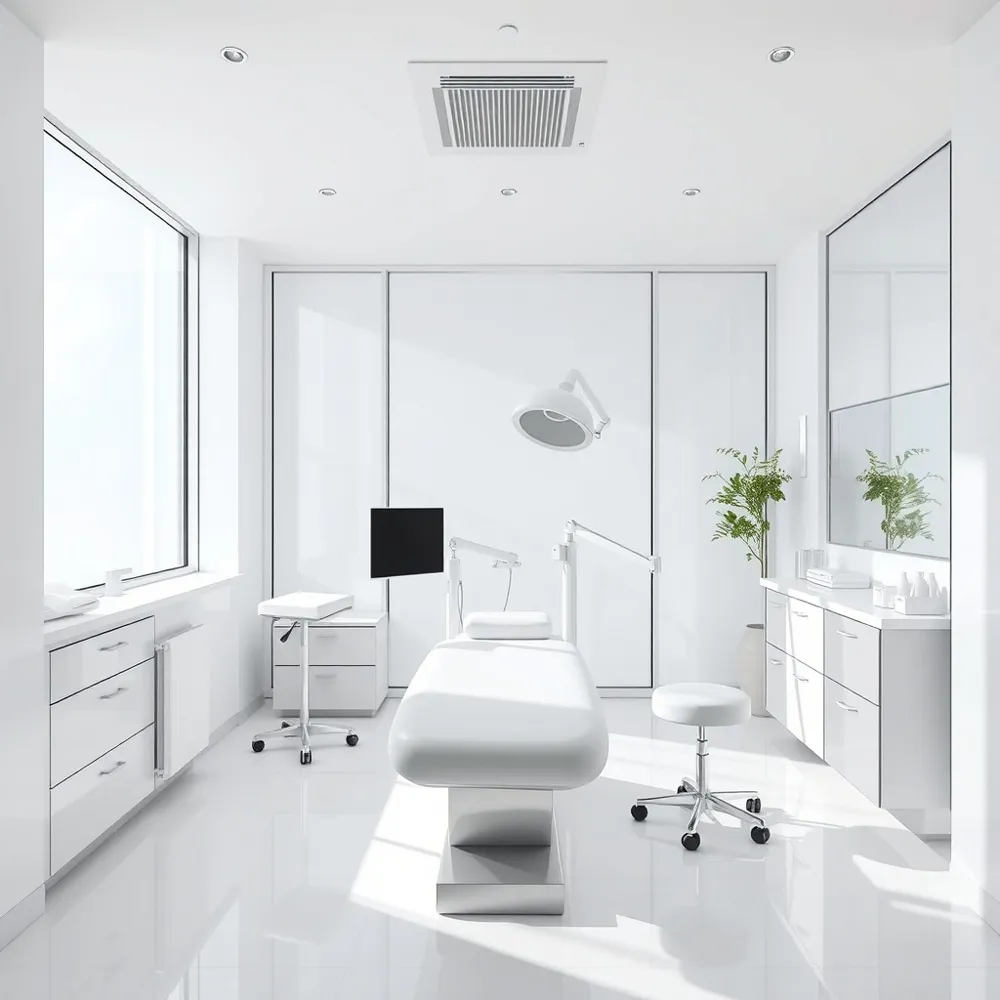
Body contouring has revolutionized the way we think about self-care and aesthetic transformations. It’s more than just a cosmetic procedure—it’s a path to enhanced confidence and self-expression.
Navigating Modern Facial Rejuvenation Options
Facial aesthetic procedures aim to address the visible signs of aging by restoring volume, refining skin texture, and enhancing natural contours. Because these goals vary widely among patients, understanding the distinction between surgical and non-surgical categories is vital for selecting the appropriate path.
A surgical facelift, or rhytidectomy, involves precise incisions to tighten underlying muscle structures and remove excess skin. This approach provides durable, transformative results for advanced laxity, such as sagging jowls or deep folds as noted by the Cleveland Clinic. In contrast, non-surgical options like injectables and resurfacing focus on surface-level improvements and volume restoration with minimal downtime.
Rather than relying on one-size-fits-all solutions, individual assessment remains the most reliable method for achieving natural outcomes. Experienced practitioners, such as those at thomasloebmd.com, evaluate specific anatomical patterns and personal goals to determine whether a structural correction or a maintenance-based non-surgical technique will yield the most harmonious, long-term effect.
Comparing Surgical and Non-Surgical Rejuvenation Philosophies

The primary difference between a surgical facelift and non-surgical anti-aging treatments lies in the scope and longevity of the correction. A surgical rhytidectomy is an invasive procedure that mechanically lifts and tightens both the skin and underlying facial muscles, providing comprehensive, long-term rejuvenation. In contrast, non-surgical treatments, such as dermal fillers, neuromodulators, and energy-based therapies, are minimally invasive techniques designed to refine skin texture, restore surface volume, or soften lines.
While non-surgical options offer shorter recovery times for those with mild to moderate aesthetic concerns, they are temporary and do not address significant skin laxity or muscle sagging. Ultimately, a surgical facelift generally provides more dramatic and longer-lasting corrections than non-surgical options, whereas non-surgical options are best suited for ongoing maintenance and subtle, short-term enhancements. Thomas Loeb, M.D. emphasizes that the choice between these paths often depends on whether a patient seeks foundational structural restoration or targeted surface refinement.
Complementary Strategies for Harmonious Results
Modern aesthetic planning frequently avoids an either-or mindset, instead utilizing surgical and non-surgical modalities in tandem. Patients often opt for a mini facelift to address moderate sagging while concurrently using nasolabial fold treatments to soften deeper creases. This dual approach allows for the correction of deep structural foundations through surgery, while non-surgical touch-ups provide the fine-tuning necessary for facial contouring and long-term aesthetic maintenance.
The Anatomy of a Traditional Rhytidectomy
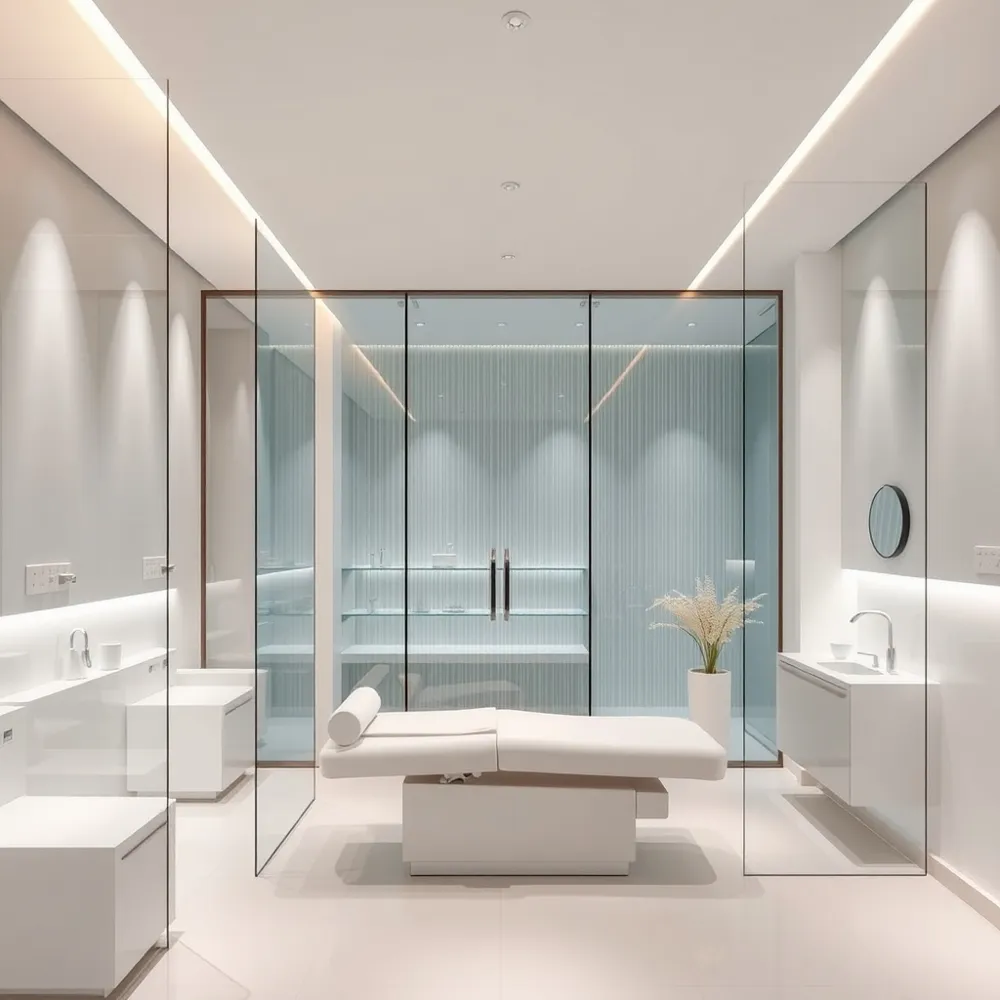
A comprehensive surgical rhytidectomy is a precise procedure designed to reverse visible signs of aging by resuspending ptotic soft tissues and tightening underlying muscles. Patients often pursue this surgical facelift to address sagging skin, jowls, and neck laxity that non-surgical alternatives cannot adequately correct.
What does a comprehensive surgical facelift procedure involve?
The process typically begins with strategically placed incisions, often extending from the temples through the area in front of the ear and potentially under the chin for neck contouring. Once the incisions are made, the surgeon carefully separates the skin from the underlying tissue to access the musculature. Technical approaches, such as the SMAS (Superficial Muscular Aponeurotic System) or deep-plane techniques, are then utilized to lift and reposition facial structures, while excess skin and fat are trimmed to create a smoother, rejuvenated appearance. This multifaceted approach is often combined with other procedures, such as brow or eyelid surgery, to restore aesthetic balance and facial harmony. As noted by Johns Hopkins Medicine, structural corrections provided by surgery offer a level of permanence that temporary fillers cannot replicate.
At the practice of Thomas Loeb, M.D., the focus remains on achieving natural-looking results that enhance a patient's core features rather than masking them. Unlike mass-market medspas that prioritize quick, repeat-filler sessions, Dr. Loeb employs customized facial contouring tailored to individual bone structure and skin laxity. While recovery from these comprehensive interventions requires several weeks of downtime, the long-term impact on drooping cheeks and neck definition provides a robust foundation for aging gracefully.
Longevity and Maintenance of Non-Surgical Interventions
How long do the results of a non-surgical facelift typically last? Unlike surgical procedures that provide structural changes for a decade or more, non-surgical modalities offer temporary or semi-permanent improvements typically lasting between six months and two years per Cleveland Clinic. The longevity of these results is fundamentally tied to the specific technology or injectable product selected by the patient.
Short-term neurotoxins such as Botox or Dysport typically require touch-ups every three to four months to maintain muscle-relaxing effects. In contrast, hyaluronic acid-based dermal fillers like Juvéderm or Restylane provide volume for six to eighteen months, depending on the filler density and the facial region treated. More durable energy-based skin tightening devices, such as FaceTite or AccuTite, can often sustain aesthetic improvements for three to five years per InFocus Operations.
Individual biological factors and lifestyle choices often dictate how quickly the body metabolizes these treatments. Patient-specific factors, such as metabolic rate, personal skincare regimens, and exposure to environmental stressors, play a primary role in outcome consistency. As noted by Johns Hopkins Medicine, maintaining long-term results requires consistent protection from UV radiation with daily SPF 30+ and the use of antioxidant-rich skincare. At thomasloebmd.com, patients are guided through the selection of Non-Surgical Facial Rejuvenation options, where we prioritize a personalized maintenance schedule over generic, one-size-fits-all timelines.
| Treatment Type | Estimated Duration | Primary Goal |
|---|---|---|
| Neurotoxins | 3-4 Months | Muscle relaxation |
| Dermal Fillers | 6-18 Months | Volume restoration |
| Energy Devices | 3-5 Years | Skin tightening |
Treating Jawline Laxity Without Surgery
For individuals experiencing early signs of aging such as mild jawline laxity, several non-surgical facial rejuvenation methods offer viable alternatives to traditional surgery. While advanced sagging often requires the structural precision of a facelift, non-invasive solutions can effectively firm and define the lower face when skin quality remains relatively taut.
What are the most effective non-surgical options for addressing jowls and sagging skin?
Effective non-surgical options for addressing mild to moderate jowls and sagging skin primarily utilize energy-based technologies, such as radiofrequency (RF) and ultrasound, to heat deeper skin layers. Clinical studies associate this heating with collagen remodeling and tightening over several months. These treatments can produce a visible tightening effect for appropriate candidates, and typically involve shorter recovery compared to surgical procedures. Additionally, injectable dermal fillers are frequently used to restore lost volume along the jawline, further defining facial contours and correcting early signs of laxity. Because these modalities are most effective for patients with mild to moderate concerns, a personalized assessment is essential to determine if non-surgical intervention is the right approach for your specific aesthetic goals. Ultimately, achieving optimal, long-term results requires a treatment plan tailored to your skin’s unique condition and underlying structural needs.
The efficacy of these treatments often depends on the patient's existing skin tone and the degree of volume loss. Patient selection is important — only those with appropriate skin and tissue quality will see meaningful results from non-invasive treatments. While energy-based devices and strategically placed fillers can provide significant aesthetic refinement, they lack the ability to address severe musculoskeletal displacement. Patients with excessive, deeply ptotic tissues may eventually find that surgical rejuvenation offers a more comprehensive and enduring outcome compared to the maintenance-heavy nature of non-surgical alternatives.
Evolution of Anti-Aging Strategies Through the Decades

How do aging-related anti-aging treatment recommendations change by decade? Anti-aging strategies evolve alongside natural physiological shifts in skin elasticity and facial volume to ensure balanced results. In your 30s and 40s, the focus primarily involves preventative care, where non-surgical facial rejuvenation techniques such as chemical peels, microneedling, and medical-grade skincare help maintain texture and elasticity.
As individuals enter their 50s and 60s, natural fat pads in the face often begin to redistribute per Johns Hopkins Medicine. Recommendations usually transition toward a combination of targeted volume restoration and structural tightening. While dermal fillers provide temporary support, many patients look toward surgical facial plastic surgery to address the structural root of sagging skin.
For mature skin, deep structural intervention becomes essential. A traditional facelift addresses significant laxity and profound folds that topical or minimally invasive treatments cannot correct alone. Regardless of the decade, Thomas Loeb, M.D. emphasizes that personalized treatment planning is the foundation for achieving authentic, refined outcomes that respect individual anatomy.
Economic and Practical Considerations in Patient Choice
Selecting an appropriate rejuvenation path requires weighing immediate logistics against long-term outcomes. Many patients initially lean toward non-surgical alternatives due to their convenience, as these minimally invasive or non-invasive procedures typically require little to no downtime, allowing for a swift return to daily routines. While these injectables or energy-based treatments offer lower initial price points, they are inherently temporary and frequently demand recurring sessions to sustain the desired effect.
Conversely, a rhytidectomy represents a more substantial upfront financial and temporal commitment. Recovery from a surgical procedure requires several weeks of downtime, as the goal is to address deep-seated structural changes in facial tissues that surface-level treatments cannot reach. However, the durability of these results can often outpace the cumulative cost of repeated, transient minor interventions over a decade or more.
How do surgical and non-surgical facial procedures compare in terms of recovery time and cost?
Non-surgical treatments, such as injectables and energy-based therapies, typically involve minimal to no downtime, allowing for an immediate return to daily activities with lower upfront costs. In contrast, surgical facelifts require a more significant recovery period to address advanced signs of aging by repositioning underlying facial structures. While non-surgical options are less invasive, they often require recurring maintenance sessions, which can accumulate costs over several years. Surgical procedures represent a higher initial financial commitment, yet they provide more dramatic and durable long-lasting results. Ultimately, the choice depends on your specific aesthetic goals and whether you prioritize immediate convenience or a comprehensive, long-term transformation.
At thomasloebmd.com, the philosophy often involves a tailored approach that may combine these strategies for optimal impact. Some patients benefit from structural surgical correction as a foundation, later supplemented by non-surgical facial rejuvenation to refine skin texture or maintain subtle contours. Leveraging both methodologies ensures that the rejuvenation plan aligns with your physical healing capacity and lifestyle demands while still achieving a balanced, natural result.
Achieving Aesthetic Excellence Through Personalized Care
Selecting the right rejuvenation path requires a balance of current aesthetic goals and long-term anatomy. Whether a patient seeks the structural correction of a surgical facelift or the maintenance provided by non-surgical facial rejuvenation, the expert guidance of an experienced plastic surgeon remains essential. A professional evaluation distinguishes between surface-level volume needs and the requirement for tissue resuspension.
At thomasloebmd.com, the focus remains on personalizing treatment plans to achieve natural results. By prioritizing patient safety and anatomical integrity, surgeons help individuals move beyond temporary quick fixes toward sustainable, harmonious outcomes. The path to aesthetic excellence begins by acknowledging that while surgical and non-surgical procedures offer different benefits, both must be grounded in precise technique and individualized planning.
Navigating Modern Facial Rejuvenation Options
Facial aesthetic procedures aim to address the visible signs of aging by restoring volume, refining skin texture, and enhancing natural contours. Because these goals vary widely among patients, understanding the distinction between surgical and non-surgical categories is vital for selecting the appropriate path.
A surgical facelift, or rhytidectomy, involves precise incisions to tighten underlying muscle structures and remove excess skin. This approach provides durable, transformative results for advanced laxity, such as sagging jowls or deep folds as noted by the Cleveland Clinic. In contrast, non-surgical options like injectables and resurfacing focus on surface-level improvements and volume restoration with minimal downtime.
Rather than relying on one-size-fits-all solutions, individual assessment remains the most reliable method for achieving natural outcomes. Experienced practitioners, such as those at thomasloebmd.com, evaluate specific anatomical patterns and personal goals to determine whether a structural correction or a maintenance-based non-surgical technique will yield the most harmonious, long-term effect.
Comparing Surgical and Non-Surgical Rejuvenation Philosophies
The primary difference between a surgical facelift and non-surgical anti-aging treatments lies in the scope and longevity of the correction. A surgical rhytidectomy is an invasive procedure that mechanically lifts and tightens both the skin and underlying facial muscles, providing comprehensive, long-term rejuvenation. In contrast, non-surgical treatments, such as dermal fillers, neuromodulators, and energy-based therapies, are minimally invasive techniques designed to refine skin texture, restore surface volume, or soften lines.
While non-surgical options offer shorter recovery times for those with mild to moderate aesthetic concerns, they are temporary and do not address significant skin laxity or muscle sagging. Ultimately, a surgical facelift generally provides more dramatic and longer-lasting corrections than non-surgical options, whereas non-surgical options are best suited for ongoing maintenance and subtle, short-term enhancements. Thomas Loeb, M.D. emphasizes that the choice between these paths often depends on whether a patient seeks foundational structural restoration or targeted surface refinement.
Complementary Strategies for Harmonious Results
Modern aesthetic planning frequently avoids an either-or mindset, instead utilizing surgical and non-surgical modalities in tandem. Patients often opt for a mini facelift to address moderate sagging while concurrently using nasolabial fold treatments to soften deeper creases. This dual approach allows for the correction of deep structural foundations through surgery, while non-surgical touch-ups provide the fine-tuning necessary for facial contouring and long-term aesthetic maintenance.
The Anatomy of a Traditional Rhytidectomy
A comprehensive surgical rhytidectomy is a precise procedure designed to reverse visible signs of aging by resuspending ptotic soft tissues and tightening underlying muscles. Patients often pursue this surgical facelift to address sagging skin, jowls, and neck laxity that non-surgical alternatives cannot adequately correct.
What does a comprehensive surgical facelift procedure involve?
The process typically begins with strategically placed incisions, often extending from the temples through the area in front of the ear and potentially under the chin for neck contouring. Once the incisions are made, the surgeon carefully separates the skin from the underlying tissue to access the musculature. Technical approaches, such as the SMAS (Superficial Muscular Aponeurotic System) or deep-plane techniques, are then utilized to lift and reposition facial structures, while excess skin and fat are trimmed to create a smoother, rejuvenated appearance. This multifaceted approach is often combined with other procedures, such as brow or eyelid surgery, to restore aesthetic balance and facial harmony. As noted by Johns Hopkins Medicine, structural corrections provided by surgery offer a level of permanence that temporary fillers cannot replicate.
At the practice of Thomas Loeb, M.D., the focus remains on achieving natural-looking results that enhance a patient's core features rather than masking them. Unlike mass-market medspas that prioritize quick, repeat-filler sessions, Dr. Loeb employs customized facial contouring tailored to individual bone structure and skin laxity. While recovery from these comprehensive interventions requires several weeks of downtime, the long-term impact on drooping cheeks and neck definition provides a robust foundation for aging gracefully.
Longevity and Maintenance of Non-Surgical Interventions
How long do the results of a non-surgical facelift typically last? Unlike surgical procedures that provide structural changes for a decade or more, non-surgical modalities offer temporary or semi-permanent improvements typically lasting between six months and two years per Cleveland Clinic. The longevity of these results is fundamentally tied to the specific technology or injectable product selected by the patient.
Short-term neurotoxins such as Botox or Dysport typically require touch-ups every three to four months to maintain muscle-relaxing effects. In contrast, hyaluronic acid-based dermal fillers like Juvéderm or Restylane provide volume for six to eighteen months, depending on the filler density and the facial region treated. More durable energy-based skin tightening devices, such as FaceTite or AccuTite, can often sustain aesthetic improvements for three to five years per InFocus Operations.
Individual biological factors and lifestyle choices often dictate how quickly the body metabolizes these treatments. Patient-specific factors, such as metabolic rate, personal skincare regimens, and exposure to environmental stressors, play a primary role in outcome consistency. As noted by Johns Hopkins Medicine, maintaining long-term results requires consistent protection from UV radiation with daily SPF 30+ and the use of antioxidant-rich skincare. At thomasloebmd.com, patients are guided through the selection of Non-Surgical Facial Rejuvenation options, where we prioritize a personalized maintenance schedule over generic, one-size-fits-all timelines.
| Treatment Type | Estimated Duration | Primary Goal |
|---|---|---|
| Neurotoxins | 3-4 Months | Muscle relaxation |
| Dermal Fillers | 6-18 Months | Volume restoration |
| Energy Devices | 3-5 Years | Skin tightening |
Treating Jawline Laxity Without Surgery
For individuals experiencing early signs of aging such as mild jawline laxity, several non-surgical facial rejuvenation methods offer viable alternatives to traditional surgery. While advanced sagging often requires the structural precision of a facelift, non-invasive solutions can effectively firm and define the lower face when skin quality remains relatively taut.
What are the most effective non-surgical options for addressing jowls and sagging skin?
Effective non-surgical options for addressing mild to moderate jowls and sagging skin primarily utilize energy-based technologies, such as radiofrequency (RF) and ultrasound, to heat deeper skin layers. Clinical studies associate this heating with collagen remodeling and tightening over several months. These treatments can produce a visible tightening effect for appropriate candidates, and typically involve shorter recovery compared to surgical procedures. Additionally, injectable dermal fillers are frequently used to restore lost volume along the jawline, further defining facial contours and correcting early signs of laxity. Because these modalities are most effective for patients with mild to moderate concerns, a personalized assessment is essential to determine if non-surgical intervention is the right approach for your specific aesthetic goals. Ultimately, achieving optimal, long-term results requires a treatment plan tailored to your skin’s unique condition and underlying structural needs.
The efficacy of these treatments often depends on the patient's existing skin tone and the degree of volume loss. Patient selection is important — only those with appropriate skin and tissue quality will see meaningful results from non-invasive treatments. While energy-based devices and strategically placed fillers can provide significant aesthetic refinement, they lack the ability to address severe musculoskeletal displacement. Patients with excessive, deeply ptotic tissues may eventually find that surgical rejuvenation offers a more comprehensive and enduring outcome compared to the maintenance-heavy nature of non-surgical alternatives.
Evolution of Anti-Aging Strategies Through the Decades
How do aging-related anti-aging treatment recommendations change by decade? Anti-aging strategies evolve alongside natural physiological shifts in skin elasticity and facial volume to ensure balanced results. In your 30s and 40s, the focus primarily involves preventative care, where non-surgical facial rejuvenation techniques such as chemical peels, microneedling, and medical-grade skincare help maintain texture and elasticity.
As individuals enter their 50s and 60s, natural fat pads in the face often begin to redistribute per Johns Hopkins Medicine. Recommendations usually transition toward a combination of targeted volume restoration and structural tightening. While dermal fillers provide temporary support, many patients look toward surgical facial plastic surgery to address the structural root of sagging skin.
For mature skin, deep structural intervention becomes essential. A traditional facelift addresses significant laxity and profound folds that topical or minimally invasive treatments cannot correct alone. Regardless of the decade, Thomas Loeb, M.D. emphasizes that personalized treatment planning is the foundation for achieving authentic, refined outcomes that respect individual anatomy.
Economic and Practical Considerations in Patient Choice
Selecting an appropriate rejuvenation path requires weighing immediate logistics against long-term outcomes. Many patients initially lean toward non-surgical alternatives due to their convenience, as these minimally invasive or non-invasive procedures typically require little to no downtime, allowing for a swift return to daily routines. While these injectables or energy-based treatments offer lower initial price points, they are inherently temporary and frequently demand recurring sessions to sustain the desired effect.
Conversely, a rhytidectomy represents a more substantial upfront financial and temporal commitment. Recovery from a surgical procedure requires several weeks of downtime, as the goal is to address deep-seated structural changes in facial tissues that surface-level treatments cannot reach. However, the durability of these results can often outpace the cumulative cost of repeated, transient minor interventions over a decade or more.
How do surgical and non-surgical facial procedures compare in terms of recovery time and cost?
Non-surgical treatments, such as injectables and energy-based therapies, typically involve minimal to no downtime, allowing for an immediate return to daily activities with lower upfront costs. In contrast, surgical facelifts require a more significant recovery period to address advanced signs of aging by repositioning underlying facial structures. While non-surgical options are less invasive, they often require recurring maintenance sessions, which can accumulate costs over several years. Surgical procedures represent a higher initial financial commitment, yet they provide more dramatic and durable long-lasting results. Ultimately, the choice depends on your specific aesthetic goals and whether you prioritize immediate convenience or a comprehensive, long-term transformation.
At thomasloebmd.com, the philosophy often involves a tailored approach that may combine these strategies for optimal impact. Some patients benefit from structural surgical correction as a foundation, later supplemented by non-surgical facial rejuvenation to refine skin texture or maintain subtle contours. Leveraging both methodologies ensures that the rejuvenation plan aligns with your physical healing capacity and lifestyle demands while still achieving a balanced, natural result.
Achieving Aesthetic Excellence Through Personalized Care
Selecting the right rejuvenation path requires a balance of current aesthetic goals and long-term anatomy. Whether a patient seeks the structural correction of a surgical facelift or the maintenance provided by non-surgical facial rejuvenation, the expert guidance of an experienced plastic surgeon remains essential. A professional evaluation distinguishes between surface-level volume needs and the requirement for tissue resuspension.
At thomasloebmd.com, the focus remains on personalizing treatment plans to achieve natural results. By prioritizing patient safety and anatomical integrity, surgeons help individuals move beyond temporary quick fixes toward sustainable, harmonious outcomes. The path to aesthetic excellence begins by acknowledging that while surgical and non-surgical procedures offer different benefits, both must be grounded in precise technique and individualized planning.
Heading
Navigating Modern Facial Rejuvenation Options
Facial aesthetic procedures aim to address the visible signs of aging by restoring volume, refining skin texture, and enhancing natural contours. Because these goals vary widely among patients, understanding the distinction between surgical and non-surgical categories is vital for selecting the appropriate path.
A surgical facelift, or rhytidectomy, involves precise incisions to tighten underlying muscle structures and remove excess skin. This approach provides durable, transformative results for advanced laxity, such as sagging jowls or deep folds as noted by the Cleveland Clinic. In contrast, non-surgical options like injectables and resurfacing focus on surface-level improvements and volume restoration with minimal downtime.
Rather than relying on one-size-fits-all solutions, individual assessment remains the most reliable method for achieving natural outcomes. Experienced practitioners, such as those at thomasloebmd.com, evaluate specific anatomical patterns and personal goals to determine whether a structural correction or a maintenance-based non-surgical technique will yield the most harmonious, long-term effect.
Comparing Surgical and Non-Surgical Rejuvenation Philosophies
The primary difference between a surgical facelift and non-surgical anti-aging treatments lies in the scope and longevity of the correction. A surgical rhytidectomy is an invasive procedure that mechanically lifts and tightens both the skin and underlying facial muscles, providing comprehensive, long-term rejuvenation. In contrast, non-surgical treatments, such as dermal fillers, neuromodulators, and energy-based therapies, are minimally invasive techniques designed to refine skin texture, restore surface volume, or soften lines.
While non-surgical options offer shorter recovery times for those with mild to moderate aesthetic concerns, they are temporary and do not address significant skin laxity or muscle sagging. Ultimately, a surgical facelift generally provides more dramatic and longer-lasting corrections than non-surgical options, whereas non-surgical options are best suited for ongoing maintenance and subtle, short-term enhancements. Thomas Loeb, M.D. emphasizes that the choice between these paths often depends on whether a patient seeks foundational structural restoration or targeted surface refinement.
Complementary Strategies for Harmonious Results
Modern aesthetic planning frequently avoids an either-or mindset, instead utilizing surgical and non-surgical modalities in tandem. Patients often opt for a mini facelift to address moderate sagging while concurrently using nasolabial fold treatments to soften deeper creases. This dual approach allows for the correction of deep structural foundations through surgery, while non-surgical touch-ups provide the fine-tuning necessary for facial contouring and long-term aesthetic maintenance.
The Anatomy of a Traditional Rhytidectomy
A comprehensive surgical rhytidectomy is a precise procedure designed to reverse visible signs of aging by resuspending ptotic soft tissues and tightening underlying muscles. Patients often pursue this surgical facelift to address sagging skin, jowls, and neck laxity that non-surgical alternatives cannot adequately correct.
What does a comprehensive surgical facelift procedure involve?
The process typically begins with strategically placed incisions, often extending from the temples through the area in front of the ear and potentially under the chin for neck contouring. Once the incisions are made, the surgeon carefully separates the skin from the underlying tissue to access the musculature. Technical approaches, such as the SMAS (Superficial Muscular Aponeurotic System) or deep-plane techniques, are then utilized to lift and reposition facial structures, while excess skin and fat are trimmed to create a smoother, rejuvenated appearance. This multifaceted approach is often combined with other procedures, such as brow or eyelid surgery, to restore aesthetic balance and facial harmony. As noted by Johns Hopkins Medicine, structural corrections provided by surgery offer a level of permanence that temporary fillers cannot replicate.
At the practice of Thomas Loeb, M.D., the focus remains on achieving natural-looking results that enhance a patient's core features rather than masking them. Unlike mass-market medspas that prioritize quick, repeat-filler sessions, Dr. Loeb employs customized facial contouring tailored to individual bone structure and skin laxity. While recovery from these comprehensive interventions requires several weeks of downtime, the long-term impact on drooping cheeks and neck definition provides a robust foundation for aging gracefully.
Longevity and Maintenance of Non-Surgical Interventions
How long do the results of a non-surgical facelift typically last? Unlike surgical procedures that provide structural changes for a decade or more, non-surgical modalities offer temporary or semi-permanent improvements typically lasting between six months and two years per Cleveland Clinic. The longevity of these results is fundamentally tied to the specific technology or injectable product selected by the patient.
Short-term neurotoxins such as Botox or Dysport typically require touch-ups every three to four months to maintain muscle-relaxing effects. In contrast, hyaluronic acid-based dermal fillers like Juvéderm or Restylane provide volume for six to eighteen months, depending on the filler density and the facial region treated. More durable energy-based skin tightening devices, such as FaceTite or AccuTite, can often sustain aesthetic improvements for three to five years per InFocus Operations.
Individual biological factors and lifestyle choices often dictate how quickly the body metabolizes these treatments. Patient-specific factors, such as metabolic rate, personal skincare regimens, and exposure to environmental stressors, play a primary role in outcome consistency. As noted by Johns Hopkins Medicine, maintaining long-term results requires consistent protection from UV radiation with daily SPF 30+ and the use of antioxidant-rich skincare. At thomasloebmd.com, patients are guided through the selection of Non-Surgical Facial Rejuvenation options, where we prioritize a personalized maintenance schedule over generic, one-size-fits-all timelines.
| Treatment Type | Estimated Duration | Primary Goal |
|---|---|---|
| Neurotoxins | 3-4 Months | Muscle relaxation |
| Dermal Fillers | 6-18 Months | Volume restoration |
| Energy Devices | 3-5 Years | Skin tightening |
Treating Jawline Laxity Without Surgery
For individuals experiencing early signs of aging such as mild jawline laxity, several non-surgical facial rejuvenation methods offer viable alternatives to traditional surgery. While advanced sagging often requires the structural precision of a facelift, non-invasive solutions can effectively firm and define the lower face when skin quality remains relatively taut.
What are the most effective non-surgical options for addressing jowls and sagging skin?
Effective non-surgical options for addressing mild to moderate jowls and sagging skin primarily utilize energy-based technologies, such as radiofrequency (RF) and ultrasound, to heat deeper skin layers. Clinical studies associate this heating with collagen remodeling and tightening over several months. These treatments can produce a visible tightening effect for appropriate candidates, and typically involve shorter recovery compared to surgical procedures. Additionally, injectable dermal fillers are frequently used to restore lost volume along the jawline, further defining facial contours and correcting early signs of laxity. Because these modalities are most effective for patients with mild to moderate concerns, a personalized assessment is essential to determine if non-surgical intervention is the right approach for your specific aesthetic goals. Ultimately, achieving optimal, long-term results requires a treatment plan tailored to your skin’s unique condition and underlying structural needs.
The efficacy of these treatments often depends on the patient's existing skin tone and the degree of volume loss. Patient selection is important — only those with appropriate skin and tissue quality will see meaningful results from non-invasive treatments. While energy-based devices and strategically placed fillers can provide significant aesthetic refinement, they lack the ability to address severe musculoskeletal displacement. Patients with excessive, deeply ptotic tissues may eventually find that surgical rejuvenation offers a more comprehensive and enduring outcome compared to the maintenance-heavy nature of non-surgical alternatives.
Evolution of Anti-Aging Strategies Through the Decades
How do aging-related anti-aging treatment recommendations change by decade? Anti-aging strategies evolve alongside natural physiological shifts in skin elasticity and facial volume to ensure balanced results. In your 30s and 40s, the focus primarily involves preventative care, where non-surgical facial rejuvenation techniques such as chemical peels, microneedling, and medical-grade skincare help maintain texture and elasticity.
As individuals enter their 50s and 60s, natural fat pads in the face often begin to redistribute per Johns Hopkins Medicine. Recommendations usually transition toward a combination of targeted volume restoration and structural tightening. While dermal fillers provide temporary support, many patients look toward surgical facial plastic surgery to address the structural root of sagging skin.
For mature skin, deep structural intervention becomes essential. A traditional facelift addresses significant laxity and profound folds that topical or minimally invasive treatments cannot correct alone. Regardless of the decade, Thomas Loeb, M.D. emphasizes that personalized treatment planning is the foundation for achieving authentic, refined outcomes that respect individual anatomy.
Economic and Practical Considerations in Patient Choice
Selecting an appropriate rejuvenation path requires weighing immediate logistics against long-term outcomes. Many patients initially lean toward non-surgical alternatives due to their convenience, as these minimally invasive or non-invasive procedures typically require little to no downtime, allowing for a swift return to daily routines. While these injectables or energy-based treatments offer lower initial price points, they are inherently temporary and frequently demand recurring sessions to sustain the desired effect.
Conversely, a rhytidectomy represents a more substantial upfront financial and temporal commitment. Recovery from a surgical procedure requires several weeks of downtime, as the goal is to address deep-seated structural changes in facial tissues that surface-level treatments cannot reach. However, the durability of these results can often outpace the cumulative cost of repeated, transient minor interventions over a decade or more.
How do surgical and non-surgical facial procedures compare in terms of recovery time and cost?
Non-surgical treatments, such as injectables and energy-based therapies, typically involve minimal to no downtime, allowing for an immediate return to daily activities with lower upfront costs. In contrast, surgical facelifts require a more significant recovery period to address advanced signs of aging by repositioning underlying facial structures. While non-surgical options are less invasive, they often require recurring maintenance sessions, which can accumulate costs over several years. Surgical procedures represent a higher initial financial commitment, yet they provide more dramatic and durable long-lasting results. Ultimately, the choice depends on your specific aesthetic goals and whether you prioritize immediate convenience or a comprehensive, long-term transformation.
At thomasloebmd.com, the philosophy often involves a tailored approach that may combine these strategies for optimal impact. Some patients benefit from structural surgical correction as a foundation, later supplemented by non-surgical facial rejuvenation to refine skin texture or maintain subtle contours. Leveraging both methodologies ensures that the rejuvenation plan aligns with your physical healing capacity and lifestyle demands while still achieving a balanced, natural result.
Achieving Aesthetic Excellence Through Personalized Care
Selecting the right rejuvenation path requires a balance of current aesthetic goals and long-term anatomy. Whether a patient seeks the structural correction of a surgical facelift or the maintenance provided by non-surgical facial rejuvenation, the expert guidance of an experienced plastic surgeon remains essential. A professional evaluation distinguishes between surface-level volume needs and the requirement for tissue resuspension.
At thomasloebmd.com, the focus remains on personalizing treatment plans to achieve natural results. By prioritizing patient safety and anatomical integrity, surgeons help individuals move beyond temporary quick fixes toward sustainable, harmonious outcomes. The path to aesthetic excellence begins by acknowledging that while surgical and non-surgical procedures offer different benefits, both must be grounded in precise technique and individualized planning.





Locations


© 2014 - 2025. Thomas W. Loeb | Board Certified Plastic Surgeon