




Understanding Brow Lift Pricing for Men
News
/
November 16, 2026
How Much Does a Brow Lift Cost for Men?
Understanding Brow Lift Pricing for Men

Body contouring has revolutionized the way we think about self-care and aesthetic transformations. It’s more than just a cosmetic procedure—it’s a path to enhanced confidence and self-expression.
What Men Should Know About Brow Lift Cost
For men considering a brow lift, cost depends on the treatment plan, not a standard men’s price. National cost figures do not separate estimates by sex, so they cannot predict an individual quote. At Thomas W. Loeb’s Manhattan practice, planning is tailored to each patient’s anatomy and goals.
A brow lift, also called a forehead lift, can reposition the eyebrows and soften forehead wrinkles and frown lines. For men, the aim is to choose an approach that suits facial structure and desired brow shape. The American Academy of Facial Plastic and Reconstructive Surgery notes that technique selection depends on factors such as hairline, brow position, and personal goals.
Published averages offer context, not a personal quote. The American Society of Plastic Surgeons’ brow lift cost guidance reports an average surgeon’s fee of $5,460, but that figure excludes anesthesia, facility charges, and other related expenses. A complete estimate may also account for testing, medications, and postoperative items.
At consultation, ask for an itemized estimate and clarify what is included. Dr. Loeb’s practice in Manhattan provides individualized treatment planning, so the recommended procedure and its associated costs can be discussed in relation to the patient’s needs rather than inferred from a national average.
National Averages Are Not Personal Quotes

The American Society of Plastic Surgeons (ASPS) lists an average brow lift surgeon’s fee of $5,460. This is a national benchmark, not a guaranteed quote or an all-inclusive price. It excludes anesthesia, operating-room or surgical-facility expenses, and related costs. ASPS brow lift cost guidance recommends asking a surgeon’s office for a complete estimate.
The American Academy of Facial Plastic and Reconstructive Surgery gives a broad U.S. range of approximately $3,000 to $10,000, which is also general guidance rather than a personal quote. Neither figure represents pricing at thomasloebmd.com, where Dr. Thomas W. Loeb’s Manhattan practice develops treatment plans around each patient’s anatomy and goals.
Neither source provides a separate brow lift cost estimate for men, and the available evidence does not establish that men pay more or less. An individual fee depends on the recommended technique, the surgeon’s experience, and the location, as well as anesthesia and facility charges.
How much does a brow lift cost?
Most health insurance plans do not cover cosmetic brow lift surgery.
What Goes Into the Total Estimate

The total brow lift cost is more than the surgeon’s fee alone. The American Society of Plastic Surgeons explains that its average fee excludes anesthesia, operating-room or facility charges, and other expenses, so patients should request a complete estimate from the surgeon’s office (ASPS brow lift cost guidance).
A quote may include the surgeon’s fee, anesthesia, medical tests, and charges for a hospital or surgical facility. Prescription medications and post-surgery garments may also add to the total. Ask whether consultations, follow-up visits, recovery-related supplies, and any overnight stay, if required, are included or billed separately.
The surgeon’s fee can vary with experience, the procedure selected, and the practice’s location. The time and complexity involved in the planned correction may affect the estimate as well. A consultation allows Dr. Thomas W. Loeb’s team to assess each patient’s anatomy and goals before outlining a treatment plan and its associated costs.
Combining a brow lift with another procedure changes the scope of care and may change the overall price. The estimate should reflect the full plan, including any additional operating time, anesthesia, facility use, and follow-up needs. A combined approach is considered according to the patient’s needs, not simply as a way to reduce expenses.
What factors affect the cost of a brow lift? Technique, correction complexity, surgeon experience, location, anesthesia, facility charges, and the length of the procedure can all contribute. Testing, medication, consultations, follow-up care, and other recovery expenses may also be relevant. An individual evaluation is the practical way to account for these details and any additional treatment.
The AAFPRS also identifies surgeon experience, technique, anesthesia and facility fees, and geographic location as cost factors, and recommends discussing costs as part of a consultation (AAFPRS brow lift guidance).
Technique Should Fit the Patient
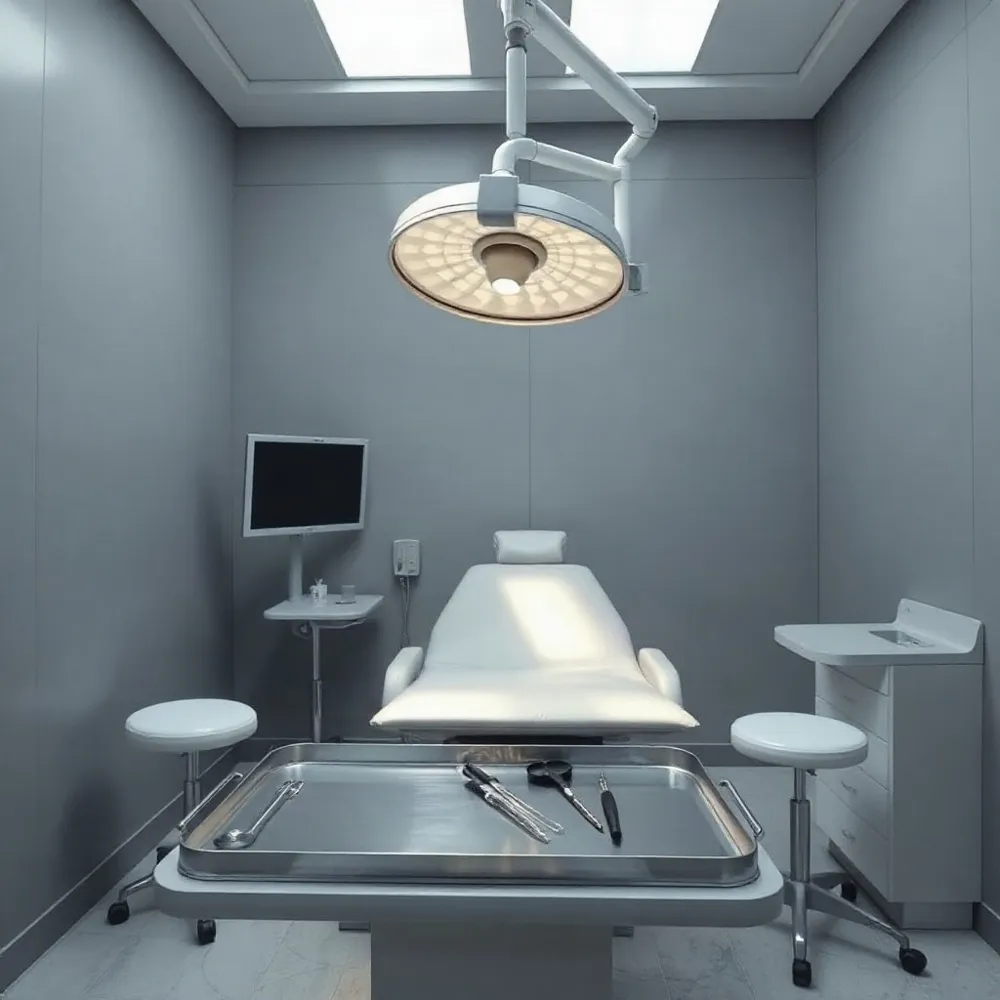
Brow lift cost can vary with the surgical approach, but there is no standard price difference that applies to every patient. The American Academy of Facial Plastic and Reconstructive Surgery (AAFPRS) describes endoscopic, open (coronal), temporal, pretrichial, mid-forehead, and direct brow lifts as options, with the choice shaped by anatomy and goals rather than a fixed price tier. AAFPRS guidance on forehead and brow lifts
These approaches differ in incision placement and the areas they address. An endoscopic lift uses small incisions and specialized equipment; a temporal lift focuses on the outer brow, while open and hairline-based approaches use other incision locations. The extent of correction, anesthesia, facility charges, and any additional procedures can also affect the total estimate.
For men, planning should account for a brow shape that appears natural. AAFPRS describes typical male brows as flatter and straighter, sitting at or just above the superior orbital rim. It notes that a mid-forehead lift may suit some men with pronounced forehead creases, a high hairline, or baldness, since creases can help conceal scars. This is one possible option, not a recommendation for every patient.
The recommended technique depends on facial structure, hairline, degree of brow descent, and the patient's goals, so a consultation is more useful than comparing techniques by name alone.
When comparing the costs of different brow lift techniques, consider the full treatment plan rather than assuming that an endoscopic, temporal, or limited-incision approach will always cost less. Differences in access and procedure complexity can affect fees, but anesthesia, facility use, and combined treatments also contribute. A surgeon can explain why an approach fits your anatomy and provide a personalized estimate, helping you weigh cost alongside the intended result.
Surgery and Nonsurgical Treatment Costs
How does the cost of a surgical brow lift compare with Botox for a nonsurgical brow lift? Botox generally has a lower upfront cost, but its brow-lifting effect is temporary and usually more subtle than surgery. The amount used and the schedule for repeat treatments affect the total expense, so ongoing maintenance can add up over time.
A surgical brow lift has a higher initial cost because the estimate may include the surgeon’s fee, anesthesia, facility charges, testing, medications, and follow-up care. The American Society of Plastic Surgeons notes that its average surgeon’s fee does not include anesthesia or operating-facility expenses, so patients should request a complete estimate (ASPS brow lift cost guidance).
Surgery is intended to provide results that last longer than a nonsurgical treatment, but it does not stop natural aging. Botox and surgery also address the brow in different ways, and one is not a direct substitute for the other. A clinician can assess which option fits the concern and the patient’s anatomy.
That individualized assessment helps clarify whether surgery or a nonsurgical approach is appropriate before comparing costs.
When reviewing a surgical quote, ask which services and related fees it includes, and compare it with the expected cost and frequency of maintenance treatments. A consultation with a qualified surgeon can help put the initial price, longer-term expenses, and likely treatment benefits into context.
Brow Lift and Eyelid Surgery Costs
Brow position and eyelid skin are separate parts of the upper face, but changes in both can contribute to a heavy or hooded appearance. An evaluation helps determine whether the concern comes from a low brow, excess eyelid skin, or both, and whether one procedure or a combined plan is appropriate.
How does the cost of a brow lift compare with blepharoplasty, and can the procedures be combined?
A brow lift elevates the brow, while blepharoplasty treats the eyelids. As a separate brow-elevating procedure, a brow lift generally adds more than the surgeon’s fee for blepharoplasty alone. The actual comparison depends on the procedures planned, the surgeon and location, and anesthesia and facility charges.
The American Society of Plastic Surgeons reports average surgeon’s fees of $3,359 for upper blepharoplasty and $3,876 for lower blepharoplasty. These are national reference figures, not estimates for a particular patient or a New York practice, and they exclude anesthesia, facility charges, and other expenses. The ASPS also notes that its published brow lift cost average covers the surgeon’s fee rather than the full bill.
That distinction matters when assessing whether eyelid surgery alone addresses the concern or whether brow position also needs attention.
A brow lift can be performed with upper or lower blepharoplasty when an evaluation supports treating both areas. Combining procedures changes the total estimate, which may include separate surgeon, anesthesia, and facility costs. Ask for an itemized estimate showing what is included and how the combined plan affects the price.
National averages can offer context, but they cannot establish the fee for a specific treatment plan.
Insurance and Payment Planning
Does insurance cover brow lift surgery? When the goal is cosmetic, a brow lift is generally not covered by health insurance, and patients should plan for the cost as an out-of-pocket expense. The American Society of Plastic Surgeons’ coverage guidance also notes that most plans do not cover the procedure or complications related to it.
Coverage may be considered when a low brow causes a functional problem, such as impaired peripheral vision, rather than a concern about appearance alone. Approval is not guaranteed: the insurer determines whether the case meets its policy requirements. It may request an examination, medical records, visual-field testing, or other evidence of medical need.
Before scheduling, contact your insurer to ask whether the proposed procedure may qualify, what documentation is required, and whether prior authorization is necessary. A consultation can help clarify the planned treatment and any practice fees, but it does not confirm that an insurer will pay.
For patients paying directly, the American Academy of Facial Plastic and Reconstructive Surgery advises discussing procedure costs and financing during consultation. Its brow lift guidance notes that many practices offer financing, though availability and terms vary.
Ask whether financing is available, what fees or interest may apply, and how payments affect the total amount owed. An individualized consultation with Dr. Thomas W. Loeb can address the proposed procedure and its estimate; patients should confirm any payment options directly with the practice rather than assume a particular plan is offered.
Longevity and the Value of Results
How long do brow lift results last?
Brow lift results can last for many years, but their duration varies from person to person. Surgery repositions the eyebrows and can reduce forehead wrinkles and frown lines, but it does not stop natural aging. Skin laxity or fine lines may gradually return over time. The American Society of Plastic Surgeons’ brow lift guidance describes the procedure’s aims, not a guaranteed result or timeline.
Technique, facial anatomy, healing, sun exposure, and lifestyle can all affect how results change. Dr. Thomas W. Loeb can assess a patient’s anatomy and goals to discuss what a specific approach may achieve. A consultation is also the place to ask how recovery and possible risks relate to the expected result.
Is a brow lift worth the cost?
Whether a brow lift is worth the cost is a personal decision. It may feel worthwhile when brow descent or forehead lines affect a person’s appearance and the likely changes match his goals. The procedure can reposition the brows and soften some lines for a more refreshed look, but individual outcomes vary. The American Academy of Facial Plastic and Reconstructive Surgery’s brow lift guidance recommends discussing goals, risks, recovery, and expected outcomes with a qualified surgeon.
Consider the full estimate, including anesthesia and facility charges, alongside recovery time, potential risks, and nonsurgical or surgical alternatives. A written, itemized quote can clarify what is included; the ASPS cost guidance advises requesting a complete estimate rather than relying on the surgeon’s fee alone. For a practical overview of what a quote may cover, see brow lift cost and what to expect.
Price alone is not a sound way to choose a surgeon. Dr. Loeb’s Manhattan practice offers individualized treatment planning, so patients can discuss how the proposed procedure fits their anatomy and priorities before weighing the estimate against the expected benefits.
Plan Around an Individualized Estimate
There is no established brow lift cost specifically for men. National figures offer context, but they do not set the price of an individual procedure in New York City. The American Society of Plastic Surgeons’ cost guidance notes that its average is not a personal quote and excludes several expenses.
At a consultation with Thomas Loeb, MD, patients can discuss their goals, the technique suited to their facial structure, and the surgeon’s experience with the planned approach. The practice’s Manhattan location and individualized treatment planning are relevant to an estimate, but the final cost depends on the specific plan and charges.
Confirm what is excluded, whether additional expenses could arise, and whether financing is available through the practice. This makes it easier to compare estimates on the same terms rather than relying on a headline price.
Price matters, but it is only one part of the decision. Consider the surgeon’s qualifications and experience, your comfort discussing expectations and risks, and whether the proposed treatment plan fits your goals. A careful comparison can help you assess the estimate without assuming that the lowest figure offers the best fit.
What Men Should Know About Brow Lift Cost
For men considering a brow lift, cost depends on the treatment plan, not a standard men’s price. National cost figures do not separate estimates by sex, so they cannot predict an individual quote. At Thomas W. Loeb’s Manhattan practice, planning is tailored to each patient’s anatomy and goals.
A brow lift, also called a forehead lift, can reposition the eyebrows and soften forehead wrinkles and frown lines. For men, the aim is to choose an approach that suits facial structure and desired brow shape. The American Academy of Facial Plastic and Reconstructive Surgery notes that technique selection depends on factors such as hairline, brow position, and personal goals.
Published averages offer context, not a personal quote. The American Society of Plastic Surgeons’ brow lift cost guidance reports an average surgeon’s fee of $5,460, but that figure excludes anesthesia, facility charges, and other related expenses. A complete estimate may also account for testing, medications, and postoperative items.
At consultation, ask for an itemized estimate and clarify what is included. Dr. Loeb’s practice in Manhattan provides individualized treatment planning, so the recommended procedure and its associated costs can be discussed in relation to the patient’s needs rather than inferred from a national average.
National Averages Are Not Personal Quotes
The American Society of Plastic Surgeons (ASPS) lists an average brow lift surgeon’s fee of $5,460. This is a national benchmark, not a guaranteed quote or an all-inclusive price. It excludes anesthesia, operating-room or surgical-facility expenses, and related costs. ASPS brow lift cost guidance recommends asking a surgeon’s office for a complete estimate.
The American Academy of Facial Plastic and Reconstructive Surgery gives a broad U.S. range of approximately $3,000 to $10,000, which is also general guidance rather than a personal quote. Neither figure represents pricing at thomasloebmd.com, where Dr. Thomas W. Loeb’s Manhattan practice develops treatment plans around each patient’s anatomy and goals.
Neither source provides a separate brow lift cost estimate for men, and the available evidence does not establish that men pay more or less. An individual fee depends on the recommended technique, the surgeon’s experience, and the location, as well as anesthesia and facility charges.
How much does a brow lift cost?
Most health insurance plans do not cover cosmetic brow lift surgery.
What Goes Into the Total Estimate
The total brow lift cost is more than the surgeon’s fee alone. The American Society of Plastic Surgeons explains that its average fee excludes anesthesia, operating-room or facility charges, and other expenses, so patients should request a complete estimate from the surgeon’s office (ASPS brow lift cost guidance).
A quote may include the surgeon’s fee, anesthesia, medical tests, and charges for a hospital or surgical facility. Prescription medications and post-surgery garments may also add to the total. Ask whether consultations, follow-up visits, recovery-related supplies, and any overnight stay, if required, are included or billed separately.
The surgeon’s fee can vary with experience, the procedure selected, and the practice’s location. The time and complexity involved in the planned correction may affect the estimate as well. A consultation allows Dr. Thomas W. Loeb’s team to assess each patient’s anatomy and goals before outlining a treatment plan and its associated costs.
Combining a brow lift with another procedure changes the scope of care and may change the overall price. The estimate should reflect the full plan, including any additional operating time, anesthesia, facility use, and follow-up needs. A combined approach is considered according to the patient’s needs, not simply as a way to reduce expenses.
What factors affect the cost of a brow lift? Technique, correction complexity, surgeon experience, location, anesthesia, facility charges, and the length of the procedure can all contribute. Testing, medication, consultations, follow-up care, and other recovery expenses may also be relevant. An individual evaluation is the practical way to account for these details and any additional treatment.
The AAFPRS also identifies surgeon experience, technique, anesthesia and facility fees, and geographic location as cost factors, and recommends discussing costs as part of a consultation (AAFPRS brow lift guidance).
Technique Should Fit the Patient
Brow lift cost can vary with the surgical approach, but there is no standard price difference that applies to every patient. The American Academy of Facial Plastic and Reconstructive Surgery (AAFPRS) describes endoscopic, open (coronal), temporal, pretrichial, mid-forehead, and direct brow lifts as options, with the choice shaped by anatomy and goals rather than a fixed price tier. AAFPRS guidance on forehead and brow lifts
These approaches differ in incision placement and the areas they address. An endoscopic lift uses small incisions and specialized equipment; a temporal lift focuses on the outer brow, while open and hairline-based approaches use other incision locations. The extent of correction, anesthesia, facility charges, and any additional procedures can also affect the total estimate.
For men, planning should account for a brow shape that appears natural. AAFPRS describes typical male brows as flatter and straighter, sitting at or just above the superior orbital rim. It notes that a mid-forehead lift may suit some men with pronounced forehead creases, a high hairline, or baldness, since creases can help conceal scars. This is one possible option, not a recommendation for every patient.
The recommended technique depends on facial structure, hairline, degree of brow descent, and the patient's goals, so a consultation is more useful than comparing techniques by name alone.
When comparing the costs of different brow lift techniques, consider the full treatment plan rather than assuming that an endoscopic, temporal, or limited-incision approach will always cost less. Differences in access and procedure complexity can affect fees, but anesthesia, facility use, and combined treatments also contribute. A surgeon can explain why an approach fits your anatomy and provide a personalized estimate, helping you weigh cost alongside the intended result.
Surgery and Nonsurgical Treatment Costs
How does the cost of a surgical brow lift compare with Botox for a nonsurgical brow lift? Botox generally has a lower upfront cost, but its brow-lifting effect is temporary and usually more subtle than surgery. The amount used and the schedule for repeat treatments affect the total expense, so ongoing maintenance can add up over time.
A surgical brow lift has a higher initial cost because the estimate may include the surgeon’s fee, anesthesia, facility charges, testing, medications, and follow-up care. The American Society of Plastic Surgeons notes that its average surgeon’s fee does not include anesthesia or operating-facility expenses, so patients should request a complete estimate (ASPS brow lift cost guidance).
Surgery is intended to provide results that last longer than a nonsurgical treatment, but it does not stop natural aging. Botox and surgery also address the brow in different ways, and one is not a direct substitute for the other. A clinician can assess which option fits the concern and the patient’s anatomy.
That individualized assessment helps clarify whether surgery or a nonsurgical approach is appropriate before comparing costs.
When reviewing a surgical quote, ask which services and related fees it includes, and compare it with the expected cost and frequency of maintenance treatments. A consultation with a qualified surgeon can help put the initial price, longer-term expenses, and likely treatment benefits into context.
Brow Lift and Eyelid Surgery Costs
Brow position and eyelid skin are separate parts of the upper face, but changes in both can contribute to a heavy or hooded appearance. An evaluation helps determine whether the concern comes from a low brow, excess eyelid skin, or both, and whether one procedure or a combined plan is appropriate.
How does the cost of a brow lift compare with blepharoplasty, and can the procedures be combined?
A brow lift elevates the brow, while blepharoplasty treats the eyelids. As a separate brow-elevating procedure, a brow lift generally adds more than the surgeon’s fee for blepharoplasty alone. The actual comparison depends on the procedures planned, the surgeon and location, and anesthesia and facility charges.
The American Society of Plastic Surgeons reports average surgeon’s fees of $3,359 for upper blepharoplasty and $3,876 for lower blepharoplasty. These are national reference figures, not estimates for a particular patient or a New York practice, and they exclude anesthesia, facility charges, and other expenses. The ASPS also notes that its published brow lift cost average covers the surgeon’s fee rather than the full bill.
That distinction matters when assessing whether eyelid surgery alone addresses the concern or whether brow position also needs attention.
A brow lift can be performed with upper or lower blepharoplasty when an evaluation supports treating both areas. Combining procedures changes the total estimate, which may include separate surgeon, anesthesia, and facility costs. Ask for an itemized estimate showing what is included and how the combined plan affects the price.
National averages can offer context, but they cannot establish the fee for a specific treatment plan.
Insurance and Payment Planning
Does insurance cover brow lift surgery? When the goal is cosmetic, a brow lift is generally not covered by health insurance, and patients should plan for the cost as an out-of-pocket expense. The American Society of Plastic Surgeons’ coverage guidance also notes that most plans do not cover the procedure or complications related to it.
Coverage may be considered when a low brow causes a functional problem, such as impaired peripheral vision, rather than a concern about appearance alone. Approval is not guaranteed: the insurer determines whether the case meets its policy requirements. It may request an examination, medical records, visual-field testing, or other evidence of medical need.
Before scheduling, contact your insurer to ask whether the proposed procedure may qualify, what documentation is required, and whether prior authorization is necessary. A consultation can help clarify the planned treatment and any practice fees, but it does not confirm that an insurer will pay.
For patients paying directly, the American Academy of Facial Plastic and Reconstructive Surgery advises discussing procedure costs and financing during consultation. Its brow lift guidance notes that many practices offer financing, though availability and terms vary.
Ask whether financing is available, what fees or interest may apply, and how payments affect the total amount owed. An individualized consultation with Dr. Thomas W. Loeb can address the proposed procedure and its estimate; patients should confirm any payment options directly with the practice rather than assume a particular plan is offered.
Longevity and the Value of Results
How long do brow lift results last?
Brow lift results can last for many years, but their duration varies from person to person. Surgery repositions the eyebrows and can reduce forehead wrinkles and frown lines, but it does not stop natural aging. Skin laxity or fine lines may gradually return over time. The American Society of Plastic Surgeons’ brow lift guidance describes the procedure’s aims, not a guaranteed result or timeline.
Technique, facial anatomy, healing, sun exposure, and lifestyle can all affect how results change. Dr. Thomas W. Loeb can assess a patient’s anatomy and goals to discuss what a specific approach may achieve. A consultation is also the place to ask how recovery and possible risks relate to the expected result.
Is a brow lift worth the cost?
Whether a brow lift is worth the cost is a personal decision. It may feel worthwhile when brow descent or forehead lines affect a person’s appearance and the likely changes match his goals. The procedure can reposition the brows and soften some lines for a more refreshed look, but individual outcomes vary. The American Academy of Facial Plastic and Reconstructive Surgery’s brow lift guidance recommends discussing goals, risks, recovery, and expected outcomes with a qualified surgeon.
Consider the full estimate, including anesthesia and facility charges, alongside recovery time, potential risks, and nonsurgical or surgical alternatives. A written, itemized quote can clarify what is included; the ASPS cost guidance advises requesting a complete estimate rather than relying on the surgeon’s fee alone. For a practical overview of what a quote may cover, see brow lift cost and what to expect.
Price alone is not a sound way to choose a surgeon. Dr. Loeb’s Manhattan practice offers individualized treatment planning, so patients can discuss how the proposed procedure fits their anatomy and priorities before weighing the estimate against the expected benefits.
Plan Around an Individualized Estimate
There is no established brow lift cost specifically for men. National figures offer context, but they do not set the price of an individual procedure in New York City. The American Society of Plastic Surgeons’ cost guidance notes that its average is not a personal quote and excludes several expenses.
At a consultation with Thomas Loeb, MD, patients can discuss their goals, the technique suited to their facial structure, and the surgeon’s experience with the planned approach. The practice’s Manhattan location and individualized treatment planning are relevant to an estimate, but the final cost depends on the specific plan and charges.
Confirm what is excluded, whether additional expenses could arise, and whether financing is available through the practice. This makes it easier to compare estimates on the same terms rather than relying on a headline price.
Price matters, but it is only one part of the decision. Consider the surgeon’s qualifications and experience, your comfort discussing expectations and risks, and whether the proposed treatment plan fits your goals. A careful comparison can help you assess the estimate without assuming that the lowest figure offers the best fit.
Heading
What Men Should Know About Brow Lift Cost
For men considering a brow lift, cost depends on the treatment plan, not a standard men’s price. National cost figures do not separate estimates by sex, so they cannot predict an individual quote. At Thomas W. Loeb’s Manhattan practice, planning is tailored to each patient’s anatomy and goals.
A brow lift, also called a forehead lift, can reposition the eyebrows and soften forehead wrinkles and frown lines. For men, the aim is to choose an approach that suits facial structure and desired brow shape. The American Academy of Facial Plastic and Reconstructive Surgery notes that technique selection depends on factors such as hairline, brow position, and personal goals.
Published averages offer context, not a personal quote. The American Society of Plastic Surgeons’ brow lift cost guidance reports an average surgeon’s fee of $5,460, but that figure excludes anesthesia, facility charges, and other related expenses. A complete estimate may also account for testing, medications, and postoperative items.
At consultation, ask for an itemized estimate and clarify what is included. Dr. Loeb’s practice in Manhattan provides individualized treatment planning, so the recommended procedure and its associated costs can be discussed in relation to the patient’s needs rather than inferred from a national average.
National Averages Are Not Personal Quotes
The American Society of Plastic Surgeons (ASPS) lists an average brow lift surgeon’s fee of $5,460. This is a national benchmark, not a guaranteed quote or an all-inclusive price. It excludes anesthesia, operating-room or surgical-facility expenses, and related costs. ASPS brow lift cost guidance recommends asking a surgeon’s office for a complete estimate.
The American Academy of Facial Plastic and Reconstructive Surgery gives a broad U.S. range of approximately $3,000 to $10,000, which is also general guidance rather than a personal quote. Neither figure represents pricing at thomasloebmd.com, where Dr. Thomas W. Loeb’s Manhattan practice develops treatment plans around each patient’s anatomy and goals.
Neither source provides a separate brow lift cost estimate for men, and the available evidence does not establish that men pay more or less. An individual fee depends on the recommended technique, the surgeon’s experience, and the location, as well as anesthesia and facility charges.
How much does a brow lift cost?
Most health insurance plans do not cover cosmetic brow lift surgery.
What Goes Into the Total Estimate
The total brow lift cost is more than the surgeon’s fee alone. The American Society of Plastic Surgeons explains that its average fee excludes anesthesia, operating-room or facility charges, and other expenses, so patients should request a complete estimate from the surgeon’s office (ASPS brow lift cost guidance).
A quote may include the surgeon’s fee, anesthesia, medical tests, and charges for a hospital or surgical facility. Prescription medications and post-surgery garments may also add to the total. Ask whether consultations, follow-up visits, recovery-related supplies, and any overnight stay, if required, are included or billed separately.
The surgeon’s fee can vary with experience, the procedure selected, and the practice’s location. The time and complexity involved in the planned correction may affect the estimate as well. A consultation allows Dr. Thomas W. Loeb’s team to assess each patient’s anatomy and goals before outlining a treatment plan and its associated costs.
Combining a brow lift with another procedure changes the scope of care and may change the overall price. The estimate should reflect the full plan, including any additional operating time, anesthesia, facility use, and follow-up needs. A combined approach is considered according to the patient’s needs, not simply as a way to reduce expenses.
What factors affect the cost of a brow lift? Technique, correction complexity, surgeon experience, location, anesthesia, facility charges, and the length of the procedure can all contribute. Testing, medication, consultations, follow-up care, and other recovery expenses may also be relevant. An individual evaluation is the practical way to account for these details and any additional treatment.
The AAFPRS also identifies surgeon experience, technique, anesthesia and facility fees, and geographic location as cost factors, and recommends discussing costs as part of a consultation (AAFPRS brow lift guidance).
Technique Should Fit the Patient
Brow lift cost can vary with the surgical approach, but there is no standard price difference that applies to every patient. The American Academy of Facial Plastic and Reconstructive Surgery (AAFPRS) describes endoscopic, open (coronal), temporal, pretrichial, mid-forehead, and direct brow lifts as options, with the choice shaped by anatomy and goals rather than a fixed price tier. AAFPRS guidance on forehead and brow lifts
These approaches differ in incision placement and the areas they address. An endoscopic lift uses small incisions and specialized equipment; a temporal lift focuses on the outer brow, while open and hairline-based approaches use other incision locations. The extent of correction, anesthesia, facility charges, and any additional procedures can also affect the total estimate.
For men, planning should account for a brow shape that appears natural. AAFPRS describes typical male brows as flatter and straighter, sitting at or just above the superior orbital rim. It notes that a mid-forehead lift may suit some men with pronounced forehead creases, a high hairline, or baldness, since creases can help conceal scars. This is one possible option, not a recommendation for every patient.
The recommended technique depends on facial structure, hairline, degree of brow descent, and the patient's goals, so a consultation is more useful than comparing techniques by name alone.
When comparing the costs of different brow lift techniques, consider the full treatment plan rather than assuming that an endoscopic, temporal, or limited-incision approach will always cost less. Differences in access and procedure complexity can affect fees, but anesthesia, facility use, and combined treatments also contribute. A surgeon can explain why an approach fits your anatomy and provide a personalized estimate, helping you weigh cost alongside the intended result.
Surgery and Nonsurgical Treatment Costs
How does the cost of a surgical brow lift compare with Botox for a nonsurgical brow lift? Botox generally has a lower upfront cost, but its brow-lifting effect is temporary and usually more subtle than surgery. The amount used and the schedule for repeat treatments affect the total expense, so ongoing maintenance can add up over time.
A surgical brow lift has a higher initial cost because the estimate may include the surgeon’s fee, anesthesia, facility charges, testing, medications, and follow-up care. The American Society of Plastic Surgeons notes that its average surgeon’s fee does not include anesthesia or operating-facility expenses, so patients should request a complete estimate (ASPS brow lift cost guidance).
Surgery is intended to provide results that last longer than a nonsurgical treatment, but it does not stop natural aging. Botox and surgery also address the brow in different ways, and one is not a direct substitute for the other. A clinician can assess which option fits the concern and the patient’s anatomy.
That individualized assessment helps clarify whether surgery or a nonsurgical approach is appropriate before comparing costs.
When reviewing a surgical quote, ask which services and related fees it includes, and compare it with the expected cost and frequency of maintenance treatments. A consultation with a qualified surgeon can help put the initial price, longer-term expenses, and likely treatment benefits into context.
Brow Lift and Eyelid Surgery Costs
Brow position and eyelid skin are separate parts of the upper face, but changes in both can contribute to a heavy or hooded appearance. An evaluation helps determine whether the concern comes from a low brow, excess eyelid skin, or both, and whether one procedure or a combined plan is appropriate.
How does the cost of a brow lift compare with blepharoplasty, and can the procedures be combined?
A brow lift elevates the brow, while blepharoplasty treats the eyelids. As a separate brow-elevating procedure, a brow lift generally adds more than the surgeon’s fee for blepharoplasty alone. The actual comparison depends on the procedures planned, the surgeon and location, and anesthesia and facility charges.
The American Society of Plastic Surgeons reports average surgeon’s fees of $3,359 for upper blepharoplasty and $3,876 for lower blepharoplasty. These are national reference figures, not estimates for a particular patient or a New York practice, and they exclude anesthesia, facility charges, and other expenses. The ASPS also notes that its published brow lift cost average covers the surgeon’s fee rather than the full bill.
That distinction matters when assessing whether eyelid surgery alone addresses the concern or whether brow position also needs attention.
A brow lift can be performed with upper or lower blepharoplasty when an evaluation supports treating both areas. Combining procedures changes the total estimate, which may include separate surgeon, anesthesia, and facility costs. Ask for an itemized estimate showing what is included and how the combined plan affects the price.
National averages can offer context, but they cannot establish the fee for a specific treatment plan.
Insurance and Payment Planning
Does insurance cover brow lift surgery? When the goal is cosmetic, a brow lift is generally not covered by health insurance, and patients should plan for the cost as an out-of-pocket expense. The American Society of Plastic Surgeons’ coverage guidance also notes that most plans do not cover the procedure or complications related to it.
Coverage may be considered when a low brow causes a functional problem, such as impaired peripheral vision, rather than a concern about appearance alone. Approval is not guaranteed: the insurer determines whether the case meets its policy requirements. It may request an examination, medical records, visual-field testing, or other evidence of medical need.
Before scheduling, contact your insurer to ask whether the proposed procedure may qualify, what documentation is required, and whether prior authorization is necessary. A consultation can help clarify the planned treatment and any practice fees, but it does not confirm that an insurer will pay.
For patients paying directly, the American Academy of Facial Plastic and Reconstructive Surgery advises discussing procedure costs and financing during consultation. Its brow lift guidance notes that many practices offer financing, though availability and terms vary.
Ask whether financing is available, what fees or interest may apply, and how payments affect the total amount owed. An individualized consultation with Dr. Thomas W. Loeb can address the proposed procedure and its estimate; patients should confirm any payment options directly with the practice rather than assume a particular plan is offered.
Longevity and the Value of Results
How long do brow lift results last?
Brow lift results can last for many years, but their duration varies from person to person. Surgery repositions the eyebrows and can reduce forehead wrinkles and frown lines, but it does not stop natural aging. Skin laxity or fine lines may gradually return over time. The American Society of Plastic Surgeons’ brow lift guidance describes the procedure’s aims, not a guaranteed result or timeline.
Technique, facial anatomy, healing, sun exposure, and lifestyle can all affect how results change. Dr. Thomas W. Loeb can assess a patient’s anatomy and goals to discuss what a specific approach may achieve. A consultation is also the place to ask how recovery and possible risks relate to the expected result.
Is a brow lift worth the cost?
Whether a brow lift is worth the cost is a personal decision. It may feel worthwhile when brow descent or forehead lines affect a person’s appearance and the likely changes match his goals. The procedure can reposition the brows and soften some lines for a more refreshed look, but individual outcomes vary. The American Academy of Facial Plastic and Reconstructive Surgery’s brow lift guidance recommends discussing goals, risks, recovery, and expected outcomes with a qualified surgeon.
Consider the full estimate, including anesthesia and facility charges, alongside recovery time, potential risks, and nonsurgical or surgical alternatives. A written, itemized quote can clarify what is included; the ASPS cost guidance advises requesting a complete estimate rather than relying on the surgeon’s fee alone. For a practical overview of what a quote may cover, see brow lift cost and what to expect.
Price alone is not a sound way to choose a surgeon. Dr. Loeb’s Manhattan practice offers individualized treatment planning, so patients can discuss how the proposed procedure fits their anatomy and priorities before weighing the estimate against the expected benefits.
Plan Around an Individualized Estimate
There is no established brow lift cost specifically for men. National figures offer context, but they do not set the price of an individual procedure in New York City. The American Society of Plastic Surgeons’ cost guidance notes that its average is not a personal quote and excludes several expenses.
At a consultation with Thomas Loeb, MD, patients can discuss their goals, the technique suited to their facial structure, and the surgeon’s experience with the planned approach. The practice’s Manhattan location and individualized treatment planning are relevant to an estimate, but the final cost depends on the specific plan and charges.
Confirm what is excluded, whether additional expenses could arise, and whether financing is available through the practice. This makes it easier to compare estimates on the same terms rather than relying on a headline price.
Price matters, but it is only one part of the decision. Consider the surgeon’s qualifications and experience, your comfort discussing expectations and risks, and whether the proposed treatment plan fits your goals. A careful comparison can help you assess the estimate without assuming that the lowest figure offers the best fit.




Locations


© 2014 - 2025. Thomas W. Loeb | Board Certified Plastic Surgeon