



.svg)
.svg)

Beyond the Basics: A Complete Guide to Otoplasty for Teens and Adults
News
/
May 4, 2026
Otoplasty Basics: Correcting Prominent Ears in Adolescents and Adults
Beyond the Basics: A Complete Guide to Otoplasty for Teens and Adults
Body contouring has revolutionized the way we think about self-care and aesthetic transformations. It’s more than just a cosmetic procedure—it’s a path to enhanced confidence and self-expression.
Understanding Otoplasty: A Path to Natural Ear Symmetry
What is Otoplasty?
Otoplasty is a surgical procedure designed to change the shape, size, or position of the ears. Its primary purpose is to create a more balanced and natural appearance by correcting ears that are prominent, asymmetrical, or misshapen.
The most common reason for otoplasty is to correct prominent ears or ears that "stick out," often defined as protruding more than 2 cm from the side of the head. The procedure can address congenital issues, such as a lack of an antihelical fold, as well as changes from injury or previous surgeries.
Key Anatomical Goals
The main surgical goal is to reduce the cephaloauricular angle (the angle between the ear and the head) to between 15 and 20 degrees. Surgeons also aim to create a smooth, well-defined antihelical fold while avoiding an unnatural, "pinned back" look.
Reassurance on Hearing
It is important to understand that otoplasty is a cosmetic procedure that only alters the external appearance of the ear. It does not affect or change a person's hearing ability in any way.
| Aspect | What Otoplasty Addresses | What It Does Not Affect |
|---|---|---|
| Appearance | Prominent ears, asymmetry, congenital deformities (e.g., macrotia), and trauma-related changes (e.g., cauliflower ear) | Overall face shape or ear position on the head |
| Function | External ear shape and position | Hearing ability or internal ear structures |
| Proportion | Cephaloauricular angle reduction to 15-20°, creation of antihelical fold | Facial symmetry from a functional standpoint |
Who Is an Ideal Candidate? Age, Readiness, and Expectations
Age and Physical Readiness
The ideal age for otoplasty varies by individual, but general guidelines exist. For children, the recommended starting age is 5 to 6 years old. At this point, the ears have reached about 90% of their adult size and the cartilage is stable enough for predictable reshaping. In some cases, surgeons may operate as early as age 4, but age 5-6 remains the standard. Performing the procedure before a child starts school can help prevent teasing and boost self-esteem during crucial social years.
Teenagers are also excellent candidates for otoplasty. By age 13, ear cartilage development is largely complete, which ensures that results from the surgery are stable and long-lasting. Adolescents are often highly motivated by social factors, such as bullying or self-consciousness, and can achieve significant improvements in confidence.
For Adults: No Age Limit
A common question is: Can adults have their ears pinned back? Yes, adults can undergo otoplasty at any age with no upper limit, as long as they are in good general health. Ear cartilage remains pliable enough for reshaping even in older patients. Many adults choose this surgery to address long-standing insecurities about protruding ears or to correct asymmetry, achieving permanent results that can boost confidence.
Emotional Readiness and Expectations
Emotional readiness is a critical factor. For children, both the child and parents should be involved in the decision-making process to ensure the motivation is genuine and not driven by external pressure. It is essential to have realistic expectations, as perfect symmetry is not always achievable and minor asymmetry is normal.
Health prerequisites are also important. Good candidates should be in good general health, have no active ear infections, and have no uncontrolled diabetes. Patients are also advised to stop smoking before and after surgery, as smoking impairs blood flow and slows healing. A pre-operative consultation with a board-certified plastic surgeon is necessary to assess these factors and ensure safe, satisfying outcomes. For example, a healthy 45-year-old with no medical contraindications would be a suitable adult candidate, while a 6-year-old who understands the procedure and is motivated by personal concern, not parental pressure, would be an ideal child candidate.
The Procedure: What Happens During Otoplasty Surgery
Duration: 1 to 3 Hours, Outpatient Surgery
Otoplasty is typically performed as an outpatient procedure, lasting one to three hours depending on complexity. For children, general anesthesia ensures stillness. Adults and older teens often receive local anesthesia with sedation, allowing a quicker, more comfortable recovery.
Anesthesia and Incision Placement
Incisions are strategically placed behind the ear or within natural creases to minimize visible scarring. This placement allows the surgeon to access the cartilage while keeping cosmetic results discreet. The choice of incision also depends on which ear structures require reshaping.
Key Surgical Techniques
The surgeon selects a technique based on cartilage consistency and the specific deformity:
- Mustardé sutures: Ideal for children with soft, pliable cartilage, using permanent sutures to create or enhance the antihelical fold without cutting cartilage.
- Converse incision-suture technique: Used for firmer, thicker cartilage, combining partial incisions with sutures for effective reshaping.
- Cartilage scoring (Stenström/Chongchet): Involves controlled scoring of the anterior cartilage to induce warping, forming a natural antihelix.
- Furnas conchal rotation: For conchal hypertrophy, sutures cinch the conchal bowl to the mastoid bone, reducing ear projection.
- Lobulopexy (Siegert technique): Corrects a protruding lobule by repositioning it with a mattress suture, avoiding skin resection.
Cartilage Manipulation and Closure
Through the incision, the surgeon reshapes or removes excess cartilage and skin. Permanent sutures secure the new ear position. The incision is closed with absorbable or removable stitches. A sterile dressing and compression bandage are applied for protection. Recovery includes wearing a headband for four to six weeks to maintain the new shape.
Recovery Timeline, Risks, and Long-Term Results
How long does ear pinning surgery last and what is recovery like?
Otoplasty, or ear pinning, lasts about one to two hours. A compression bandage is applied right after surgery. This bandage is usually removed after a few days to one week to help minimize swelling and support the new ear shape.
The first week is a critical recovery phase. You should keep your head elevated. Mild discomfort, swelling, and bruising are expected and managed with prescribed pain medication.
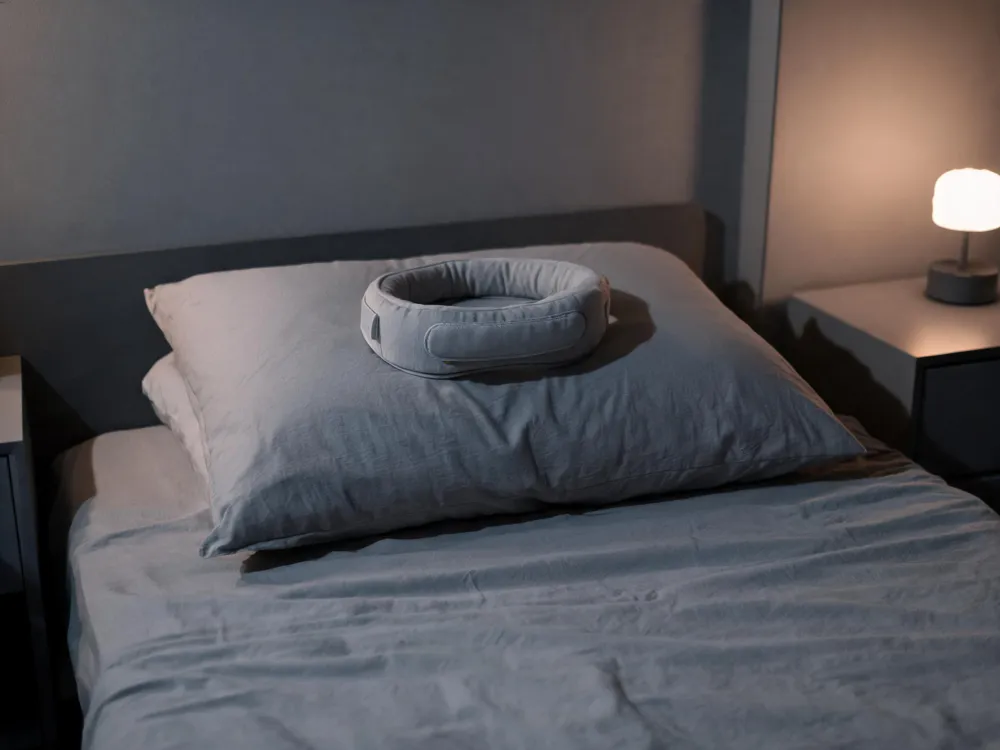
After the bandage is removed, you must wear a protective headband at night for four to six weeks. This prevents accidental bending of the ear during sleep. Most people return to school or desk work within five to ten days.
Can ears return to their original position after otoplasty?
No, a complete return to the original position is very rare. The reshaped or removed cartilage does not grow back. The permanent sutures hold the correction, providing stable, long-lasting results.
Minor, subtle shifts can occur over many years due to natural cartilage relaxation and aging. This is not a reversal of the procedure. With proper technique and aftercare, results are considered permanent.
What is otoplasty and what issues does it correct?
Otoplasty is a surgical procedure to change the shape, position, or size of the ears. It corrects protruding ears (most common), large ears (macrotia), and misshapen ears from injury or birth defects.
The procedure can include ear pinning, ear reduction, or ear augmentation. Most patients see visible improvement immediately after the bandages are removed.
What are the risks and complications of otoplasty?
As with any surgery, otoplasty has risks. These include infection, bleeding (hematoma), and poor wound healing. Asymmetry and overcorrection (a "pinned back" appearance) are possible.
Numbness of the skin is usually temporary. Hypertrophic scars and keloids can occur, especially with tension. Nonabsorbable sutures carry up to a 4% risk of suture granuloma. The goal is natural, symmetrical ears.
Patient satisfaction rates are between 90% and 96%, reflecting the reliable improvement in appearance and self-confidence.
When do final results appear after otoplasty?
Final results become apparent between three and six months after surgery. Most swelling and bruising resolve within the first month, but subtle swelling can take longer to fully dissipate.
During recovery, avoid contact sports, heavy lifting, and swimming for four to six weeks. The scar, hidden behind the ear, matures and fades over 12-18 months. The results are permanent, and the reshaped ears do not grow back to their original protruding position.
| Aspect | Pre-Otoplasty | Post-Otoplasty (Healed) |
|---|---|---|
| Ear-to-Head Distance | 25-35 mm | 15-20 mm |
| Auriculocephalic Angle | 40° or more | 25-35° |
| Antihelical Fold | Hypoplastic or absent | Reproduced or enhanced |
| Patient Satisfaction | N/A | 90-96% |
Costs, Insurance, and Non-Surgical Alternatives

This section outlines the financial considerations, common insurance policies, and alternative options for those considering otoplasty.
How much does otoplasty typically cost for both ears?
The cost of otoplasty varies, but the national average for both ears is approximately $3,981. Most procedures fall within a range of $3,000 to $8,000. The final price depends on the surgeon's expertise, geographic location (e.g., higher in metropolitan areas), and the complexity of the ear correction needed.
Is otoplasty covered by insurance?
Otoplasty is generally considered a cosmetic procedure and is not covered by insurance. Exceptions exist for significant congenital deformities (like microtia) that impair hearing or for reconstructive surgery after an injury. Insurance coverage is decided on a case-by-case basis, so it is essential to verify with your provider. For cosmetic cases, many practices offer financing options such as CareCredit.
Are there any natural home remedies to pin ears back without surgery?
There are no proven home remedies to permanently pin back ears. Temporary methods like adhesive correctors (e.g., Otostick) or medical tape can create a cosmetic effect but do not alter ear cartilage. For newborns, non-surgical ear molding is effective if started within the first three days of life when cartilage is malleable. For adults, surgical otoplasty remains the only method for permanent results. For more information, patients can search: "What non-surgical ear correction options exist for adults?"
| Cost Factor | Typical Range | Additional Notes |
|---|---|---|
| National Average | ~$3,981 (both ears) | Varies significantly by region |
| Typical Overall Range | $3,000 – $8,000 | Includes surgeon, facility, and anesthesia fees |
| Insurance Coverage | Cosmetic: Not covered | Check for congenital or trauma-related exceptions |
Personalized Care for Lifelong Results
Otoplasty is not a one‑size‑fits‑all procedure; each ear is evaluated for antihelical hypoplasia, conchal depth, lobule position, and cartilage stiffness before selecting the optimal technique—whether a gentle Mustardé suture, Converse incision‑suture, or cartilage‑scoring method. Choosing a board‑certified facial plastic surgeon with extensive otoplasty experience ensures the incision is hidden, the antihelical fold is recreated naturally, and symmetry is maintained. Psychological benefits are significant: studies such as Schwentner et al. report improved self‑esteem, reduced anxiety, and elimination of teasing after surgery. Schedule a comprehensive consultation to discuss your aesthetic goals, set realistic expectations, and develop a personalized surgical plan for lasting, natural results.
Understanding Otoplasty: A Path to Natural Ear Symmetry
What is Otoplasty?
Otoplasty is a surgical procedure designed to change the shape, size, or position of the ears. Its primary purpose is to create a more balanced and natural appearance by correcting ears that are prominent, asymmetrical, or misshapen.
The most common reason for otoplasty is to correct prominent ears or ears that "stick out," often defined as protruding more than 2 cm from the side of the head. The procedure can address congenital issues, such as a lack of an antihelical fold, as well as changes from injury or previous surgeries.
Key Anatomical Goals
The main surgical goal is to reduce the cephaloauricular angle (the angle between the ear and the head) to between 15 and 20 degrees. Surgeons also aim to create a smooth, well-defined antihelical fold while avoiding an unnatural, "pinned back" look.
Reassurance on Hearing
It is important to understand that otoplasty is a cosmetic procedure that only alters the external appearance of the ear. It does not affect or change a person's hearing ability in any way.
| Aspect | What Otoplasty Addresses | What It Does Not Affect |
|---|---|---|
| Appearance | Prominent ears, asymmetry, congenital deformities (e.g., macrotia), and trauma-related changes (e.g., cauliflower ear) | Overall face shape or ear position on the head |
| Function | External ear shape and position | Hearing ability or internal ear structures |
| Proportion | Cephaloauricular angle reduction to 15-20°, creation of antihelical fold | Facial symmetry from a functional standpoint |
Who Is an Ideal Candidate? Age, Readiness, and Expectations
Age and Physical Readiness
The ideal age for otoplasty varies by individual, but general guidelines exist. For children, the recommended starting age is 5 to 6 years old. At this point, the ears have reached about 90% of their adult size and the cartilage is stable enough for predictable reshaping. In some cases, surgeons may operate as early as age 4, but age 5-6 remains the standard. Performing the procedure before a child starts school can help prevent teasing and boost self-esteem during crucial social years.
Teenagers are also excellent candidates for otoplasty. By age 13, ear cartilage development is largely complete, which ensures that results from the surgery are stable and long-lasting. Adolescents are often highly motivated by social factors, such as bullying or self-consciousness, and can achieve significant improvements in confidence.
For Adults: No Age Limit
A common question is: Can adults have their ears pinned back? Yes, adults can undergo otoplasty at any age with no upper limit, as long as they are in good general health. Ear cartilage remains pliable enough for reshaping even in older patients. Many adults choose this surgery to address long-standing insecurities about protruding ears or to correct asymmetry, achieving permanent results that can boost confidence.
Emotional Readiness and Expectations
Emotional readiness is a critical factor. For children, both the child and parents should be involved in the decision-making process to ensure the motivation is genuine and not driven by external pressure. It is essential to have realistic expectations, as perfect symmetry is not always achievable and minor asymmetry is normal.
Health prerequisites are also important. Good candidates should be in good general health, have no active ear infections, and have no uncontrolled diabetes. Patients are also advised to stop smoking before and after surgery, as smoking impairs blood flow and slows healing. A pre-operative consultation with a board-certified plastic surgeon is necessary to assess these factors and ensure safe, satisfying outcomes. For example, a healthy 45-year-old with no medical contraindications would be a suitable adult candidate, while a 6-year-old who understands the procedure and is motivated by personal concern, not parental pressure, would be an ideal child candidate.
The Procedure: What Happens During Otoplasty Surgery
Duration: 1 to 3 Hours, Outpatient Surgery
Otoplasty is typically performed as an outpatient procedure, lasting one to three hours depending on complexity. For children, general anesthesia ensures stillness. Adults and older teens often receive local anesthesia with sedation, allowing a quicker, more comfortable recovery.
Anesthesia and Incision Placement
Incisions are strategically placed behind the ear or within natural creases to minimize visible scarring. This placement allows the surgeon to access the cartilage while keeping cosmetic results discreet. The choice of incision also depends on which ear structures require reshaping.
Key Surgical Techniques
The surgeon selects a technique based on cartilage consistency and the specific deformity:
- Mustardé sutures: Ideal for children with soft, pliable cartilage, using permanent sutures to create or enhance the antihelical fold without cutting cartilage.
- Converse incision-suture technique: Used for firmer, thicker cartilage, combining partial incisions with sutures for effective reshaping.
- Cartilage scoring (Stenström/Chongchet): Involves controlled scoring of the anterior cartilage to induce warping, forming a natural antihelix.
- Furnas conchal rotation: For conchal hypertrophy, sutures cinch the conchal bowl to the mastoid bone, reducing ear projection.
- Lobulopexy (Siegert technique): Corrects a protruding lobule by repositioning it with a mattress suture, avoiding skin resection.
Cartilage Manipulation and Closure
Through the incision, the surgeon reshapes or removes excess cartilage and skin. Permanent sutures secure the new ear position. The incision is closed with absorbable or removable stitches. A sterile dressing and compression bandage are applied for protection. Recovery includes wearing a headband for four to six weeks to maintain the new shape.
Recovery Timeline, Risks, and Long-Term Results
How long does ear pinning surgery last and what is recovery like?
Otoplasty, or ear pinning, lasts about one to two hours. A compression bandage is applied right after surgery. This bandage is usually removed after a few days to one week to help minimize swelling and support the new ear shape.
The first week is a critical recovery phase. You should keep your head elevated. Mild discomfort, swelling, and bruising are expected and managed with prescribed pain medication.
After the bandage is removed, you must wear a protective headband at night for four to six weeks. This prevents accidental bending of the ear during sleep. Most people return to school or desk work within five to ten days.
Can ears return to their original position after otoplasty?
No, a complete return to the original position is very rare. The reshaped or removed cartilage does not grow back. The permanent sutures hold the correction, providing stable, long-lasting results.
Minor, subtle shifts can occur over many years due to natural cartilage relaxation and aging. This is not a reversal of the procedure. With proper technique and aftercare, results are considered permanent.
What is otoplasty and what issues does it correct?
Otoplasty is a surgical procedure to change the shape, position, or size of the ears. It corrects protruding ears (most common), large ears (macrotia), and misshapen ears from injury or birth defects.
The procedure can include ear pinning, ear reduction, or ear augmentation. Most patients see visible improvement immediately after the bandages are removed.
What are the risks and complications of otoplasty?
As with any surgery, otoplasty has risks. These include infection, bleeding (hematoma), and poor wound healing. Asymmetry and overcorrection (a "pinned back" appearance) are possible.
Numbness of the skin is usually temporary. Hypertrophic scars and keloids can occur, especially with tension. Nonabsorbable sutures carry up to a 4% risk of suture granuloma. The goal is natural, symmetrical ears.
Patient satisfaction rates are between 90% and 96%, reflecting the reliable improvement in appearance and self-confidence.
When do final results appear after otoplasty?
Final results become apparent between three and six months after surgery. Most swelling and bruising resolve within the first month, but subtle swelling can take longer to fully dissipate.
During recovery, avoid contact sports, heavy lifting, and swimming for four to six weeks. The scar, hidden behind the ear, matures and fades over 12-18 months. The results are permanent, and the reshaped ears do not grow back to their original protruding position.
| Aspect | Pre-Otoplasty | Post-Otoplasty (Healed) |
|---|---|---|
| Ear-to-Head Distance | 25-35 mm | 15-20 mm |
| Auriculocephalic Angle | 40° or more | 25-35° |
| Antihelical Fold | Hypoplastic or absent | Reproduced or enhanced |
| Patient Satisfaction | N/A | 90-96% |
Costs, Insurance, and Non-Surgical Alternatives
This section outlines the financial considerations, common insurance policies, and alternative options for those considering otoplasty.
How much does otoplasty typically cost for both ears?
The cost of otoplasty varies, but the national average for both ears is approximately $3,981. Most procedures fall within a range of $3,000 to $8,000. The final price depends on the surgeon's expertise, geographic location (e.g., higher in metropolitan areas), and the complexity of the ear correction needed.
Is otoplasty covered by insurance?
Otoplasty is generally considered a cosmetic procedure and is not covered by insurance. Exceptions exist for significant congenital deformities (like microtia) that impair hearing or for reconstructive surgery after an injury. Insurance coverage is decided on a case-by-case basis, so it is essential to verify with your provider. For cosmetic cases, many practices offer financing options such as CareCredit.
Are there any natural home remedies to pin ears back without surgery?
There are no proven home remedies to permanently pin back ears. Temporary methods like adhesive correctors (e.g., Otostick) or medical tape can create a cosmetic effect but do not alter ear cartilage. For newborns, non-surgical ear molding is effective if started within the first three days of life when cartilage is malleable. For adults, surgical otoplasty remains the only method for permanent results. For more information, patients can search: "What non-surgical ear correction options exist for adults?"
| Cost Factor | Typical Range | Additional Notes |
|---|---|---|
| National Average | ~$3,981 (both ears) | Varies significantly by region |
| Typical Overall Range | $3,000 – $8,000 | Includes surgeon, facility, and anesthesia fees |
| Insurance Coverage | Cosmetic: Not covered | Check for congenital or trauma-related exceptions |
Personalized Care for Lifelong Results
Otoplasty is not a one‑size‑fits‑all procedure; each ear is evaluated for antihelical hypoplasia, conchal depth, lobule position, and cartilage stiffness before selecting the optimal technique—whether a gentle Mustardé suture, Converse incision‑suture, or cartilage‑scoring method. Choosing a board‑certified facial plastic surgeon with extensive otoplasty experience ensures the incision is hidden, the antihelical fold is recreated naturally, and symmetry is maintained. Psychological benefits are significant: studies such as Schwentner et al. report improved self‑esteem, reduced anxiety, and elimination of teasing after surgery. Schedule a comprehensive consultation to discuss your aesthetic goals, set realistic expectations, and develop a personalized surgical plan for lasting, natural results.
Heading
Understanding Otoplasty: A Path to Natural Ear Symmetry
What is Otoplasty?
Otoplasty is a surgical procedure designed to change the shape, size, or position of the ears. Its primary purpose is to create a more balanced and natural appearance by correcting ears that are prominent, asymmetrical, or misshapen.
The most common reason for otoplasty is to correct prominent ears or ears that "stick out," often defined as protruding more than 2 cm from the side of the head. The procedure can address congenital issues, such as a lack of an antihelical fold, as well as changes from injury or previous surgeries.
Key Anatomical Goals
The main surgical goal is to reduce the cephaloauricular angle (the angle between the ear and the head) to between 15 and 20 degrees. Surgeons also aim to create a smooth, well-defined antihelical fold while avoiding an unnatural, "pinned back" look.
Reassurance on Hearing
It is important to understand that otoplasty is a cosmetic procedure that only alters the external appearance of the ear. It does not affect or change a person's hearing ability in any way.
| Aspect | What Otoplasty Addresses | What It Does Not Affect |
|---|---|---|
| Appearance | Prominent ears, asymmetry, congenital deformities (e.g., macrotia), and trauma-related changes (e.g., cauliflower ear) | Overall face shape or ear position on the head |
| Function | External ear shape and position | Hearing ability or internal ear structures |
| Proportion | Cephaloauricular angle reduction to 15-20°, creation of antihelical fold | Facial symmetry from a functional standpoint |
Who Is an Ideal Candidate? Age, Readiness, and Expectations
Age and Physical Readiness
The ideal age for otoplasty varies by individual, but general guidelines exist. For children, the recommended starting age is 5 to 6 years old. At this point, the ears have reached about 90% of their adult size and the cartilage is stable enough for predictable reshaping. In some cases, surgeons may operate as early as age 4, but age 5-6 remains the standard. Performing the procedure before a child starts school can help prevent teasing and boost self-esteem during crucial social years.
Teenagers are also excellent candidates for otoplasty. By age 13, ear cartilage development is largely complete, which ensures that results from the surgery are stable and long-lasting. Adolescents are often highly motivated by social factors, such as bullying or self-consciousness, and can achieve significant improvements in confidence.
For Adults: No Age Limit
A common question is: Can adults have their ears pinned back? Yes, adults can undergo otoplasty at any age with no upper limit, as long as they are in good general health. Ear cartilage remains pliable enough for reshaping even in older patients. Many adults choose this surgery to address long-standing insecurities about protruding ears or to correct asymmetry, achieving permanent results that can boost confidence.
Emotional Readiness and Expectations
Emotional readiness is a critical factor. For children, both the child and parents should be involved in the decision-making process to ensure the motivation is genuine and not driven by external pressure. It is essential to have realistic expectations, as perfect symmetry is not always achievable and minor asymmetry is normal.
Health prerequisites are also important. Good candidates should be in good general health, have no active ear infections, and have no uncontrolled diabetes. Patients are also advised to stop smoking before and after surgery, as smoking impairs blood flow and slows healing. A pre-operative consultation with a board-certified plastic surgeon is necessary to assess these factors and ensure safe, satisfying outcomes. For example, a healthy 45-year-old with no medical contraindications would be a suitable adult candidate, while a 6-year-old who understands the procedure and is motivated by personal concern, not parental pressure, would be an ideal child candidate.
The Procedure: What Happens During Otoplasty Surgery
Duration: 1 to 3 Hours, Outpatient Surgery
Otoplasty is typically performed as an outpatient procedure, lasting one to three hours depending on complexity. For children, general anesthesia ensures stillness. Adults and older teens often receive local anesthesia with sedation, allowing a quicker, more comfortable recovery.
Anesthesia and Incision Placement
Incisions are strategically placed behind the ear or within natural creases to minimize visible scarring. This placement allows the surgeon to access the cartilage while keeping cosmetic results discreet. The choice of incision also depends on which ear structures require reshaping.
Key Surgical Techniques
The surgeon selects a technique based on cartilage consistency and the specific deformity:
- Mustardé sutures: Ideal for children with soft, pliable cartilage, using permanent sutures to create or enhance the antihelical fold without cutting cartilage.
- Converse incision-suture technique: Used for firmer, thicker cartilage, combining partial incisions with sutures for effective reshaping.
- Cartilage scoring (Stenström/Chongchet): Involves controlled scoring of the anterior cartilage to induce warping, forming a natural antihelix.
- Furnas conchal rotation: For conchal hypertrophy, sutures cinch the conchal bowl to the mastoid bone, reducing ear projection.
- Lobulopexy (Siegert technique): Corrects a protruding lobule by repositioning it with a mattress suture, avoiding skin resection.
Cartilage Manipulation and Closure
Through the incision, the surgeon reshapes or removes excess cartilage and skin. Permanent sutures secure the new ear position. The incision is closed with absorbable or removable stitches. A sterile dressing and compression bandage are applied for protection. Recovery includes wearing a headband for four to six weeks to maintain the new shape.
Recovery Timeline, Risks, and Long-Term Results
How long does ear pinning surgery last and what is recovery like?
Otoplasty, or ear pinning, lasts about one to two hours. A compression bandage is applied right after surgery. This bandage is usually removed after a few days to one week to help minimize swelling and support the new ear shape.
The first week is a critical recovery phase. You should keep your head elevated. Mild discomfort, swelling, and bruising are expected and managed with prescribed pain medication.
After the bandage is removed, you must wear a protective headband at night for four to six weeks. This prevents accidental bending of the ear during sleep. Most people return to school or desk work within five to ten days.
Can ears return to their original position after otoplasty?
No, a complete return to the original position is very rare. The reshaped or removed cartilage does not grow back. The permanent sutures hold the correction, providing stable, long-lasting results.
Minor, subtle shifts can occur over many years due to natural cartilage relaxation and aging. This is not a reversal of the procedure. With proper technique and aftercare, results are considered permanent.
What is otoplasty and what issues does it correct?
Otoplasty is a surgical procedure to change the shape, position, or size of the ears. It corrects protruding ears (most common), large ears (macrotia), and misshapen ears from injury or birth defects.
The procedure can include ear pinning, ear reduction, or ear augmentation. Most patients see visible improvement immediately after the bandages are removed.
What are the risks and complications of otoplasty?
As with any surgery, otoplasty has risks. These include infection, bleeding (hematoma), and poor wound healing. Asymmetry and overcorrection (a "pinned back" appearance) are possible.
Numbness of the skin is usually temporary. Hypertrophic scars and keloids can occur, especially with tension. Nonabsorbable sutures carry up to a 4% risk of suture granuloma. The goal is natural, symmetrical ears.
Patient satisfaction rates are between 90% and 96%, reflecting the reliable improvement in appearance and self-confidence.
When do final results appear after otoplasty?
Final results become apparent between three and six months after surgery. Most swelling and bruising resolve within the first month, but subtle swelling can take longer to fully dissipate.
During recovery, avoid contact sports, heavy lifting, and swimming for four to six weeks. The scar, hidden behind the ear, matures and fades over 12-18 months. The results are permanent, and the reshaped ears do not grow back to their original protruding position.
| Aspect | Pre-Otoplasty | Post-Otoplasty (Healed) |
|---|---|---|
| Ear-to-Head Distance | 25-35 mm | 15-20 mm |
| Auriculocephalic Angle | 40° or more | 25-35° |
| Antihelical Fold | Hypoplastic or absent | Reproduced or enhanced |
| Patient Satisfaction | N/A | 90-96% |
Costs, Insurance, and Non-Surgical Alternatives
This section outlines the financial considerations, common insurance policies, and alternative options for those considering otoplasty.
How much does otoplasty typically cost for both ears?
The cost of otoplasty varies, but the national average for both ears is approximately $3,981. Most procedures fall within a range of $3,000 to $8,000. The final price depends on the surgeon's expertise, geographic location (e.g., higher in metropolitan areas), and the complexity of the ear correction needed.
Is otoplasty covered by insurance?
Otoplasty is generally considered a cosmetic procedure and is not covered by insurance. Exceptions exist for significant congenital deformities (like microtia) that impair hearing or for reconstructive surgery after an injury. Insurance coverage is decided on a case-by-case basis, so it is essential to verify with your provider. For cosmetic cases, many practices offer financing options such as CareCredit.
Are there any natural home remedies to pin ears back without surgery?
There are no proven home remedies to permanently pin back ears. Temporary methods like adhesive correctors (e.g., Otostick) or medical tape can create a cosmetic effect but do not alter ear cartilage. For newborns, non-surgical ear molding is effective if started within the first three days of life when cartilage is malleable. For adults, surgical otoplasty remains the only method for permanent results. For more information, patients can search: "What non-surgical ear correction options exist for adults?"
| Cost Factor | Typical Range | Additional Notes |
|---|---|---|
| National Average | ~$3,981 (both ears) | Varies significantly by region |
| Typical Overall Range | $3,000 – $8,000 | Includes surgeon, facility, and anesthesia fees |
| Insurance Coverage | Cosmetic: Not covered | Check for congenital or trauma-related exceptions |
Personalized Care for Lifelong Results
Otoplasty is not a one‑size‑fits‑all procedure; each ear is evaluated for antihelical hypoplasia, conchal depth, lobule position, and cartilage stiffness before selecting the optimal technique—whether a gentle Mustardé suture, Converse incision‑suture, or cartilage‑scoring method. Choosing a board‑certified facial plastic surgeon with extensive otoplasty experience ensures the incision is hidden, the antihelical fold is recreated naturally, and symmetry is maintained. Psychological benefits are significant: studies such as Schwentner et al. report improved self‑esteem, reduced anxiety, and elimination of teasing after surgery. Schedule a comprehensive consultation to discuss your aesthetic goals, set realistic expectations, and develop a personalized surgical plan for lasting, natural results.





Locations


© 2014 - 2025. Thomas W. Loeb | Board Certified Plastic Surgeon