



.svg)
.svg)


News
/
December 8, 2025
Safety and Efficacy in Modern Facelift Techniques
Advanced Strategies Ensuring Safety and Success in Contemporary Facelifts
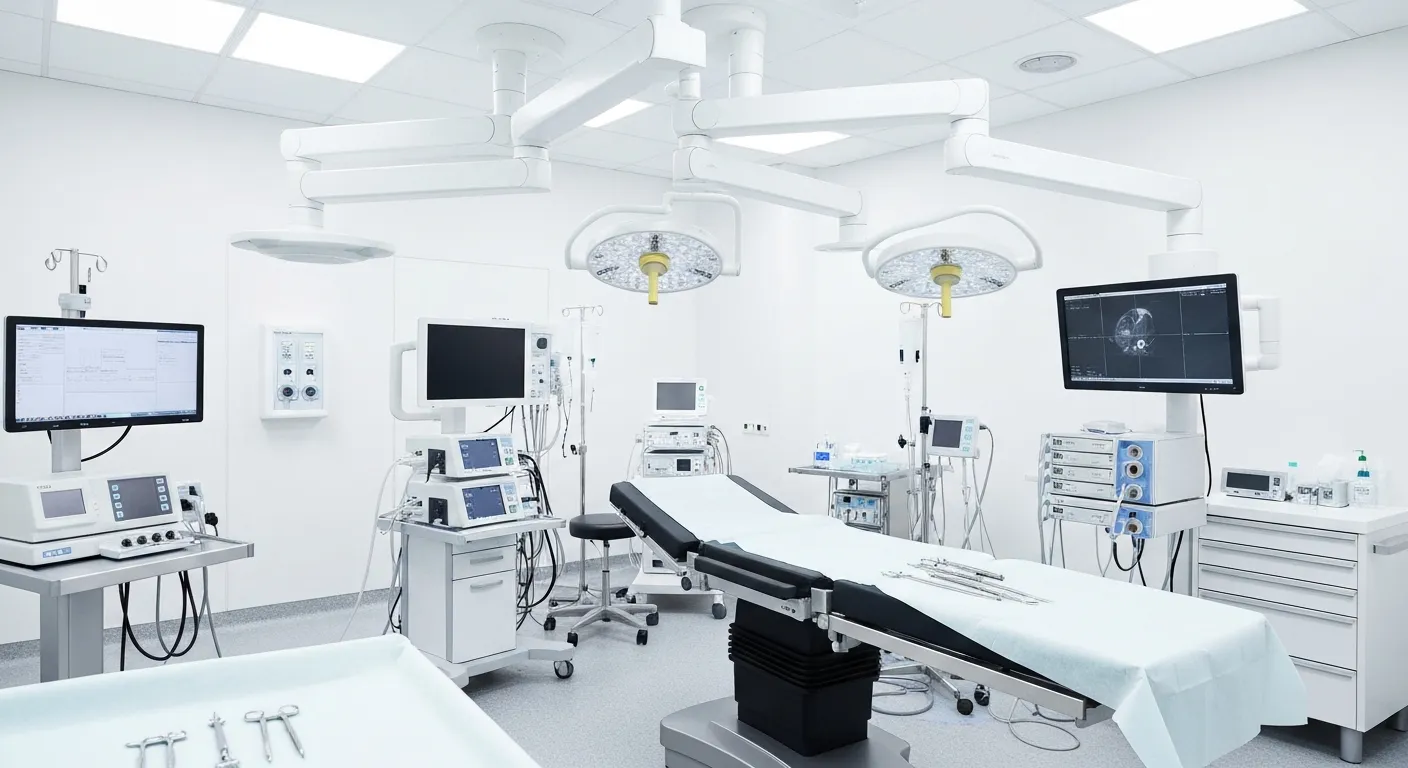
Body contouring has revolutionized the way we think about self-care and aesthetic transformations. It’s more than just a cosmetic procedure—it’s a path to enhanced confidence and self-expression.
Introduction to Modern Facelift Techniques
Overview of facelift surgery
Facelift surgery, medically known as rhytidectomy, is a cosmetic procedure designed to reduce visible signs of aging in the face and neck. It involves the removal of excess skin, tightening of underlying muscles and tissues, and redraping of the skin to restore a youthful appearance. Techniques vary from less invasive mini facelifts to more comprehensive approaches like the deep plane facelift, which repositions deeper facial structures for longer-lasting results.
Goals of modern facelift procedures
Modern facelifts aim to provide natural-looking rejuvenation, avoiding the overly tight or artificial 'windswept' appearance of earlier methods. They focus on restoring facial contours, enhancing jawline definition, and improving neck and midface areas. By targeting deeper layers such as the superficial musculoaponeurotic system (SMAS) and facial retaining ligaments, these procedures achieve more lasting and multidimensional outcomes, often maintaining youthful results for 10 to 15 years.
Importance of safety and efficacy in facelift outcomes
Safety and efficacy are vital considerations in facelift surgery. Advances in surgical techniques, anesthesia, and postoperative care have reduced complication rates and recovery times. Studies highlight that when performed by experienced, board-certified surgeons, facelifts have high patient satisfaction and low risks. Thorough consultation and individualized treatment planning ensure the chosen technique aligns with the patient's anatomy, goals, and health status, optimizing both aesthetic results and procedural safety.
Historical Progression and Evolution of Facelift Surgery
How have facelift techniques evolved over time?
Facelift surgery began in 1901 with Eugen Holländer's 1901 facelift, pioneering subcutaneous rhytidectomy, where excess skin and tissue were removed to tighten the face. This early approach focused mainly on skin excision and was quite basic compared to today's methods.
The 1970s marked a significant milestone with the introduction of the 1970s SMAS facelift. Unlike earlier methods, SMAS targeted both the skin and the underlying muscle and connective tissue, allowing surgeons to address deeper causes of facial aging such as muscle sagging and tissue laxity. This innovation improved both the durability and natural appearance of facelift results.
In subsequent decades, further technological and surgical advancements brought about less invasive options, such as Endoscopic facelifts and Thread lifts. These methods use small incisions and specialized tools to lift facial tissues, greatly reducing recovery time and scarring. Minimally invasive procedures have made facelifts more accessible and safer for patients desiring subtle rejuvenation.
Modern facelift surgeries now emphasize natural, multidimensional restoration by repositioning deeper facial layers, including the SMAS and beneath. Advanced techniques like deep plane facelift method and composite facelift approaches allow for more comprehensive correction of age-related changes, delivering longer-lasting and more natural outcomes.
In summary, facelift techniques have evolved from simple skin removal to sophisticated procedures that involve deeper tissue manipulation, minimally invasive approaches, and personalized surgical planning. These developments have enhanced the Safety of modern facelift techniques, efficacy, and aesthetic quality of facelift surgery, meeting the diverse needs of patients seeking facial rejuvenation.
Contemporary Facelift Techniques and Their Indications

Classification of facelift types
Facelifts can be classified by the depth of tissue manipulation, ranging from superficial to deep-plane methods. Techniques include:
- Thread facelift method: Minimally invasive, involving threads to lift skin, suitable for younger patients with subtle aging.
- Subcutaneous facelift approach: Target only skin and fat layers, typically for mild aging.
- SMAS Plication technique: Focus on the superficial musculoaponeurotic system (SMAS), which provides more structural support. Variants include SMAS plication, lateral SMASectomy, and SMAS flap surgeries.
- Minimal Access Cranial Suspension (MACS) lift: A moderate method using shorter incisions and SMAS suspension.
- Deep Plane facelift method: Involve dissection beneath the SMAS, releasing retaining ligaments for more extensive repositioning.
- Composite facelift approaches: Address midface, lower eyelid, and jawline tissues together for comprehensive rejuvenation.
Techniques ranging from superficial to deep plane methods
- Superficial facelift benefits for younger patients like thread or subcutaneous lifts yield modest, short-term improvements ideal for patients with early signs of aging and good skin quality.
- Moderately invasive facelift methods such as SMAS plication and MACS lifts offer longer-lasting outcomes, typically maintaining effects around 2 years, suitable for moderate facial sagging.
- Deep tissue repositioning facelifts and composite facelifts provide durable, natural results by repositioning deeper tissues and muscles. These are preferred in older patients exhibiting significant skin laxity, jowling, and midfacial ptosis, with benefits lasting upwards of 10 years.
Patient-specific indications based on age, skin laxity, and goals
Patient factors strongly influence the choice of facelift method:
- Younger patients (early 40s or younger) often benefit from less invasive, superficial methods as their skin and SMAS layers remain robust.
- Middle-aged individuals with moderate skin laxity and deeper folds may opt for SMAS-based or MACS techniques to balance result longevity and recovery time.
- Older patients or those with severe facial drooping typically require deep plane or composite facelifts for substantial tissue repositioning and natural contour restoration.
Cosmetic goals, such as natural-looking results, long-term effectiveness, and recovery considerations, also guide technique selection alongside patient health and risk tolerance. Surgeons tailor approaches carefully to individual facial anatomy and preferences. For additional insights into Contemporary facelift techniques and Facelift indications by age and skin type, see the references.
| Facelift Type | Invasiveness Level | Typical Patient Profile | Longevity of Results | Main Benefits |
|---|---|---|---|---|
| Thread facelift method | Minimally invasive | Younger patients with early aging signs | <2 years | Minimal downtime, subtle lift |
| SMAS Plication technique / MACS lift | Moderate | Middle-aged with moderate sagging | ~2 years | Improved lift, moderate invasiveness |
| Deep Plane facelift method / Composite facelift approaches | Invasive | Older patients with significant laxity and jowling | 10+ years | Natural, long-lasting rejuvenation |
This stratified approach optimizes patient satisfaction and balances risks with desired aesthetic outcomes. See more on facelift patient satisfaction and Facelift procedure effectiveness.
Safety Considerations in Modern Facelift Procedures
Common surgical risks and complications
Facelift surgery, while effective, carries potential risks such as hematoma after face-lift (bleeding under the skin), nerve injury causing temporary weakness, infection, wound healing issues, visible scarring, skin discoloration, and anesthesia-related complications. These complications can also include fluid accumulation, numbness, persistent pain, hair loss around incision sites, and occasionally unfavorable aesthetic results like asymmetry.
Role of surgeon expertise and patient selection
The safety and success of facelift procedures heavily depend on the surgeon's expertise and careful patient selection. Choosing a board-certified plastic surgeon with extensive experience ensures meticulous surgical technique and knowledge of facial anatomy. Proper screening of medical history, including controlling hypertension, stopping blood-thinning medications before surgery, and understanding individual patient health factors minimizes risk.
Advances reducing complication rates
Modern facelift techniques utilize innovations such as tissue sealants like fibrin glue to promote better wound healing and reduce the need for drains. Minimally invasive and endoscopic methods result in smaller incisions, less trauma, and quicker recovery, lowering the complication rate further. Enhanced perioperative care protocols and improved anesthesia methods also contribute to safer outcomes.
Studies indicate that complication rates remain low when facelifts are performed by skilled surgeons. The use of advanced technologies combined with tailored surgical planning creates a safer environment for patients while achieving natural, lasting results.
| Aspect | Details | Impact on Safety |
|---|---|---|
| Common risks | Hematoma, nerve injury, infection, scarring | Requires preventive strategies |
| Surgeon expertise | Board certification, experience in facial anatomy | Highly reduces complications |
| Patient selection | Medical history, medication review, health status | Critical for minimizing risks |
| Surgical technique | Use of tissue sealants, minimally invasive approaches | Improves healing and reduces trauma |
| Post-operative care | Pain management, wound care, activity restrictions | Enhances recovery and outcome |
Efficacy and Patient Satisfaction with Modern Facelift Techniques
How effective are modern facelift techniques and what influences patient satisfaction?
Modern facelift techniques are highly effective in rejuvenating facial appearance, with patient satisfaction rates often exceeding 90%. Techniques such as the deep plane facelift method are particularly notable, achieving a satisfaction rate of approximately 94% due to their ability to reposition deeper tissues and produce natural, long-lasting results—typically lasting 10 to 15 years.
Other methods like SMAS plication technique and minimally invasive lifts (including endoscopic facelift procedure and Minimal Access Cranial Suspension (MACS) lift) also report high satisfaction, often around 90%, though their longevity may be somewhat shorter, generally around 2 to 10 years depending on the technique and patient specifics.
Outcomes of different facelift methods
- Deep Plane Facelift: Offers tension-free skin lifts by releasing facial retaining ligaments; results are natural with improved jawline definition and reduced jowls.
- SMAS Facelift: Targets the superficial musculoaponeurotic system layer, providing long-lasting improvements with minimal scarring.
- Minimally invasive techniques: Include thread lifts, endoscopic facelifts, and MACS lifts, which offer shorter recovery times and modest, natural improvements, especially suited for younger patients with early signs of aging.
Patient satisfaction rates and factors influencing them
Patient satisfaction is influenced mainly by the aesthetic results and the surgeon's bedside manner. Studies show that 92.24% of patients leave positive reviews and over 91% deem their procedure 'worth it' (2024 facelift study). Dissatisfaction tends to arise from unmet aesthetic expectations or poor surgeon communication.
Realistic preoperative consultations, individualized treatment plans tailored to patient anatomy and goals, and skilled surgical execution are essential for optimal outcomes. Many patients report appearing on average 10 to 13 years younger after surgery and express lasting psychological benefits (Facelift surgery benefits).
Longevity and naturalness of results
Modern facelifts emphasize natural contours rather than overly tight or artificial appearances. Techniques involving deeper tissue repositioning, especially the deep plane facelift, maintain natural-looking results for 10 years or more.
Less invasive methods serve well for earlier aging signs but may require touch-ups or eventual transition to more comprehensive surgeries. Complementary procedures such as fat grafting help restore volume loss, enhancing the overall outcome and prolonging youthfulness (modern facelift techniques).
In sum, modern approaches to facelifts prioritize not only effective rejuvenation but also longevity, natural appearance, and high patient satisfaction, supported by experienced and board-certified surgeons (choosing a board-certified plastic surgeon.
Comparative Analysis of Facelift Methods: Deep Plane vs SMAS vs Minimally Invasive

Differences in surgical depth and tissue manipulation
Facelift techniques vary primarily by the depth at which surgeons manipulate facial tissues. The deep plane facelift method involves the most extensive dissection beneath the superficial musculoaponeurotic system (SMAS), releasing facial retaining ligaments to allow comprehensive repositioning of deeper tissues. This approach elevates the midface and jowls as a single unit, providing natural, tension-free outcomes.
The SMAS facelift approach targets this muscular layer by folding and suturing it without extensive ligament release, offering effective contour improvement with less invasiveness than deep plane methods. Meanwhile, minimally invasive facelift techniques — such as endoscopic facelifts and thread lifts — rely on smaller incisions and limited tissue manipulation, focusing on early aging signs with less trauma.
Longevity and natural aesthetics
Deep plane facelifts are often considered the gold standard due to their ability to deliver longer-lasting results, typically 10 to 15 years, with a high degree of natural-looking rejuvenation and volume restoration. SMAS facelifts provide durability spanning 5 to 10 years, balancing effective lifting with shorter operative times.
Minimally invasive facelifts yield more modest, short-term improvements and are suitable for younger patients or those seeking a less aggressive approach. Their results usually last around 2 years or less due to limited tissue repositioning.
Operative time and recovery profiles
The deep plane technique involves longer surgery durations and a somewhat extended recovery, reflecting its comprehensive tissue work. Conversely, SMAS mid-depth facelifts are quicker, allowing faster healing.
Minimally invasive procedures stand out for significantly reduced operative times and faster recovery, often enabling patients to return to daily activities sooner with less swelling or bruising.
Safety and efficacy
All three approaches demonstrate low complication facelift rates when performed by experienced, board-certified surgeons. Deep plane facelifts exhibit higher patient satisfaction rates (~94%) linked to their durable and natural outcomes. SMAS lifts follow closely, while minimally invasive methods prioritize safety and convenience, minimizing risks but with shorter-lasting effects.
| Facelift Method | Tissue Depth | Expected Longevity | Recovery Time | Result Quality |
|---|---|---|---|---|
| Deep Plane | Below SMAS | 10-15 years | Longer (2+ weeks) | Natural, lasting |
| SMAS Plication | SMAS layer | 5-10 years | Moderate (10-14 days) | Effective, balanced |
| Minimally Invasive | Subcutaneous or limited | ~2 years | Short (1 week or less) | Modest, subtle |
Innovations Enhancing Safety and Outcomes in Facelift Surgery
What recent technological advancements improve the safety and efficacy of facelift procedures?
Facelift surgery has seen significant innovations aimed at enhancing patient safety, shortening recovery times, and improving the naturalness and longevity of results.
One major advancement is the use of tissue sealants such as fibrin glue. These materials improve tissue adhesion and wound healing, reducing the need for surgical drains and lowering the risk of complications like seromas. This leads to a smoother and faster postoperative recovery.
Power-assisted dissection tools have also refined surgical technique by allowing more precise and less traumatic tissue handling.
To address volume loss that naturally occurs with aging, fat grafting is increasingly combined with facelifts. Using the patient’s own fat to restore fullness in areas such as the cheeks, under the eyes, and temples enhances the contour and youthfulness of the face, producing more natural and multidimensional rejuvenation.
Minimally invasive endoscopic facelift techniques utilize small incisions and specialized instruments to reposition tissues with less scarring and shorter downtime. These are particularly popular among younger patients or those seeking modest improvements.
Looking forward, the integration of regenerative medicine—including stem cell therapies and platelet-rich plasma (PRP)—holds promise in accelerating healing and improving skin quality.
Advances in 3D imaging and AI-assisted surgical planning are fostering safer, more personalized procedures by enabling surgeons to meticulously plan and execute tailored facial lifts.
Together, these technological innovations are refining facelift surgery to be safer, more effective, and better suited to individual patient needs, with expectations of prolonged and natural-looking results.
The Role of Surgeons’ Expertise and Patient-Centered Planning

How critical is surgeon expertise and personalized planning in facelift safety and success?
Surgeon expertise plays a vital role in facelift surgery risks and outcomes. Board-certified plastic surgeons with extensive experience in various Facelift surgery techniques ensure high-quality results and minimize risks such as nerve injury, scarring, and asymmetric outcomes. Skilled surgeons tailor the procedure to individual patient anatomy, skin quality, and cosmetic goals, selecting the most appropriate technique—whether it's a Mini Facelift, Deep plane facelift benefits, or Contemporary facelift techniques.
Personalized planning involves a thorough preoperative assessment, including evaluating skin laxity, facial fat distribution, and aging severity. This individualized approach improves facelift patient satisfaction by addressing unique facial features and aging patterns. Surgeons often combine facelifts with complementary procedures like Neck lift, Brow lift, or Laser skin resurfacing benefits to achieve a harmonious and natural rejuvenation.
Postoperative care is equally important; proper management of swelling, bruising, and wound healing contributes to successful recovery and long-lasting results. Patients benefit from clear communication and surgeon’s bedside manner impact, which directly influence satisfaction. Overall, expert surgical planning and tailored techniques are essential to maximize benefits while minimizing complications in Reconstructive rhytidectomy overview.
Balancing Surgical and Non-Surgical Facelift Options for Comprehensive Rejuvenation

How do surgical and non-surgical facelift methods compare in terms of safety, efficacy, and patient suitability?
Surgical facelifts, often called rhytidectomy, provide a robust and long-lasting rejuvenation effect by lifting and repositioning not just the skin but also deeper tissues like the SMAS and muscles. These procedures are suitable for patients with moderate to advanced facial aging, addressing sagging cheeks, deep wrinkles, and jowls. Results from surgical facelifts can last from 10 up to 15 years and typically lead to natural-looking outcomes when performed by experienced surgeons.
On the other hand, non-surgical approaches such as Botox, dermal fillers, thread lifts, ultrasound, and radiofrequency treatments offer minimally invasive alternatives. These options are generally safer with fewer risks because they avoid general anesthesia and surgical incisions. They are appropriate for early signs of aging or patients preferring less downtime. However, non-surgical results tend to be modest, usually lasting several months and requiring regular maintenance treatments.
Advantages, limitations, and patient preferences
Surgical Facelifts
- Advantages: Long-lasting results, significant improvement in facial contour, correction of deep wrinkles, and combined address of face and neck aging.
- Limitations: Require anesthesia, several weeks of recovery, risk of complications like hematoma or nerve injury, and higher initial cost.
Non-Surgical Facelifts
- Advantages: Minimal downtime, lower immediate risk, less intimidating for patients, and often less expensive upfront.
- Limitations: Temporary results needing frequent touch-ups, less dramatic lifting effect, and limited ability to address severe sagging.
Patient preferences often depend on aging severity, recovery tolerance, and aesthetic goals. Younger patients or those with mild aging signs may opt for non-surgical or minimally invasive treatments. Older patients or those seeking more profound rejuvenation typically benefit more from surgical facelifts.
Synergistic use of combined treatments
Combining surgical facelifts with non-surgical adjuncts is a common strategy to optimize overall facial rejuvenation. For example, fat grafting can restore volume loss during surgery, while Botox and dermal fillers can smooth fine lines and enhance specific features postoperatively. Laser skin resurfacing or radiofrequency treatments improve skin texture and tone to complement the lifting effect.
This combined approach allows tailored treatment plans that address the underlying structures and the skin surface, achieving natural, harmonious, and comprehensive facial rejuvenation with balanced safety and efficacy.
Conclusion: Ensuring Safe, Effective, and Natural Facelift Outcomes
Ensuring Safe and Effective Facelift Results
Facelift surgery remains a highly effective method to rejuvenate facial appearance, with modern techniques offering natural results lasting up to 15 years. Safety profiles have improved significantly, with low complication rates when procedures are performed by experienced, board-certified plastic surgeons.
Individualized Approach is Essential
Choosing the appropriate facelift technique tailored to patient-specific factors—age, skin quality, facial anatomy, and aesthetic goals—is crucial. Techniques range from minimally invasive thread lifts to deep plane facelifts, each providing different benefits and longevity. Surgeon skill and comprehensive assessment directly impact outcomes and patient satisfaction.
Future Trends and Innovations
The field is evolving with advances such as AI-assisted planning, regenerative medicine, and combination therapies including fat grafting and laser treatments. These innovations aim to enhance personalization, safety, and longevity while minimizing downtime. Non-surgical adjuncts continue to complement surgical procedures for holistic facial rejuvenation.
Through careful patient selection, expert surgical execution, and embracing emerging technologies, facelifts can deliver lasting, natural, and satisfying aesthetic outcomes with minimal risks.
Heading



Locations


© 2014 - 2025. Thomas W. Loeb | Board Certified Plastic Surgeon