



.svg)
.svg)

News
/
December 8, 2025
The Psychological Impact of Achieving Facial Harmony
Unveiling Confidence: How Facial Harmony Transforms Psychological Well-Being
Body contouring has revolutionized the way we think about self-care and aesthetic transformations. It’s more than just a cosmetic procedure—it’s a path to enhanced confidence and self-expression.
Understanding Facial Harmony and Its Psychological Roots
What Is Facial Harmony?
Facial harmony refers to the balanced and proportionate arrangement of facial features such as the eyes, nose, lips, and jawline. It is not about absolute symmetry but about creating a natural and aesthetically pleasing balance that complements individual uniqueness.
The Role of Symmetry and Proportion
Symmetry plays a significant role in facial harmony, as the brain processes symmetrical faces more easily, associating them with traits like trustworthiness and warmth. Proportion, often guided by concepts like the golden ratio (~1.618), ensures that the various facial features relate well to each other, enhancing overall attractiveness. Slight asymmetries add character while maintaining balance.
Psychological Comfort and Self-Esteem
A harmonious face evokes psychological comfort by stimulating positive emotional responses. Individuals perceiving their features as balanced often report higher self-esteem, better social confidence, and improved mental well-being. This comfort fosters positive social interactions and can reduce anxiety linked to appearance. Facial harmony is, therefore, more than surface beauty—it supports emotional stability and self-assurance.
The Neural and Emotional Effects of Facial Symmetry

How Does the Brain Respond to Symmetrical Faces?
The human brain is finely tuned to process faces that are symmetrical and proportionate, which often evokes feelings of psychological comfort. This response involves activity in specific brain regions, such as the medial orbitofrontal cortex, which plays a role in reward and emotion. Viewing balanced and harmonious faces can trigger positive emotions like trustworthiness, warmth, and friendliness, facilitating social connection and emotional well-being (Facial harmony and emotional impact).
What Are the Evolutionary Roots of Our Preference for Facial Harmony?
Preferences for facial symmetry are deeply rooted in evolutionary biology. Symmetric faces are perceived as signals of good health, genetic fitness, and reproductive viability. These traits have historically increased attraction and bonding opportunities, promoting survival and successful reproduction. This innate bias towards facial harmony explains why balanced features universally contribute to attractiveness and social acceptance (Facial harmony and emotional impact.
How Does the Facial Feedback Hypothesis Link Facial Symmetry to Mood Improvement?
The facial feedback hypothesis suggests that our facial expressions can influence our emotional states. By reducing negative facial muscle activity—such as frown lines—through treatments like botulinum toxin A, individuals may experience enhanced mood and psychological well-being. This effect underscores the interplay between physical facial features and internal emotional experiences, where improving facial harmony not only changes appearance but also boosts mood and confidence (Multimodal Facial Aesthetic Treatment).
Psychosocial Benefits of Multimodal Facial Rejuvenation Treatments

How do multimodal facial treatments improve psychological well-being and social confidence?
Multimodal Facial Aesthetic Treatment, which combine Hyaluronic Fillers and onabotulinumtoxinA, and other modalities, have demonstrated significant psychological benefits. Patients report marked Improvements in Psychological Well-Being and Increased Social Confidence After Treatment. For example, studies using validated patient-reported outcome instruments such as the FACE-Q Scale Results have shown substantial reductions in negative psychological states and boosted social confidence with statistically significant and meaningful changes.
These improvements stem from addressing multiple areas of the face, leading to greater satisfaction with one’s appearance. The treatments can help reduce facial expressions associated with negative emotions, which, according to the Facial Feedback Hypothesis, may uplift mood and emotional state. Increased confidence and self-esteem often follow, enhancing quality of life and social interactions.
What is the effect of multimodal treatments on perceived age and self-image?
A notable outcome of comprehensive facial aesthetic treatments is the reduction in perceived age. Patients often feel and appear younger, with studies showing an Average Age Reduction After Treatment of about 4.5 years four months after treatment. This rejuvenation positively influences self-image by aligning how individuals see themselves with how they feel internally.
Rejuvenated appearance contributes to increased happiness and comfort in social settings, fostering a more positive self-perception. Improved self-image from such treatments can reduce social anxiety and promote emotional well-being.
Why is a holistic approach important in facial aesthetic treatments?
The Holistic Approach to Facial Rejuvenation involves addressing the face comprehensively rather than focusing on isolated features. Combining different treatment modalities enhances Facial harmony and emotional impact, which not only improves physical appearance but also psychological and social outcomes.
Integrating various treatments enables practitioners to consider how each facial feature interacts with others, tailoring results to support natural expressions and individuality. This comprehensive care supports patients’ emotional health by reinforcing self-confidence and social comfort, emphasizing the interconnectedness of appearance and mental well-being.
Facial Harmony in Orthodontics and Its Impact on Confidence
Role of orthodontics in enhancing facial harmony
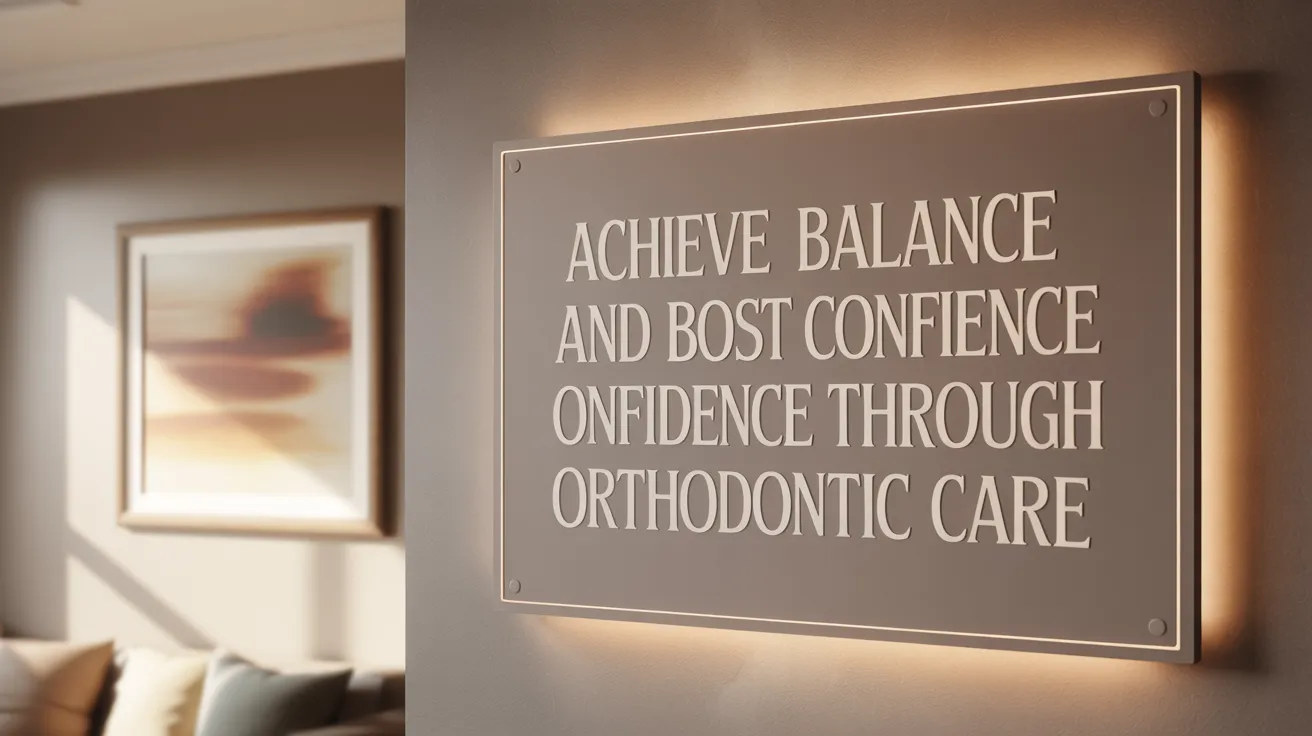
Orthodontic treatment today goes beyond just straightening teeth. It focuses on the entire facial structure, aiming to create a balanced relationship between the jaw, teeth, and lips. Orthodontists design personalized treatment plans considering facial shape, lip support, and jaw positioning to enhance overall facial harmony. Appliances are used to guide teeth and jaw alignment, improving not only dental function but also facial aesthetics. (Orthodontic treatment and facial structure)
Effect of jaw and teeth alignment on appearance and self-esteem
Correcting jaw misalignments such as overbites, underbites, or crossbites helps improve facial structure and balance. When bite problems are addressed, patients often report increased comfort and reduced self-consciousness. Improved facial symmetry from orthodontic treatment contributes to a more positive self-image, boosting confidence and reducing social anxiety. Additionally, jaw surgery combined with orthodontics can relieve physical issues, improving emotional stability and mental well-being. (Psychological Benefits of Jaw Surgery and Orthodontic treatment for facial harmony
Smile aesthetics and emotional well-being
A harmonious smile is central to facial aesthetics, conveying warmth, confidence, and approachability. Orthodontics plays a vital role in shaping a natural smile that complements other facial features. Enhancing smile aesthetics can elevate self-esteem and emotional well-being, leading to more confident social interactions. Ultimately, orthodontic care supports not only functional health but also emotional uplift by fostering a confident and balanced appearance. (Facial aesthetics and Chula Vista orthodontics)
Non-Surgical Facial Harmonization and Mental Health

Cosmetic procedures using fillers and Botox for harmony
Facial harmonization often involves non-surgical cosmetic treatments like dermal fillers and Botox. Fillers, such as those containing hyaluronic acid, add volume and contoured shape to cheeks, lips, and jawlines. Botox helps by relaxing specific muscles, reducing wrinkles, and softening expressions to achieve a balanced, youthful appearance. Together, these treatments work to enhance facial symmetry and proportion without altering unique natural features, aiming for subtle, natural-looking improvements. (Achieving Facial Harmony, Facial Harmonization overview)
Natural-looking enhancements and emotional effects
The goal of facial harmonization is not to create perfect symmetry but to maintain one's unique appearance while enhancing balance. These natural-looking results contribute directly to improved self-esteem and confidence. Patients often report feeling happier and more comfortable in social settings after treatment. The corrections can positively influence self-perception, reduce social anxiety, and lead to better psychological well-being. (Emotional Impact of Facial Harmony, Multimodal Facial Aesthetic Treatment
Skin health, relaxation, and stress reduction benefits
In addition to physical enhancements, facial treatments promote relaxation by stimulating pressure points on the face and scalp, mimicking the calming effects of massage. This reduces stress hormones, lowers tension, and may improve sleep quality. Improved circulation from treatments nourishes skin cells, supporting healthy skin tone and texture, which further boosts self-confidence. Regular facial care routines serve as emotional uplift, encouraging mental resilience and a positive quality of life. (Facial treatments reduce stress)
Long-Term Psychological Impact of Corrective Jaw Surgery

How Does Corrective Jaw Surgery Improve Self-Image and Reduce Social Anxiety?
Corrective jaw surgery significantly enhances Improved Facial Symmetry, which is closely tied to a positive self-image. Patients often report feeling more comfortable and confident in their own skin after the procedure. This improved appearance can diminish insecurities related to jaw shape or alignment, resulting in reduced social anxiety and more natural social interactions.
In What Ways Does Alleviating Physical Discomfort Influence Mental Health?
Jaw misalignment can cause headaches, facial pain, and sleep disturbances such as sleep apnea. By correcting these physical issues, jaw surgery helps alleviate discomfort, which directly improves emotional stability and overall mental well-being. Better sleep quality is particularly important for maintaining a balanced mood and cognitive function.
How Does Jaw Surgery Enhance Communication and Career Opportunities?
Besides improving facial harmony, jaw surgery often leads to better jaw function. This can include clearer speech and more confident communication. Enhanced facial aesthetics improve first impressions and social perceptions, which can open new career opportunities and positively impact job performance. Increased confidence gained through surgery contributes to long-term emotional resilience and a positive outlook on life.
Holistic Well-Being Through Achieving Facial Harmony
Interconnection Between Appearance and Mental Health
Facial harmony profoundly influences mental health by enhancing self-esteem and social confidence. Research shows patients undergoing multimodal facial treatments report significant psychological benefits, including improved well-being and a younger self-perceived age. Balanced facial features align with societal notions of attractiveness, fostering positive social interactions and reducing anxiety. This perception comfort is rooted in the brain's preference for symmetrical faces, which signal health and vitality.
Importance of Personalized Aesthetic Approaches
Achieving facial harmony requires tailoring treatments to individual facial structures and aging patterns. Techniques like dermal fillers, Botox, and surgical procedures are combined thoughtfully to maintain natural expressions and proportions. Assessment involves analyzing facial thirds, angles, and organ measurements to design interventions that enhance balance without compromising uniqueness. Personalized plans help clients experience improvements that resonate with their identity, promoting lasting self-confidence.
Role of Neuroaesthetics and Emotional Empowerment
Neuroaesthetics reveals that aesthetic treatments activate brain regions associated with reward and emotion, aiding emotional release and mood regulation. Restoring facial harmony can evoke feelings of relief and joy, reinforcing empowerment and visibility. This neurologically supported emotional uplift links beauty not just to appearance but to inner healing and cognitive resilience. Emphasizing personal choice ensures aesthetic care nurtures well-being beyond physical changes.
Heading





Locations


© 2014 - 2025. Thomas W. Loeb | Board Certified Plastic Surgeon