



.svg)
.svg)


Rediscovering Your Most Confident Self: The Art and Science of Facial Rejuvenation
News
/
July 8, 2026
Restoring Confidence with Advanced Facial Rejuvenation
Rediscovering Your Most Confident Self: The Art and Science of Facial Rejuvenation
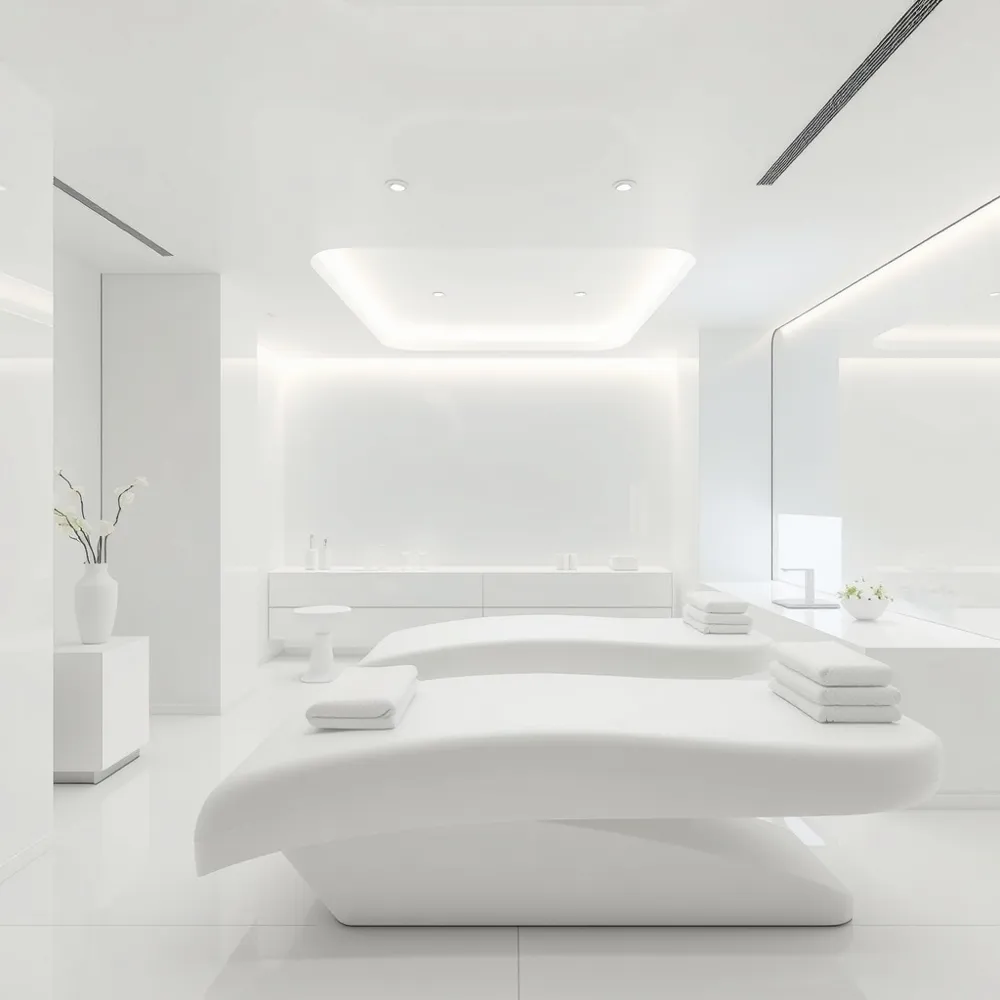
Body contouring has revolutionized the way we think about self-care and aesthetic transformations. It’s more than just a cosmetic procedure—it’s a path to enhanced confidence and self-expression.
A New Era in Facial Aesthetics
Modern facial rejuvenation is no longer purely about physical alteration. It is a holistic discipline that integrates scientific precision with artistic nuance to restore both your features and your self-assurance. As established in facial rejuvenation frameworks, the process addresses the complexities of aging, including the decline of structural collagen, natural fat atrophy, and bone remodeling.
At thomasloebmd.com, we move beyond standardized protocols to create personalized plans. Whether utilizing non-surgical treatments for texture and volume or advanced surgical techniques for deep structural lifting, the objective remains centered on achieving a natural, refreshed outcome that reflects your authentic self.
Understanding Facial Aging
Facial aging is a multifactorial process involving the skin, muscle tension, fat compartments, and even skeletal remodeling. Around age 35, the dermis begins a natural decline in collagen, elastin, and hyaluronic acid, the essential components responsible for maintaining firmness and hydration. This loss of structural integrity is often exacerbated by environmental stressors, particularly sun exposure, which accelerates skin degradation and dryness.
Beyond surface-level changes, aging involves the shifting and atrophy of deeper fat pads. As these compartments deflate or move downward, patients may notice the development of hollow cheeks, jowls, and deepening nasolabial folds. Dr. Thomas W. Loeb notes that addressing these changes requires a precise understanding of facial anatomy to restore contours effectively.
What is facial rejuvenation and how does it function to improve appearance?
Facial rejuvenation refers to a comprehensive range of surgical and non-surgical procedures designed to address the physiological markers of aging. These treatments function by targeting both the skin's surface and the underlying structural tissues to restore more youthful contours. By repositioning sagging tissue and enhancing facial definition, these procedures treat concerns like jowls and hollow cheeks. Whether through a Deep Plane Facelift or targeted volume restoration, this approach reverses the tired appearance caused by gravity, resulting in a refreshed and harmonious aesthetic.
Non-Surgical Pathways to a Fresher Look
The evolution of facial aesthetics has expanded options for patients seeking renewal without the commitment of invasive surgery. Top Non-Surgical Treatments for Facial Rejuvenation at the practice of Dr. Thomas W. Loeb allow for refined, natural-looking results that integrate seamlessly into a busy lifestyle.
Dynamic wrinkles, such as crow’s feet or forehead creases, are commonly managed with neuromodulators like Botox or Xeomin, which temporarily relax the targeted facial muscles. To address volume loss in the cheeks, lips, or nasolabial folds, practitioners utilize biocompatible fillers like Juvederm or Restylane to plump and contour the skin per the AAFPRS.
For patients prioritizing long-term collagen production, stimulatory fillers like Radiesse—a specialty of Dr. Loeb—or Sculptra provide structural support that gradually enhances skin quality. Surface-level improvements in texture and tone are further supported by microneedling, chemical peels, and laser resurfacing, which effectively address fine lines and sun damage with minimal downtime.
What is the distinction between surgical and non-surgical facial rejuvenation procedures?
Surgical procedures, such as a Deep Plane Facelift, offer a transformative solution by addressing the underlying structural tissues to correct moderate to severe sagging and significant volume loss. These interventions provide durable results but require a more extended recovery compared to office-based treatments. Often, non-surgical options serve as a complementary maintenance strategy that patients use to extend the aesthetic benefits of their surgical outcomes through subtle, repeatable enhancements.
Surgical Precision for Lasting Transformation
For patients seeking more comprehensive results, surgical interventions address the structural changes of aging that non-surgical methods cannot fully resolve. At thomasloebmd.com, the approach focuses on achieving a natural, refreshed aesthetic by targeting deep-tissue concerns. A Deep Plane Facelift effectively reduces jowls and loose skin, while blepharoplasty restores youthful contours to the eyelids by removing excess skin and fat.
When structural anatomy requires further refinement, additional procedures provide cohesive results. A neck lift eliminates submental fat and tightens lax tissue to sharpen the jawline, while a brow lift corrects sagging forehead structures. In cases where nasal structure impacts facial harmony, rhinoplasty offers both aesthetic enhancements and structural corrections. Finally, fat grafting, including specialized nanofat techniques, restores lost volume with long-term results by utilizing the patient's own tissue, a method that often yields more durable outcomes than temporary fillers used by some clinics.
The Power of a Personalized, Multimodal Approach
Achieving optimal aesthetic results often requires moving beyond single-modality treatments. The HARMONY study demonstrated that a comprehensive regimen, utilizing a combination of hyaluronic acid fillers, onabotulinumtoxinA, and bimatoprost, significantly boosts self-reported psychological well-being and social confidence. Patients reported feeling nearly five years younger within four months, underscoring how a full-face approach addresses the mismatch between internal vitality and external appearance.
What are the most recent advancements in facial rejuvenation techniques?
Recent advancements emphasize precision and personalization through minimally invasive strategies. Dr. Thomas W. Loeb integrates these innovations by tailoring surgical and non-surgical treatments to each patient's unique anatomy. A personalized approach often blends thread lifts for midface support with regenerative methods like microneedling paired with platelet-rich plasma to naturally induce collagen production. Advances such as AI-assisted planning and 3D imaging now provide surgeons with the accuracy needed to optimize individual treatment paths, ensuring results remain balanced and authentically refreshed.
| Modalities | Primary Benefit | Integration Role |
|---|---|---|
| Injectables | Volume & Support | Foundation |
| Thread Lifts | Tissue Tightening | Midface Support |
| Regenerative | Collagen Induction | Texture & Health |
When to Start Your Journey

At what age should one begin considering facial rejuvenation treatments?
There is no universal age to begin facial rejuvenation, as the optimal time depends on your unique anatomy, skin quality, and personal aesthetic goals. Many individuals choose to initiate preventive treatments, such as medical-grade skincare and neuromodulators, in their mid-to-late 20s or early 30s to soften dynamic lines and preserve collagen. For those seeking correction of established aging signs like deeper wrinkles or volume loss, treatments can be highly effective during one's 40s and beyond.
Regardless of age, the process should be guided by a personalized consultation. ThomasLoebMD.com focuses on creating treatment plans that align with your specific anatomy, differing from generic approaches that apply the same protocols to every patient. Ultimately, proactive care allows for subtle, natural-looking results that evolve gracefully throughout every stage of life. Highlighting the benefits of starting early, proponents of facial rejuvenation note that consistent, non-invasive maintenance can significantly delay the need for more complex surgical interventions later on.
Balancing Beauty with Safety and Investment

Selecting the right practitioner remains the most significant safety measure in facial aesthetics. Board-certified professionals, such as those performing a Deep Plane Facelift with meticulous technique, ensure that procedures align with rigorous medical standards. Unlike general practitioners, an experienced surgeon minimizes risks by planning for anatomical nuances and managing potential complications like bruising or prolonged swelling.
What should patients consider regarding the potential side effects and costs of facial rejuvenation?
Patients considering facial rejuvenation must evaluate the balance between potential aesthetic benefits and the inherent medical risks associated with both surgical and non-surgical procedures. It is essential to understand that side effects can range from minor discomfort, such as temporary swelling or bruising, to more complex postoperative complications that may influence your recovery timeline. Beyond physical outcomes, patients should weigh the financial investment, which includes not only the surgical or treatment fees but also costs related to preoperative care, anesthesia, facility usage, and potential follow-up visits. Because costs and results remain highly individualized based on the complexity of the procedure and the surgeon’s expertise, clear communication during your consultation is vital. Ultimately, prioritizing realistic expectations and selecting a qualified, experienced specialist helps ensure that your investment in facial aesthetics leads to safe, satisfying, and natural-looking results.
Maintenance serves as a crucial factor in protecting your aesthetic investment. Professional guidance often emphasizes the necessity of daily sun protection using SPF 30 or higher and the addition of antioxidant-rich topicals like vitamin C to defend against environmental damage. By committing to these long-term habits and scheduling periodic touch-ups as recommended by your physician, you secure the longevity of your refreshed appearance and enhance your sense of confidence following your procedure.
Confidence Restored: The Psychological Payoff

The impact of aesthetic procedures often reaches far beyond a mirror reflection. Research like the HARMONY study demonstrates that a comprehensive facial treatment plan can lead to significant psychological shifts, with patients reporting they felt approximately 4.5 years younger just four months after intervention. These improvements are frequently linked to increased social confidence and a reduction in self-perceived feelings of being invisible.
This renewal is also reinforced by the facial feedback hypothesis, which suggests that relaxing muscle groups associated with negative expressions, such as frown lines, can positively influence internal emotional states. At thomasloebmd.com, the focus on achieving a natural, refreshed appearance is designed to align with these psychological outcomes, helping patients feel more authentically themselves in social settings.
For patients navigating recovery from complex conditions like facial paralysis, the path to restoration requires extra attention to mental health. Building a strong support system and utilizing professional therapy resources are essential for emotional well-being as these individuals work toward restoring core expressions like smiling and blinking.
A Personalized Path to Timeless Confidence
Moving from the identification of aging factors to a curated treatment plan demands an artistic, science-based perspective. While many clinics offer standardized packages, thomasloebmd.com prioritizes individualized strategies that align with unique anatomy, moving beyond generic protocols. Expert consultation remains the core of this process, ensuring that every chosen procedure, from non-surgical facial contouring to surgical enhancement, supports your specific aesthetic goals.
True rejuvenation is not about changing your appearance, but restoring the version of yourself that feels most authentic. By integrating professional expertise with your personal desires, as described by the AAFPRS, you can achieve a refreshed look that builds lasting confidence. Taking the first step toward a personalized evaluation often leads to the most natural-looking outcomes.
A New Era in Facial Aesthetics
Modern facial rejuvenation is no longer purely about physical alteration. It is a holistic discipline that integrates scientific precision with artistic nuance to restore both your features and your self-assurance. As established in facial rejuvenation frameworks, the process addresses the complexities of aging, including the decline of structural collagen, natural fat atrophy, and bone remodeling.
At thomasloebmd.com, we move beyond standardized protocols to create personalized plans. Whether utilizing non-surgical treatments for texture and volume or advanced surgical techniques for deep structural lifting, the objective remains centered on achieving a natural, refreshed outcome that reflects your authentic self.
Understanding Facial Aging
Facial aging is a multifactorial process involving the skin, muscle tension, fat compartments, and even skeletal remodeling. Around age 35, the dermis begins a natural decline in collagen, elastin, and hyaluronic acid, the essential components responsible for maintaining firmness and hydration. This loss of structural integrity is often exacerbated by environmental stressors, particularly sun exposure, which accelerates skin degradation and dryness.
Beyond surface-level changes, aging involves the shifting and atrophy of deeper fat pads. As these compartments deflate or move downward, patients may notice the development of hollow cheeks, jowls, and deepening nasolabial folds. Dr. Thomas W. Loeb notes that addressing these changes requires a precise understanding of facial anatomy to restore contours effectively.
What is facial rejuvenation and how does it function to improve appearance?
Facial rejuvenation refers to a comprehensive range of surgical and non-surgical procedures designed to address the physiological markers of aging. These treatments function by targeting both the skin's surface and the underlying structural tissues to restore more youthful contours. By repositioning sagging tissue and enhancing facial definition, these procedures treat concerns like jowls and hollow cheeks. Whether through a Deep Plane Facelift or targeted volume restoration, this approach reverses the tired appearance caused by gravity, resulting in a refreshed and harmonious aesthetic.
Non-Surgical Pathways to a Fresher Look
The evolution of facial aesthetics has expanded options for patients seeking renewal without the commitment of invasive surgery. Top Non-Surgical Treatments for Facial Rejuvenation at the practice of Dr. Thomas W. Loeb allow for refined, natural-looking results that integrate seamlessly into a busy lifestyle.
Dynamic wrinkles, such as crow’s feet or forehead creases, are commonly managed with neuromodulators like Botox or Xeomin, which temporarily relax the targeted facial muscles. To address volume loss in the cheeks, lips, or nasolabial folds, practitioners utilize biocompatible fillers like Juvederm or Restylane to plump and contour the skin per the AAFPRS.
For patients prioritizing long-term collagen production, stimulatory fillers like Radiesse—a specialty of Dr. Loeb—or Sculptra provide structural support that gradually enhances skin quality. Surface-level improvements in texture and tone are further supported by microneedling, chemical peels, and laser resurfacing, which effectively address fine lines and sun damage with minimal downtime.
What is the distinction between surgical and non-surgical facial rejuvenation procedures?
Surgical procedures, such as a Deep Plane Facelift, offer a transformative solution by addressing the underlying structural tissues to correct moderate to severe sagging and significant volume loss. These interventions provide durable results but require a more extended recovery compared to office-based treatments. Often, non-surgical options serve as a complementary maintenance strategy that patients use to extend the aesthetic benefits of their surgical outcomes through subtle, repeatable enhancements.
Surgical Precision for Lasting Transformation
For patients seeking more comprehensive results, surgical interventions address the structural changes of aging that non-surgical methods cannot fully resolve. At thomasloebmd.com, the approach focuses on achieving a natural, refreshed aesthetic by targeting deep-tissue concerns. A Deep Plane Facelift effectively reduces jowls and loose skin, while blepharoplasty restores youthful contours to the eyelids by removing excess skin and fat.
When structural anatomy requires further refinement, additional procedures provide cohesive results. A neck lift eliminates submental fat and tightens lax tissue to sharpen the jawline, while a brow lift corrects sagging forehead structures. In cases where nasal structure impacts facial harmony, rhinoplasty offers both aesthetic enhancements and structural corrections. Finally, fat grafting, including specialized nanofat techniques, restores lost volume with long-term results by utilizing the patient's own tissue, a method that often yields more durable outcomes than temporary fillers used by some clinics.
The Power of a Personalized, Multimodal Approach
Achieving optimal aesthetic results often requires moving beyond single-modality treatments. The HARMONY study demonstrated that a comprehensive regimen, utilizing a combination of hyaluronic acid fillers, onabotulinumtoxinA, and bimatoprost, significantly boosts self-reported psychological well-being and social confidence. Patients reported feeling nearly five years younger within four months, underscoring how a full-face approach addresses the mismatch between internal vitality and external appearance.
What are the most recent advancements in facial rejuvenation techniques?
Recent advancements emphasize precision and personalization through minimally invasive strategies. Dr. Thomas W. Loeb integrates these innovations by tailoring surgical and non-surgical treatments to each patient's unique anatomy. A personalized approach often blends thread lifts for midface support with regenerative methods like microneedling paired with platelet-rich plasma to naturally induce collagen production. Advances such as AI-assisted planning and 3D imaging now provide surgeons with the accuracy needed to optimize individual treatment paths, ensuring results remain balanced and authentically refreshed.
| Modalities | Primary Benefit | Integration Role |
|---|---|---|
| Injectables | Volume & Support | Foundation |
| Thread Lifts | Tissue Tightening | Midface Support |
| Regenerative | Collagen Induction | Texture & Health |
When to Start Your Journey
At what age should one begin considering facial rejuvenation treatments?
There is no universal age to begin facial rejuvenation, as the optimal time depends on your unique anatomy, skin quality, and personal aesthetic goals. Many individuals choose to initiate preventive treatments, such as medical-grade skincare and neuromodulators, in their mid-to-late 20s or early 30s to soften dynamic lines and preserve collagen. For those seeking correction of established aging signs like deeper wrinkles or volume loss, treatments can be highly effective during one's 40s and beyond.
Regardless of age, the process should be guided by a personalized consultation. ThomasLoebMD.com focuses on creating treatment plans that align with your specific anatomy, differing from generic approaches that apply the same protocols to every patient. Ultimately, proactive care allows for subtle, natural-looking results that evolve gracefully throughout every stage of life. Highlighting the benefits of starting early, proponents of facial rejuvenation note that consistent, non-invasive maintenance can significantly delay the need for more complex surgical interventions later on.
Balancing Beauty with Safety and Investment
Selecting the right practitioner remains the most significant safety measure in facial aesthetics. Board-certified professionals, such as those performing a Deep Plane Facelift with meticulous technique, ensure that procedures align with rigorous medical standards. Unlike general practitioners, an experienced surgeon minimizes risks by planning for anatomical nuances and managing potential complications like bruising or prolonged swelling.
What should patients consider regarding the potential side effects and costs of facial rejuvenation?
Patients considering facial rejuvenation must evaluate the balance between potential aesthetic benefits and the inherent medical risks associated with both surgical and non-surgical procedures. It is essential to understand that side effects can range from minor discomfort, such as temporary swelling or bruising, to more complex postoperative complications that may influence your recovery timeline. Beyond physical outcomes, patients should weigh the financial investment, which includes not only the surgical or treatment fees but also costs related to preoperative care, anesthesia, facility usage, and potential follow-up visits. Because costs and results remain highly individualized based on the complexity of the procedure and the surgeon’s expertise, clear communication during your consultation is vital. Ultimately, prioritizing realistic expectations and selecting a qualified, experienced specialist helps ensure that your investment in facial aesthetics leads to safe, satisfying, and natural-looking results.
Maintenance serves as a crucial factor in protecting your aesthetic investment. Professional guidance often emphasizes the necessity of daily sun protection using SPF 30 or higher and the addition of antioxidant-rich topicals like vitamin C to defend against environmental damage. By committing to these long-term habits and scheduling periodic touch-ups as recommended by your physician, you secure the longevity of your refreshed appearance and enhance your sense of confidence following your procedure.
Confidence Restored: The Psychological Payoff
The impact of aesthetic procedures often reaches far beyond a mirror reflection. Research like the HARMONY study demonstrates that a comprehensive facial treatment plan can lead to significant psychological shifts, with patients reporting they felt approximately 4.5 years younger just four months after intervention. These improvements are frequently linked to increased social confidence and a reduction in self-perceived feelings of being invisible.
This renewal is also reinforced by the facial feedback hypothesis, which suggests that relaxing muscle groups associated with negative expressions, such as frown lines, can positively influence internal emotional states. At thomasloebmd.com, the focus on achieving a natural, refreshed appearance is designed to align with these psychological outcomes, helping patients feel more authentically themselves in social settings.
For patients navigating recovery from complex conditions like facial paralysis, the path to restoration requires extra attention to mental health. Building a strong support system and utilizing professional therapy resources are essential for emotional well-being as these individuals work toward restoring core expressions like smiling and blinking.
A Personalized Path to Timeless Confidence
Moving from the identification of aging factors to a curated treatment plan demands an artistic, science-based perspective. While many clinics offer standardized packages, thomasloebmd.com prioritizes individualized strategies that align with unique anatomy, moving beyond generic protocols. Expert consultation remains the core of this process, ensuring that every chosen procedure, from non-surgical facial contouring to surgical enhancement, supports your specific aesthetic goals.
True rejuvenation is not about changing your appearance, but restoring the version of yourself that feels most authentic. By integrating professional expertise with your personal desires, as described by the AAFPRS, you can achieve a refreshed look that builds lasting confidence. Taking the first step toward a personalized evaluation often leads to the most natural-looking outcomes.
Heading
A New Era in Facial Aesthetics
Modern facial rejuvenation is no longer purely about physical alteration. It is a holistic discipline that integrates scientific precision with artistic nuance to restore both your features and your self-assurance. As established in facial rejuvenation frameworks, the process addresses the complexities of aging, including the decline of structural collagen, natural fat atrophy, and bone remodeling.
At thomasloebmd.com, we move beyond standardized protocols to create personalized plans. Whether utilizing non-surgical treatments for texture and volume or advanced surgical techniques for deep structural lifting, the objective remains centered on achieving a natural, refreshed outcome that reflects your authentic self.
Understanding Facial Aging
Facial aging is a multifactorial process involving the skin, muscle tension, fat compartments, and even skeletal remodeling. Around age 35, the dermis begins a natural decline in collagen, elastin, and hyaluronic acid, the essential components responsible for maintaining firmness and hydration. This loss of structural integrity is often exacerbated by environmental stressors, particularly sun exposure, which accelerates skin degradation and dryness.
Beyond surface-level changes, aging involves the shifting and atrophy of deeper fat pads. As these compartments deflate or move downward, patients may notice the development of hollow cheeks, jowls, and deepening nasolabial folds. Dr. Thomas W. Loeb notes that addressing these changes requires a precise understanding of facial anatomy to restore contours effectively.
What is facial rejuvenation and how does it function to improve appearance?
Facial rejuvenation refers to a comprehensive range of surgical and non-surgical procedures designed to address the physiological markers of aging. These treatments function by targeting both the skin's surface and the underlying structural tissues to restore more youthful contours. By repositioning sagging tissue and enhancing facial definition, these procedures treat concerns like jowls and hollow cheeks. Whether through a Deep Plane Facelift or targeted volume restoration, this approach reverses the tired appearance caused by gravity, resulting in a refreshed and harmonious aesthetic.
Non-Surgical Pathways to a Fresher Look
The evolution of facial aesthetics has expanded options for patients seeking renewal without the commitment of invasive surgery. Top Non-Surgical Treatments for Facial Rejuvenation at the practice of Dr. Thomas W. Loeb allow for refined, natural-looking results that integrate seamlessly into a busy lifestyle.
Dynamic wrinkles, such as crow’s feet or forehead creases, are commonly managed with neuromodulators like Botox or Xeomin, which temporarily relax the targeted facial muscles. To address volume loss in the cheeks, lips, or nasolabial folds, practitioners utilize biocompatible fillers like Juvederm or Restylane to plump and contour the skin per the AAFPRS.
For patients prioritizing long-term collagen production, stimulatory fillers like Radiesse—a specialty of Dr. Loeb—or Sculptra provide structural support that gradually enhances skin quality. Surface-level improvements in texture and tone are further supported by microneedling, chemical peels, and laser resurfacing, which effectively address fine lines and sun damage with minimal downtime.
What is the distinction between surgical and non-surgical facial rejuvenation procedures?
Surgical procedures, such as a Deep Plane Facelift, offer a transformative solution by addressing the underlying structural tissues to correct moderate to severe sagging and significant volume loss. These interventions provide durable results but require a more extended recovery compared to office-based treatments. Often, non-surgical options serve as a complementary maintenance strategy that patients use to extend the aesthetic benefits of their surgical outcomes through subtle, repeatable enhancements.
Surgical Precision for Lasting Transformation
For patients seeking more comprehensive results, surgical interventions address the structural changes of aging that non-surgical methods cannot fully resolve. At thomasloebmd.com, the approach focuses on achieving a natural, refreshed aesthetic by targeting deep-tissue concerns. A Deep Plane Facelift effectively reduces jowls and loose skin, while blepharoplasty restores youthful contours to the eyelids by removing excess skin and fat.
When structural anatomy requires further refinement, additional procedures provide cohesive results. A neck lift eliminates submental fat and tightens lax tissue to sharpen the jawline, while a brow lift corrects sagging forehead structures. In cases where nasal structure impacts facial harmony, rhinoplasty offers both aesthetic enhancements and structural corrections. Finally, fat grafting, including specialized nanofat techniques, restores lost volume with long-term results by utilizing the patient's own tissue, a method that often yields more durable outcomes than temporary fillers used by some clinics.
The Power of a Personalized, Multimodal Approach
Achieving optimal aesthetic results often requires moving beyond single-modality treatments. The HARMONY study demonstrated that a comprehensive regimen, utilizing a combination of hyaluronic acid fillers, onabotulinumtoxinA, and bimatoprost, significantly boosts self-reported psychological well-being and social confidence. Patients reported feeling nearly five years younger within four months, underscoring how a full-face approach addresses the mismatch between internal vitality and external appearance.
What are the most recent advancements in facial rejuvenation techniques?
Recent advancements emphasize precision and personalization through minimally invasive strategies. Dr. Thomas W. Loeb integrates these innovations by tailoring surgical and non-surgical treatments to each patient's unique anatomy. A personalized approach often blends thread lifts for midface support with regenerative methods like microneedling paired with platelet-rich plasma to naturally induce collagen production. Advances such as AI-assisted planning and 3D imaging now provide surgeons with the accuracy needed to optimize individual treatment paths, ensuring results remain balanced and authentically refreshed.
| Modalities | Primary Benefit | Integration Role |
|---|---|---|
| Injectables | Volume & Support | Foundation |
| Thread Lifts | Tissue Tightening | Midface Support |
| Regenerative | Collagen Induction | Texture & Health |
When to Start Your Journey
At what age should one begin considering facial rejuvenation treatments?
There is no universal age to begin facial rejuvenation, as the optimal time depends on your unique anatomy, skin quality, and personal aesthetic goals. Many individuals choose to initiate preventive treatments, such as medical-grade skincare and neuromodulators, in their mid-to-late 20s or early 30s to soften dynamic lines and preserve collagen. For those seeking correction of established aging signs like deeper wrinkles or volume loss, treatments can be highly effective during one's 40s and beyond.
Regardless of age, the process should be guided by a personalized consultation. ThomasLoebMD.com focuses on creating treatment plans that align with your specific anatomy, differing from generic approaches that apply the same protocols to every patient. Ultimately, proactive care allows for subtle, natural-looking results that evolve gracefully throughout every stage of life. Highlighting the benefits of starting early, proponents of facial rejuvenation note that consistent, non-invasive maintenance can significantly delay the need for more complex surgical interventions later on.
Balancing Beauty with Safety and Investment
Selecting the right practitioner remains the most significant safety measure in facial aesthetics. Board-certified professionals, such as those performing a Deep Plane Facelift with meticulous technique, ensure that procedures align with rigorous medical standards. Unlike general practitioners, an experienced surgeon minimizes risks by planning for anatomical nuances and managing potential complications like bruising or prolonged swelling.
What should patients consider regarding the potential side effects and costs of facial rejuvenation?
Patients considering facial rejuvenation must evaluate the balance between potential aesthetic benefits and the inherent medical risks associated with both surgical and non-surgical procedures. It is essential to understand that side effects can range from minor discomfort, such as temporary swelling or bruising, to more complex postoperative complications that may influence your recovery timeline. Beyond physical outcomes, patients should weigh the financial investment, which includes not only the surgical or treatment fees but also costs related to preoperative care, anesthesia, facility usage, and potential follow-up visits. Because costs and results remain highly individualized based on the complexity of the procedure and the surgeon’s expertise, clear communication during your consultation is vital. Ultimately, prioritizing realistic expectations and selecting a qualified, experienced specialist helps ensure that your investment in facial aesthetics leads to safe, satisfying, and natural-looking results.
Maintenance serves as a crucial factor in protecting your aesthetic investment. Professional guidance often emphasizes the necessity of daily sun protection using SPF 30 or higher and the addition of antioxidant-rich topicals like vitamin C to defend against environmental damage. By committing to these long-term habits and scheduling periodic touch-ups as recommended by your physician, you secure the longevity of your refreshed appearance and enhance your sense of confidence following your procedure.
Confidence Restored: The Psychological Payoff
The impact of aesthetic procedures often reaches far beyond a mirror reflection. Research like the HARMONY study demonstrates that a comprehensive facial treatment plan can lead to significant psychological shifts, with patients reporting they felt approximately 4.5 years younger just four months after intervention. These improvements are frequently linked to increased social confidence and a reduction in self-perceived feelings of being invisible.
This renewal is also reinforced by the facial feedback hypothesis, which suggests that relaxing muscle groups associated with negative expressions, such as frown lines, can positively influence internal emotional states. At thomasloebmd.com, the focus on achieving a natural, refreshed appearance is designed to align with these psychological outcomes, helping patients feel more authentically themselves in social settings.
For patients navigating recovery from complex conditions like facial paralysis, the path to restoration requires extra attention to mental health. Building a strong support system and utilizing professional therapy resources are essential for emotional well-being as these individuals work toward restoring core expressions like smiling and blinking.
A Personalized Path to Timeless Confidence
Moving from the identification of aging factors to a curated treatment plan demands an artistic, science-based perspective. While many clinics offer standardized packages, thomasloebmd.com prioritizes individualized strategies that align with unique anatomy, moving beyond generic protocols. Expert consultation remains the core of this process, ensuring that every chosen procedure, from non-surgical facial contouring to surgical enhancement, supports your specific aesthetic goals.
True rejuvenation is not about changing your appearance, but restoring the version of yourself that feels most authentic. By integrating professional expertise with your personal desires, as described by the AAFPRS, you can achieve a refreshed look that builds lasting confidence. Taking the first step toward a personalized evaluation often leads to the most natural-looking outcomes.



Locations


© 2014 - 2025. Thomas W. Loeb | Board Certified Plastic Surgeon